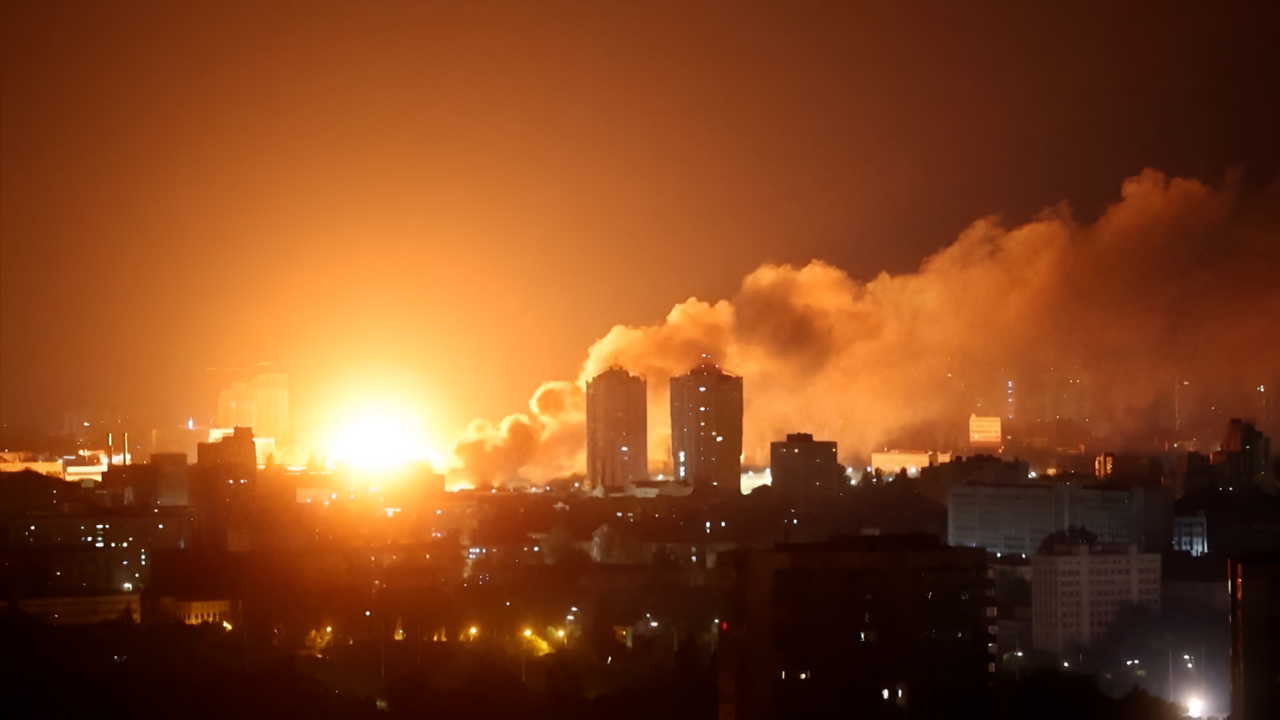
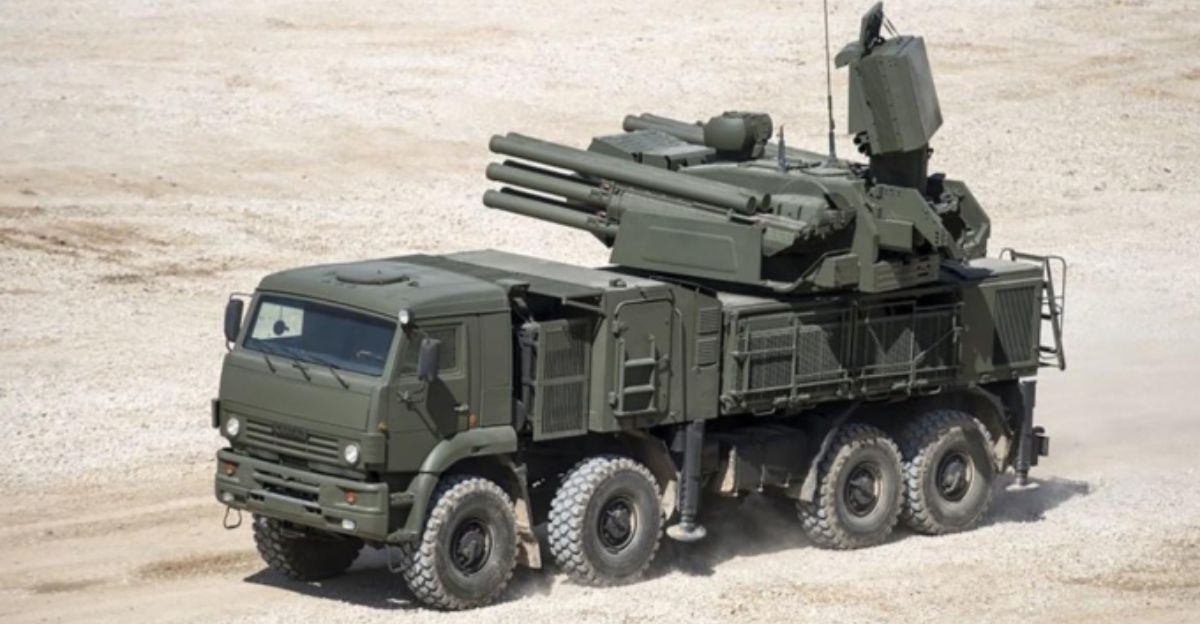
Just after midnight, streaks of light sliced through the Moscow sky as air-defense systems roared to life, their echoes reverberating over quiet residential neighborhoods. Russia’s Defense Ministry reports this ritual has unfolded every day of 2026 so far, transforming the capital from a remote observer into a daily target of Ukrainian long-range drones.
Capital Under Siege
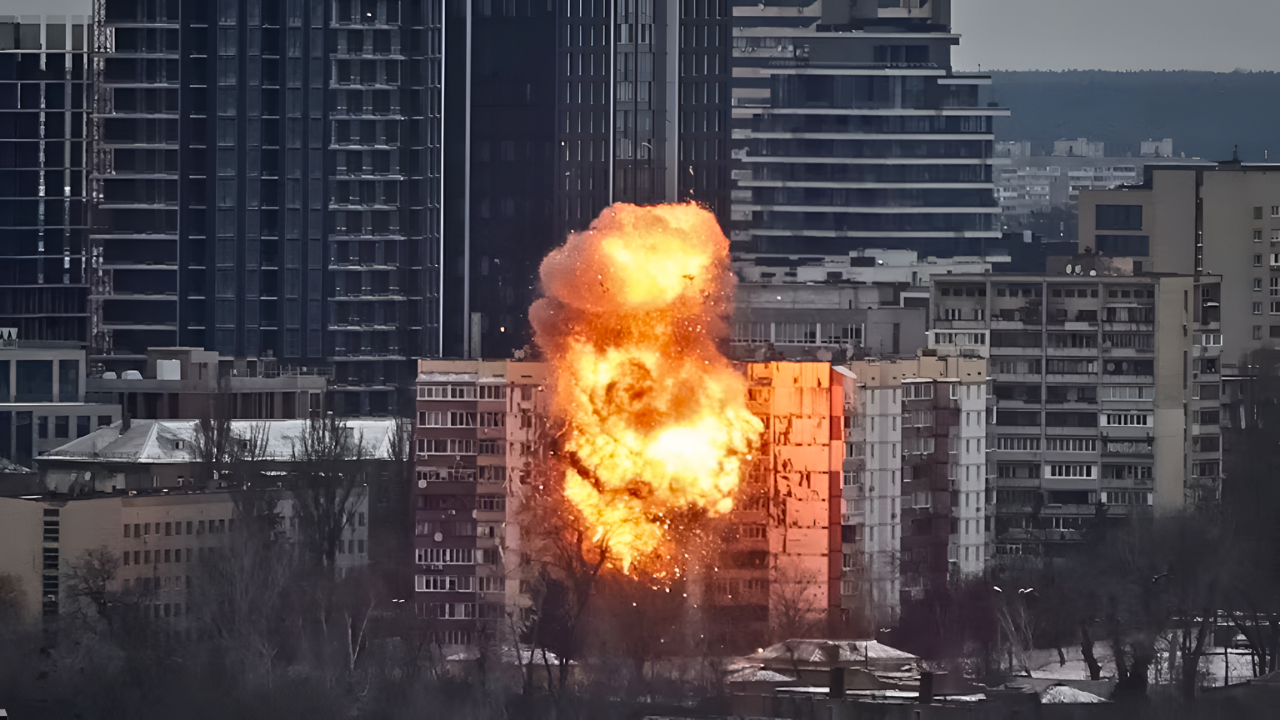
Moscow’s authorities now treat the city as a frontline zone. On January 5, air defenses downed 57 drones over the Moscow region alone, contributing to 437 intercepted nationwide that day. Airports shuttered temporarily amid peak New Year and Orthodox Christmas travel through January 9, delaying, diverting, or canceling flights and stranding thousands. For the 12 million residents in the metropolitan area, the war manifests in nightly alerts, defensive blasts, and debris risks, eroding the sense of safety far from the front lines.
From Rare Probes to Relentless Campaign
Early in the conflict, drone incursions near Moscow were infrequent, often symbolic gestures timed for political impact. Now, they form a sustained pressure tactic. Reporting highlights a clear escalation: from sporadic hits to operations forcing perpetual vigilance in Russia’s core. Ukrainian strikes aim to erode logistics, energy sites, and command nodes, leveraging cheap, mass-produced drones to counter Russia’s manpower edge. Kyiv’s doctrine prioritizes unmanned systems as frontline assets, hitting refineries, depots, and power grids to hike Moscow’s economic toll.
Escalating Drone tallies
Russia’s Defense Ministry, cited by state media, tallied 1,548 Ukrainian drones downed over Russian territory and Crimea in 2026’s first week—one of the war’s highest weekly counts after nearly four years. Late 2025 saw surges: 3,641 in October, 3,392 in November, over 4,300 in December, averaging 141 daily. Ukrainian reports mirror this intensity, noting Russia’s launches topping 200 drones around New Year’s, battering energy infrastructure and blacking out over 100,000 in one region. Crimea features prominently, with strikes on annexed facilities disrupting Black Sea logistics. Figures remain unverified independently, as both sides withhold launch data, overstate kills, and underreport losses or damage.
Strategic Strain and Rival Claims
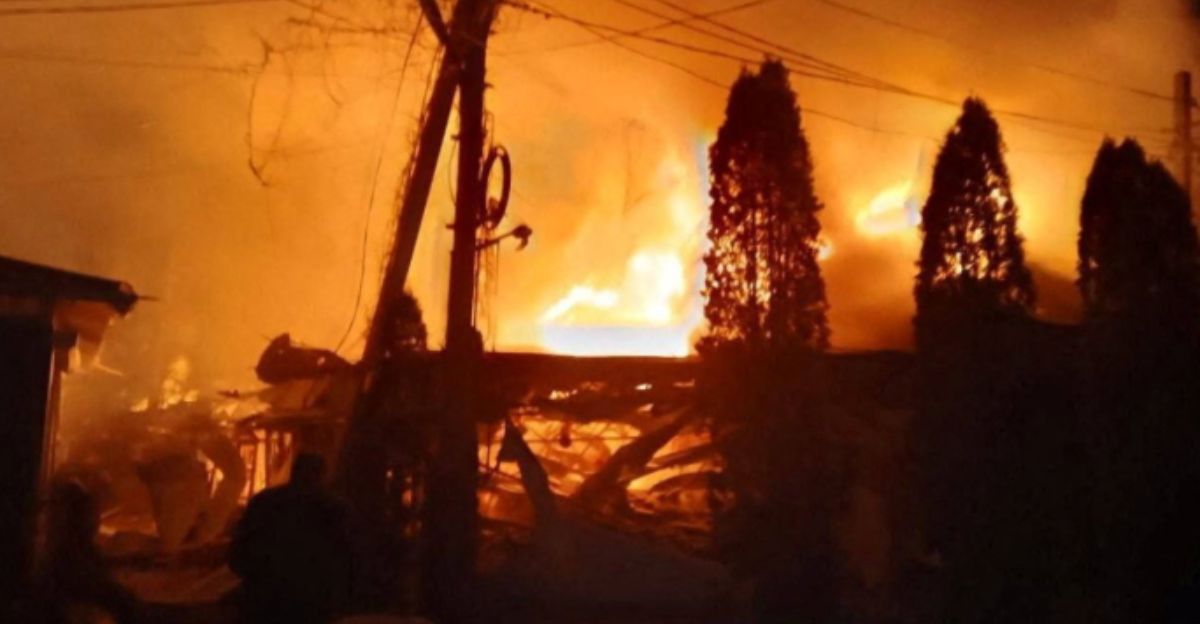
Moscow portrays interceptions as evidence of robust defenses and Ukrainian desperation, while Kyiv frames them as retaliation for Russia’s city strikes. Analysts note hidden costs: debris from downed drones scars buildings and claims lives, while refinery hits accumulate economic damage. Sustained pressure may pull defenses from front lines, stretch supplies, and test public resolve. Ukraine eyes drone campaigns inflicting 50,000-60,000 Russian personnel losses monthly in 2026. As both escalate into the new year, civilians bear the brunt—airspace closures, power cuts, and nightly booms signaling a drone-dominated phase where no rear area feels secure.
This persistent aerial duel raises questions for 2026: Can Russia maintain its defensive web without reallocating scarce assets? Will intensified strikes reshape public sentiment or force tactical shifts? The tempo tests endurance on both sides, with broader implications for war fatigue, infrastructure resilience, and paths to any resolution.
Sources:
TRT World – Russia says Ukraine drone attacks targeted Moscow daily since start of 2026 – January 5, 2026
The Straits Times – Ukraine targets Moscow daily with drones in 2026, Russia says in apparent escalation – January 4, 2026
ABC News – Russia downs 4,300 Ukrainian drones in December, setting new monthly record – December 31, 2025
Ukrinform – Moscow airports shut down as drone attacks disrupt nearly 200 flights – January 3, 2026
Al Jazeera – Russian war deaths are rising to unsustainable levels, says Ukraine – January 8, 2026
Yahoo News – Russia carries war into 2026 with over 200 drones – January 1, 2026