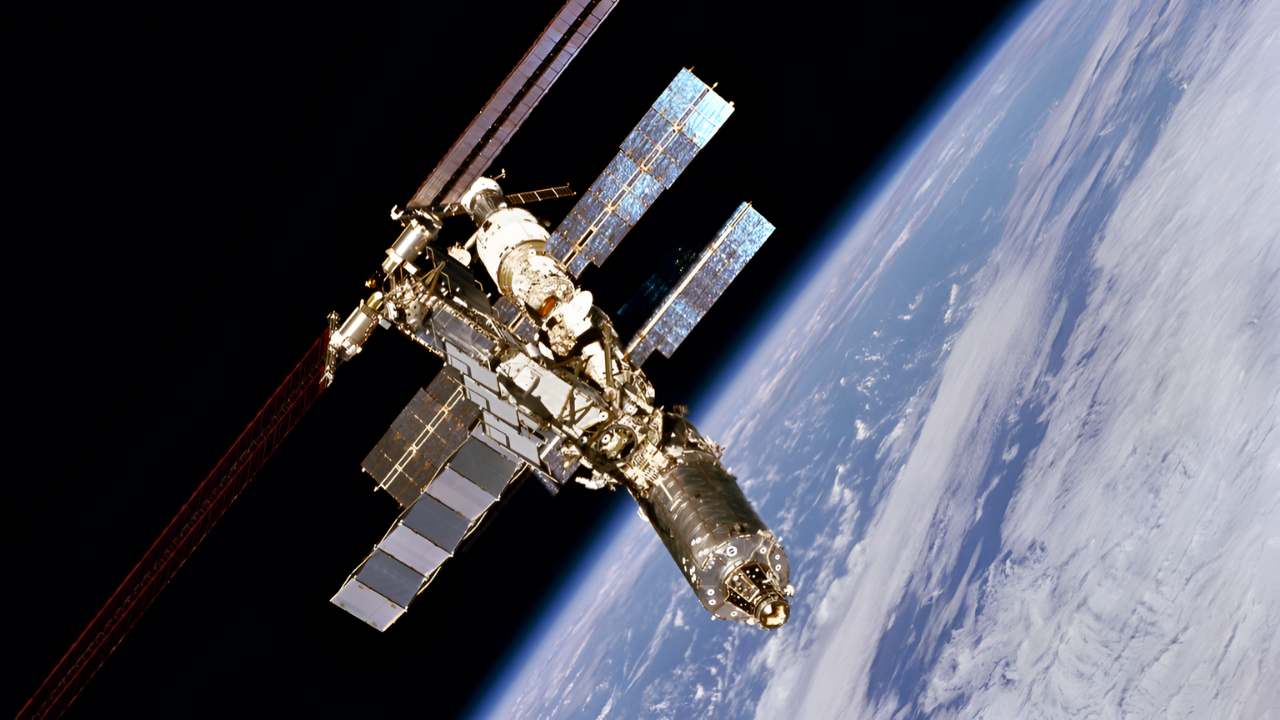
Orbital tracking data shows something startling in late 2025: three of Russia’s missile-warning satellites no longer behaving like active sentinels. Expected maneuvers fail to appear. Coverage gaps widen.
According to nuclear analyst Pavel Podvig’s initial assessment, Russia’s space-based early-warning system may be operating with just one satellite instead of four. That puts 75% of its missile-detection capacity at risk, a single failure away from total blindness.
Satellite Crisis
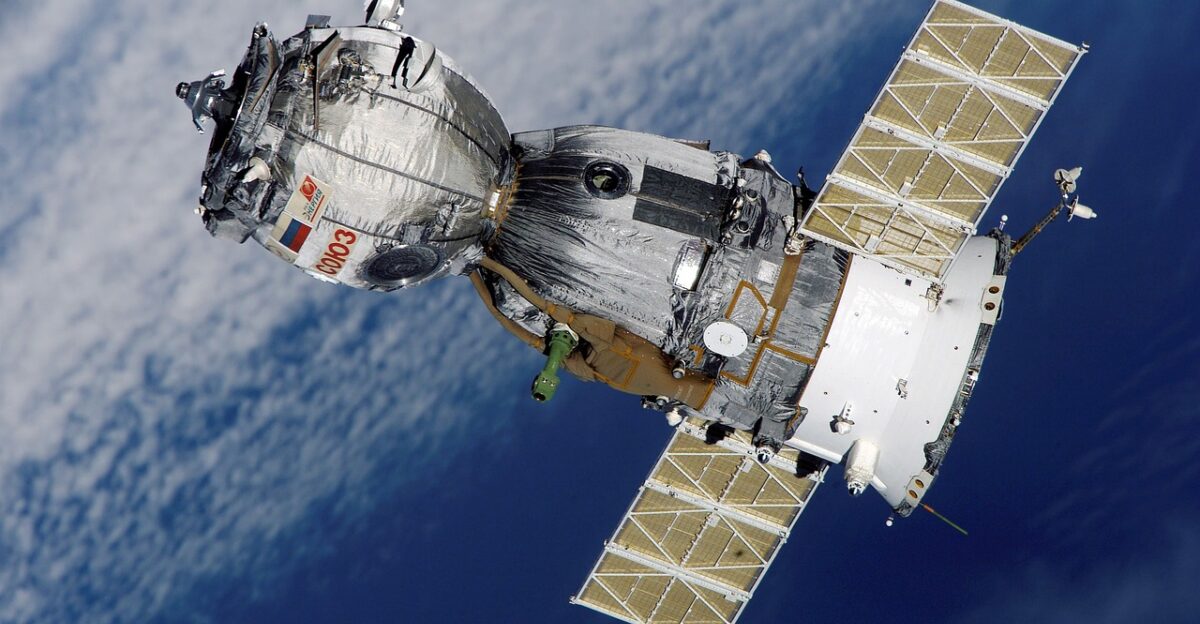
Russia’s nuclear early-warning network depends on its Unified Space System, known as Kupol. Its space-based layer relies on Tundra-class satellites equipped with infrared sensors designed to spot ballistic missile launches from U.S. territory.
Defense officials have stated that at least four satellites are required for baseline coverage. By late 2025, irregular orbital behavior across the constellation raised fears that this minimum configuration was no longer intact.
Legacy Shadows
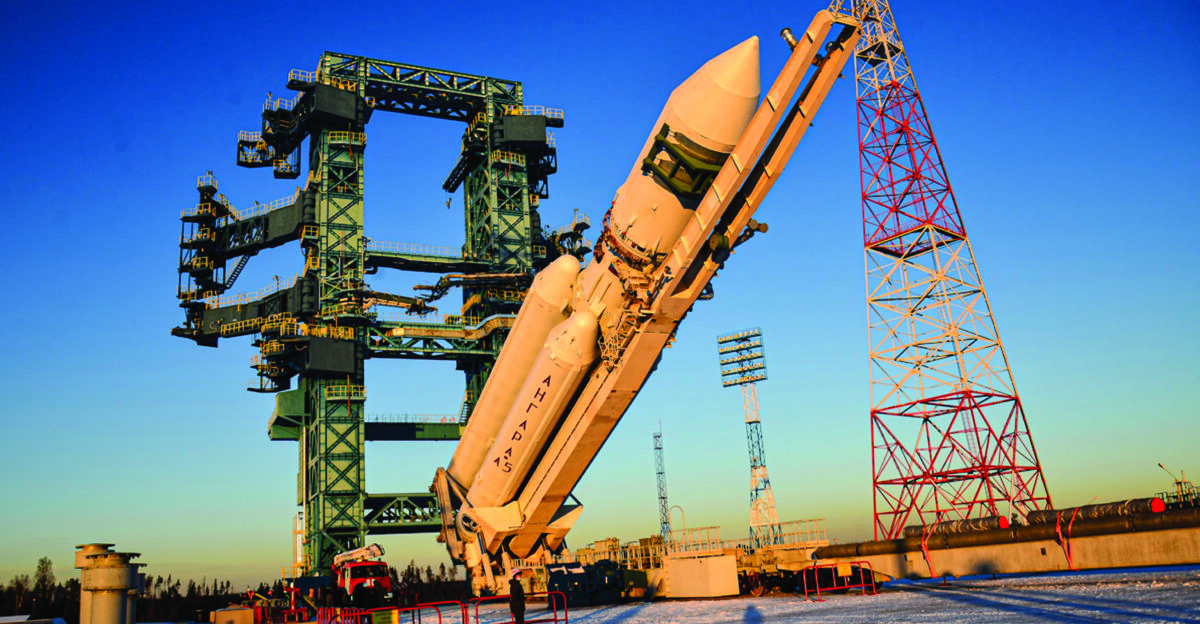
Kupol was meant to replace the Cold War–era Oko-1 system, whose final satellites exceeded their service life and went offline by the mid-2010s. Tundra deployments began in 2015, promising modern sensors and improved reliability.
By 2020, four satellites were reportedly operational. Yet history offers a warning: Russia’s early-warning architecture has collapsed before when aging hardware outpaced maintenance and replacement.
Mounting Failures
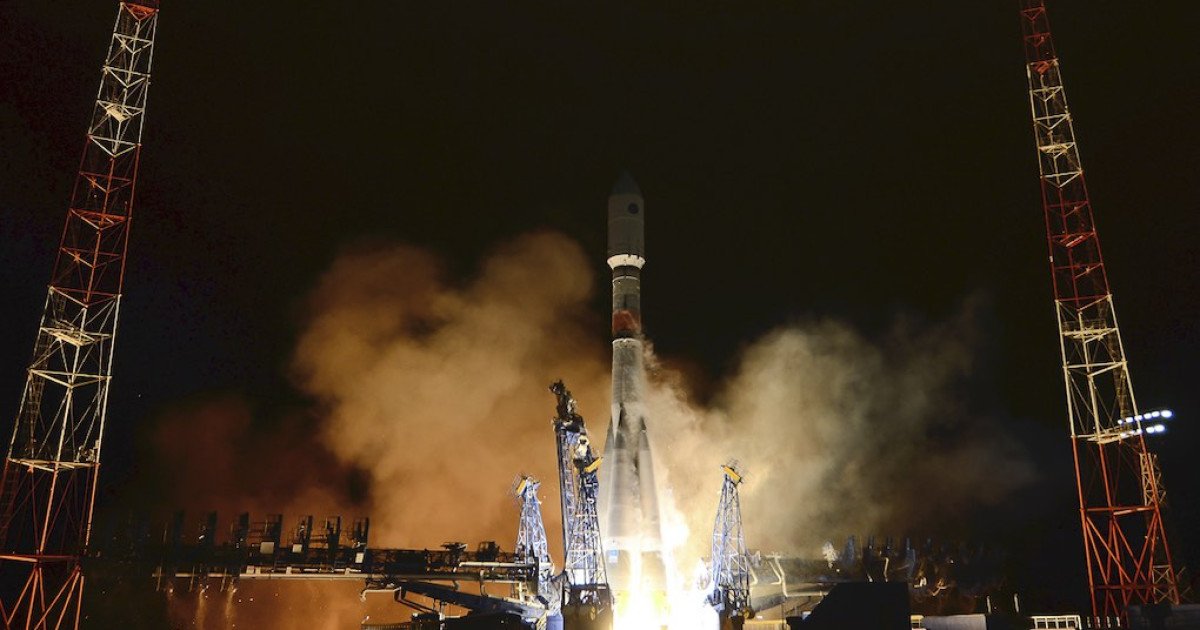
Trouble surfaced when Tundra satellites skipped expected orbital corrections—maneuvers essential for maintaining coverage. Kosmos-2541, launched in 2019, adjusted orbit in March 2025 and then stopped maneuvering.
Kosmos-2563, launched in 2022, showed a similar pattern after July. Analysts initially interpreted the synchronized loss of corrections as evidence of system-wide technical failures.
One Satellite Left?
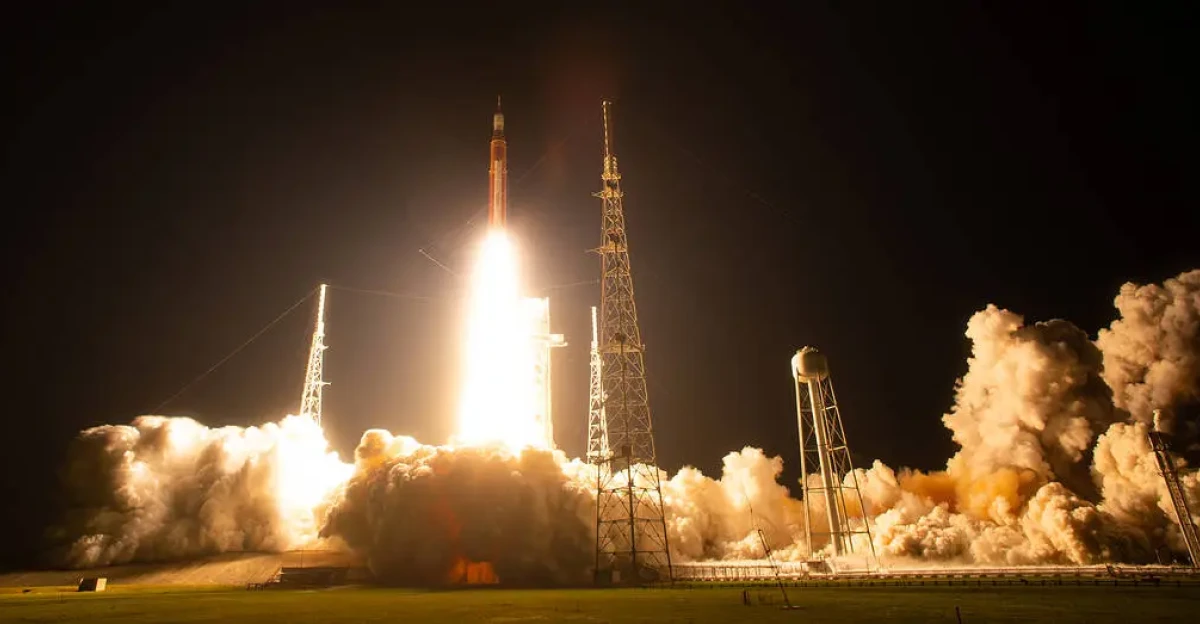
By late 2025, early assessments suggested only Kosmos-2552 remained operational. Launched in November 2021, it missed an expected maneuver that November, raising alarms.
However, subsequent tracking showed all four recent Tundra satellites shifting apogees westward and transmitting radio signals, suggesting coordinated behavior. This raised the possibility that earlier failure conclusions were premature. The true operational status remains unresolved.
Strategic Gaps
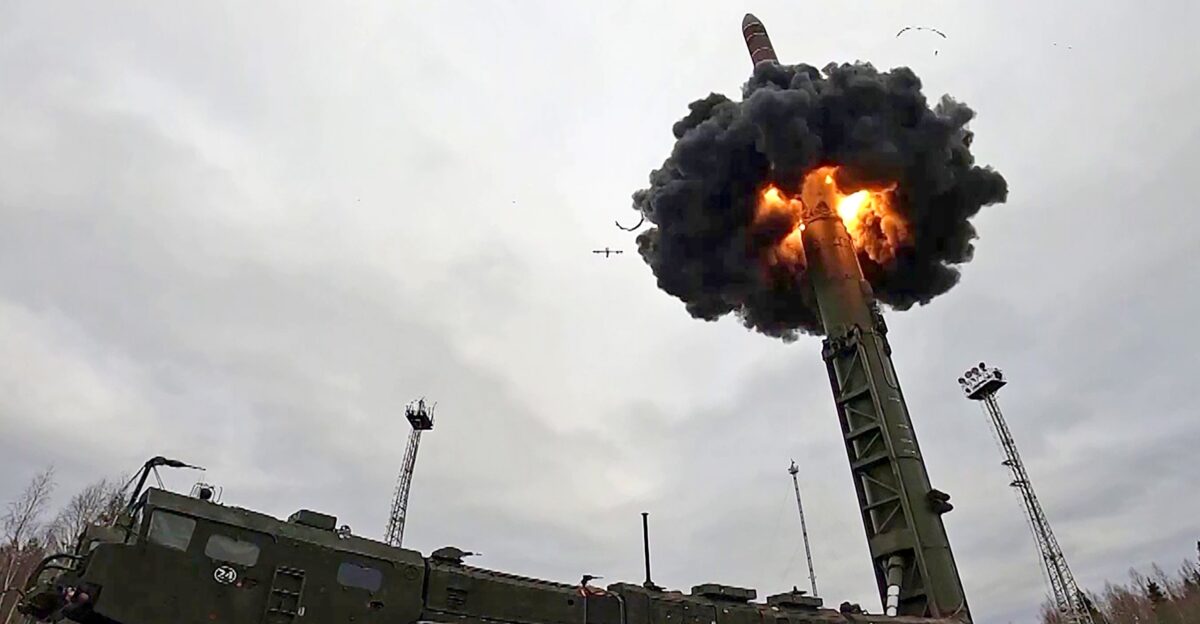
If Kupol’s space segment is reduced, Russia’s ability to detect U.S. ICBM launches in real time degrades sharply. Ground-based radars provide regional warning, but space-based infrared sensors offer global, persistent coverage.
Losing that layer increases reliance on less flexible systems and raises the risk of misinterpretation during crises—when minutes, or seconds, matter most.
Expert Warnings
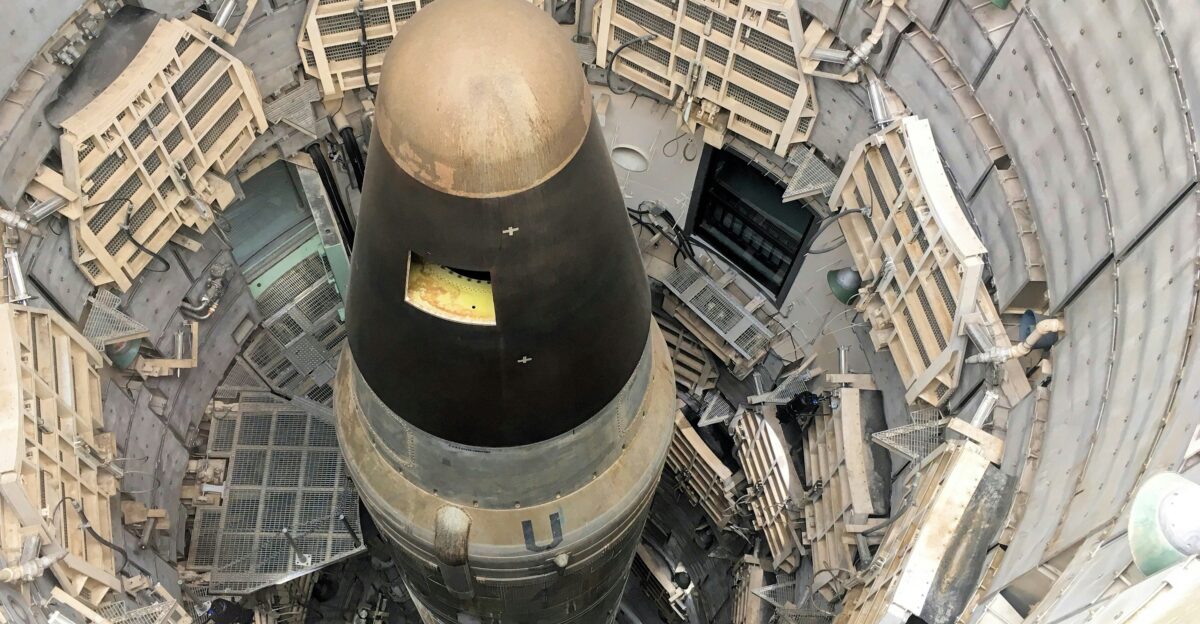
Nuclear weapons expert Pavel Podvig initially concluded that orbital data pointed to only one functioning satellite. He later cautioned that he may have “jumped the gun” after other observers noted coordinated movements and radio activity.
Still, the uncertainty itself is dangerous. Russian defense sources previously claimed four satellites could “track any launches” from the U.S.—a claim now under strain.
Radar Reliance
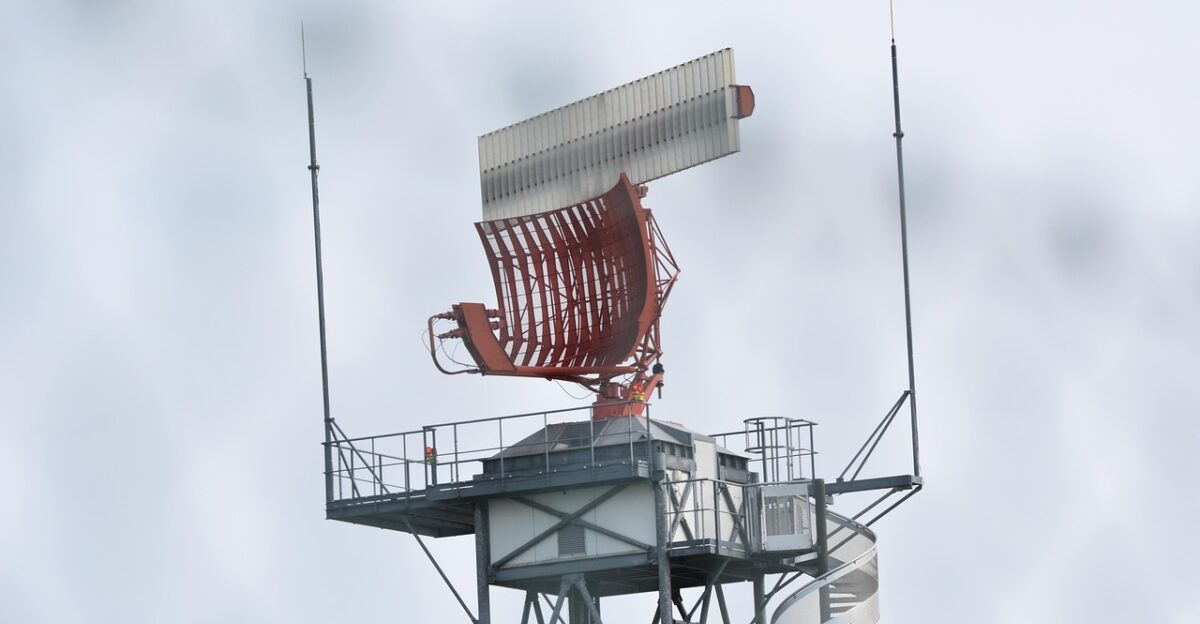
As confidence in space-based detection wavers, Russia increasingly leans on its Voronezh ground radar network. These systems are powerful but limited by geography and line-of-sight constraints, particularly over oceans and polar routes.
By contrast, the United States maintains a full SBIRS constellation. The imbalance underscores how satellite production delays can ripple directly into nuclear stability.
Global Trends
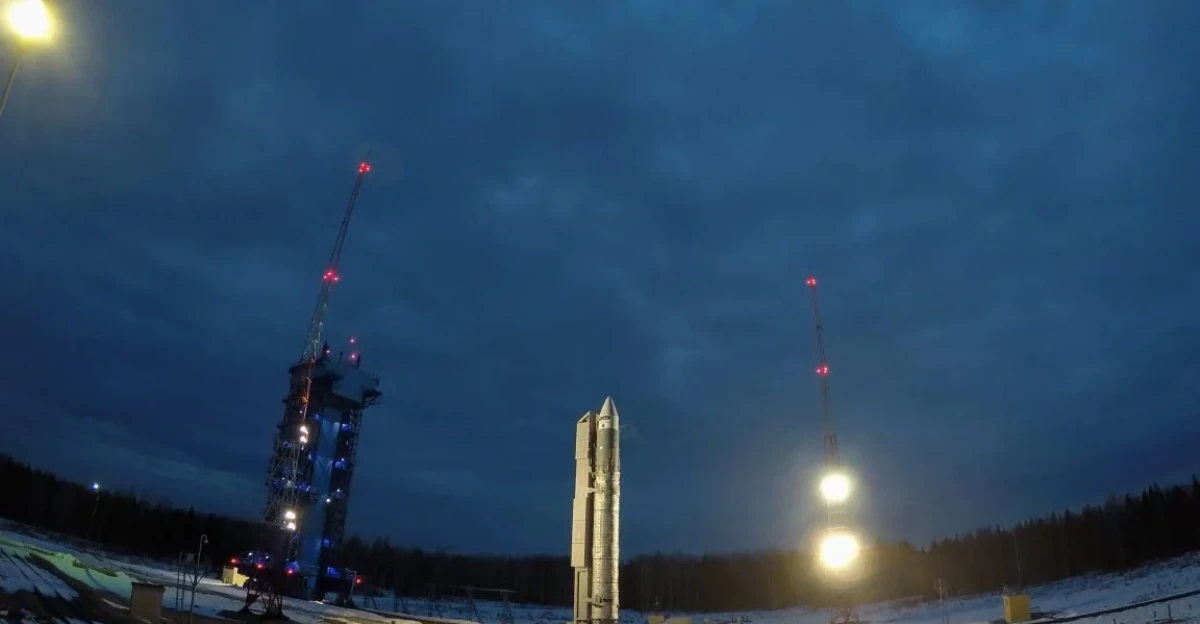
Russia’s trajectory contrasts sharply with its rivals. Oko-1 faded out by the mid-2010s. Tundra reached four satellites by 2020, then entered uncertainty by 2025.
Meanwhile, the U.S. and China expand resilient, layered constellations. Analysts cite funding pressures, sanctions, and manufacturing bottlenecks as persistent obstacles to Russia maintaining parity in space-based deterrence.
Stealthy Rivals
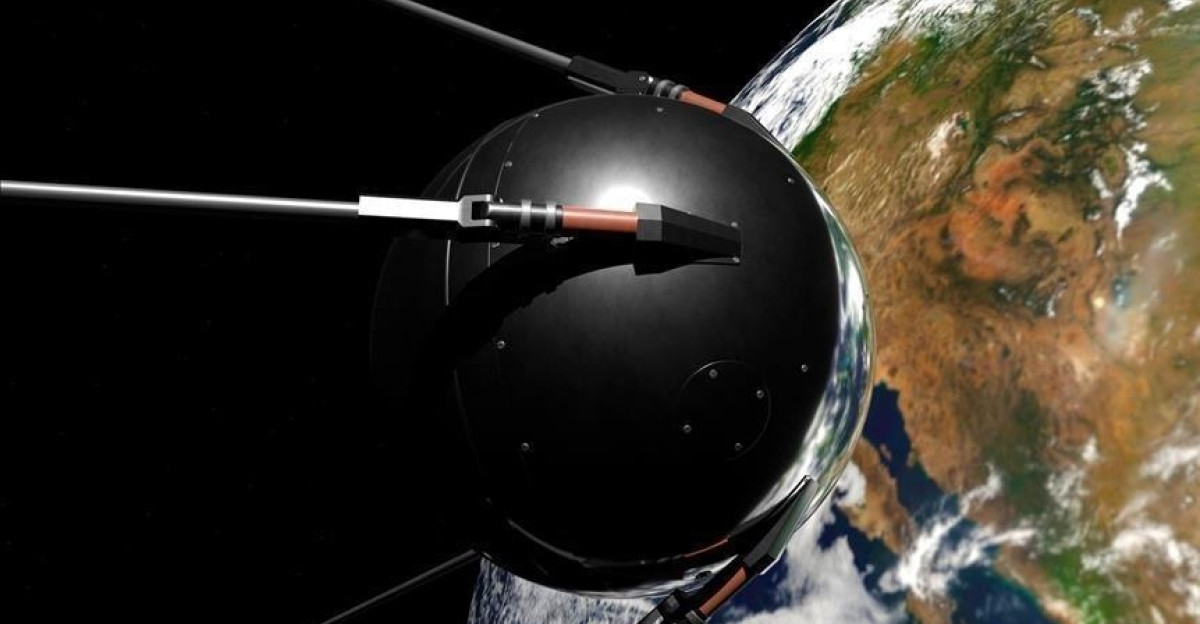
Amid Kupol concerns, Russia tested Mozhayets, an experimental satellite with a visual magnitude around 16, far dimmer than GPS satellites. The design aims to complicate U.S. tracking, not missile detection.
While technologically notable, such experiments do not replace early-warning capacity—highlighting a gap between innovation and operational necessity.
Operator Frustration
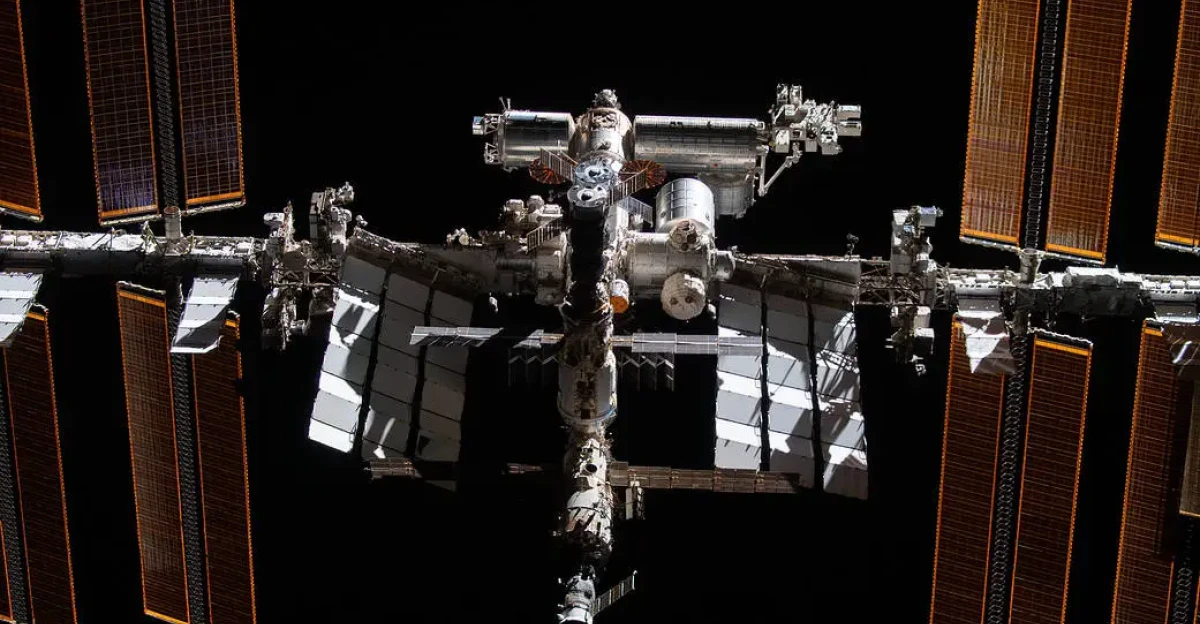
Inside Russia’s military space command, uncertainty strains operations. A defense source once said four satellites enabled full U.S. coverage. Now, redundancy appears thin or nonexistent.
With no clear confirmation of failures—or fixes—operators must plan around ambiguity, adapting procedures while knowing a single satellite loss could erase space-based warning entirely.
Leadership Scrutiny
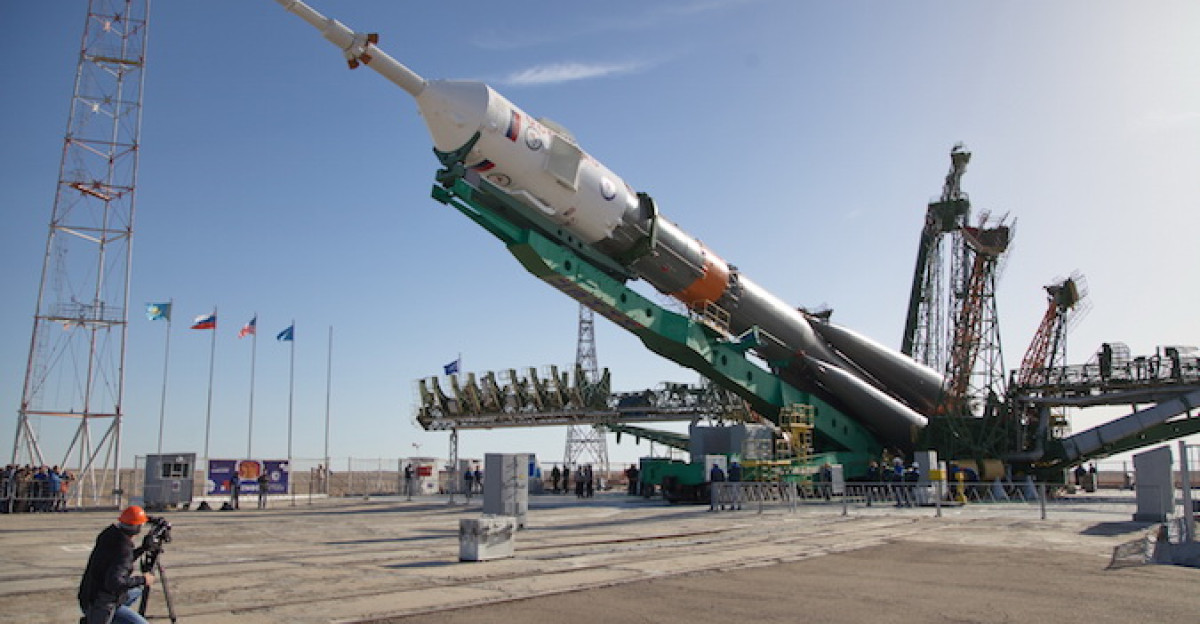
Roscosmos faces growing scrutiny over delays and anomalies in the Tundra program. From Kosmos-2541’s early issues to irregular 2025 maneuvers, concerns have accumulated.
No leadership changes have been announced, but sanctions and competing priorities—such as GLONASS—strain resources. Oversight has intensified as questions mount about whether systemic flaws went unaddressed.
Launch Attempts
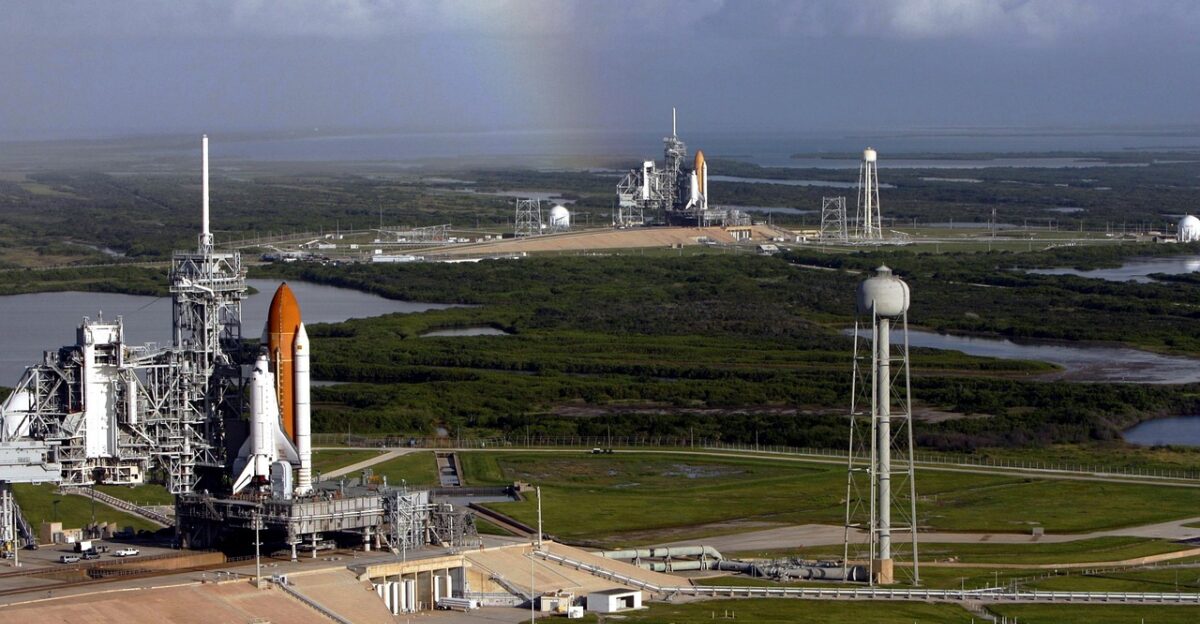
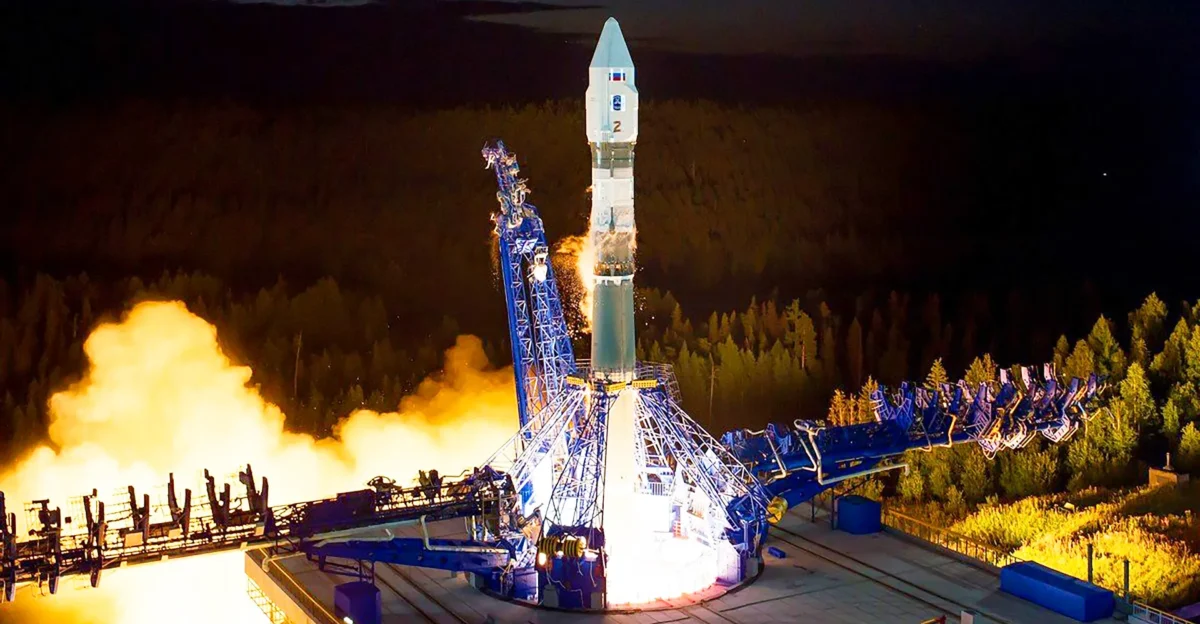
Plans to restore Kupol include launching new Tundra satellites, but timelines remain unclear. Kosmos-2563, launched in 2022, is already nearing its design lifespan.
Analysts note Russia has prioritized ground radars, potentially slowing space replenishment. Economic pressures further complicate production. Every delay extends the period during which redundancy remains dangerously thin.
Skeptic Views
Podvig emphasizes that Russia does not rely on space-based warning as heavily as the U.S. Still, he acknowledges uncertainty: coordinated satellite movements suggest continued function, but confirmation is lacking.
Even optimists concede replacements could take years. Critics question whether stealth projects divert attention from restoring core warning capability, leaving recovery timelines opaque.
Future Shadows
As 2026 approaches, Russia has not publicly clarified the operational status of its nuclear “eyes.” Observers see signs of life—but also signs of fragility.
In nuclear deterrence, uncertainty itself is destabilizing. Whether Kupol is wounded or merely misunderstood, the risk remains: miscalculation grows when warning systems operate on the edge of failure.
Sources:
Russian Strategic Nuclear Forces (Pavel Podvig), “The space segment of the Russian early-warning system is not in good shape”, December 27, 2025
Russian Strategic Nuclear Forces (Pavel Podvig), “Russian early-warning satellites may not be dead yet”, December 31, 2025
Defense News, “Sanctions further delay Russian missile early warning program in space”, March 11, 2023
Breaking Defense, “China, Russia experiment with stealthy satellites, Space Force official says”, December 10, 2025
Federation of American Scientists, “The Pentagon’s (Slimmed Down) 2025 China Military Power Report”, January 8, 2026
Russian Strategic Nuclear Forces (Pavel Podvig), “Russia lost all its early-warning satellites”, February 2015