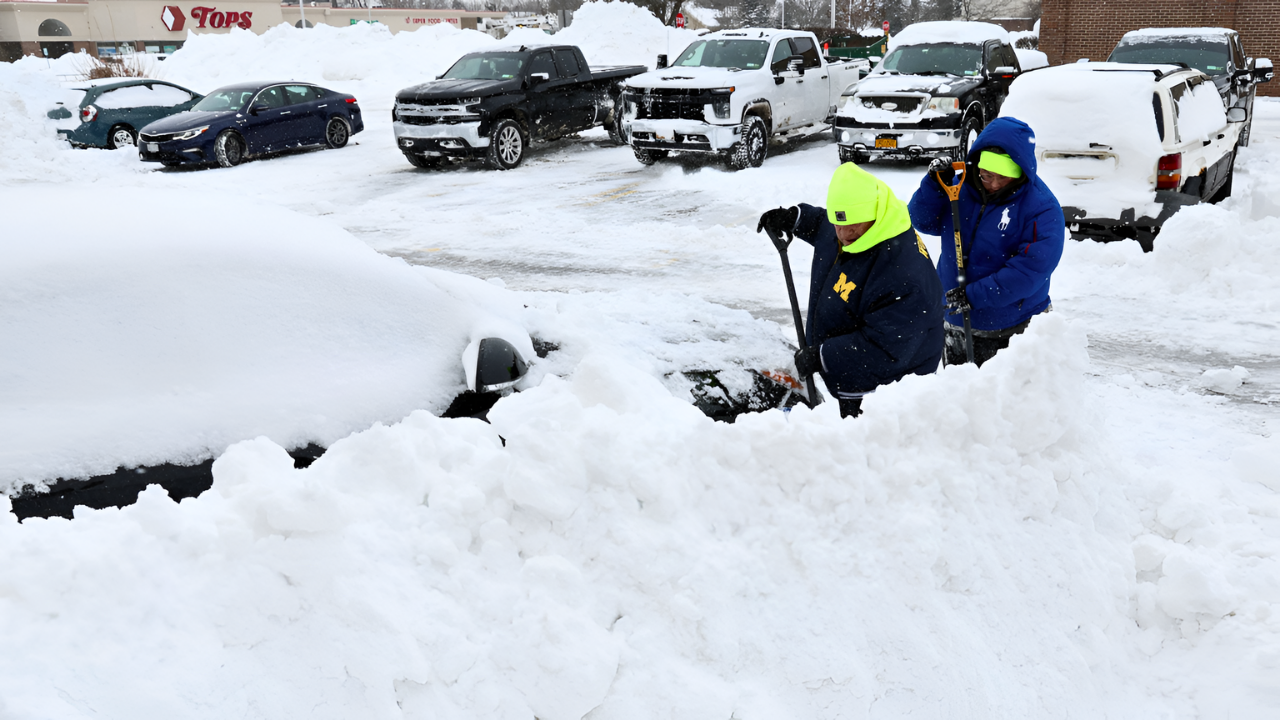
Juneau, Alaska’s capital, has been buried under record-breaking snowfall, turning daily life into a challenge for its 31,000 residents. Walls of snow as tall as people line the streets, creating narrow lanes and blind corners that make driving risky. Schools, shops, and government offices have had to close repeatedly as snowplows fight to keep even main roads passable. Crews also face collapsing roofs, snow-covered boats sinking in the harbor, and an increased risk of avalanches from the steep slopes surrounding the city.
Everyday tasks have become difficult. Roads are so tight that short drives stretch into slow, stressful trips. Snowplow drivers and contractors work around the clock, but their equipment often breaks down, and they’re running out of places to put all the snow. City and tribal leaders have asked the state for help because local resources are exhausted. Shortages of food, fuel, and medical access are starting to appear, leaving many, especially seniors and people with disabilities, struggling to dig out or stay safe.
The Month That Broke Records
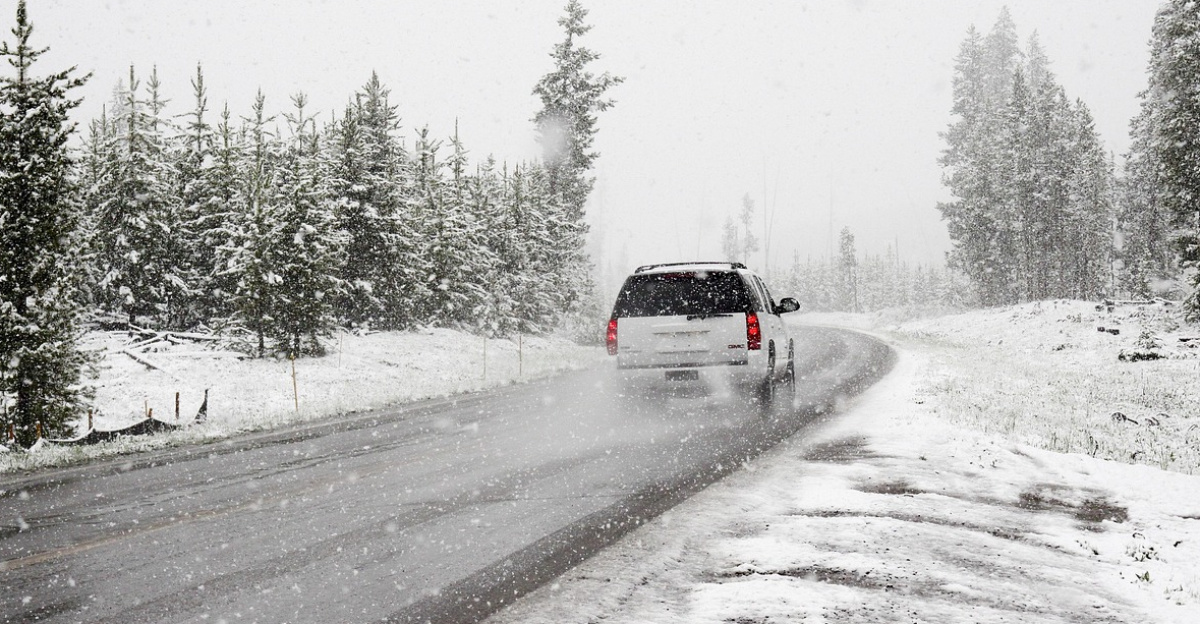
December brought more snow than anyone in Juneau had ever seen. By the end of the month, the airport recorded 82 inches, nearly seven feet of snow. That smashed the previous December record of 55 inches set in 1964 and dwarfed the usual average of about 17 inches. It was the snowiest December ever and the second snowiest month in local history.
The storms rolled in one after another, with no breaks for cleanup. Snow piled up much faster than crews could remove it. The weather also included the coldest 30-day stretch in more than 40 years, which turned the snow dense and icy, making it even harder to move. Dump sites overflowed, forcing plows to haul the snow farther away, burning extra fuel and manpower. City and private equipment both reached their limits, showing how systems built for normal winters can crack under extreme conditions.
The worst stretch came between December 27 and 31, when Juneau was buried under 49 inches in just five days, the most ever recorded over that period. Depths reached up to seven feet in places, and meteorologists called it a “once-in-a-generation” event for Southeast Alaska.
A Community Under Pressure
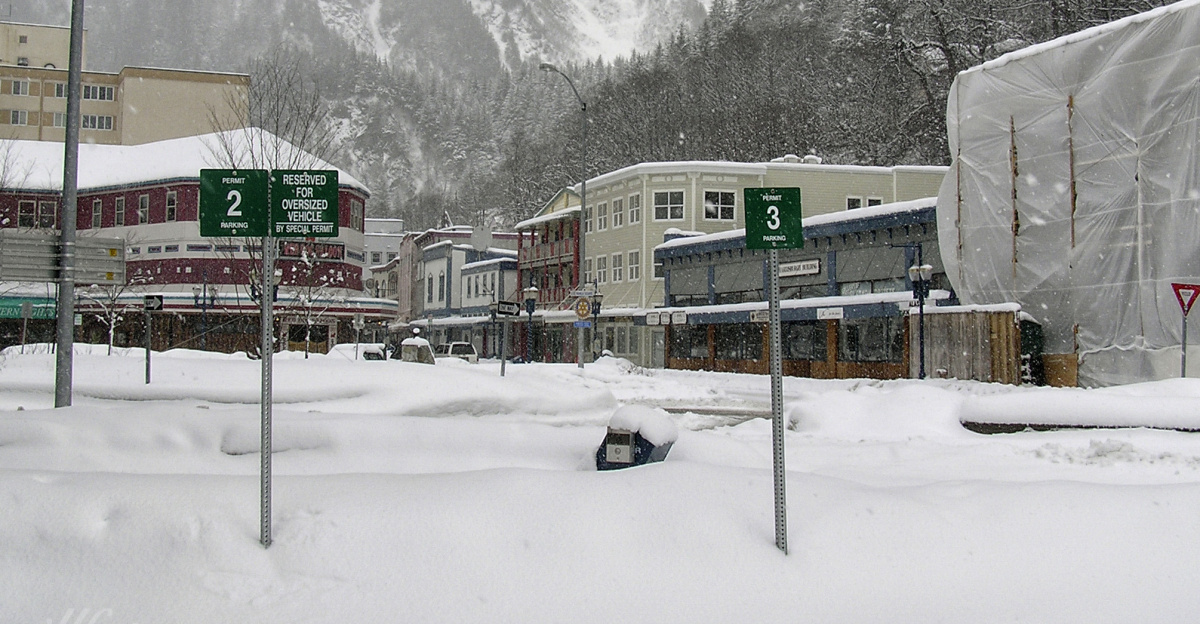
The heavy snow quickly disrupted every corner of life in Juneau. On December 31, Thane Road, the only route to the small coastal community of Thane, was closed because of avalanche danger, cutting residents off until state crews could clear it. At the airport, plows couldn’t keep up, forcing temporary runway shutdowns. Delivery trucks and school buses became stuck on side streets buried under snow.
Across town, the snow took a physical toll. Several boats sank or were damaged after snow collapsed their decks. A martial arts gym roof gave way, a downtown business was destroyed, and carports and fuel-station canopies folded under heavy loads. Some larger buildings, including a shopping mall, had to shut down parts of their roofs for emergency clearing.
Hundreds of residents were trapped at home, unable to dig out. More than 400 people sought help from community organizer Brenda Skeek, reporting that they couldn’t clear paths to the street or even reach their buried fuel tanks. The combination of sagging roofs and near-constant avalanche warnings left many residents frightened to leave their homes.
Statewide Response and What Comes Next
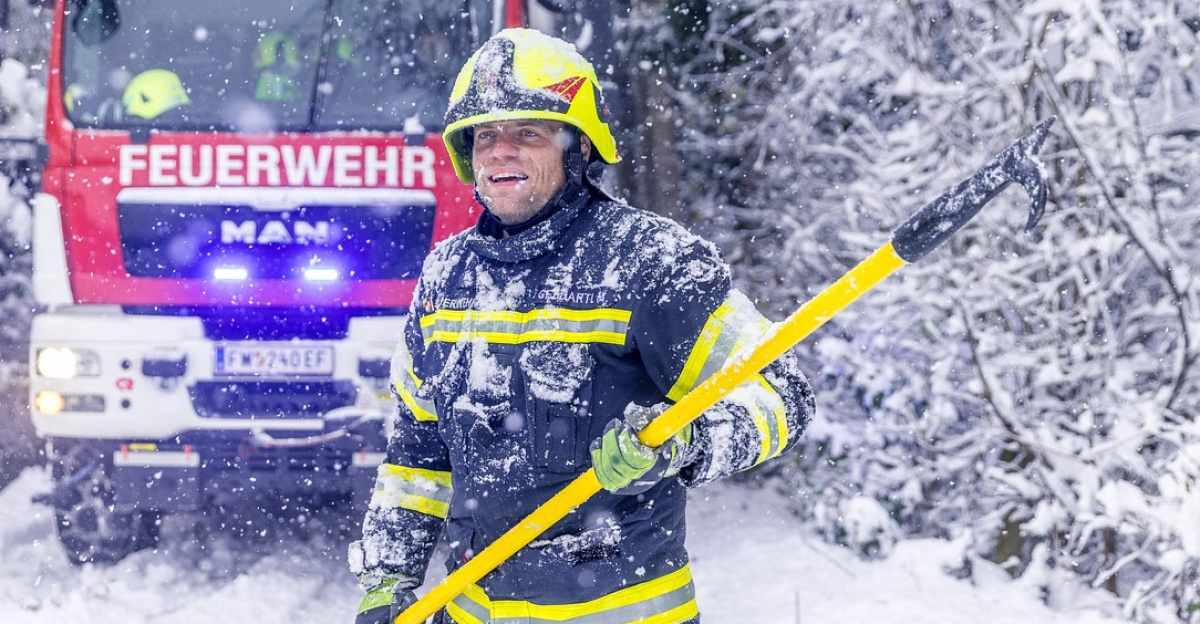
On January 6, the City and Borough of Juneau and the Central Council of the Tlingit & Haida Indian Tribes of Alaska made an emergency declaration. They said local efforts were no longer enough to protect people and property. The next day, Governor Mike Dunleavy issued a state disaster declaration, unlocking funding and support from state emergency teams. Because traditional snow dumps were full, the state allowed Juneau to start pushing clean snow into Gastineau Channel to make room for more removal.
City crews refocused on preventing bigger disasters, such as roof collapses at hospitals, schools, and water facilities. Bartlett Regional Hospital even delayed non-urgent procedures so staff could help keep the building safe. Engineers warned that several public structures were reaching their limits under the snow weight, so plowing teams were sent to clear those roofs before returning to homes.
Community advocates like Skeek continued pushing for faster relief, saying help was too slow to reach the trapped and vulnerable. Officials considered calling in the National Guard if conditions didn’t improve soon.
Even as the city began digging out, forecasters warned another Pacific storm was forming offshore. It could drop another 8 to 16 inches of snow, followed by up to three inches of rain. This “rain-on-snow” situation increases the risk of flooding, roof failures, and wet, heavy avalanches.
Experts say this winter’s extreme conditions may be a sign of what’s to come. More frequent record-breaking snowfalls, longer cold spells, and sudden warm-ups could challenge Alaska’s infrastructure in the years ahead. City planners and engineers are now asking whether current building codes, snow-load limits, and emergency plans are strong enough for harsher future winters.
Sources:
AccuWeather, Juneau, Alaska, braces for more snow: ‘There’s nowhere to put it’, 8 Jan 2026
Juneau Independent, Update: Juneau Assembly ratifies snowfall disaster declaration, 7 Jan 2026
Alaska Climate Research (Rick Thoman), Southeast Alaska Extreme Snowfall, 31 Dec 2025
Alaska Climate Research (Rick Thoman), Alaska December 2025 Temperature Summary, 3 Jan 2026
KTOO, Dunleavy approves assistance to Juneau after city, tribe declare local emergency following record-breaking snowfall, 5 Jan 2026
AccuWeather, 80 inches of snow in Juneau, Alaska, smashes record, sinks boats, 30 Dec 2025