Kroger’s long pursuit of Albertsons promised scale, savings, and lower prices. Instead, the failed $24.6 billion merger ended with court injunctions, lawsuits, and a sharp strategic reversal.
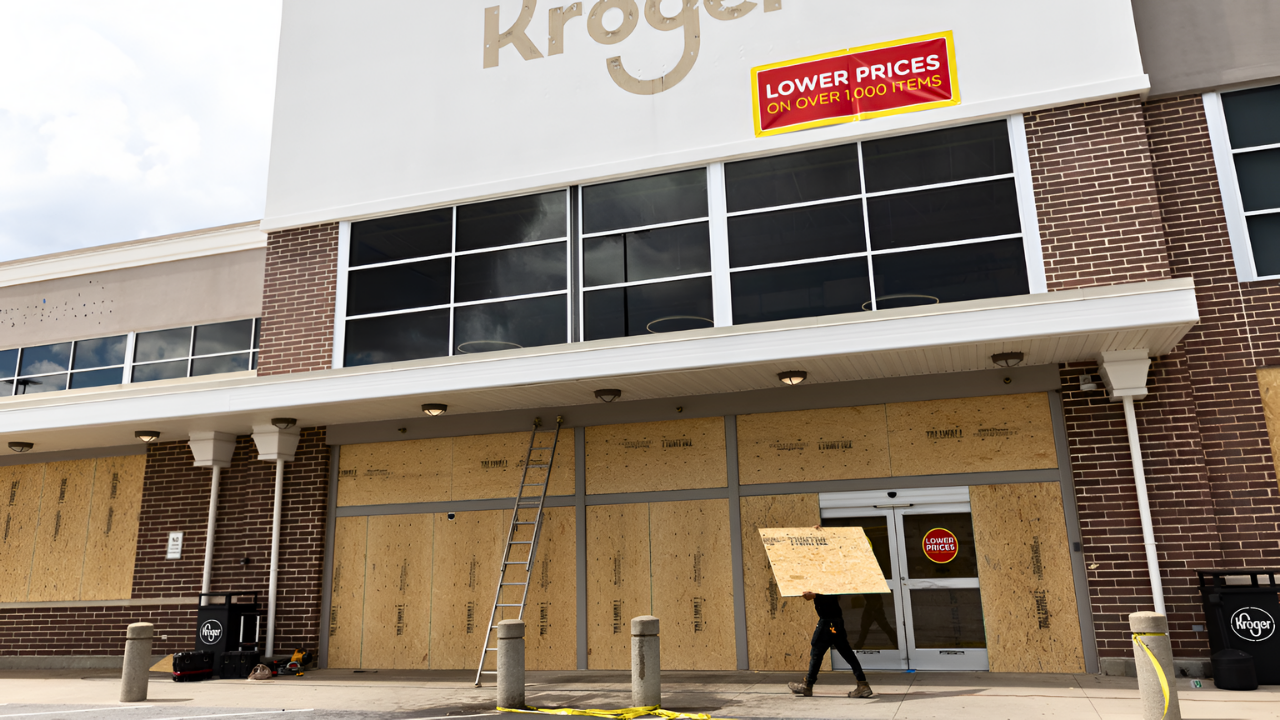
Now, the nation’s largest traditional grocer is closing approximately 60 supermarkets, cutting jobs, and reevaluating its e-commerce strategy after years of expansion. The shift reveals how fragile grocery economics have become. Here’s what’s going on.
A Merger Collapse Triggers Closures
After 3 years pursuing Albertsons, Kroger announced it would permanently close about 60 underperforming supermarkets nationwide, roughly 2% of its 2,731-store footprint. The decision followed the December 2024 court-ordered collapse of its $24.6 billion acquisition attempt. Promised savings and price cuts disappeared overnight, setting the stage for a far-reaching reset across its business.
A Sudden Pivot In Public View
Kroger revealed the closures during its first-quarter earnings call on June 20, 2025. The plan spans 18 months and affects multiple regional banners across 35 states. After years focused on growth and scale, this marked Kroger’s first major contraction. Executives framed it as focus, but the explanation sharpened once leadership spoke directly.
“We’re Going To Move With Speed”
Interim CEO Ron Sargent told investors, “We’re going to move with speed. We’re going to concentrate on our core business and we’re going to run great stores.” Rising labor costs, theft, and shifting consumer habits drove urgency. Yet the quote also hinted at something larger: a recognition that the old merger-led strategy was finished.
The $24.6 Billion Deal That Collapsed
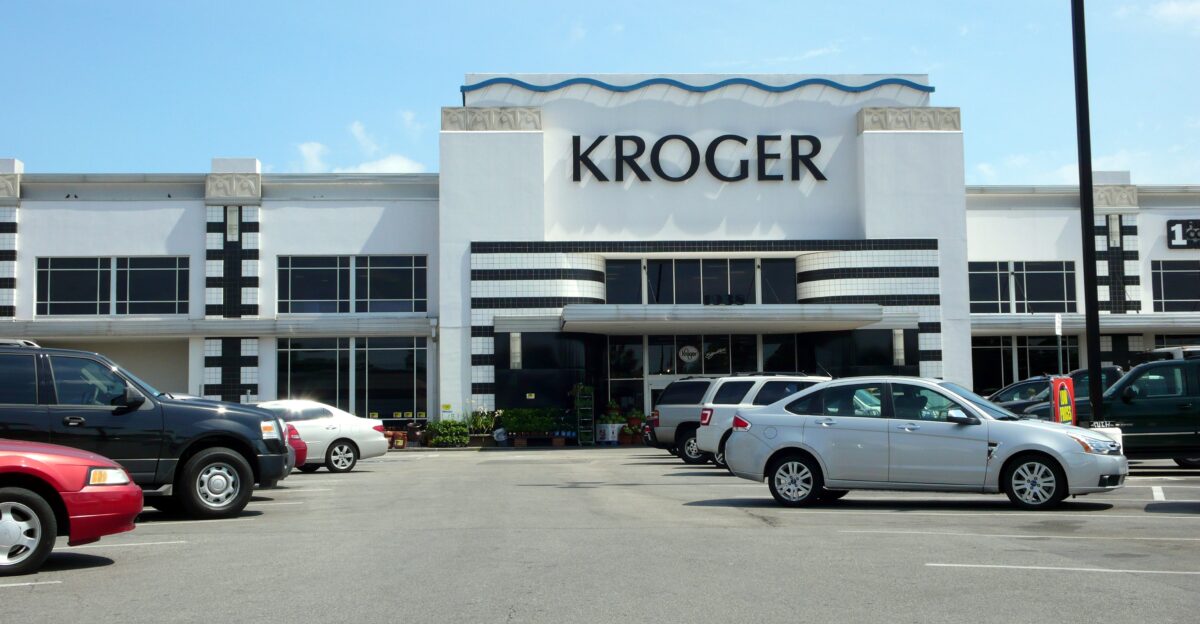
Kroger and Albertsons announced their definitive $24.6 billion merger in October 2022. Regulators sued in February 2024, warning it would reduce competition and raise prices. On December 10, 2024, judges blocked the deal. Albertsons formally terminated it December 11, unleashing legal and financial fallout that still continues.
Albertsons Walks Away With Cash
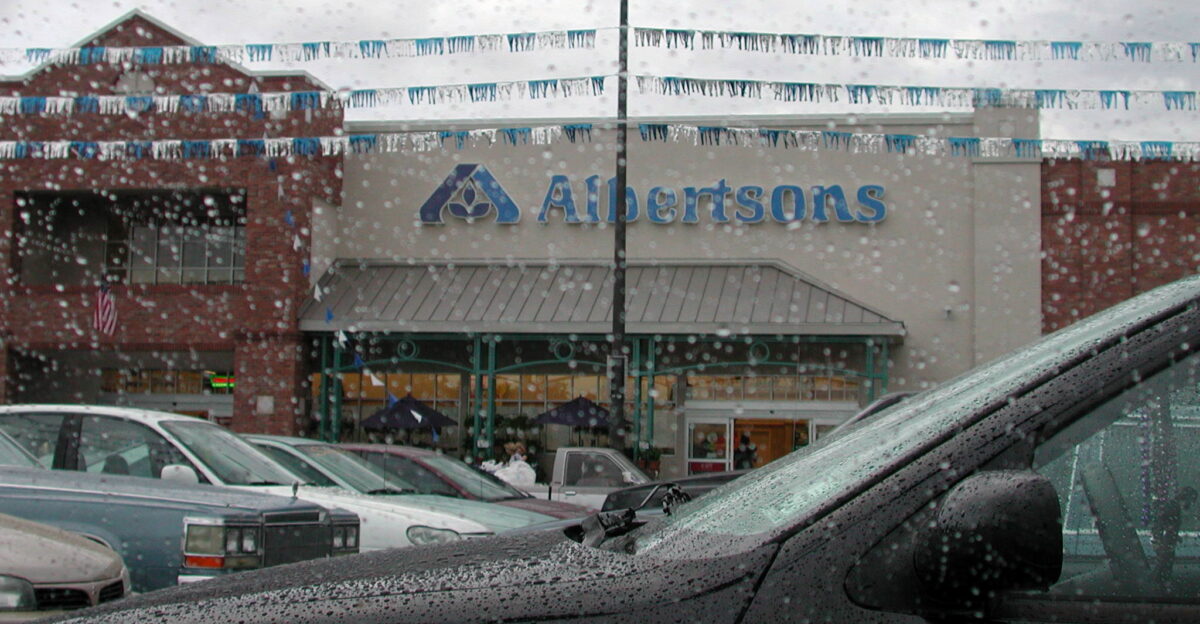
Albertsons accused Kroger of failing to use “best efforts” to win approval. It collected a $600 million termination fee, about $600 million USD, and sued for billions more in damages. At the core was whether promised price cuts justified consolidation. Courts answered no, but another abandoned plan proved equally important.
The Divestiture Plan That Failed
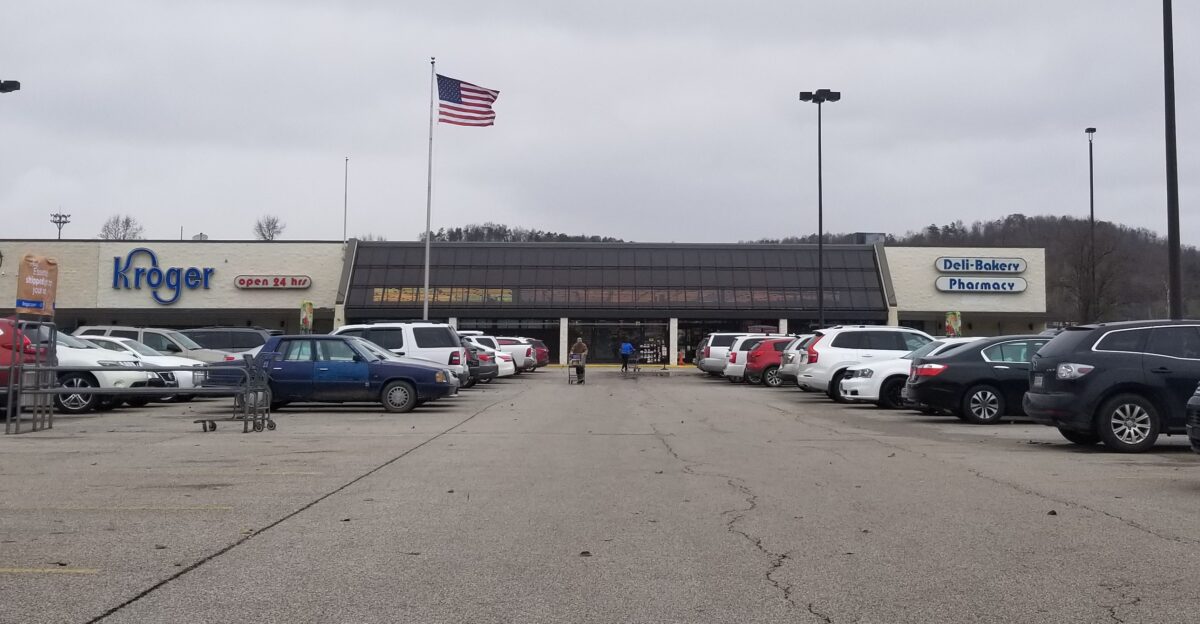
To satisfy regulators, Kroger proposed divesting 579 stores to C&S Wholesale Grocers. The FTC rejected the plan, arguing C&S lacked scale, operating only 23 supermarkets then. Judge Adrienne Nelson warned C&S would face “significant obstacles.” That ruling ended hopes of saving the merger and reshaped Kroger’s store footprint.
From Divestiture To Shutdowns
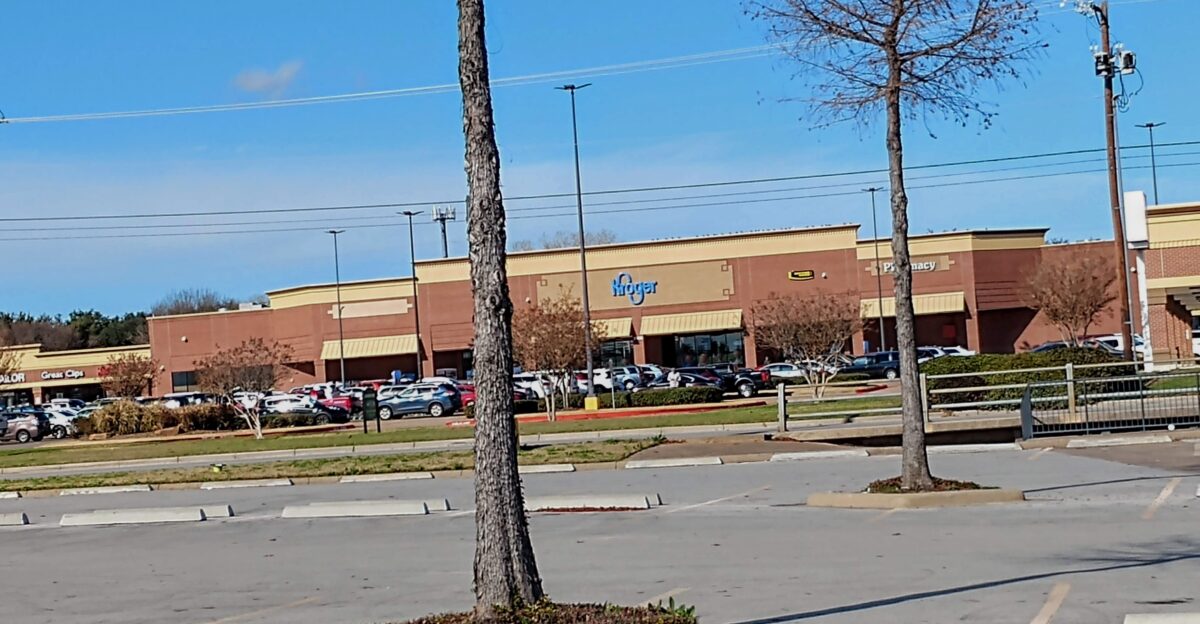
When the injunction landed, the divestiture plan died. The 579 stores stayed with Kroger, yet 60 different locations are now closing instead. Critics see the move as post-merger downsizing under a new name. That shift raises a sharper question: how did Kroger decide which communities would lose stores?
Stores “Failing To Deliver Sustainable Results”
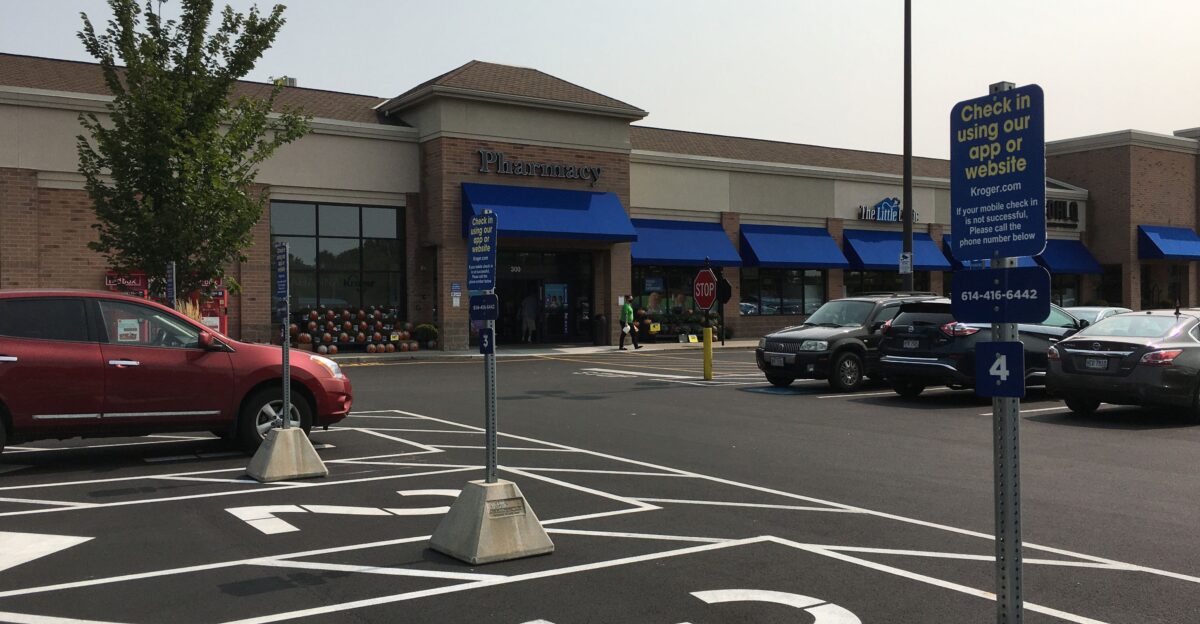
Kroger said the closures involve stores “failing to deliver sustainable results.” It recorded a $100 million impairment charge in Q1 2025 and described benefits as modest. Analysts estimate 100 to 150 employees per store, placing 6,000 to 9,000 jobs at risk. The human impact became clearer as closures accelerated.
Closures Accelerated Quickly
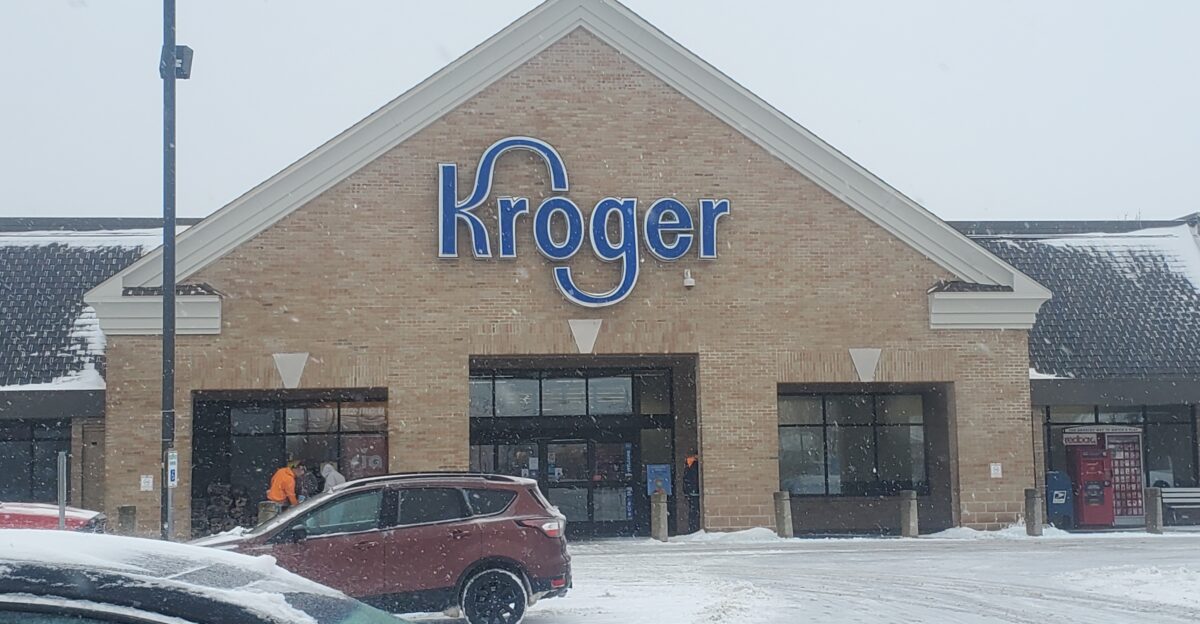
By mid-2025, at least 39 stores had already closed or posted closure dates. Kroger promised transfer opportunities for workers, but transfers can mean longer commutes, fewer hours, or lost seniority. While executives say markets are not being abandoned, employees experience the disruption differently, especially those with limited flexibility.
A Transfer Offer With Hidden Costs
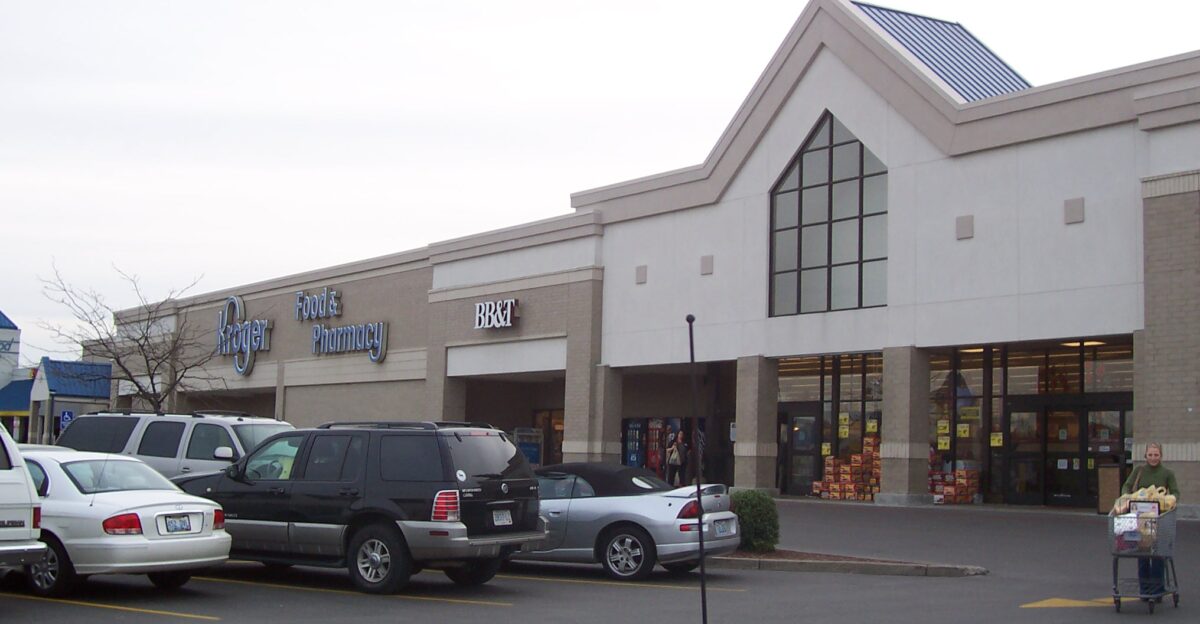
For many workers, transfer offers function more like pressure than security. Moving stores can increase childcare costs, transportation expenses, and scheduling instability. Union contracts protect some employees, but not all. Distance to the next nearest store often determines whether a job truly survives. Could this deepen hardship in vulnerable areas?
Closures Spread Nationwide
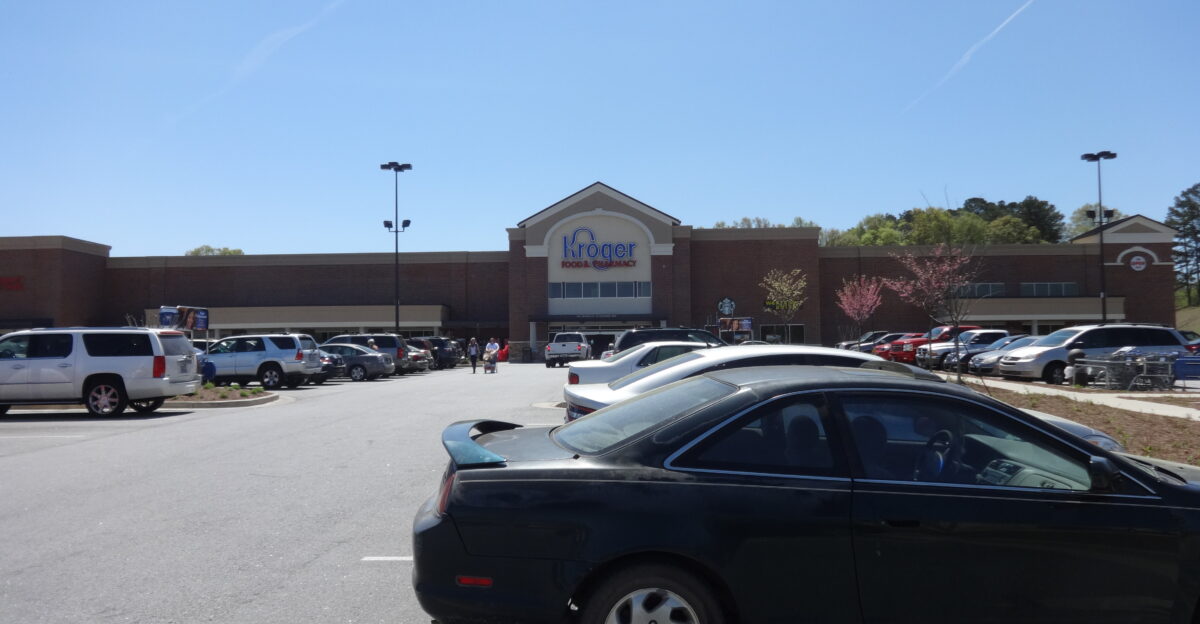
Affected stores span Texas, Georgia, Illinois, Indiana, and Virginia, with others confirmed in California, Colorado, Kentucky, Louisiana, Maryland, North Carolina, Oregon, Tennessee, and Wisconsin. Banners include Food 4 Less, Mariano’s, Pick ‘n Save, and King Soopers. The breadth shows no region is immune, but access matters most locally.
When A Supermarket Disappears
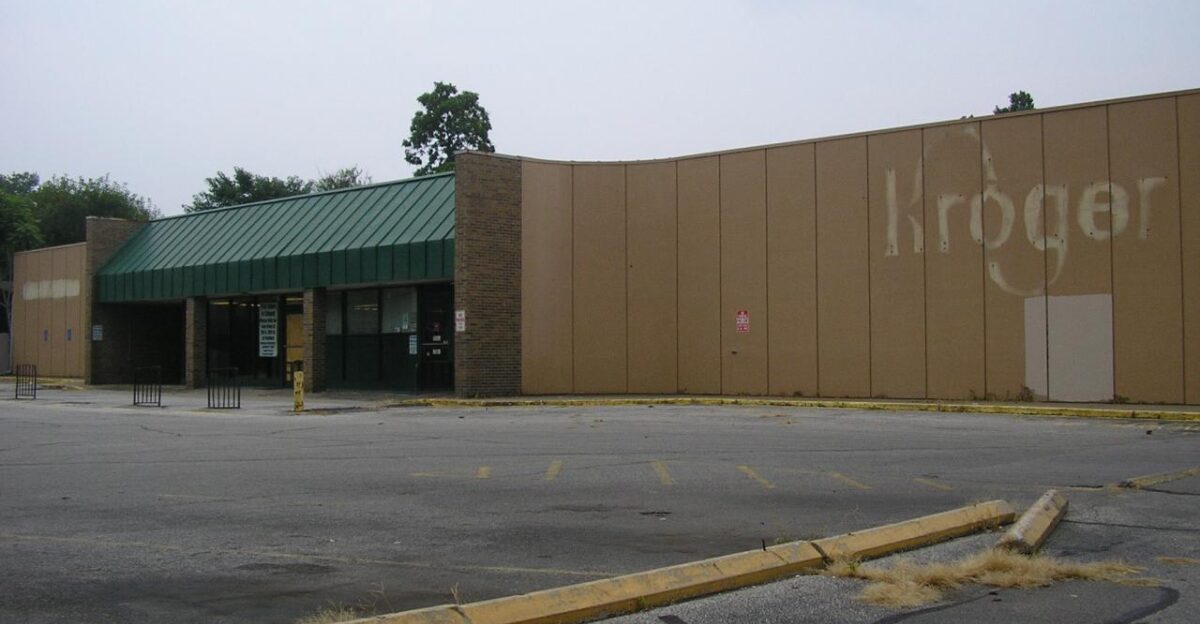
Only 2 of 39 confirmed closures involved stores once slated for divestiture, showing an independent strategy. For communities, the loss means longer trips for fresh food or reliance on convenience stores. Food access gaps hit hardest in lower-income areas. Workers feel it first, but neighborhoods absorb the shock too.
“That’s Not Realistic” For Families

One worker said, “They’re telling us we can transfer, but the nearest store is 45 minutes away. That’s not realistic for someone making minimum wage.” Grocery stores anchor shopping centers and support nearby businesses. When they close, surrounding retail often declines, even as Kroger says it is reinvesting elsewhere.
Leadership Shift During Strategy Shift
Ronald Sargent became interim CEO on March 3, 2025, after Rodney McMullen resigned following a Board investigation into conduct “inconsistent with Kroger’s Policy on Business Ethics.” A judge later ordered disclosure in separate litigation. Sargent emphasized speed and “great stores,” signaling a cultural and operational reset at a fragile moment.
A Turning Point For Grocery Retail
Kroger’s 60 closures reflect rising theft, wage inflation, supply chain strain, and relentless competition from Walmart, Amazon, Costco, and Aldi. Kroger is betting on stronger markets, store-based e-commerce, and selective growth after the failed $24.6 billion merger. The outcome will shape grocery access, prices, and jobs for years ahead.
Sources
Kroger Reports First Quarter 2025 Results. The Kroger Co., June 20, 2025
FTC Challenges Kroger’s Acquisition of Albertsons. Federal Trade Commission, February 2024
Albertsons Terminates Merger Agreement. Albertsons Companies Inc., December 11, 2024
Kroger to accelerate store openings as it moves fulfillment to retail locations. CoStar, October 2025
Albertsons Files Lawsuit Against Kroger for Breach of Merger Agreement. Albertsons Companies Inc., 2025