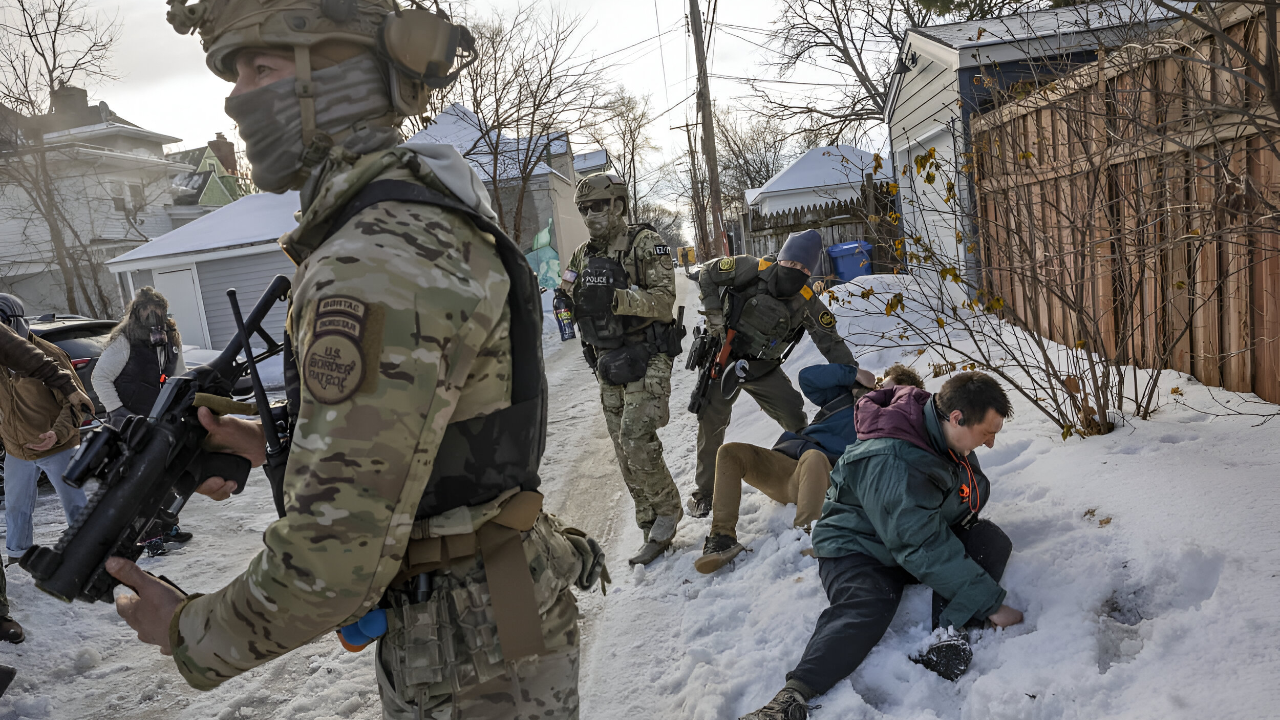
On Wednesday morning, a 37-year-old mother of three sat in her maroon Honda Pilot on a snowy Minneapolis street. Renee Nicole Good was a poet, community advocate, and US citizen. Within seconds, federal agents would fire three shots. She died at the hospital.
Her killing has sparked more than 1,000 protests nationwide and forced a reckoning over federal immigration enforcement tactics in American neighborhoods.
Federal Surge Reaches 3,000 Agents
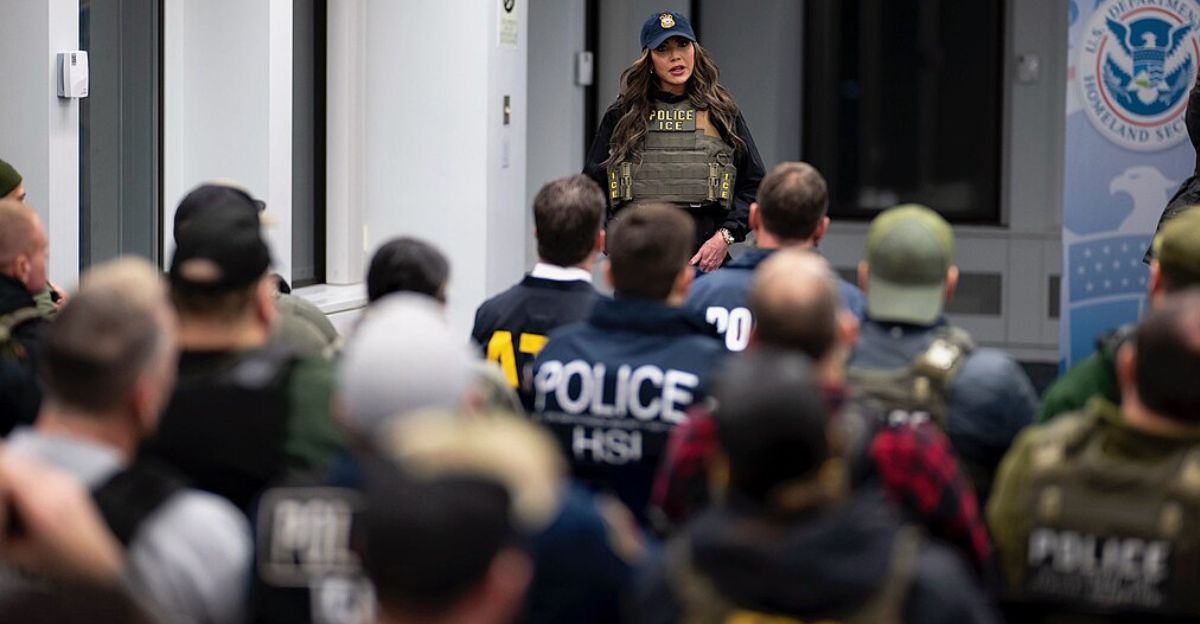
The Department of Homeland Security has deployed approximately 3,000 federal immigration agents to Minneapolis following Good’s death—roughly 2,000 initially, plus 1,000 additional CBP and ICE personnel announced in the days after.
That concentration equals roughly one federal officer for every 1,200 residents in the metro area. Immigration advocates say this is the largest enforcement surge Minneapolis has ever seen.
The Video That Divided A Nation
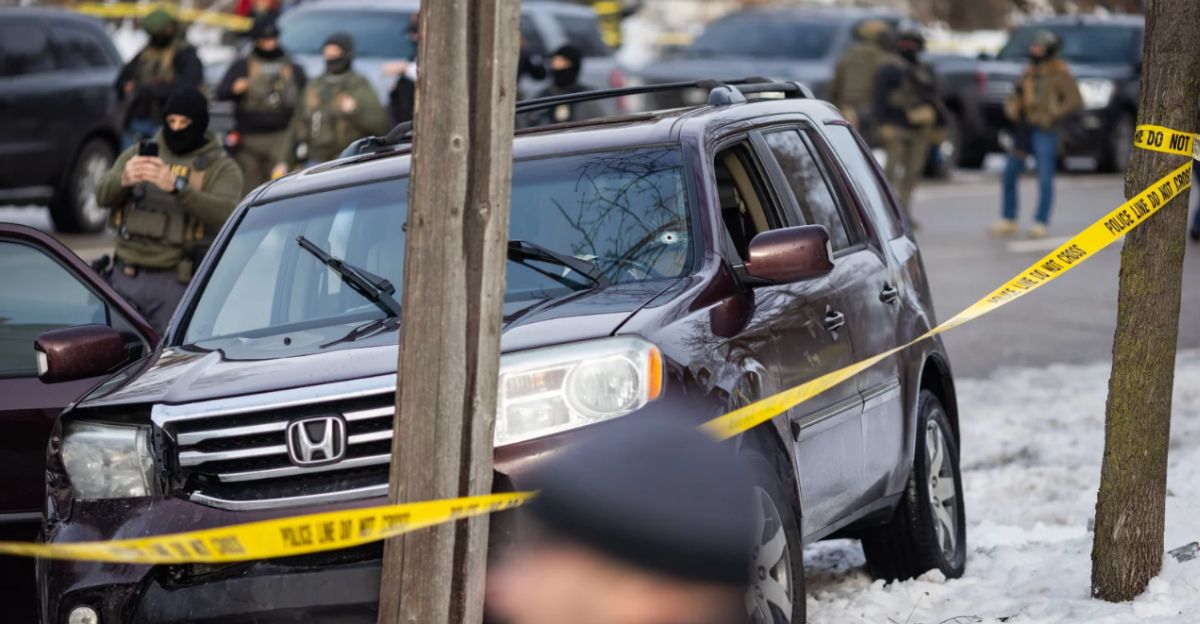
Federal agents ordered Good out of her vehicle on a residential street. Video from ABC News shows her shifting forward and turning her steering wheel deliberately to the right, away from where the ICE agent stood.
The agent fired three shots—the first piercing the windshield. DHS released 3 minutes 30 seconds of video, but it cuts off four seconds before the gunshots, leaving a critical gap in the record.
“We’ve Had Two Shootings This Year”
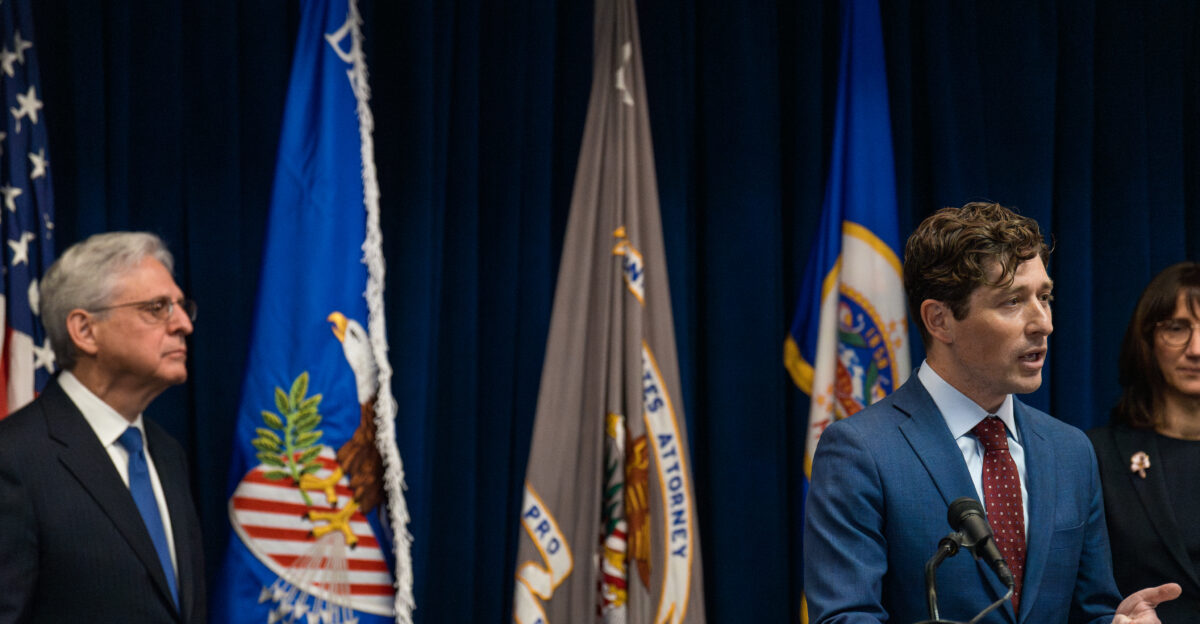
Minneapolis Mayor Jacob Frey delivered a statistic that resonated across the country: the city has recorded only two shootings in 2026 so far, and one of them was an ICE agent. Responding to Homeland Security Secretary Kristi Noem calling Minneapolis a “dystopian hellhole,” Frey told CNN that ICE and Noem are making the city “far less safe.”
His blunt assessment captured what many residents felt: that enforcement had brought violence, not security.
Homeland Security Defends The Shooting
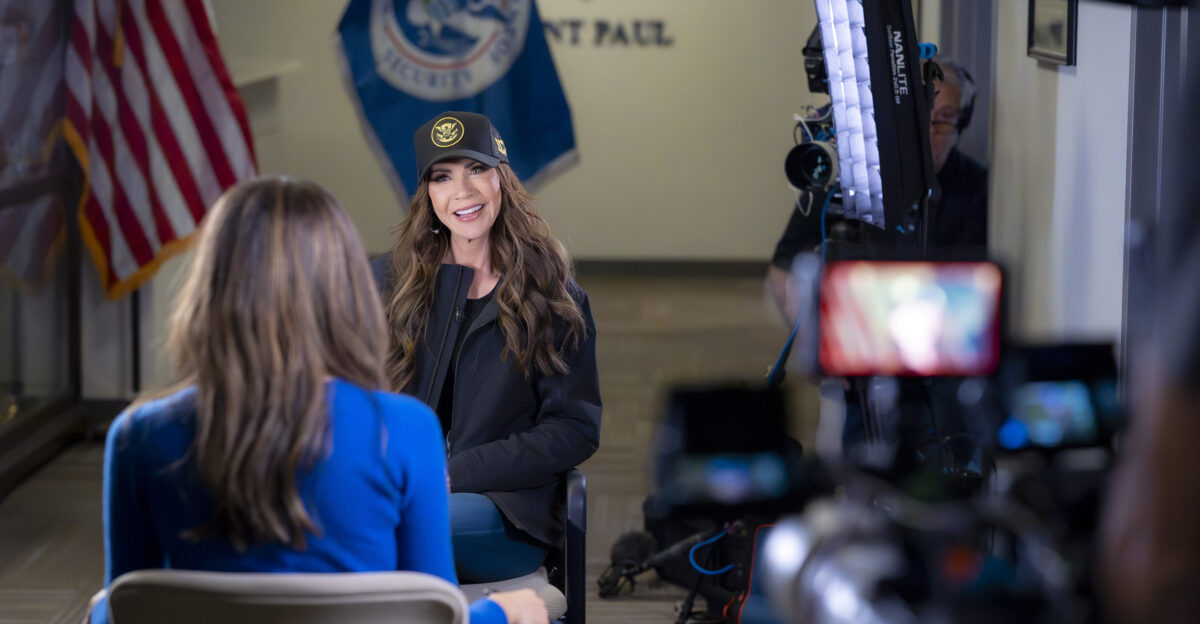
Homeland Security Secretary Kristi Noem defended the ICE agent’s actions, saying Good tried to “ram” the officer with her vehicle. President Trump referred to it as “self-defense” in a social media post.
But frame-by-frame video analysis by ABC News shows Good turning her steering wheel away from the agent as the first shot was fired, raising questions about whether she posed a lethal threat in those final seconds.
State Investigators Shut Out Of Case
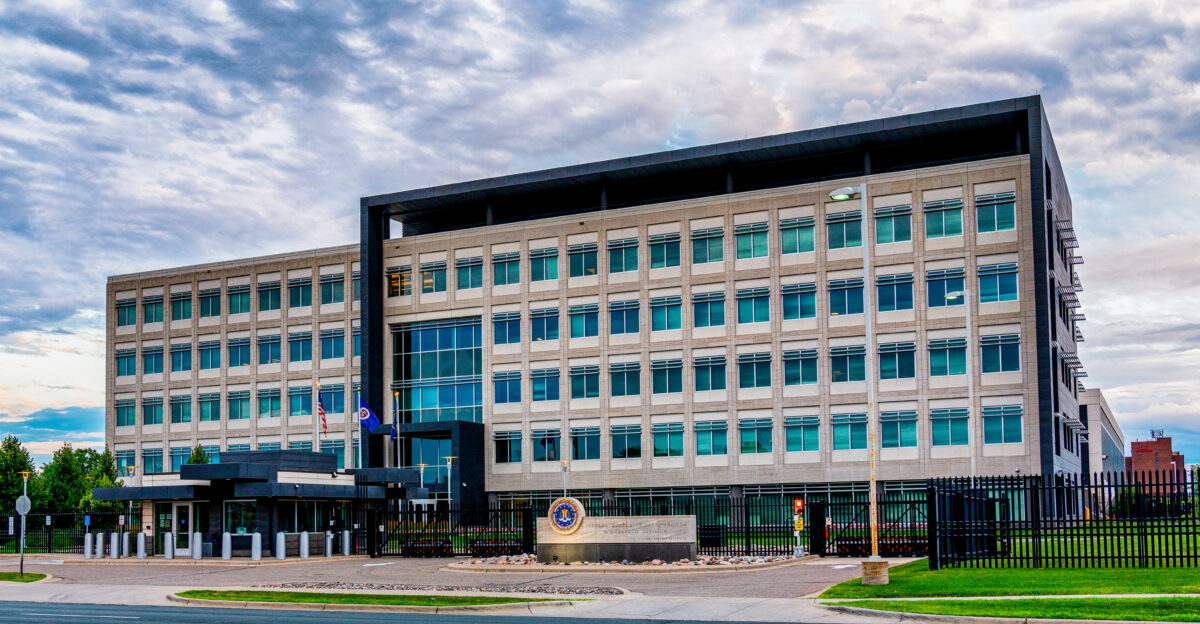
The Justice Department informed Minnesota’s Bureau of Criminal Apprehension that state investigators would not participate in the criminal investigation. The FBI is handling the case alone, with federal oversight.
Local officials say they cannot recall another recent case where Minnesota was formally excluded from investigating a federal shooting within the state. The exclusion has deepened mistrust.
Congress Denied Access To Detention Sites
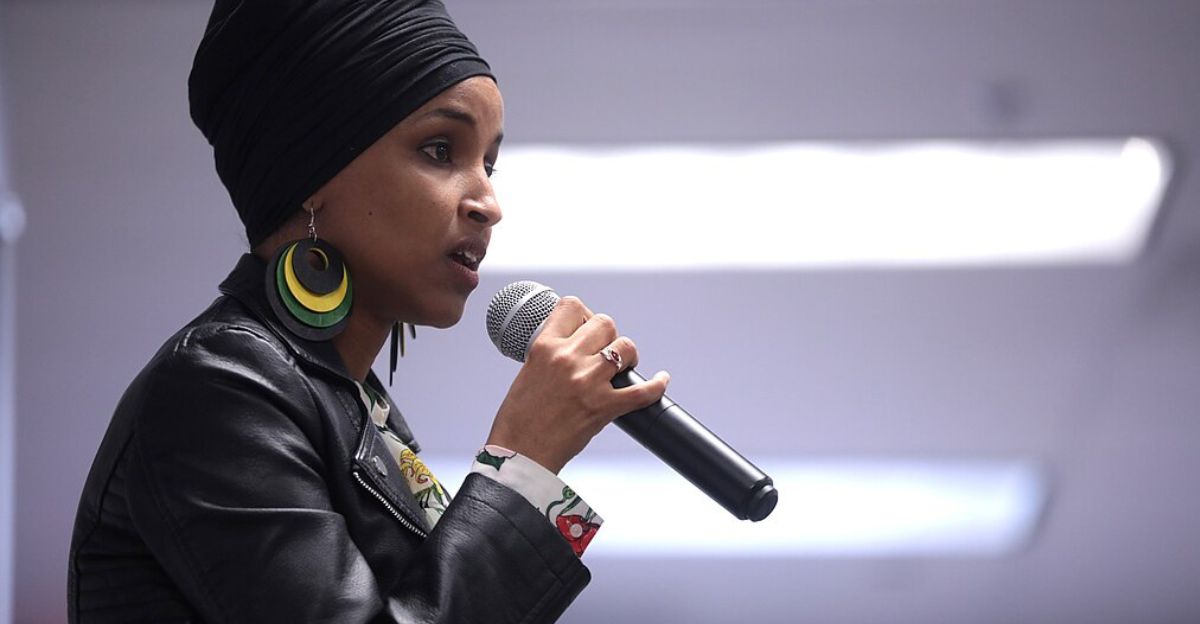
Homeland Security Secretary Noem issued a directive requiring members of Congress to provide seven days’ notice before visiting immigration detention facilities. Representative Ilhan Omar of Minnesota said she was turned away from a local detention site under the new rule, calling it “an outrageous attempt to hide abuses.”
Immigration advocates worry the policy shields facilities from the public scrutiny that has historically exposed mistreatment.
1,000 Protests Planned Across America
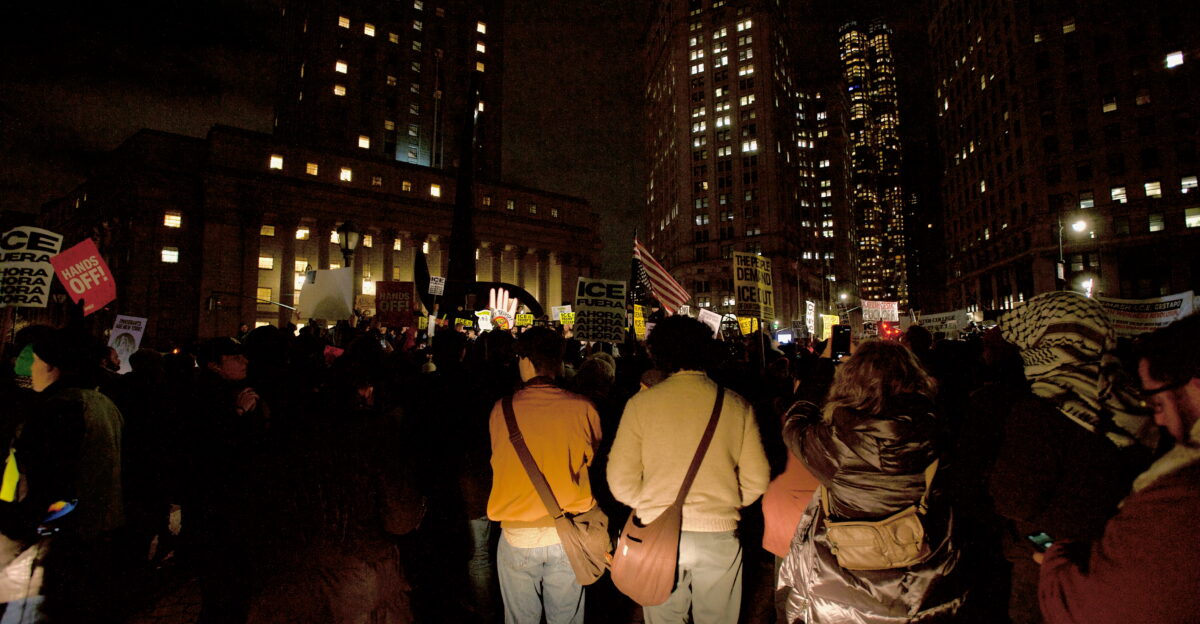
More than 1,000 demonstrations have been organized for the weekend. Organizers estimate hundreds of thousands of Americans could be in the streets protesting immigration enforcement and demanding accountability for Good’s death.
In Minneapolis, protesters have gathered at Powderhorn Park, echoing the geography and symbolism of the 2020 George Floyd uprising. Marches have erupted in Los Angeles, Washington, and dozens of other cities.
Why Minneapolis Became The Flashpoint

The Minneapolis-St. Paul metro area is home to approximately 84,000 Somali residents—the largest Somali diaspora in the United States. In December 2025, enforcement operations intensified in the city under the Trump administration, with a focus on Somali communities.
Civil rights organizations argue that the targeting is discriminatory. Federal officials say they apply immigration law equally. But the concentration of resources in Minneapolis’s immigrant neighborhoods sent a clear message about priorities.
Unmarked Cars And Masked Agents
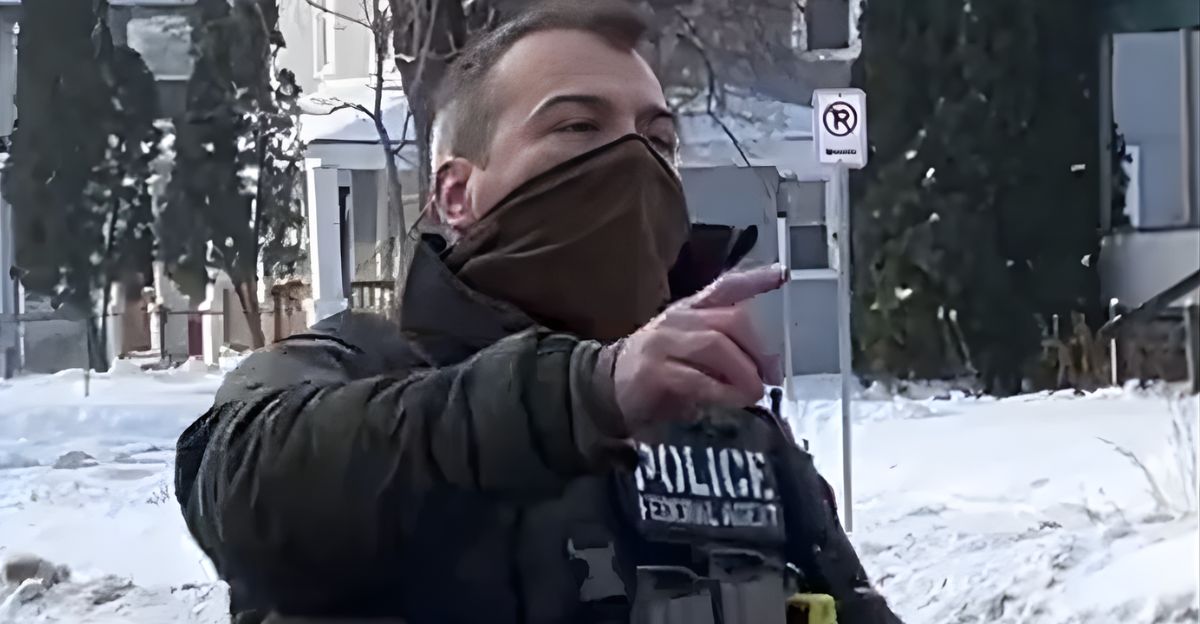
Residents describe federal teams using unmarked SUVs and conducting street stops in neighborhoods with masked agents visible to anyone watching. Mayor Frey says this created confusion and fear, transforming communities rather than enhancing safety.
One protester told reporters, “There’s no rules anymore, no shame, no integrity.” The gap between what federal officials believe they are doing and what residents experience has become nearly complete.
The Missing Seconds In The Record
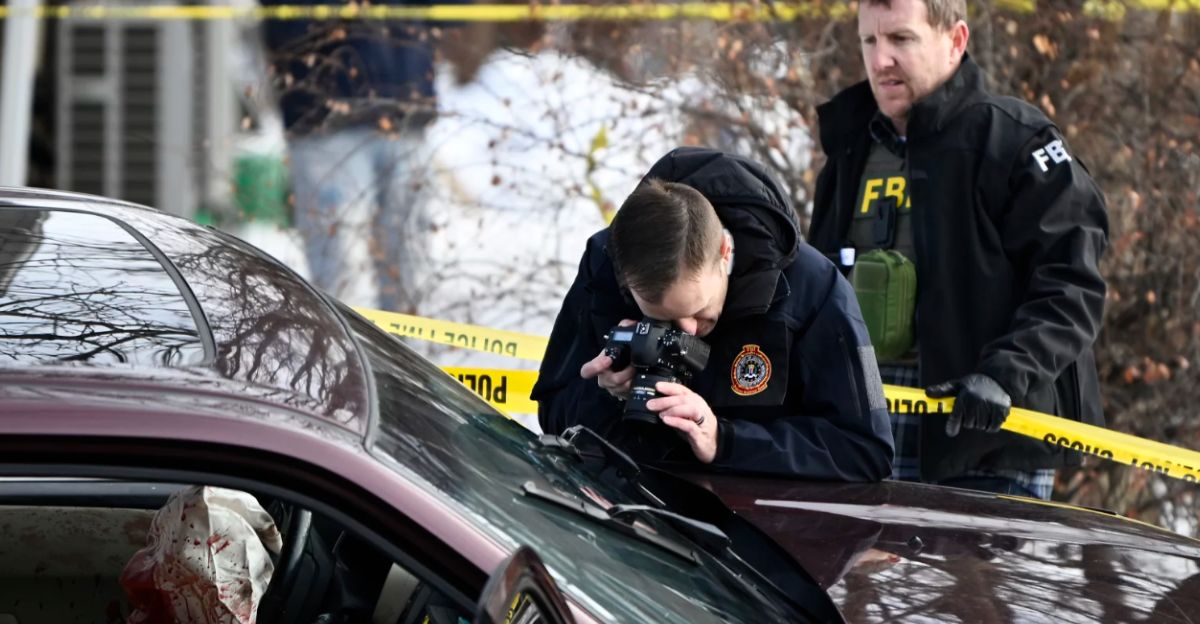
DHS released a video showing the moment before the shooting, but the footage ends four seconds before the gunshots. That gap has become crucial to understanding what happened. ABC News obtained additional video from the ICE agent’s perspective showing Good turning her wheel away from him in the final second.
Critics argue the federal account of self-defense relies on narrative rather than a full visual record.
A Question Of Federal Power
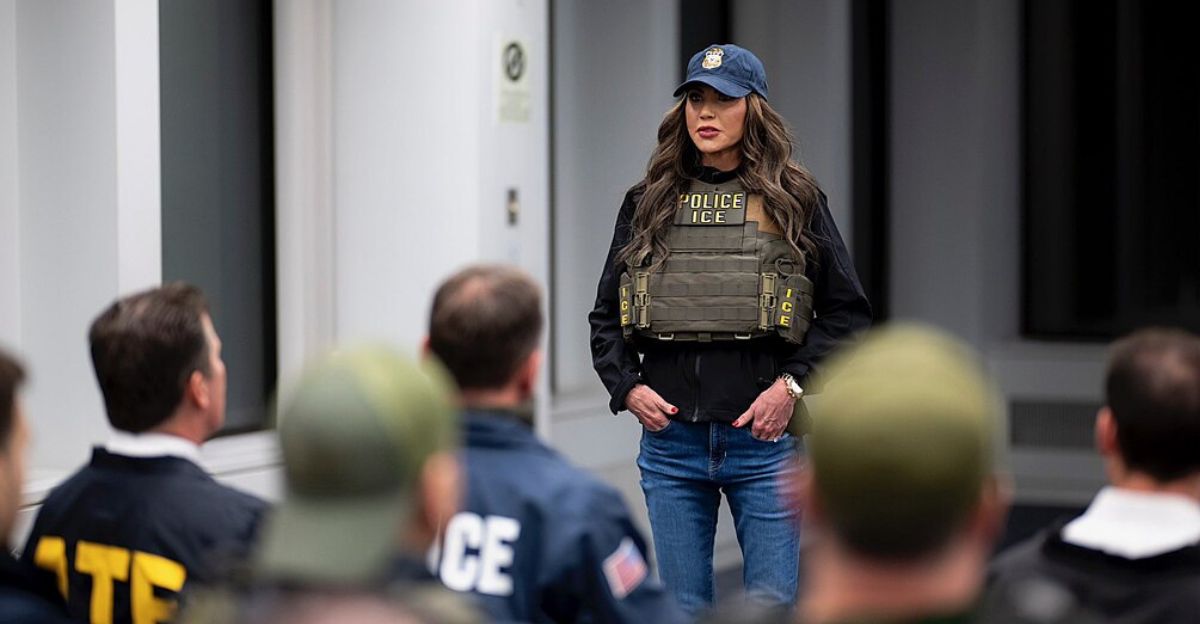
Minneapolis Mayor Frey demanded federal forces leave. Governor Tim Walz promised a full investigation. Representative Omar called for accountability. But Homeland Security Secretary Noem showed no signs of backing down.
The standoff crystallized a fundamental question: How much federal immigration enforcement power should be delegated to American cities without local consent or oversight?
Good’s Life Before That Morning
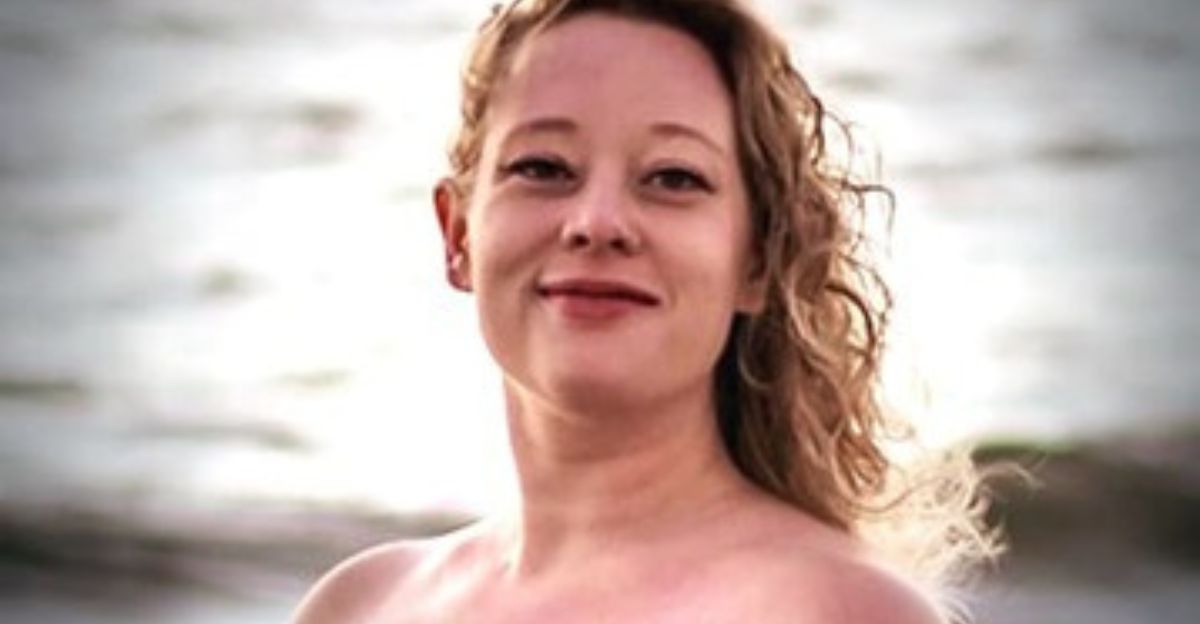
Renee Nicole Good was known locally for community work and spoken-word performances. She had recently moved to Minneapolis with her wife and young son. She was a poet whose work explored the themes of identity and belonging. She was a mother.
In federal accounts, she became a threat. In her community’s memory, she became a symbol of what happens when enforcement goes unchecked.
Nationwide Implications
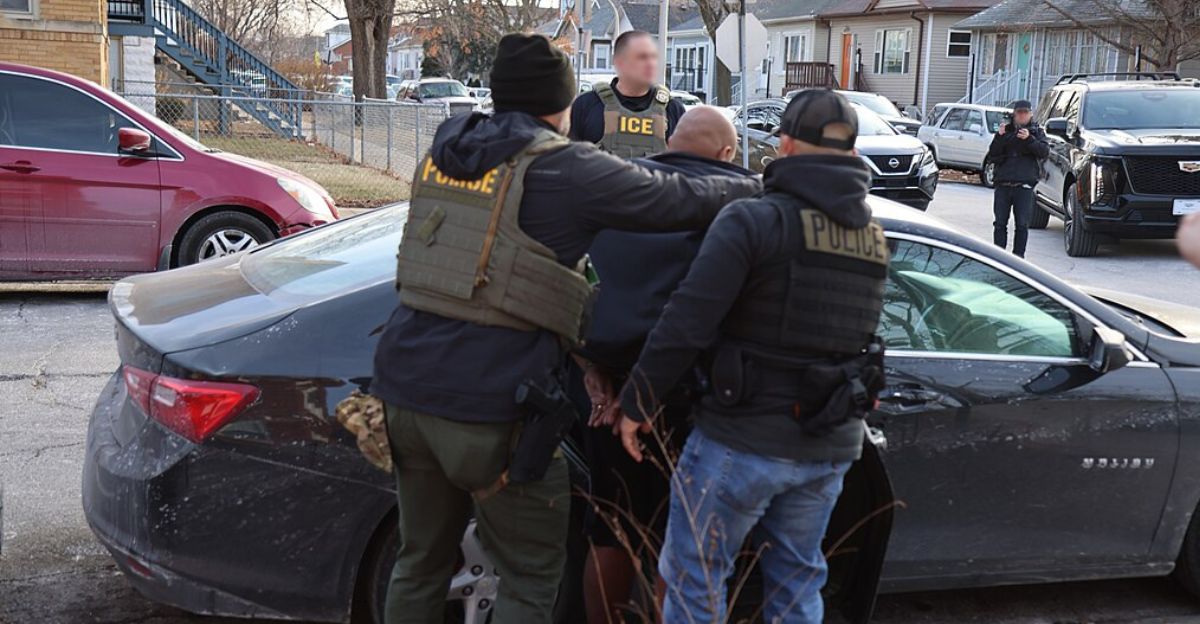
Good’s death and the subsequent federal surge have national implications. Immigration advocates argue that the case demonstrates that US citizens are not immune to aggressive enforcement tactics. Federal officials counter that immigration enforcement is lawful and necessary.
The outcome in Minneapolis will shape how other cities respond when federal agents arrive without local invitation or local control.
What Comes Next
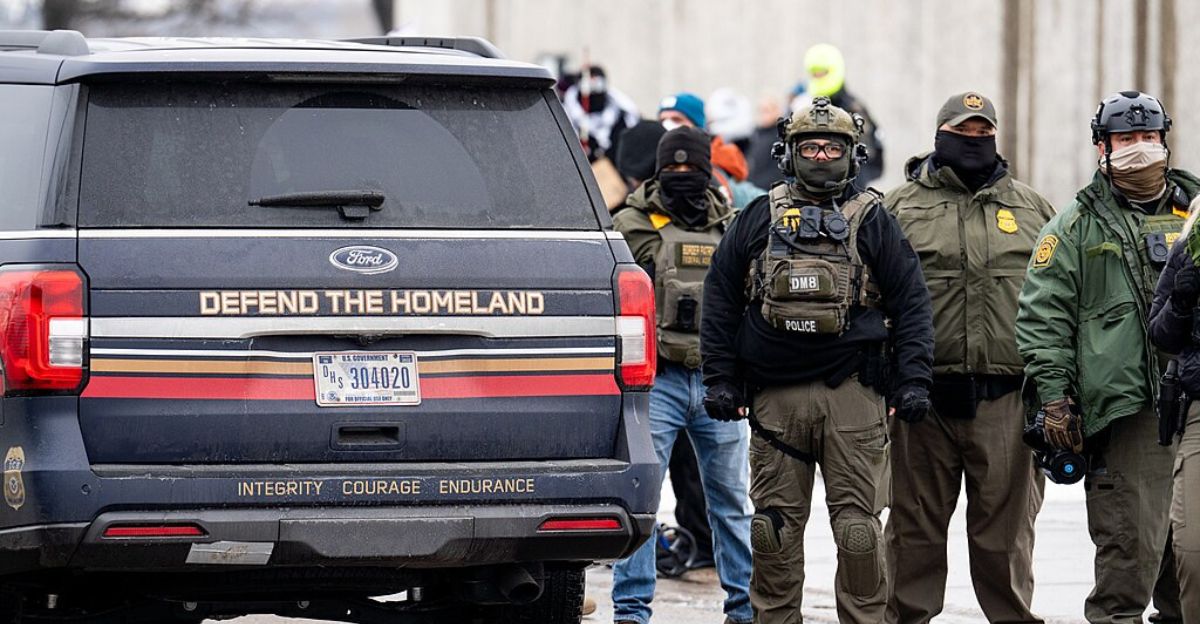
As 3,000 federal agents settle into Minneapolis and nationwide protests continue, the city faces an uncertain future. The investigation into Good’s death remains under federal control. Detention facilities are off-limits to congressional oversight.
The federal presence shows no signs of diminishing. Minneapolis has become a test case for how far federal immigration enforcement can go inside American cities during a president’s second term.
Sources:
ABC News – “A minute-by-minute timeline of how Renee Nicole Good died”
PBS NewsHour – “2,000 federal agents sent to Minneapolis area to carry out ‘largest immigration operation ev…'”
CNN – “DHS says woman attempted to run over ICE officers before being shot in Minneapolis. Here’s what the videos show.”
NBC News – “Woman fatally shot by ICE officer remembered as ‘one of a kind’ in community”
Wikipedia – “List of Renee Good protests”
Minnesota Bureau of Criminal Apprehension – “BCA statement regarding investigation of ICE fatal shooting in Minneapolis”