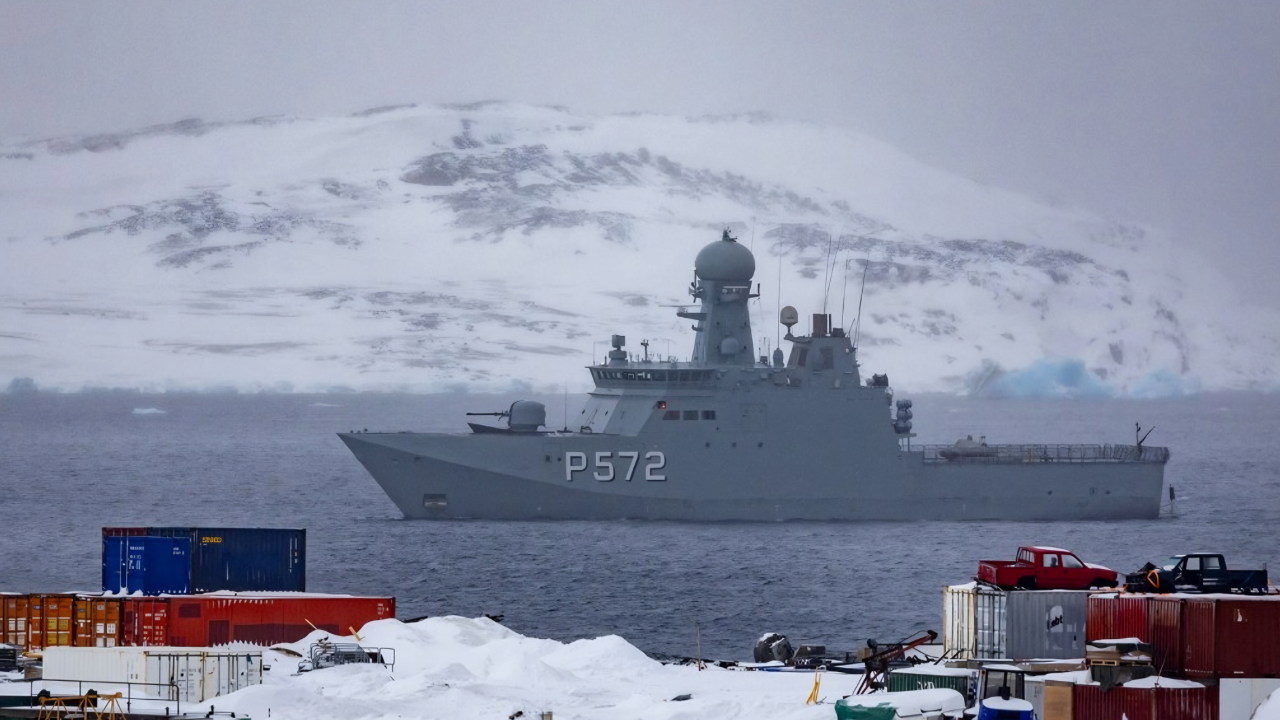
On January 10, 2026, a single statement jolted Europe’s security planners. Standing before reporters, U.S. President Donald Trump said the United States “needs to own Greenland” to prevent Russia or China from occupying it.
Soon after, officials across NATO capitals began consultations. Phones rang, statements were drafted, and alliance leaders moved to contain fallout. The Arctic—long discussed quietly in strategy papers—had abruptly become a live geopolitical crisis.
But the remark was only the trigger for a much larger reckoning unfolding in the High North…
Greenland Suddenly at the Center
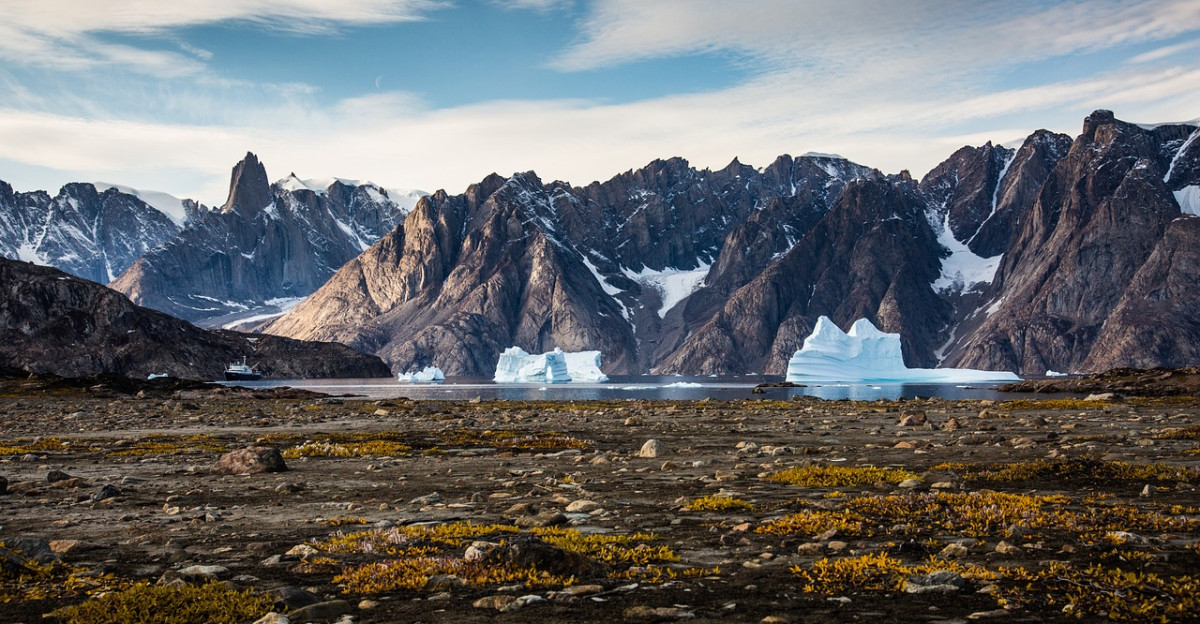
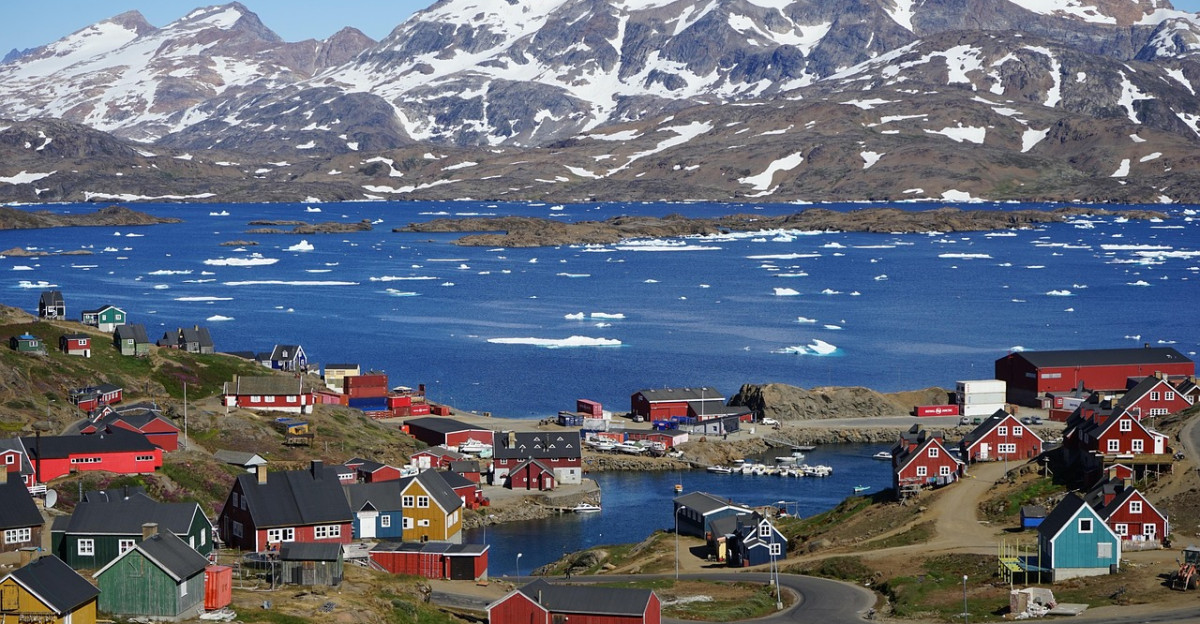
Greenland has unexpectedly become the focal point of Arctic tensions. On January 10, 2026, U.S. President Donald Trump said the United States “needs to own Greenland” to prevent Russia or China from occupying it in the future.
The statement stunned European allies and immediately triggered diplomatic alarm. Leaders in Denmark and Greenland rejected the idea outright, calling it “extremely disrespectful.”
With its strategic location and existing U.S. military presence, Greenland is now central to transatlantic strain.
NATO’s Arctic Building Blocks
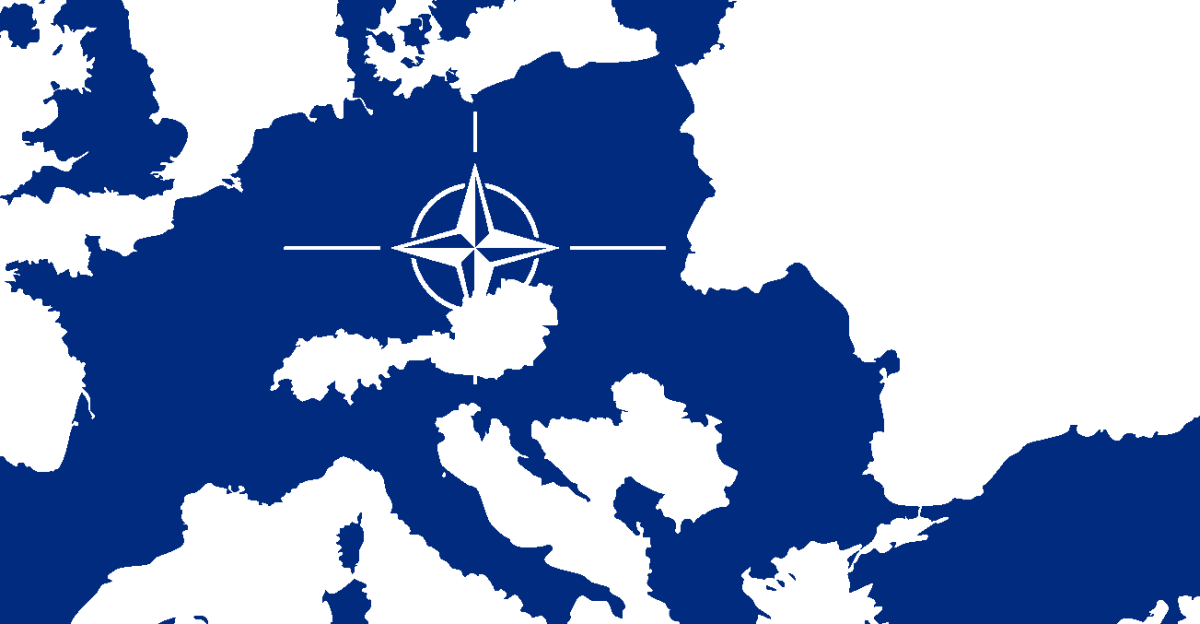
NATO already operates missions that could be adapted for Arctic security. Baltic Sentry, launched in January 2025, protects undersea infrastructure using frigates, patrol aircraft, and naval drones.
Eastern Sentry followed in September 2025, expanding surveillance along NATO’s eastern flank after Russian airspace violations.
These operations blend multinational forces with advanced sensors across air, sea, and cyber domains—offering a functional template for Arctic coordination if allies choose to scale northward.
Europe’s Anxiety Deepens
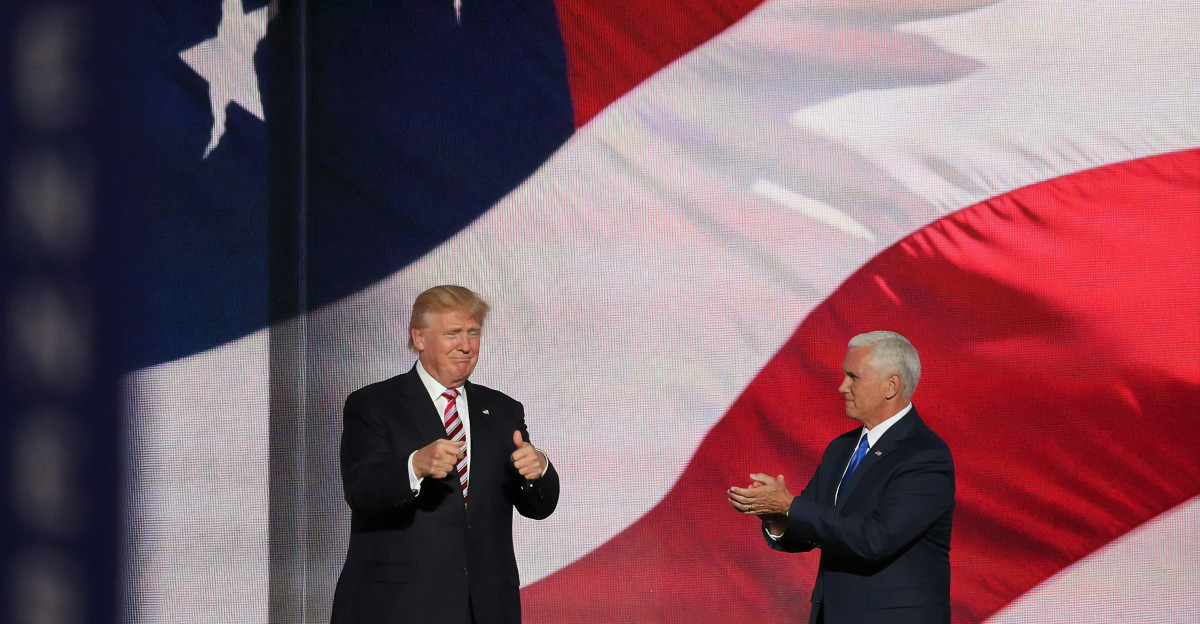
Trump’s Greenland remarks have unsettled European capitals. Belgium’s Defence Minister Theo Francken warned that NATO must demonstrate unity in the Arctic to prevent fractures inside the alliance.
France, Germany, and the UK are now discussing how to reassure Washington without undermining Greenland’s sovereignty. Meanwhile, NATO Secretary-General Mark Rutte has held consultations with U.S. Secretary of State Marco Rubio.
The concern is no longer abstract: unchecked rhetoric could weaken collective defense at a critical moment.
The Arctic Sentry Proposal
Belgium has formally proposed a new NATO mission called “Arctic Sentry.” Theo Francken urged allies to “collaborate, work together and show strength and unity,” arguing the operation should mirror Baltic and Eastern Sentry.
The plan envisions multinational deployments using drones, sensors, naval vessels, and aviation to monitor Arctic land and sea approaches.
The goal is to address U.S. security fears while preserving alliance cohesion and respecting Greenland’s status. NATO is currently in consultations but has not yet approved the proposal.
Greenland Pushes Back Together
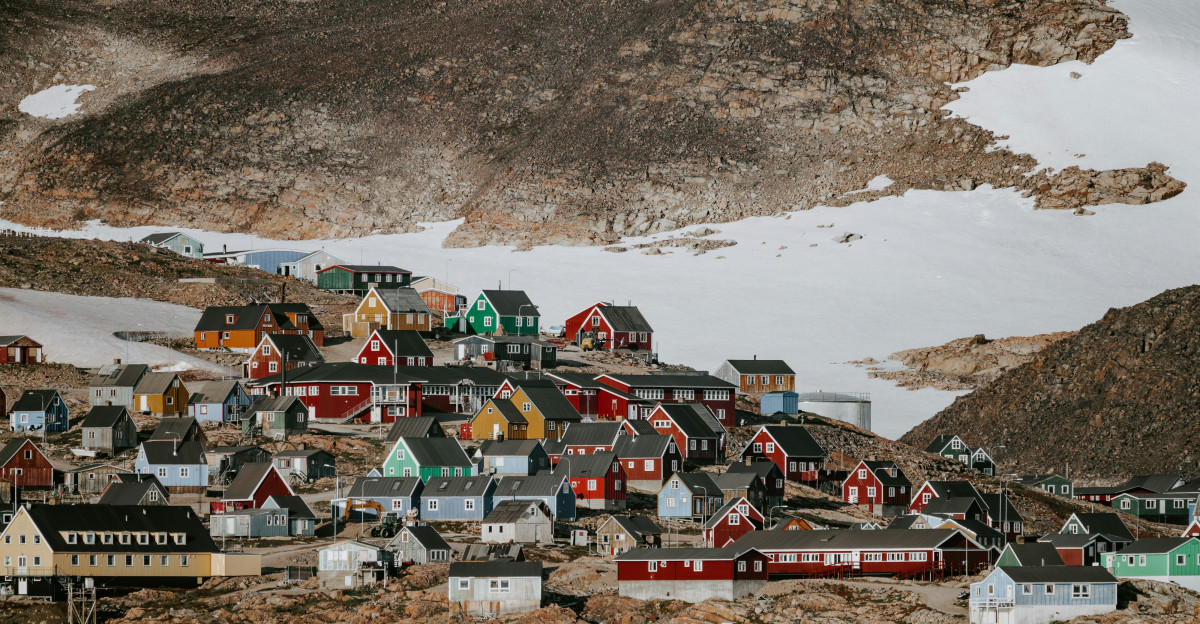
Greenland’s political leadership responded with rare unanimity. All five parties in parliament issued a joint declaration rejecting any foreign takeover.
“We will not be Americans, we will not be Danes, we are Greenlanders,” the statement read. Prime Minister Jens-Frederik Nielsen and opposition leaders condemned Trump’s comments as “extremely disrespectful.”
Opposition figure Pele Broberg stressed that diplomacy—not coercion—would prevail. The unified stance underscored Greenland’s determination to assert political agency amid mounting pressure.
A Strategic Paradox
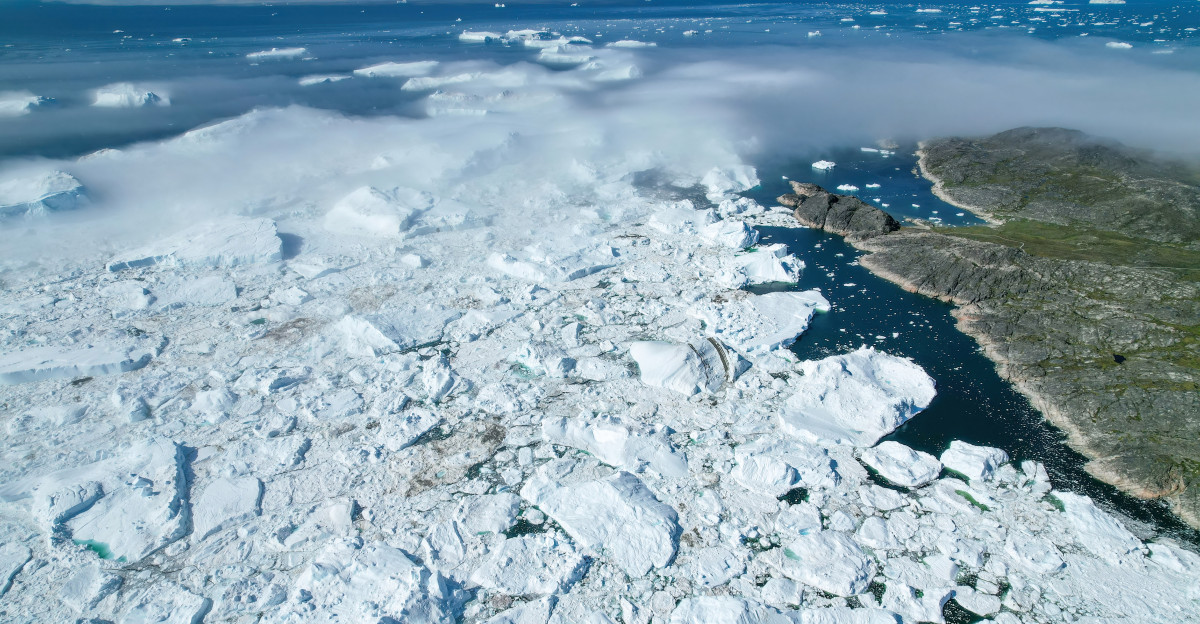
Greenland’s vulnerability is more complex than outside rhetoric suggests. Pele Broberg noted that areas potentially exposed to Chinese or Russian interest are largely uninhabited regions along the east coast—not population centers.
He said there is no immediate threat to everyday Greenlanders. Crucially, all political parties support negotiating a new defense agreement with the United States to replace the 1951 accord.
The message is clear: Greenland seeks stronger security ties—but strictly on its own terms.
Russia Tests NATO’s Limits
Russia has steadily increased pressure on NATO’s eastern perimeter. In September 2025, a surge of Russian drones and fighter jets violated alliance airspace, including incursions over Poland and Estonia.
These incidents triggered Article 4 consultations among allies. Combined with cyber operations and suspected sabotage, Moscow’s actions since its 2022 invasion of Ukraine have reshaped NATO’s threat calculus.
The Arctic now fits into a broader pattern of probing NATO’s resolve across multiple domains.
China’s Quiet Arctic Advance

China’s Arctic strategy relies less on confrontation and more on persistence. Beijing has expanded investment in Arctic shipping, infrastructure, and research missions as melting ice opens new routes.
Chinese vessels and scientific expeditions are appearing more frequently in the High North. NATO allies increasingly view this activity as part of a long-term effort to challenge Western dominance over global trade corridors and resources.
Trump’s Greenland remarks partly reflect anxiety over this slow but steady expansion.
Undersea Infrastructure at Risk
One of NATO’s greatest concerns lies beneath the ice-cold waters. Submarine cables carrying power, data, and communications crisscross the Arctic seabed, linking North America, Europe, and Asia.
Damage to Baltic Sea cables in recent years has heightened fears of deliberate interference. Baltic Sentry was designed specifically to protect these assets.
An Arctic Sentry mission would extend that protection northward, safeguarding infrastructure essential to civilian economies and military command systems alike.
Denmark Walks a Tightrope
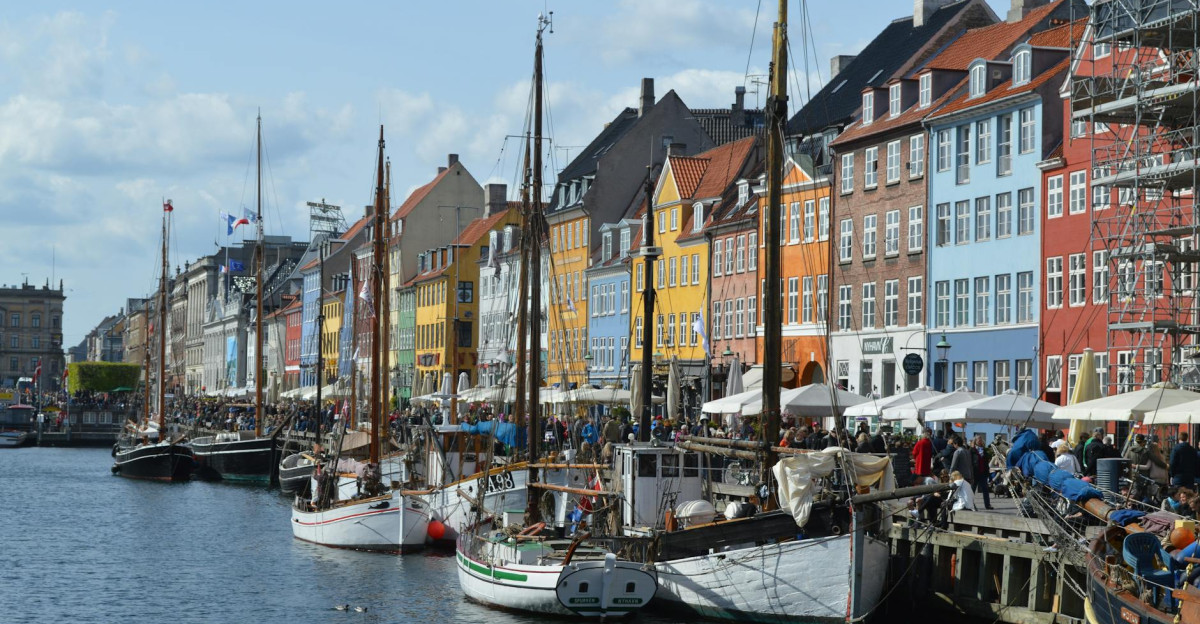
Denmark faces an increasingly delicate diplomatic challenge. While firmly rejecting annexation talk, Danish officials acknowledge Greenland’s growing strategic importance.
Denmark controls Greenland’s foreign and defense policy, while the island governs domestic affairs. Under the 1951 agreement, the U.S. already operates military facilities there, including Pituffik Space Base (formerly Thule Air Base).
Copenhagen must now strengthen Arctic security cooperation without appearing to sideline Greenlandic voices—or risk alienating Washington during a fragile moment for NATO unity.
NATO Moves Carefully
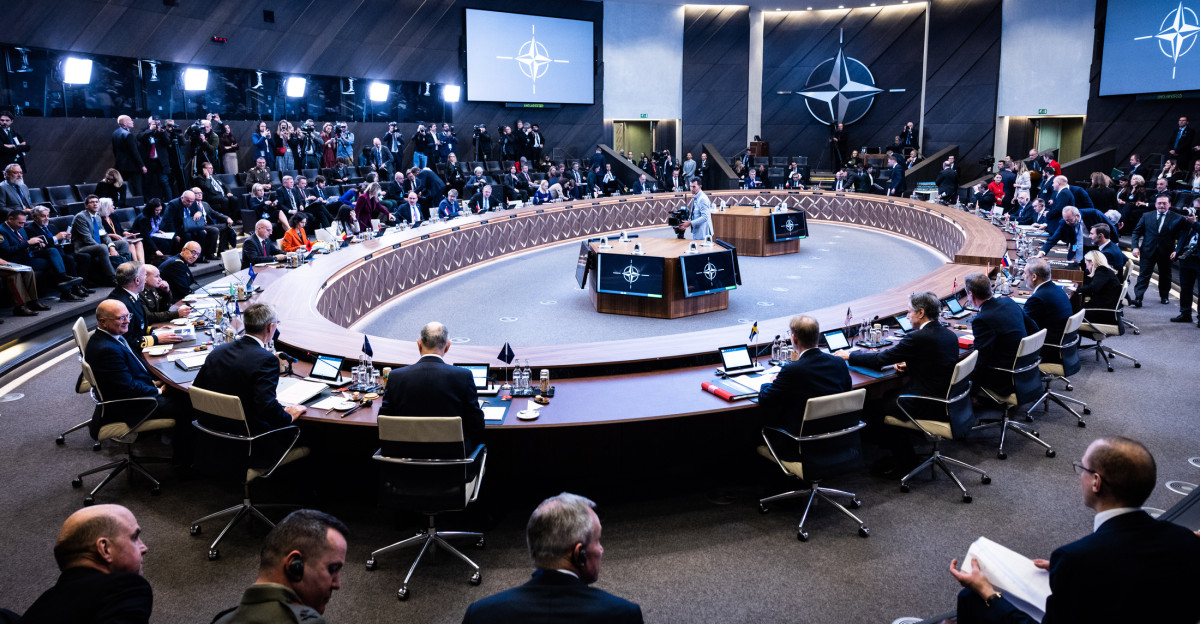
NATO leadership has begun formal consultations but remains cautious. Secretary-General Mark Rutte confirmed discussions with Marco Rubio on Arctic security and capability development in the High North.
NATO confirmed these discussions on January 10, 2026. However, NATO operates by consensus among all 32 members, making rapid approval of Arctic Sentry unlikely.
Despite growing urgency from Belgium and others, the alliance’s institutional process ensures that any Arctic mission will move deliberately rather than impulsively.
Why Baltic Sentry Matters
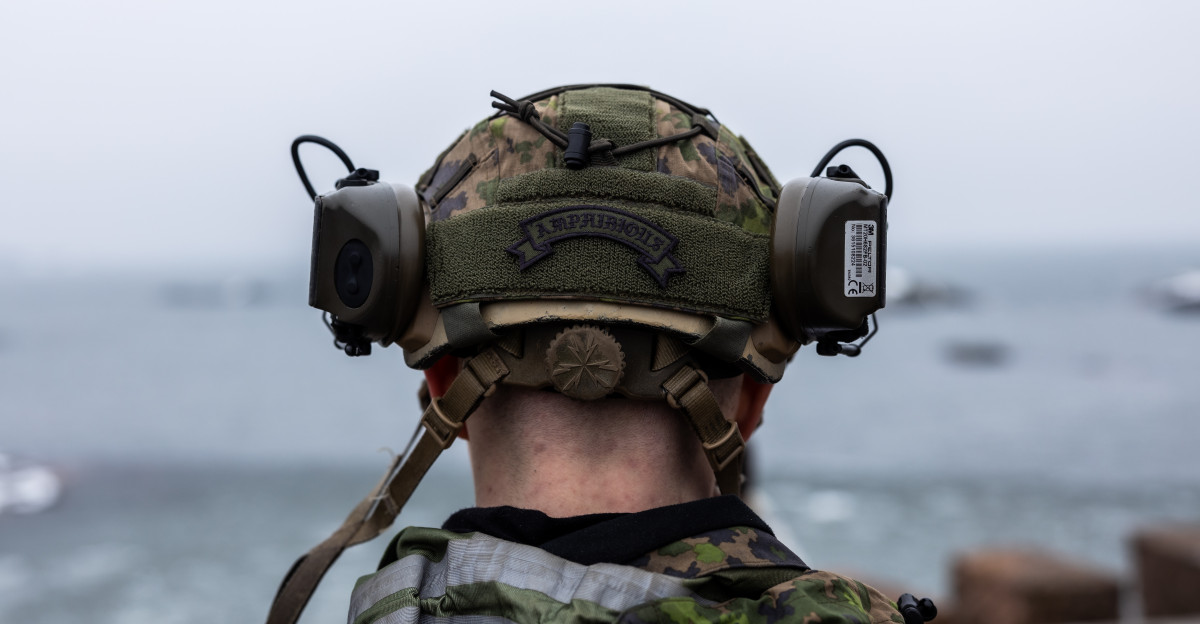
Baltic Sentry offers NATO a proven operational blueprint. Launched in January 2025, it integrates naval vessels, maritime patrol aircraft, and drones from multiple countries under unified command.
The mission has improved threat detection and response around critical undersea infrastructure. An Arctic version would likely adopt similar multi-domain surveillance while adapting to harsher conditions and greater distances.
Supporters argue this model balances deterrence with restraint—key qualities in an increasingly crowded Arctic theater.
Doubts From Inside Greenland
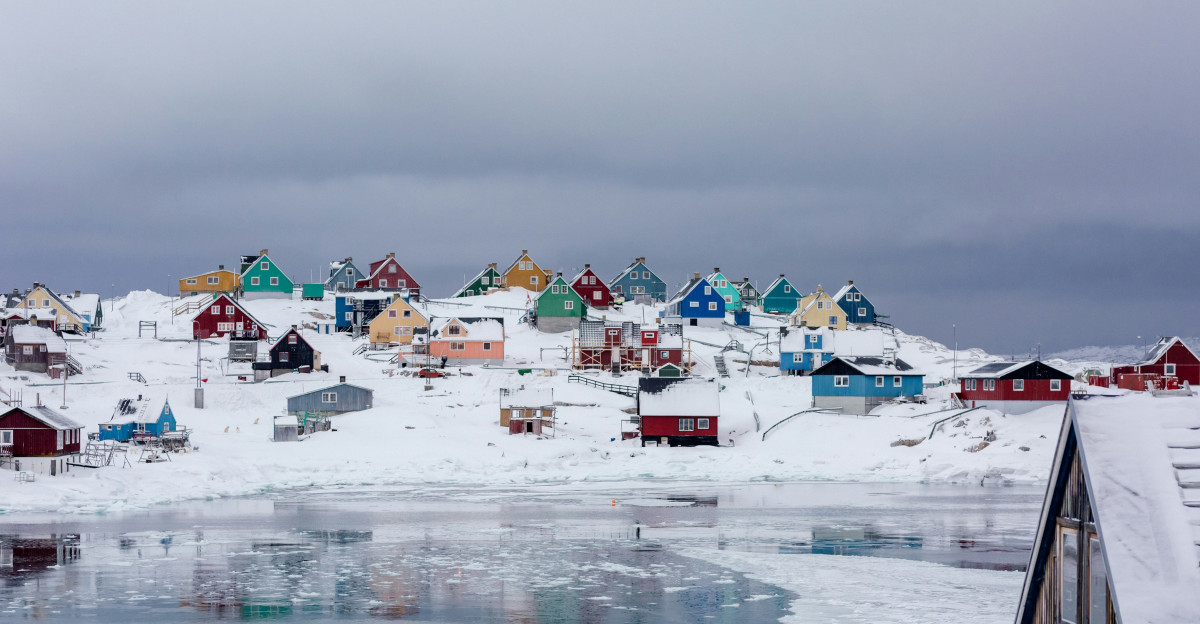
Not everyone believes a large NATO Arctic operation is practical. Pele Broberg questioned proposals involving troop deployments, saying paratroopers in Greenland “don’t make sense.”
The Arctic’s extreme weather, vast terrain, and sparse population complicate traditional military planning. Some analysts argue that intelligence sharing and surveillance upgrades may offer better security outcomes with lower risk of escalation.
These concerns highlight the unresolved debate inside NATO about how forcefully it should project power in the High North.
A Decision Point Approaches
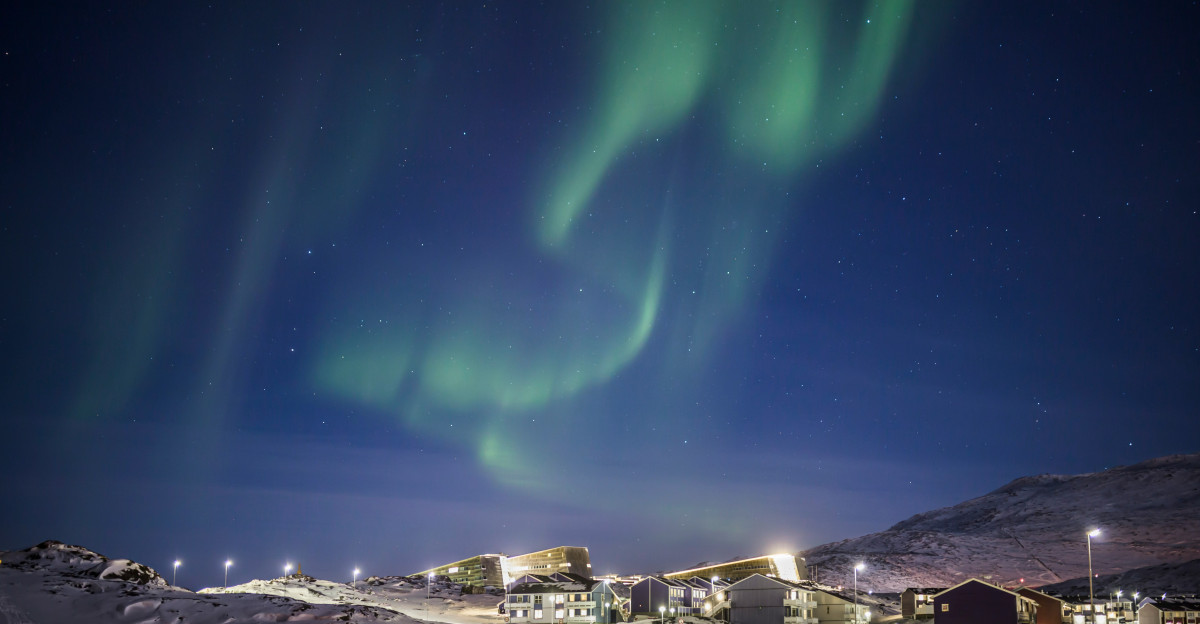
Belgium’s Arctic Sentry proposal is expected to surface at upcoming NATO meetings. The alliance must reconcile U.S. concerns with respect for Danish sovereignty and Greenlandic self-determination.
Greenland’s openness to renegotiating its defense agreement with Washington could provide a diplomatic alternative to annexation rhetoric.
Whether NATO can transform this moment into unified strategy—or allow divisions to deepen—may define Arctic security for years to come.
Sovereignty and International Law

Trump’s comments reopened sensitive questions about sovereignty. Under international law, Greenland cannot be annexed unilaterally, and Denmark’s sovereignty is universally recognized.
Yet the rhetoric signals a willingness to pursue influence through pressure rather than partnership. Expanded military presence, economic leverage, or political signaling could all reshape Arctic governance.
European officials fear such approaches undermine the cooperative norms that have kept the Arctic relatively stable since the Cold War.
Cracks in the Alliance
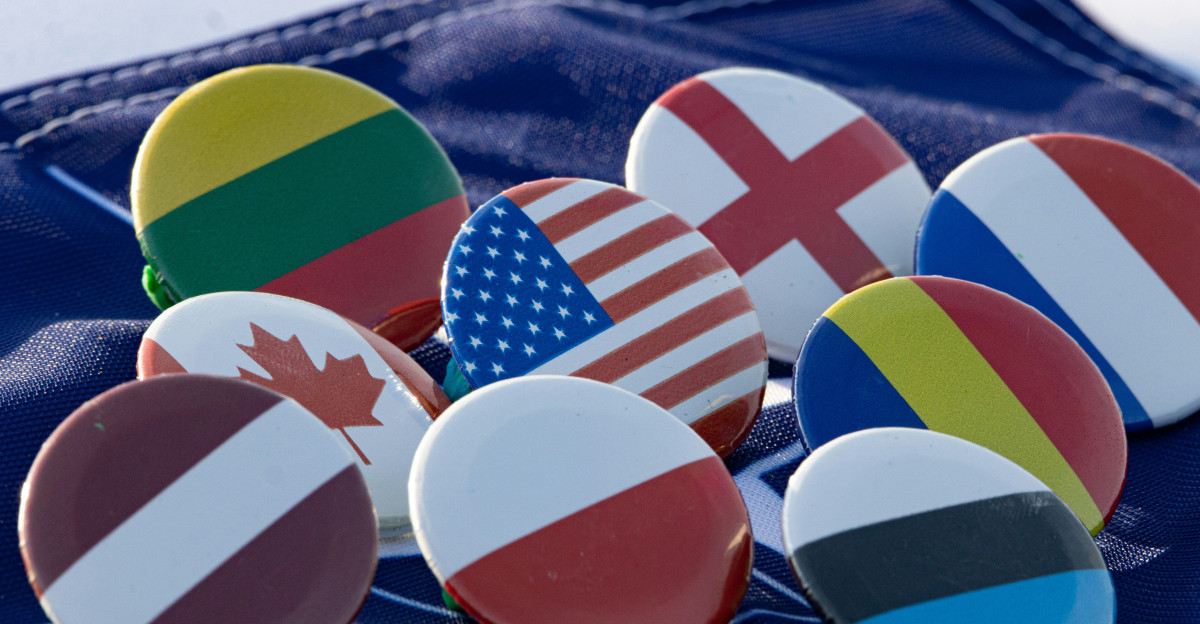
The Greenland episode has exposed deeper tensions within NATO. European leaders worry that unilateral U.S. actions could weaken alliance cohesion.
Belgium’s push for Arctic Sentry is partly an effort to contain American ambitions within a multilateral framework. Still, some officials fear even that concession could reward pressure tactics.
The debate reflects broader disagreements over burden-sharing, strategic leadership, and how NATO adapts to great-power rivalry without fracturing from within.
Climate Change Drives It All
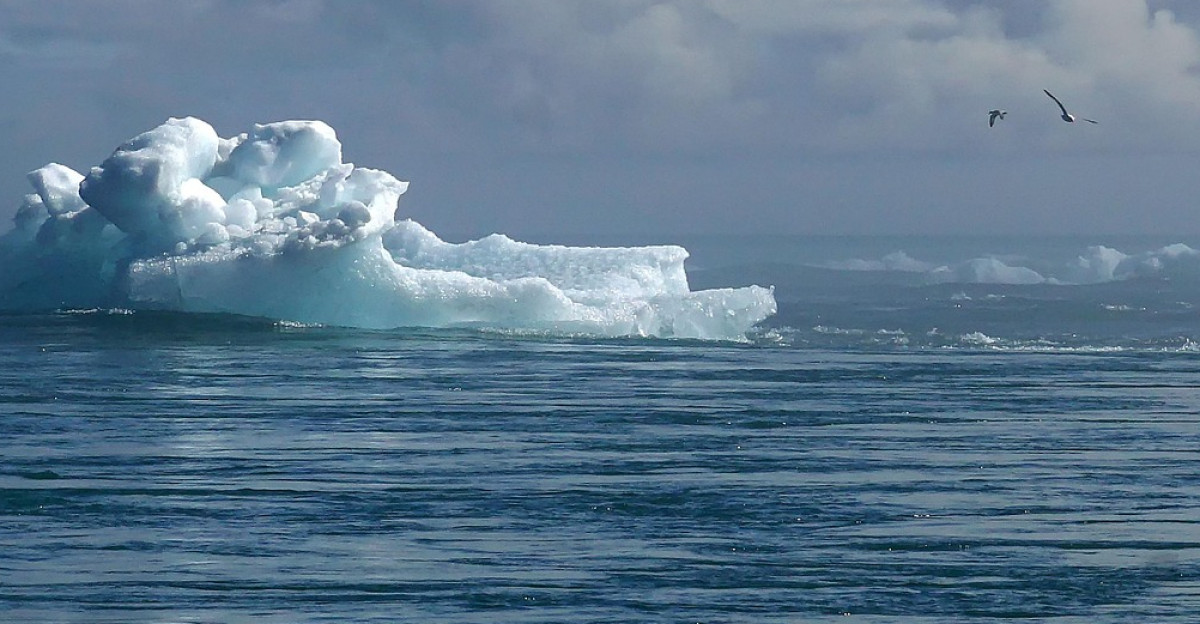
Climate change is the silent accelerant behind Arctic rivalry. Melting ice is opening shipping lanes, exposing rare earth deposits, and altering military geography.
Russia and China have invested heavily in Arctic capabilities, while the U.S. has lagged historically. Trump’s Greenland focus reflects concern over this imbalance.
But annexation is not a climate strategy. Long-term stability will depend on governance, coordination, and environmental stewardship—not territorial ambition alone.
Greenland Finds Its Voice
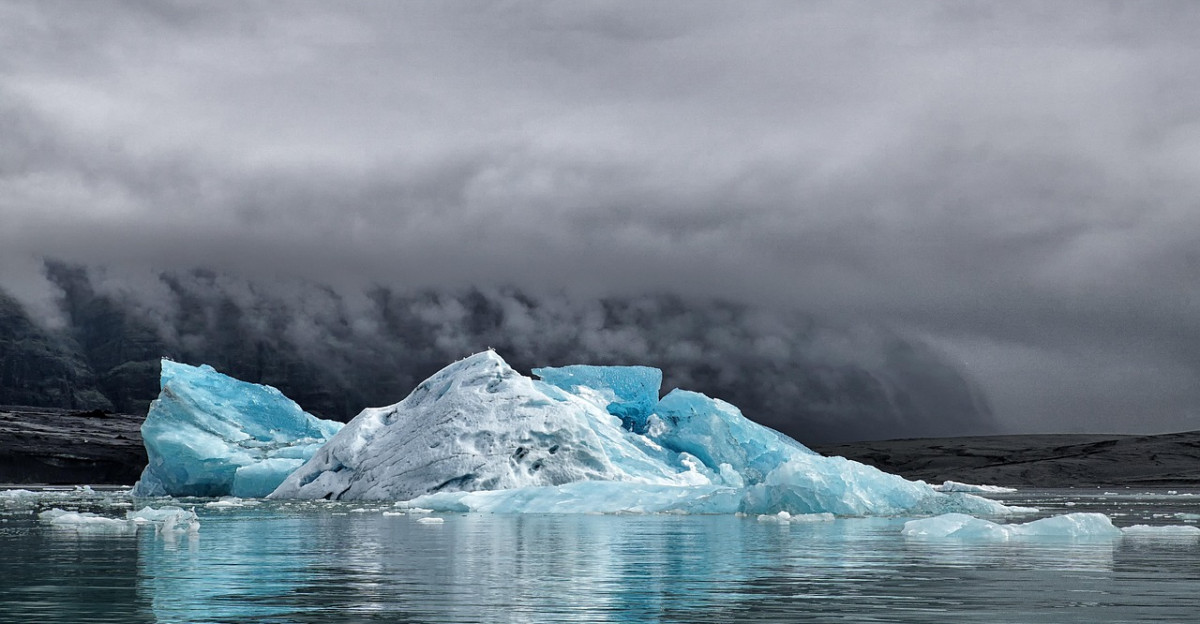
Greenland is no longer a passive bystander. Political leaders have signaled openness to deeper U.S. security ties—on Greenlandic terms.
Broberg emphasized the territory’s desire to move beyond Danish control toward true independence. As security debates intensify, Greenland may increasingly pursue direct relationships with global powers.
Arctic Sentry discussions could accelerate this evolution, reshaping not only NATO’s posture but Greenland’s political future as a strategic actor in its own right.
An Arctic Reckoning Ahead
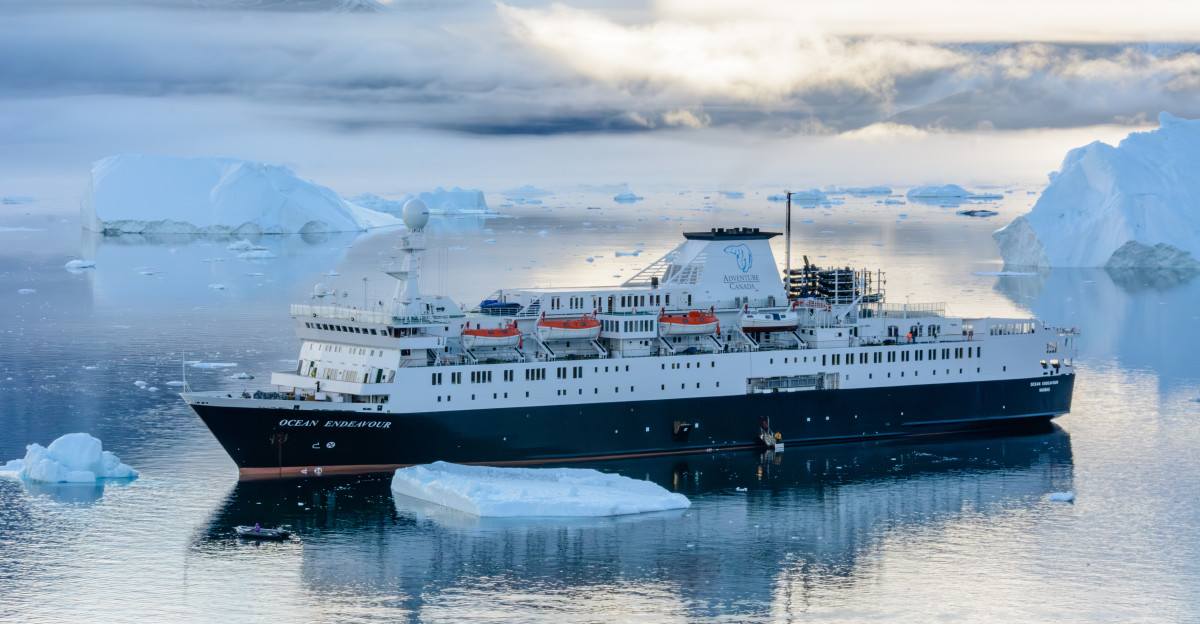
The Greenland controversy points to a broader Arctic reckoning. Existing governance frameworks are struggling to keep pace with climate change and great-power competition.
Belgium’s Arctic Sentry proposal is one attempt to modernize security through NATO, but it may not be sufficient alone. A stable Arctic future could require wider agreements involving rival powers and Indigenous communities.
The choices made now will determine whether the Arctic becomes a zone of cooperation—or a new front of confrontation.
Sources:
“Trump says US needs to ‘own’ Greenland to prevent Russia and China occupying it.” BBC News, 9 Jan 2026.
“NATO should launch operation to boost security in Arctic, Belgian minister says.” Reuters, 11 Jan 2026.
“Greenland’s Political Parties Reject Trump’s Threats.” TIME, 9 Jan 2026.
“NATO launches ‘Baltic Sentry’ to increase critical infrastructure security.” NATO, 13 Jan 2025.