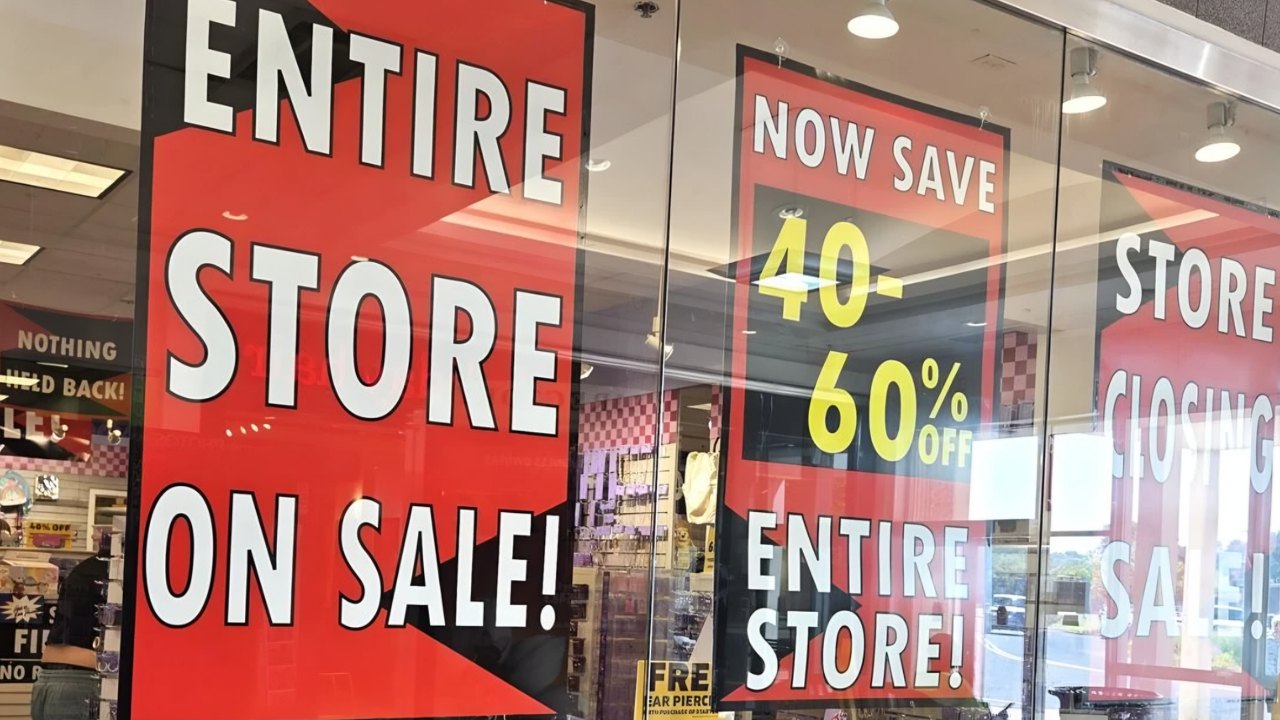
Across America, the retail landscape is contracting at an unprecedented pace. In 2024, U.S. retailers closed 7,325 stores while opening just 5,970 new locations, resulting in a net loss of 1,355 stores. Now, as twelve major chains prepare to close nearly 300 additional locations throughout 2026, small towns and rural communities face a critical question: What happens when the neighborhood pharmacy, department store, and grocery market disappear?
This is not a temporary slowdown. It represents a structural realignment of American commerce, one that increasingly favors affluent urban centers over rural and small-town corridors. For families without reliable transportation or internet access, the consequences extend far beyond the convenience of shopping.
A Century-Old Department Store Retreats
Macy’s plans to close approximately 150 stores by the end of 2026, shrinking its footprint from roughly 500 to 350 locations. CEO Tony Spring characterizes the move as concentrating resources on “go-forward” stores, which have stronger customer response to improved assortments and elevated service. For generations, Macy’s served as the department store anchor that defined local shopping districts. Its departure leaves a void difficult to fill.
Carter’s, a children’s clothing retailer, will shutter approximately 150 stores over three years, with roughly 100 expected to close by the end of 2026. President and CEO Douglas Palladini attributed the pullback to tariff-driven product costs and profitability pressures that force retreat from smaller markets. Rural parents are increasingly finding themselves driving substantial distances for back-to-school shopping or relying entirely on online delivery.
Pharmacies and Groceries Vanish
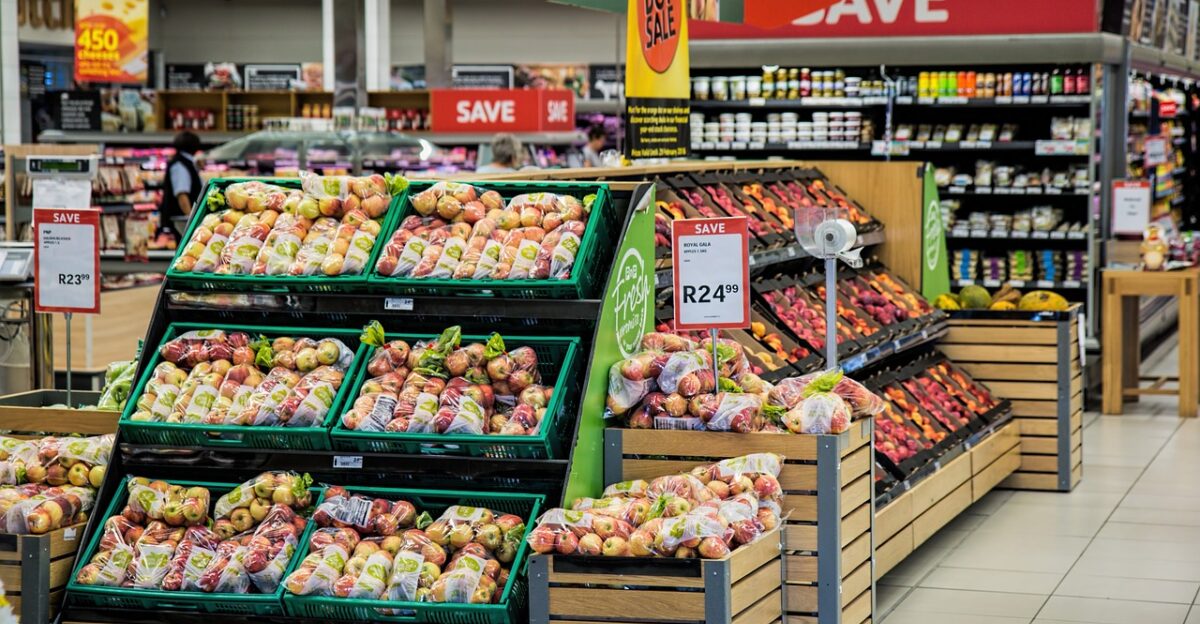
Kroger announced 60 supermarket closures starting in September 2025. CEO Ronald Sargent pledged to move “with speed” toward profitable core locations. Despite opening 30 new stores elsewhere in 2026, communities that have lost their neighborhood grocer face widening gaps in convenient food access and local employment opportunities.
Newell Brands is closing 20 U.S. and Canadian Yankee Candle stores, starting in January 2026, which will eliminate over 900 jobs. CEO Chris Peterson framed the decision as a “productivity plan” designed to enhance efficiency and focus. Even beloved comfort brands cannot escape the challenges of mall-based retail economics, where soaring rents and declining shopper traffic make traditional locations increasingly unsustainable.
REI, the outdoor cooperative, is closing three flagship stores in Paramus, New Jersey; SoHo in Manhattan; and Boston throughout 2026. After reporting a $156.4 million loss in 2024 due to declining sales, the organization acknowledged that even loyal co-op members cannot offset the economics of flagship locations in the nation’s most expensive real estate markets.
Luxury and Specialty Retail Retreats
Saks Off 5th is closing nine outlet locations in early 2026 to reposition itself for long-term viability. When even designer merchandise, discounted 50-70% cannot justify physical retail operations, it signals how severe economic conditions have become for specialty chains.
Foot Locker is closing mall stores by 2026 as it pivots to community-based concepts and digital channels. Dick’s Sporting Goods, which acquired Foot Locker in September 2025, continues to restructure operations. For sneaker enthusiasts in many towns, specialty athletic footwear shops are simply disappearing, leaving only big-box chains or online ordering as alternatives.
Walgreens, now under private ownership by Sycamore Partners, plans to close approximately 1,200 stores by the end of 2027, with hundreds of closures expected to occur throughout 2026. The impact falls disproportionately on rural and small-town America, where a single pharmacy often represents the only accessible healthcare touchpoint. Seniors without personal vehicles suddenly face hour-long journeys to fill prescriptions or receive basic health consultations.
CVS follows a similar trajectory, planning to close 270 stores in 2025-2026 as it shifts toward HealthHUB formats and primary-care partnerships. Since November 2021, the pharmacy chain has already closed 900 locations. While this pivot helps some neighborhoods, others lose their only nearby source for routine medications.
Orvis, a 169-year-old Vermont outdoor retailer, will close 31 stores and five outlets by early 2026, effectively reducing its physical footprint by roughly half. President Simon Perkins directly attributed the retreat to the “unprecedented tariff landscape,” forcing strategic rescaling that eliminates nearly 50% of the company’s retail presence.
Restaurant Chains Consolidate
Wendy’s plans to shutter approximately 300 U.S. locations through 2026, adding to 140 closures in 2024. Interim CEO Ken Cook noted these restaurants are “consistently underperforming” and “drag” on system health, with closures freeing capital for technology upgrades and stronger locations. An estimated 8,000 workers face displacement.
Red Robin will close 10-15 company-owned restaurants in 2025 as part of a larger plan to shutter approximately 70 underperforming units by 2027. The company’s “North Star” turnaround strategy allows it to concentrate resources on its more than 300 profitable locations.
The Reshaping of American Commerce

With 7,325 closures in 2024 and thousands more anticipated in 2025-2026, America is experiencing its largest retail consolidation in over a decade. These twelve major chains are redrawing the shopping map by concentrating stores in affluent urban markets while systematically abandoning rural and small-town corridors. Some communities are organizing to attract pop-up retailers and cooperative models to fill the gaps. Others face prolonged vacancy and economic decline. The outcome depends on decisions being made today.
Sources
“Macy’s, Inc. Confirms Planned Macy’s Store Closures” – Macy’s Inc. Newsroom, January 8, 2025
“Carter’s to Close 150 Locations Nationwide” – Boston 25 News, October 26, 2025
“Kroger, Macy’s and More Closing Hundreds of Stores in 2026” – Yahoo Finance, December 30, 2025
“Rising US Store Closings on Pace for Record Year” – CoStar, July 7, 2025
“Store Closures Rise, Led by Party City, Big Lots, Walgreens” – CNBC, January 23, 2025
“U.S. Retailers See 8,200 Closures in 2025 Amid Economic Watch” – Xinhua News, January 1, 2026