A recorded voice on Microsoft’s activation hotline delivers a stark message: “Support for product activation has moved online. For the fastest and most convenient way to activate your product, please visit our online product activation portal at aka.ms/aoh.” Tech enthusiast Ben Kleinberg heard this while trying to activate Windows 7, uncovering the company’s quiet end to telephone-based activation on December 3, 2025. After 24 years, this move eliminates the final legitimate offline method for Windows and Office products.
What Microsoft Changed

Microsoft ended its phone activation service without public notice, confirming the shutdown later. Users once generated a 54-digit Installation ID from their system, called a toll-free number, entered the ID into an automated system, and received a 42-digit Confirmation ID to finish activation offline. Official documentation lagged, still listing phone options weeks into January 2026, misleading those following support guides.
The New Requirements
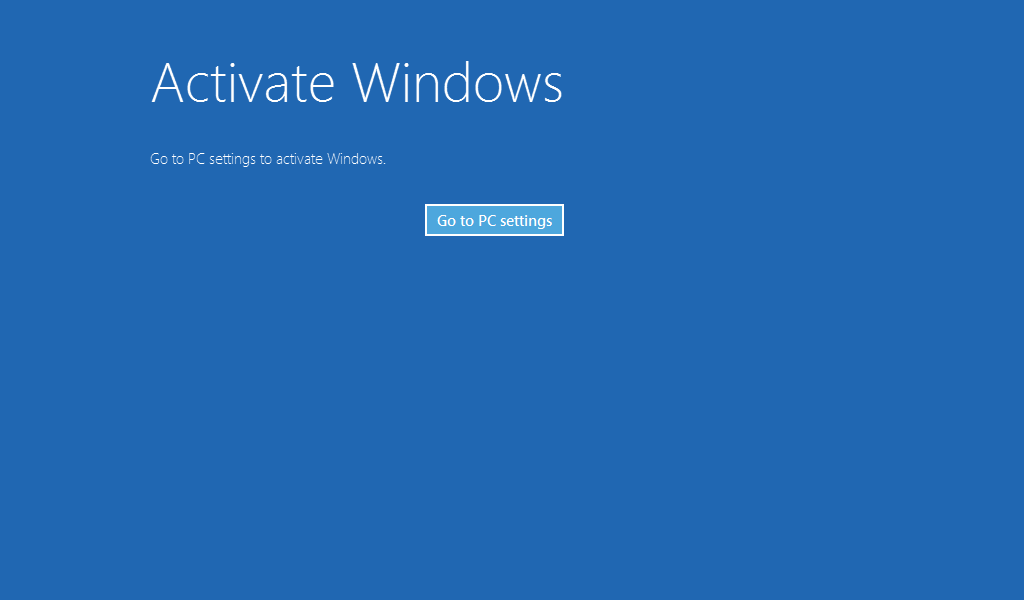
The aka.ms/aoh portal now handles all activations, requiring a Microsoft account login. While the target machine stays offline, users must use another internet-connected device for credentials. This shifts away from phone activation’s core appeal for those without web access, prioritizing privacy, or avoiding online ties.
Critical Systems Face Challenges

Air-gapped networks in government, industrial controls, classified setups, and factories now struggle. These isolated systems barred internet links for security and compliance, relying solely on phone calls. A cybersecurity review highlighted complications: air-gapped operations must now bridge to the web portal, risking protocols.
Enterprise and Volume Licensing Adjustments
Businesses with device fleets in restricted networks must overhaul workflows. Key Management Service works for enterprises but needs periodic internet checks, prompting temporary connections or cloud shifts. Multiple Activation Key users in isolated segments face extra steps, coordinating identifiers across machines and portals, hiking administrative loads.
Legacy Systems and Broader Impacts
Older versions like Windows 7, with 1.37% desktop market share in January 2026, suffer most—its original servers are gone. Kleinberg activated Windows 7 and Office 2010 via the portal but hit browser glitches, switching from Firefox on iPhone to Safari on laptop. Rural users and developing regions with spotty connectivity face delays or unactivated systems. Privacy advocates decry mandatory accounts, creating digital trails of once-anonymous activations.
This aligns with Microsoft’s 2025 moves: ending unofficial KMS offline methods, curbing local accounts in setups. Windows 11 claims 51.07% market, Windows 10 46.86%, showing upgrade resistance. No official rationale emerged, though observers cite cost savings on automated lines or pushes for account tracking.
The shift redefines Windows licensing, demanding online ties and accounts. Security-sensitive sectors may seek custom deals, risk brief exposures, or turn to Linux for offline options. Across healthcare, manufacturing, and infrastructure, firms reassess strategies, marking a pivot from local software control to cloud-dependent services.
Sources:
“Microsoft Confirms It Just Killed a Unique and Useful Way to Activate Windows.” Neowin, January 8, 2026.
“Microsoft Silently Kills Windows and Office Phone Activation and Forces Online Activation.” Tom’s Hardware, January 2, 2026.
“The End of Offline Era: Microsoft Kills Phone Activation After 24 Years.” Security Online, January 8, 2026.
“Microsoft Ends Offline Windows Activation: What It Means for Users.” UBOS Tech, January 2, 2026.
“Microsoft Ends Offline Activation for Windows 10 and 11, Sparks Concerns.” WebProNews, January 3, 2026.
“Windows Version Market Share Worldwide.” StatCounter Global Stats, January 6, 2026.