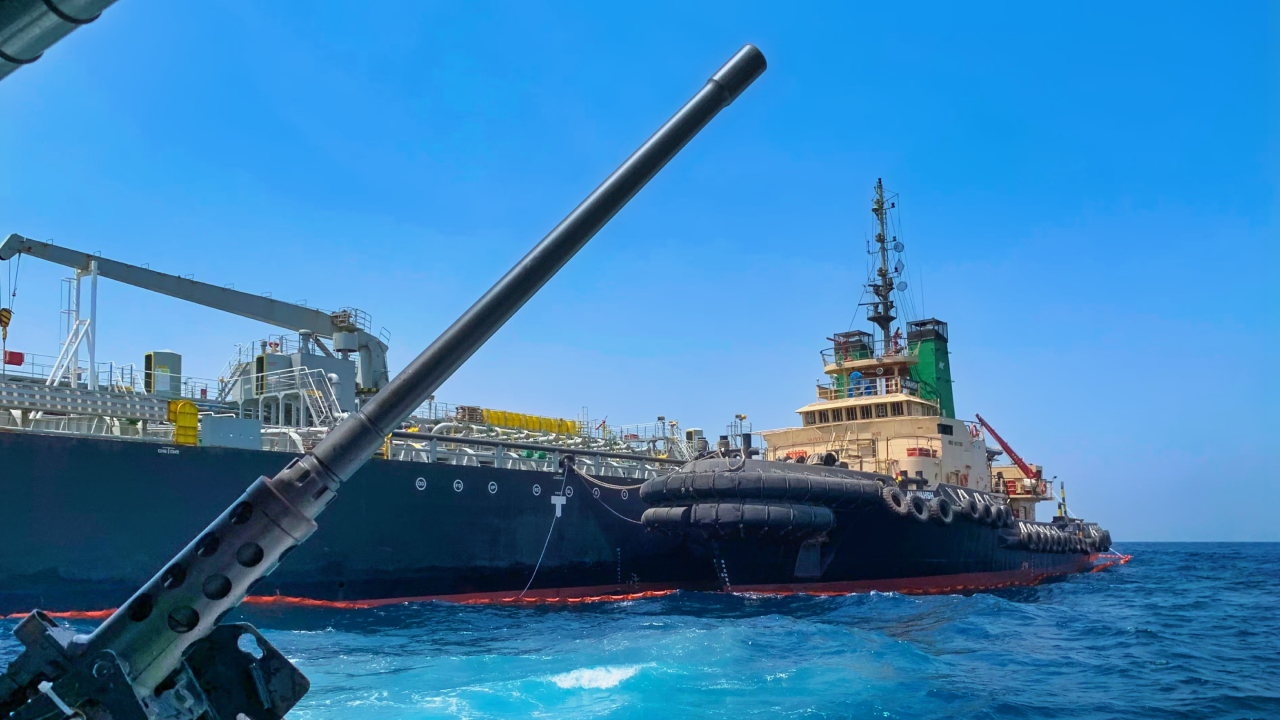
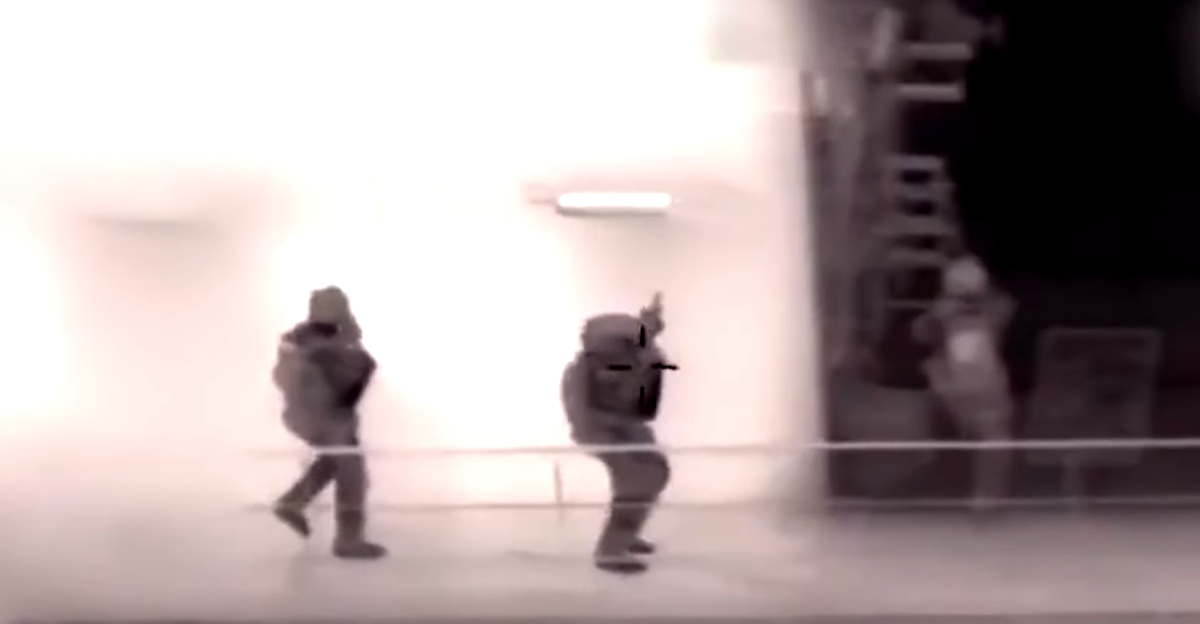
US Marines and Navy sailors launched from the aircraft carrier USS Gerald R. Ford in a pre-dawn operation Friday, seizing the oil tanker Olina in the Caribbean Sea without incident.
The vessel, carrying up to 890,000 barrels of oil worth approximately $53 million, marks the fifth tanker intercepted in recent weeks as Washington intensifies control over Venezuelan oil distribution.
Operation Southern Spear Claims Latest Target
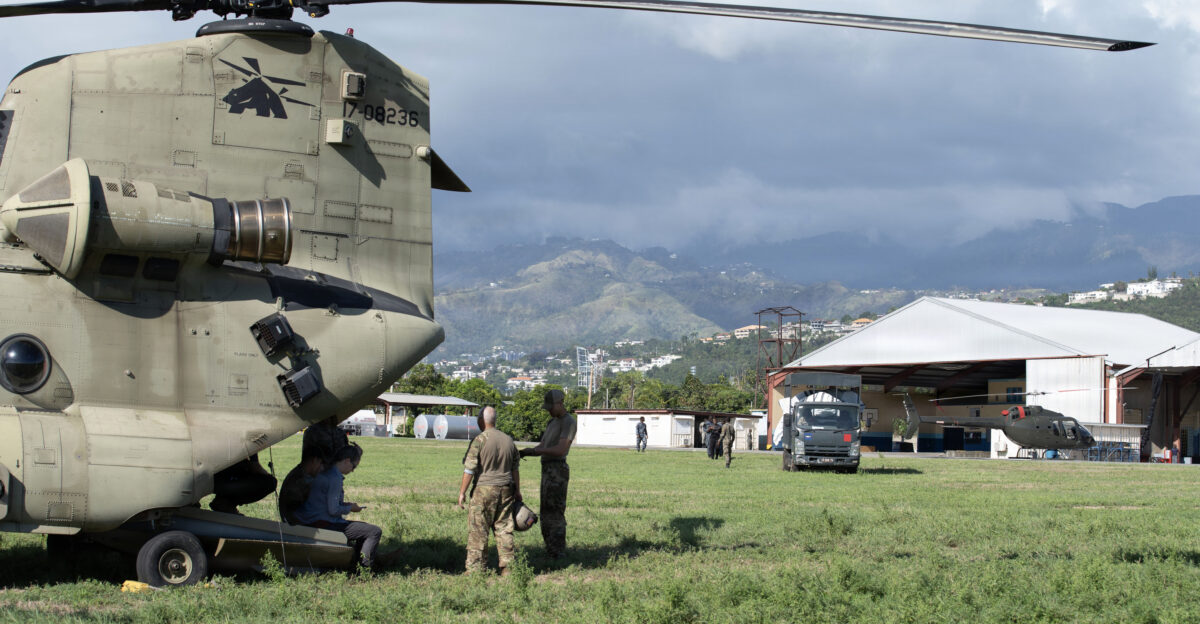
Joint Task Force Southern Spear executed the boarding operation in coordination with the Department of Homeland Security, with the US Coast Guard subsequently assuming vessel control.
The amphibious ready group, including USS Iwo Jima, USS San Antonio, and USS Fort Lauderdale, provided operational support. US Southern Command declared the mission sent a clear message that “there is no safe haven for criminals”.
Tanker Had Been “Running Dark” for Weeks
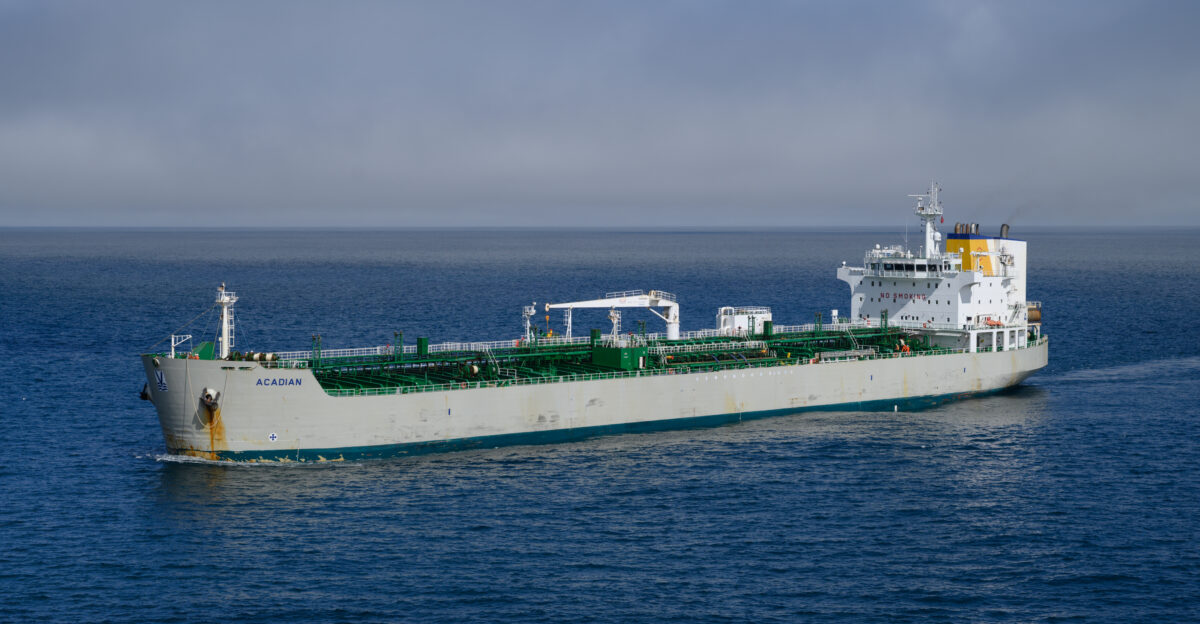
The Olina’s automatic identification system last transmitted 52 days ago from Venezuela’s Exclusive Economic Zone, northeast of Curaçao. Since November 2025, the vessel deliberately operated with its location beacon disabled, attempting to evade detection.
British maritime risk management company Vanguard noted the seizure followed “a prolonged pursuit of tankers linked to sanctioned Venezuelan oil shipments in the region”.
Vessel’s Shadowy Past Under Russian Sanctions
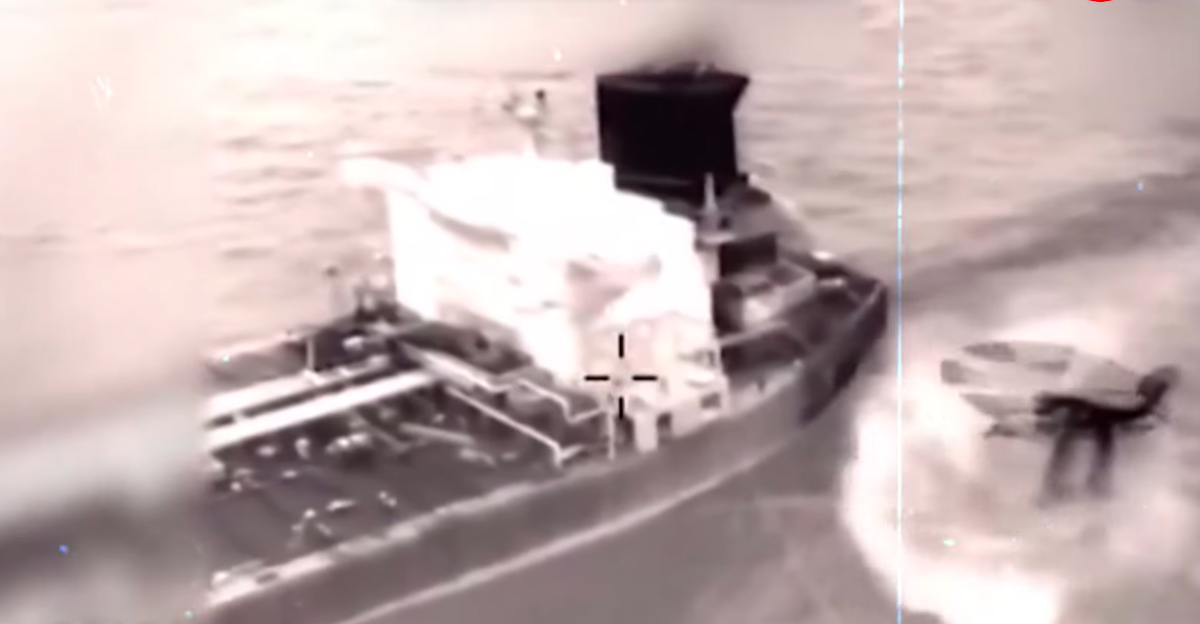
US government records reveal the Olina was previously sanctioned as the Minerva M for transporting Russian oil. Flying a Timor-Leste flag, international shipping registries classified it as using a “false flag,” indicating its claimed registration was fraudulent.
The vessel’s history of sanctions violations made it a prime target for American interdiction forces operating in Caribbean waters.
Ghost Fleet Operations Exposed
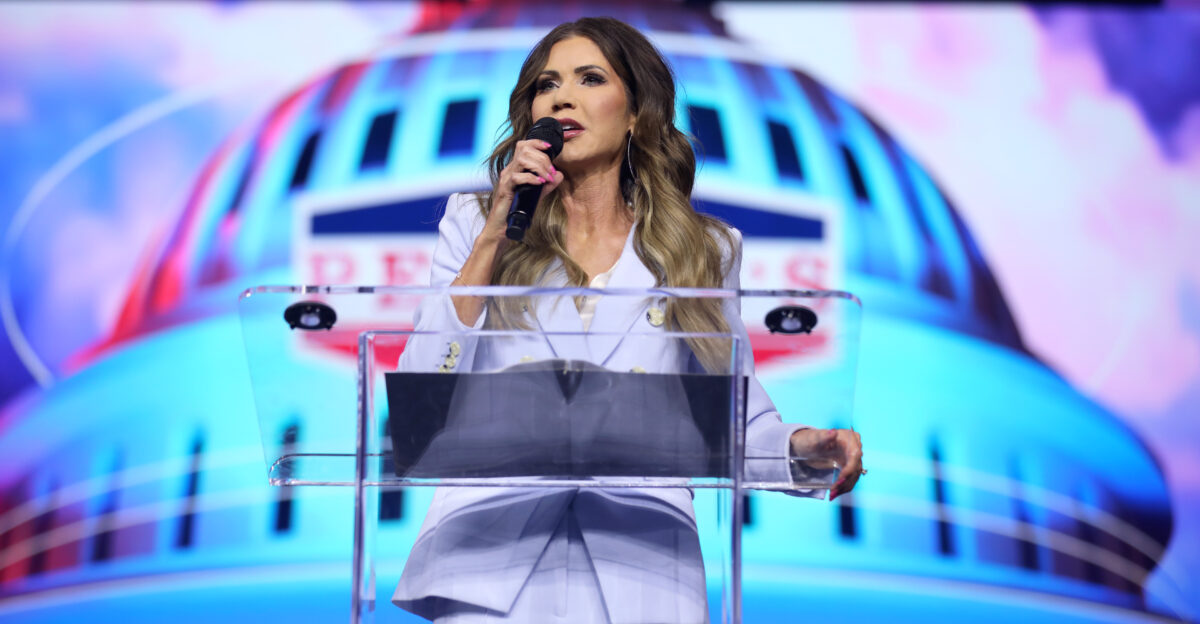
Homeland Security Secretary Kristi Noem characterized the vessel as another “ghost fleet” tanker suspected of carrying embargoed oil after departing Venezuela.
“The ghost fleets will not outrun justice. They will not hide under false claims of nationality,” Noem declared, emphasizing Coast Guard commitment to seizing sanctioned tankers and eliminating funding streams for narco-terrorism and illicit activities.
Trump Administration Escalates Maritime Enforcement
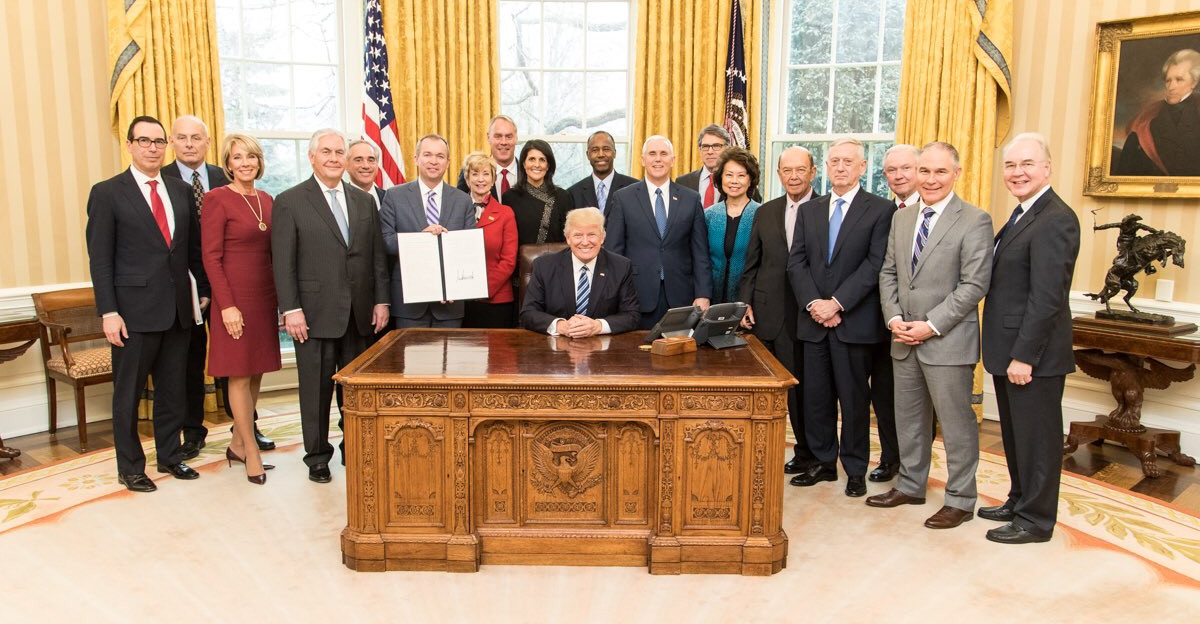
President Trump declared a “total and complete blockade” on sanctioned oil tankers traveling to and from Venezuela in December 2025.
Operation Southern Spear specifically targets the “dark fleet” of over 1,000 vessels believed to transport sanctioned and illegal oil for Venezuela, Russia, and Iran. The five recent tanker seizures represent an unprecedented escalation in maritime interdiction operations.
Maduro Arrest Preceded Tanker Seizure
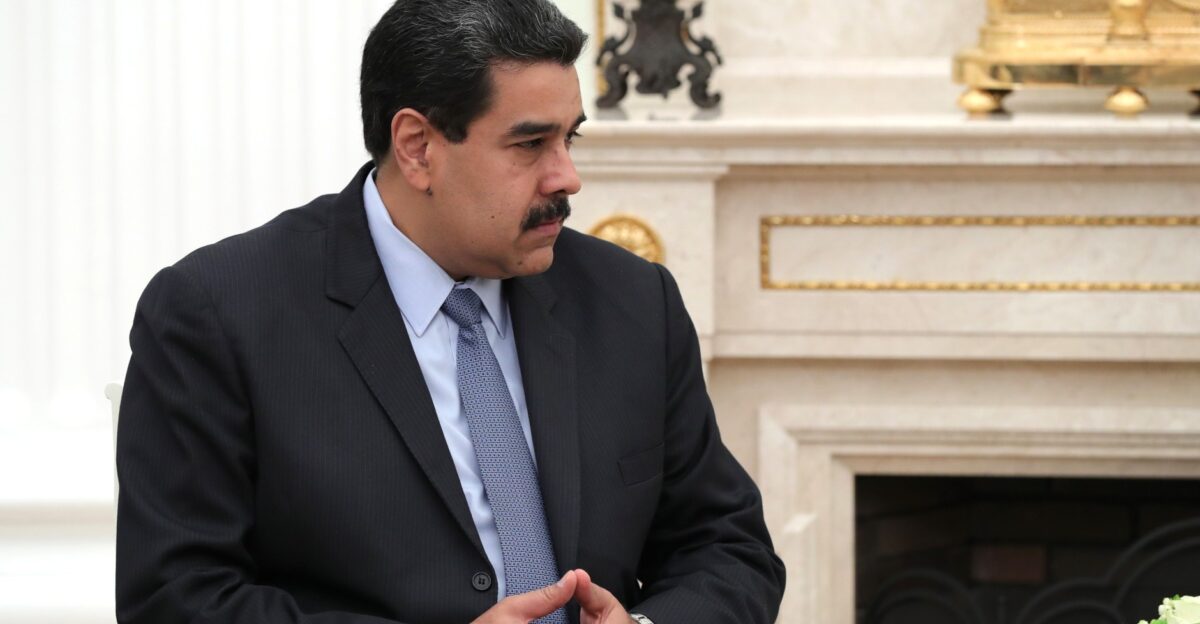
The Olina operation occurred just days after US forces arrested Venezuelan President Nicolás Maduro in a surprise January 3, 2026 operation.
The coordinated actions demonstrate the administration’s comprehensive strategy to destabilize Venezuela’s government and oil export capabilities. These parallel operations signal Washington’s determination to exert maximum pressure on the Maduro regime through multiple enforcement channels.
Venezuela’s Oil Revenues Under US Control
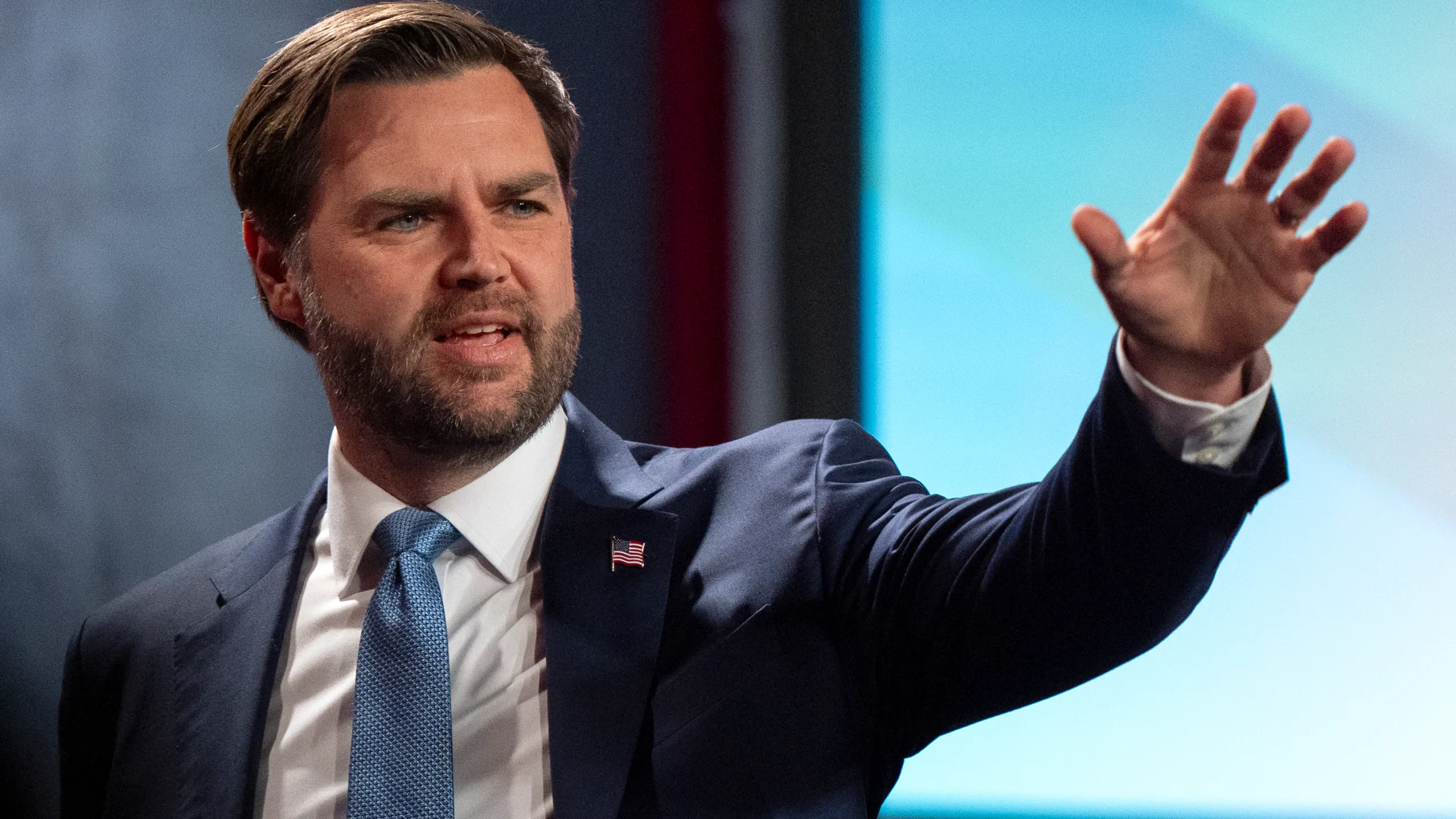
Vice President JD Vance told Fox News that the United States can effectively “control” Venezuela’s “purse strings” by dictating where its oil can be sold. The administration’s strategy aims to strangle funding streams for what Washington terms illicit activities, including narco-terrorism. By interdicting tankers and seizing cargo, American forces directly impact Venezuela’s ability to generate oil revenue through sanctions-evading exports.
Russian Condemnation Heightens Tensions

Russia condemned the seizure as a “gross violation” of international maritime law, demanding the United States release the Olina’s crew.
The diplomatic clash follows the earlier seizure of the Russian-flagged Marinera in the Atlantic Ocean with UK Royal Navy support. Moscow’s sharp response reflects growing tensions as Washington targets vessels with Russian connections or protection.
International Maritime Law Questions Raised
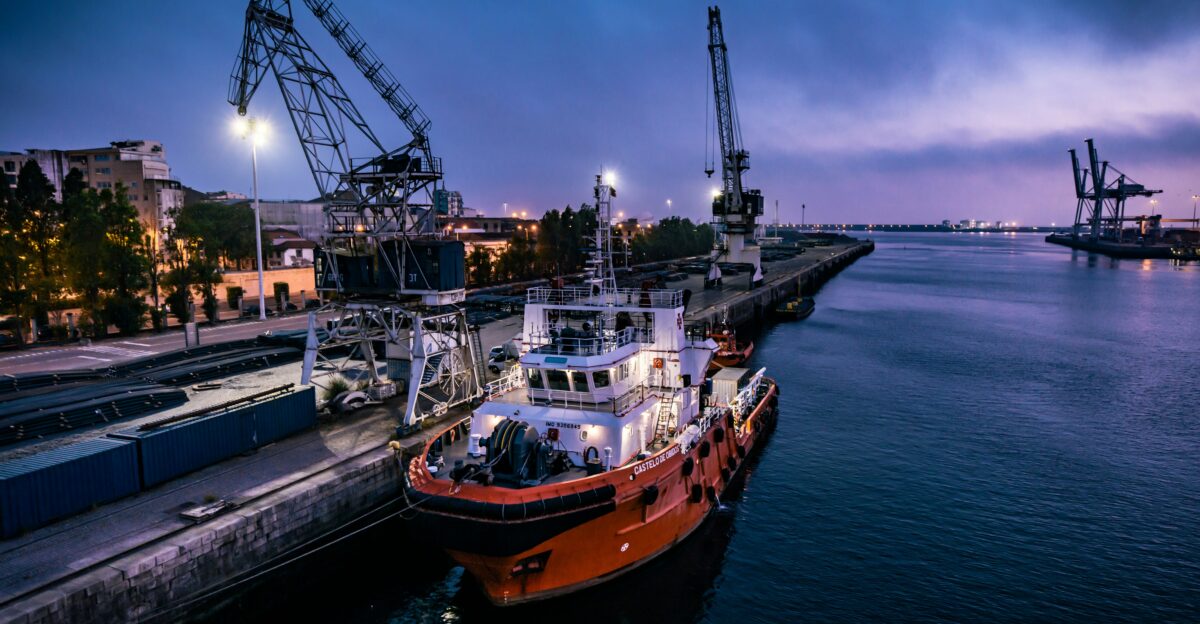
The Wall Street Journal noted targeting the Olina could further inflame tensions between Washington and Moscow, particularly since operations follow seizures of vessels claiming Russian protection.
Some maritime law experts question whether interdictions in international waters without clear jurisdictional authority could establish problematic precedents. The aggressive enforcement actions test boundaries of traditional maritime sovereignty and international legal frameworks.
Crew Fate Remains Uncertain
Details about the Olina’s crew composition, nationality, and current status remain undisclosed by US authorities. Russia’s specific call for crew release suggests potential Russian nationals aboard.
The human dimension of these maritime seizures, including crew detention and legal proceedings, continues to develop as captured vessels enter US custody and judicial processes.
British Forces Join Atlantic Operations
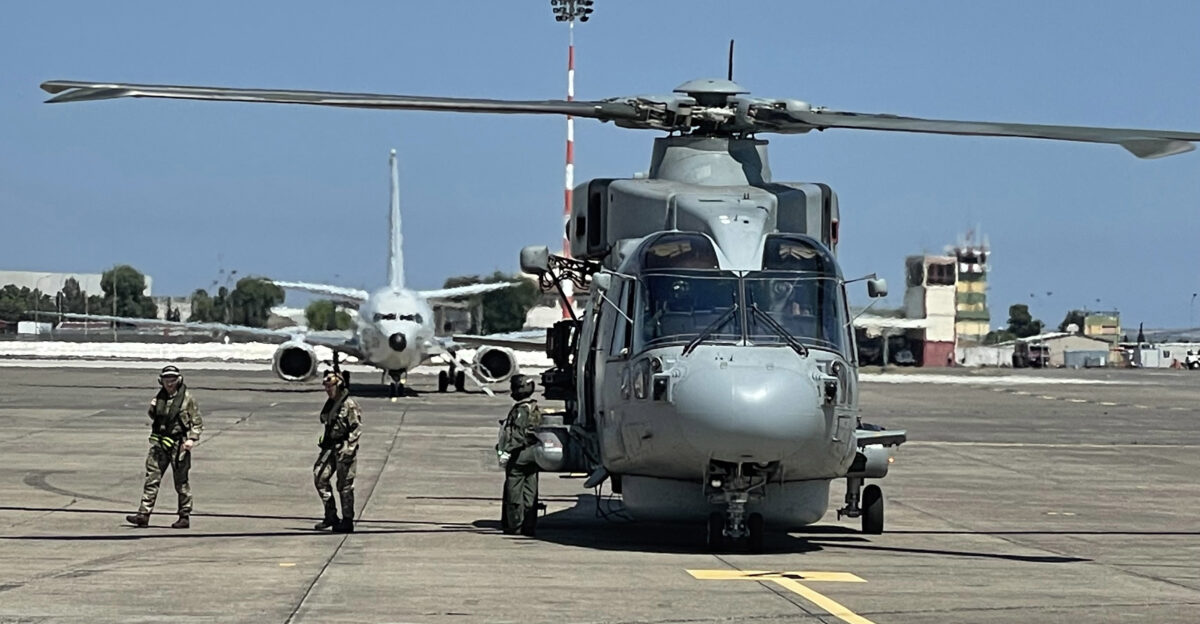
Earlier that week, US forces seized two additional tankers, including the Russian-flagged Marinera in the Atlantic Ocean with logistical support from the UK Royal Navy. Britain’s participation signals broader international cooperation in enforcing sanctions against Venezuelan, Russian, and Iranian oil exports.
The trans-Atlantic coordination demonstrates Washington’s success building coalition support for maritime interdiction operations.
$53 Million Cargo Adds to US Holdings
Reports indicate the Olina departed Venezuela fully loaded with oil, suggesting the vessel carried a complete cargo worth approximately $53 million at current $60-per-barrel market prices. The seized oil adds to growing US government holdings from captured tankers.
Questions remain about ultimate disposition of confiscated cargoes and whether proceeds will fund enforcement operations or other government programs.
Shadow Fleet Faces Unprecedented Pressure
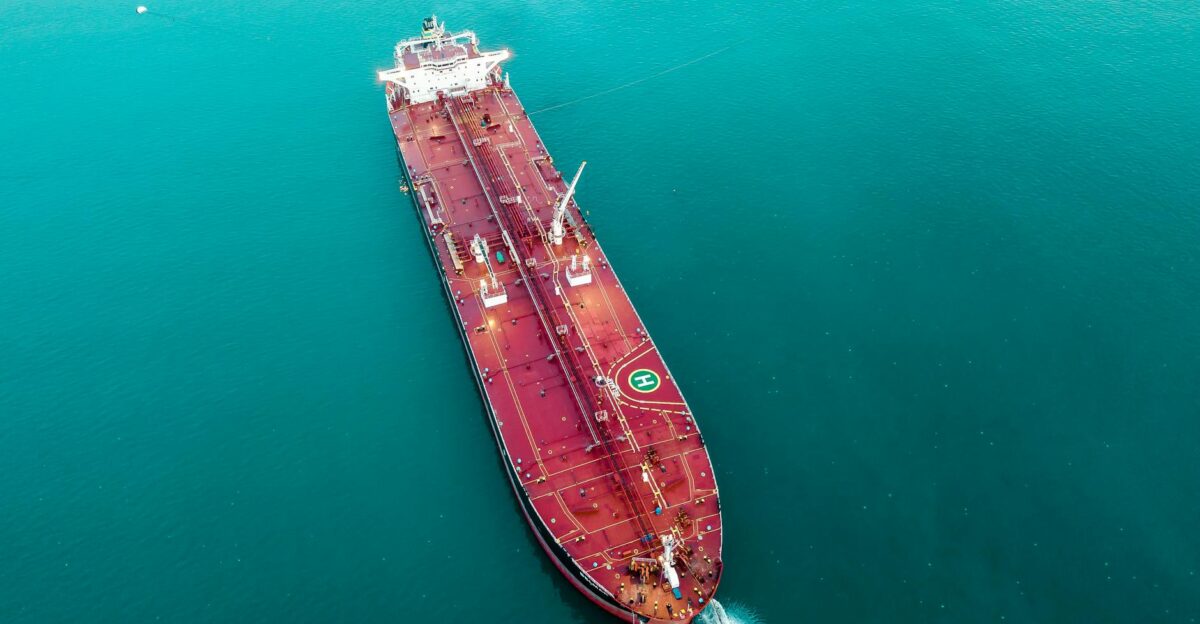
The five tanker seizures in recent weeks mark a dramatic increase in maritime enforcement against Venezuela’s shadow fleet operations. Over 1,000 vessels reportedly participate in transporting sanctioned oil for multiple countries through sophisticated evasion tactics.
American forces systematically targeting these networks aim to eliminate the infrastructure enabling sanctions circumvention and illicit oil trade.
Strategic Implications for Regional Power
Operation Southern Spear’s aggressive enforcement actions establish American naval dominance over Caribbean shipping lanes and Venezuelan oil distribution networks.
The campaign’s success depends on sustained military presence, international cooperation, and political will to maintain intensive interdiction operations. As tensions escalate with Russia and questions emerge about international law, Washington’s strategy faces both operational challenges and diplomatic complications moving forward.
Sources:
“U.S. forces seize oil tanker in the Caribbean Sea in pre-dawn mission.” Fox News, January 8, 2026.
“US seizes fifth oil tanker linked to Venezuela, officials say.” BBC News, January 9, 2026.
“US seizes another sanctioned oil tanker in the Caribbean.” CNN, January 9, 2026.
“US seizes Venezuela-linked Olina oil tanker in Caribbean.” Deutsche Welle (DW), January 9, 2026.
“US seizes Olina tanker in Caribbean, fifth vessel taken in Venezuela sanctions campaign.” Reuters, January 10, 2026.