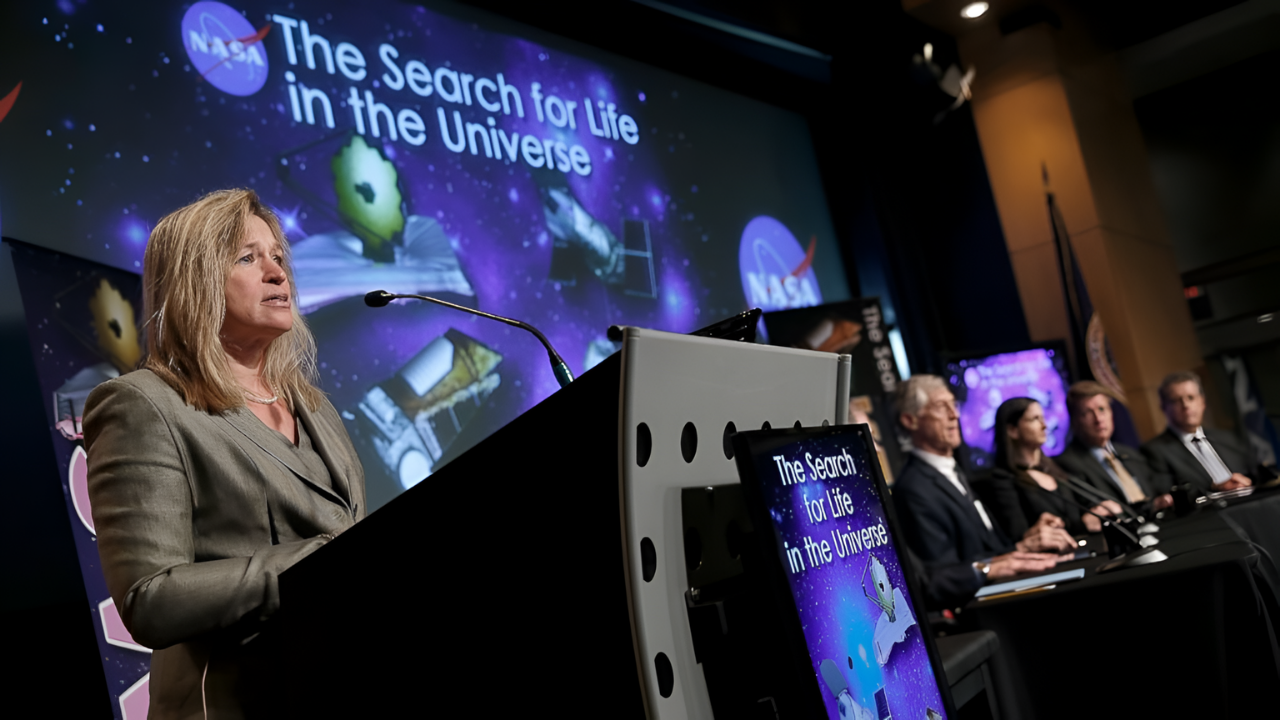
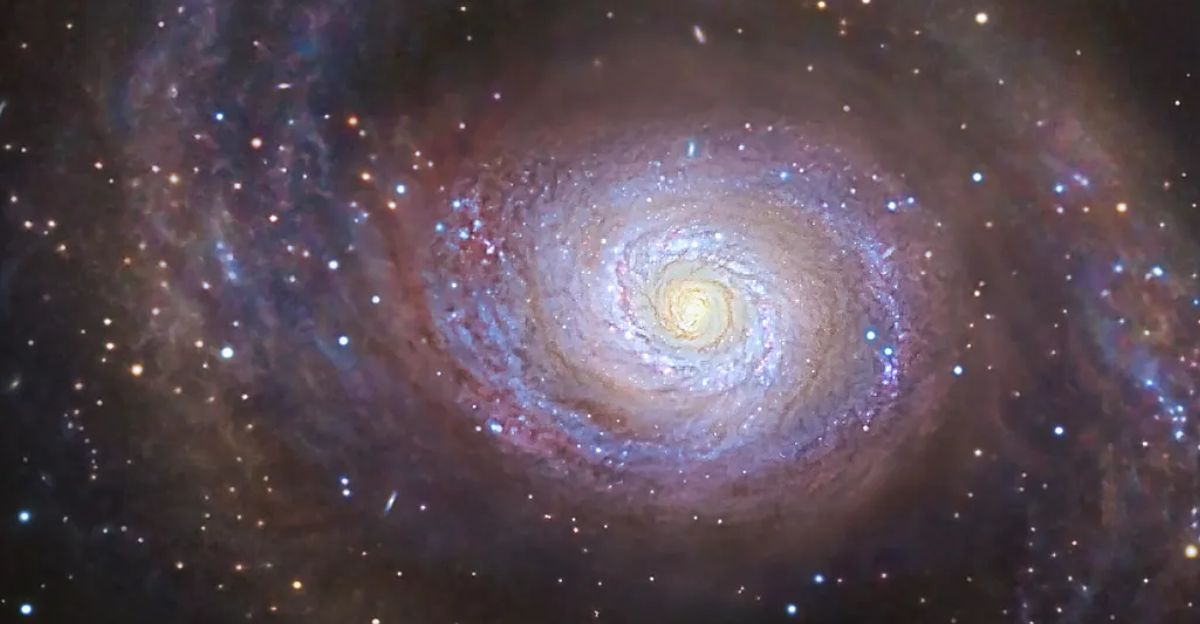
A cosmic ghost has been caught. Using the Hubble Space Telescope, astronomers have discovered the first confirmed failed galaxy, a vast concentration of dark matter with virtually no stars. Nicknamed Cloud-9 near Messier 94, it holds about 5 billion solar masses. Announced this week at the American Astronomical Society meeting in Phoenix, it validates predictions and challenges galaxy formation ideas, setting up a startling clue.
A Ghost Galaxy Emerges From Darkness
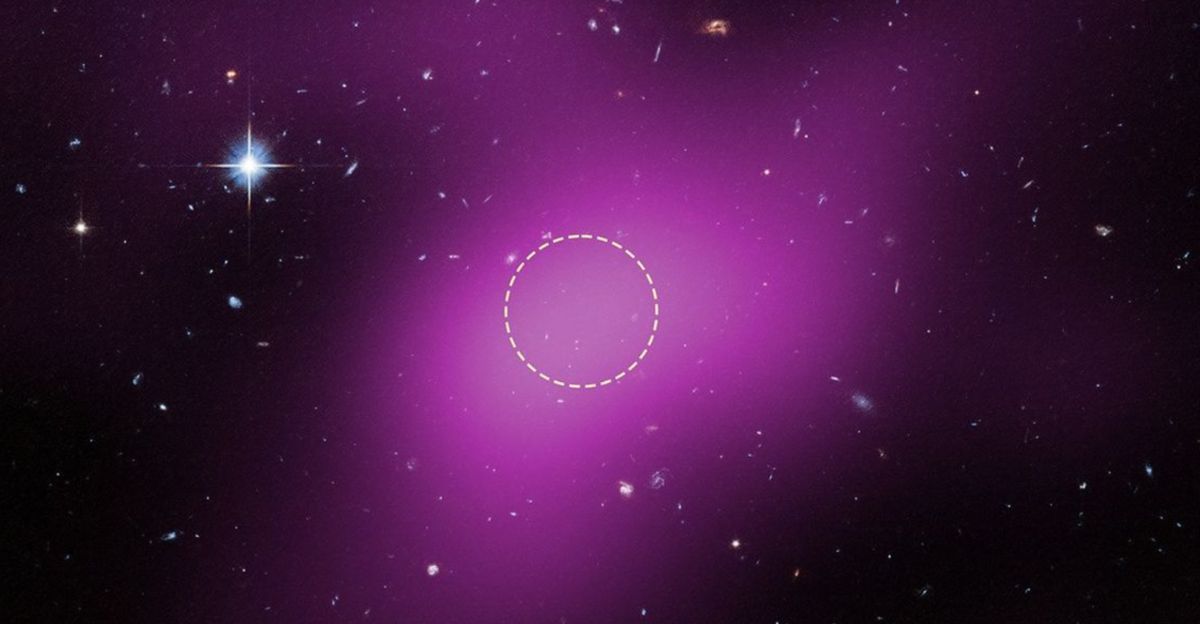
For decades, astronomers theorized that dark matter could form structures without stars. Cloud-9 proves they were right. Discovered 3 years ago during a radio survey using China’s Five-hundred-meter Aperture Spherical Telescope, this starless cloud orbits near Messier 94, a nearby spiral galaxy. Its existence validates long-standing predictions about the universe’s hidden architecture. What makes this discovery so remarkable?
Where Science Meets Mystery
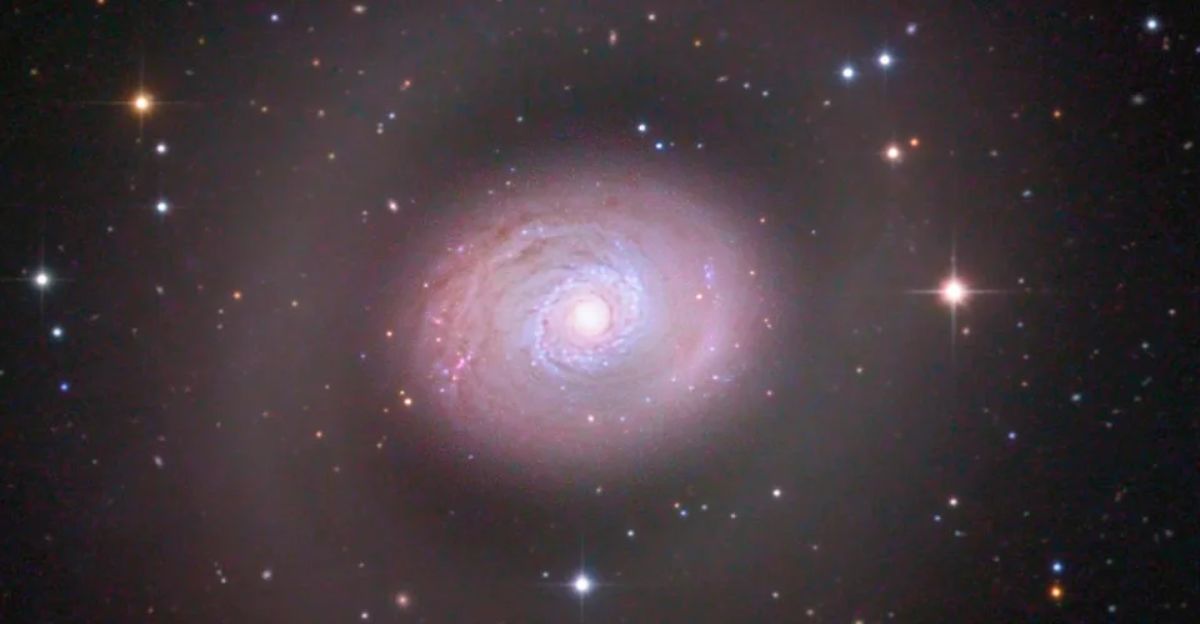
Cloud-9 sits merely 14 million light-years from Earth, making it one of the closest mysterious structures ever catalogued. Its proximity transforms this discovery from abstract theory into an accessible reality. Hubble’s sharp vision finally revealed what ground-based telescopes had missed for years. But finding nothing is exactly what proved everything. The timeline behind that confirmation is key.
“A Tale Of A Failed Galaxy”
“This is a tale of a failed galaxy,” explained Alejandro Benitez-Llambay, principal investigator at Milano-Bicocca University in Milan, Italy, during the American Astronomical Society’s 247th meeting on January 6, 2026. “In science, we usually learn more from the failures than from the successes. In this case, seeing no stars is what proves the theory right.” The label matters.
What Exactly Is Cloud-9?
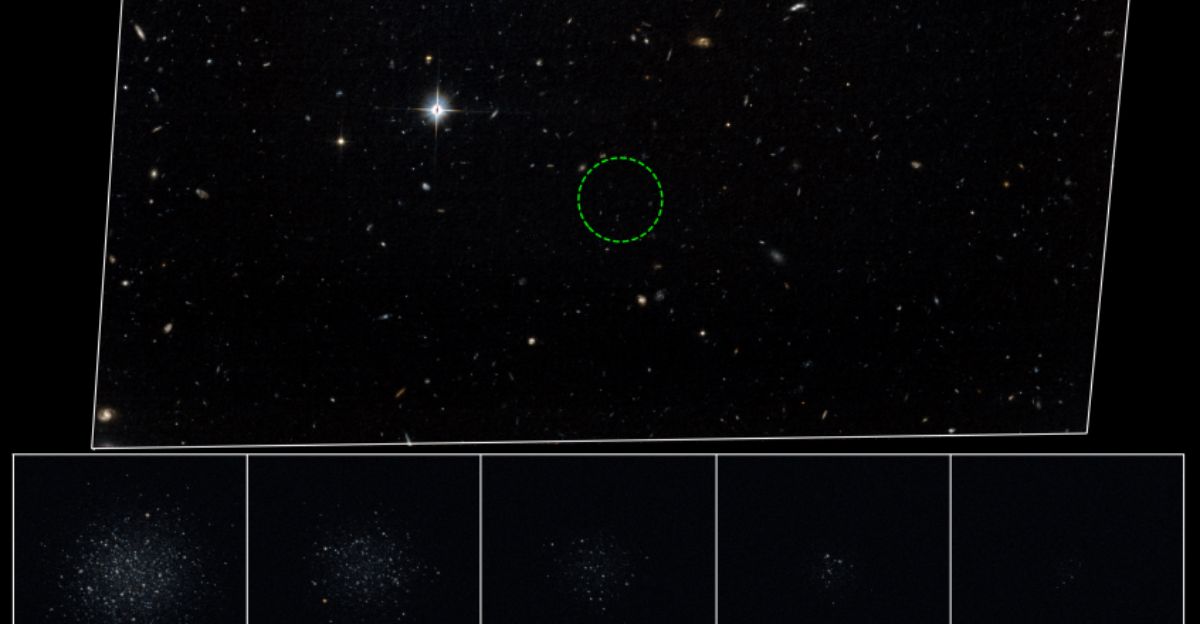
Cloud-9 belongs to a rare category called Reionization-Limited H I Clouds (RELHICs). The “H I” refers to neutral hydrogen gas. These objects represent fossil remnants from the early universe, hydrogen clouds that never collapsed enough to form stars. Scientists had predicted their existence theoretically but lacked direct proof until now. How did astronomers finally confirm it?
A Window Into Invisible Matter
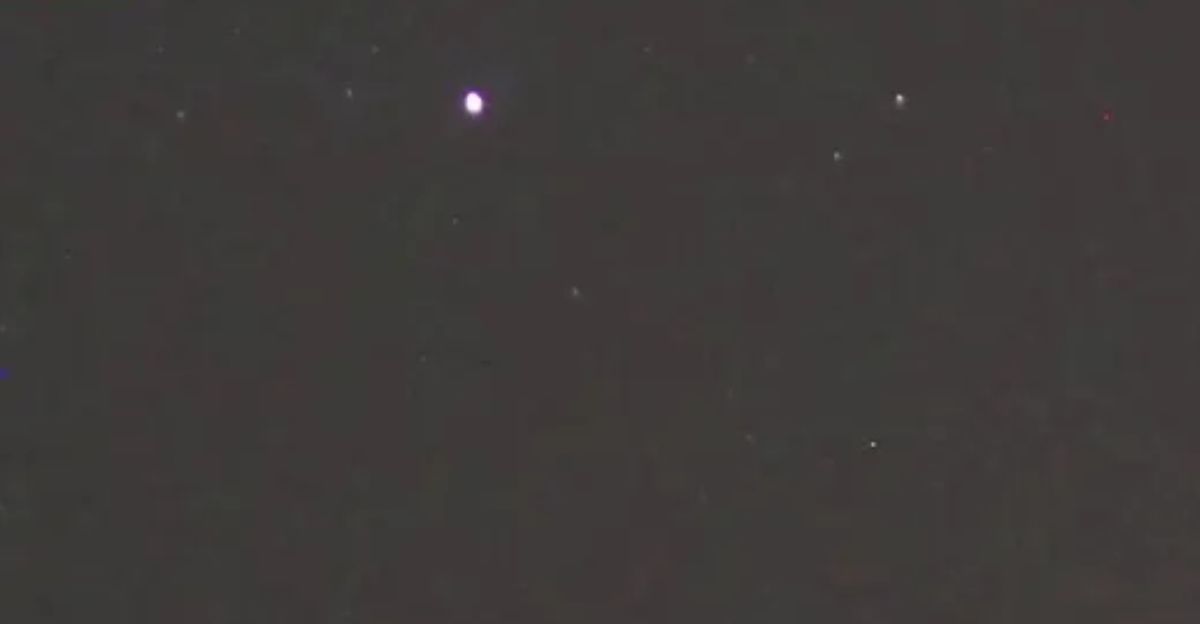
“This cloud is a window into the dark Universe,” said Andrew Fox of the Space Telescope Science Institute for the European Space Agency on January 6, 2026. “We know from theory that most of the mass in the Universe is expected to be dark matter, but it’s difficult to detect this dark material because it doesn’t emit light. Cloud-9 gives us a rare look at a dark-matter-dominated cloud.” The first clue came via radio.
Discovery Through Radio Eyes
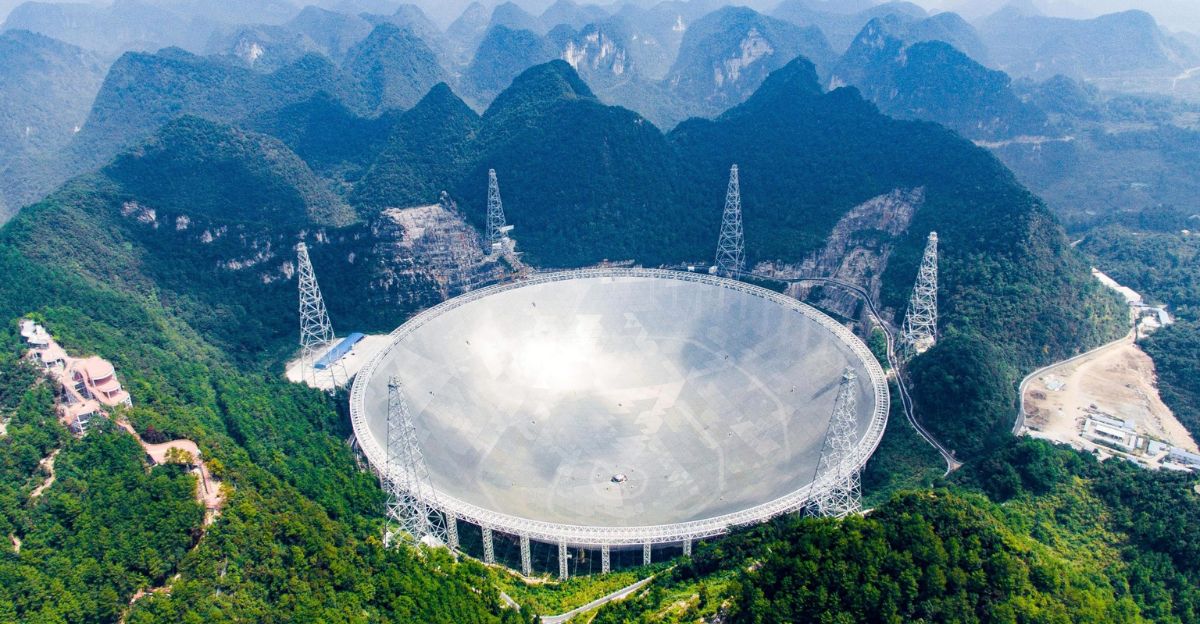
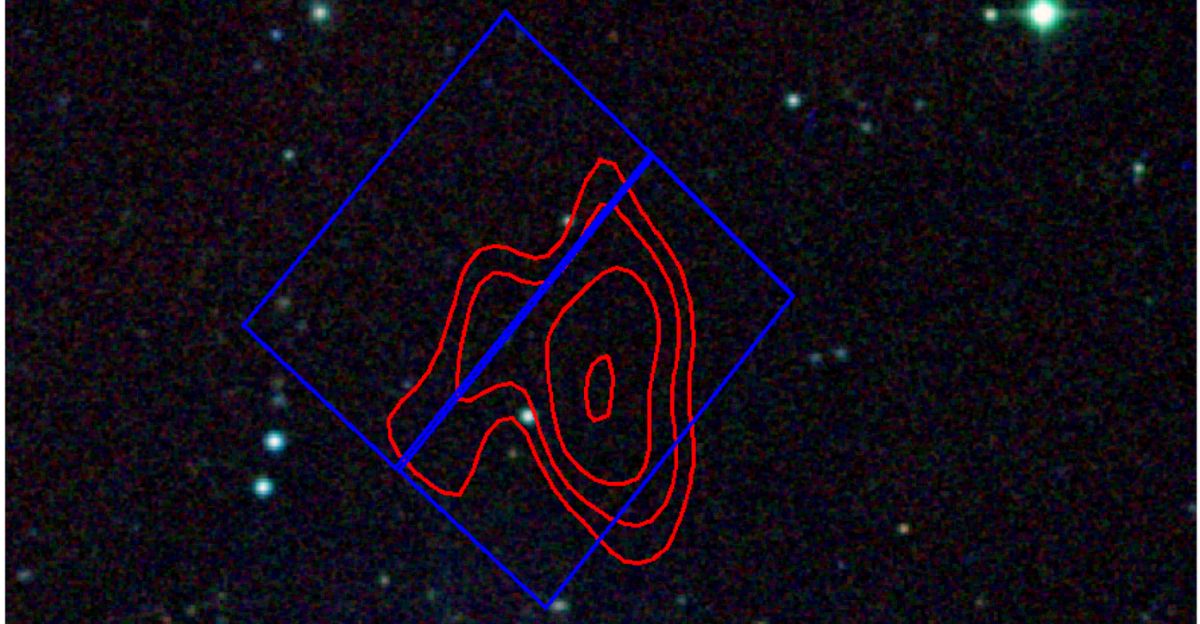
Cloud-9’s discovery began three years ago, when China’s FAST radio telescope in Guizhou detected neutral hydrogen emissions. The Green Bank Telescope and Very Large Array in the United States independently confirmed the signal. These radio observations revealed a compact, spherical structure about 4,900 light-years in diameter. But were there hidden stars within? That question demanded sharper vision.
Hubble’s Critical Breakthrough
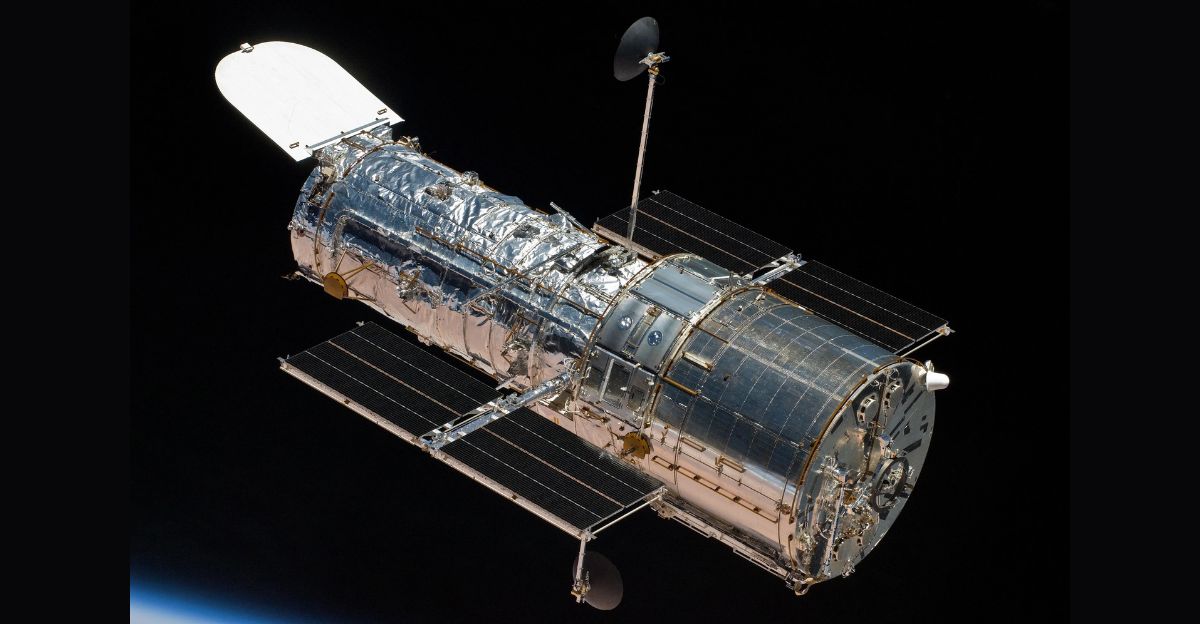
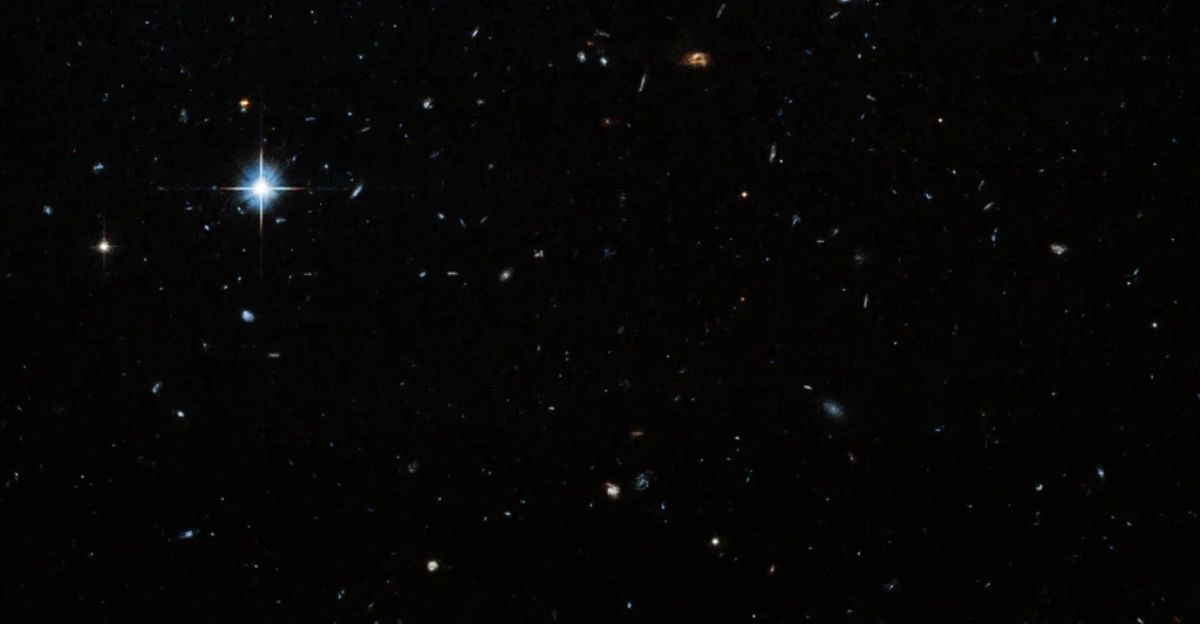
Ground-based telescopes couldn’t definitively answer the star question, so astronomers turned to Hubble’s Advanced Camera for Surveys. This powerful instrument can detect even faint dwarf galaxies that other telescopes miss entirely. The results were conclusive and startling, absolutely no stars, not even a few thousand stellar remnants. The argument shifted from uncertainty to proof, and one quote captured it.
“We’re Able To Nail Down”
“Before we used Hubble, you could argue that this is a faint dwarf galaxy that we could not see with ground-based telescopes. They just didn’t go deep enough in sensitivity to uncover stars,” explained Gagandeep Anand of the Space Telescope Science Institute on January 6, 2026. “But with Hubble’s Advanced Camera for Surveys, we’re able to nail down that there’s nothing there.” Then the math had to explain stability.
Measuring The Invisible Giant
Cloud-9’s hydrogen core spans roughly 4,900 light-years and contains about 1 million solar masses of gas. However, this gas alone cannot explain how the cloud maintains its structure. Calculations based on gas pressure balancing gravitational pull reveal the stunning truth: approximately 5 billion solar masses of dark matter anchors the system. The mathematics were unavoidable. That number also sits on a famous threshold.
Why This Object Never Became A Galaxy
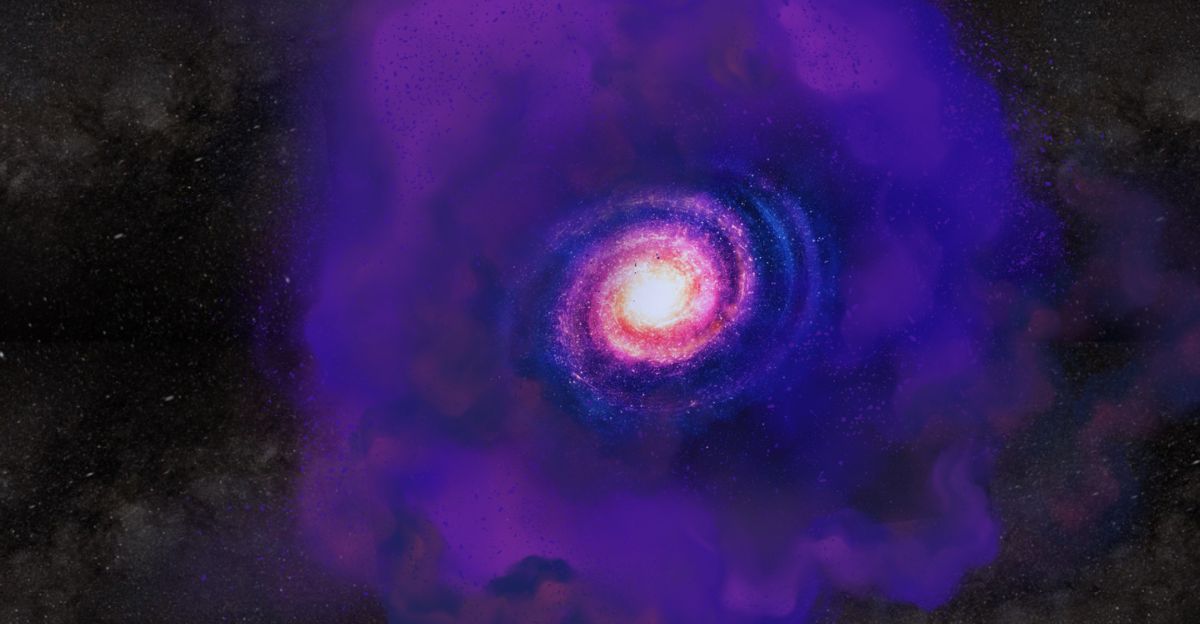
Galaxies only form when dark matter halos reach a critical mass threshold. After the universe’s reionization period, when ultraviolet radiation filled space, this threshold became roughly 5 billion solar masses. Cloud-9 exists right at that boundary, massive enough to retain its hydrogen but not quite massive enough to trigger star formation. It’s frozen at the threshold. What kept it stalled for so long?
Cosmic Ultraviolet Background Blocks Star Birth
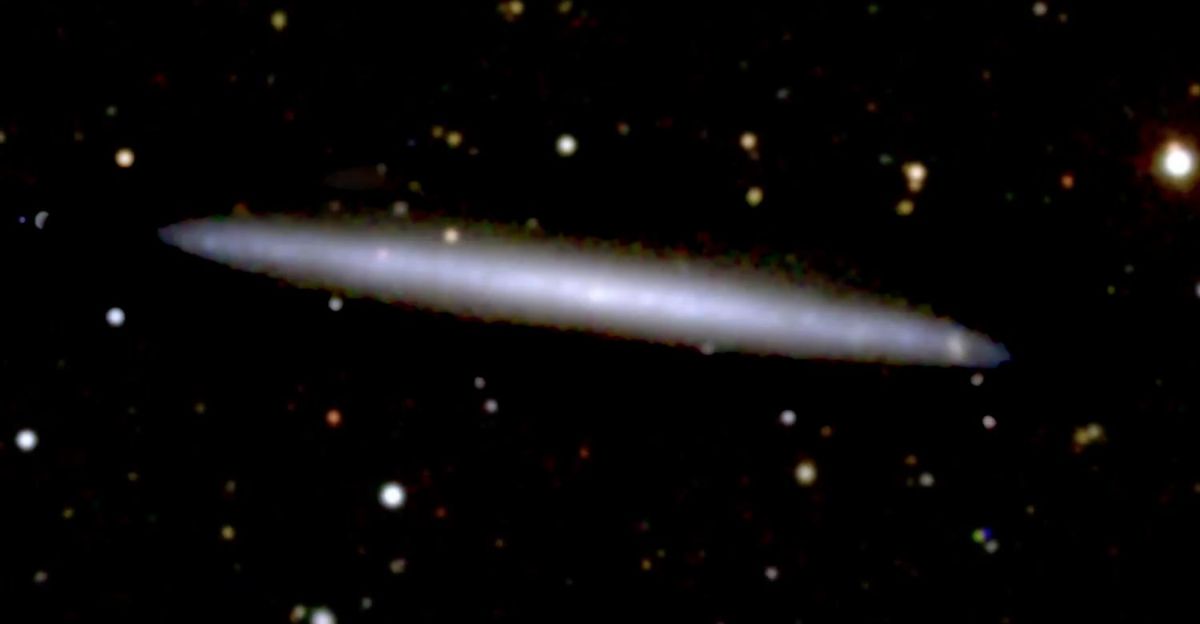
The ultraviolet radiation that floods space after reionization heats the gas and prevents collapse. This cosmic UV background has suppressed Cloud-9’s evolution for billions of years. While massive halos above the threshold continued to accrete gas and form galaxies, Cloud-9 stalled. Its primordial conditions remain preserved like amber encasing an ancient organism. That preservation suggests the neighborhood might hold more “ghosts.”
“Abandoned Houses Out There”
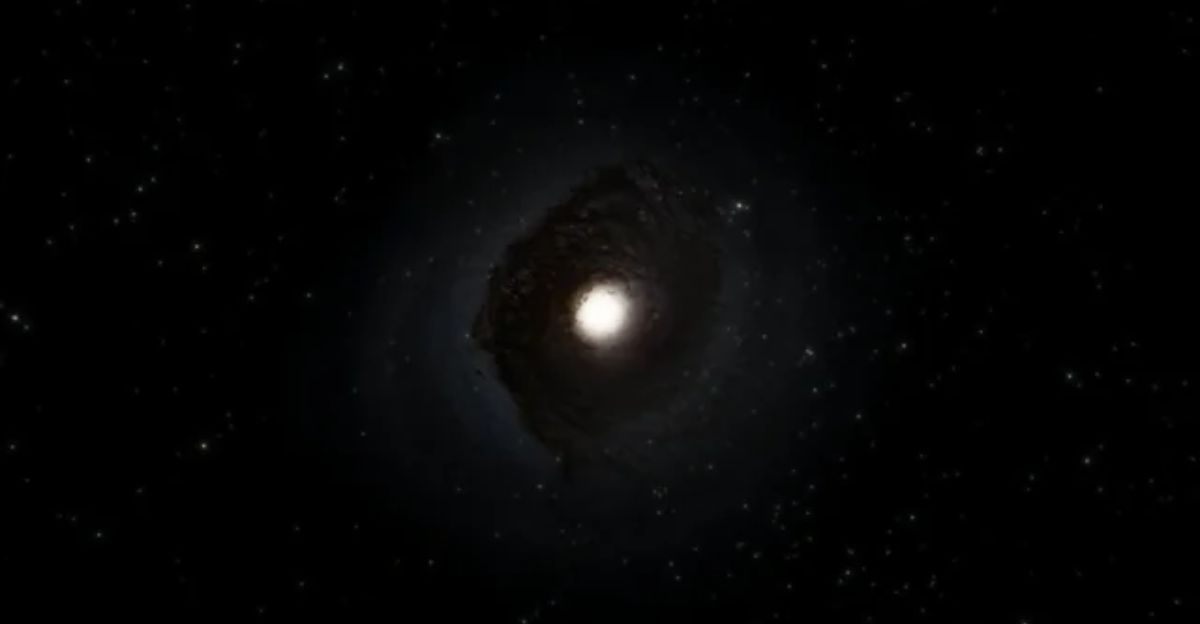
“Among our galactic neighbors, there might be a few abandoned houses out there,” observed Rachael Beaton of the Space Telescope Science Institute on January 5, 2026. Cloud-9 isn’t merely an isolated curiosity; it suggests dozens or hundreds of similar starless structures may exist in the local universe. Most remain undetected simply because they emit no light whatsoever. So how does this fit the big model?
Validating Lambda-CDM Predictions
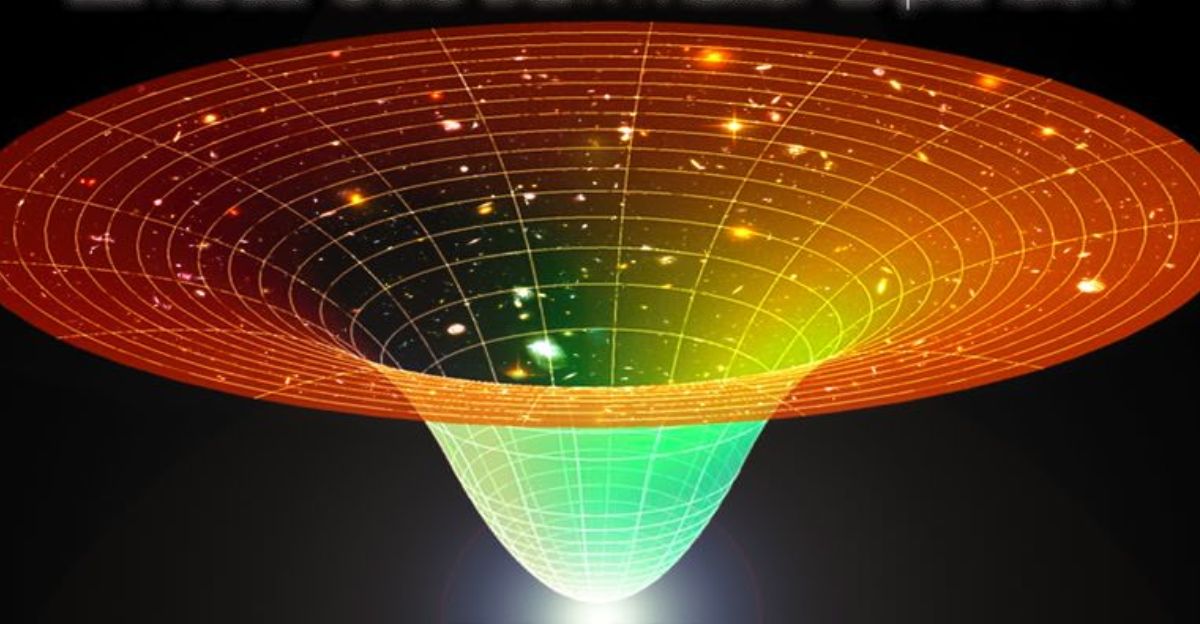
The Lambda Cold Dark Matter model predicts the existence of starless dark matter halos on subgalactic mass scales. Cloud-9’s discovery provides the first observational confirmation of this cornerstone prediction. This validation strengthens confidence in Lambda-CDM as the framework that explains cosmic structure, dark matter distribution, and galaxy formation mechanisms over billions of years. However, the object’s rarity suggests a narrow balance that scientists have been chasing.
The Sweet Spot Between Formation And Failure
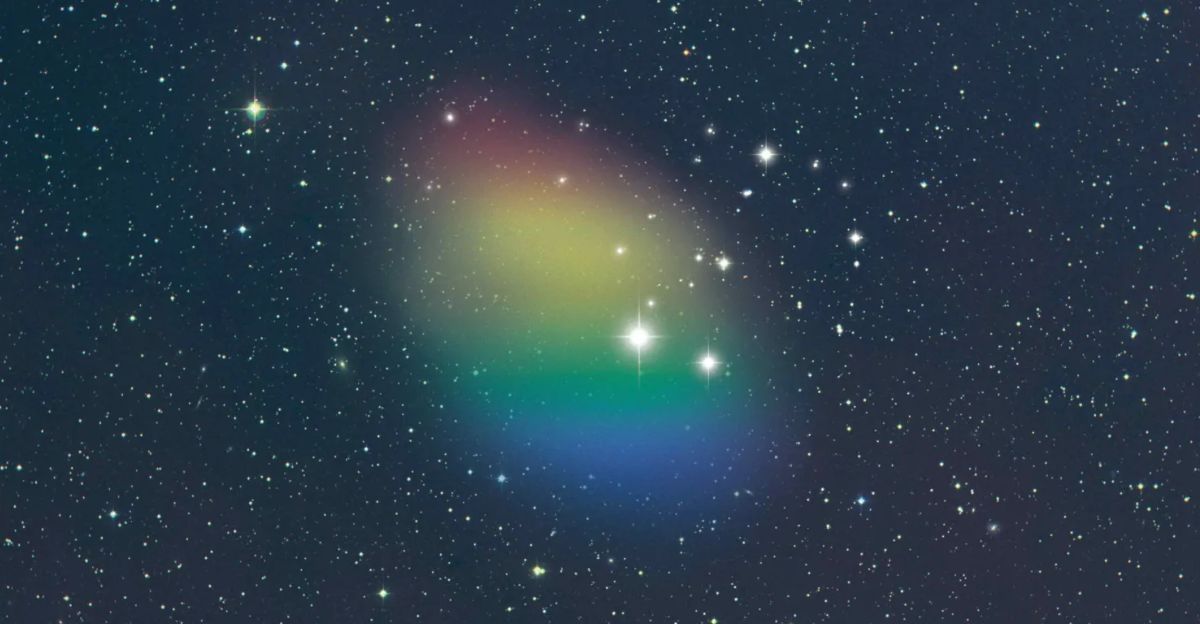
Cloud-9 occupies an intermediate regime where theoretical models predict objects should be neither fully successful nor completely destroyed. It retains enough mass to preserve neutral hydrogen gas but lacks sufficient mass for gravitational collapse into stars. This narrow “sweet spot” explains why RELHICs appear rare, their existence requires precise mass balance. Could a small change tip it into becoming a real galaxy?
A Future Galaxy Still Possible
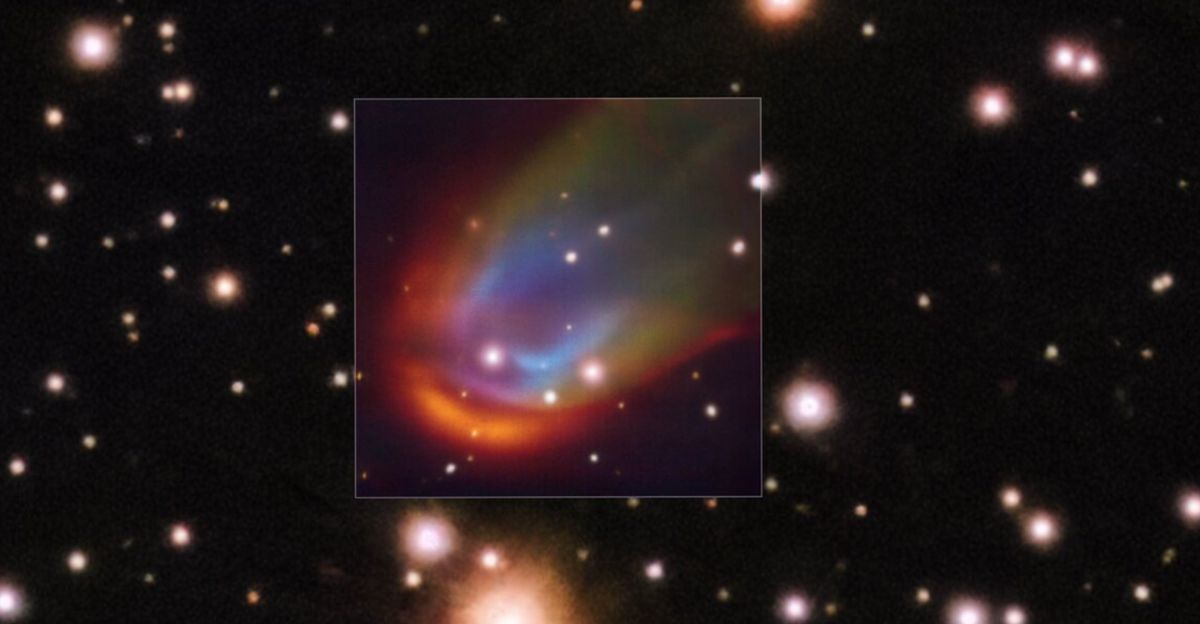
Theoretically, Cloud-9 could eventually become a galaxy if it accumulates additional mass through cosmic interactions. Its proximity to Messier 94 suggests potential future exchanges of material. However, such acquisitions remain speculative and uncertain. For now, Cloud-9 remains suspended between galactic success and primordial failure, a cosmic work perpetually unfinished. Confirming that status took unusual teamwork.
The Research Team Behind Discovery

The international research team included scientists from the Space Telescope Science Institute, Milano-Bicocca University, the European Space Agency, and multiple astronomical institutions. Their collaborative effort combined radio observations, optical imaging, and theoretical analysis across multiple years. This interdisciplinary approach proved essential for confirming Cloud-9’s unprecedented nature definitively. The methods also point to what future searches can do at larger scale.
Future Surveys Will Reveal More
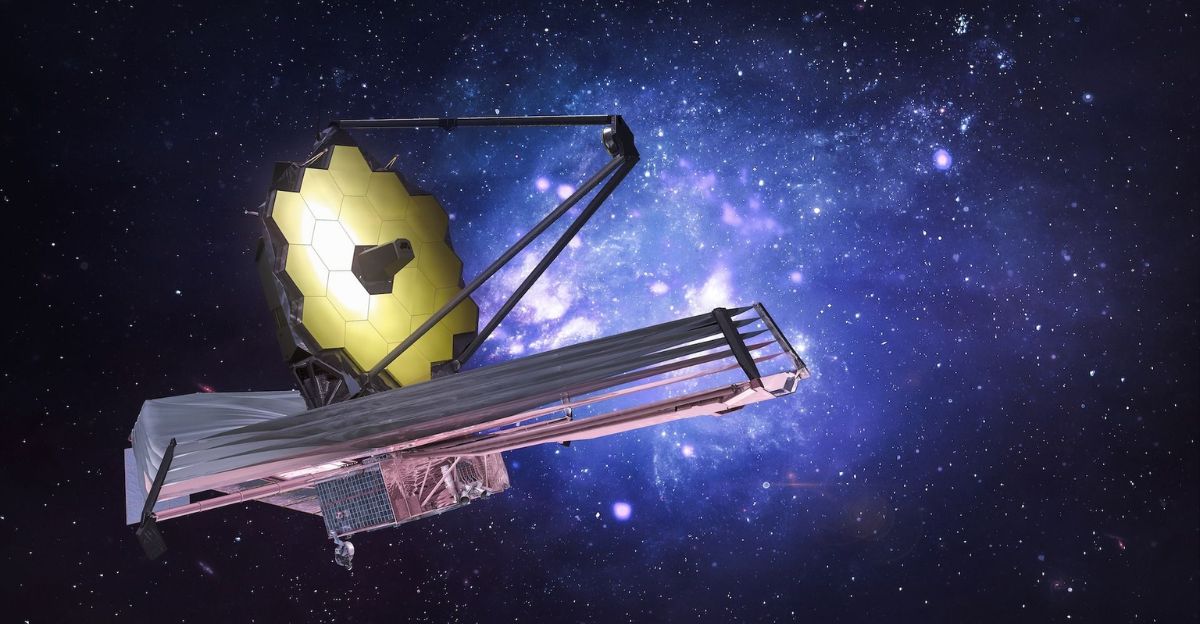
The discovery of Cloud-9 represents only the beginning. Next-generation astronomical surveys, including observations from the James Webb Space Telescope and future facilities like the Vera C. Rubin Observatory, will search for additional failed galaxies. Scientists expect these enhanced capabilities will uncover more RELHICs hiding throughout nearby space. The payoff is not just counting objects, but testing dark matter itself.
Implications For Dark Matter Research
Cloud-9 provides astronomers with a unique laboratory for studying dark matter properties without stellar interference. Traditional observations focus on bright objects, missing vast portions of cosmic structure. This discovery emphasizes that understanding the universe requires observing darkness itself, the invisible frameworks upon which galaxies ultimately depend. Yet the deeper mystery remains: why do some halos light up while others never do?
What Cloud-9 Teaches About Galaxy Making
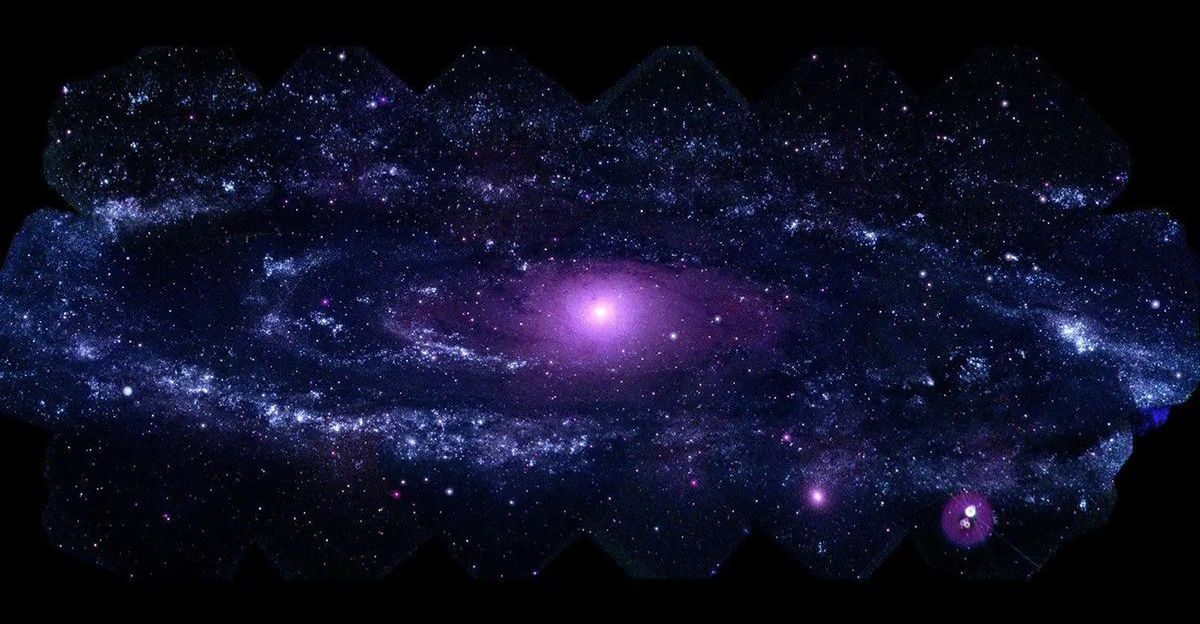
This discovery directly addresses fundamental questions about galaxy formation: Why do some dark matter halos form galaxies while others don’t? What environmental factors determine success versus failure? Cloud-9’s existence provides empirical data constraining theoretical models. Each failed galaxy teaches scientists crucial lessons about how the universe assembled itself. The team’s final published conclusion underscores how rare this boundary object may be.
“The First Known System” At The Boundary
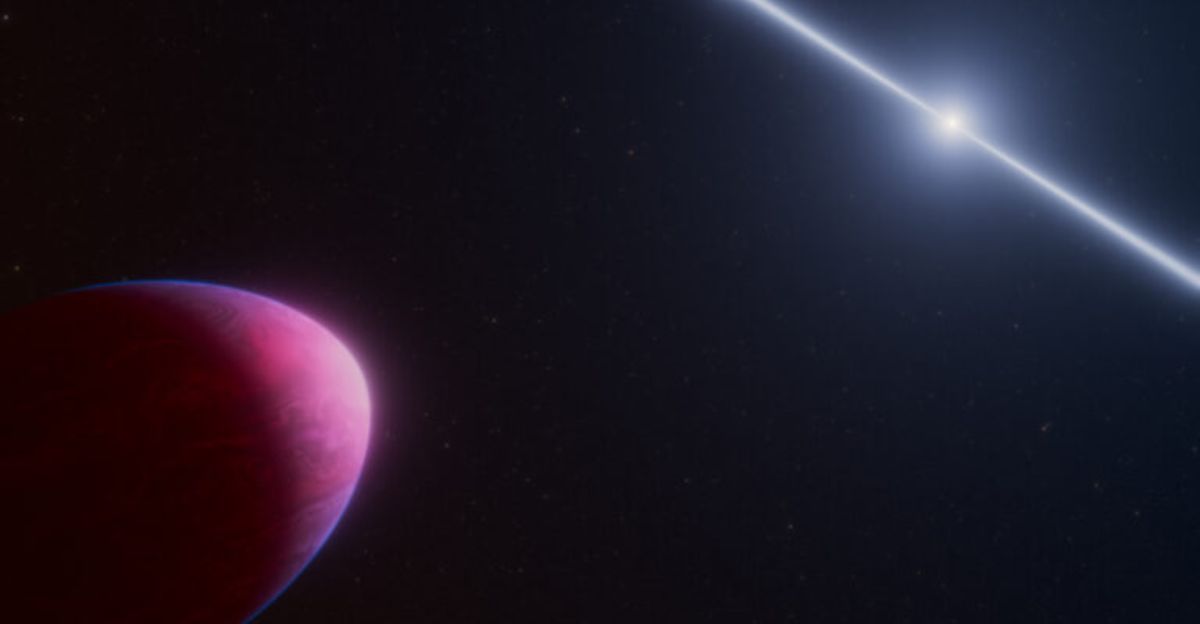
“Cloud-9 thus appears to be the first known system that clearly signals this predicted transition, likely placing it among the rare RELHICs that inhabit the boundary between failed and successful galaxy formation,” stated the research team’s conclusion published in the Astrophysical Journal Letters in November 2025. The universe contains far more darkness than previously imagined and the closest examples may be hiding in plain sight.w
Sources
The First RELHIC? Cloud-9 is a Starless Gas Cloud. The Astrophysical Journal Letters, November 2025
Hubble Examines Cloud-9, First of New Type of Object. NASA Science, January 5, 2026
Astronomers Find a Ghost Galaxy Made of Dark Matter. European Space Agency, January 9, 2026
NASA’s Hubble Examines Cloud-9, First of New Type of Object. NASA Goddard Space Flight Center, January 6, 2026