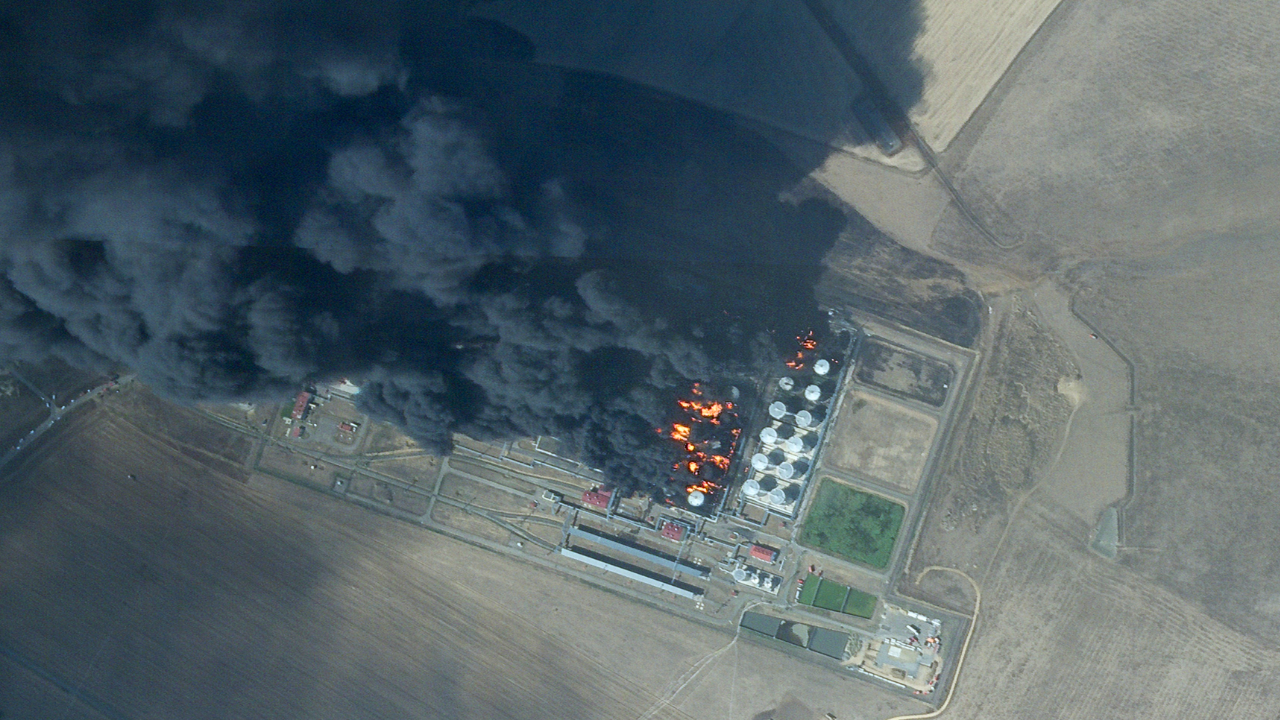
On the night of January 5–6, 2026, Ukraine pulled off something extraordinary. Military drones, operated by Ukraine’s Security Service (SBU), flew nearly 900 kilometers into Russian territory and struck Arsenal No. 100, a massive ammunition storage facility in Kostroma Oblast. The impact was immediate and devastating.
Secondary explosions erupted throughout the night as stored ammunition detonated, forcing local authorities to evacuate up to 1,200 residents to emergency shelters. This strike marks the deepest confirmed hit on Russian military infrastructure during the full-scale war, shattering assumptions about how far Ukrainian weapons can reach.
What Is Arsenal No. 100?
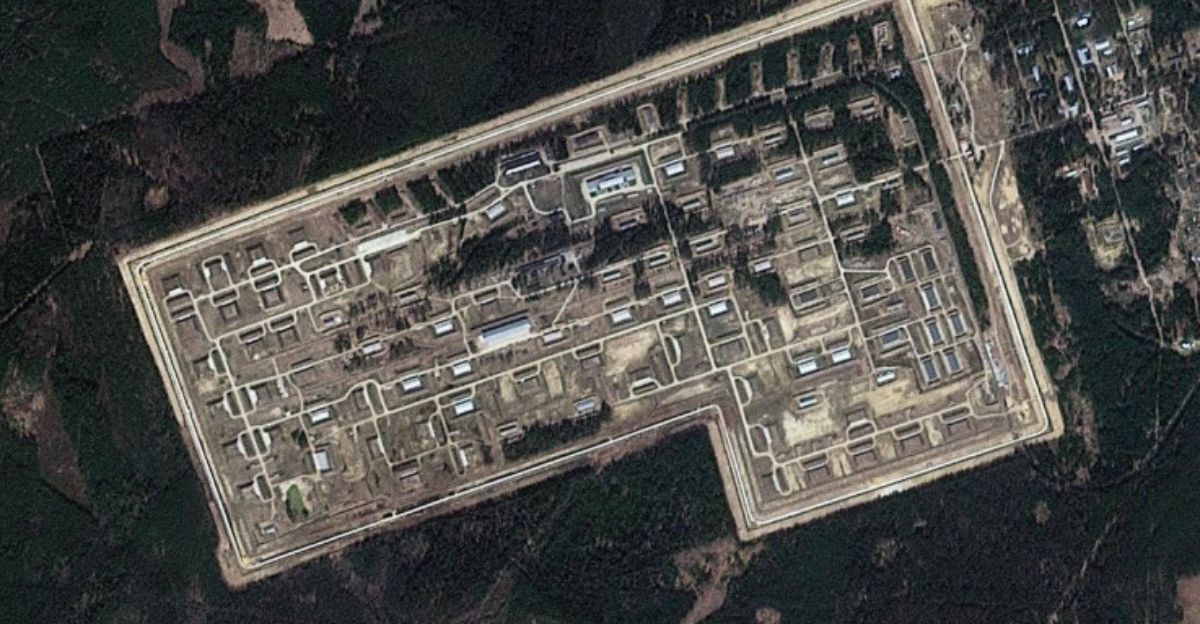
Arsenal No. 100, officially called the 100th Main Missile and Artillery Directorate (GRAU), isn’t just a storage shed. It’s a sprawling facility covering approximately 2 square kilometers near the town of Neya in Kostroma Oblast. This arsenal functions as a critical hub, a sorting and distribution center for Russian ammunition.
It receives artillery shells, tactical missiles, and other ordnance from production plants across Russia, then redistributes them to smaller depots serving Russian forces across multiple fronts. Think of it like a traffic hub for ammunition: ammunition flows in, gets organized, then flows back out to units fighting in the Donbas, Luhansk, and other contested zones.
How Far Can Ukrainian Drones Reach?

The 900-kilometer distance from Ukrainian territory to Arsenal No. 100 is remarkable. Just two years ago, most Ukrainian drones operated only within 50–100 kilometers of the front lines. Today, the SBU’s Alpha Special Operations Centre has developed and deployed domestically produced long-range attack drones capable of flying nearly 1,000 kilometers deep into Russian airspace.
This technological leap happened because Ukraine had no choice. Unable to match Russia’s military size, Ukraine invested heavily in drone technology, creating precision weapons that could strike targets far beyond traditional artillery range. The Arsenal No. 100 strike represents the culmination of this technological evolution.
Why Ammunition Supply Matters
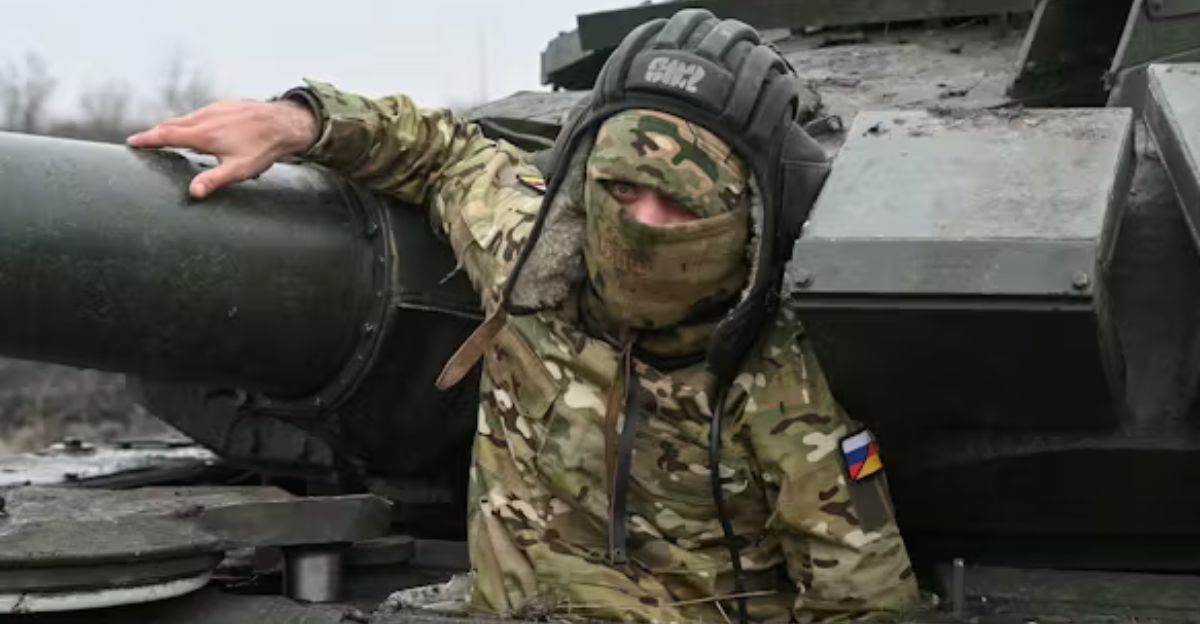
Russia’s military consumes ammunition at an staggering rate. Artillery-intensive operations in eastern Ukraine demand constant resupply, estimates suggest Russian forces fire around 120,000 artillery shells monthly. This creates a fragile logistics system: without a steady flow of ammunition, artillery units cannot maintain firepower, and ground operations grind to a halt. Arsenal No. 100 was essential because it sorted and distributed ammunition to forward depots across Russia’s western and central theater.
When Ukraine destroys such a hub, the impact cascades. Ammunition destined for active fighting must be rerouted through alternative facilities, causing delays. Transit times stretch. Coordination becomes chaotic. Units waiting for resupply lose operational flexibility.
The Night of Destruction
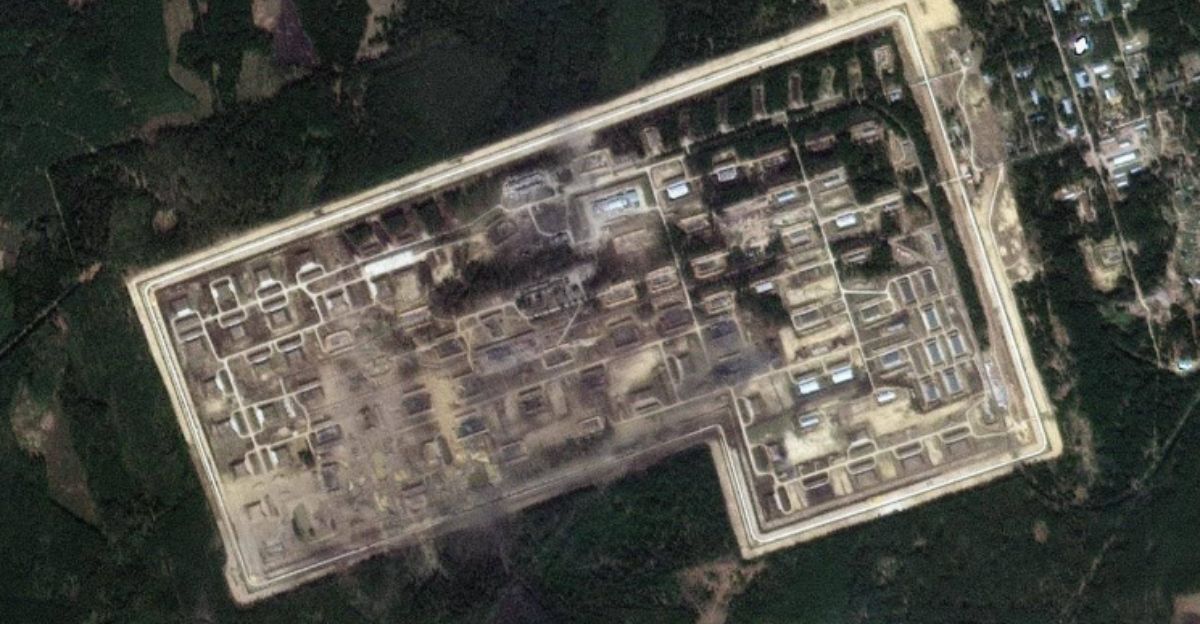
The strike unfolded over several hours starting on the evening of January 5. Ukrainian drones penetrated Russian air defenses and reached their target. When the first drone struck, secondary explosions began immediately. Stored ammunition detonated in cascading waves. Witnesses reported that “explosions rang out all night,” with fires burning across the 2-square-kilometer complex.
General Staff officially confirmed the strike, stating: “The target was hit. A fire has been recorded on the site.” Satellite imagery analyzed by open-source intelligence experts revealed four distinct impact zones across the arsenal, indicating a coordinated, multi-point attack designed to maximize damage.
The Evacuation and Local Impact
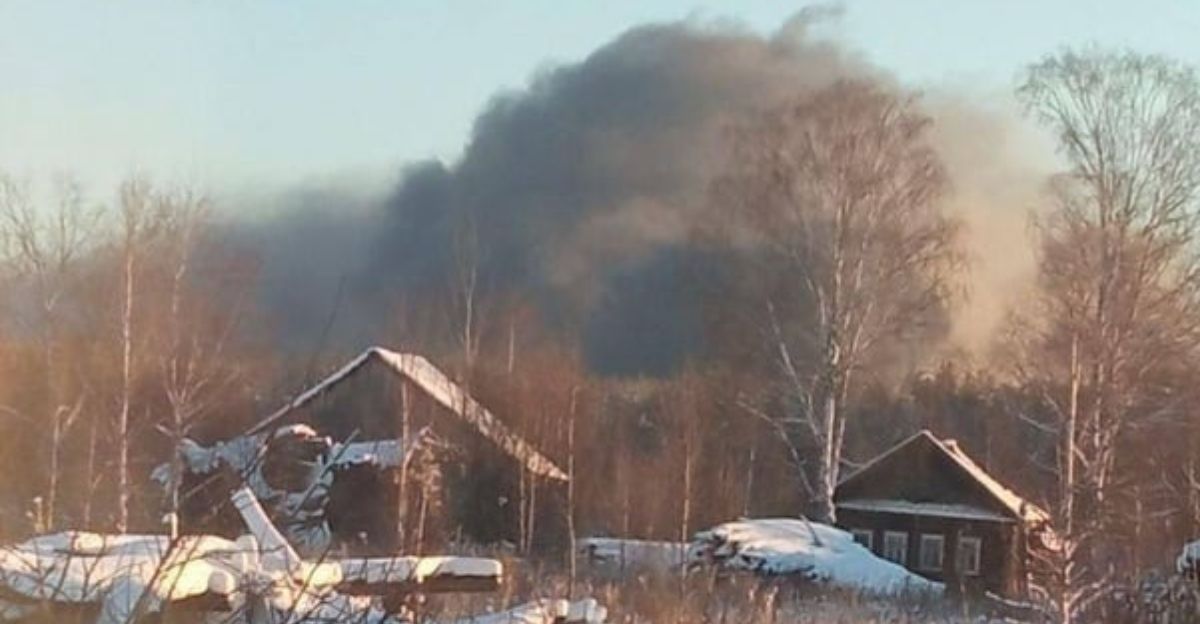
The explosion’s force extended far beyond the military facility. Blast waves traveled outward, shattering windows in buildings within a two-kilometer radius and damaging civilian homes. Local authorities immediately recognized the danger and organized emergency evacuations. A temporary accommodation center was established in southern Neya with capacity for up to 1,200 residents. Kostroma Oblast Governor Sergei Sitnikov confirmed the incident, noting that “enemy unmanned aerial vehicles were downed” but that debris and fires had still reached civilian areas.
The evacuation reflects the strike’s raw destructive power. Residents experienced the shock wave directly, their homes damaged by the force of secondary explosions. The 1,200-person shelter capacity suggests officials expected sustained displacement and potential dangers from unexploded ordnance.
Civilian Consequences and Emergency Response
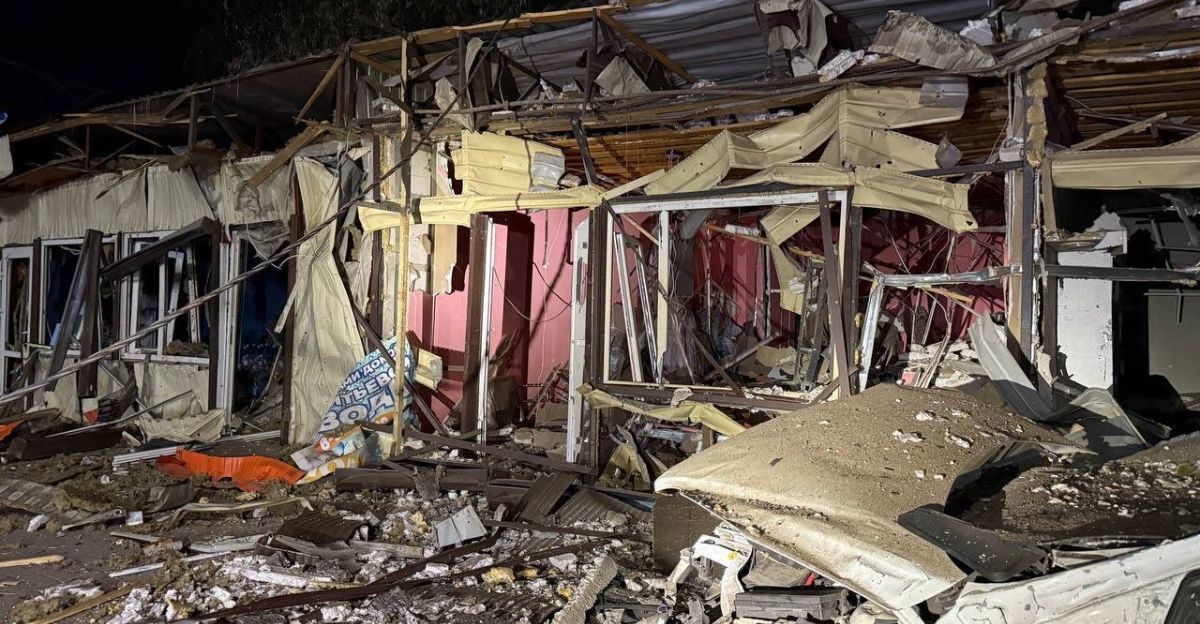
The aftermath revealed significant structural damage to residential buildings near the arsenal. Broken windows, wall damage, and compromised structural integrity forced families from their homes. Local authorities established comprehensive emergency services at the shelter, providing not just accommodation but food, water, medical support, and safety information.
The scale of the response underscores how seriously officials took the evacuation. They weren’t expecting a quick resolution, establishing a 1,200-person capacity shelter indicates they anticipated prolonged displacement and ongoing danger from potential fires or unexploded ordnance still on site. The shell-damaged buildings remain uninhabitable pending structural inspections and repairs. This civilian toll, while secondary to Ukraine’s military objective, illustrates a broader consequence of deep-strike campaigns.
A Coordinated Two-Target Strike
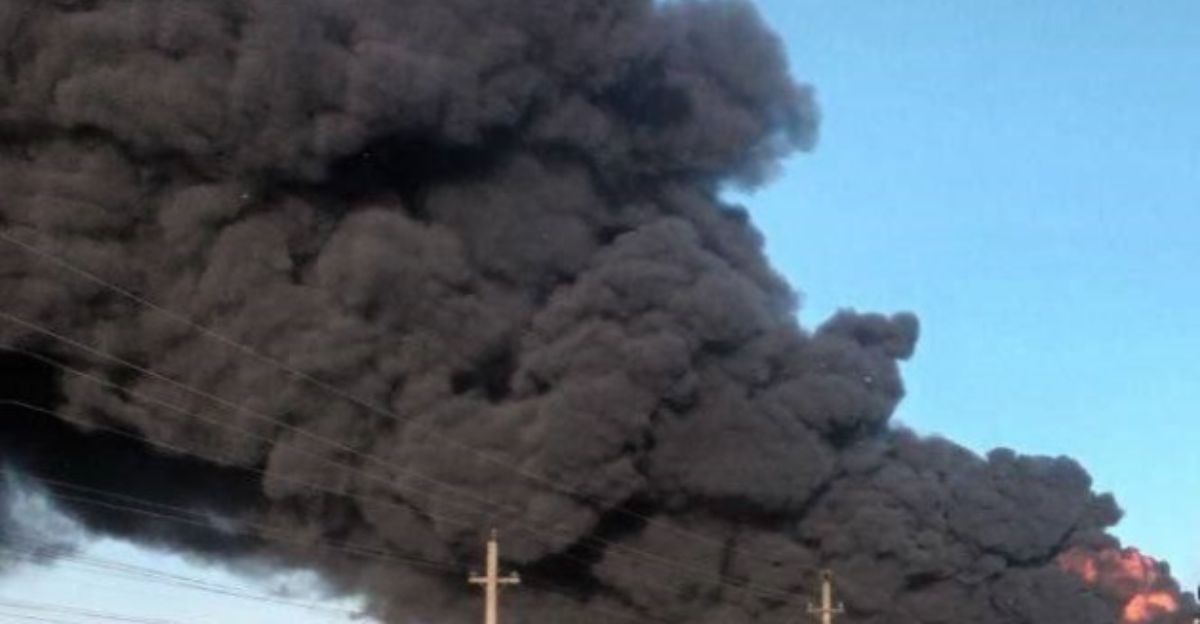
Ukraine didn’t stop with Arsenal No. 100. On the same night, in a precisely coordinated operation, SBU Alpha drones struck a second target roughly 200 kilometers away: the Gerkon Plus oil depot in Streletskie Khutora, Lipetsk Oblast. The strike ignited an intense fire at the facility, which supplied petroleum products to three Russian oblasts, Lipetsk, Tambov, and Voronezh, all critical to Russia’s military logistics.
By striking both ammunition and fuel infrastructure simultaneously, Ukraine demonstrated sophisticated planning and a deep understanding of how Russian supply chains work. Ammunition and fuel are mutually dependent: without ammunition, artillery cannot fire; without fuel, trucks and tanks cannot move.
Arsenal No. 100’s Role in Russian Logistics
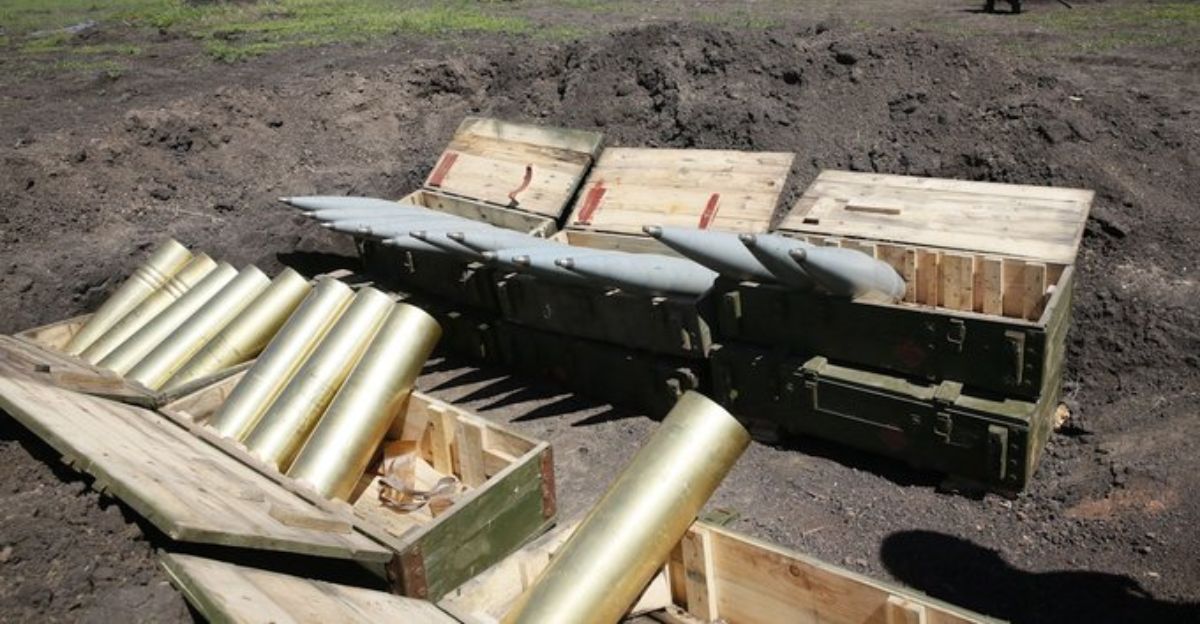
Arsenal No. 100 wasn’t just one depot among many, it was a strategic chokepoint in Russia’s ammunition distribution system. The facility received munitions from production plants and redistributed them to smaller depots serving Ground Forces, Airborne Forces, and the Aerospace Forces across multiple fronts. Its destruction creates an immediate bottleneck. Ukraine’s General Staff assessed that the strike “seriously disrupted Russian ammunition logistics, reduced combat units’ operational capacity, and complicated ongoing and planned offensive operations.”
These aren’t propaganda claims—they reflect actual military logistics. With the central hub destroyed, alternative depots must absorb the flow. Some ammunition gets rerouted to distant facilities, extending transit times. Coordination between supply nodes becomes more complex. Military planners lose flexibility in ammunition allocation.
A Pattern of Arsenal Destruction
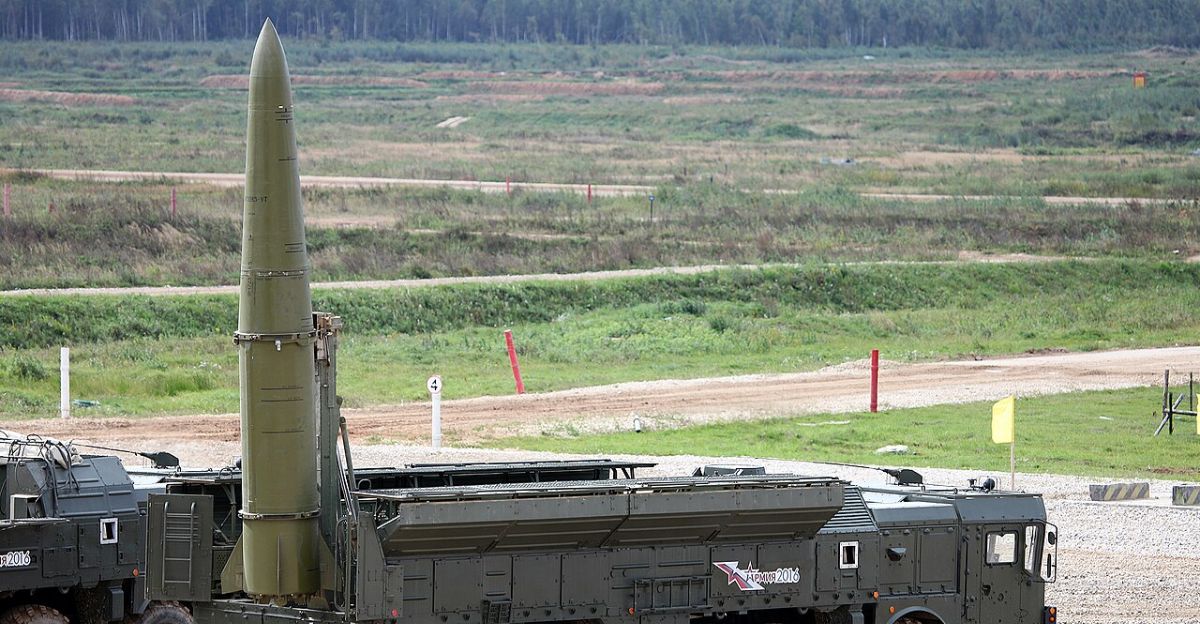
The January 6 strike marks a significant milestone: it is the fifth major GRAU-class arsenal confirmed destroyed by Ukraine during the full-scale war. Previous strikes targeted the 13th GRAU arsenal near Kotovo in Novgorod Oblast, which stored Iskander ballistic missiles, North Korean KN-23 missiles, and multiple rocket system ammunition. Each successful strike compounds Russia’s logistical strain. With five major arsenals destroyed and others damaged, Russia is forced to consolidate remaining ammunition at fewer sites, making those remaining facilities more attractive targets.
This creates a vicious cycle: as arsenals are destroyed, remaining ones become more critical and therefore higher-priority targets. Ukraine’s strategic intent is clear: systematically dismantle Russia’s ammunition infrastructure to degrade its ability to wage sustained warfare.
The Ammunition Loss: A Billion-Dollar Hit
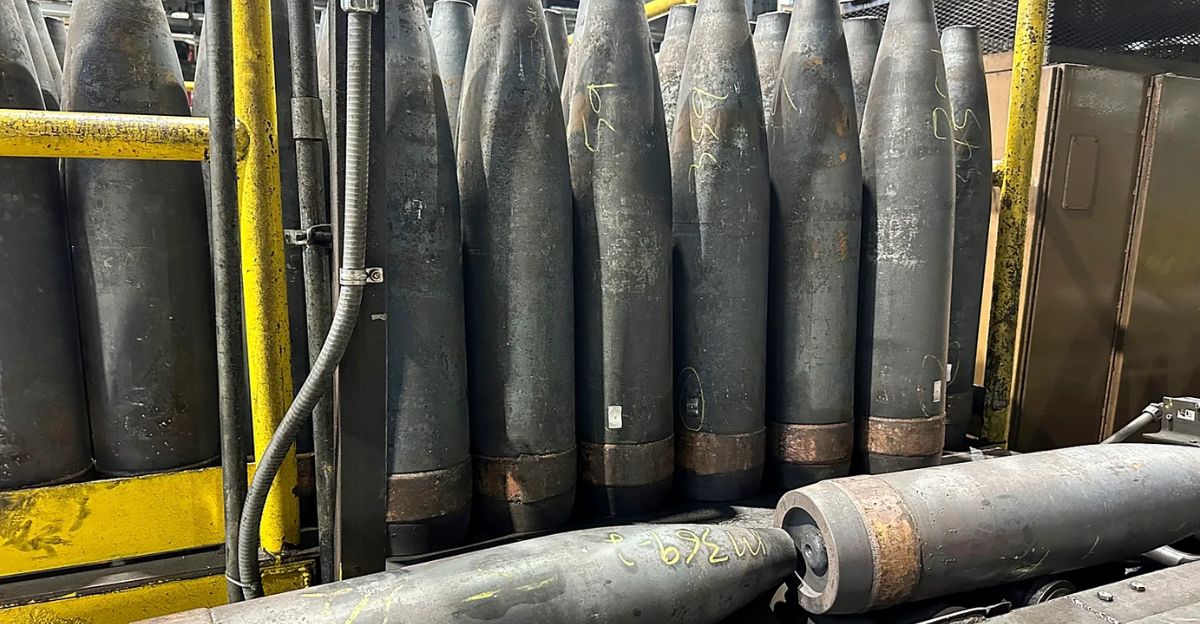
Analysts estimate Arsenal No. 100’s design capacity at approximately 150,000 tons of munitions, based on its 2-square-kilometer footprint. While actual storage volumes may have varied, Russian facilities sometimes operate below capacity, satellite imagery showed active movement of ammunition crates before the strike, indicating the facility was operational and regularly used. At typical munitions costs of $3,500 to $7,000 per ton, even a partially filled depot represents enormous economic loss.
Conservative estimates suggest $500 million to $1 billion in destroyed ordnance. This valuation matters beyond military terms; it’s an economic blow. Russia must now replace destroyed ammunition by manufacturing more, diverting resources from civilian production and consuming rare materials. The economic cost compounds over time as Russia must constantly replace losses while maintaining minimum operational stocks.
Ukraine’s Expanding Drone Campaign
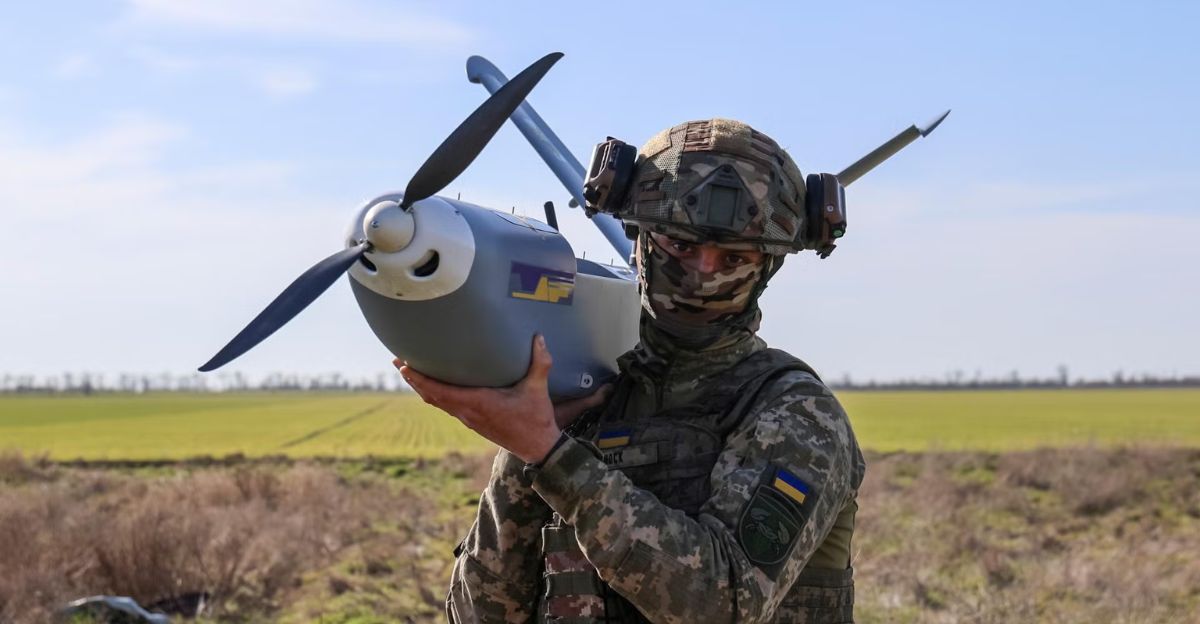
The Arsenal No. 100 strike is part of a much larger Ukrainian drone offensive. Ukraine’s Unmanned Systems Forces reported stunning statistics: over seven months, drone units inflicted approximately $20 billion in damage to Russian military assets through more than 832,000 sorties, striking over 168,000 targets. These include tanks, artillery pieces, logistics hubs, and critical infrastructure both in occupied territories and inside Russia.
The SBU’s Alpha Special Operations Centre and Ukraine’s Special Operations Forces have become the primary operators of long-range attack drones. This campaign reflects Ukraine’s strategic adaptation: unable to match Russia’s conventional military capacity, Ukraine has weaponized precision drone technology to impose asymmetric costs on Russian logistics, energy, and military production.
Can Russia’s Air Defenses Stop the Drones?
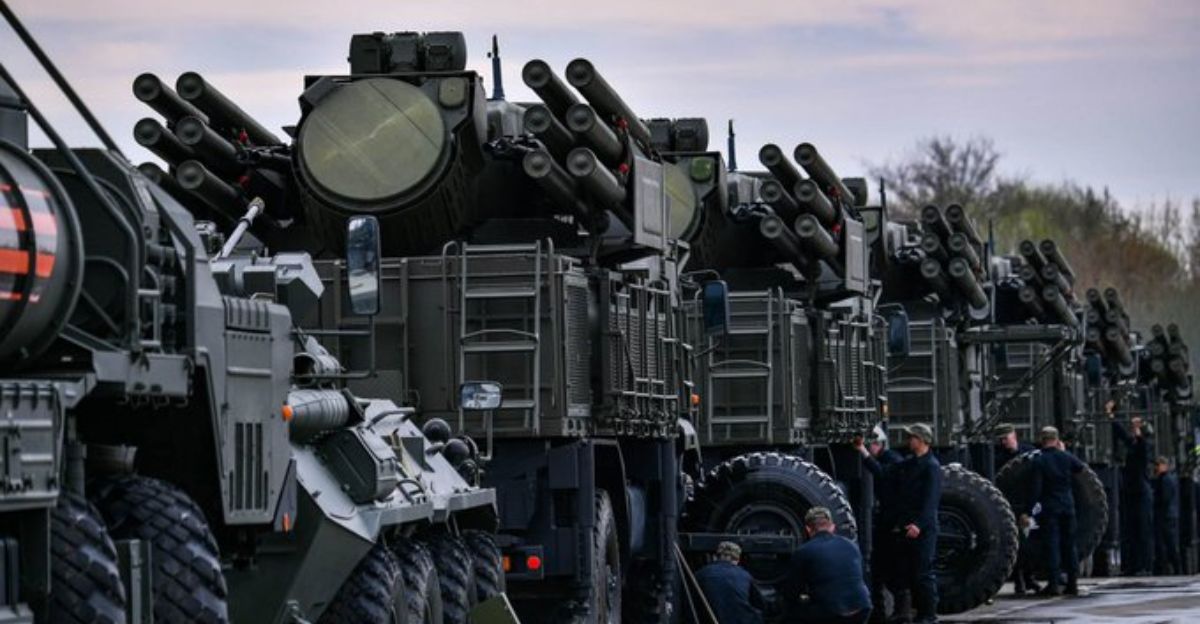
The successful strike on Arsenal No. 100 raises a troubling question for Russia: if drones got through once, why not again? On the night of January 5–6, Russia’s air defenses claimed remarkable success, the Ministry of Defence stated air defenses shot down 129 Ukrainian drones across multiple oblasts and occupied Crimea. Yet despite these claimed interceptions, Ukrainian drones penetrated Russian airspace, reached their targets, and struck with precision.
This pattern reveals a critical vulnerability in Russia’s defense strategy. Russia’s air defense network, while extensive, cannot simultaneously protect all strategic rear facilities across the vast territory it occupies. The network stretches thin. Drones can be launched in waves, overwhelming local defenses or exploiting gaps in coverage. Arsenal No. 100 sits far from the front lines, where air defense is heaviest concentrated, making it vulnerable to determined attackers with precision weapons.
Russia’s Fragile Supply Chain Under Pressure
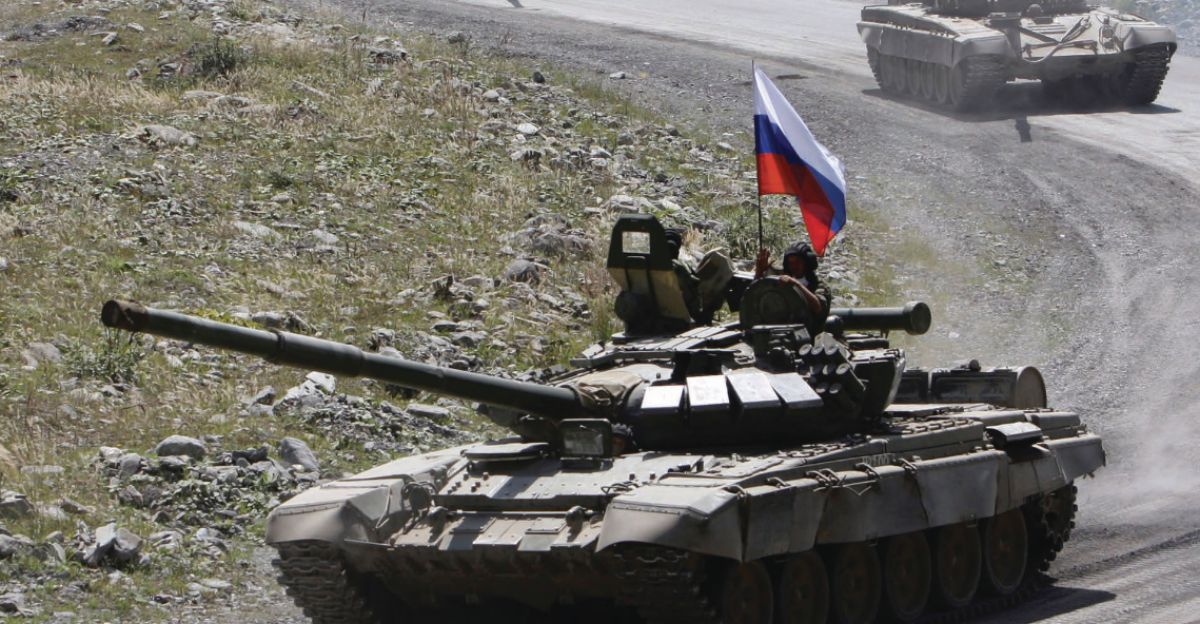
The destruction of Arsenal No. 100 creates immediate and long-term consequences for Russian forces. In the short term, ammunition destined for active operations in the Donbas, Luhansk, and other contested zones must reroute through alternative depots, extending transit times and creating bottlenecks. Units waiting for ammunition lose offensive momentum. In the longer term, Russia must make excruciating choices: how to allocate remaining ammunition stocks among competing priorities, sustaining offensives in eastern Ukraine, defending occupied territories, maintaining strategic reserves.
Each destroyed arsenal reduces flexibility and forces military planners to choose where to concentrate firepower. As more arsenals are destroyed, these constraints become binding. Russia’s ammunition supplies, while still substantial, are increasingly finite. The cumulative effect of these strikes is pushing Russia toward a genuine supply constraint, a situation where ammunition shortages begin limiting military operations rather than just complicating logistics.
What Happens Next?
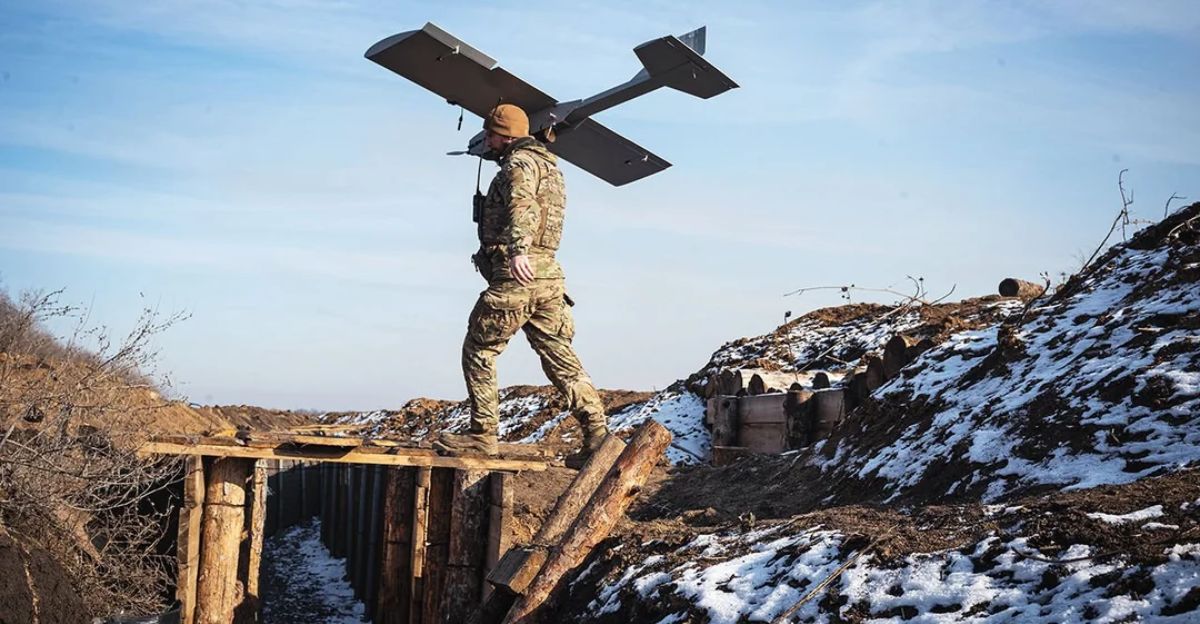
The destruction of Arsenal No. 100 raises a provocative question: if Ukraine can strike a strategic ammunition depot 900 kilometers away, what other Russian rear facilities are now vulnerable? Open-source intelligence analysts have identified dozens of major ammunition depots, oil refineries, and military production plants across Russian territory, all potential targets.
Ukraine has already struck multiple oil refineries and fuel depots, degrading Russia’s energy sector and military logistics. As drone technology improves and production scales, Ukraine’s strike range and frequency will likely increase. Russia faces an impossible strategic dilemma: it cannot defend every rear facility indefinitely, yet losing more arsenals and fuel depots will accelerate the degradation of its war-fighting capacity.
Sources:
Kyiv Independent, “Explosions rang out all night — SBU conducts fresh strikes on ammunition depot and oil facility deep inside Russia,” January 5, 2026
Ukrainska Pravda, “Security Service of Ukraine strikes Russian missile arsenal and oil depot in Russia,” January 6, 2026
Business Insider, “Ukraine’s deep-strike drones hit Russian ammo, oil: security official,” January 5, 2026
United24media, “Ukraine’s Unmanned Systems Forces have struck 168,000 targets worth an estimated $20 billion,” January 6, 2026
RBC-Ukraine, “Arsenal, oil base and beyond: Ukrainian military confirms hits on major Russian sites,” January 5, 2026