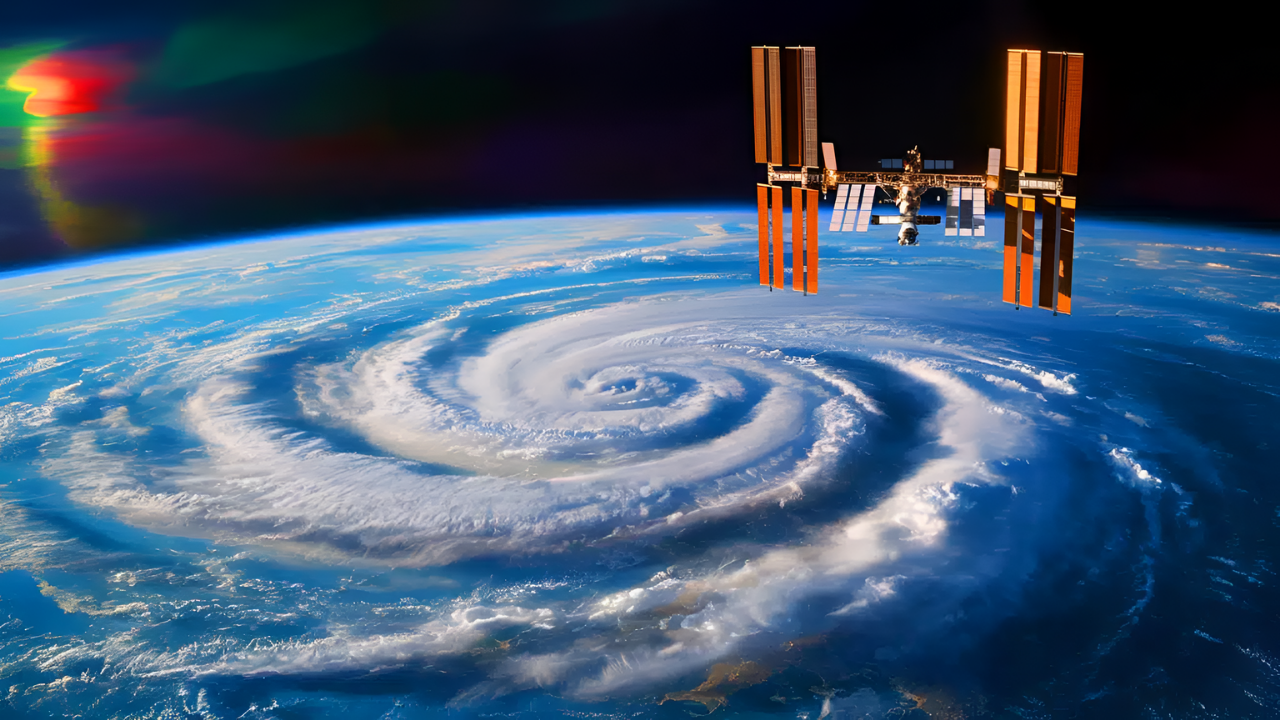
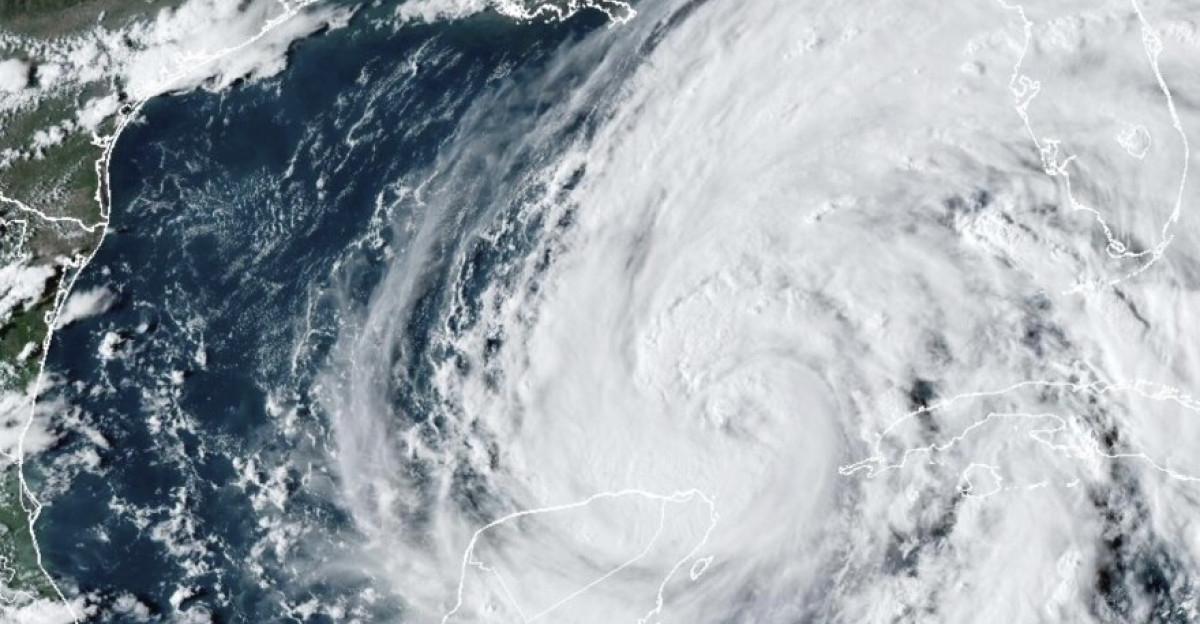
Hurricane Helene became one of the most powerful hurricanes to make landfall in the U.S. Southeast in 2024, arriving on September 26 as a powerful Category 4 storm. The Atlantic basin has seen at least four Category 4 or 5 landfalls since 2017—including Irma (2017), Michael (2018), Ian (2022), and Helene (2024).
Scientists attribute this recent clustering to warming ocean temperatures and climate patterns. The implications extend far beyond ground-level destruction. What happens at the surface, it turns out, reaches much higher than anyone expected.
Unseen Consequences Escalate
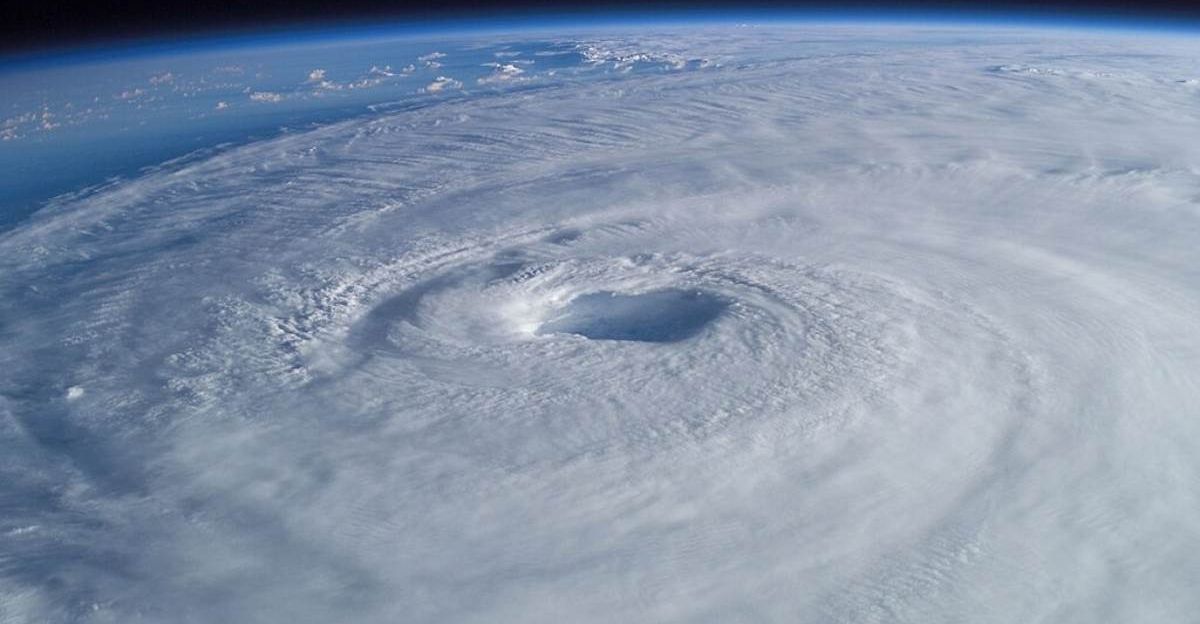
As Hurricane Helene battered Florida’s coast with 140 mph winds, something was happening 55 miles above Earth that satellites and ground instruments had never fully captured before. The storm didn’t just ravage the landscape—it sent ripples of energy into regions that astronauts can barely access.
These disturbances could impact the very infrastructure we depend on daily: GPS, communications, weather forecasting. The connection between ground storms and space was about to become undeniably clear.
The Mesosphere Mystery
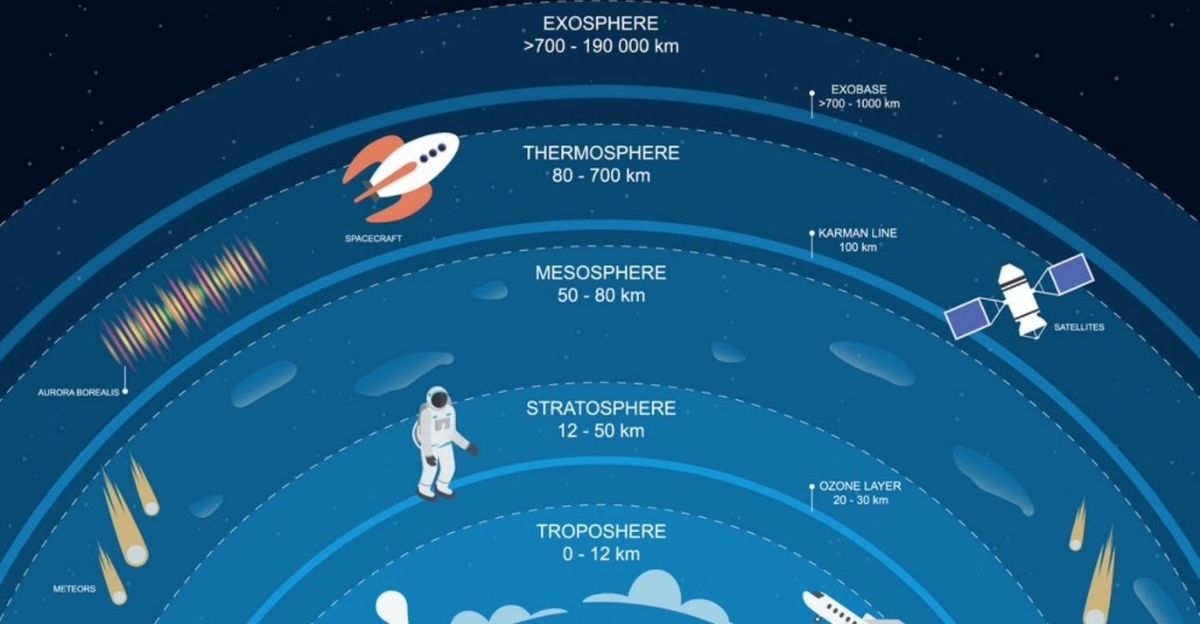
The mesosphere is Earth’s third atmospheric layer, extending from roughly 50 to 90 kilometers (31 to 56 miles) above the surface. It sits above the stratosphere where commercial jets operate, and well below the thermosphere where satellites orbit.
For decades, the mesosphere remained one of the least studied regions of our atmosphere. Only sounding rockets and specialized instruments could peek into this thin, cold realm where temperatures plummet to minus 150 degrees Fahrenheit. Direct observation from space was almost impossible until recently.
The AWE Mission Launches
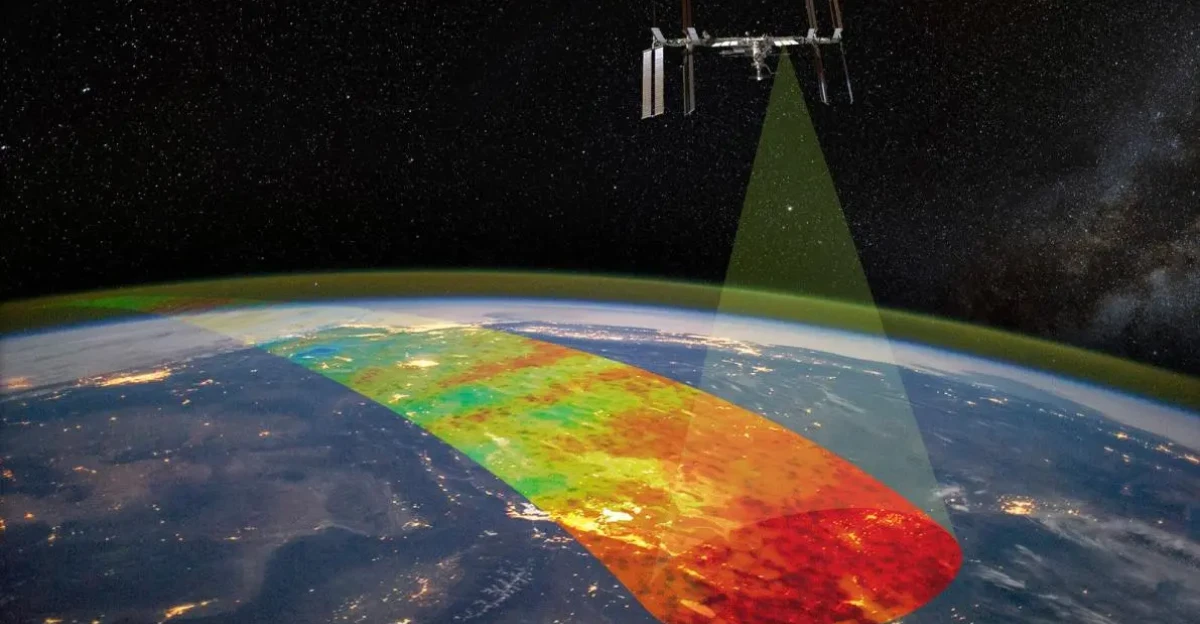
In November 2023, NASA installed the Atmospheric Waves Experiment (AWE) on the International Space Station’s exterior. Built by Utah State University’s Space Dynamics Laboratory, AWE was designed specifically to measure gravity waves—ripple-like disturbances in the atmosphere caused by severe weather, mountain winds, and other disturbances.
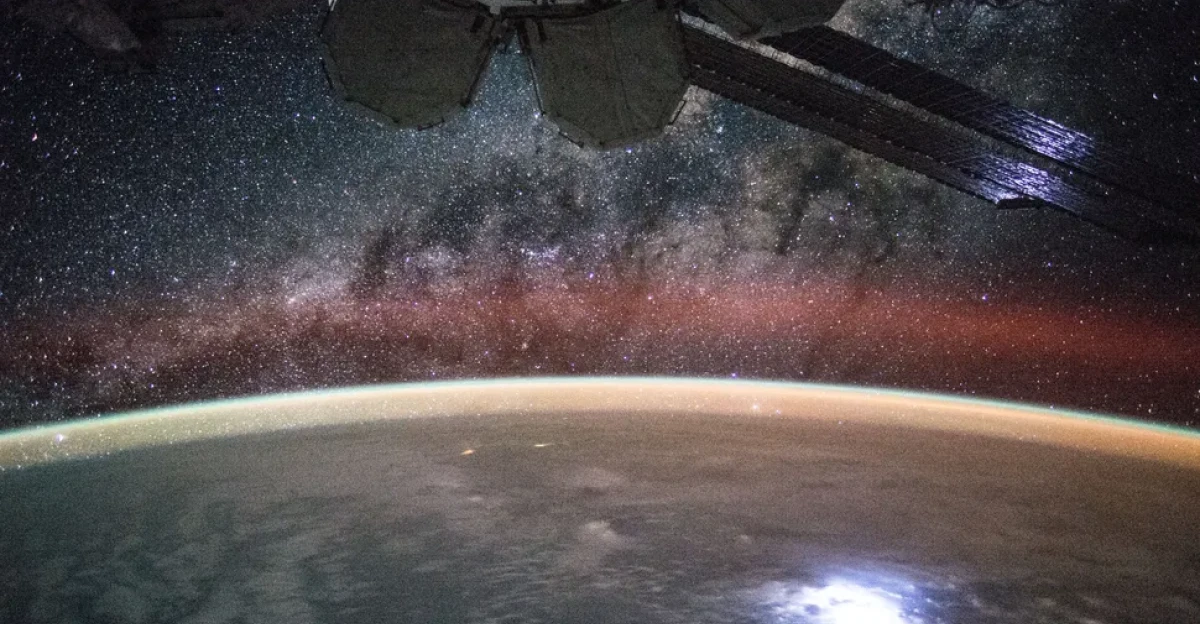
The instrument uses infrared sensors to detect the faint glow of airglow, allowing it to see waves invisible to human eyes. This was the first NASA mission to attempt global-scale observations of gravity waves at the mesopause. The timing would prove pivotal.
The Discovery Unfolds
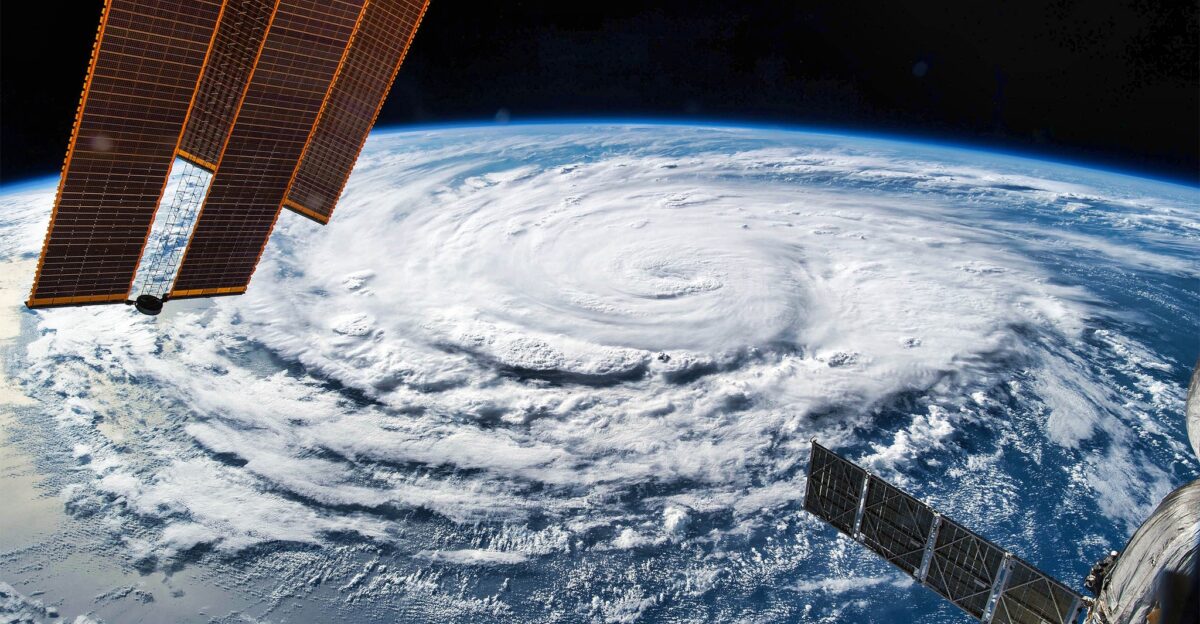
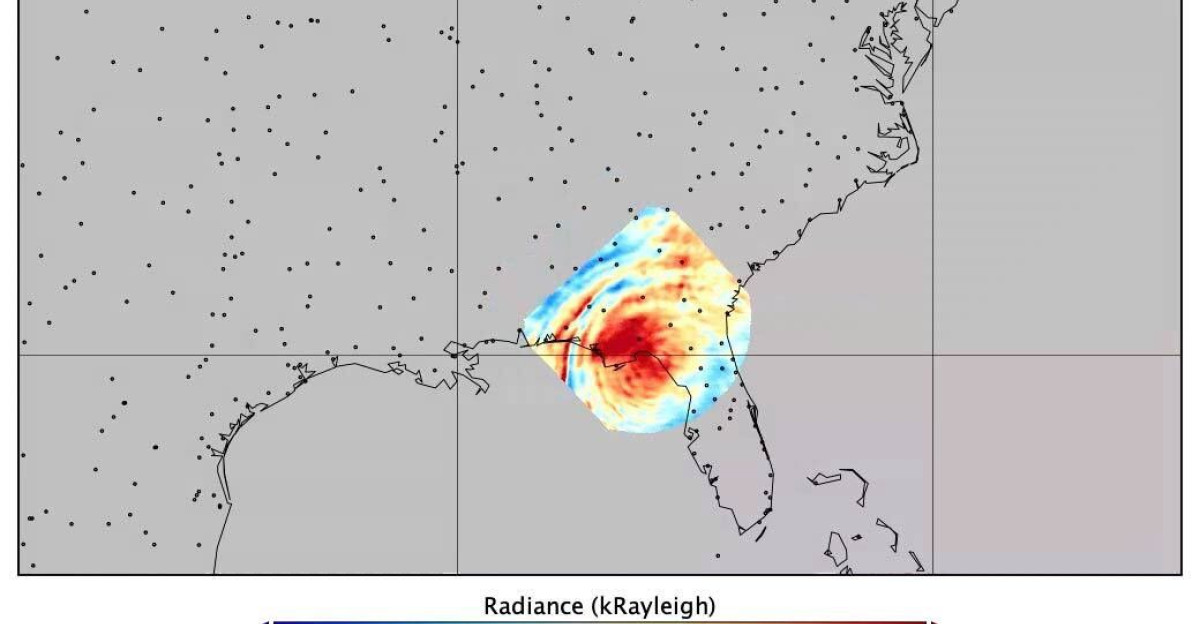
On September 26, 2024, as Hurricane Helene made landfall near Perry, Florida with maximum sustained winds of 140 mph, the AWE instrument captured something extraordinary: concentric bands of atmospheric gravity waves rippling through the mesosphere approximately 55 miles above the ground.
The waves extended westward from Florida’s northwest coast in a pattern resembling ripples spreading from a stone dropped in water. These were among the first images AWE released publicly, confirming the instrument’s unprecedented sensitivity. The “unknown” was now visible.
Ripples Across Multiple States
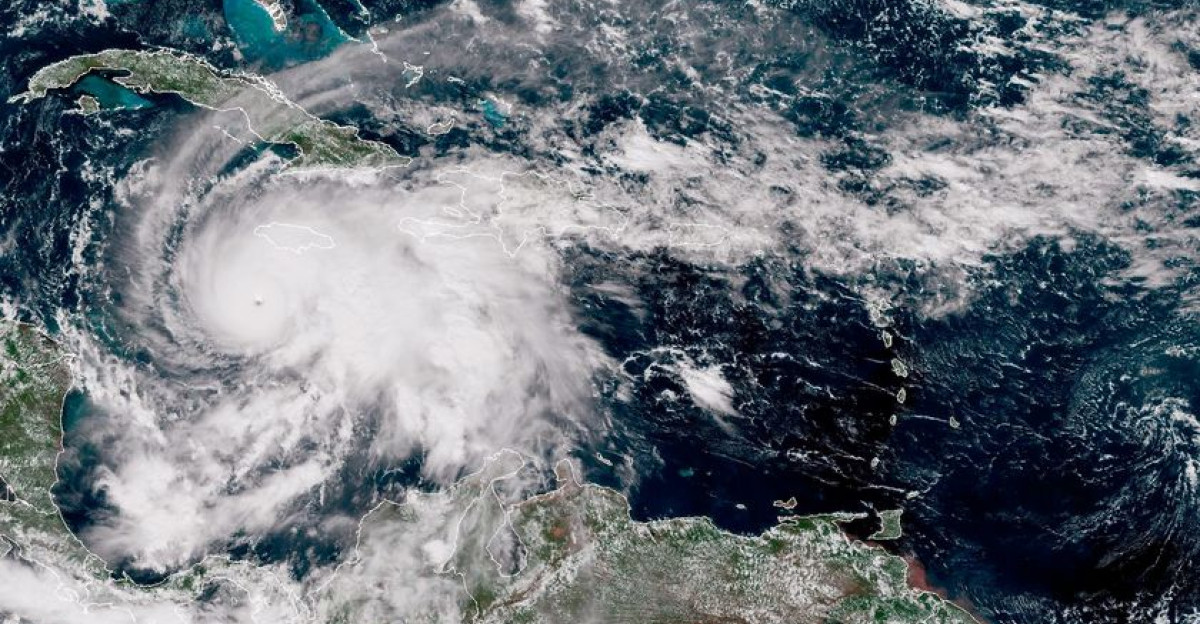
The gravity waves detected by AWE didn’t stop at the Florida coast. The disturbances propagated westward, extending hundreds of kilometers inland and affecting air patterns across the southeastern United States.
Scientists observed the waves using infrared signatures invisible to conventional weather satellites. The Advanced Mesospheric Temperature Mapper (AMTM)—AWE’s main sensor—tracked temperature variations as the waves moved through the cold mesosphere. This was the first time a hurricane’s upper-atmospheric fingerprint had been so clearly mapped from space.
What Scientists Say
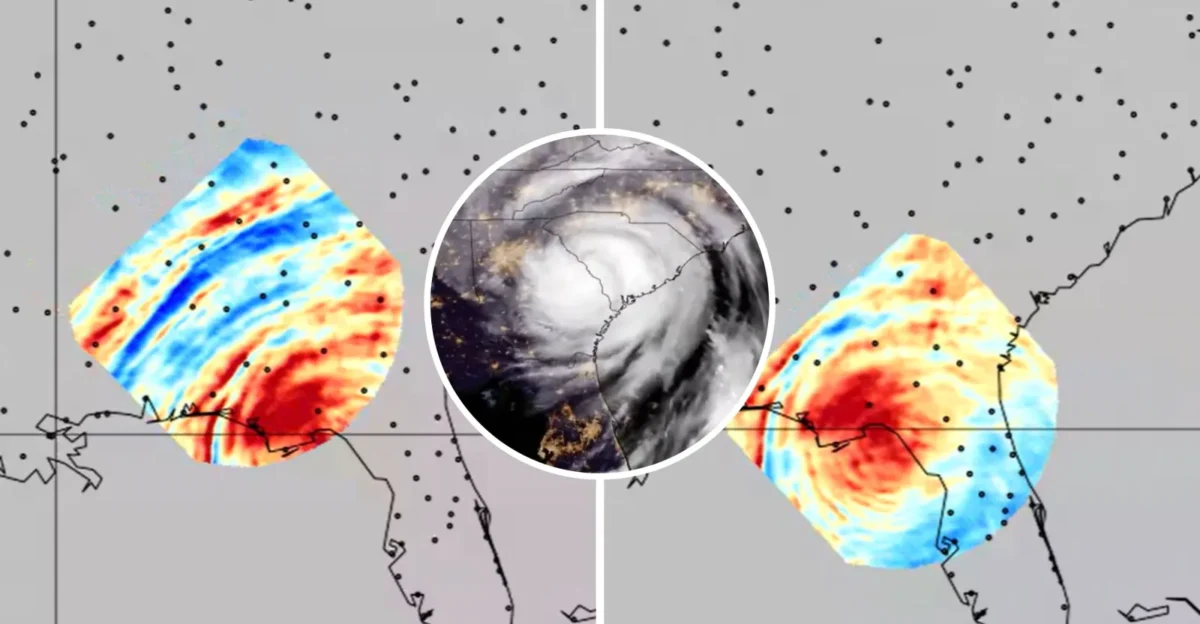
“Like rings of water spreading from a drop in a pond, circular waves from Helene are seen billowing westward from Florida’s northwest coast,” said Ludger Scherliess, AWE principal investigator at Utah State University.
Ruth Lieberman, AWE mission scientist at NASA’s Goddard Space Flight Center, noted that AWE could resolve waves at finer scales than previous satellites. These weren’t just pretty pictures—they represented a breakthrough in atmospheric science.
The Gravity Wave Connection
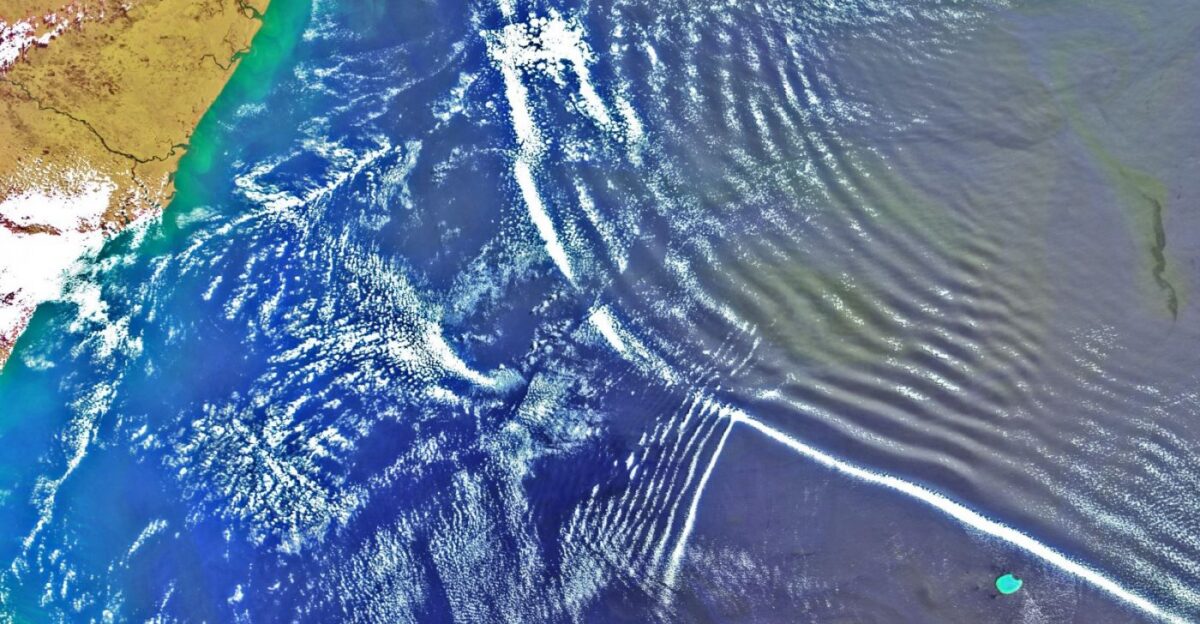
Atmospheric gravity waves have been known to science for decades, but they’ve rarely been studied at the mesospheric scale during real hurricanes. These waves form when air is disturbed vertically and gravity pulls it back down, creating oscillations that propagate upward like ripples.
Previous observations came mainly from ground-based airglow cameras in Antarctica and Norway, limiting global coverage. AWE changed the equation by providing a space-based platform capable of scanning the entire planet. The ISS’s orbital position meant continuous monitoring was finally possible.
Space Weather Stakes Rise
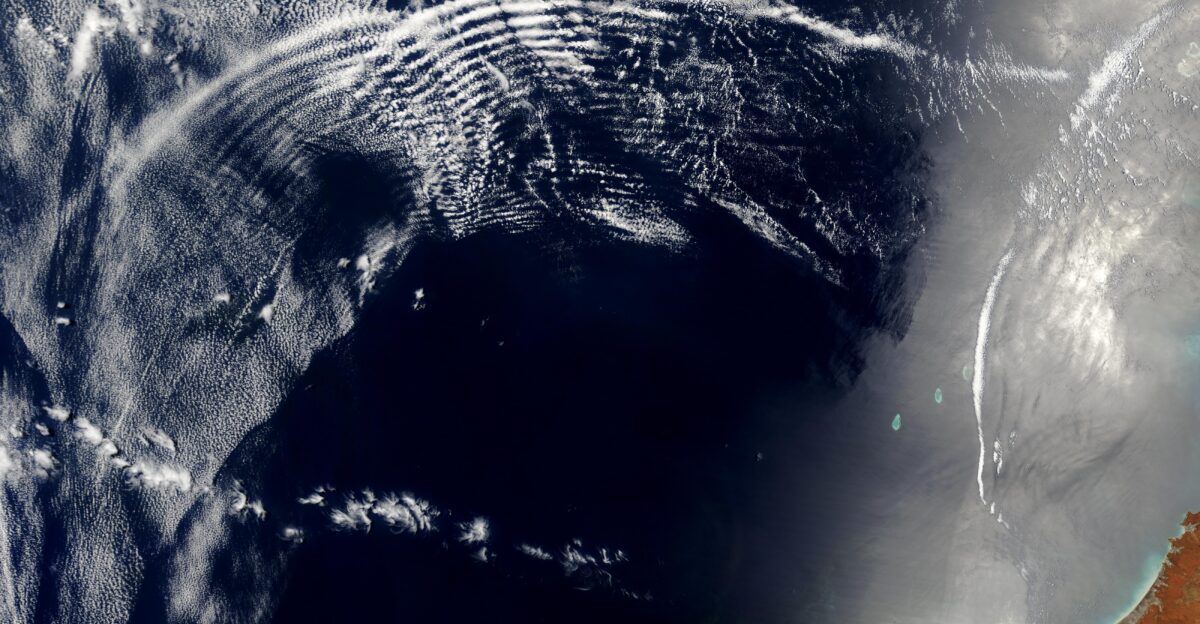
The practical importance of these observations is immense. Gravity waves affect air density at high altitudes, which directly impacts satellite drag and orbital stability.
Communications satellites, GPS constellations, and weather satellites all depend on stable atmospheric conditions. Changes in mesospheric density—even slight ones—can shift satellite orbits, disrupt signal transmissions, and degrade navigation accuracy. A major hurricane like Helene could theoretically cause measurable degradation across multiple satellite systems.
The Bigger Pattern Emerges
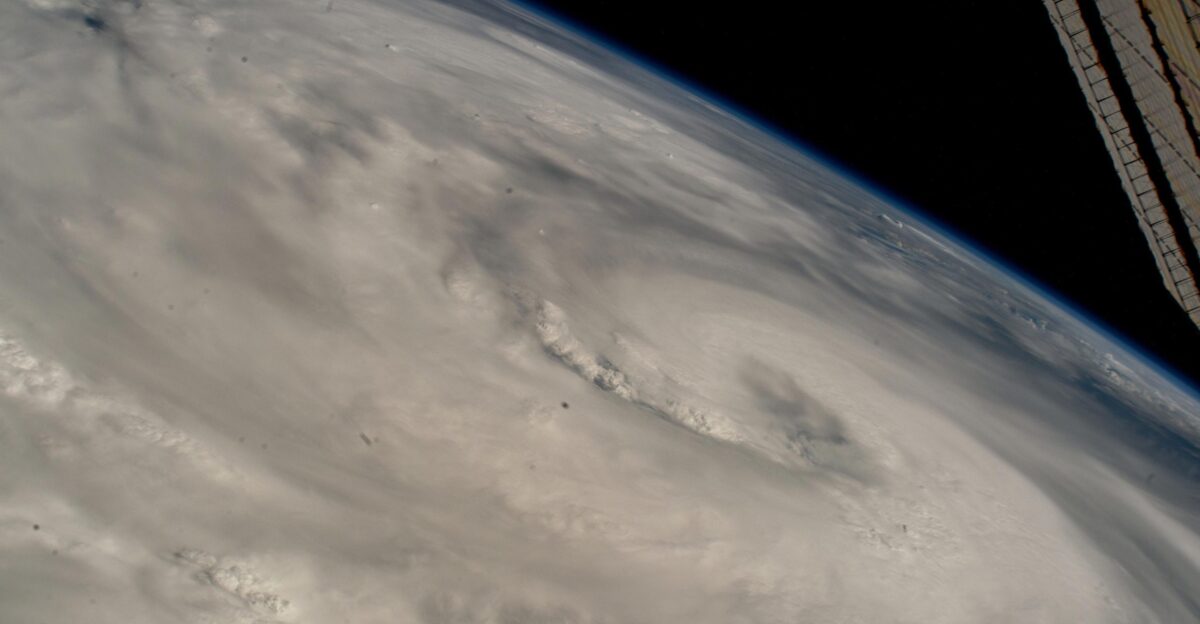
As the mission compiled observations from its first 3,000 orbits, AWE’s global view confirmed what scientists long theorized: hurricanes, thunderstorms, and other violent weather systems send gravity waves cascading upward.
These waves transfer enormous momentum and energy from the troposphere all the way to the edge of space. The discovery suggested that terrestrial weather and space weather are far more intimately connected than previously understood. This reframing could reshape how forecasters approach storm prediction.
Scientific Context
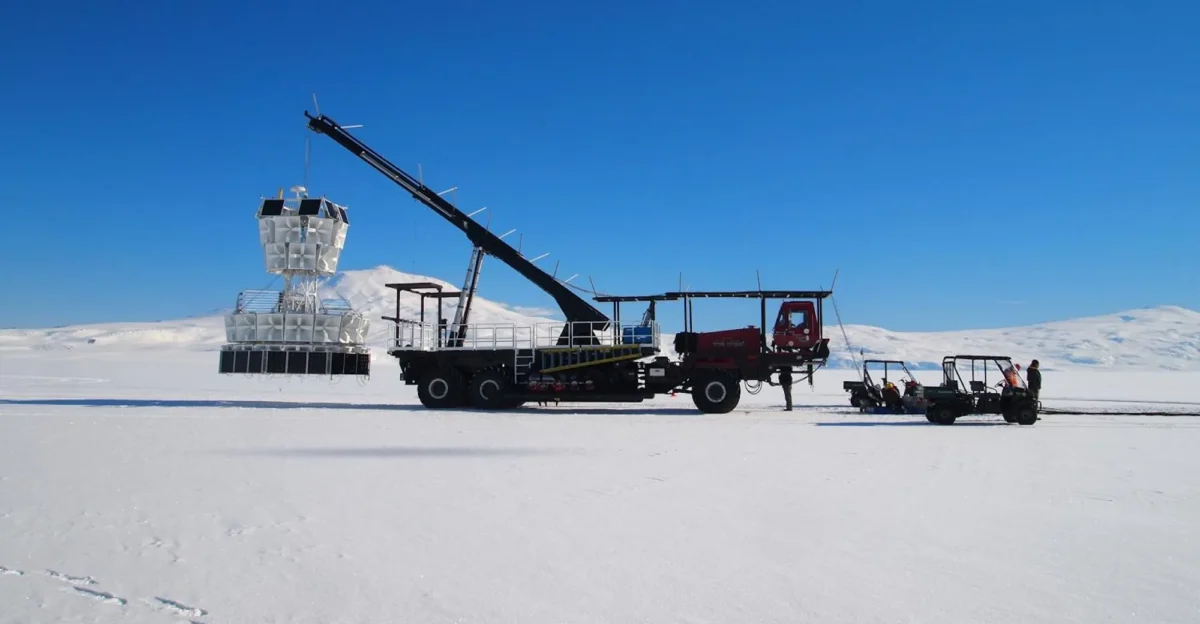
Ground-based instruments in Antarctica and Norway had captured similar phenomena, though with limited geographic coverage.
AWE’s global view from the ISS and superior sensitivity provide new opportunities for atmospheric research.
New Leadership in Atmospheric Research
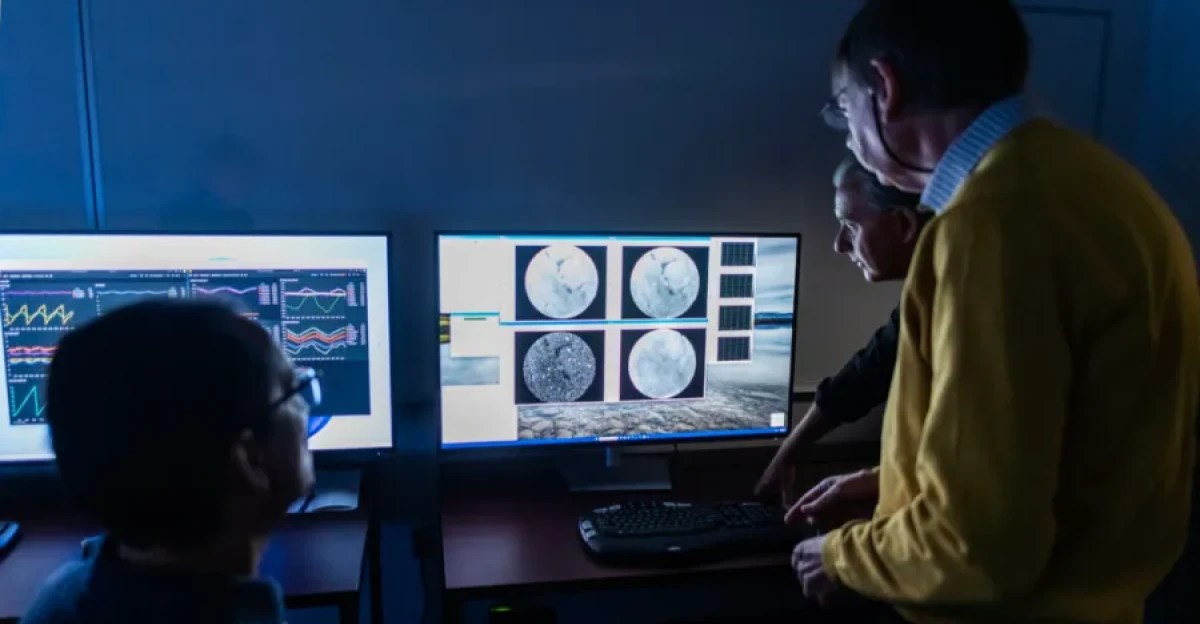
The success of AWE prompted NASA to elevate atmospheric gravity wave research within its Heliophysics division. Esayas Shume, AWE program scientist at NASA Headquarters, became a vocal advocate for the mission.
The Space Dynamics Laboratory at Utah State University secured funding to process and archive AWE’s massive data streams—millions of images per month. A shift was underway: gravity waves were moving from a niche research topic to a central focus of space weather science.
Expanding Research Networks
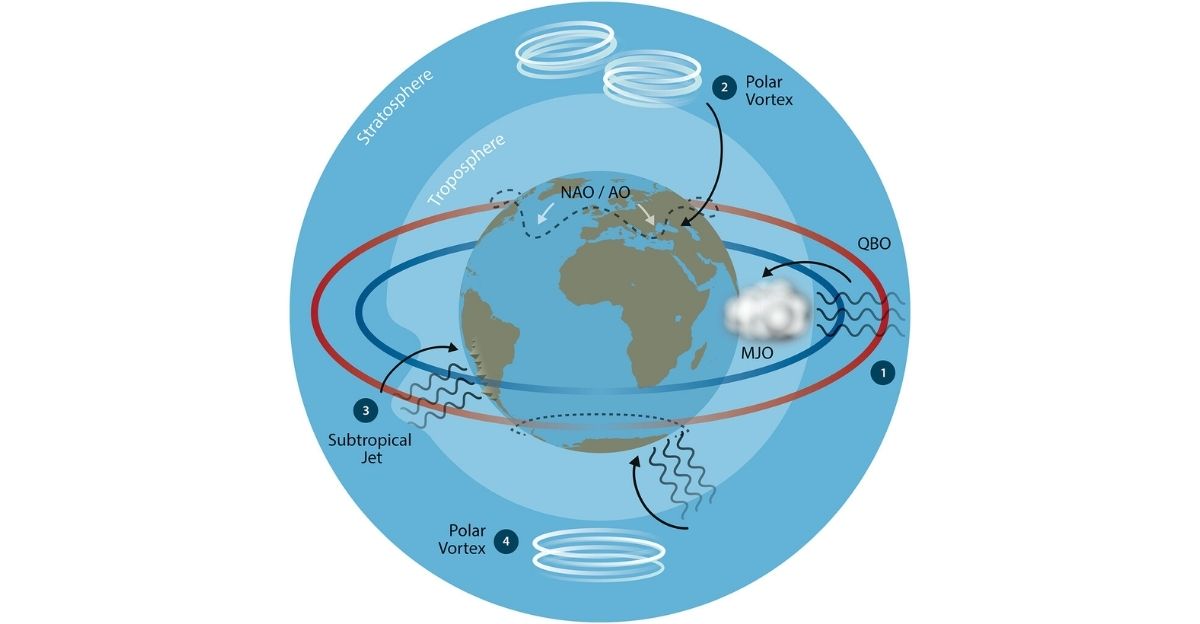
Atmospheric gravity waves are essential drivers of global atmospheric circulation and climate dynamics. These waves transfer enormous quantities of momentum and energy from the troposphere—where weather occurs—upward through the stratosphere and mesosphere, redistributing that energy across entire planetary systems.
When gravity waves break and dissipate in the upper atmosphere, they deposit their momentum onto the background wind patterns, fundamentally shaping the large-scale circulation that controls regional and global climate. In the mesosphere, this momentum transfer drives the meridional circulation—the pole-to-equator wind patterns—that create the planet’s coldest region, the summer mesopause, and influences the temperature distribution across entire hemispheres.
The Forecast Question
Researchers are exploring whether gravity wave data could improve hurricane intensity forecasts.
If gravity waves serve as an early signature of storm dynamics, they might signal rapid intensification before conventional methods detect it. Such applications remain theoretical and would require extensive validation across multiple storms before operational use.
What Happens Next?
As AWE operates in its second year, researchers continue analyzing how gravity wave data might improve space weather predictions and atmospheric modeling.
The 2026 Atlantic hurricane season is approaching, and AWE will continue observations. Additional major storms will provide more data on the connection between terrestrial weather and upper-atmospheric disturbances.
Research Applications
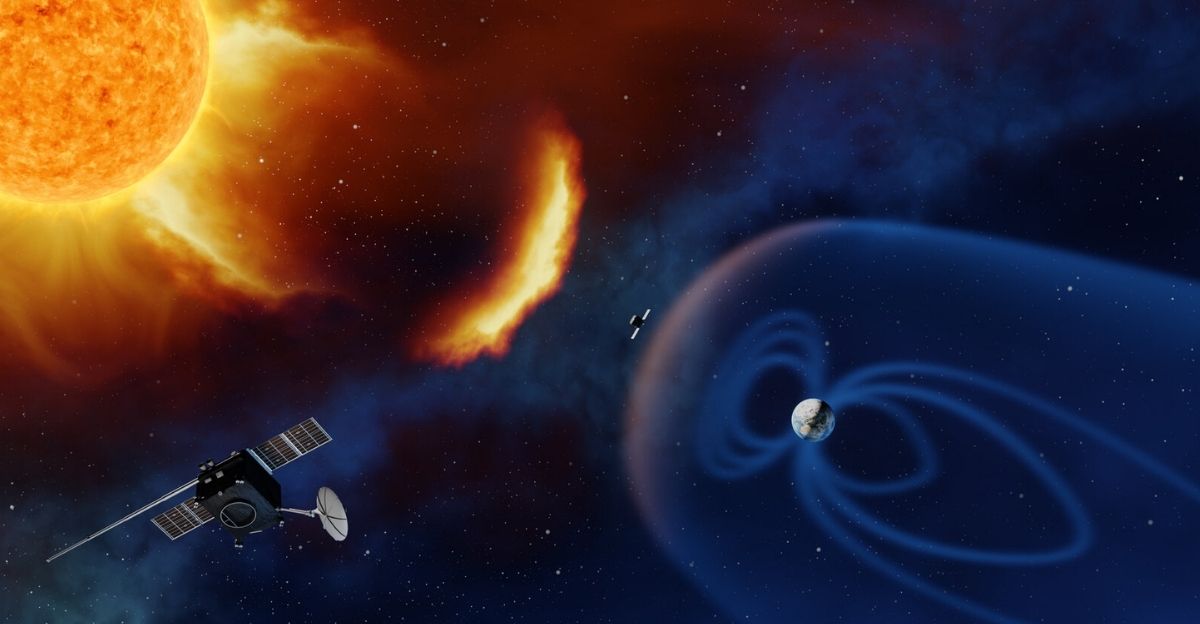
The AWE mission demonstrates how space-based observations can reveal connections between terrestrial weather and space weather.
Data from the mission’s first 3,000 orbits provides researchers with unprecedented insights into how atmospheric gravity waves transfer energy and momentum from Earth’s surface to the edge of space. Whether this research will influence operational forecasting and space weather prediction systems remains to be determined.
Climate Research Potential
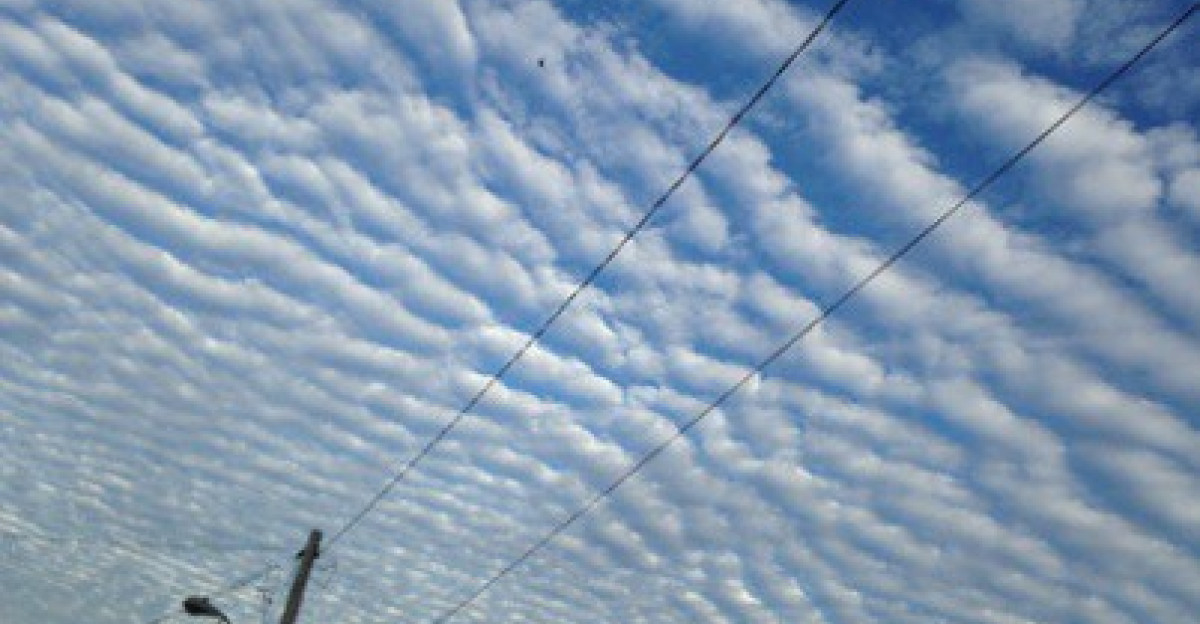
Atmospheric gravity waves play a role in atmospheric circulation patterns.
Understanding their behavior at global scales could contribute to improved atmospheric and climate models.
Space Weather and Technology
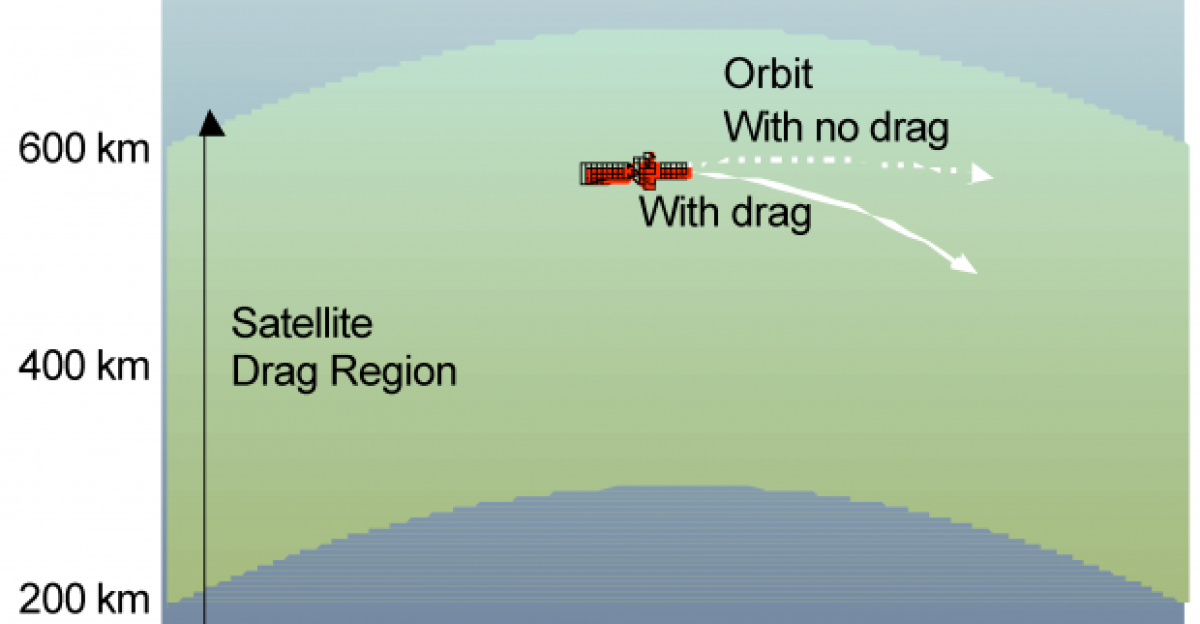
Gravity waves affect air density at high altitudes, which directly impacts satellite drag and orbital stability.
Communications satellites, GPS constellations, and weather satellites all depend on stable atmospheric conditions. Changes in mesospheric density—even slight ones—can shift satellite orbits, disrupt signal transmissions, and degrade navigation accuracy. The Helene observations demonstrate measurable disturbances across multiple atmospheric layers.
Cultural Shift: Nature and Technology Converging
Helene and AWE are changing that. The observations help portray Earth as a unified system where hurricanes at sea level directly influence atmospheric conditions miles above.
This reframing—treating the atmosphere as a single integrated whole—reflects a maturation in scientific systems thinking. The observations provide a teachable moment about planetary interconnectedness.
The Broader Signal
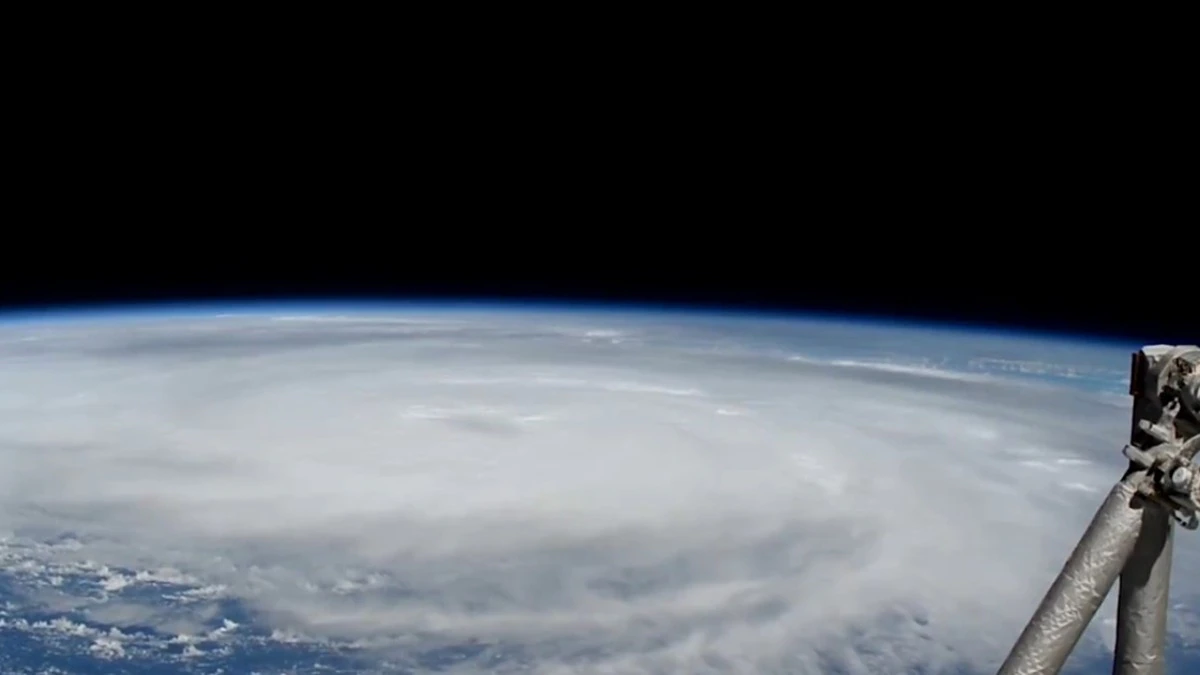
Hurricane Helene’s gravity waves, captured by AWE at 55 miles altitude, symbolize humanity’s growing capacity to observe and measure the previously invisible.
Every storm now has a multi-layered signature—ground impacts, atmospheric ripples, space weather effects. As climate change intensifies hurricanes, this signature will grow louder. The technology exists to hear it. Whether society acts on these signals remains the unanswered question.
Sources:
NASA Goddard Space Flight Center, Hurricane Helene’s Gravity Waves Revealed by NASA’s AWE, November 7, 2024
NASA Science Mission Directorate, NASA Atmospheric Wave-Studying Mission Releases Data from First 3,000 Orbits, March 13, 2025
Utah State University Digital Commons, Atmospheric Waves Experiment (AWE) Mission Overview, March 9, 2024
National Hurricane Center NOAA, Hurricane Helene Tropical Cyclone Report, September 2024
NASA Scientific Visualization Studio, Hurricane Helene’s Gravity Waves Revealed by NASA’s AWE, November 6, 2024
Utah State University Space Dynamics Laboratory, USU-Led NASA Atmospheric Wave-Studying Mission Releases Data from First 3,000 Orbits, March 16, 2025