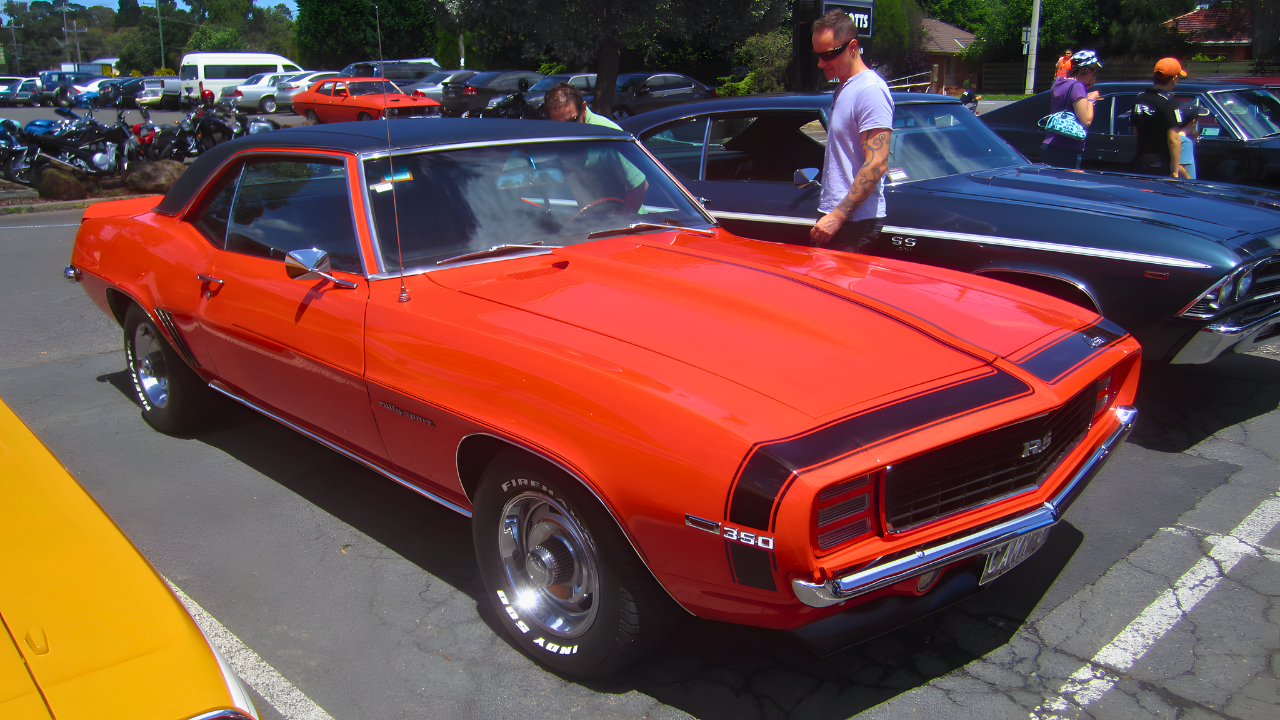
Professional classic car restoration costs between $40,000 and $120,000, yet finished vehicles often sell for less than these expenses. This dramatic pricing paradox creates opportunity for hands-on enthusiasts.
“Unless you have an extremely rare, high-value car, it’s highly unlikely that you will recoup the costs of the overall restoration,” experts warn. Smart buyers are choosing DIY restoration, saving thousands while building automotive dreams personally.
1. Ford Mustang
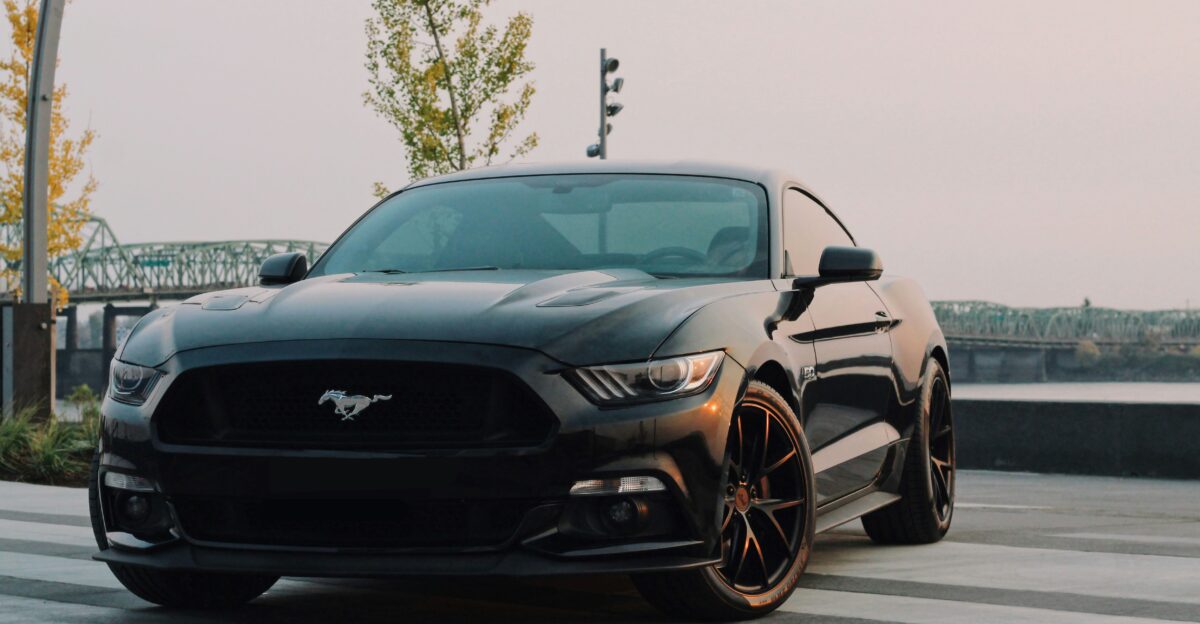
The Ford Mustang dominates affordable restoration lists due to exceptional parts availability from massive production numbers. Basic restoration costs range from $20,000 to $80,000 depending on quality level, with mechanical work starting around $3,000.
First-generation models from 1965-1973 offer accessible entry points with straightforward processes and abundant aftermarket support making parts “cheap and easy to find”.
2. Chevrolet Camaro
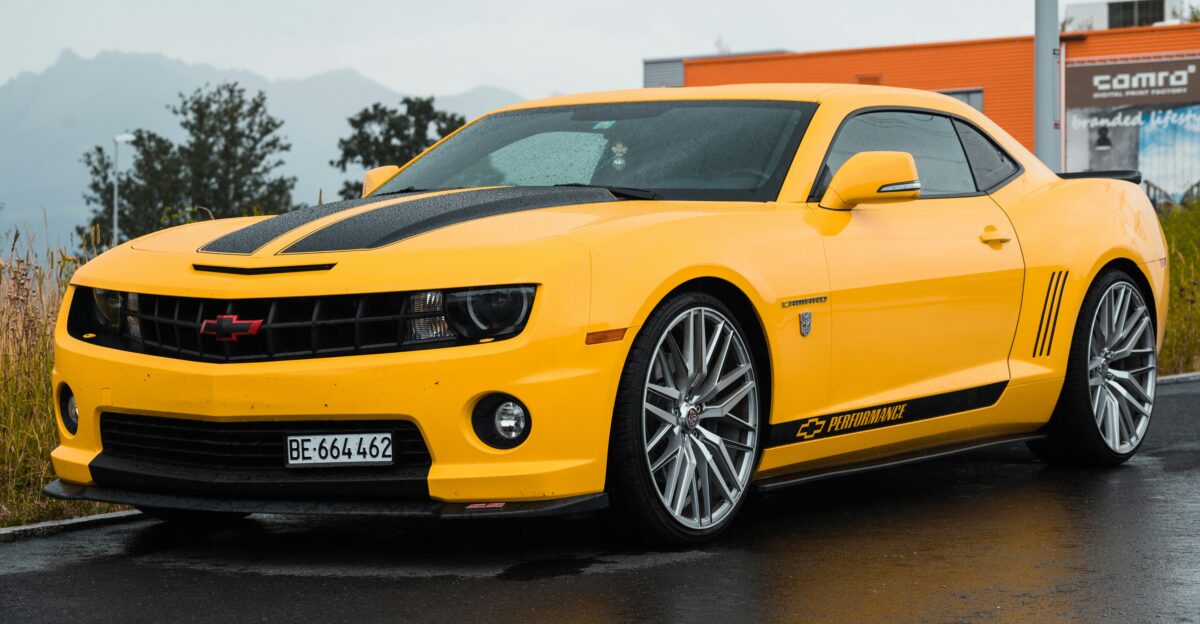
The Camaro delivers similar restoration advantages as its legendary competitor. “Not only does the Camaro have a plethora of parts still available for this car, but the actual restoration process is somewhat straightforward,” according to Wilson Auto Repair.
Professional restoration ranges from $20,000 to $60,000, with labor rates around $75 hourly compared to specialized shops charging $150. Late 1960s models remain especially popular.
3. Volkswagen Beetle
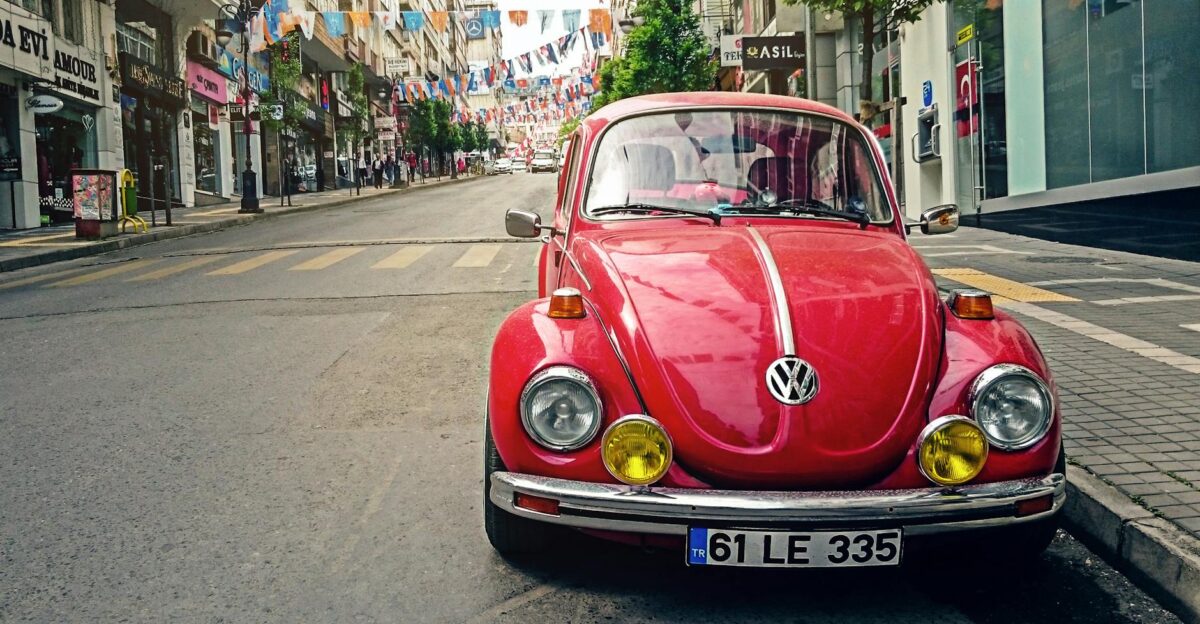
The Beetle’s incredibly long production run spanning decades created unparalleled worldwide parts availability. Its simple design, massive international fan base, and iconic styling combine with remarkably low purchase prices driven by Volkswagen’s enormous production numbers.
The Beetle represents one of the most accessible restoration projects globally, with straightforward mechanical systems inexperienced enthusiasts can successfully tackle.
4. Pontiac Firebird
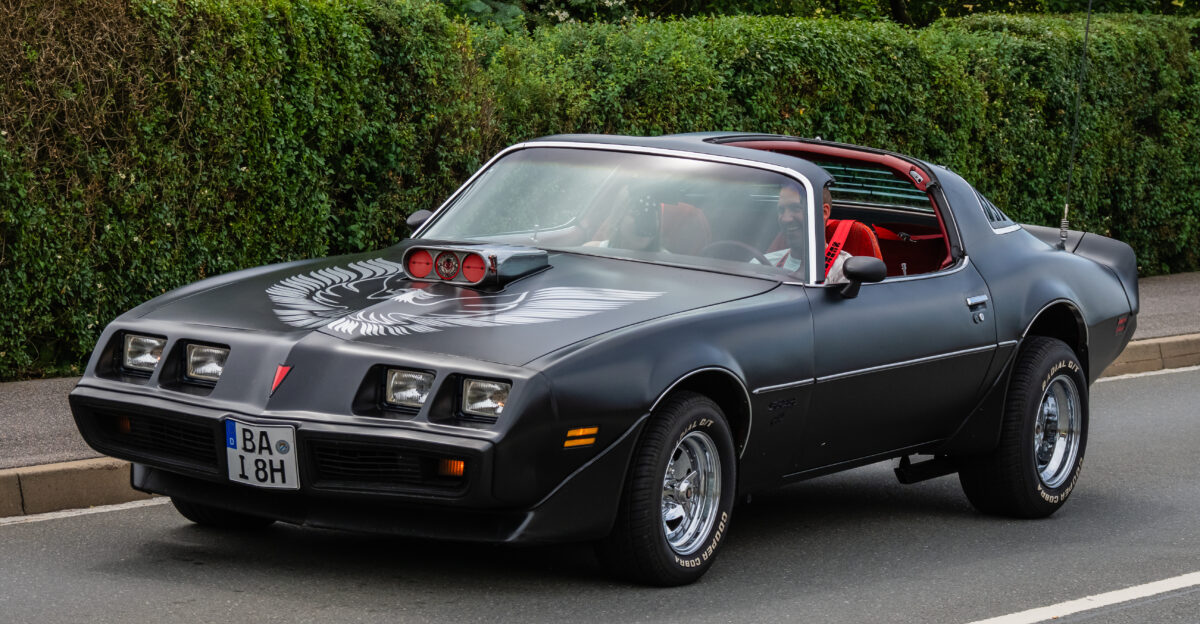
The Pontiac Firebird Trans Am, particularly 1967-1969 models, combines cultural icon status with economical restoration potential. These vehicles appeared in numerous films and television shows, creating strong enthusiast demand while maintaining affordability.
“Many people sell period-correct parts and accessories” for Firebirds, making restoration economical. The model’s popularity ensures robust community support with readily available restoration guidance.
5. Datsun 240Z
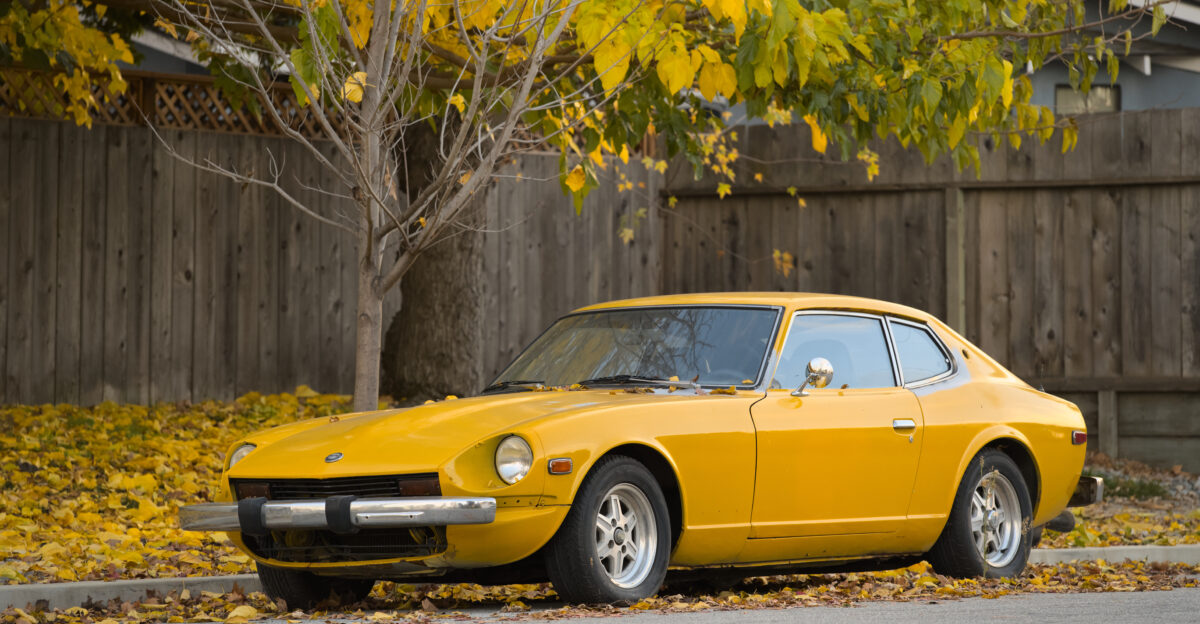
Datsun 240Z restoration costs vary dramatically based on condition and goals. Enthusiasts report spending $25,000 to $60,000 for comprehensive restorations, with paint alone costing $5,000 to $10,000 for quality work.
Modern companies like Resurrected Classics now manufacture reproduction panels and components that Nissan discontinued, making restoration “easier” with parts availability improving dramatically. The sleek, compact design reduces paint costs.
6. MG MGB
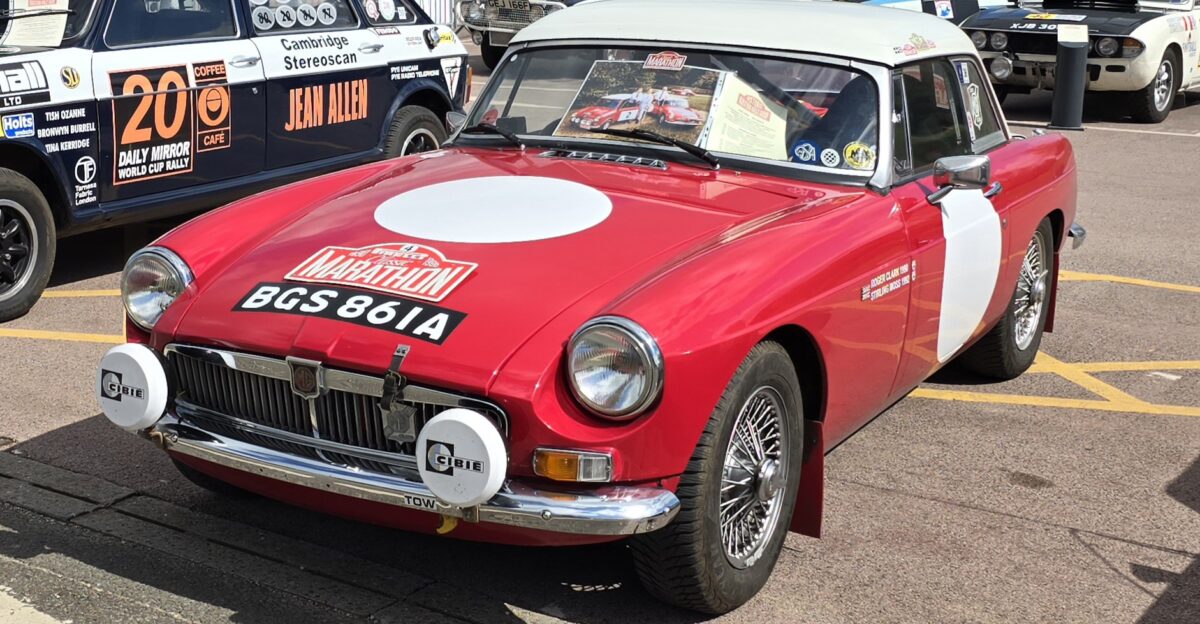
The MGB restoration benefits from exceptional aftermarket support through dedicated suppliers like Moss Motors and Rimmer Brothers. Parts remain readily available and reasonably priced, with comprehensive catalogs covering mechanical, body, and interior components.
The long 1962-1980 production run created abundant donor vehicles and established restoration infrastructure supporting both amateur and professional projects worldwide.
7. Dodge Charger
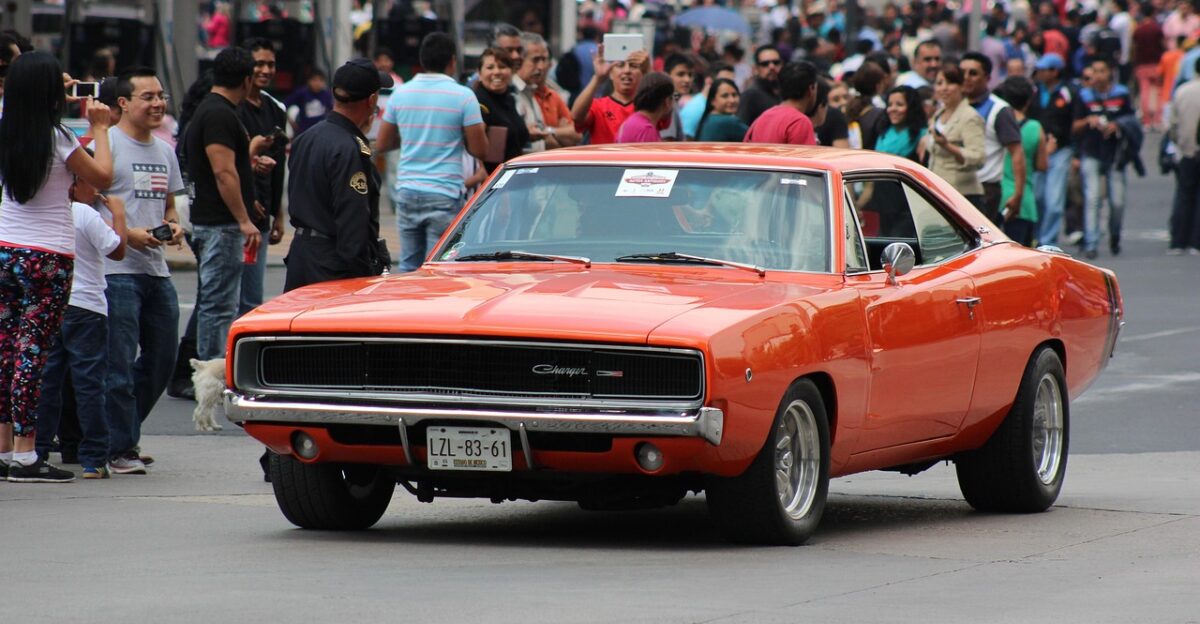
1968-1970 Dodge Charger values demonstrate interesting market dynamics. While R/T models with Hemi engines command premiums exceeding $200,000, standard Chargers with 318 or 440 engines remain accessible. Average standard Charger values rose from $60,000 to $78,000 recently despite overall market softness. Project Chargers start around $8,000-$10,000, making restoration financially viable for enthusiasts.
8. Triumph Spitfire
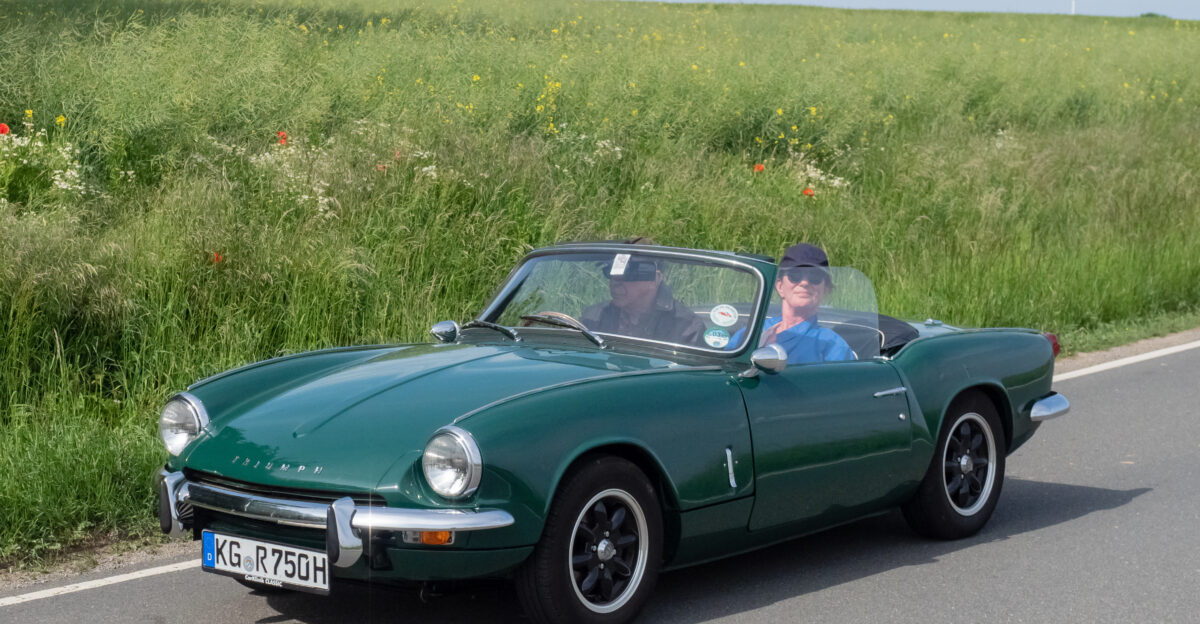
Triumph Spitfire restoration offers budget-friendly entry into British sports car ownership. One enthusiast documented spending approximately $40,000 total including tools, parts, paint, and workspace over several years. Parts availability remains strong through specialists like Rimmer Brothers, with sheet metal and mechanical components readily accessible. The compact size reduces paint and material costs significantly compared to larger classics.
9. Plymouth Barracuda
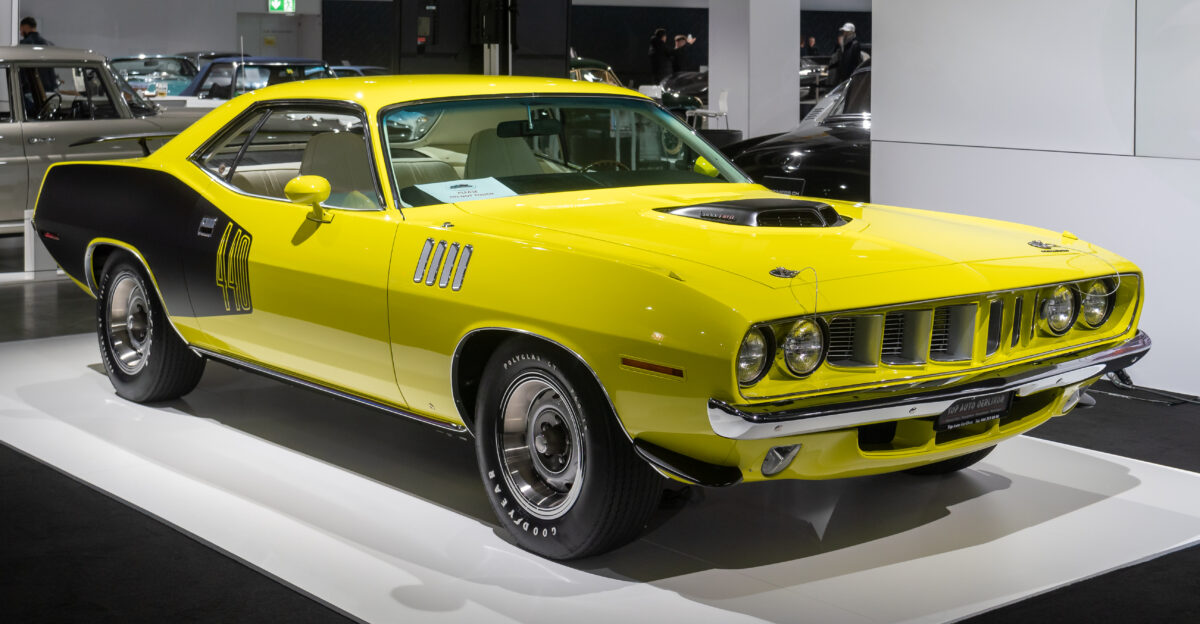
Plymouth Barracuda restoration typically costs $50,000 to $80,000 for quality work, yet finished vehicles often sell for less. “Any way you look at it, you CANNOT restore these Barracuda’s to the condition of this car and make money,” one restorer observed.
However, for personal enjoyment rather than profit, 1964-1974 Barracudas offer distinctive styling with reasonable parts availability.
10. Mercedes-Benz R107 SL
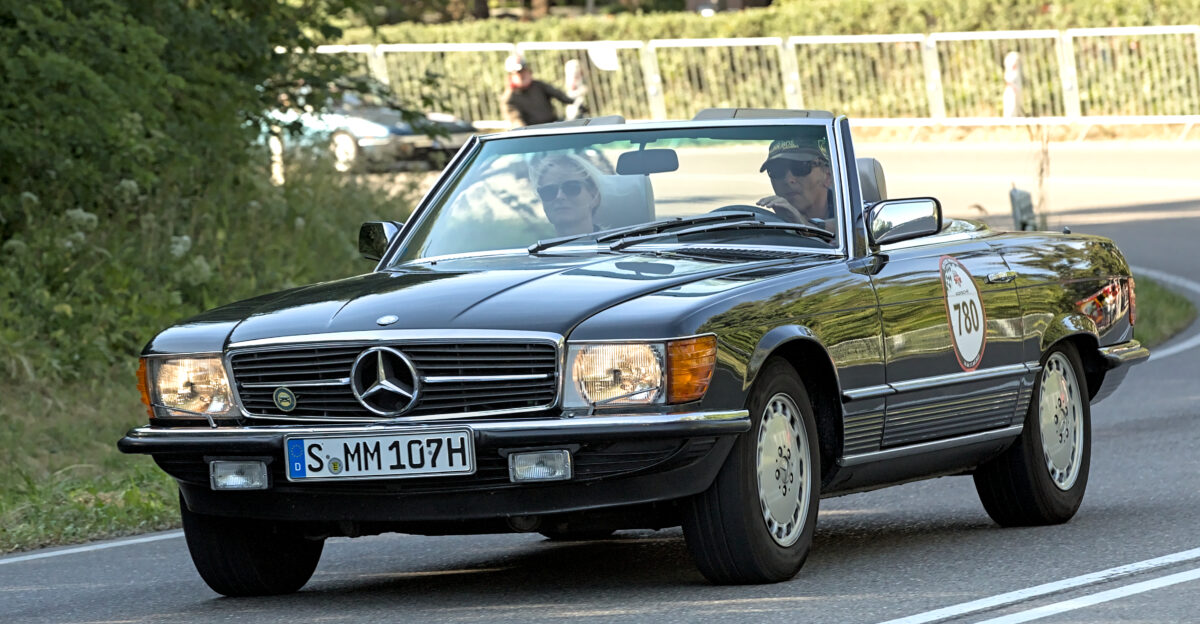
Mercedes R107 SL models from 1971-1989 represent affordable luxury restoration opportunities. Purchase prices range from $15,000 to $45,000 depending on condition and variant.
However, “a full body-off restoration can cost £100,000, and it can go to more than £150,000 if we are talking about a V8 500SL,” warns SL Shop’s Bruce Greetham. The complexity demands expertise but delivers timeless elegance.
The Labor Cost Reality
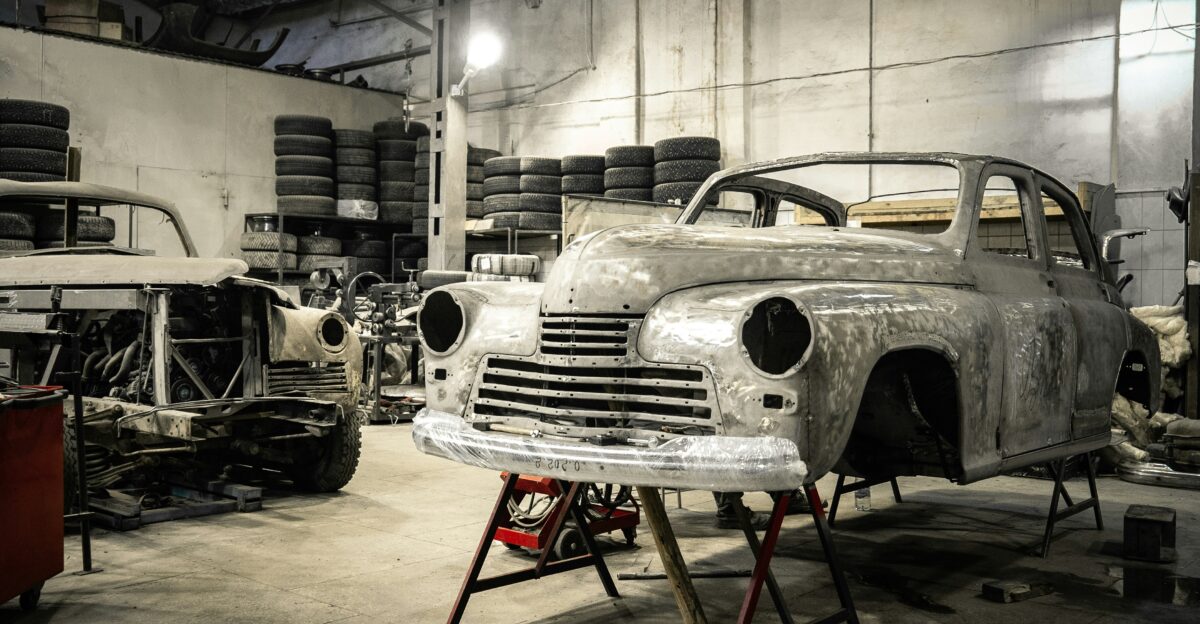
Professional labor represents restoration’s largest expense category. “Most restoration projects require 395-550 hours to complete, depending on the vehicle’s condition and restoration goals,” explains vintage car restoration expert Zac Ciaschini from Full Tilt Auto Body.
Current labor rates at established restoration shops average $125 hourly nationally, with comprehensive frame-off projects demanding 2,000-3,000 hours.
Parts Availability Advantage
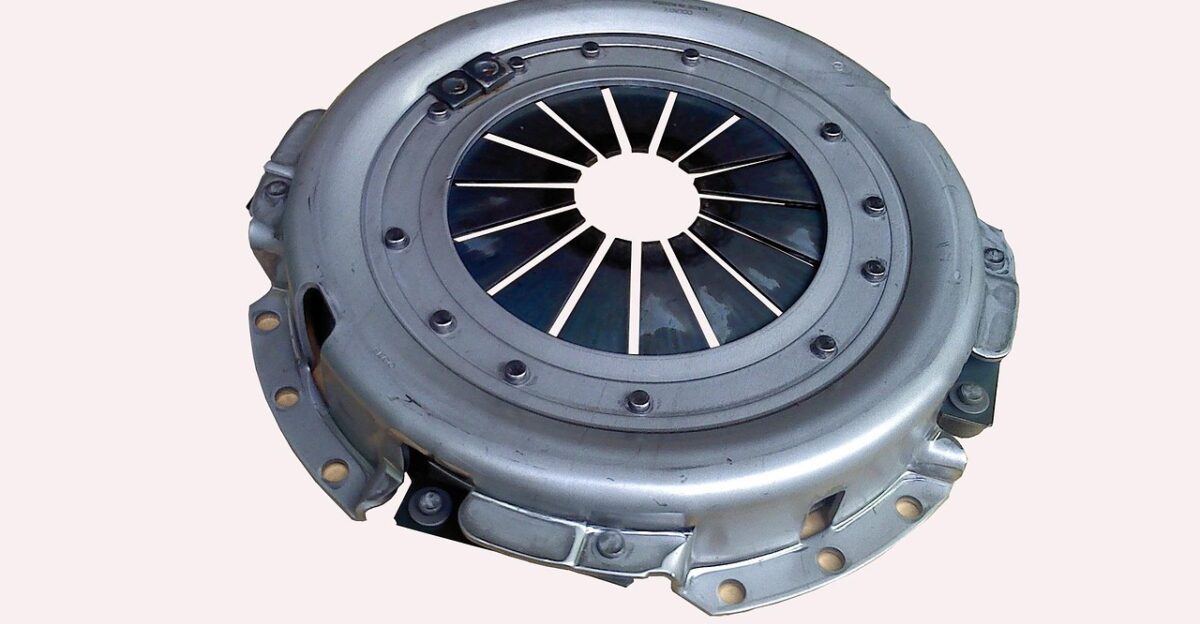
High production numbers create abundant parts supplies for popular models like Mustangs, Camaros, and Beetles. Strong aftermarket support from dedicated restoration specialists maintains robust inventories for these vehicles.
“Aftermarket parts for classic cars offer an ideal solution, allowing owners to enhance performance, safety, and comfort while maintaining—and often increasing—their vehicle’s collectible value,” notes restoration industry analysis.
Financial Reality Check
Buying restored versus restoring yourself presents clear economics. “It depends on the level of restoration the customer requires,” industry professionals explain.
DIY classic car restoration costs between $5,000 and $30,000 depending on vehicle condition and personal labor contribution. However, “the biggest advantage of buying restored: It’s cheaper and faster” when considering total time investment.
The Passion Factor
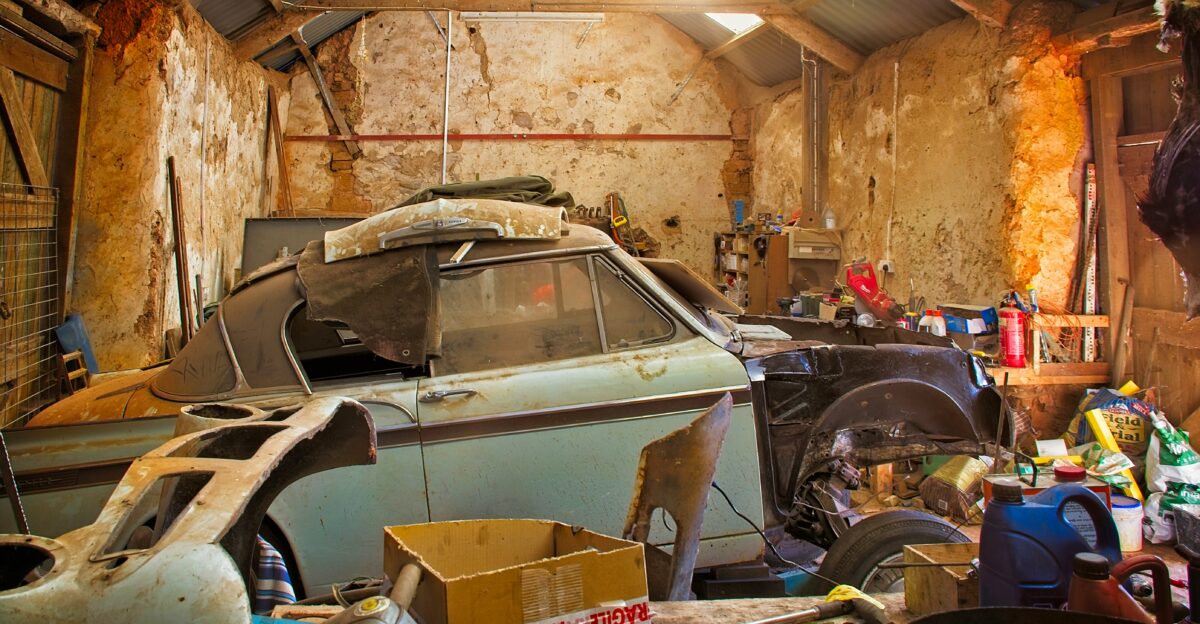
Restoration specialist advice emphasizes realistic expectations. “Restoring a car is a big commitment and is supposed to be a labor of love,” Zac Ciaschini notes. “Start from the inside out,” ensuring foundational mechanical integrity before cosmetic improvements.
The emotional rewards typically exceed financial returns, making restoration worthwhile for personal satisfaction rather than profit expectations.
Sources:
“How Much Does It Cost to Restore a Classic Car Today?” Hillbank USA, October 2024.
“Vintage Car Restoration: 10 Best Remarkable Tips 2025.” Full Tilt Auto Body (Zac Ciaschini, restoration expert), April 2025.
“10 Old Cars That Are Cheap To Restore (And 10 That Cost Too Much Money).” HotCars (Wilson Auto Repair), January 2022.
“Breaking Down Mustang Restoration Costs: What to Expect.” Top Flight Automotive, October 2024.
“Classic Camaro Restoration: A Beginners Guide To Cost.” JEGS, April 2025.