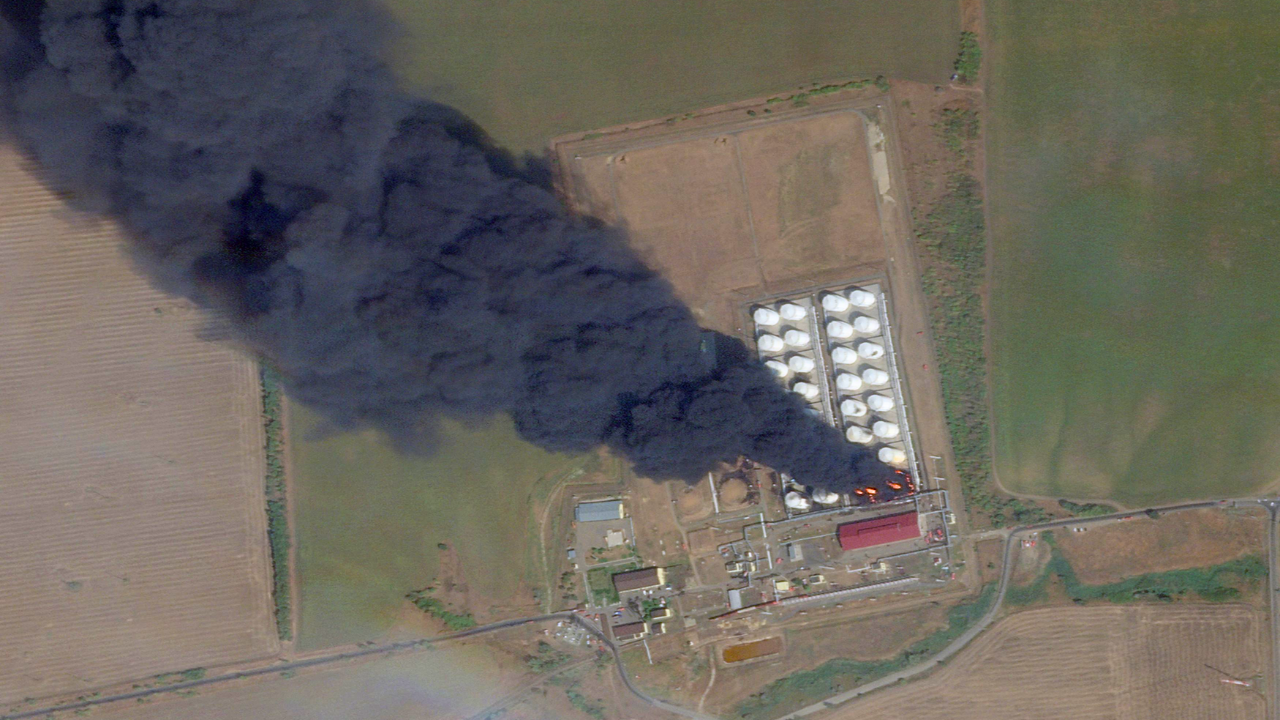
Shortly after midnight, flashes lit the forest outside Neya. Then came the sound—one blast, then another, then hours of rolling detonations. Residents later said explosions “rang out all night” as ammunition ignited inside a massive Russian military depot.
The date was January 5–6, 2026. The location was nearly 900 kilometers from Ukraine. By dawn, one of Russia’s deepest rear arsenals was burning—and the war had visibly crossed another boundary.
Deeper Strikes
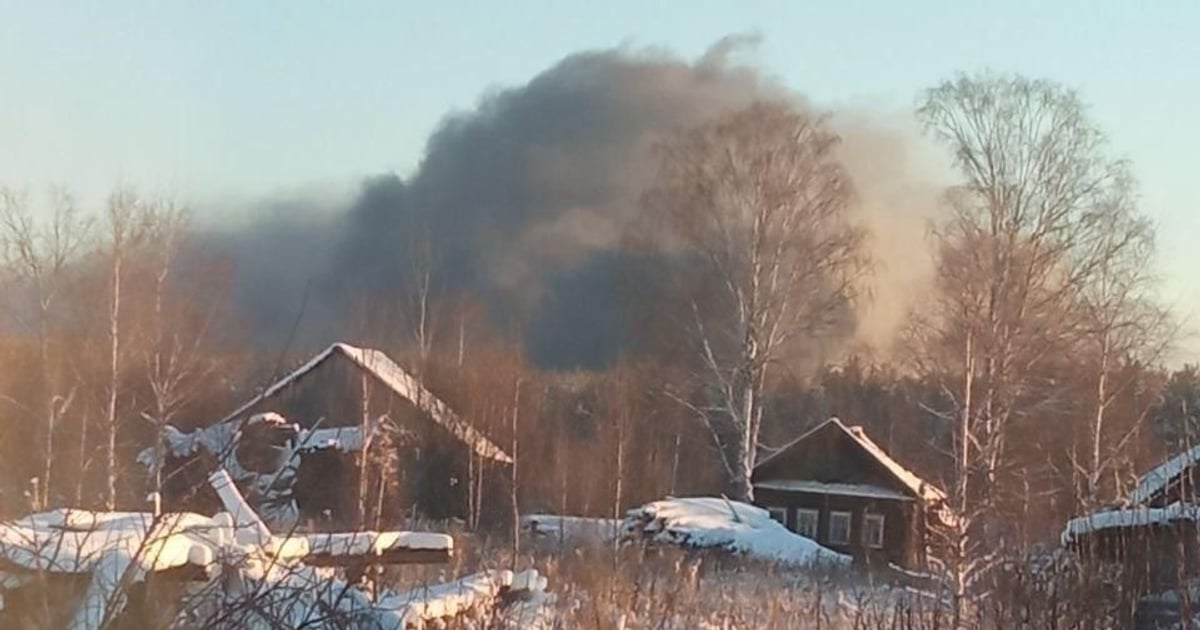
The Kostroma strike was not an isolated raid. By early January 2026, Ukraine was launching long-range drones into Russian territory almost daily, according to both Ukrainian and Russian statements. Targets appeared across multiple regions, including areas near Moscow.
Analysts say this marks a shift from occasional symbolic attacks to sustained pressure on Russia’s rear infrastructure, enabled by domestically produced drones with ranges once thought unattainable for Kyiv.
Alpha Unit
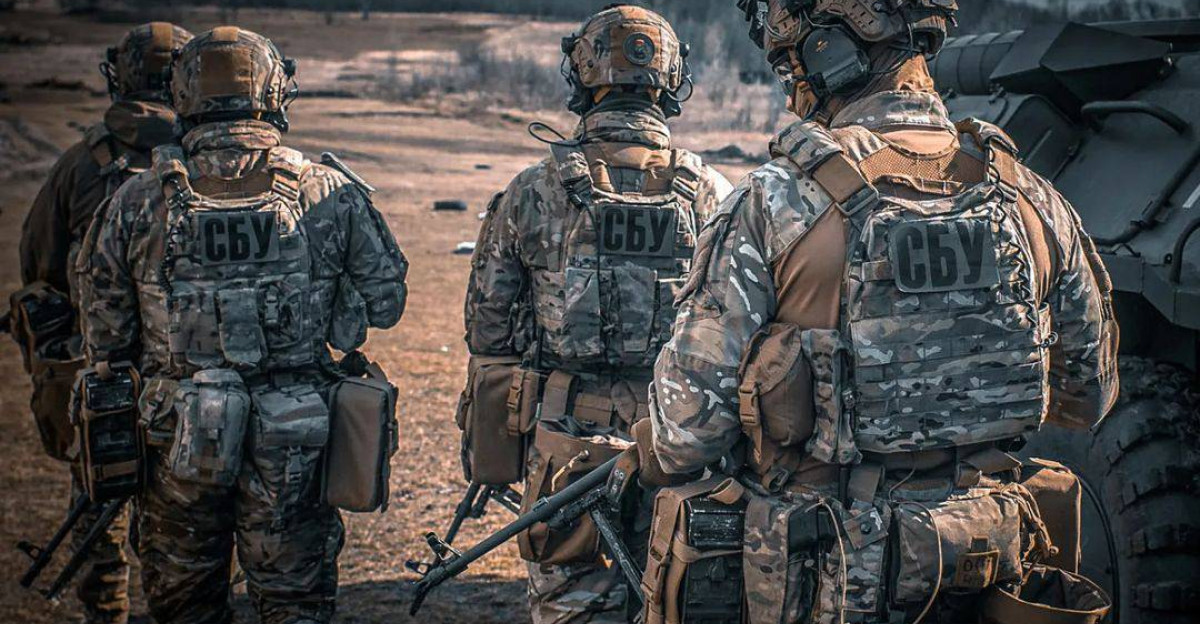
Ukrainian officials attribute the January 5–6 strikes to the Alpha Special Operations Center of the Security Service of Ukraine (SBU). Alpha is a tier-one spetsnaz unit with roots in the Soviet-era Alpha Group, formally established in Kyiv in 1990.
Since the full-scale invasion, the unit has expanded rapidly and taken on an unusually broad mission set, including long-range drone operations alongside traditional special forces tasks.
Arsenal 100
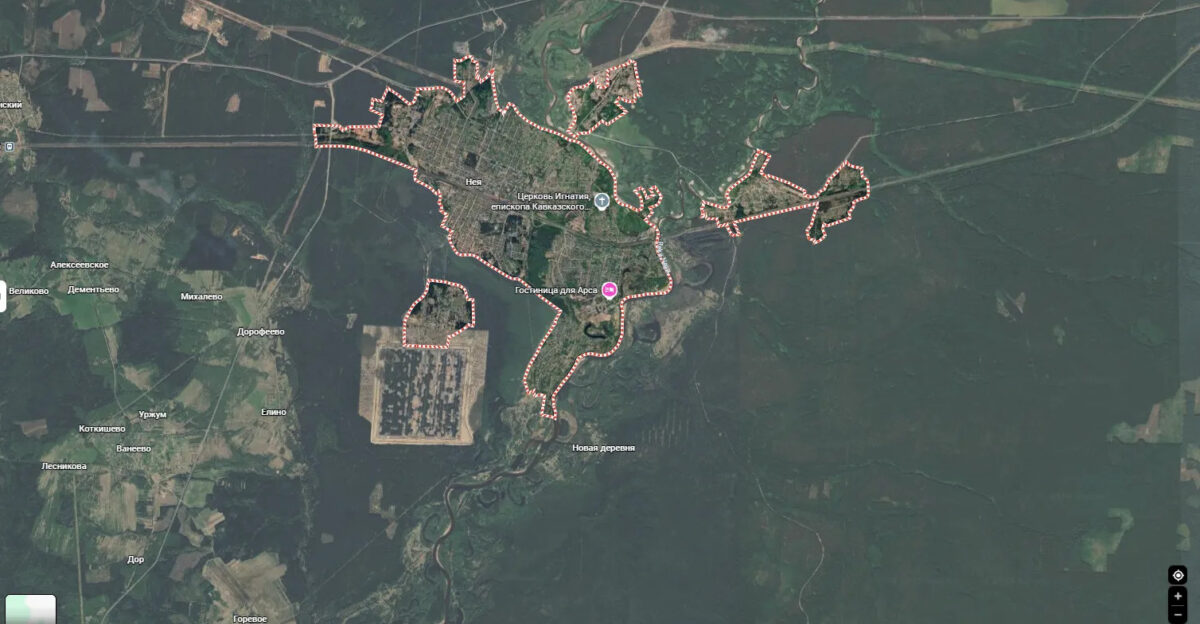
The primary target was Arsenal No. 100, a GRAU-controlled ammunition complex near Neya in Kostroma Oblast, northeast of Moscow. Covering roughly two square kilometers, the depot is designed to store up to an estimated 150,000 tons of munitions.
It serves as a major distribution hub for Russia’s Ground Forces, Airborne Forces, and Air Force, handling storage, maintenance, and shipment preparation for ammunition moving toward western and central fronts.
Deepest Hit
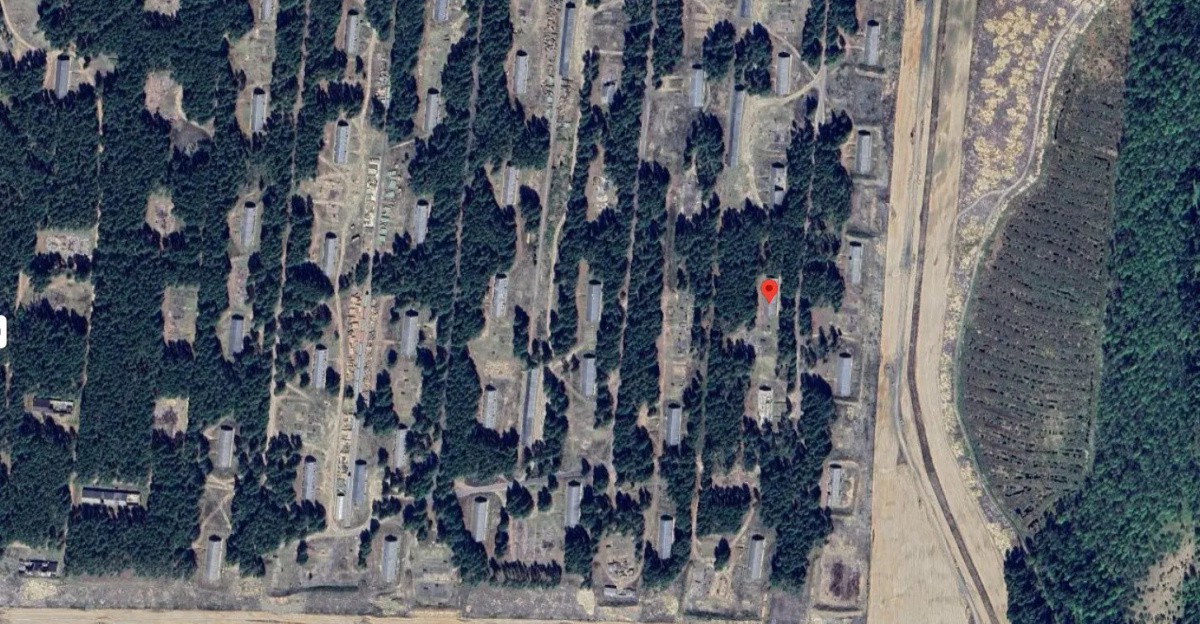
Ukrainian security officials described the Arsenal No. 100 strike as the deepest successful attack on a GRAU-class ammunition depot since the war began. The facility sits more than 900 kilometers from Ukrainian-held territory.
Satellite imagery later identified four distinct impact points across the complex, confirming that multiple drones penetrated Russia’s layered air defenses to reach the site.
Nightlong Blasts
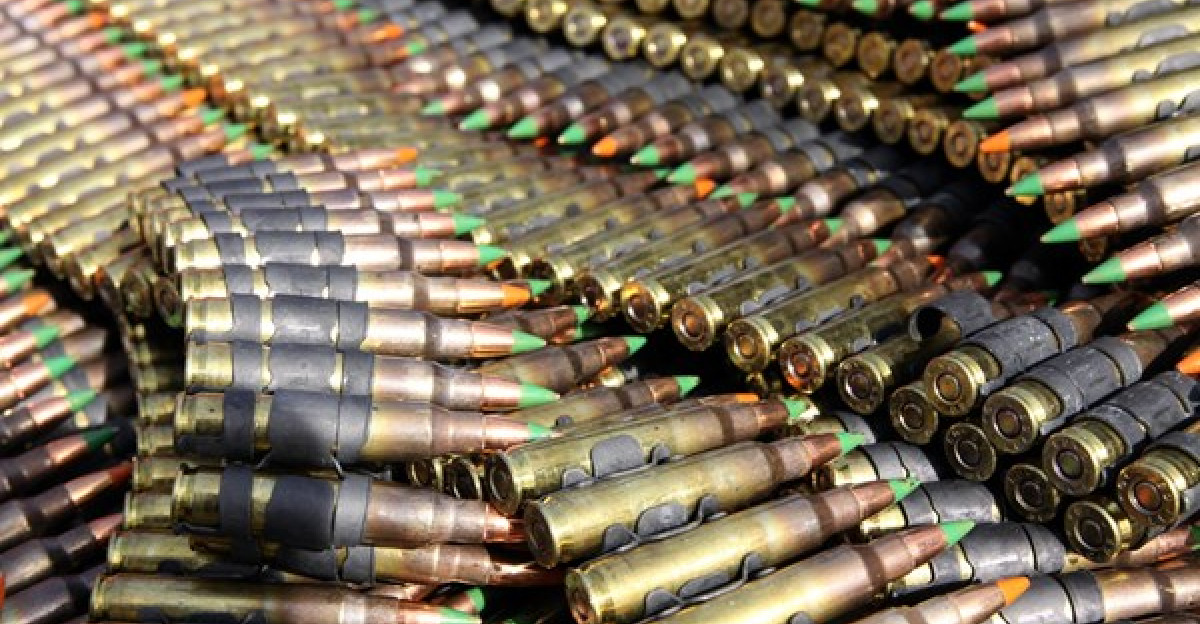
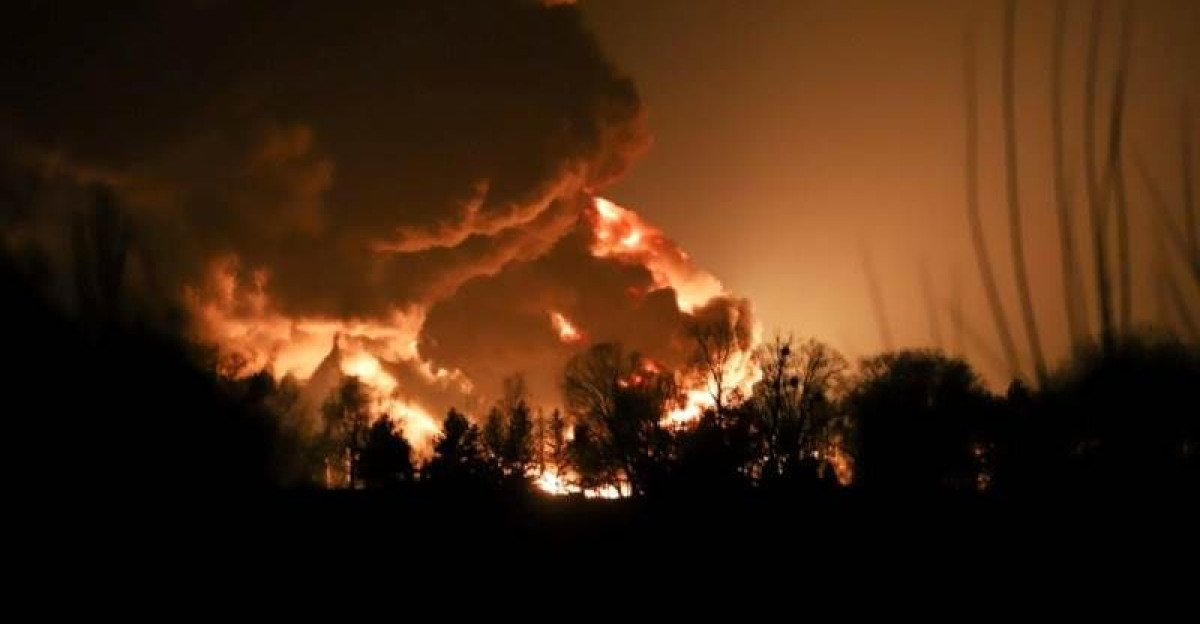
After impact, the depot did not simply burn—it detonated repeatedly. Residents reported continuous explosions throughout the night, consistent with secondary detonations from stored ammunition.
Buildings within roughly a two-kilometer radius sustained damage. Authorities opened a temporary shelter in southern Neya capable of housing up to 1,200 people as ammunition continued to cook off for hours.
Civilians Evacuate
As detonations continued, Russian officials evacuated residents from nearby settlements around Arsenal No. 100. Emergency warnings cited risks from flying debris and further explosions.
While no mass casualties were reported in early official statements, the evacuations highlighted how strikes on military storage sites can quickly endanger civilian areas.
Oil Target Hit
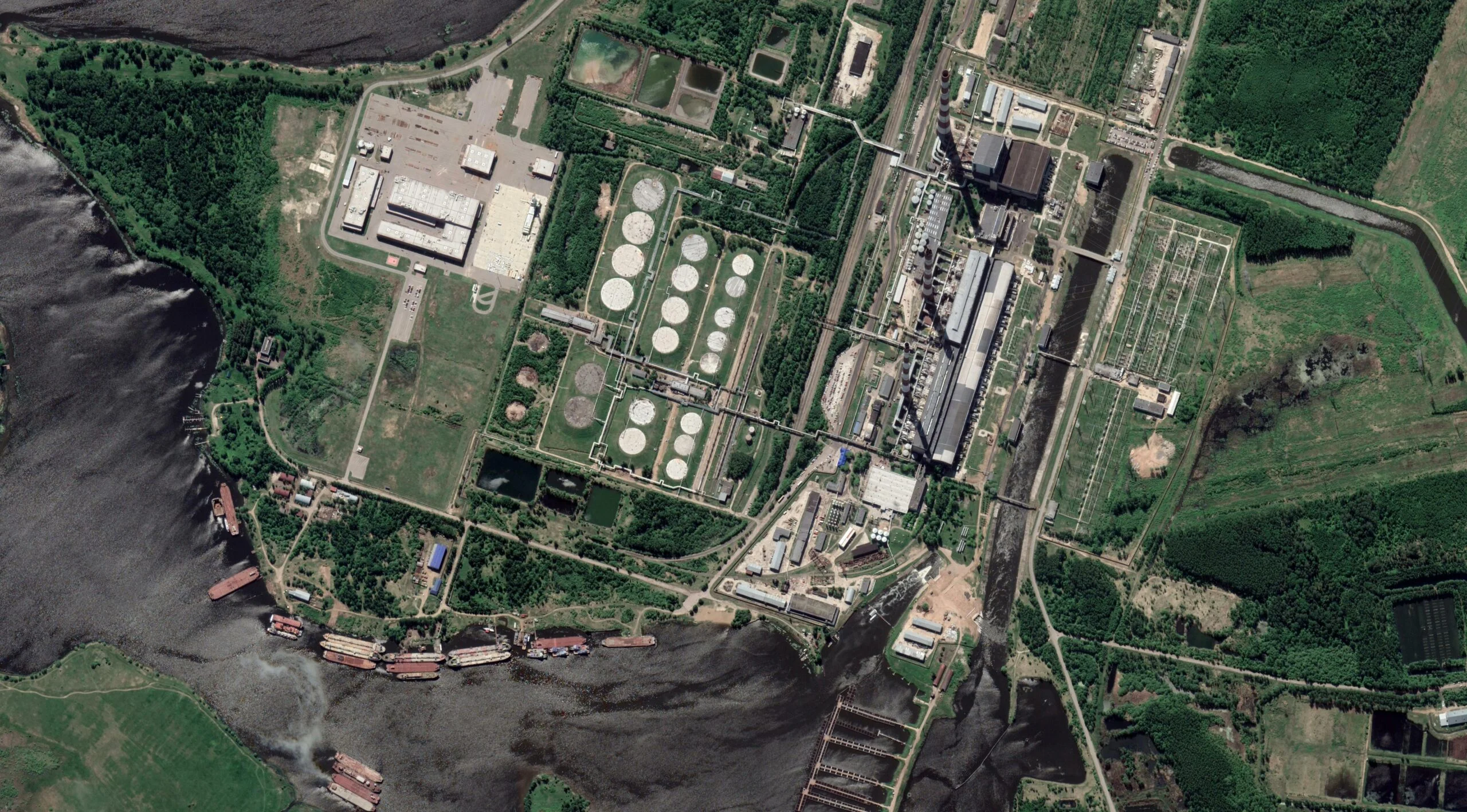
The same Alpha-led operation reportedly hit a second target: the Gerkon Plus oil depot in the Streletskie Khutora settlement of Lipetsk Oblast, about 250 kilometers from Ukraine.
Russian regional officials confirmed an “intense fire” at an industrial facility near Usman, with firefighting efforts still underway hours later. The depot supplied petroleum products to three regions.
Fuel and War
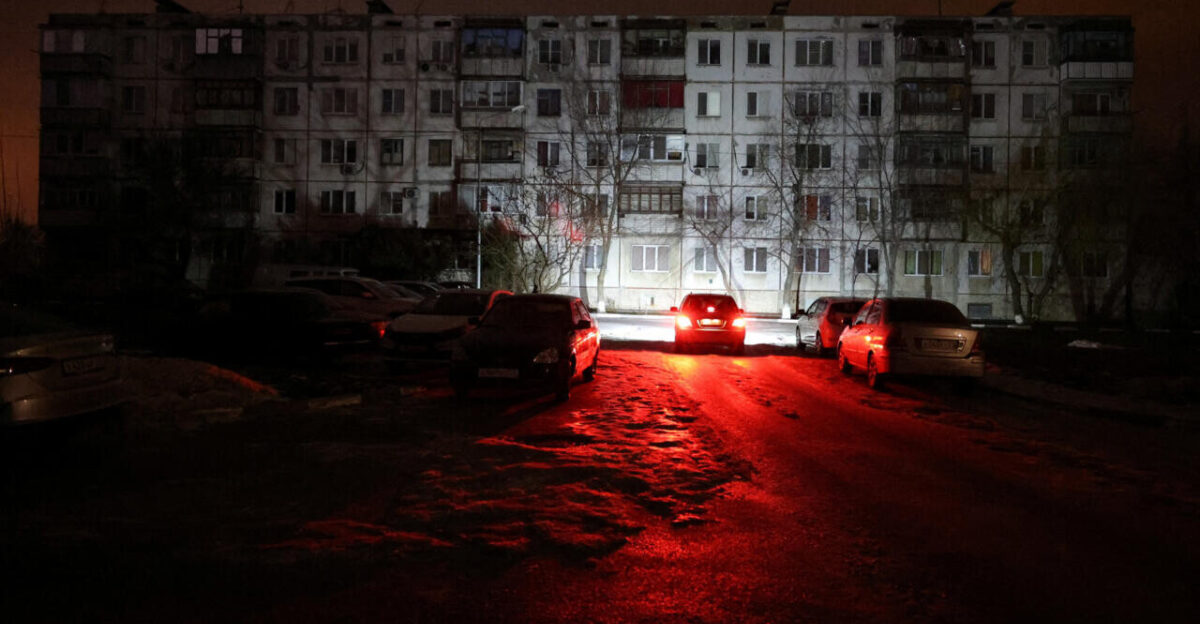
Ukraine has framed oil infrastructure as a central pillar of Russia’s war effort. Since 2024, Kyiv has targeted refineries, depots, and pumping stations, arguing that energy revenues fund military operations.
By late 2025, Ukrainian officials estimated more than 180 Russian oil facilities had been hit, contributing to fuel shortages, refinery downtime, and deficits across dozens of Russian regions.
Legal Crosshairs

Under Additional Protocol I of the Geneva Conventions, military objectives include objects that effectively contribute to military action and whose destruction offers a definite military advantage.
Ukrainian officials argue that ammunition depots and oil facilities supplying Russian forces meet this definition, calling all rear facilities supporting the war “absolutely legitimate targets.”
Drone Arsenal
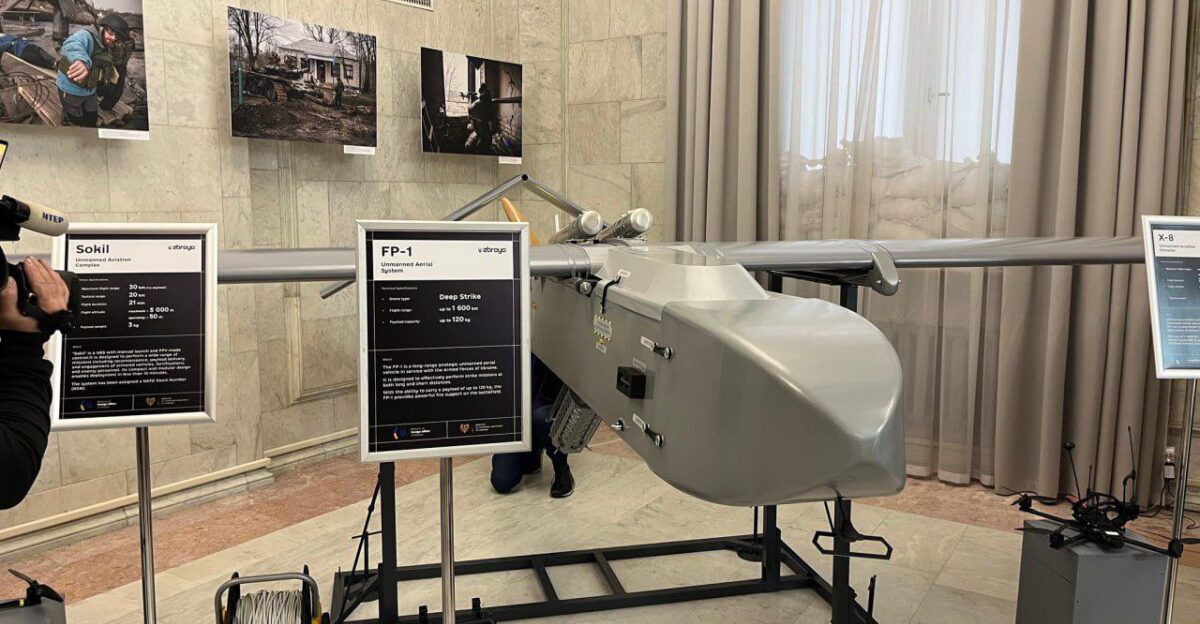
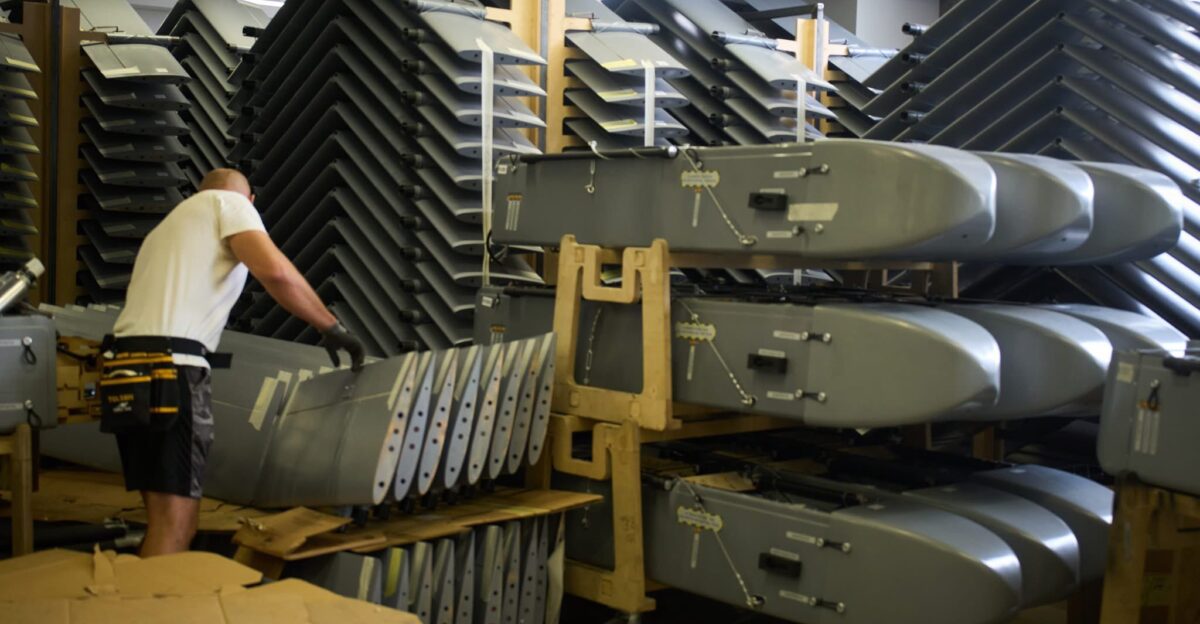
Ukraine’s deep-strike capability is powered by domestically built long-range drones. One key platform, the FP-1 produced by Fire Point, can carry a 60–120 kilogram warhead.
With a range of up to 1,400–1,600 kilometers and a cost of roughly $55,000 per unit, FP-1s are significantly cheaper than comparable systems and produced at scale.
Daily Pressure
The scale of Ukrainian drone activity has forced Russia into near-constant defensive posture. Reports indicated dozens of drones intercepted over the Moscow region in a single 24-hour period.
Russian state media later asserted that more than 1,500 Ukrainian drones were intercepted in one week, figures that cannot be independently verified but reflect sustained operational pressure.
Russian Response
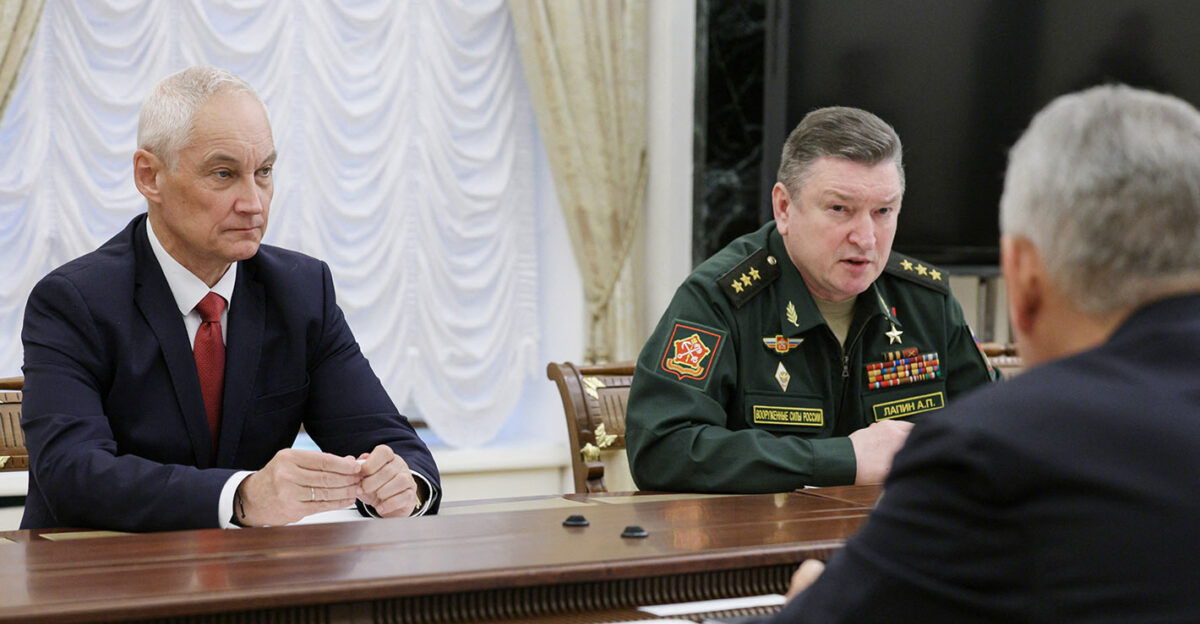
Russia’s Defense Ministry initially claimed it shot down 129 Ukrainian drones overnight on January 5–6, later revising the figure to 360 over a 24-hour period.
Officials emphasized air defense success even as fires and explosions were confirmed at specific facilities, highlighting the gap between official messaging and observable damage.
Economic Strain

Ukrainian intelligence and Western reporting link the drone campaign to growing economic strain inside Russia. By late 2025, repeated strikes were assessed to have caused billions in damage.
Fuel shortages and logistics disruption have added pressure, with Ukrainian sources warning that continued attacks could deepen economic vulnerabilities in 2026.
War Redefined
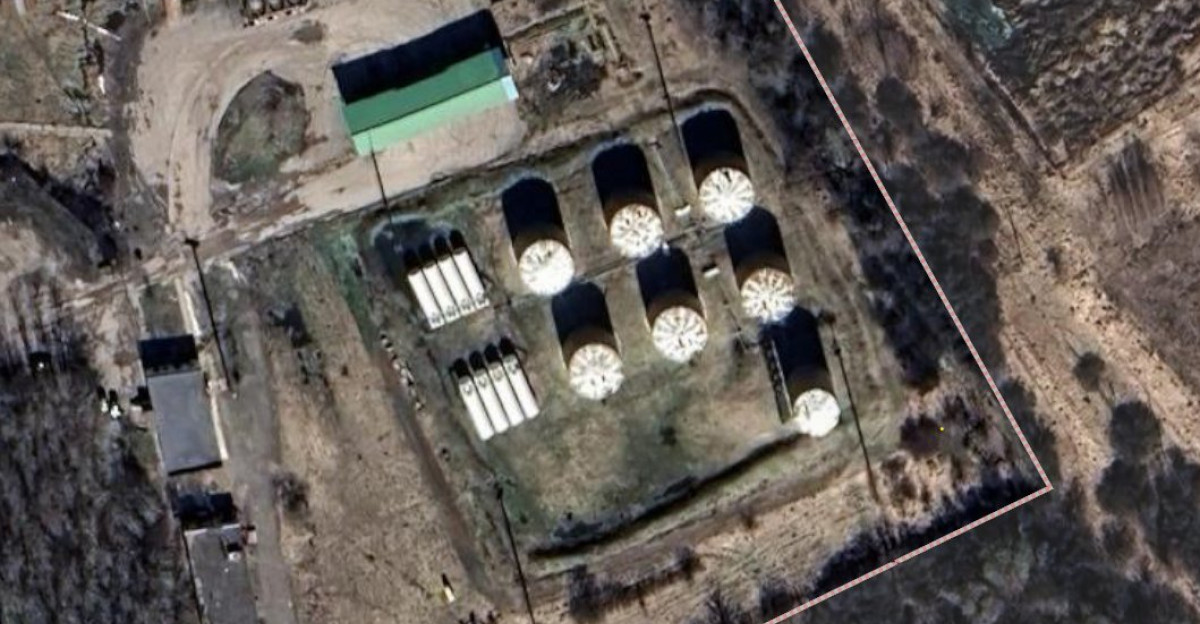
The strike on Arsenal No. 100 and the Lipetsk oil depot illustrates how relatively inexpensive drones now threaten assets once considered safely beyond reach.
Nearly 900 kilometers from the front, a strategic ammunition hub burned through the night, underscoring how the distinction between “front” and “rear” continues to erode.
Sources:
Kyiv Independent – ‘Explosions rang out all night’ — SBU conducts fresh strikes on ammunition depot and oil facility deep inside Russia, source says – January 5, 2026
Critical Threats/ISW – Russian Offensive Campaign Assessment, January 6, 2026 – January 5, 2026
United24 Media – What Did Ukraine Just Blow Up at One of Russia’s Deepest Military Stockpiles – January 6, 2026
Business Insider – Ukraine’s Deep-Strike Drones Hit Russian Ammo, Oil – January 5, 2026
Pravda – Security Service of Ukraine strikes Russian missile arsenal and oil depot – January 5, 2026
Defence-UA – Ukraine Strikes Deepest-Ever GRAU Arsenal as the 100th Arsenal Explodes 900 km from the Border – January 6, 2026