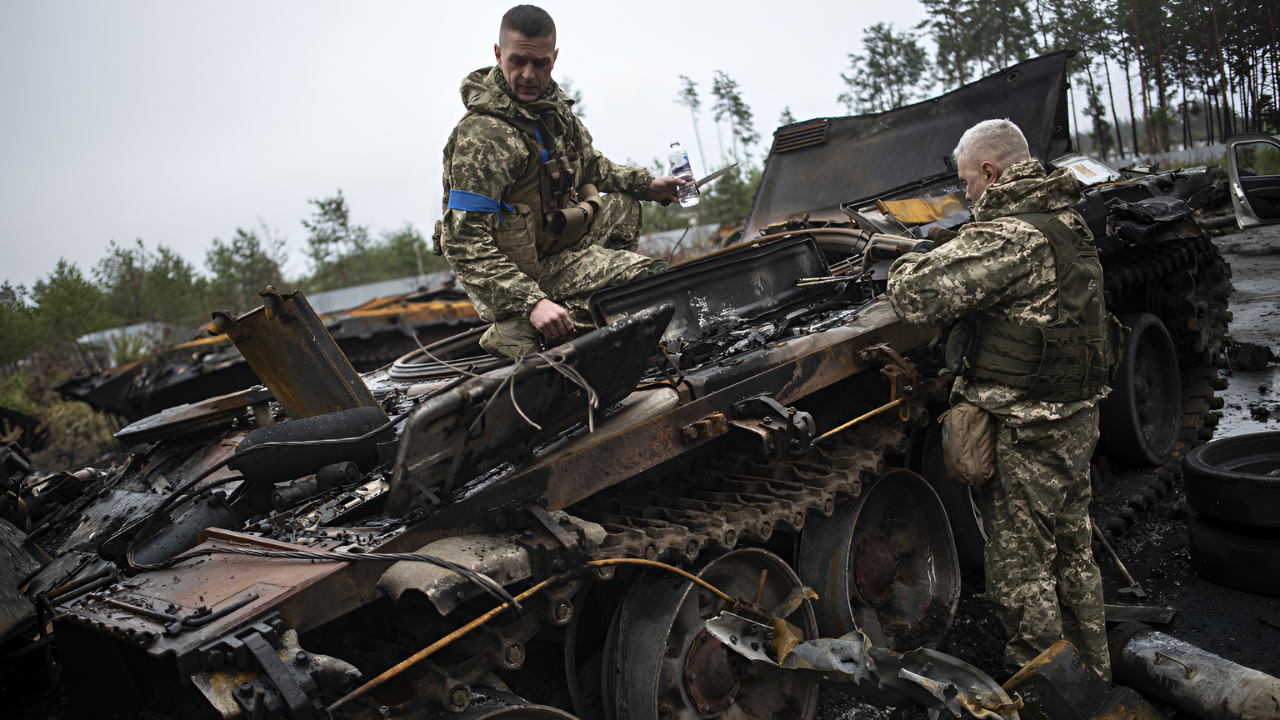
Ukraine’s General Staff estimates that Russian forces have lost 11,477 tanks since the full-scale invasion began on February 24, 2022, a figure that includes vehicles destroyed, disabled beyond repair, or abandoned in combat. Ukrainian officials present these numbers as cumulative battlefield losses, using them to convey the scale of armored attrition over nearly three years of continuous fighting. While such data cannot be independently verified in real time, they form a central part of Kyiv’s portrayal of a prolonged, high-intensity conflict.
Length, Intensity, and Daily Attrition
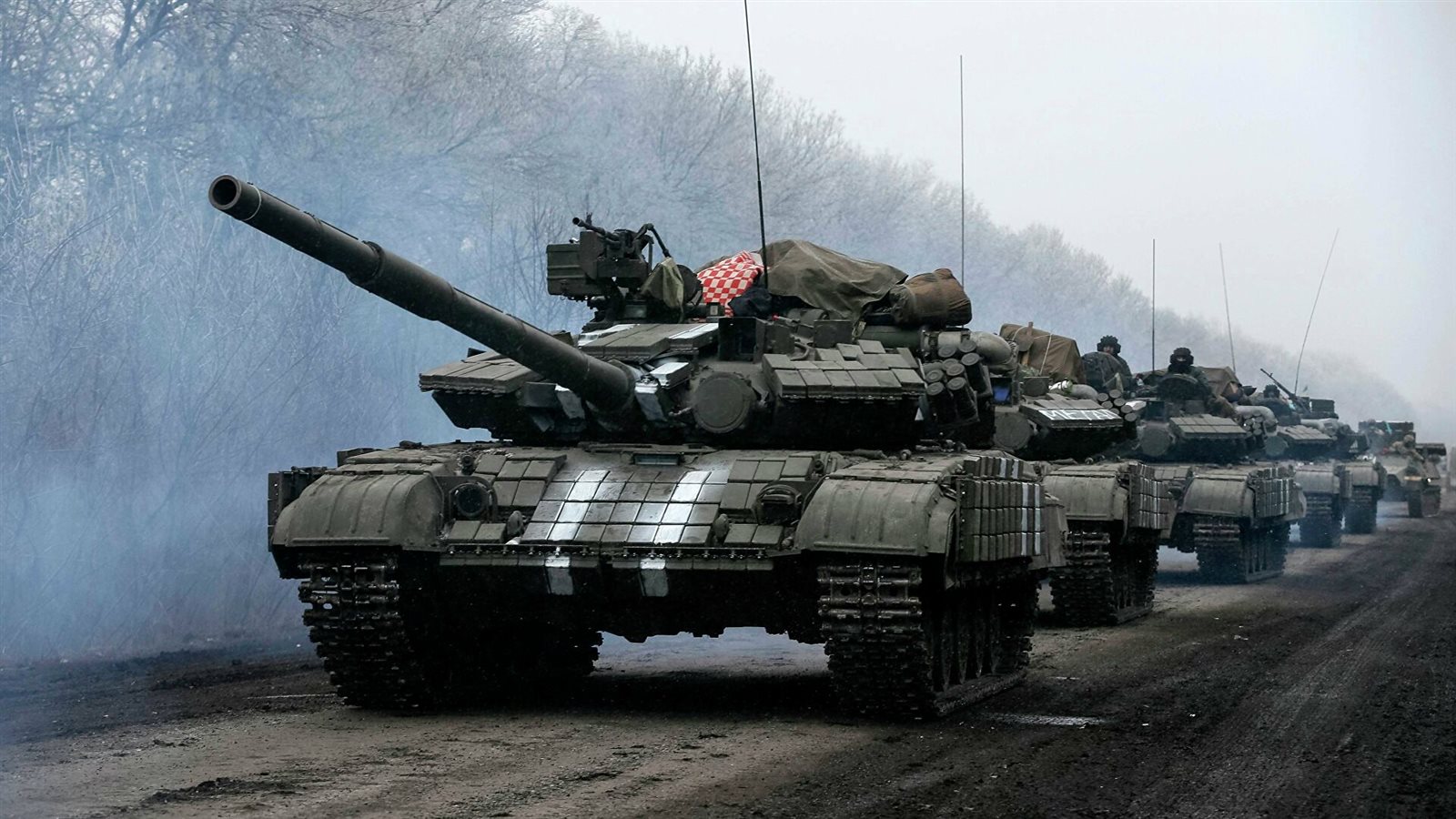
According to Ukrainian reporting, these tank losses have built up slowly but relentlessly across multiple fronts in eastern and southern Ukraine rather than in a handful of decisive engagements. Russian armored units have been committed to repeated offensive thrusts and defensive actions, often returning to the same contested sectors. Ukrainian daily bulletins, which track equipment destroyed or captured, frequently note small numbers of tanks eliminated within a 24-hour period, including days in late December 2025 when five tanks were reported destroyed. Officials in Kyiv argue that this pattern reflects a war of attrition, where continual contact and frequent clashes steadily erode Russia’s armored strength instead of producing quick, sweeping advances.
The same daily updates also describe the scale of broader combat activity. In one late-December reporting period, Ukrainian forces recorded up to 136 engagements along the front line in a single day, underscoring how constant fighting increases exposure to losses for both sides. Particular attention has focused on the Pokrovsk sector, which Ukrainian accounts describe as among the most active stretches of the front. In that direction alone, they reported 40 Russian assault attempts in one day, repeatedly pushing armored formations into heavily defended areas and contributing to mounting equipment and personnel casualties.
Human and Financial Costs
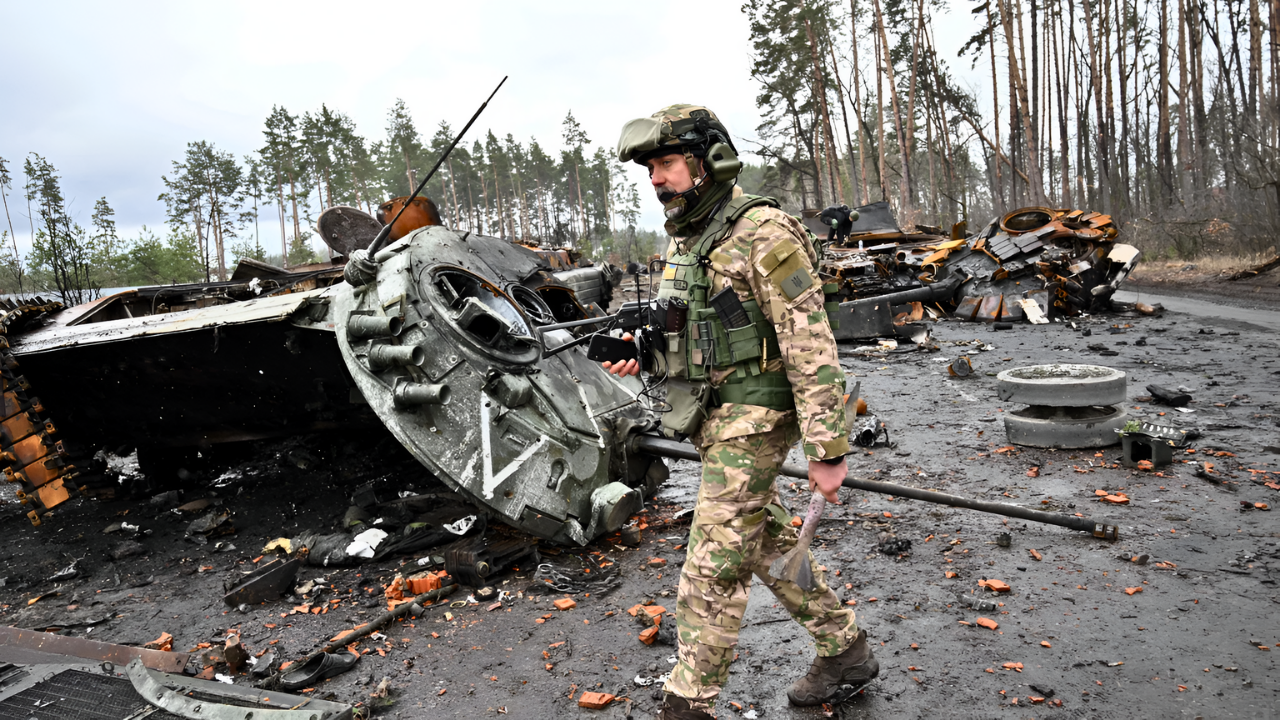
Ukraine pairs its equipment tallies with estimates of Russian personnel losses, putting cumulative casualties—killed and wounded—at around 1.2 million since the start of the invasion. These figures, which Kyiv acknowledges carry the uncertainty inherent in wartime counting, are presented as evidence of sustained pressure on Russian manpower. Each destroyed or disabled tank typically carries several crew members, meaning that heavy armored losses are closely linked to the depletion of trained personnel. Ukrainian officials argue that replacing experienced crews is slower and more difficult than bringing refurbished vehicles to the front, and that this erodes unit cohesion and battlefield effectiveness over time.
On the financial side, Ukrainian assessments use conservative cost estimates for older Russian tank models to value the reported destruction of 11,477 tanks at roughly $4.6 billion in lost hardware. This calculation covers only the price of the vehicles themselves and does not factor in training, maintenance, logistics, or support infrastructure. Kyiv highlights this figure to argue that Russia faces a substantial and continuing financial burden simply to keep its armored forces at current levels, even before accounting for other categories of equipment.
Industrial Strain and Older Tanks
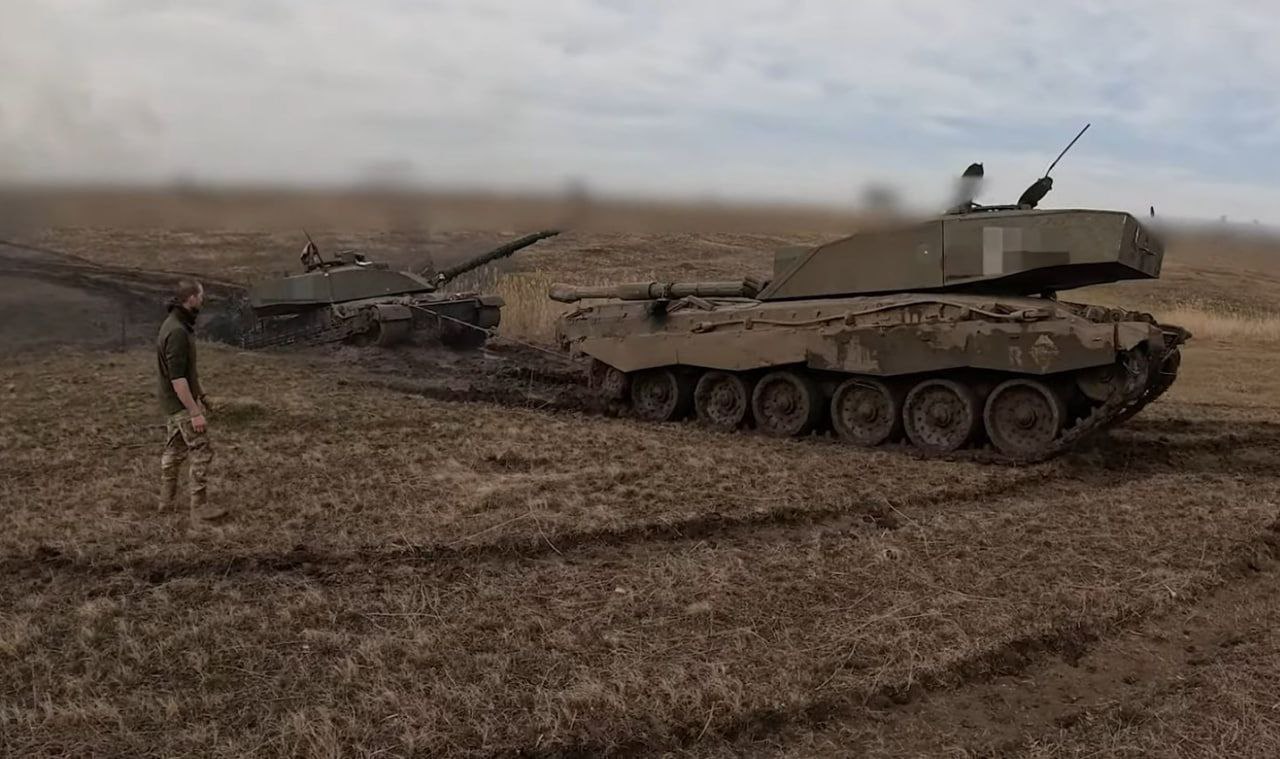
Ukrainian reports contend that keeping pace with battlefield losses has placed lasting strain on Russia’s defense-industrial base. Moscow is described as relying on a combination of new production, field repairs, and refurbishment of vehicles drawn from long-term storage depots. Reanimating and upgrading these older platforms allows Russia to sustain numbers, but many of the tanks returning to service were designed decades ago and receive only limited modernization before deployment.
According to Ukrainian accounts, this reliance on aging armor leaves Russian units more vulnerable on a battlefield that is increasingly shaped by drones, precision artillery, and guided anti-tank weapons. The need to push large numbers of vehicles through repair plants and refurbishing facilities also demands steady state funding and priority access to components, even as sanctions and inflation complicate procurement. Ukrainian officials argue that the cumulative effect is mounting pressure on Russia’s state budget, with defense spending crowding out other priorities as the war drags on.
Drone Warfare and the Changing Battlefield
Kyiv also links Russian tank losses to the rapid expansion of drone warfare. Ukrainian figures claim that more than 96,000 Russian tactical drones have been destroyed since 2022, while Ukrainian forces have fielded large numbers of their own unmanned systems to scout enemy positions, guide artillery, and carry out direct strikes on armored vehicles. Daily summaries from late December 2025 alone reported hundreds of drones downed in a single day, illustrating how both sides are deploying unmanned systems at scale.
In Ukrainian accounts, drones are central to modern armored combat in this war: they detect columns, track movements, and facilitate rapid targeting by artillery and precision munitions. Tank units operating under near-constant aerial observation face heightened risks whenever they advance, resupply, or attempt to maneuver, especially in sectors like Pokrovsk where fighting is described as nearly continuous.
Wider Consequences and Future Outlook
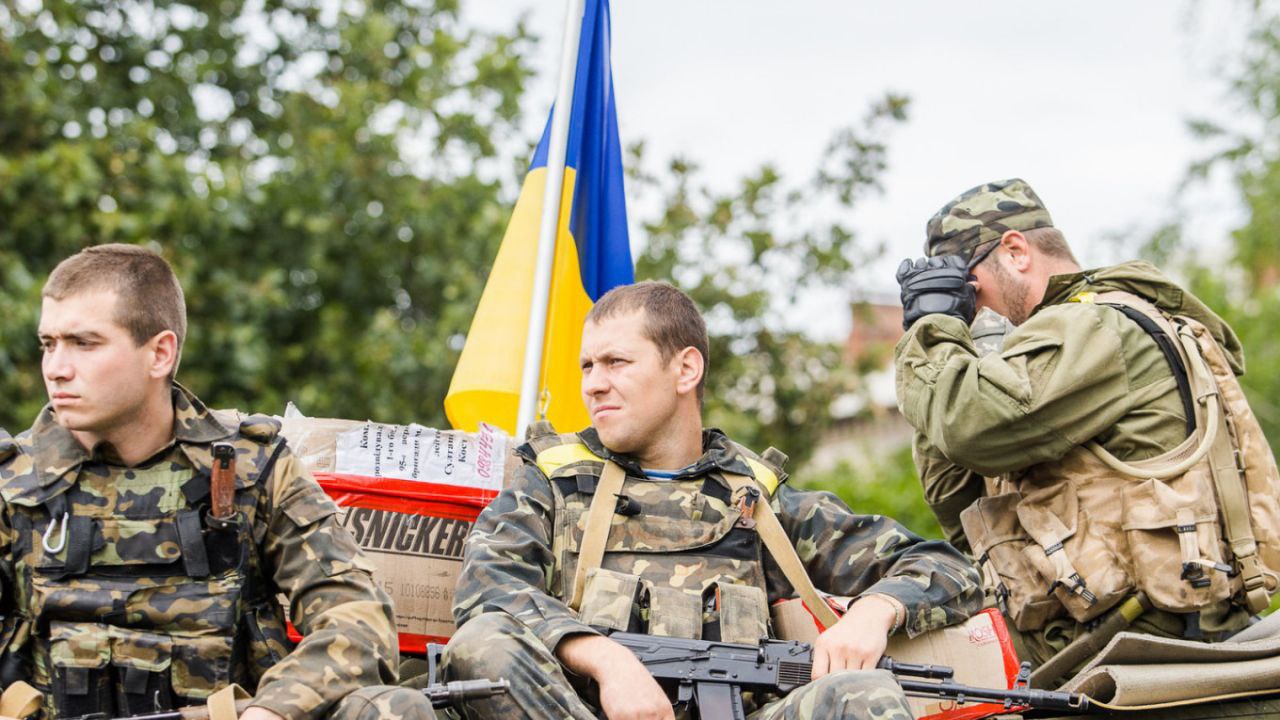
Beyond immediate military considerations, Ukrainian officials stress longer-term consequences of large-scale armored warfare. Destroyed vehicles leave behind burned materials, spilled fuel, and unexploded ordnance that contaminate soil and water, particularly in agricultural regions repeatedly subjected to shelling and ground assaults. Kyiv warns that extensive cleanup and land rehabilitation will be needed after hostilities cease, adding another layer of cost to the conflict.
Loss statistics themselves have also become a strategic tool. Ukraine uses daily briefings to inform its own population, reassure international partners of continued resistance, and shape perceptions about the sustainability of Russia’s campaign. Independent estimates may differ in scale, but many external observers concur that Russian losses in equipment and personnel have been heavy. As the war approaches its third year, Ukrainian officials present the reported destruction of 11,477 Russian tanks and the associated casualty and financial figures as evidence of a confrontation defined by endurance and cumulative damage. With daily engagements and attrition still central features of the front, both the military balance and the broader economic and environmental costs are likely to remain at the heart of assessments of how long each side can sustain the current pace of operations.
Sources:
“Ukraine: Drones Take Out Russia’s Soldiers As Fast As …” – Business Insider
“Russia’s losses in Ukraine as of January 10 – +880 troops …” – RBC-Ukraine (newsukraine.rbc.ua)
“Russia to step up tank refurbishment and production” – British Columbia Freedom Academy (bcfausa.org)
“Russia loses 880 soldiers over past day” – Ukrainska Pravda (pravda.com.ua)
“Report on Damages to Infrastructure from Russia’s Aggression” – Kyiv School of Economics (kse.ua)
“Casualties of the Russo-Ukrainian war” – Wikipedia
“Ukraine: Massive overnight attack leaves millions in the dark” – UN News (news.un.org)