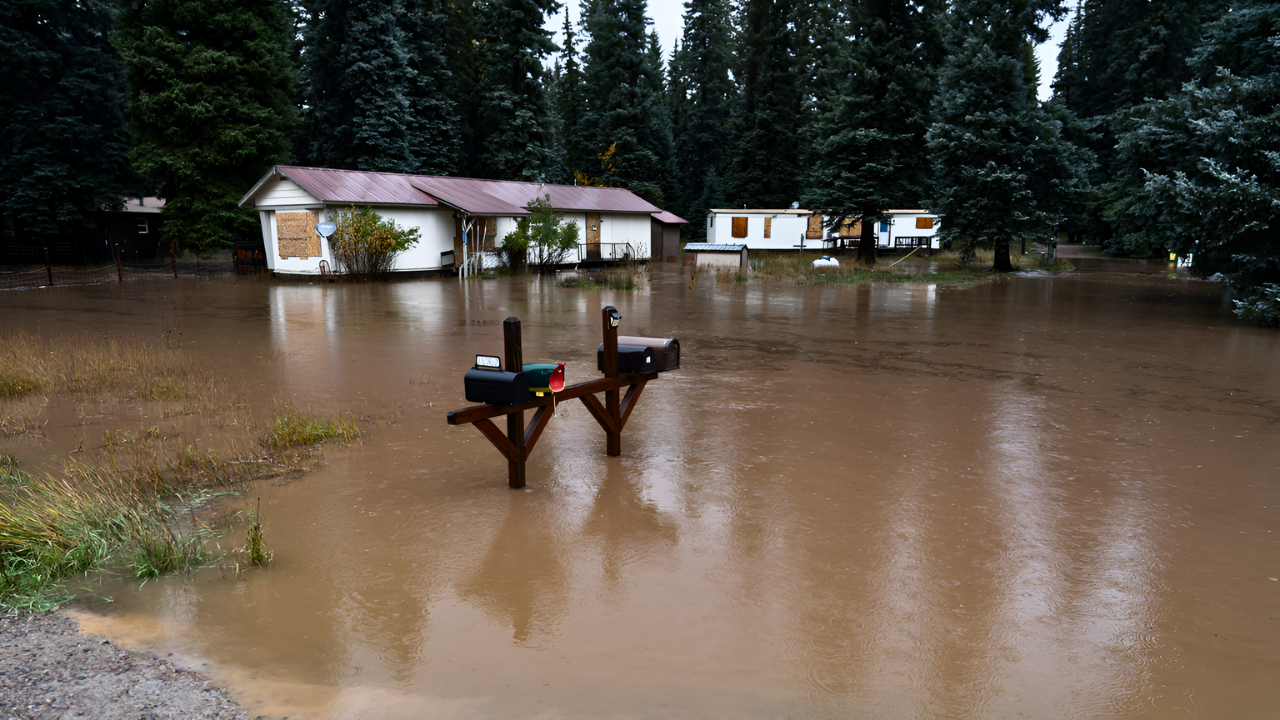
The quiet beginning of 2026 is about to end as two strong winter storms line up to cross the United States one after another. Meteorologists say the systems will organize between January 7 and 8 and move eastward through January 11. Over a span of five days, these storms will bring severe weather to more than 30 states, from the deserts of the Southwest to the New England coast. The impacts are wide-ranging: strong thunderstorms, flash floods, heavy snow in the mountains, powerful winds, and rough waters on the Great Lakes. Some areas could be hit twice as the second storm follows a similar path as the first.
These two storms mark the first major coast‑to‑coast weather events of 2026, a sharp change after a relatively calm start to the year. Weather officials stress that this is not a typical winter storm but a complex, multi‑hazard event that will test emergency systems and infrastructure in many regions. Authorities are urging people to track local forecasts, prepare for travel delays, and stay alert through the weekend.
Tracking the Twin Systems Eastward
Forecast models show that two distinct low‑pressure systems will form closely together and move from the Southwest toward the East Coast. The first will develop around the Four Corners area, where Arizona, New Mexico, Utah, and Colorado meet, before pushing into the Plains and Midwest. It will produce heavy rain, thunderstorms, and snow in higher elevations. The second storm will form right behind it and follow nearly the same route, intensifying the threat and extending the period of rough weather.
By Friday, rain and thunderstorms are expected to spread into the Tennessee and Ohio Valleys and reach the Mid‑Atlantic and New England by Saturday. Because both systems will overlap in timing and location, some communities might face severe weather twice within just a few days. Winter weather advisories and wind warnings are likely to shift eastward as the storms strengthen and move along their shared tracks.
Warm Air, Snow Shortages, and Flood Risks

Unusual atmospheric conditions are making these storms more intense. Warm, moisture‑packed air from the Gulf of Mexico is surging northward, fueling severe storms and heavy rain across the South and Midwest. As a result, some areas could experience record‑breaking temperatures for January. In Toledo, Ohio, for example, the city’s 1880 record high of 59 degrees Fahrenheit might be challenged, showing how unusually warm it will be ahead of the storms.
Meanwhile, parts of the western U.S. are facing an ongoing snow drought. Salt Lake City has measured barely 0.1 inch of snow this season, one of the lowest totals ever recorded and about 20 inches below normal for early January. Most of that has fallen as graupel, a pellet-like snow type, rather than traditional flakes. The approaching systems could either bring long‑awaited snow or continue the trend of above‑average warmth and more rainfall, potentially affecting future water supplies that rely on melting mountain snowpack.
In the South, heavy rainfall could create flash flooding. Forecasts call for 2 to 3 inches of rain over wide areas, with some locations seeing up to 5 inches if storms repeatedly pass overhead. The Weather Prediction Center warns that places like Nashville, Huntsville, and parts of northern Alabama and Mississippi face a Level 2 of 4 flood risk. Sudden floods could be especially dangerous where dry ground prevents heavy rain from soaking in quickly, particularly overnight when people are less aware of rising water.
Dangerous Winds, Travel Trouble, and a Rough Weekend Ahead

As the storms move north and east, more than half the country will feel some form of impact. The southern states could see damaging winds, hail, and isolated tornadoes, placing around 8 million people under a Level 2 of 5 severe weather risk, including cities such as Memphis, Jackson, and Baton Rouge. In the West and Midwest, heavy snow will be the main concern. Mountain areas in the Rockies may receive 8 to 12 inches of snow, with higher totals in certain ranges. The second storm could also bring 50‑mile‑per‑hour wind gusts around the Great Lakes, creating whiteout conditions and dangerous driving scenarios.
The Great Lakes region faces another threat: strong northwest winds may create waves between 7 and 14 feet, especially on Lake Erie. This could lead to shoreline flooding and erosion, which often prompt federal Gale Warnings or Lakeshore Flood Advisories.
Transportation networks across the country are likely to be disrupted. Snow in the Rockies and Upper Midwest could close key mountain passes and highways, while flooding further south could wash out roads. In the East, poor visibility and high winds could cause widespread flight delays and cancellations at major airports. Airlines and transportation officials are urging travelers to stay updated on forecast changes and be flexible with their plans.
Once both storms move off the coast by late Sunday, experts will be watching how much snow accumulates in the mountains and whether river levels quickly return to normal. Longer‑range outlooks suggest that more powerful storms could develop later in January. The back‑to‑back systems serve as an early test of preparedness, and a reminder that the nation’s winter weather may be growing more unpredictable in the years ahead.
Sources:
NOAA / National Weather Service, routine national and regional forecast discussions, early January 2026
iHeartRadio, “First Major Storm Of 2026 Brings Threat Of Heavy Rains And Snow To Millions,” January 6–7, 2026
FOX Weather, “Pair of cross-country storms to bring rain, snow and severe weather threat to millions by late week,” January 3, 2026
The Weather Channel / Weather.com, “The West’s Snow Drought, And One Huge Exception,” January 2, 2026
NOAA / Weather Prediction Center & Storm Prediction Center, excessive rainfall and convective outlooks, January 8–10, 2026
NOAA / Climate Prediction Center, Week 3–4 and seasonal outlooks for winter 2025–26, late 2025 to early 2026