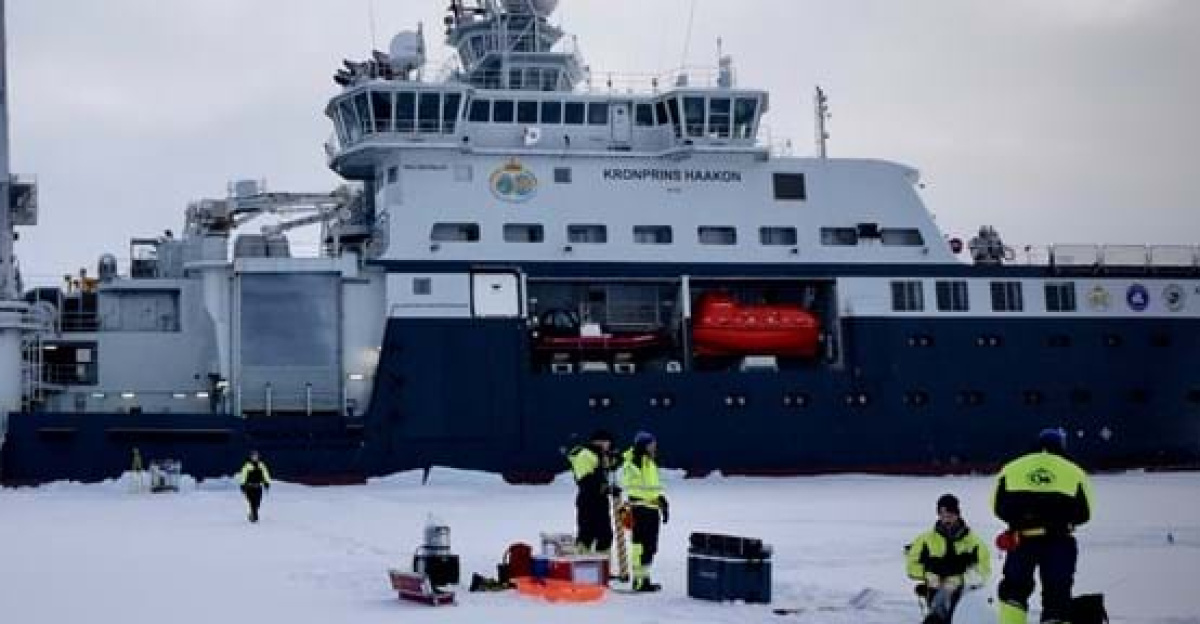
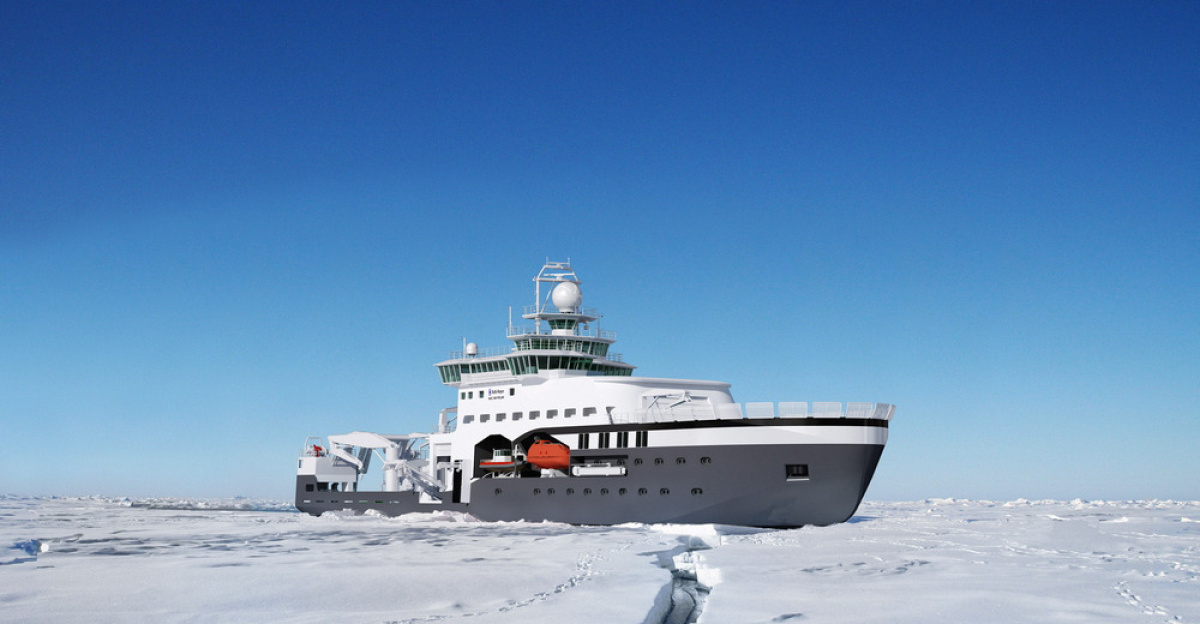
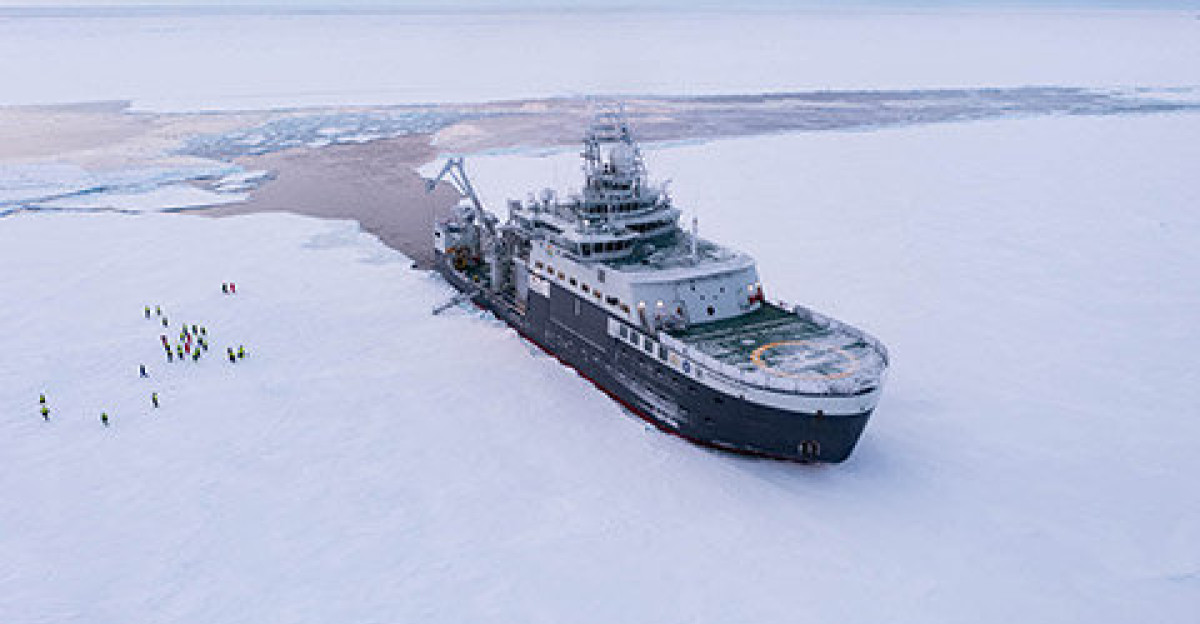
In May 2024, scientists aboard the research vessel Kronprins Haakon sent a remotely operated vehicle into the Greenland Sea, deeper than any previous methane cold seep discovery. On the Molloy Ridge, nearly 12,000 feet down, they found a thriving ecosystem powered by chemical energy, not sunlight. The Freya Hydrate Mounds could reshape climate, biodiversity, and Arctic governance debates, starting with the exact depth.
Nearly 12,000 Feet Down, Life Thrived
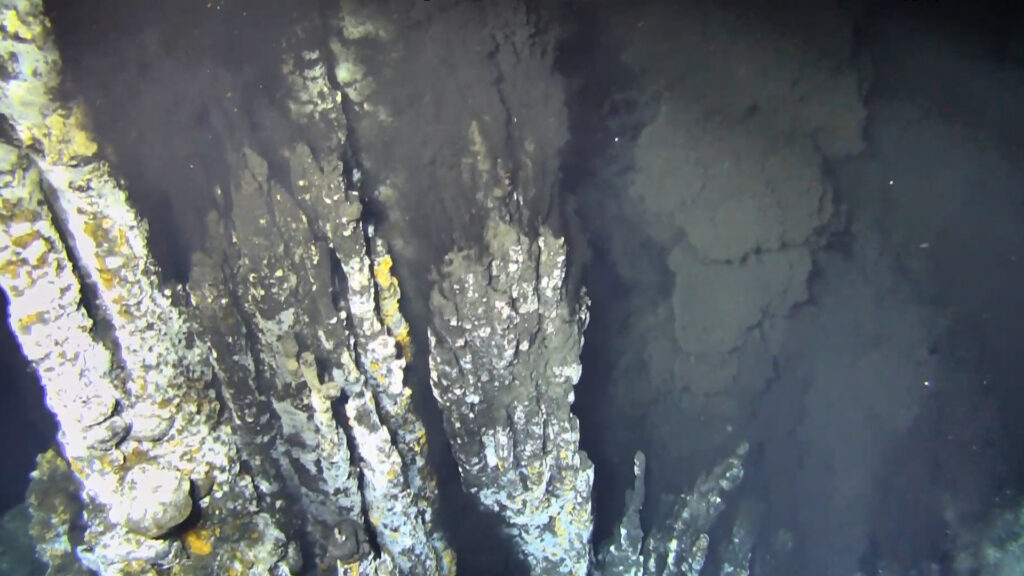
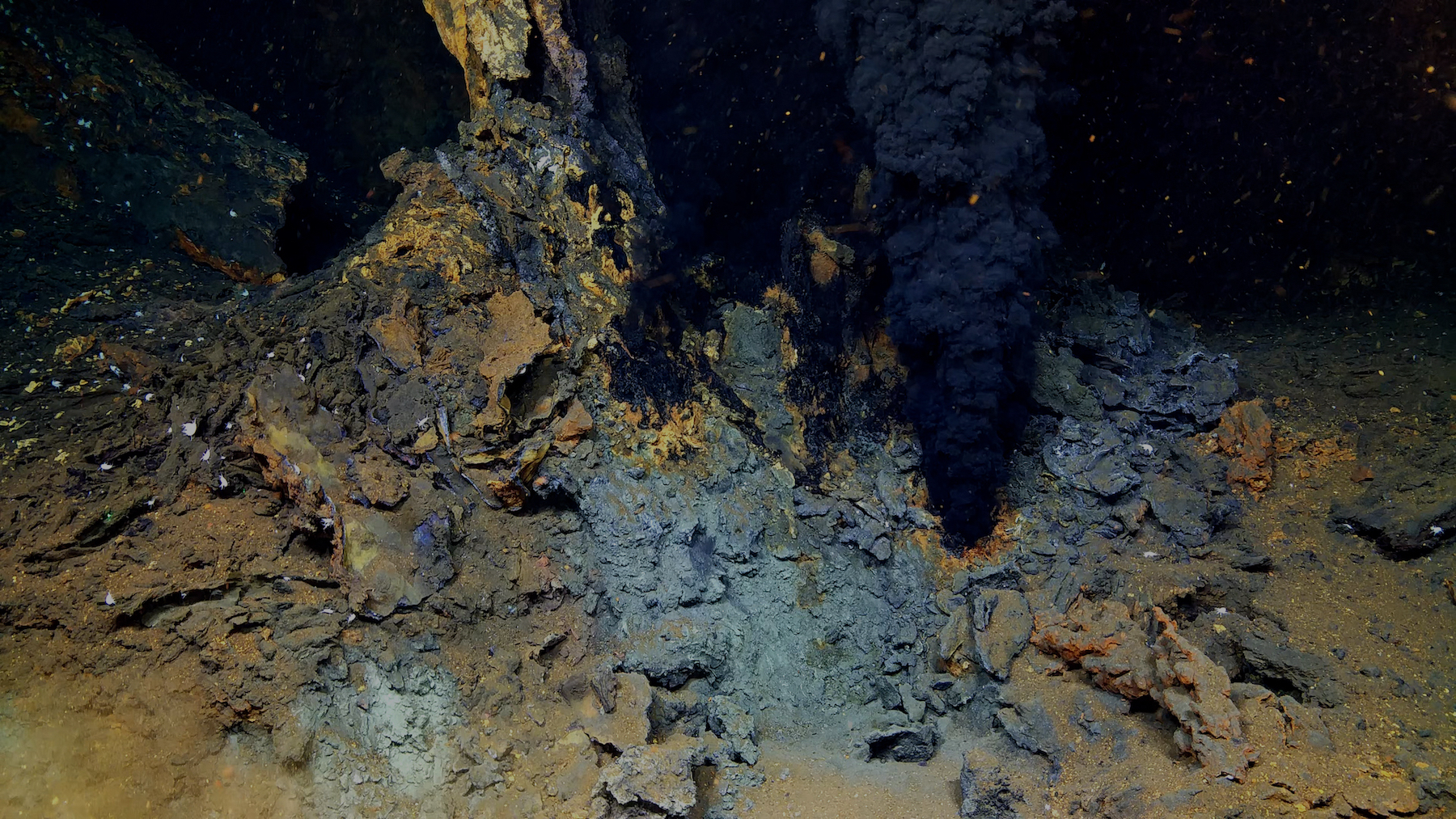
At nearly 4,000 meters below Arctic ice, the team entered a zone defined by darkness, crushing pressure, and near-freezing water. Yet the ROV cameras showed dense clusters of animals living on and around strange hydrate-covered terrain. For researchers used to sparse deep-sea scenes, the biomass looked like a true oasis. However, the real surprise was what fueled it.
Methane Seepage At 3,640 Meters
At 3,640 meters, methane escapes continuously from the seafloor and forms frozen gas hydrates. Some hydrate mounds reach 6 meters across, providing structure for a community built on chemical reactions. Freya pushes the known depth limit nearly 1,800 meters deeper than prior seep systems above 2,000 meters. But where did this methane originate?
Ancient Carbon From Miocene Sediments
The seepage is linked to Miocene-aged sediments, releasing carbon trapped millions of years ago. This is not fresh biological methane formed near the surface but material stored long before humans existed. That makes Freya both a record of deep-time geology and a modern active system. The expedition’s scale helped confirm the stakes behind each sample collected.
An Expedition Built For Extreme Depths
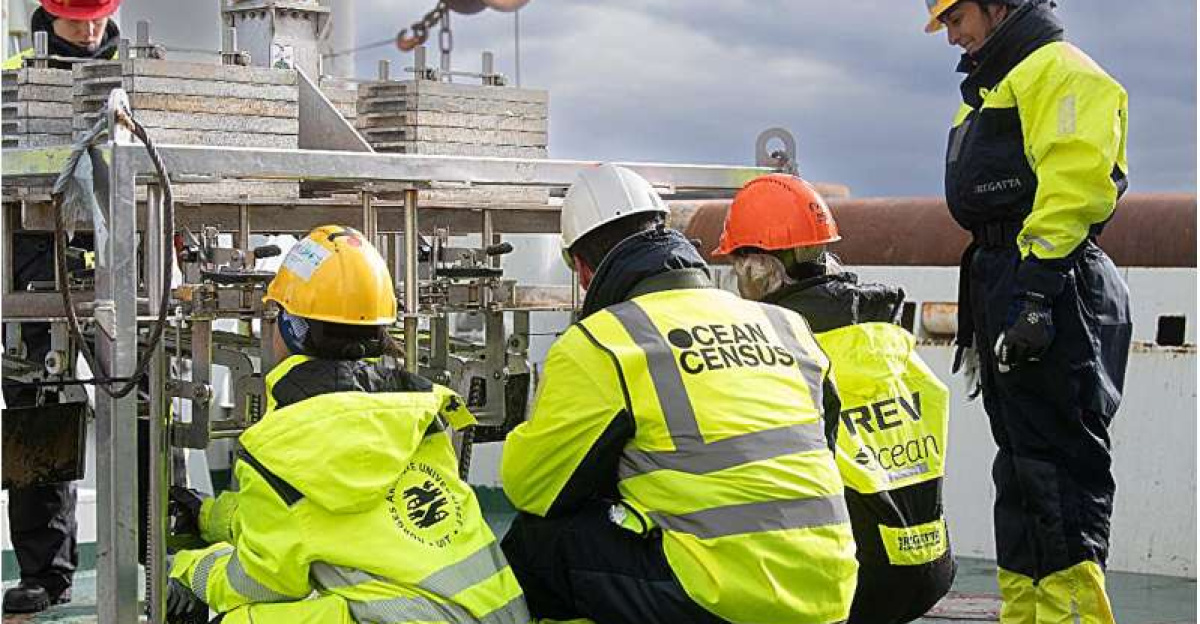
Ocean Census Arctic Deep EXTREME24 brought 36 scientists from 15 institutions to the Fram Strait between Greenland and Svalbard. Chief scientist Giuliana Panieri of UiT The Arctic University of Norway led a cross-disciplinary effort designed for hostile environments. Their key tool was Aurora, an ROV rated to 6,000 meters. What did Aurora actually find?
Freya Hydrate Mounds Came Into View
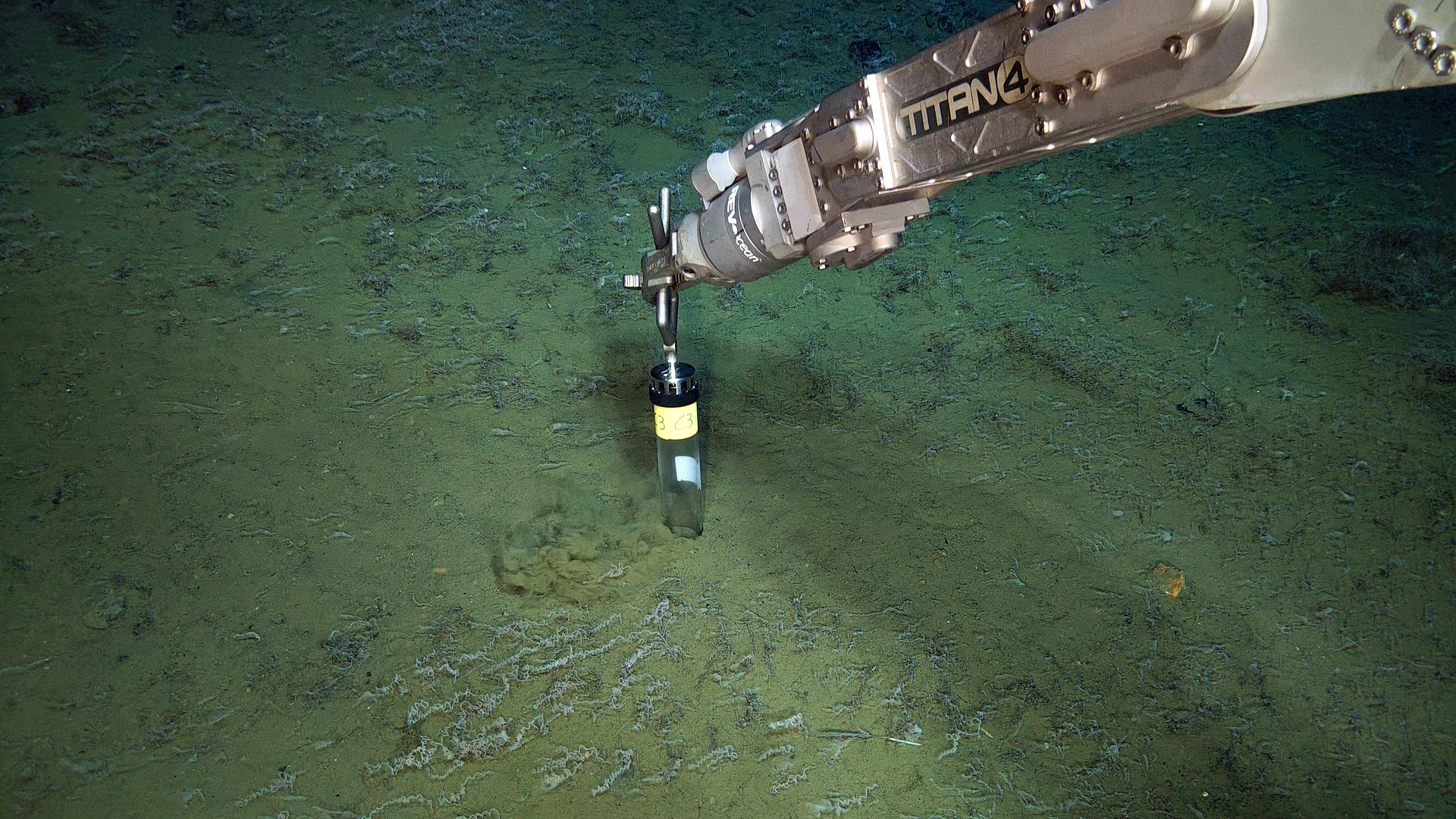
Cone-shaped mounds with collapse features suggested active processes shaping the seabed. Sonar mapping also detected methane-rich gas plumes rising more than 3,300 meters through the water column, among the tallest recorded globally. Chemical signals pointed to thermogenic methane and crude oil from ancient sediments, not bacterial production. Even the geology hinted at instability.
“This Discovery Rewrites the Playbook”
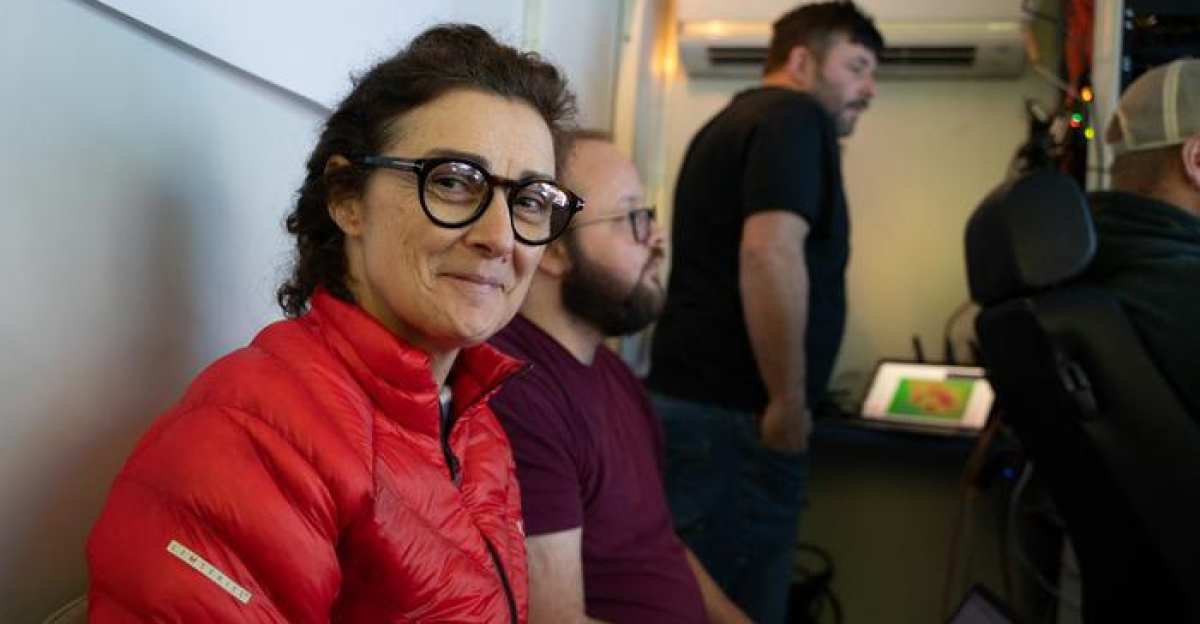
“This discovery rewrites the playbook for Arctic deep-sea ecosystems and carbon cycling. We found an ultra-deep system that is both geologically dynamic and biologically rich,” according to Giuliana Panieri, Chief Scientist of the expedition, on December 22, 2025. With that framing, attention shifted from rocks to animals. What could survive here?
A Crowd Of Species In Freezing Water
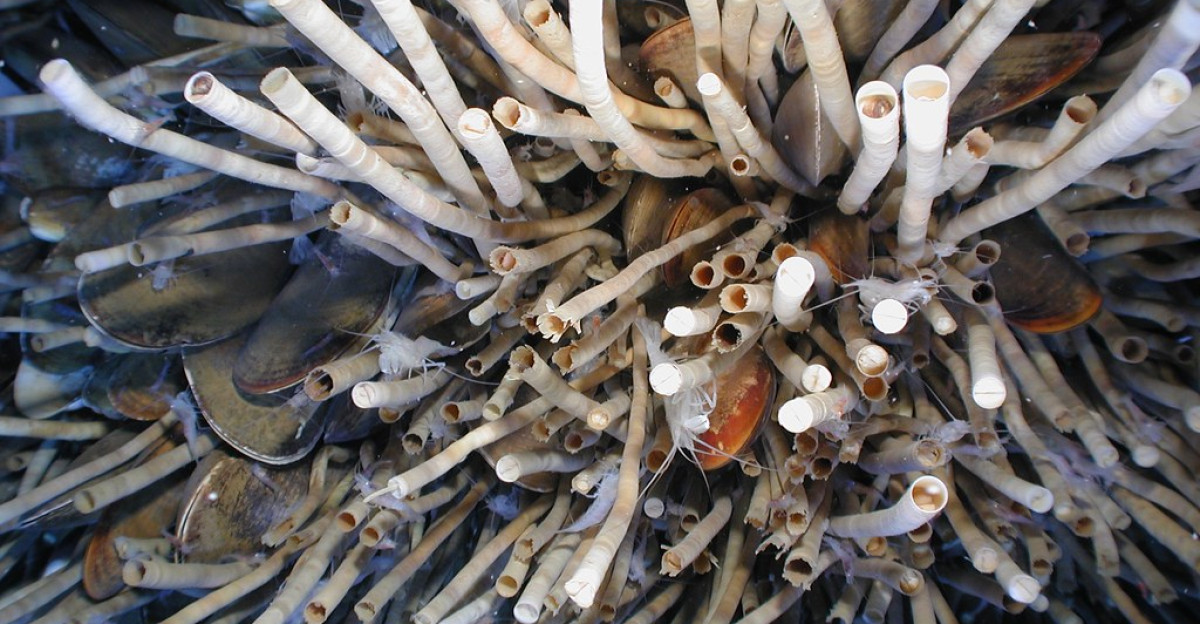
In water just above freezing and under 365 atmospheres of pressure, more than 20 faunal types colonized the mounds in dense, specialized clusters. Siboglinid tubeworms formed vast forests, while snails grazed on bacterial mats and amphipods scuttled through tangles hunting smaller life. The food source was the real mystery behind abundance.
How Life Works Without Sunlight
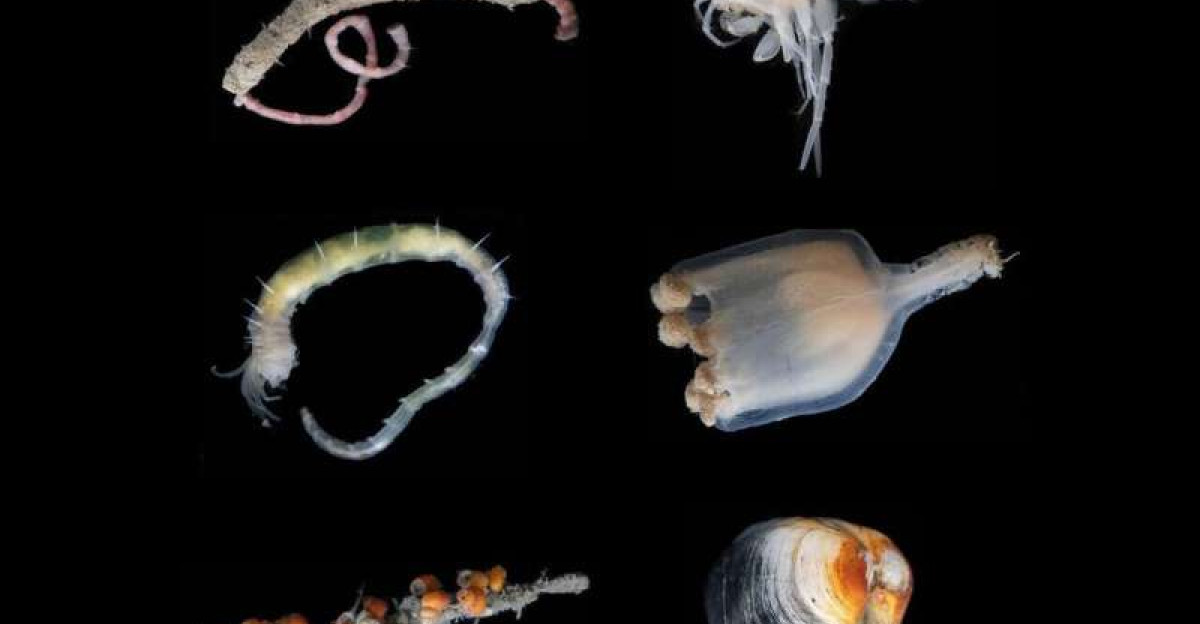
Freya’s ecosystem runs on chemosynthesis, not photosynthesis. Bacteria oxidize methane and hydrogen sulfide, releasing energy that supports growth at the base of the food web. Tubeworms host these microbes as internal symbionts, essentially farming them. This creates a self-contained chain independent of surface productivity. Could this kind of system exist elsewhere?
“Critical In Contributing To Biodiversity”

“The marine life that thrives around them may be critical in contributing to the biodiversity of the deep Arctic,” said Jon Copley of the University of Southampton, who led the biogeographic analysis, on December 22, 2025. That biodiversity matters because Freya connects geology and climate risks. The methane itself carries a warning.
Deep Time Meets Today’s Warming Oceans
Freya’s methane and oil formed over millions of years as buried organic matter became hydrocarbons. Slow tectonic and fluid processes drove them upward, creating active seepage today. But warming seas and shifting pressure could destabilize hydrates globally, releasing stored carbon. Freya becomes a living lab and a climate signal at once. Still, it may not be alone.
A Clue Linking Seep And Vent Fauna
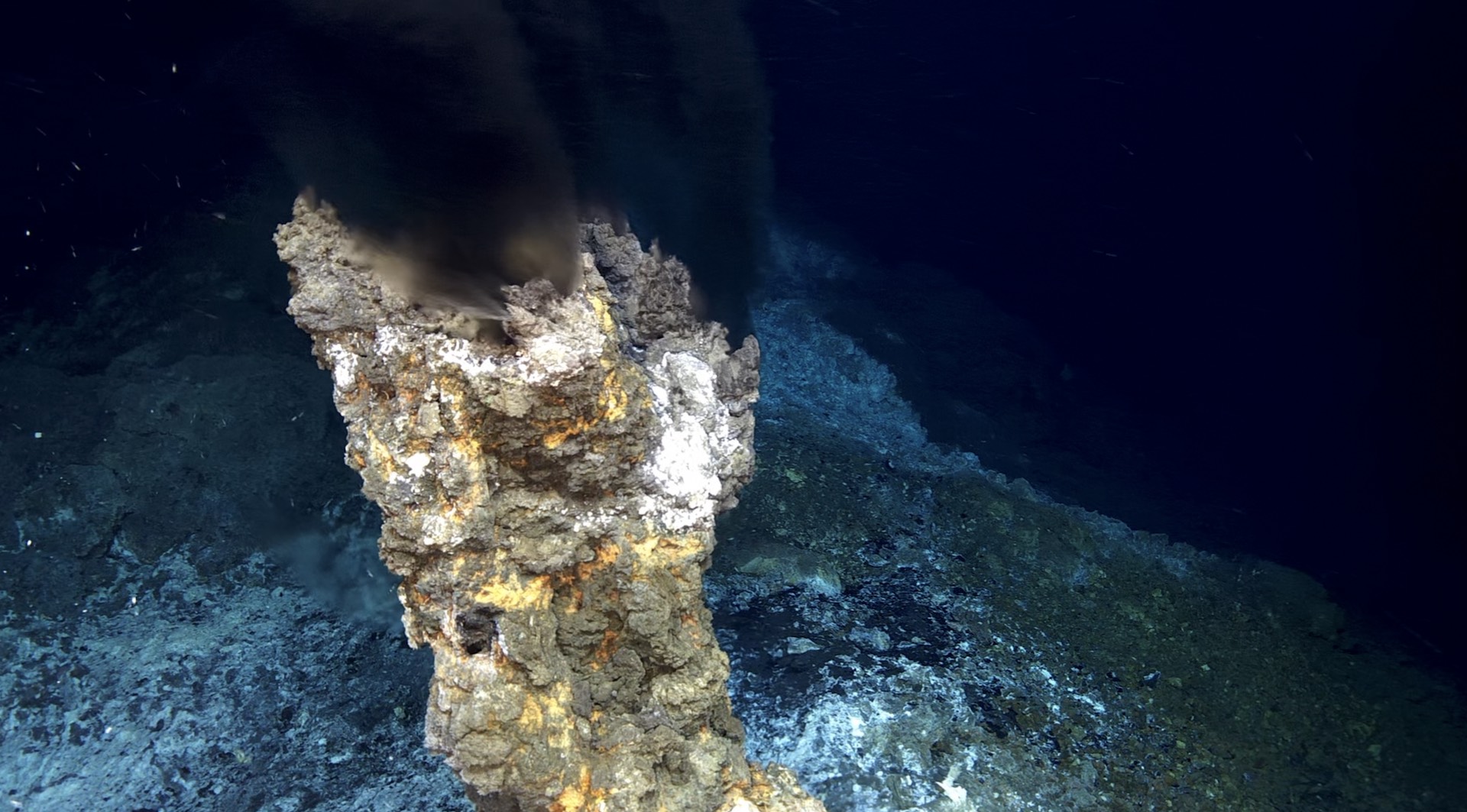
Freya’s animals closely resembled those at the nearby Jøtul hydrothermal vent field at 3,020 meters, despite different energy sources. Vents release superheated mineral-rich fluids, while seeps discharge cooler chemical-rich flow, yet the community overlap suggests unexpected connectivity. That challenges standard models of isolated deep habitats. Could more hidden sites be connected too?
“More Very Deep Seeps Await Discovery”
“There are likely to be more very deep gas hydrate cold seeps like the Freya mounds awaiting discovery in the region,” according to Jon Copley on December 22, 2025. Acoustic surveys already suggest additional methane plumes nearby. If multiple seeps exist, the conservation and climate implications grow fast. Yet the methane plume behavior is its own story.
Methane Plumes As A Carbon Highway
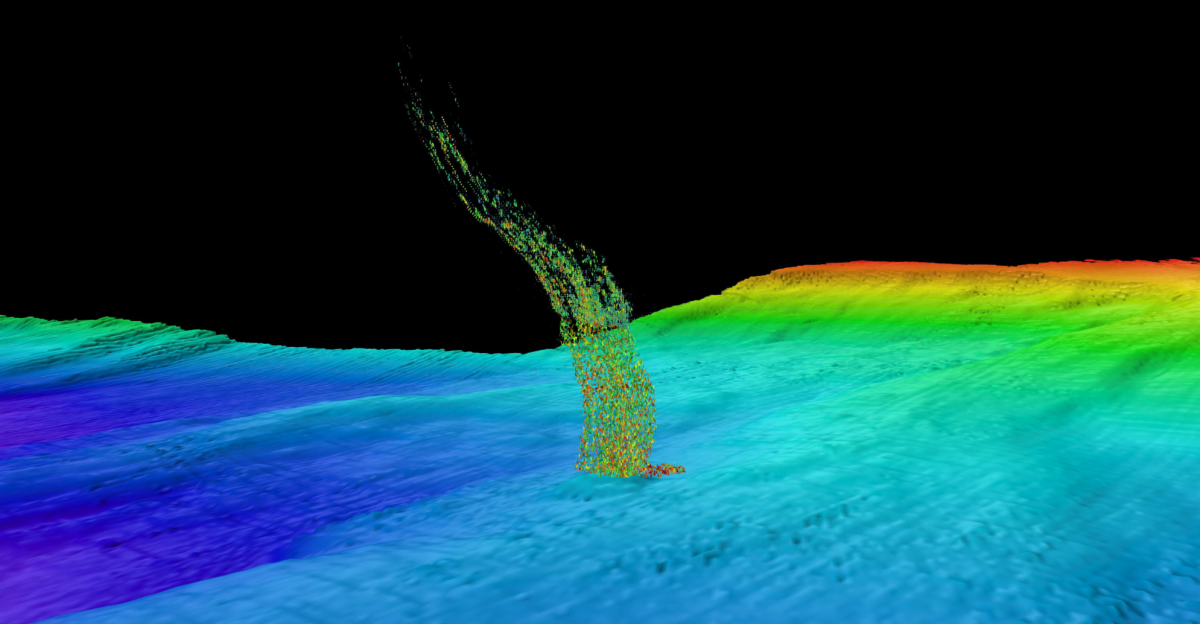
Freya’s towering gas plumes give scientists a chance to track methane from frozen deposits into the water column. Researchers observed hydrate structures forming, destabilizing, and collapsing on observable timescales, hinting at dynamic change. As warming reaches the Fram Strait, these systems may shift dramatically. The question is how much methane gets processed on the way up.
Methane, Microbes, And Acidification Pressure

As methane rises, oxygen-rich waters allow specialized bacteria to consume some of it, converting methane to carbon dioxide and contributing to ocean acidification. Modeling suggests some methane could still reach the atmosphere, where it acts as a potent greenhouse gas 25 times more effective than carbon dioxide per molecule. That makes measurement urgent. But human activity may alter Freya first.
Deep-Sea Mining Raises The Stakes
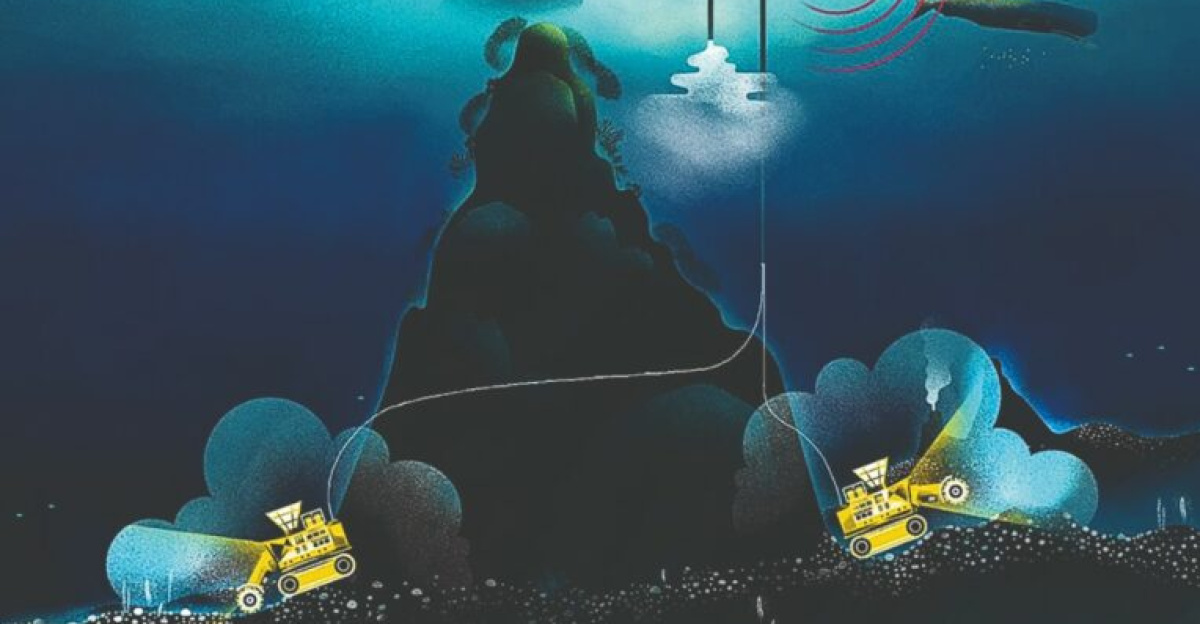
“These island-like habitats on the ocean floor will need to be protected from any future impacts of deep-sea mining in the region,” according to Jon Copley, University of Southampton, on December 22, 2025. The Molloy Ridge lies within areas Norway opened for seabed mineral exploration in early 2024, raising immediate alarm. Could policy move quickly enough?
Norway’s Surprise Pause On Licensing

Norway’s government paused the first licensing round for deep-sea mining in early 2024, reversing prior momentum. By December 2024, the newly elected government extended the pause until at least the end of 2029. Norway also cut public funding for government-led seabed mineral mapping. Environmental advocates saw discoveries like Freya shifting the argument. But global pressure mattered too.
“We Will Not Let This Industry Destroy”
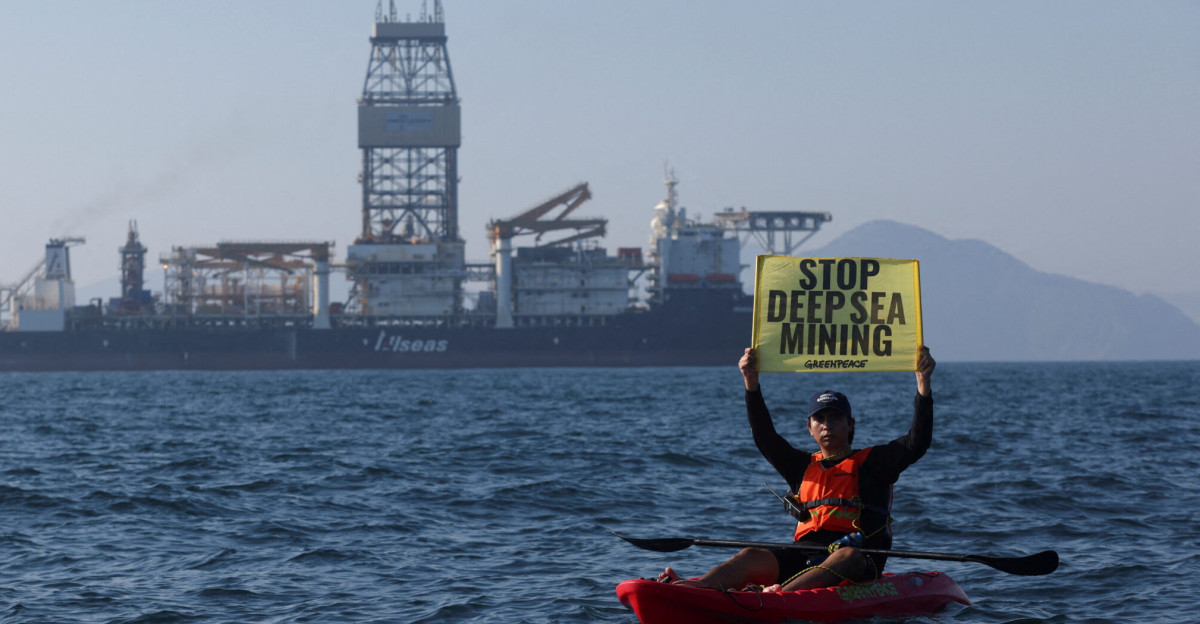
“Deep sea mining in Norway has once again been successfully stopped. We will not let this industry destroy the unique life in the deep sea,” stated Haldis Tjeldflaat Helle, Deep Sea Mining Campaigner at Greenpeace Nordic, after Norway’s December 2024 decision. Over 40 countries and nearly 1,000 scientists supported moratoriums or bans. Still, biology offered another warning sign.
Ancient DNA And Reproduction In The Deep
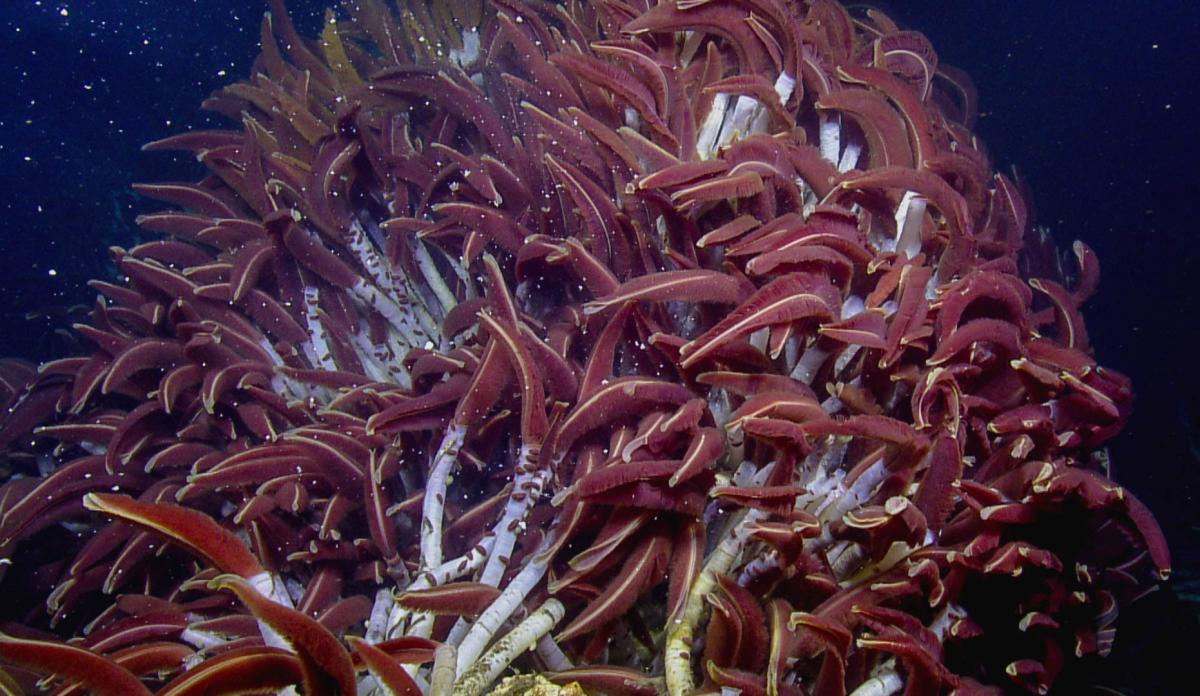
Genetic work on Arctic cold-seep fauna shows ancient lineages specialized for chemosynthetic life. Species like Oligobrachia haakonmosbiensis span from Norwegian waters into Fram Strait latitudes, forming cryptic complexes. Juvenile forms at Freya indicate active reproduction and sustained populations, not a dying remnant. That makes disturbance a permanent loss. The science record became official in late 2025.
“Every Time We See The Seafloor”
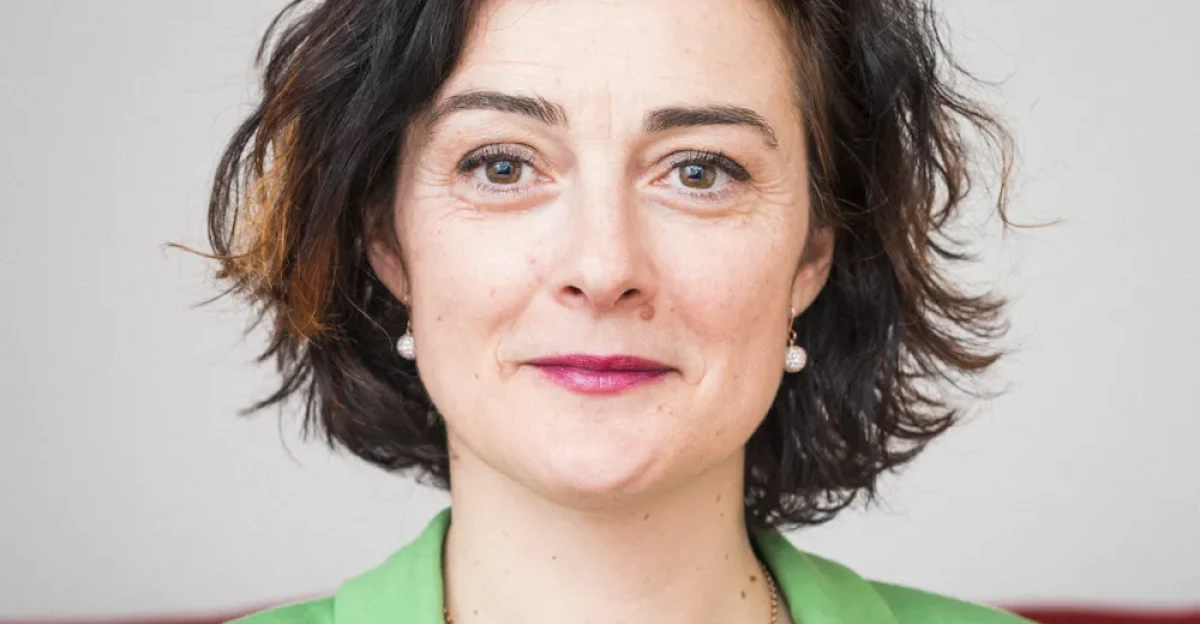
“Every time we have the possibility to see the seafloor, we discover something new,” Giuliana Panieri noted in her reflections on the expedition, emphasizing the frontier nature of deep-sea science. The peer-reviewed study appeared in Nature Communications on December 17, 2025, with maps, imagery, and geochemical analyses. With attention rising, the final question sharpened into a choice.
Preservation Or Exploitation Under Arctic Ice?
Freya is more than a single discovery at 3,640 meters. It is evidence that extreme deep-sea habitats can be biologically rich, climate-relevant, and vulnerable to industrial disruption. As mining interest grows and warming advances, today’s decisions will determine whether these ancient oases persist. The creatures cannot advocate for themselves, yet their existence forces accountability. Will protection arrive before pressure does?
Source
Deep-sea gas hydrate mounds and chemosynthetic fauna discovered at 3640 m on the Molloy Ridge, Greenland Sea. Nature Communications, December 17, 2025
Deepest gas hydrate cold seep ever discovered in the Arctic at 3,640 m depth. Phys.org, December 22, 2025