
ABC’s decision to slash the music budget on Jimmy Kimmel Live! marks a turning point for broadcast late night. Beginning in early 2026, the long-running Hollywood show will dramatically reduce musical performances, ending an era when live bands were nearly nightly fixtures.
The move signals how fragile late-night economics have become after years of audience erosion, political controversy, and collapsing ad revenue across the entire broadcast landscape.
The Turbulent Year That Set the Stage
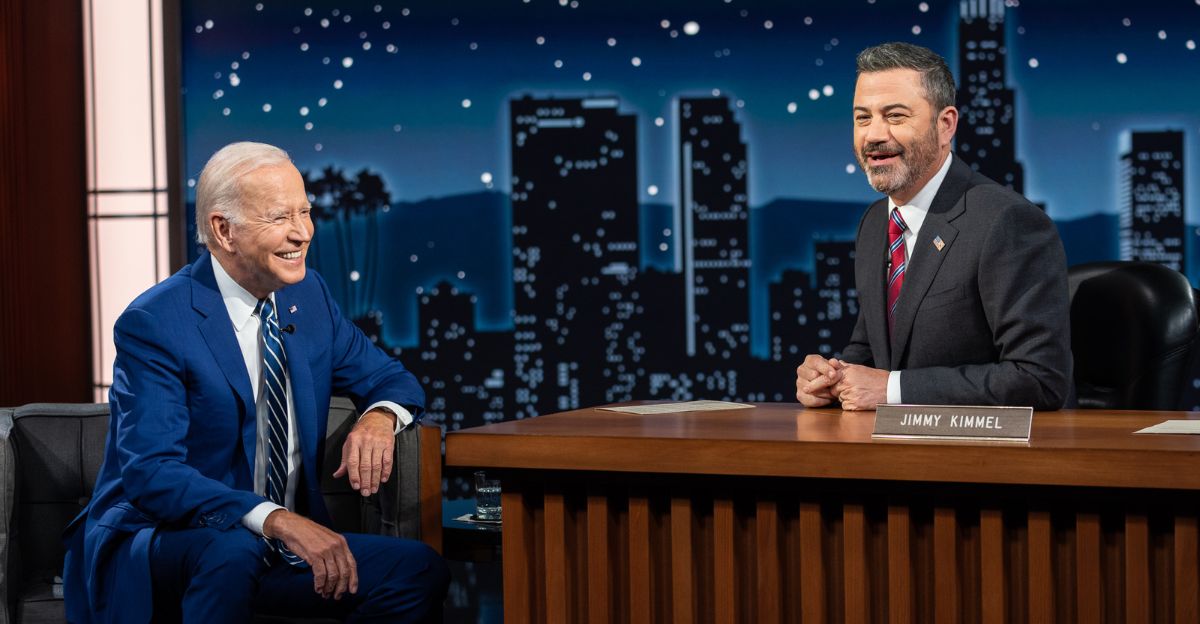
The cuts follow a chaotic 2025 for host Jimmy Kimmel and ABC. After a controversial monologue tied to the assassination of political activist Charlie Kirk, the show was suspended indefinitely in mid-September, only to be reinstated days later.
The episode exposed how vulnerable late-night programming has become to political pressure, public backlash, and corporate risk calculations inside Disney-owned ABC.
What Triggered the Suspension
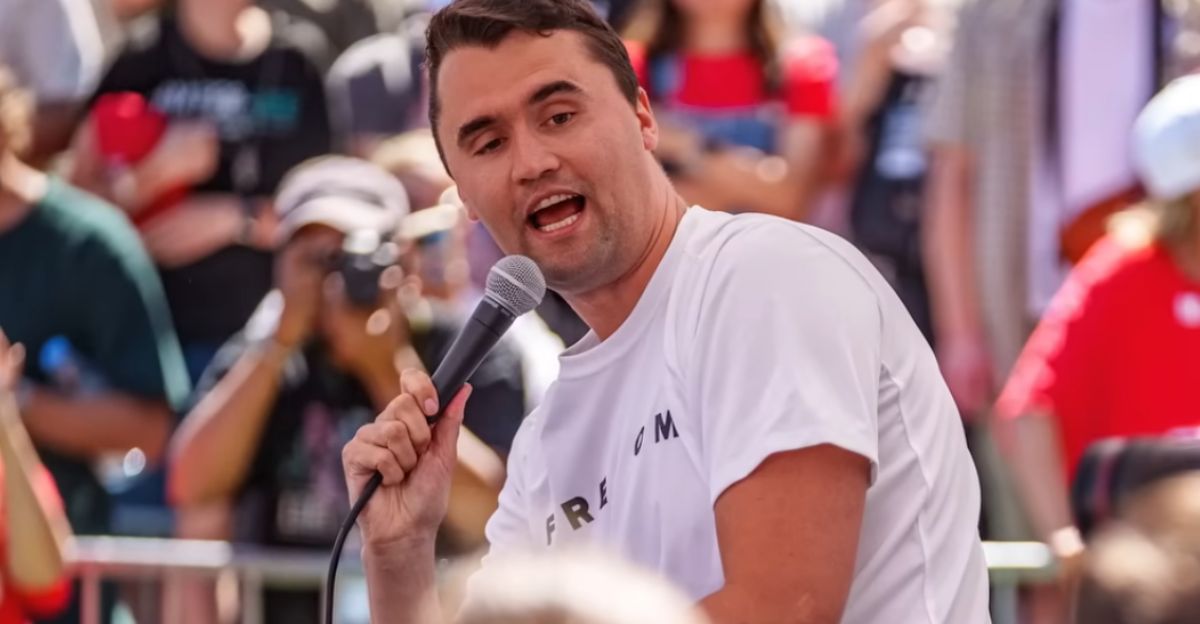
Kimmel’s September 15, 2025, monologue referenced the killing of Charlie Kirk, who had been shot days earlier at Utah Valley University.
The comments sparked immediate outrage in conservative media circles. While ABC never publicly detailed which lines crossed the line, the reaction escalated quickly, turning a comedian’s monologue into a national political flashpoint within hours.
FCC Pressure Enters the Picture
Just two days after the monologue, Brendan Carr appeared on a conservative podcast and issued a stark warning to Disney and ABC. His “easy way or hard way” remark suggested regulatory consequences without spelling out formal action.
The implication was clear: broadcast licenses and pending approvals could be at stake, instantly raising the stakes for network executives.
An Indefinite Suspension That Didn’t Last
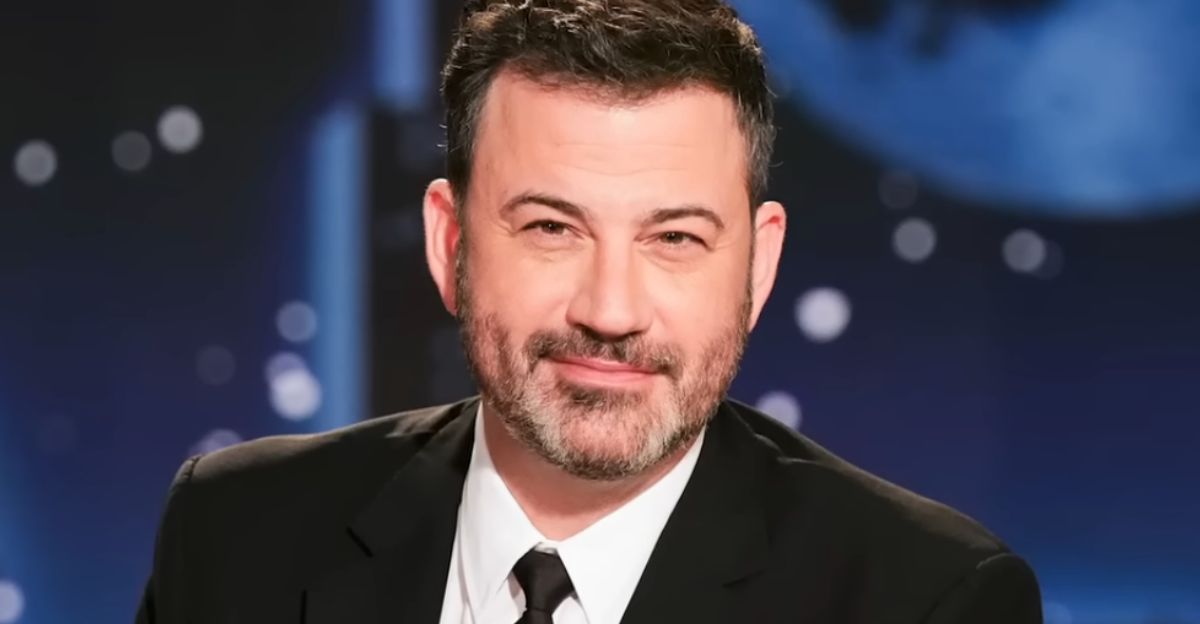
On September 18, 2025, ABC announced an indefinite suspension of the show.
Within hours, two of the nation’s largest station groups, Nexstar Media Group and Sinclair Broadcast Group, preempted Kimmel across their affiliates. The blackout lasted less than a week, undone by intense public backlash and fears of overreach.
A Ratings Explosion on the Way Back
When “Jimmy Kimmel Live!” returned on September 24, the results stunned the industry. The comeback episode drew 6.5 million live and same-day viewers, the second-highest rating in the show’s history.
Online, the impact was even bigger. Within two weeks, clips from the episode amassed roughly 22 million YouTube views, dwarfing traditional broadcast numbers.
From Ratings Win to Budget Axe
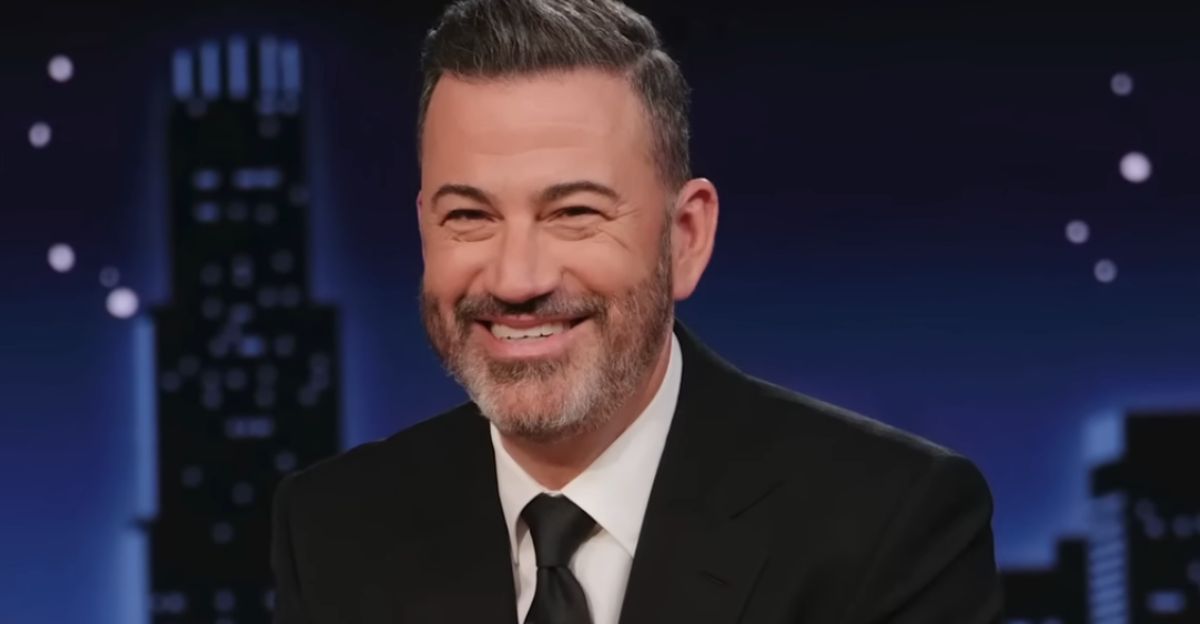
Despite the surge in attention, ABC did not reward the show with expanded resources. Instead, just months later, the network quietly ordered deep cost reductions.
In January 2026, staff were informed that musical performances would be cut from roughly five per week to about two, a reduction of nearly 60 percent, with no official explanation provided.
Why Music Became the Target
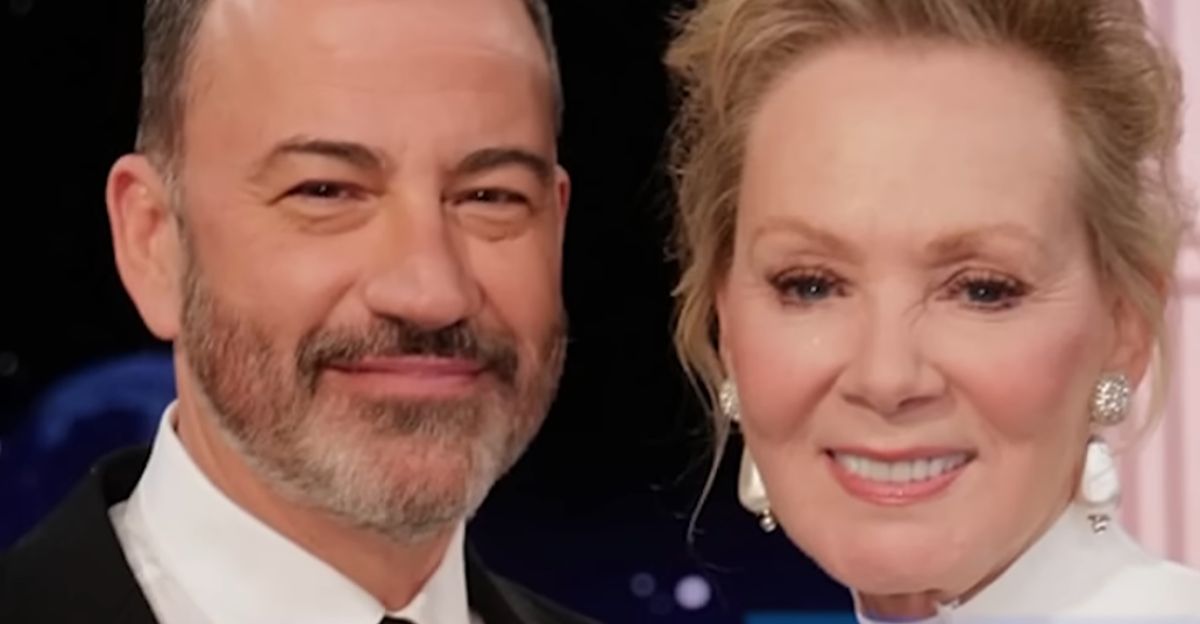
Music segments are among the most expensive parts of a late-night show. Full bands require additional stage crews, sound engineers, rehearsals, licensing, and overtime costs.
By cutting music while keeping the hour-long format intact, ABC preserves advertising inventory while trimming one of the show’s costliest elements, avoiding more visible changes like staff layoffs or fewer episodes.
The Size of the Budget at Stake
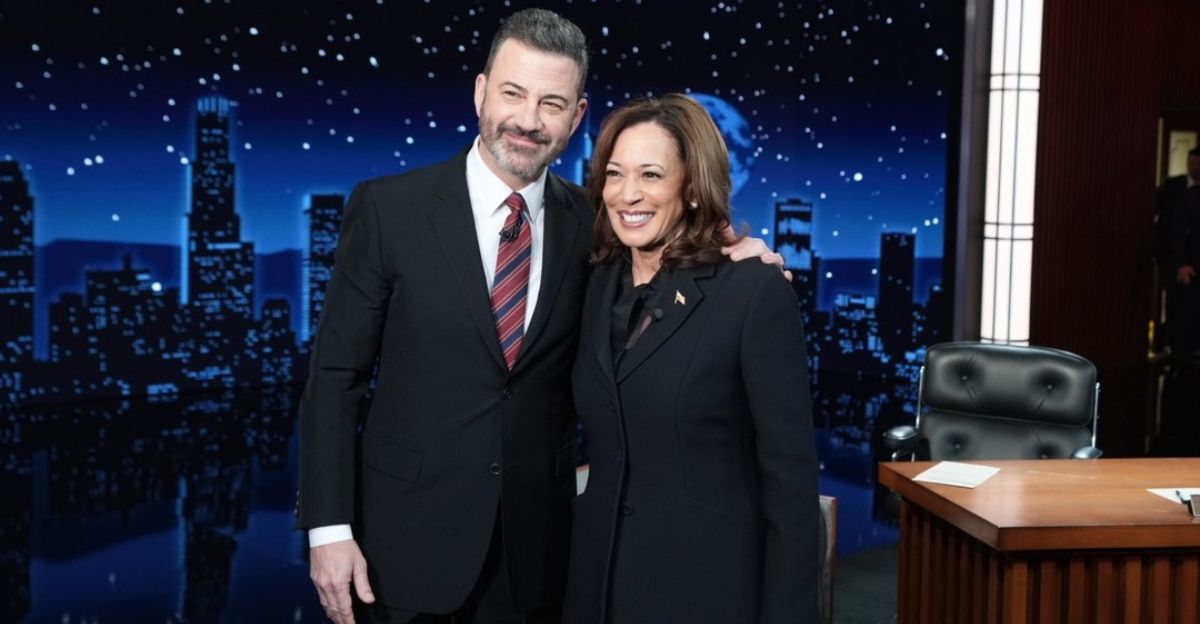
Kimmel has publicly stated that his show costs about $120 million a year to produce, an unusually transparent admission in an industry that rarely discusses budgets.
With late-night ad revenue shrinking dramatically, that figure looms large. Even modest trims to music can translate into tens of millions in annual savings without altering the show’s on-air runtime.
The Broader Late-Night Collapse
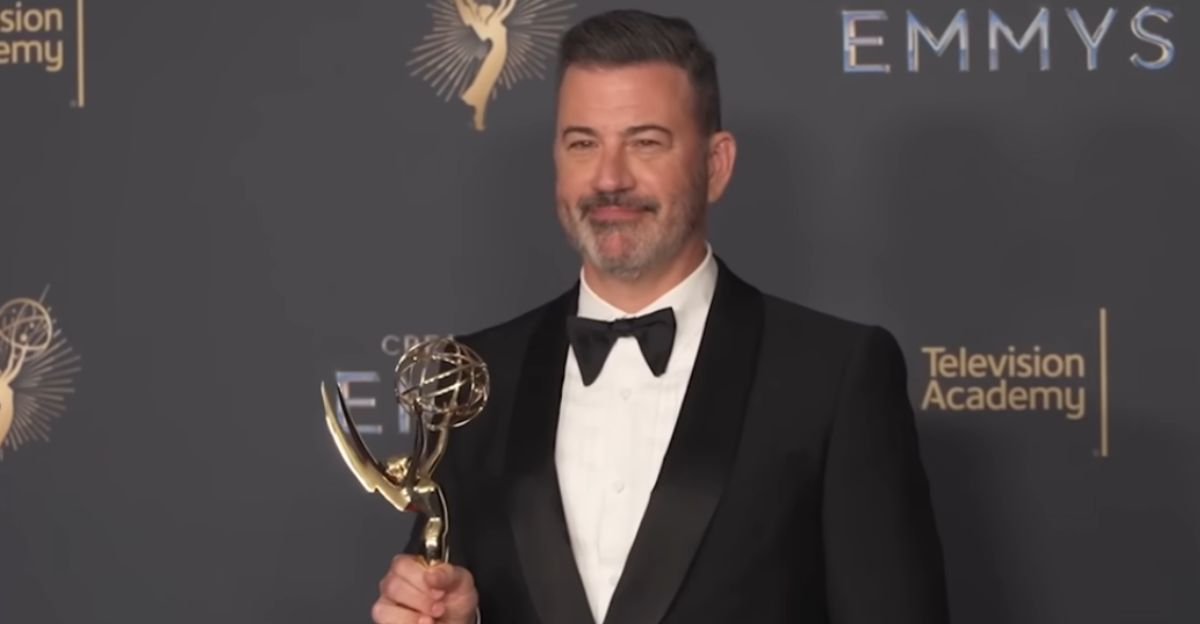
Kimmel’s cuts reflect a genre-wide downturn. Since 2015, late-night shows have lost an estimated 70 to 80 percent of their audience.
Advertising revenue across ABC, CBS, and NBC has been cut roughly in half since 2018. What once seemed like temporary ratings slumps now looks like a structural decline for broadcast late night.
Fallout for the Music Industry
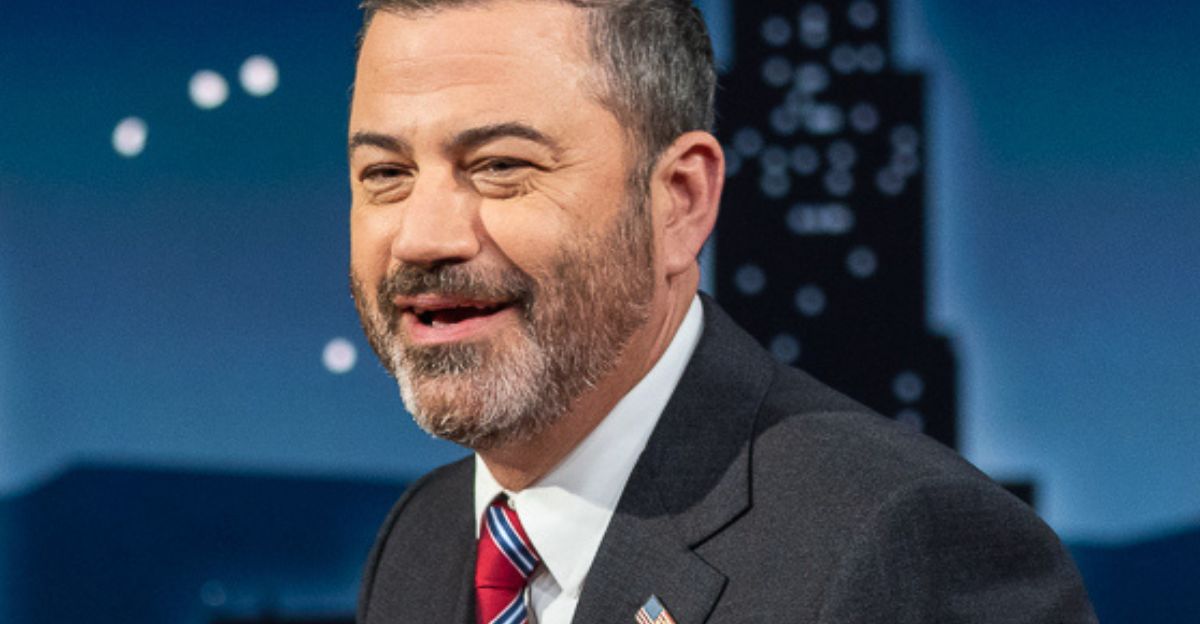
The consequences extend far beyond Hollywood studios. Late-night TV once booked around 800 musical performances annually in the early 2010s.
By 2023, that number had already fallen to about 200. Kimmel’s reduction alone removes an estimated 150 to 200 performance slots per year, narrowing one of the last remaining national TV launchpads for emerging artists.
The Human Cost Behind the Curtain
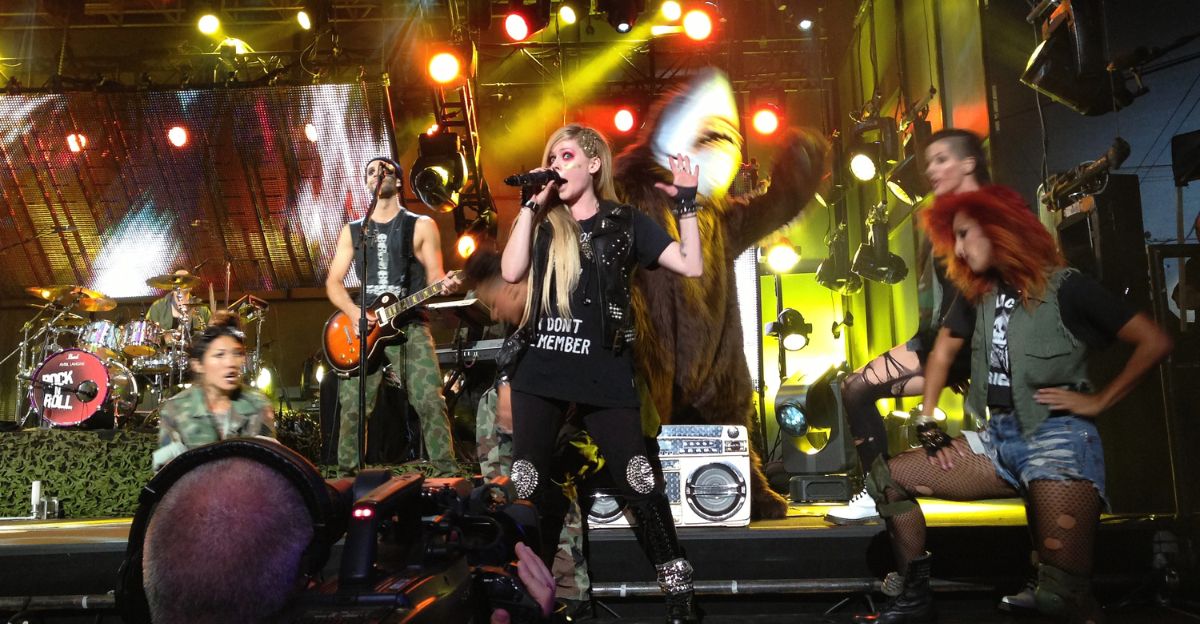
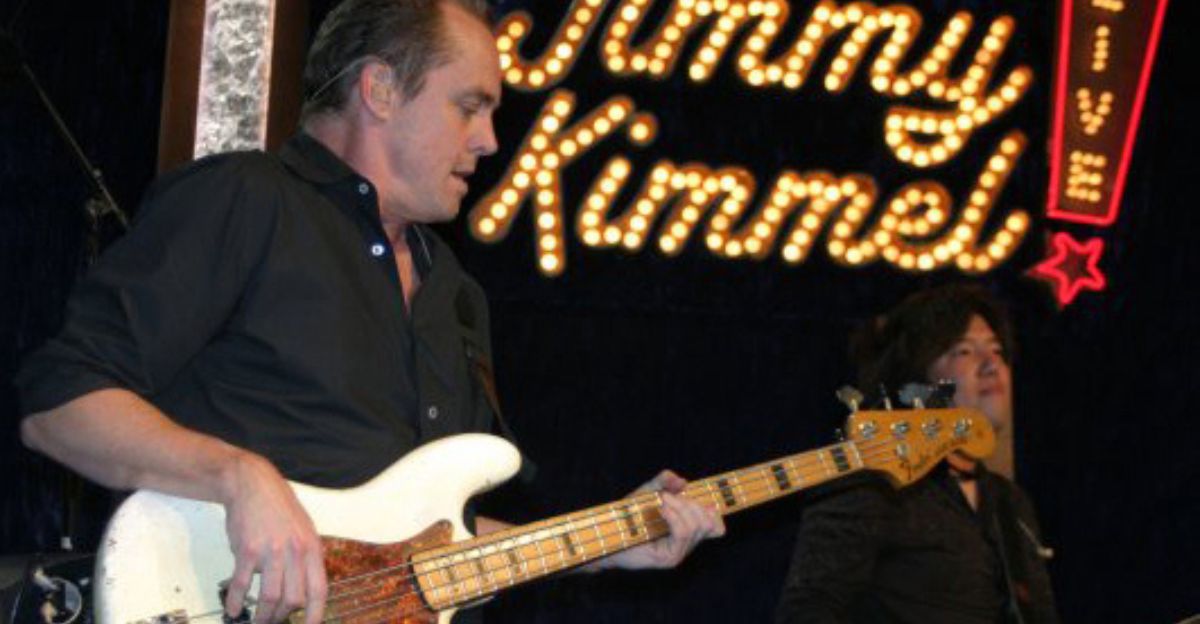
Music producer Jim Pitt has been notifying staff and partners of the changes in recent weeks. Fewer performances mean fewer paid nights for sound crews, lighting technicians, and house band members.
Publicists and tour managers lose a reliable promotional stop, illustrating how a single programming decision ripples through creative careers and unionized labor.
Global Reach, Global Impact
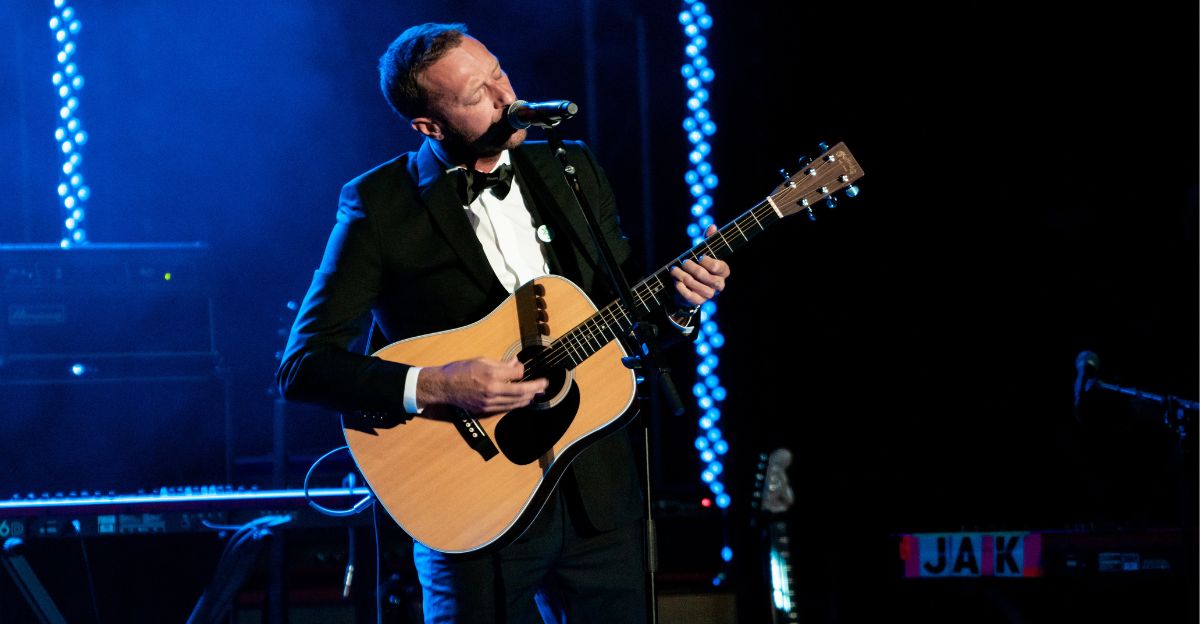
Although taped in Hollywood, Kimmel’s musical segments reach far beyond the U.S. Through YouTube and social media, performances often serve as global introductions for international artists.
With fewer segments being taped, overseas musicians may increasingly bypass late-night TV altogether, redirecting efforts toward festivals, streaming premieres, and algorithm-driven platforms.
Politics, Free Speech, and Timing
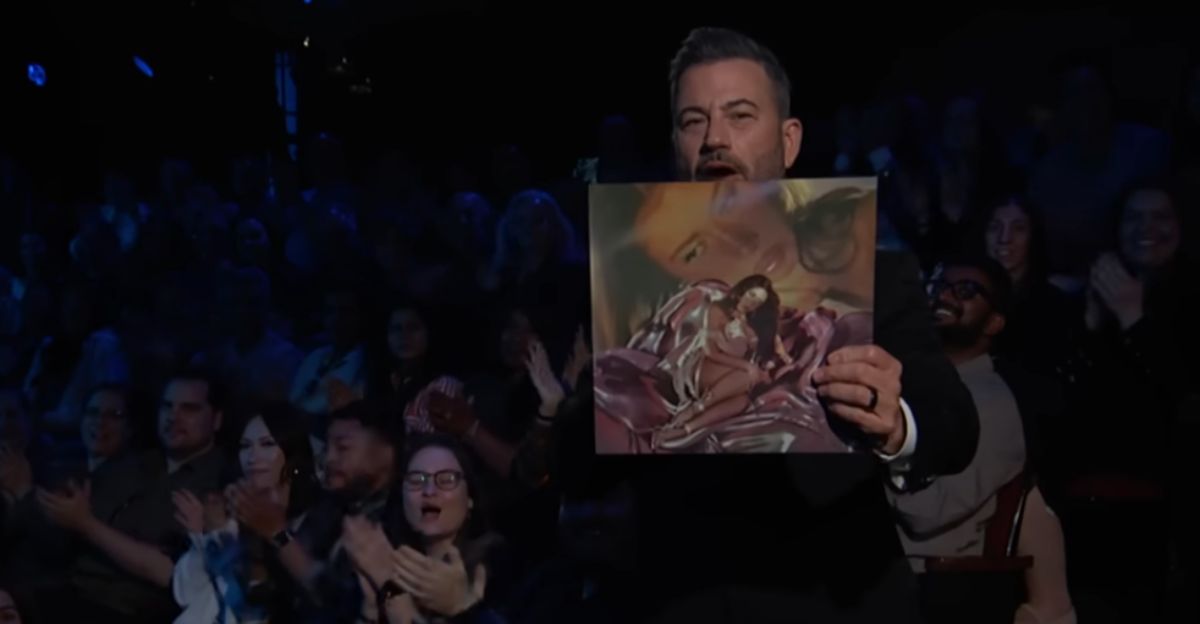
The timing of the cuts continues to fuel debate. Critics argue the financial rationale existed long before January 2026, yet the reductions followed months after FCC pressure and a politically charged suspension.
Supporters of the network counter that economics alone drove the decision. The overlap of politics and budgeting has left Hollywood uneasy.
A Genre in Retreat
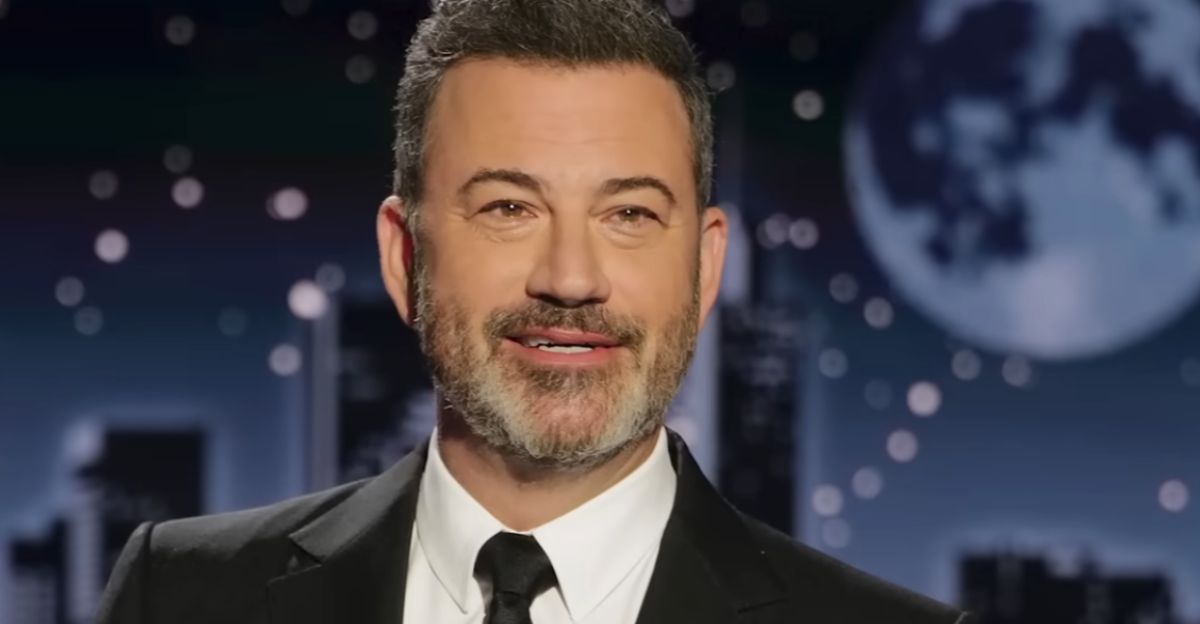
Kimmel is not alone. NBC’s “Late Night with Seth Meyers” has already dropped its house band. CBS has announced the end of “The Late Show with Stephen Colbert” in 2026 after years of reported losses.
What remains is a stripped-down version of late night, with fewer live elements and lower cultural ambition.
YouTube vs. Broadcast Reality

One paradox defines this moment. Kimmel’s comeback proved that demand still exists, with online audiences quadrupling TV viewership.
Yet network decisions remain anchored to declining broadcast metrics. The disconnect raises a fundamental question: why are shows judged by a shrinking platform when their digital reach continues to explode?
Investors and Corporate Calculus
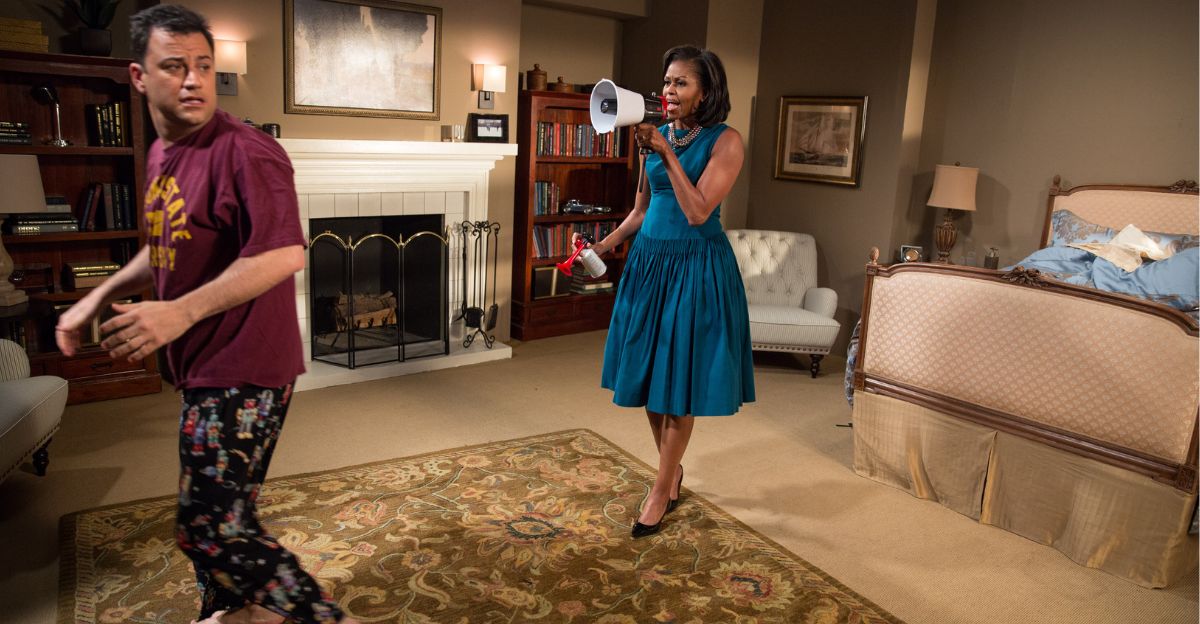
For Disney, which owns ABC, the cuts signal tighter cost discipline across legacy television. Investors increasingly prioritize margins over prestige.
Expensive formats like late-night talk shows now compete with scalable streaming franchises, making every budget line item subject to scrutiny, even for programs that still dominate key demographic rankings.
What Viewers Lose
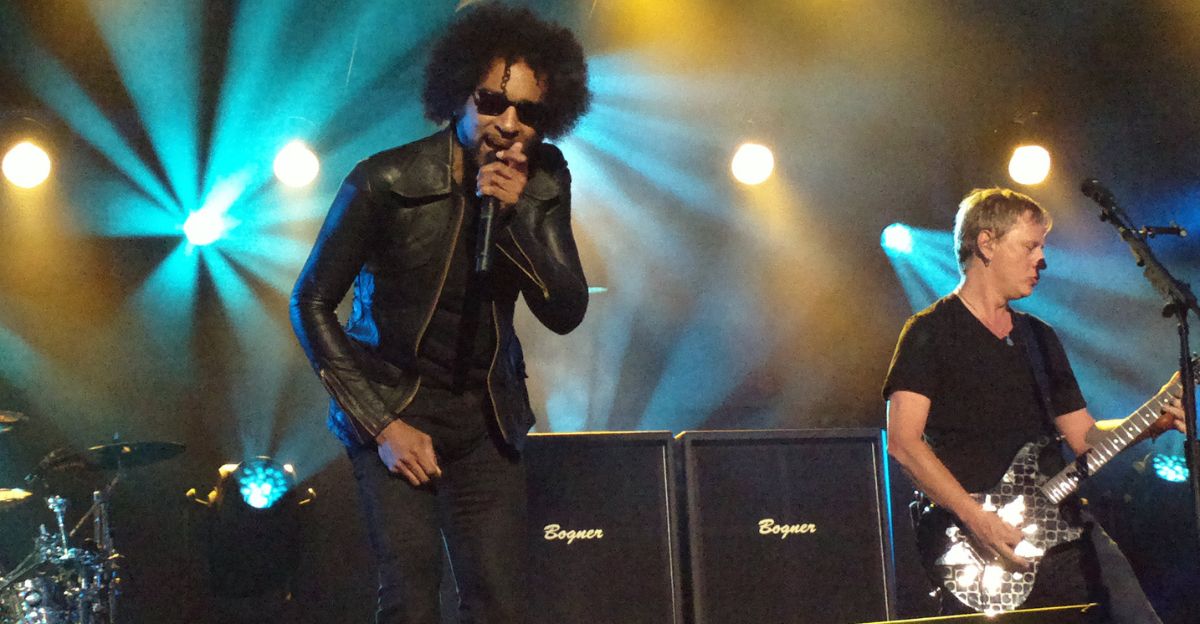
For fans, the loss is cultural as much as practical. Live music offered something unpredictable and communal that interviews often do not.
As musical performances disappear, late night risks becoming interchangeable content rather than a shared national stage for discovery, spontaneity, and live performance energy.
Kimmel’s Clock Is Ticking
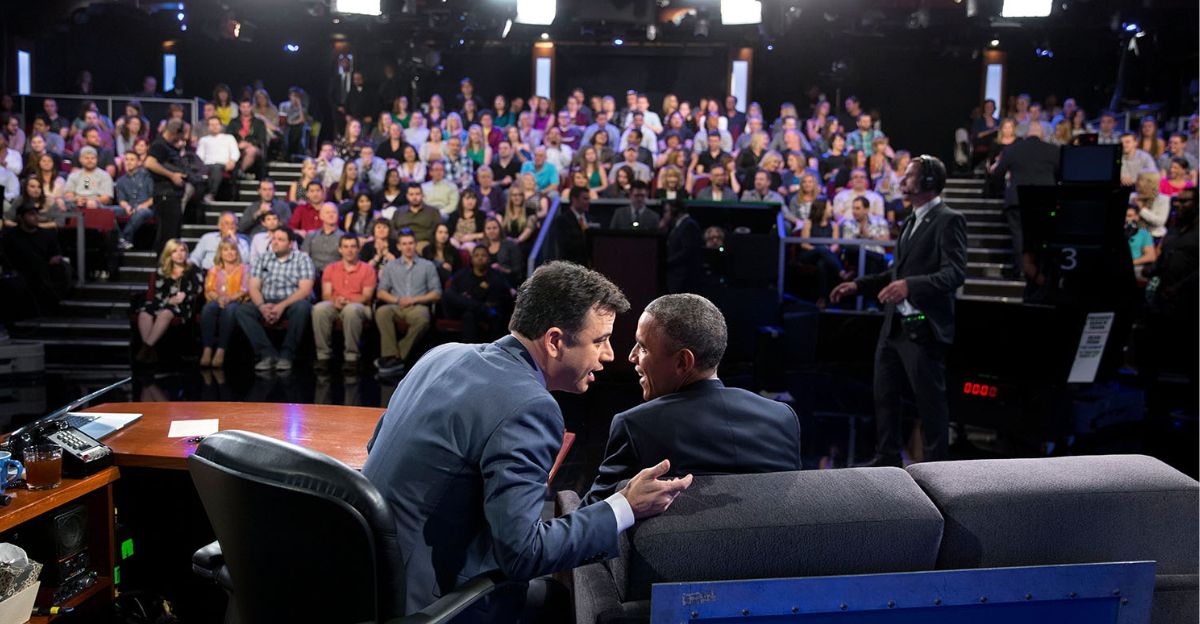
Kimmel’s one-year contract extension, signed in December 2025, keeps him on air through May 2027. That timeline now feels like a countdown.
With peers canceled or cut back, the question is whether a leaner version of the show can survive, or whether this marks the beginning of a prolonged farewell.
A Smaller Stage, Bigger Meaning
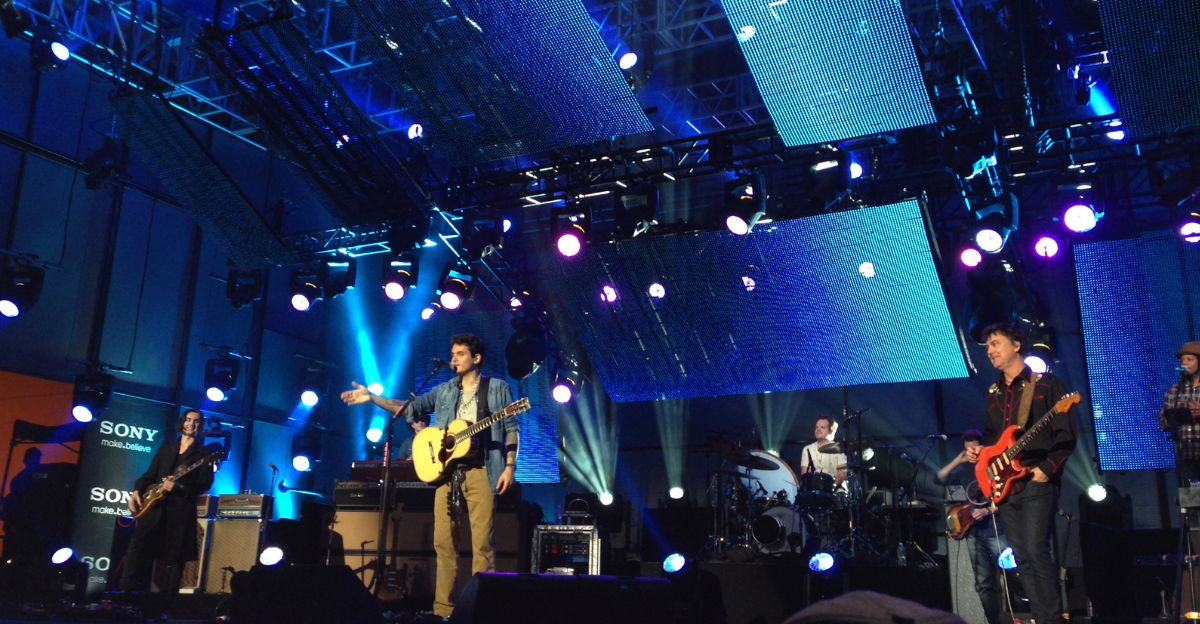
ABC’s decision to gut much of the music budget is not just about saving money. It captures a broader transformation where political pressure, collapsing ad markets, and changing viewer habits converge.
Late-night television is no longer slowly fading. It is being reshaped in real time, one suspension, one budget cut, and one lost stage at a time.
Sources:
“‘Jimmy Kimmel Live’ to Decrease Music Performances to a ‘Variable’ Number Per Week.” Variety, 6 Jan 2026.
“Suspension of Jimmy Kimmel Live!” Wikipedia, Sept 2025.
“FCC’s Carr: Jimmy Kimmel misled on Charlie Kirk killing.” CNBC, 18 Sept 2025.
“How Musical Guests Disappeared from Late Night TV.” Consequence, 9 Apr 2025.