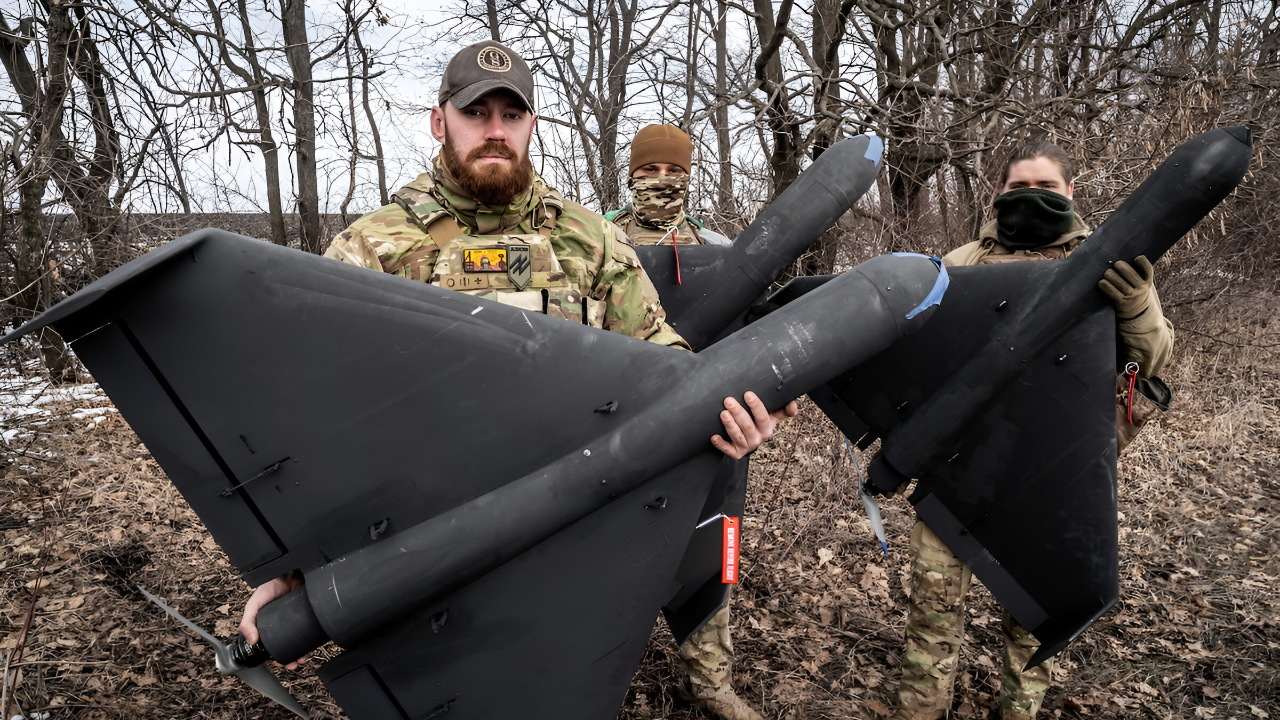
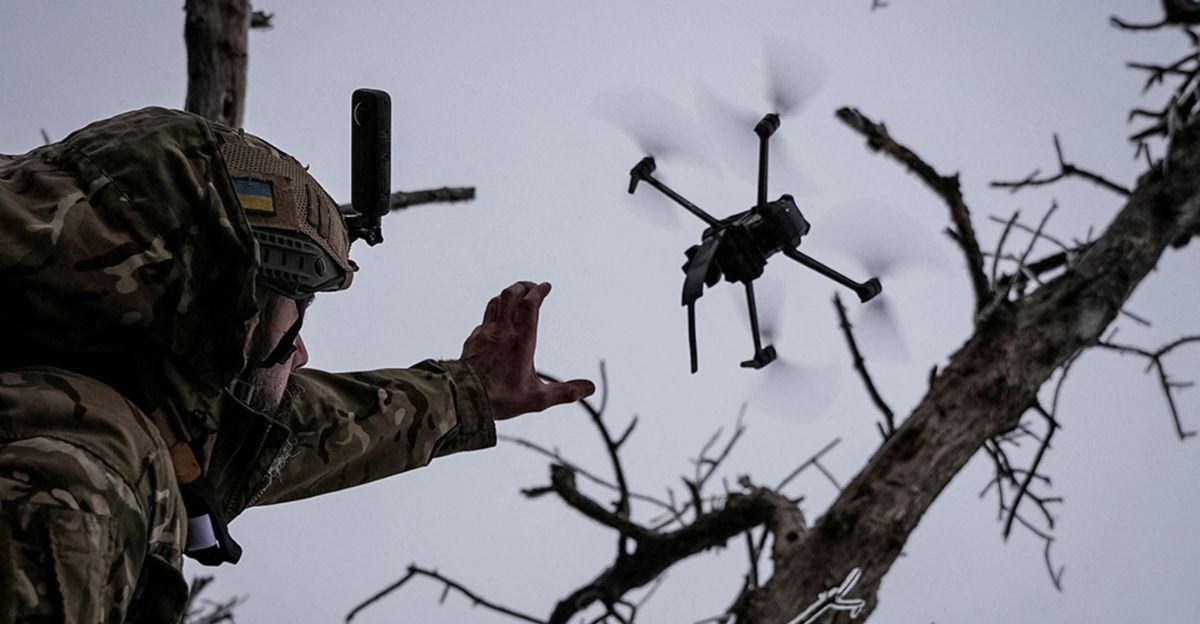
Ukraine’s small frontline drone units are increasingly shaping the wider war, a shift underscored by a recent 24-hour campaign near the embattled town of Toretsk in Donetsk region. In a single day, the Feniks unmanned aerial systems unit of the State Border Guard Service used first-person-view drones to destroy a Russian BTR-70 armored personnel carrier, a Type-63 multiple launch rocket system, a ground robotic platform, and an artillery gun. The strikes were limited in geographic scope yet emblematic of how compact teams operating inexpensive aircraft now deliver effects once reserved for large artillery groupings or air power.
Drone Strikes in a Record Day of Fighting
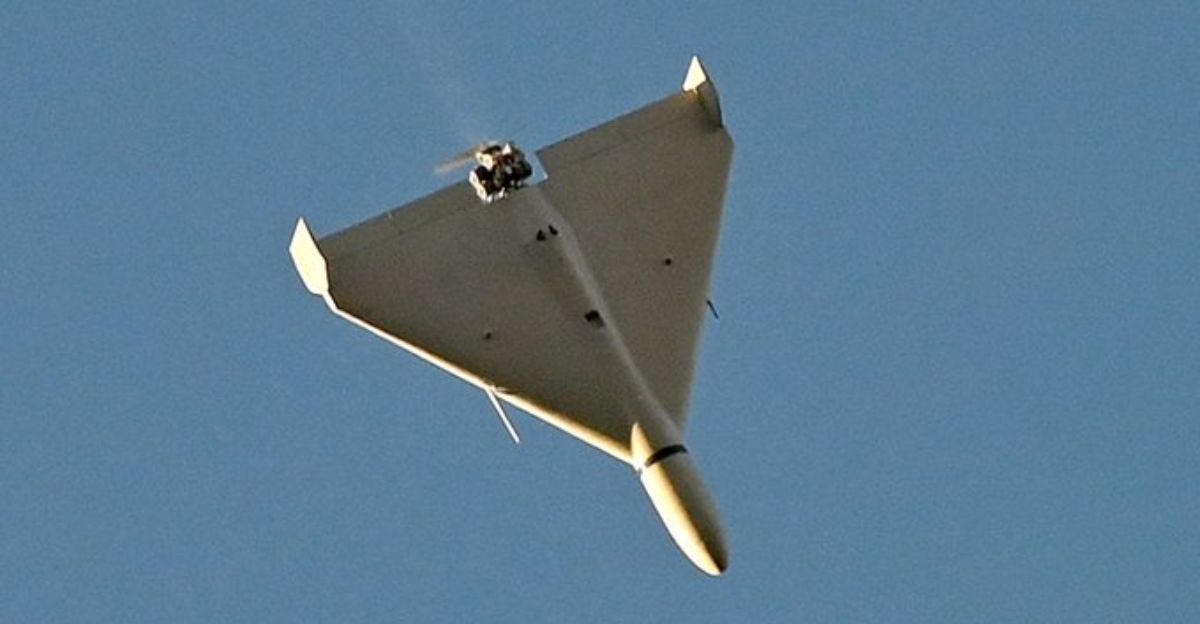
The Feniks operation unfolded during one of the most intense days recorded since Russia’s full-scale invasion began. Over the same 24-hour span, Ukrainian commanders reported 151 combat engagements along the front, more than 4,100 shelling incidents, and 88 attacks by multiple-launch rocket systems. Russian forces also launched 5,471 one-way attack drones in that period, illustrating how both sides now lean heavily on unmanned systems to maintain a relentless tempo of strikes.
In this environment, FPV and other one-way attack drones have become central to Ukraine’s battlefield approach. Shortages of artillery ammunition and the risk of counter-battery fire have pushed Ukrainian units to depend on small, mobile drone teams to hit armored vehicles, artillery pieces, and supply routes while limiting their own exposure. Ukrainian military leaders have repeatedly identified FPV systems as a major factor in Russian equipment losses since 2023, and the Toretsk strikes fit that pattern.
Civilian Life in the Shadow of Drones
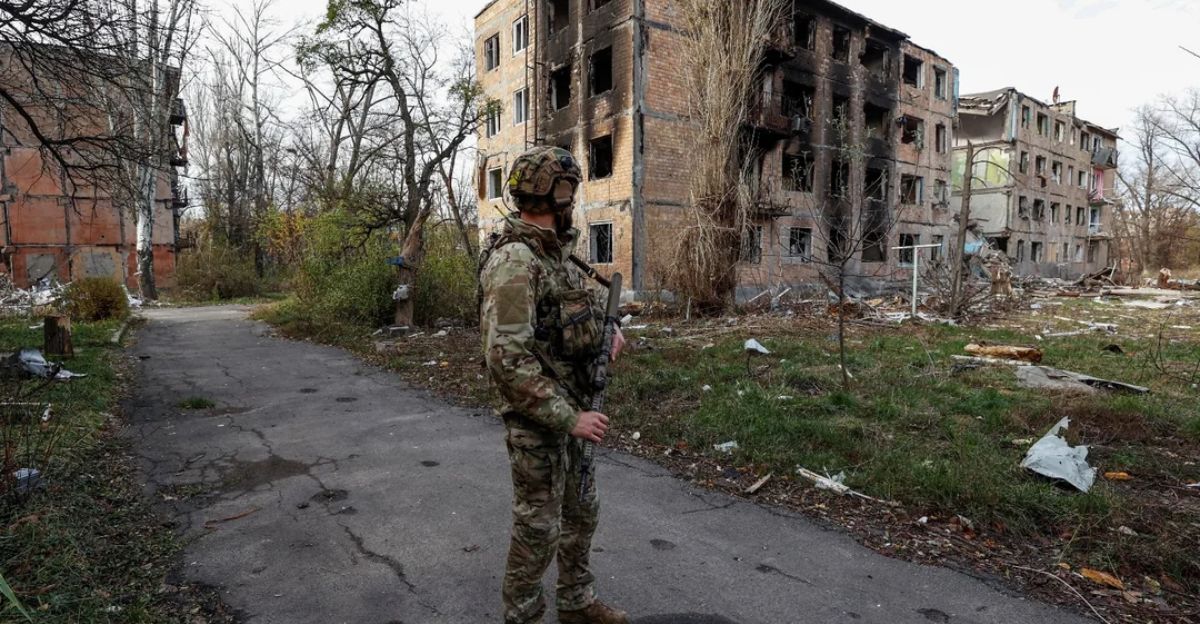
While the Feniks unit focused on military targets, the surrounding Donetsk region experienced heavier incoming fire as Russian forces responded with artillery and drones. Settlements near the contact line came under increased bombardment, forcing residents to spend more time in shelters or leave their homes altogether. As drone duels intensify near towns and villages, the practical boundary between active combat zones and civilian areas continues to narrow.
This pattern is evident across eastern and northern Ukraine. In cities such as Kharkiv, Sumy, and Kherson, residents increasingly adjust to the constant presence of unmanned aircraft. People restrict time outdoors, rearrange work schedules, and depend more on remote services and distance learning when schools and offices lie within drone flight paths. Repeated quadcopter and loitering-munition attacks on residential districts have made awareness of drone noise, flight directions, and likely targets part of daily life.
Industrial Adaptation and Arms Innovation
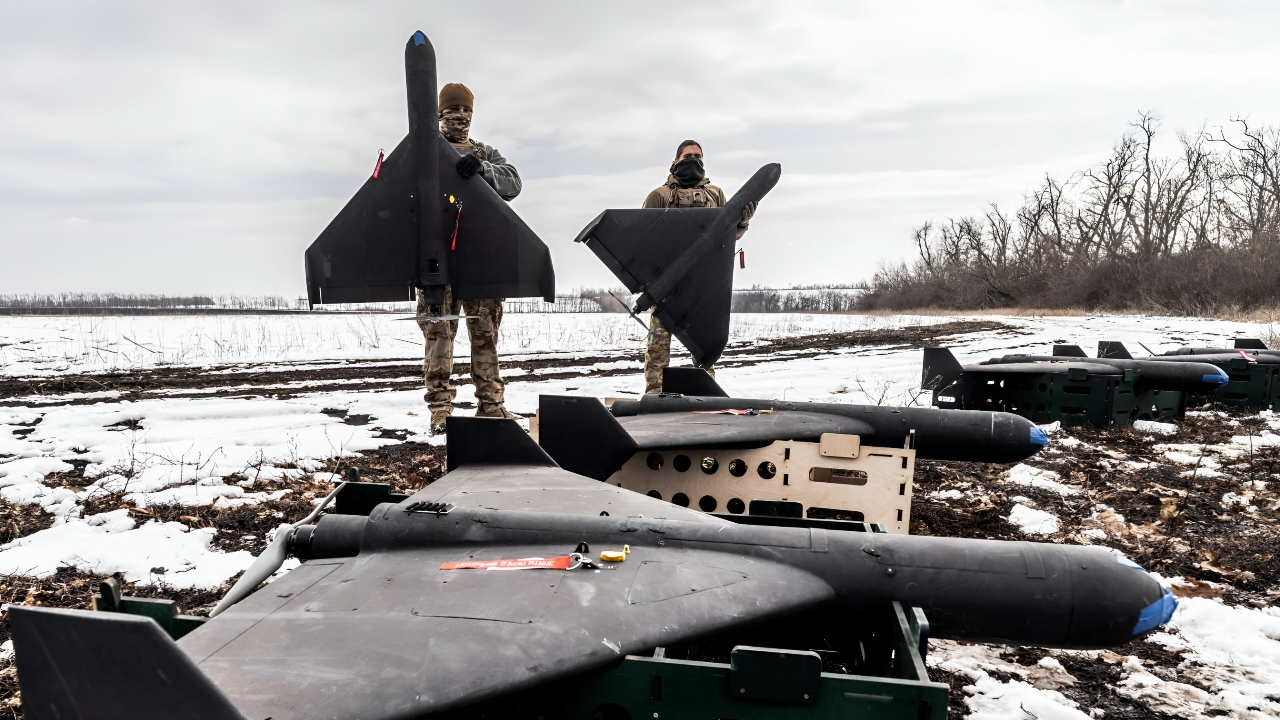
Behind the front, Ukraine’s defense industry and grassroots workshops have reoriented toward rapid production of one-way attack platforms. FPV airframes and munitions derived from hobbyist designs in 2022 have, by 2024–2025, become standardized, combat-tested systems with dedicated supply chains and training programs. These drones are relatively inexpensive, quick to assemble, and easily modified, making them attractive for units that must respond to changing Russian tactics.
Russia has followed its own adaptation path, notably by expanding domestic production of Shahed-type attack drones. This has allowed it to sustain high-volume strikes even as export controls tighten on foreign-made electronics and other dual-use components. Both sides still depend heavily on imported motors, optics, chips, and communications hardware, often sourced through third countries, leaving drone output vulnerable to regulatory shifts and supply disruptions.
On the battlefield, the spread of FPV systems has triggered a race to develop countermeasures and new platforms. Russian and Ukrainian forces deploy electronic warfare jammers, interceptor drones, and ground robots to move supplies or act as decoys. Ukrainian drone operators report growing use of mobile radar and interception systems to counter fiber-optic-guided aircraft, pointing toward a layered contest in low-altitude airspace where unmanned vehicles increasingly clash with one another.
Policy, Logistics, and the Future of Warfare
The scale of drone use has begun to reshape Ukrainian defense planning and infrastructure. Authorities have sought more air-defense and counter-drone support from international partners while installing physical barriers such as anti-drone nets along key roads in Donetsk region. Infrastructure projects and repairs are now evaluated partly in terms of vulnerability to FPV or loitering-munition attacks, linking tactical experiences at the front directly to national-level decisions.
Logistics routes have become high-risk corridors as FPV drones and loitering munitions extend the effective reach of frontline units. Ukrainian officials describe drone threat zones stretching up to ten kilometers from the line of contact, complicating fuel and ammunition deliveries as well as humanitarian transport. In mid-2025, civilian access was restricted on sections of the T0514 highway due to repeated unmanned strikes, illustrating how the conflict reconfigures movement patterns far from trenches.
For the operators themselves, drone warfare changes the nature of danger but not its psychological weight. Feniks personnel and similar teams guide FPV aircraft from positions several kilometers behind the front, using live video feeds to steer munitions into their targets. Working in shifts that demand sustained concentration, they witness the impact of their actions in real time, reporting significant stress even as they avoid direct exposure to small-arms fire and shelling.
Watching Closely
Globally, militaries and policymakers are watching these developments closely. Ukraine’s use of small-unit FPV teams, mass-produced one-way attack drones, and layered countermeasures is influencing doctrine, training, and procurement well beyond Europe. The visible vulnerability of armored vehicles and traditional artillery systems is prompting reassessments of long-term investment priorities, with electronics suppliers, optics makers, and training centers for unmanned systems emerging as relative beneficiaries.
The concentrated Feniks strikes near Toretsk offer a snapshot of this broader transformation. With thousands of drones in the air on the same day—used for attack, reconnaissance, and interception—the low-altitude airspace over Ukraine has become a central arena of the conflict. As both Russia and Ukraine expand their FPV fleets and refine counter-drone tactics, future offensives, ceasefire talks, and discussions over arms control are likely to hinge on who can dominate this evolving domain and how its risks to civilians can be managed.
Sources:
“General Staff of the Armed Forces of Ukraine, daily update: Reports such as “General Staff reports 151 combat clashes during day” on en.interfax.com.ua.
Military Review (U.S. Army), Sept–Oct 2025: Article “Russia’s Changes in the Conduct of War Based on Lessons from Ukraine” on armyupress.army.mil.
CSIS, “The Russia-Ukraine Drone War,” 2024: Full title “The Russia-Ukraine Drone War: Innovation on Frontlines and Beyond” on csis.org.
ISW, “Russian Drone Innovations…,” 2025: Updates like “Russian Drone Innovations are Likely Achieving Effects” on x.com/TheStudyofWar.
Human Rights Watch, “Hunted From Above,” June 3, 2025: Report “Hunted From Above: Russia’s Use of Drones to Attack Civilians in Kherson, Ukraine” on hrw.org.
Center for European Policy Analysis (CEPA), 2025: General analyses on drone warfare (specific titles not detailed in search snippets).