
Thousands of Target warehouse workers in New Jersey just won a major victory. For years, they claimed that unpaid minutes at the beginning and end of their shifts added up to real money. They walked through massive warehouses and passed through security checkpoints, all required by Target, but not compensated.
After a grueling legal battle, victory is finally here. Workers will soon receive checks in the mail, marking a breakthrough that transforms an overlooked problem into a $4.6 million reckoning. This case challenges how companies treat time that happens before workers officially clock in, raising questions about what work really means and who deserves to be paid for it.
A Few Minutes Add Up Fast
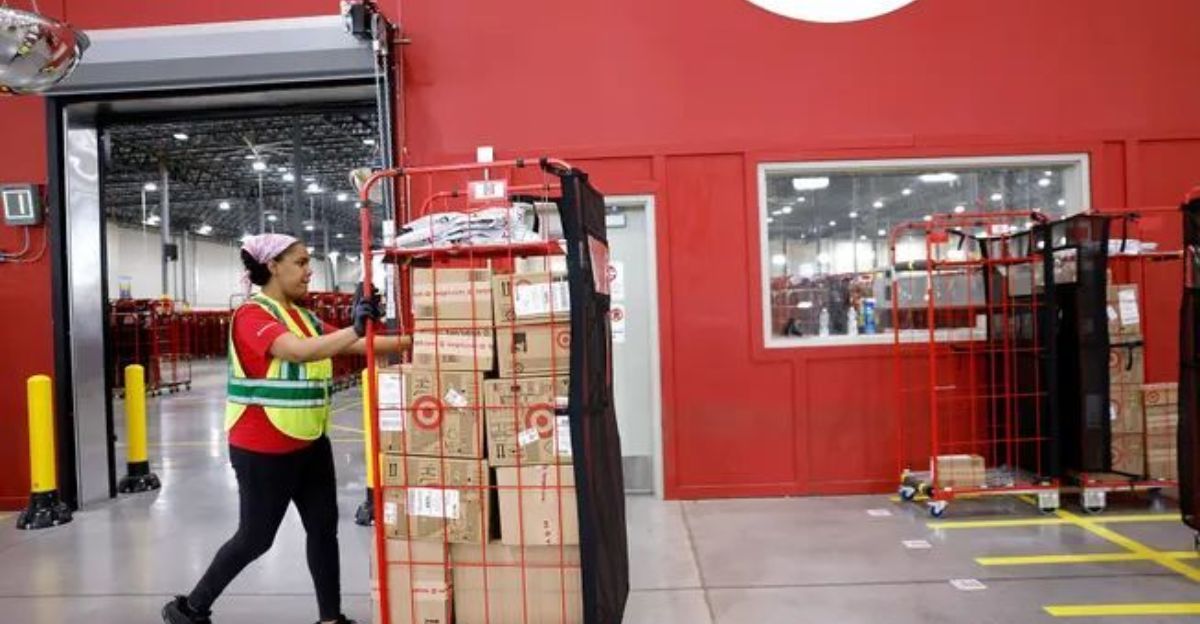
The unpaid time seems tiny, just minutes each day for walking and security checks. But here’s where it gets serious: multiply those minutes across thousands of workers over several years, and the picture shifts dramatically. Small amounts become millions of dollars in lost wages.
This case reveals something critical about modern workplaces: what seems trivial can become a huge financial problem when it affects a large workforce. The lawsuit shows how carefully courts are now watching the time employees spend on required activities, especially when those activities happen before or after the official workday. For companies with massive operations, this matters a lot.
When Does the Workday Actually Start?
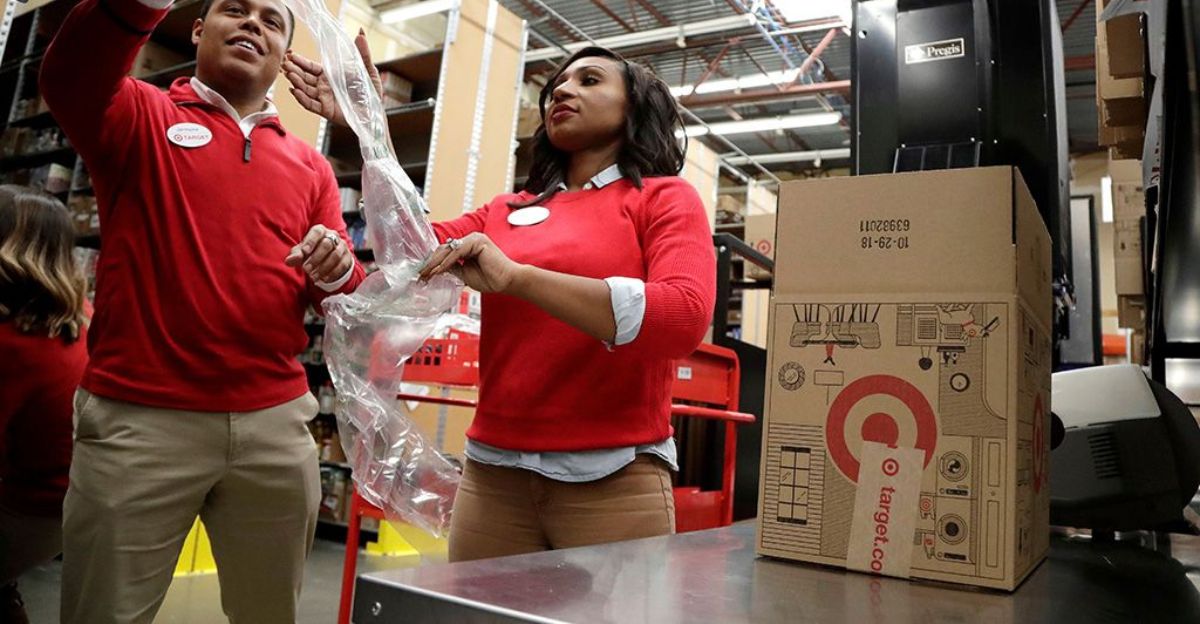
This case asks one simple but powerful question: when does work begin? Workers alleged that Target forced them to show ID, pass through mandatory security screening, and walk across sprawling distribution centers before they could clock in at their workstations. Then when their shift ended, they did the whole thing in reverse, walking back and going through security again.
None of this counted as paid time, despite being required. Workers say they had no choice but to complete these steps, making them part of the actual workday that should have been compensated. This directly challenged Target’s old-fashioned view of when the paid workday begins, forcing the company to confront a new legal reality.
New Jersey Law Gives Workers a Big Advantage

The key to the workers’ victory came down to state law differences. Federal law says security checks and walking to work areas usually don’t need to be paid. But New Jersey’s rules are much stricter. The state defines “hours worked” as all time an employee must be present at their workplace, a much wider definition that covers more situations.
Workers used this state advantage, arguing that mandatory walking and security screening happened at Target’s facilities and were required by Target’s policies, so they must be paid. As one legal expert noted, “the case underscores how routine workplace procedures can become a significant liability when they fall outside the official workday.” This legal distinction turned out to be absolutely crucial to winning their case.
$4.6 Million Agreement Reached
After years of fighting in court, Target and the workers finally made a deal: $4.6 million to settle the case known as Sadler v. Target Corp. The money covers alleged unpaid minutes at three New Jersey distribution centers dating back to August 2019. Here’s the breakdown: about $2.75 million goes directly to workers in their pockets, roughly $1.53 million covers the attorneys who fought for them, and $10,000 goes to lead plaintiff Krystal Sadler for bringing the case.
The settlement is waiting for final court approval in early 2026, which legal experts say will probably happen. Once approved, this agreement will close an important chapter in warehouse workers’ fight for fair pay.
Nearly 14,000 Workers Will Receive Payments
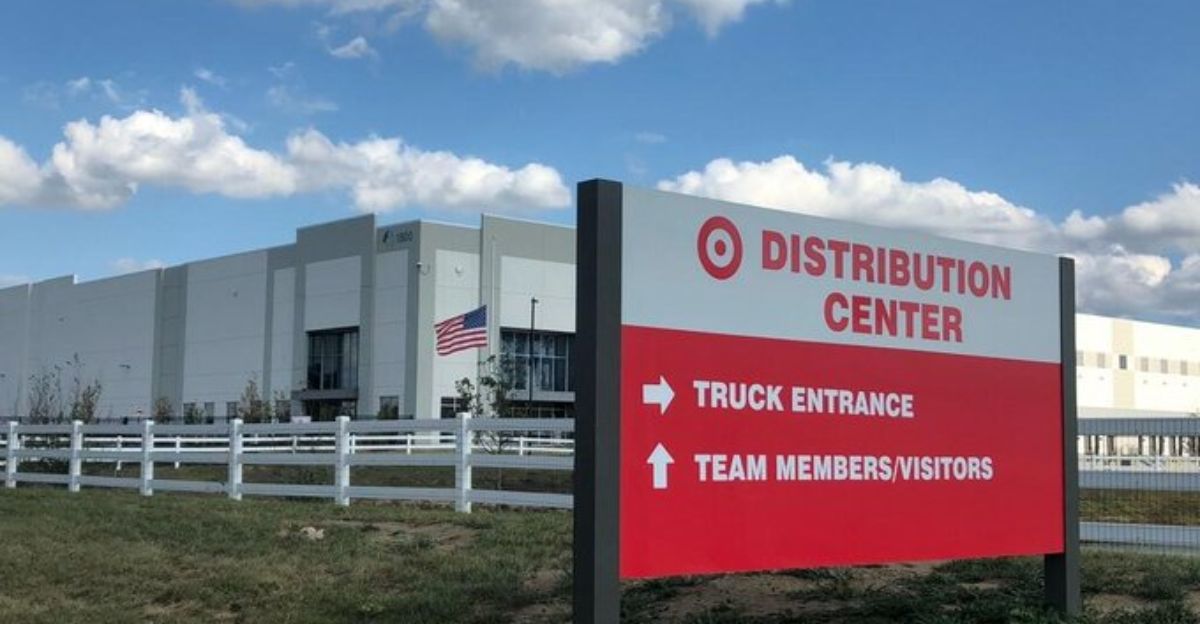
About 13,700 hourly workers who worked at Target’s New Jersey distribution centers in Burlington, Logan Township, and Perth Amboy since August 2019 will benefit from this settlement. These three massive warehouse facilities span more than 2 million square feet combined, enormous hubs that stock products for Target stores across the entire region. The scale of these operations is exactly why unpaid time became such a big financial problem.
Every worker affected by this settlement worked in high-volume distribution environments where security measures and long walks across the warehouse were everyday occurrences. Now, years of accumulated unpaid minutes finally have a dollar value attached to them, and workers will finally see compensation for time they already spent working.
Meet Krystal Sadler
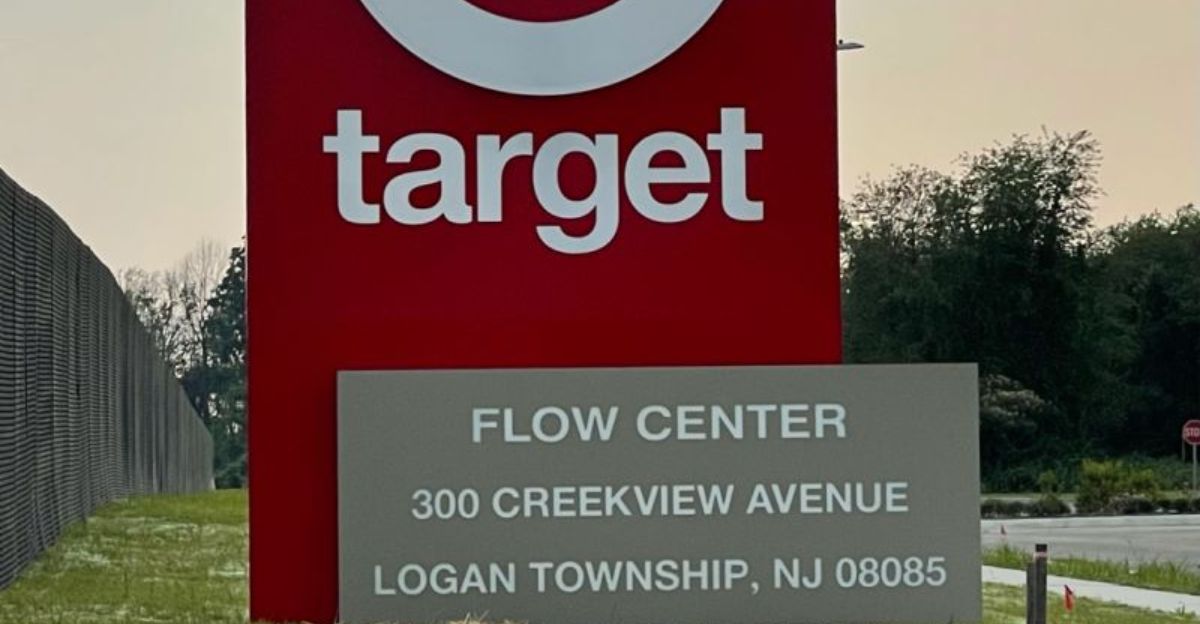
Krystal Sadler worked at Target’s Logan Township warehouse for just over two months in 2022. Her story is the same as thousands of others. Before she could clock in each day, Sadler had to clear security and then walk “long distances” through the facility to reach her workstation. When her shift ended, she clocked out and then had to walk back and go through security again, all without getting paid for that time.
Sadler’s decision to speak up and file this lawsuit transformed her short warehouse job into something bigger: a catalyst for change that gave voice to countless workers. She was willing to challenge a system where unpaid pre-shift routines were treated as just “part of the job,” and that courage made all the difference.
Target Says It Did Nothing Wrong
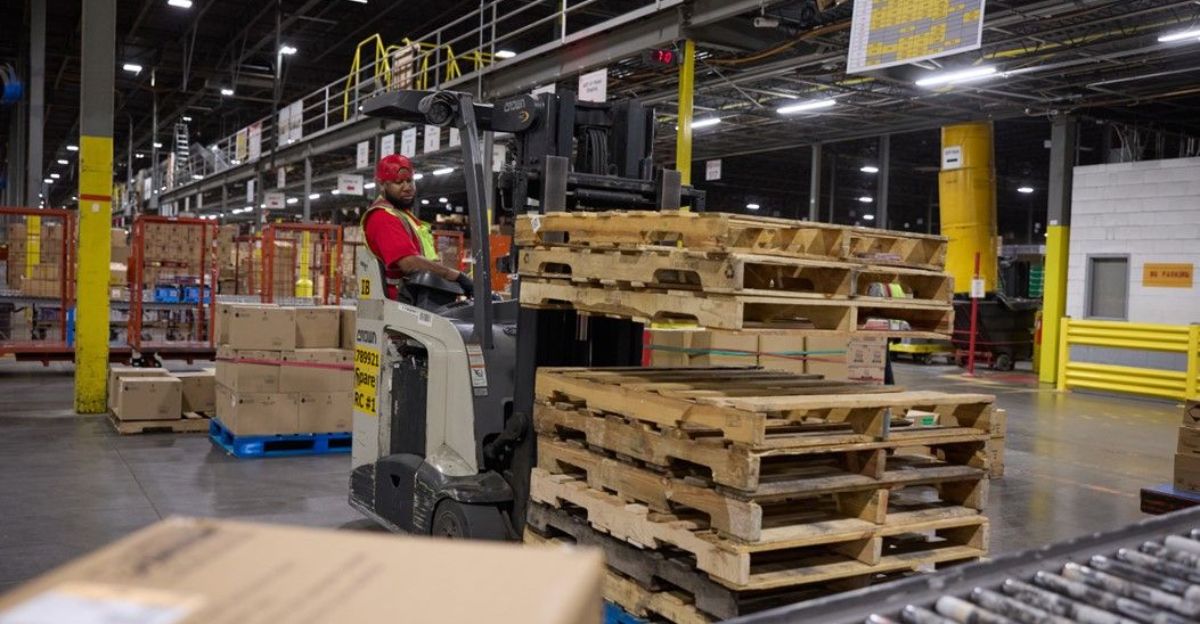
Throughout this case, Target has denied breaking wage laws or deliberately cheating workers. The company says the settlement is simply a smart business move to avoid the huge costs, uncertainty, and disruption of a long court battle, not an admission of guilt. By settling, Target avoids years of more litigation and legal risk.
But the company is facing similar lawsuits from warehouse workers in other states too, including New York, where workers are making the same walking-time and security-screening claims. This tells us something important: the legal pressure on Target extends far beyond New Jersey. In other states, labor laws might actually be even more favorable to workers, putting Target’s warehouse practices under a microscope across multiple jurisdictions.
This Is Happening Everywhere
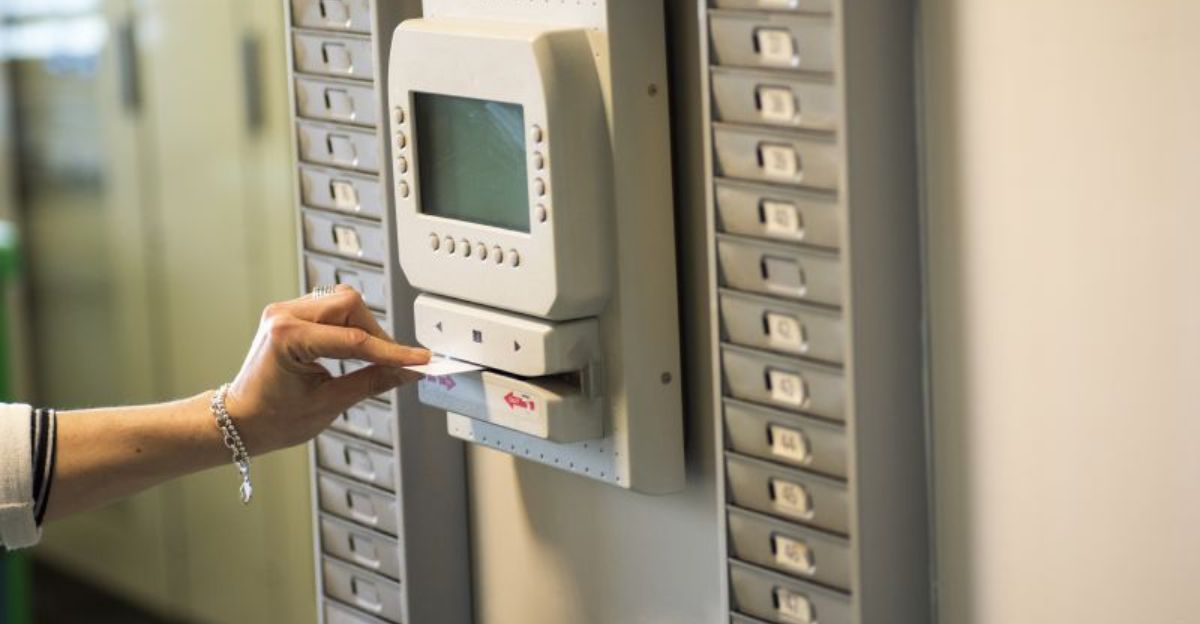
Target’s settlement isn’t unique. It’s part of a massive shift happening across American law. Companies in many industries are now facing lawsuits over off-the-clock work tied to security protocols and workplace procedures. Apple, for example, settled a similar case for $30.5 million for failing to pay retail employees for mandatory bag checks. As more states adopt broader definitions of “hours worked” that favor workers, large employers are facing greater legal risk.
Companies that run massive warehouses with strict security, common in retail, logistics, and tech, are especially vulnerable. Legal experts expect this trend to continue and get stronger, forcing employers to completely rethink how they structure the workday and when they pay workers for security measures.
The Fine Print
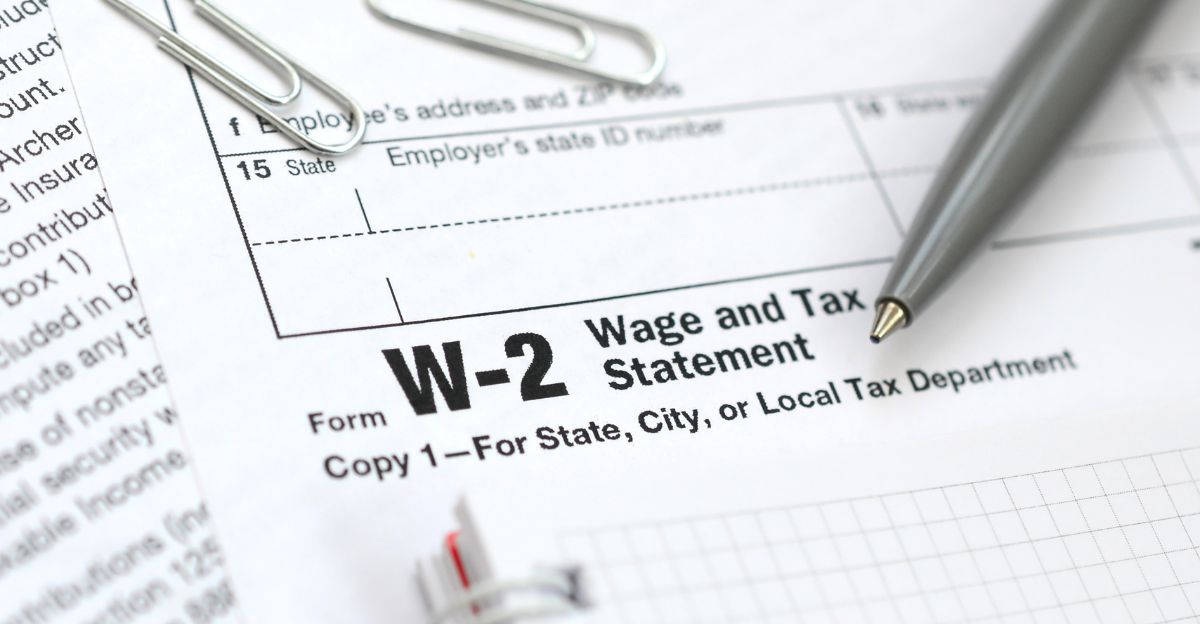
The $4.6 million sounds great on paper, but there’s a practical reality workers need to understand. Payments will be treated partly as back wages, which means they’re subject to taxes and must be reported on W-2 forms. Workers might also receive 1099s for any non-wage portions of the settlement. Checks will be mailed automatically to eligible class members, no action needed from workers, turning years of unpaid time into documented income.
Here’s the important part: this settlement income will appear on tax returns and could affect eligibility for benefits or other calculations based on income. Workers celebrating this victory should be aware that their settlement checks, while definitely welcome, will come with tax consequences that reduce the amount they actually take home.
The Technology Argument That Won the Case
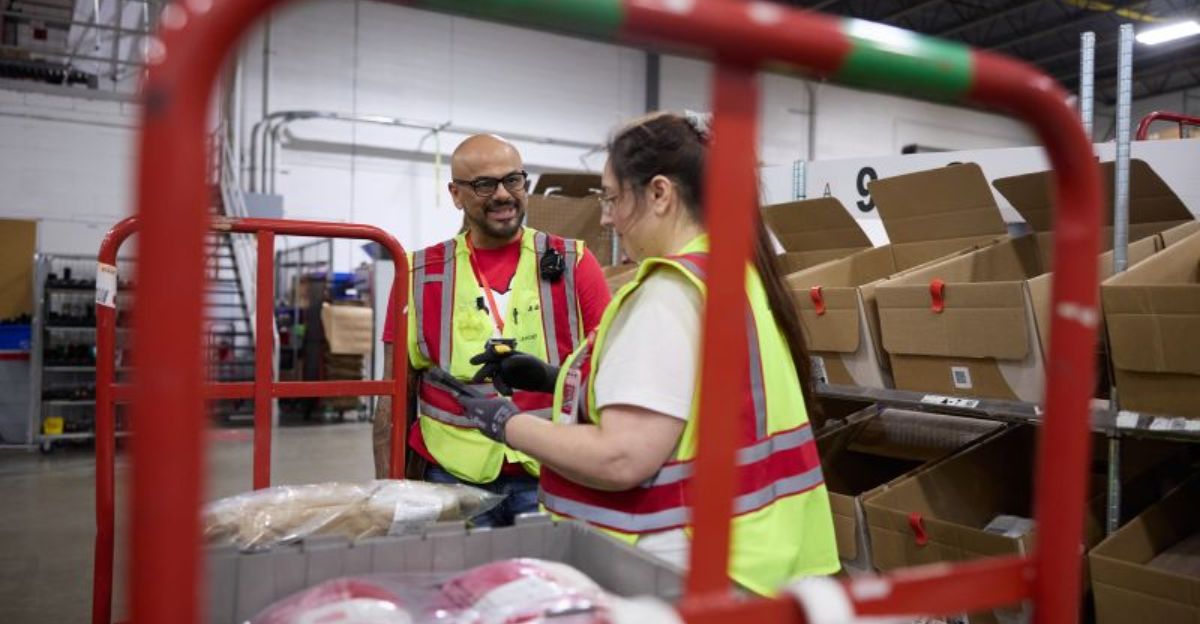
Workers made a powerful point throughout this case: they felt “on the job” even though the clock wasn’t running. Their strongest argument was straightforward: “In this day and age, there is no technological barrier to paying” workers for walking and security time, because Target already tracks when employees enter and leave the building. This claim sharpened the criticism significantly, unpaid minutes weren’t inevitable; they were a choice.
Workers argued that Target could easily redesign its timekeeping or security systems to compensate them, but chose not to. This flipped the whole debate from “how should we interpret the law” to “why is Target deliberately refusing to pay for time it already knows is happening?” That shift in perspective proved incredibly persuasive and powerful.
Major Victories Along the Way

The settlement came only after workers achieved several important legal wins. In January 2025, a federal court certified a Rule 23(b)(3) litigated class, a major legal step that strengthened workers’ position and prevented Target from forcing people into individual arbitration instead. After extensive evidence gathering, physical site visits, and sworn statements, both sides finally reached a class-wide settlement agreement.
Plaintiffs’ attorneys describe the three-year battle as “hard-fought,” built on real experiences reported directly by workers in the warehouse. This detail matters because it shows the lawsuit didn’t come from abstract legal theory, it came from workers’ actual, lived experiences.
What Companies Will Do Next
The settlement doesn’t publicly require Target to change how it handles timekeeping or security systems, but the message is unmistakable. Legal analysts predict that employers will now reconsider when workers clock in and out, measure exactly how long mandatory walks take, and think about streamlining security steps or moving them into paid workday.
The biggest impact will likely hit states with strict wage definitions like New Jersey. Companies will probably feel pressure to audit their own practices and make changes before workers sue them. Some forward-thinking employers might redesign security checkpoints or move clock-in locations to reduce unpaid time.
More Lawsuits Are Coming

Legal experts are clear about one thing: Target’s settlement definitely won’t be the last case about walking-time pay. Related claims are already pending in New York and other states, pushing boundaries between federal and state protections. This patchwork of different rules across states might actually spark more lawsuits, not fewer.
Workers and their lawyers will keep investigating whether other routine minutes, security protocols, breaks, transit time, have gone uncompensated across different industries. Large employers now face intense scrutiny as labor advocates and attorneys dissect warehouse operations and supply-chain logistics carefully.
Checks in the Mail

When the court gives final approval at the February 24, 2026 hearing, something legal experts consider almost certain to happen, checks will be automatically mailed to eligible workers. This moment closes a chapter that started with a disagreement over unpaid minutes before shifts. For Target and other massive employers running sprawling warehouses with strict security, this case poses a crucial question: how many other small slices of time will soon have a price?
The answer depends on state legislatures, courts, and how hard labor advocates push similar claims. What looked like minor policy oversight has transformed into a multimillion-dollar liability that changes how companies think about their responsibilities.
Sources:
Newsweek, Target sending checks to 13,700 Americans from $4.6M Target settlement, January 2, 2026
HR Morning, Wage Claim Lawsuit Leads Target to $4.6M Payout, November 19, 2025
HR Dive, Target workers in New Jersey accept $4.6M to settle wage claims for off-the-clock walking, October 30, 2025
Top Class Actions, Target hit with wage-and-hour lawsuit over unpaid walking and security time, 2025
AfroTech, Target warehouse workers reach multi-million dollar settlement over unpaid time, 2025