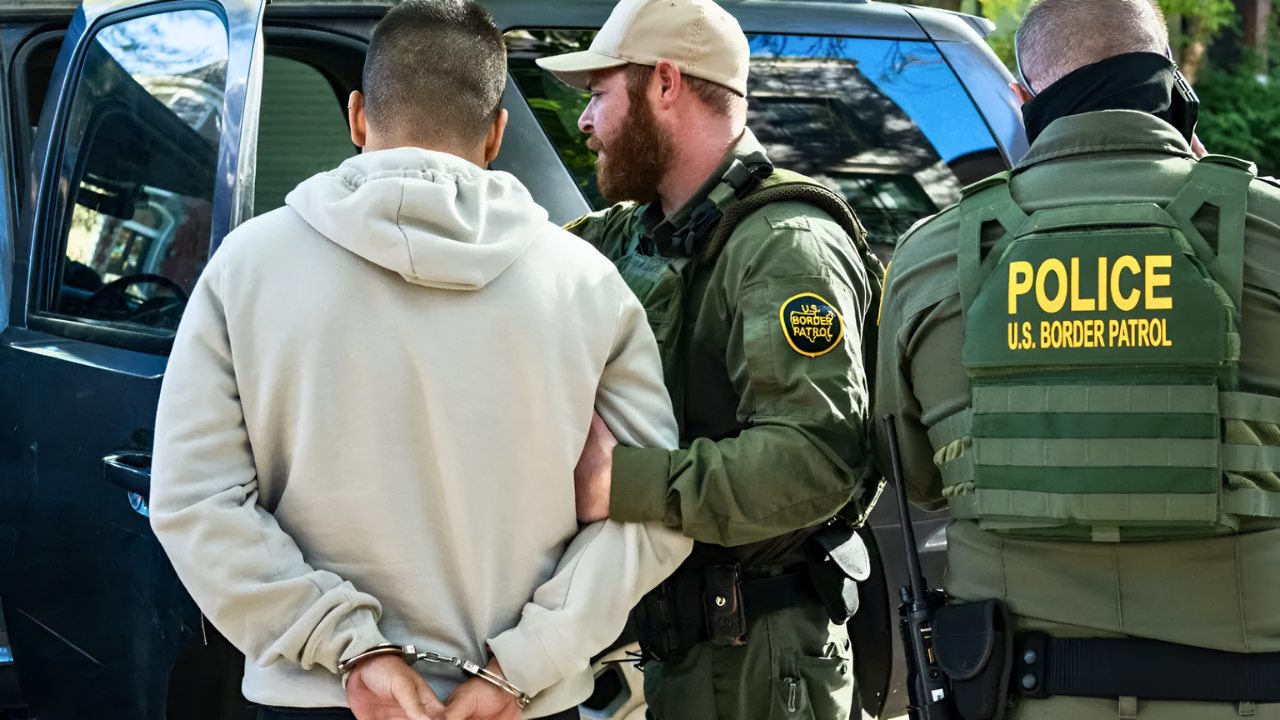
The 37-year-old mother of three sat in her vehicle on a Minneapolis street, documenting federal immigration agents at work. Within seconds, gunfire erupted. Renee Nicole Good slumped forward as witnesses screamed.
The ICE agent claimed self-defense, asserting Good had weaponized her car. But video footage told a starkly different story—one that would ignite nationwide protests and expose deep fractures in America’s immigration enforcement system.
Unprecedented Federal Deployment
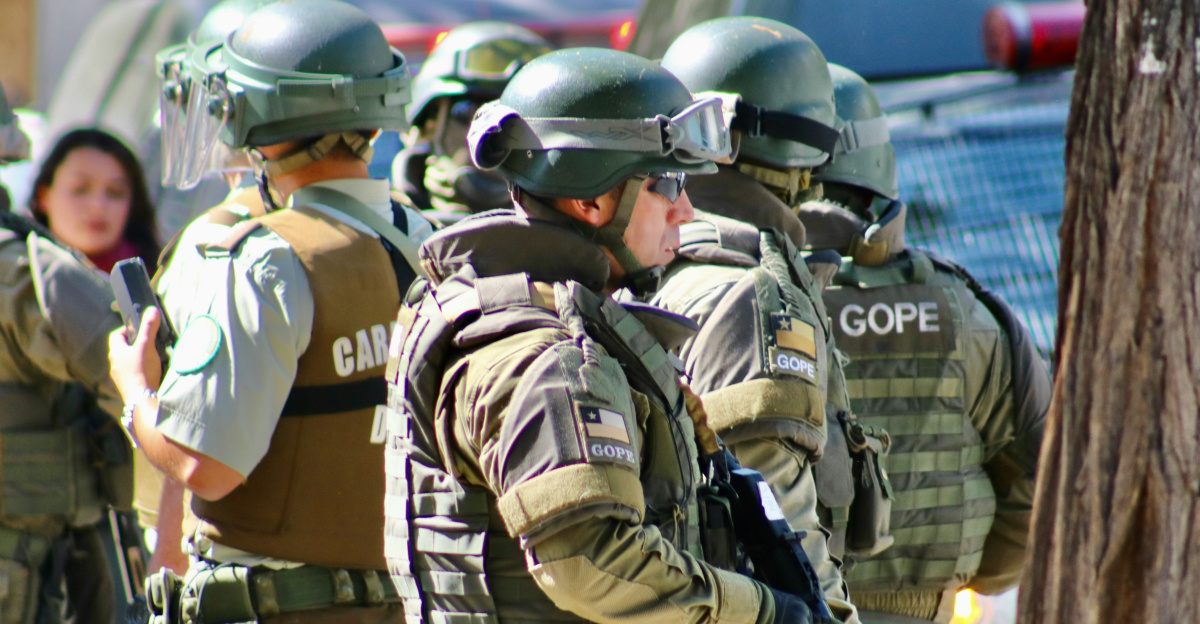
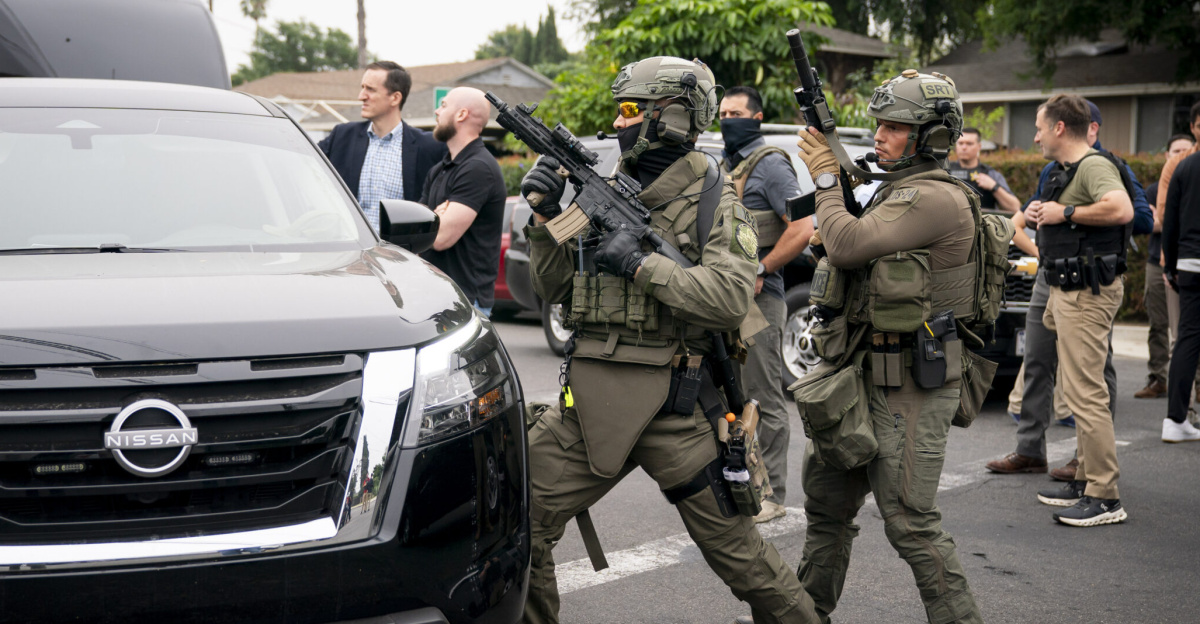
The Department of Homeland Security had deployed approximately 2,000 federal agents to Minneapolis-St. Paul in early January 2026, creating what officials described as the “largest immigration operation ever” conducted on American soil.
The massive surge involved personnel from ICE Enforcement and Removal Operations, Homeland Security Investigations, and U.S. Customs and Border Protection. Within the first 48 hours of intensive operations beginning Monday, January 6, agents arrested more than 300 individuals across the metropolitan area.
Operation Targets Somali Community

Federal authorities focused their enforcement efforts on Minnesota’s Somali-American community—the largest in the United States—linking the operation to ongoing investigations into approximately $300 million in fraud involving federally funded childcare benefits and COVID-19 relief programs.
HSI agents conducted door-to-door investigations at businesses suspected of employing unauthorized immigrants, while deportation officers simultaneously pursued individuals accused of immigration violations.
The Numbers Behind the Crackdown

On Monday, the first day of peak enforcement, DHS reported arresting 150 individuals. By Tuesday, Secretary Kristi Noem announced federal agents had “already arrested more than 1,500 crooks and creeps: murderers, rapists, pedophiles, and gang members” since operations intensified.
Approximately three-quarters of the 2,000 deployed personnel came from ICE’s deportation division, with the remainder conducting fraud investigations and employer compliance checks. Federal agents utilized multiple Minneapolis hotels as operational headquarters throughout the week.
Wednesday Morning Turns Deadly
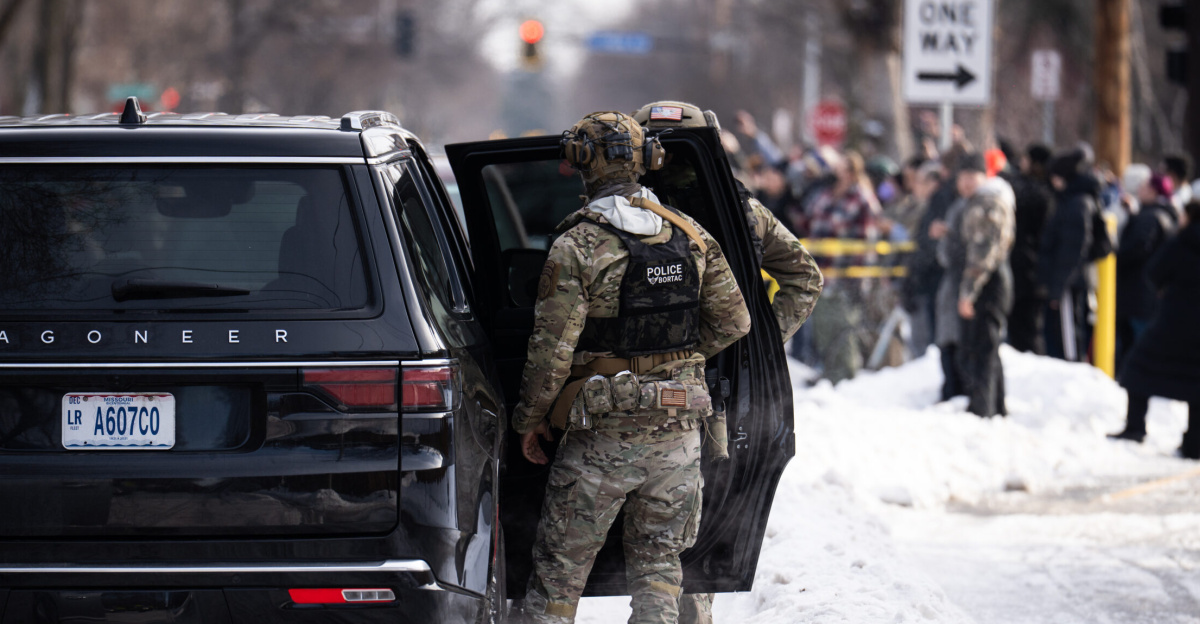
January 8, 2026, began like previous operation days, with federal agents fanning across Minneapolis neighborhoods. Renee Nicole Good, a 37-year-old mother, arrived to serve as a legal observer—a common practice during immigration enforcement to document actions and protect civil rights.
As ICE agents conducted an arrest, Good remained in her vehicle nearby. What happened next became the subject of fierce dispute between federal authorities and eyewitnesses who watched the encounter unfold.
Competing Narratives Emerge
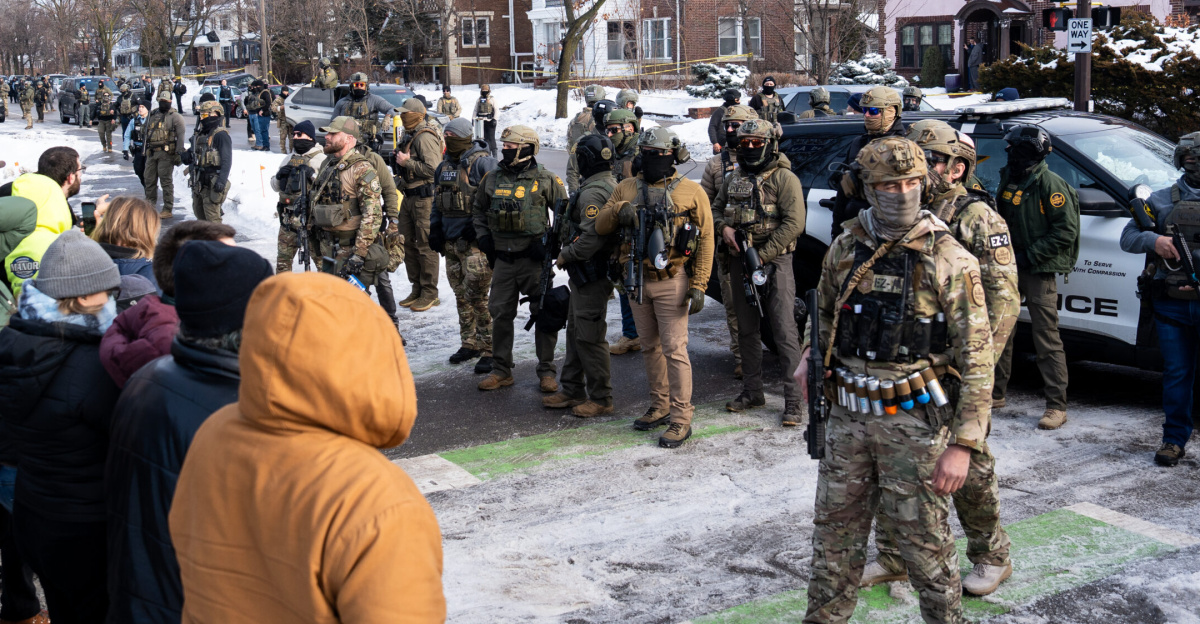
DHS officials immediately claimed Good “weaponized” her vehicle and attempted to run over the ICE agent, characterizing the shooting as justified self-defense. However, video evidence and multiple eyewitness accounts painted a dramatically different picture.
The footage showed Good attempting to drive away when the agent opened fire, striking and killing her. The discrepancy between the federal government’s narrative and documented evidence became the flashpoint for an explosive confrontation between Minnesota officials and federal authorities.
Mayor’s Explosive Response
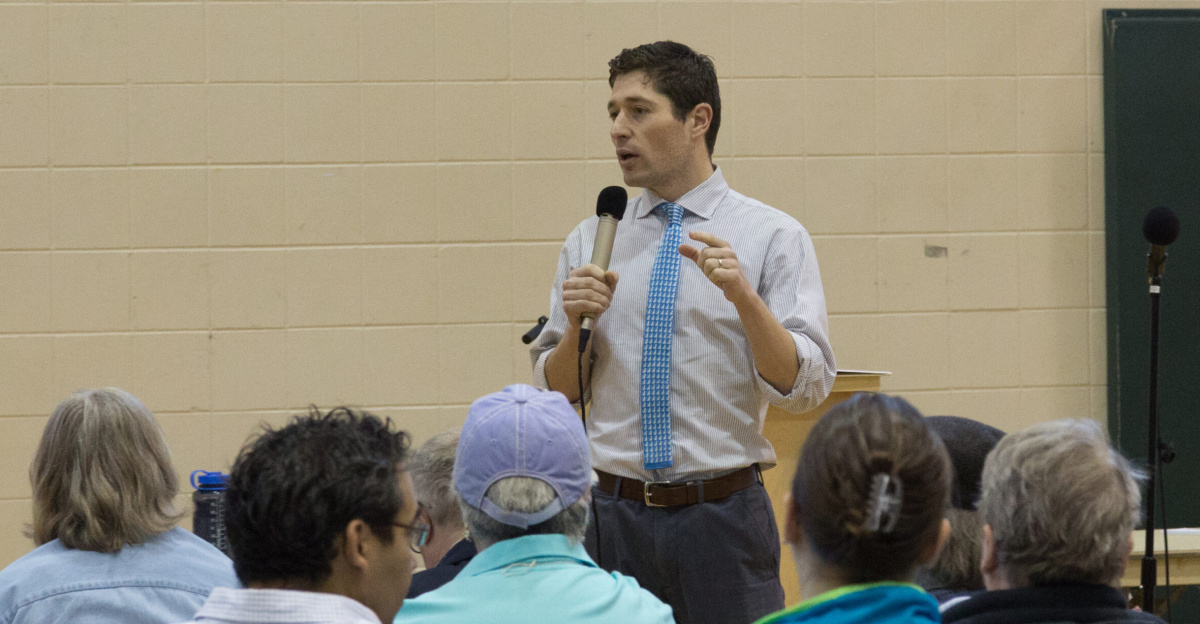
Minneapolis Mayor Jacob Frey held nothing back during a press conference addressing Good’s death. He called the federal account “garbage” and “bullshit,” demanding that ICE agents “get the f*** out” of his city. Frey’s unusually blunt and profanity-laced language reflected the intense anger coursing through local government and the community.
His forceful rejection of the federal narrative crystallized the fundamental breakdown in trust between Minneapolis leadership and the Trump administration’s immigration enforcement apparatus.
Governor Declares Federal “War”
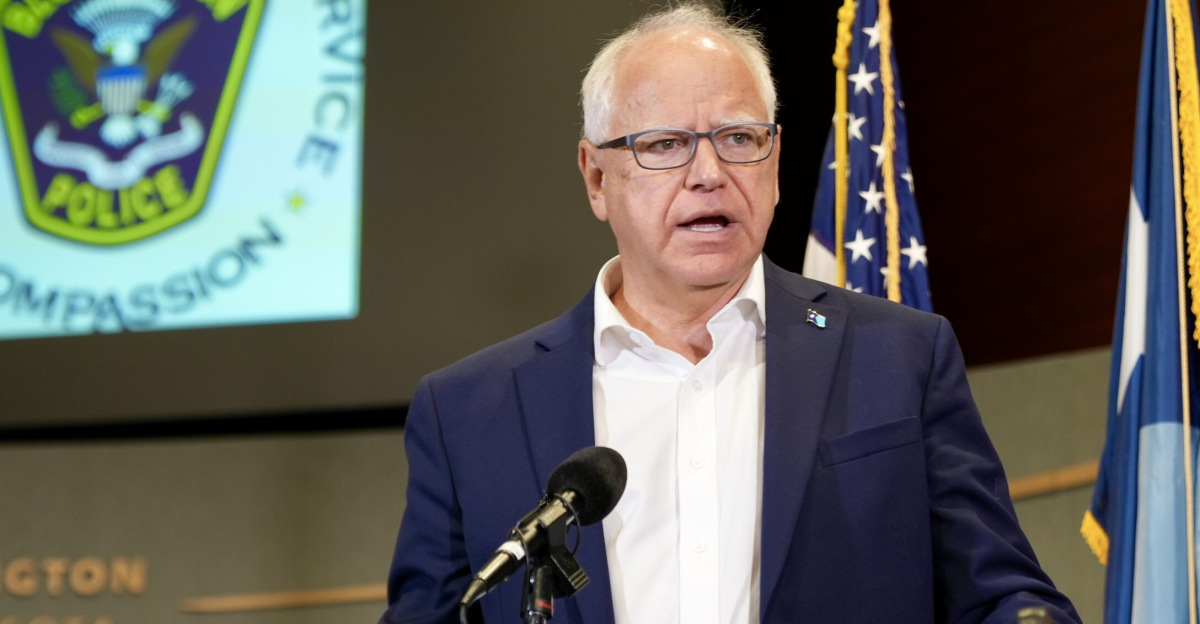
Minnesota Governor Tim Walz escalated the rhetoric further, characterizing the federal enforcement surge as “a war that’s being waged against Minnesota” and dismissing it as “a show for the cameras.” St. Paul City Council member Molly Coleman described conditions on the ground: “This is unlike any other day we’ve experienced.
Every single person is on guard and afraid.” The statements from state and local officials revealed a coordinated resistance to federal immigration tactics they viewed as politically motivated and dangerously aggressive.
Streets Fill with Protesters
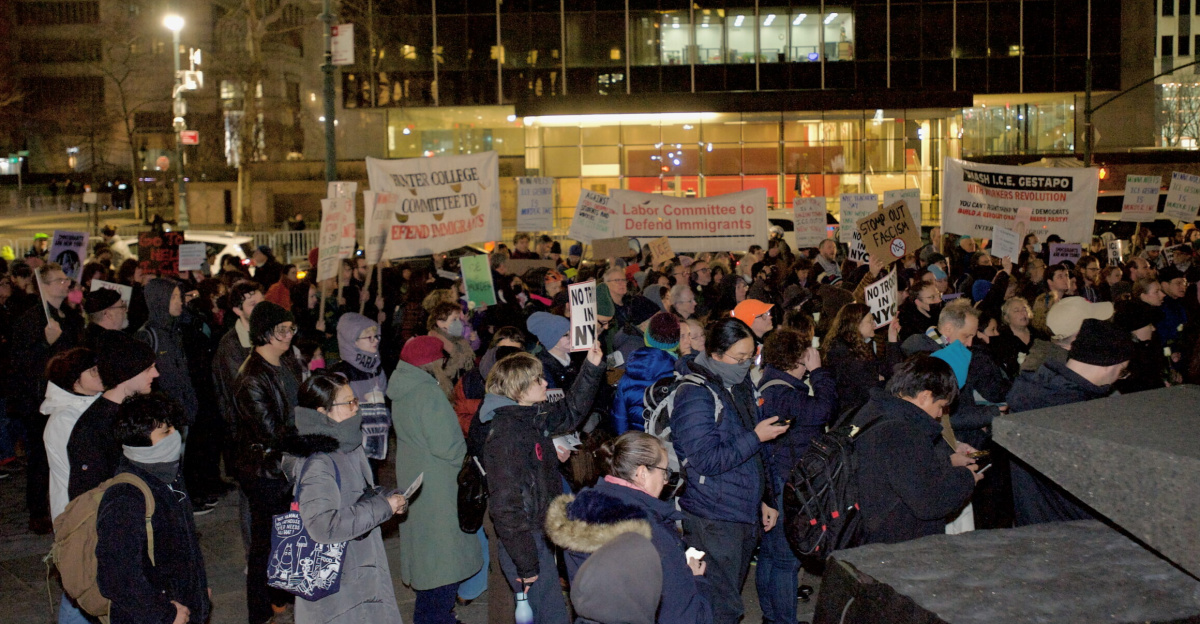
Friday night, January 10, approximately 1,000 demonstrators converged on downtown Minneapolis, with crowds gathering outside hotels housing ICE agents. The protests turned confrontational as some individuals vandalized hotel windows, leading to 29 arrests. One police officer sustained injuries from a thrown chunk of ice.
Similar demonstrations erupted simultaneously in dozens of cities from Portland to Los Angeles, with protesters demanding justice for Good and accountability for federal immigration enforcement.
Expert Analysis: Targeting and Tactics
Immigration policy experts questioned both the scale and focus of the Minneapolis operation. “Minneapolis ranked 14th in violent crime according to 2024 FBI data,” analysts noted, raising concerns about why the city received unprecedented federal resources while higher-crime areas went without similar attention.
Civil rights organizations pointed to potential ethnic and religious profiling, given the operation’s concentration on the Somali community.
Presidential Rhetoric Sets Tone
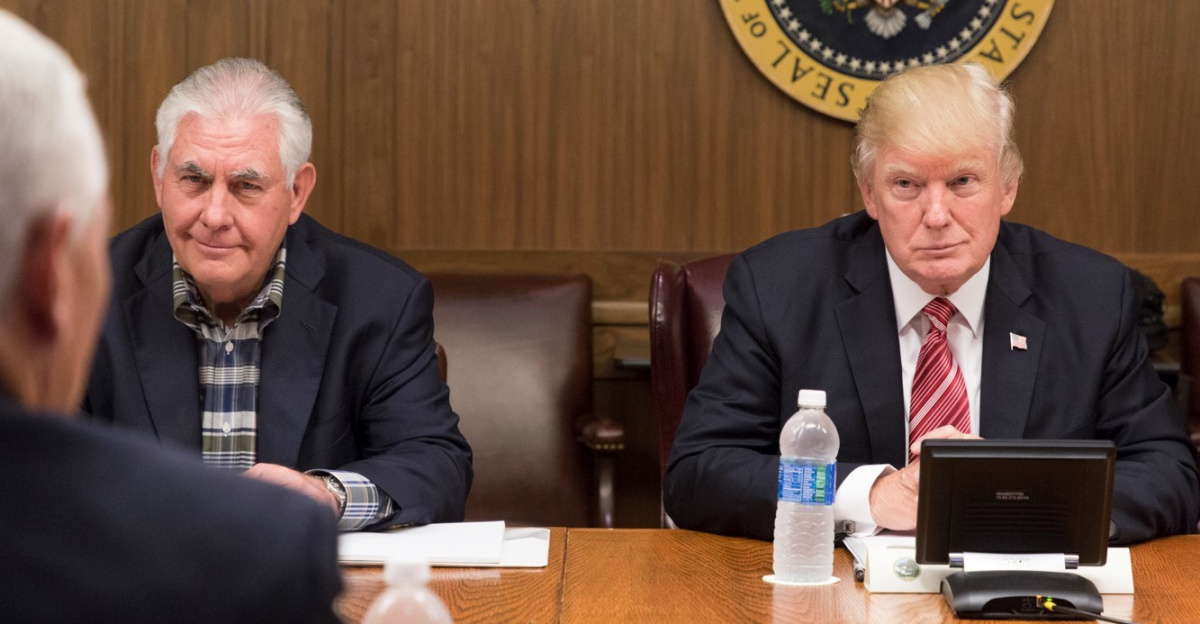
President Trump has repeatedly directed inflammatory language at Minnesota’s Somali community, previously calling Somalis “garbage” and declaring “we don’t want them in our country.” Trump claimed they “contribute nothing” and has made derogatory statements about Minnesota Representative Ilhan Omar, who is Somali-American.
Immigration advocates argued these presidential comments created a hostile environment that encouraged aggressive enforcement tactics and dehumanized an entire community of Americans and legal residents.
Political Calculations Questioned
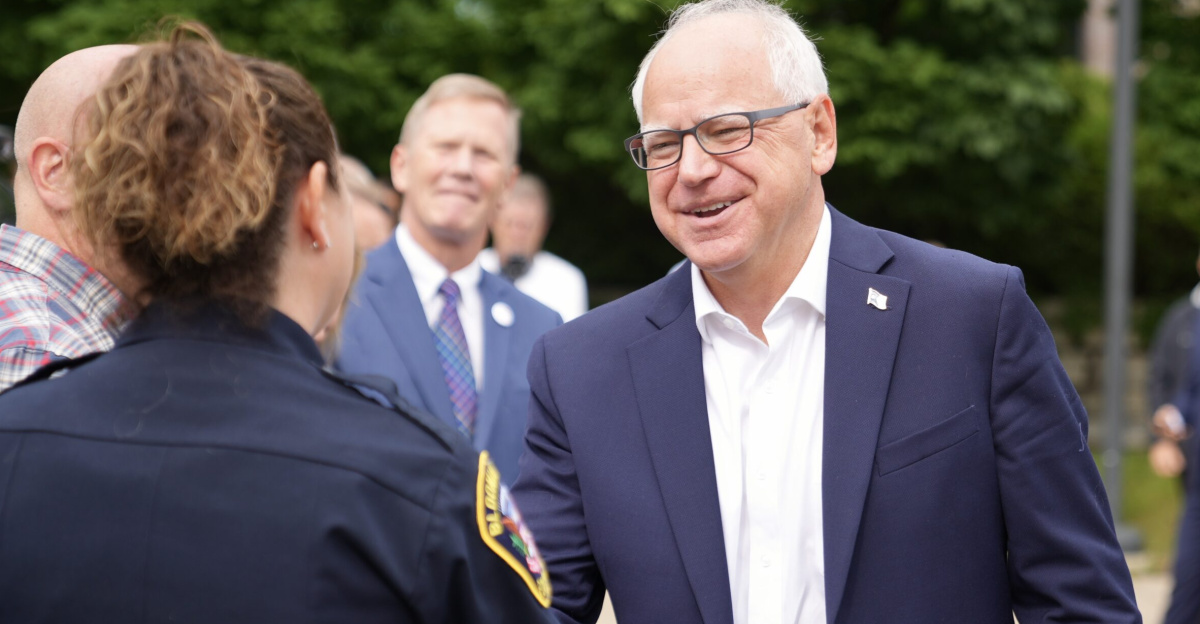
The operation’s timing raised eyebrows among political observers. Governor Walz served as Vice President Kamala Harris’s running mate in the 2024 presidential election, and Trump has consistently targeted him with criticism since the campaign.
Critics argued that immigration enforcement priorities reflected political considerations rather than public safety needs, noting the administration’s pattern of targeting cities and states with Democratic leadership and diverse populations.
FBI Assumes Control of Investigation
The FBI took over the investigation into Good’s death, sidelining Minnesota state authorities in a decision that further inflamed federal-state tensions. The transfer of investigative authority to another federal agency raised immediate concerns among local leaders and activists about potential conflicts of interest.
Community members and advocacy organizations demanded transparency and an independent review of all video evidence. As of January 11, the investigation continues without clarity on timeline or scope.
Ripple Effects Across Communities
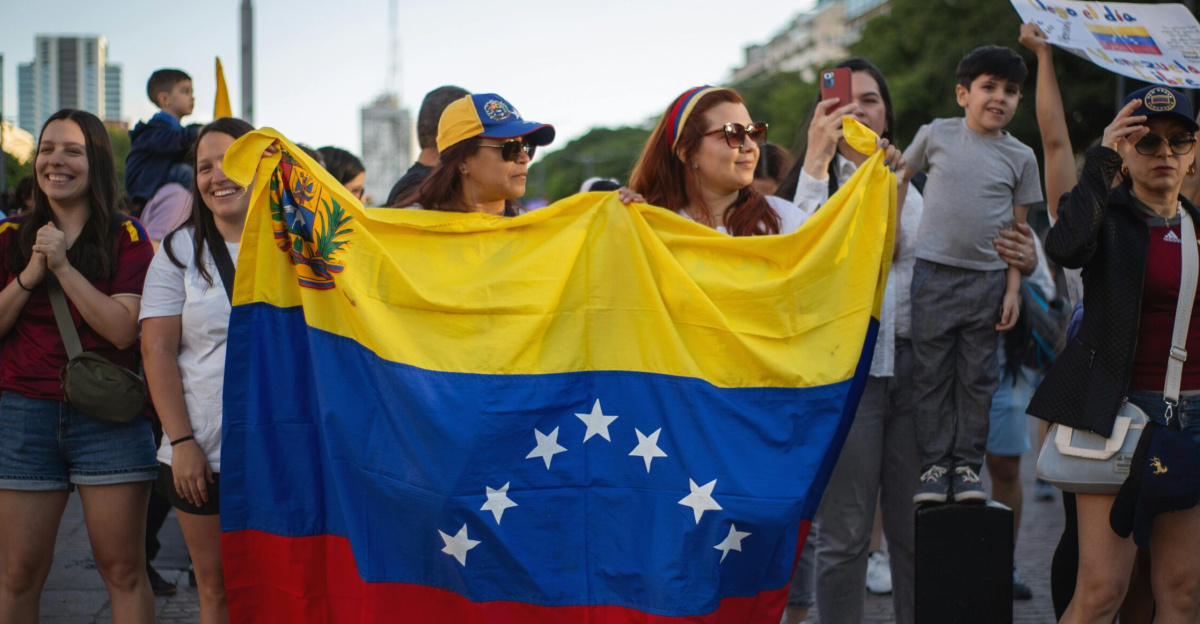
Fear permeated Minnesota’s immigrant communities far beyond those directly targeted by enforcement actions. Schools provided guidance to families about their rights, while legal aid organizations reported being overwhelmed with requests for assistance.
Many workers failed to report to jobs, and customers avoided commercial areas where agents operated. Business owners, including U.S. citizens, reported decreased foot traffic and revenue. The psychological and economic impacts radiated through entire neighborhoods regardless of residents’ legal status.
DHS Expands Enforcement Scope
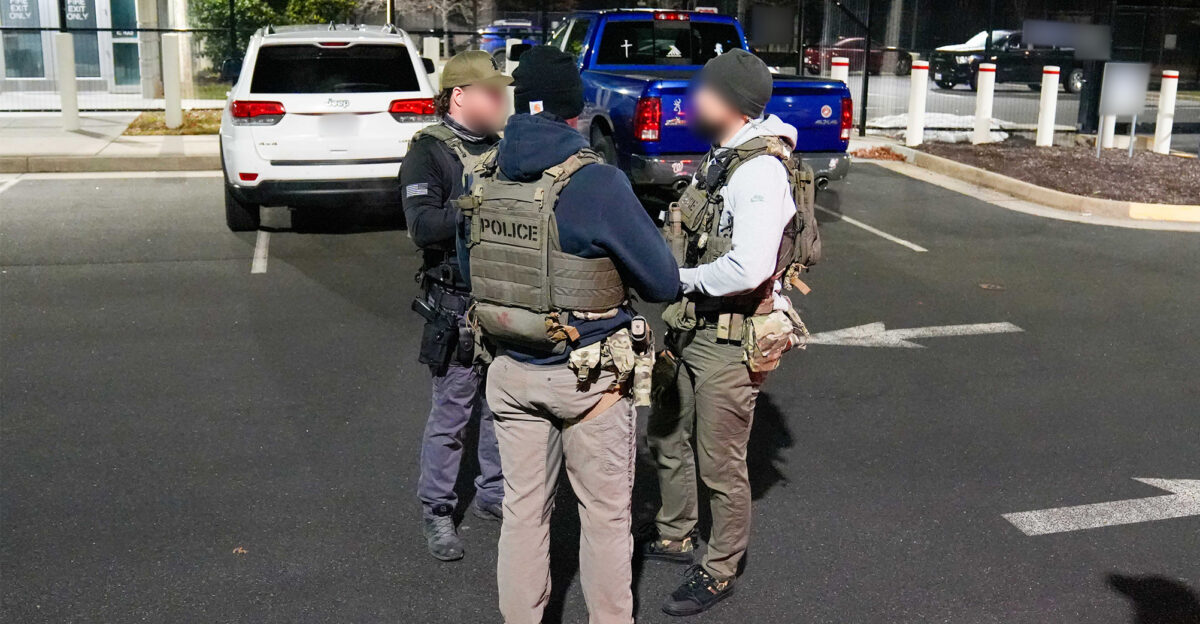
On Friday, January 10, DHS announced it would reopen and review approximately 5,600 refugee cases in Minnesota, requiring immigrants who had previously been approved and resettled to undergo new interviews and background checks. Immigration attorneys expressed alarm at the unprecedented move, noting it could result in deportations of individuals who had lived legally in the United States for years.
The announcement created additional waves of anxiety among refugee communities who believed their legal status was secure.
National Immigration Debate Ignites
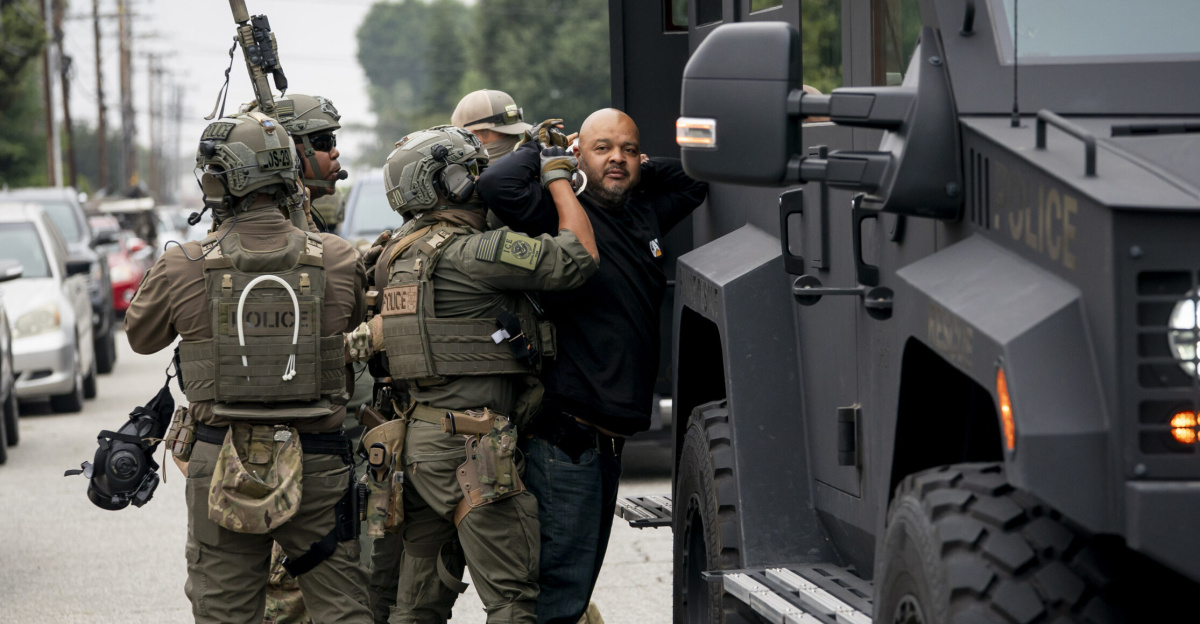
The Minneapolis operation became an immediate flashpoint in America’s broader immigration debate, dominating news coverage and political discourse. Democratic officials condemned what they characterized as heavy-handed tactics and violations of community trust, while administration supporters defended the enforcement as necessary law enforcement against fraud and crime.
Both parties mobilized their bases using the incident, with immigration policy emerging as a defining issue heading into the 2026 midterm election cycle.
Legal Observer Programs Threatened
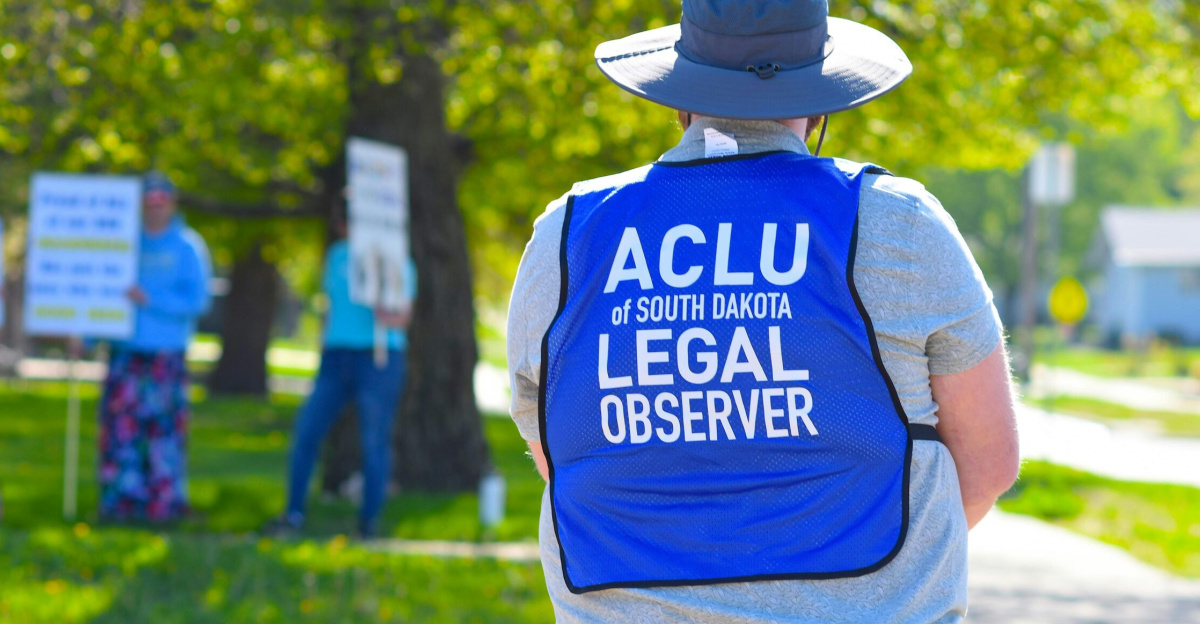
Good’s death sent shockwaves through legal observer networks nationwide, which document enforcement actions to ensure accountability and protect civil rights. Her killing created an immediate chilling effect, with some organizations reconsidering how to safely continue this essential work.
Civil liberties advocates warned that federal agents shooting a legal observer represented a direct attack on transparency and constitutional rights.
Economic Consequences Mount
The enforcement operation disrupted normal business activities across Minneapolis-St. Paul, particularly in neighborhoods with significant immigrant populations. Employers expressed frustration at losing reliable workers to arrests, highlighting economic interconnections between immigrant communities and the broader economy.
Some business leaders warned that aggressive enforcement tactics would damage Minnesota’s reputation as a welcoming state for international talent and investment.
Federal-Local Relations Fracture
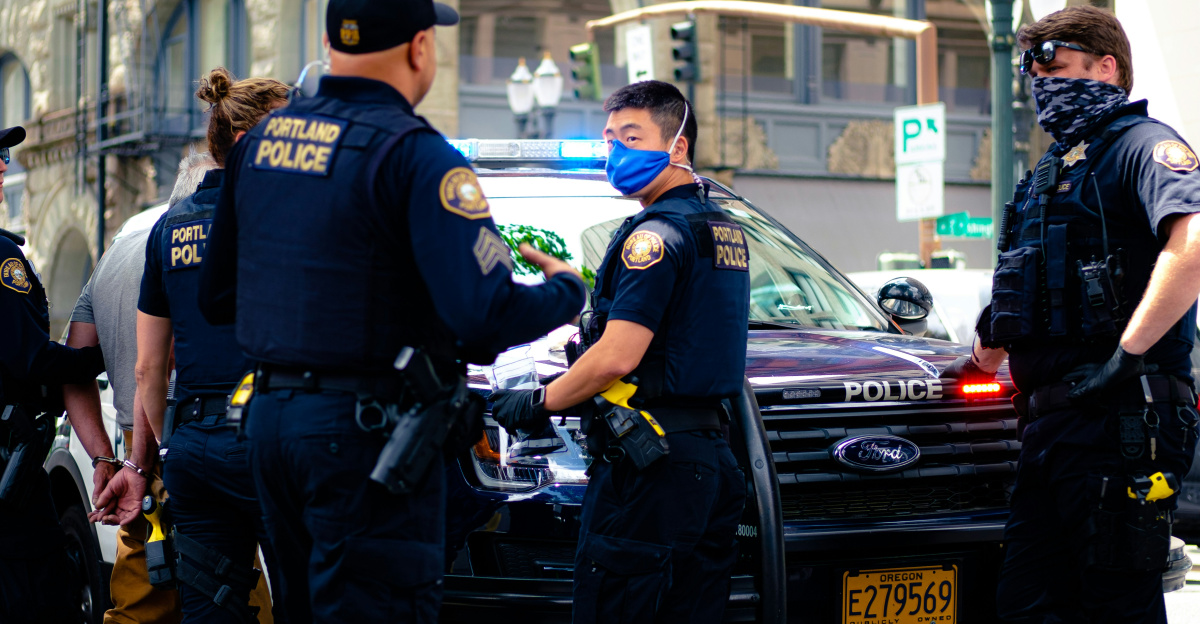
The relationship between federal immigration agents and Minneapolis police became contentious as operations continued. Mayor Frey emphasized that city police were not involved in immigration enforcement and had limited advance knowledge of federal plans.
However, the presence of local officers at some enforcement locations created confusion about cooperation levels. The incident exposed fundamental tensions in how sanctuary cities interact with federal immigration authorities under an administration hostile to their policies.
What Comes Next
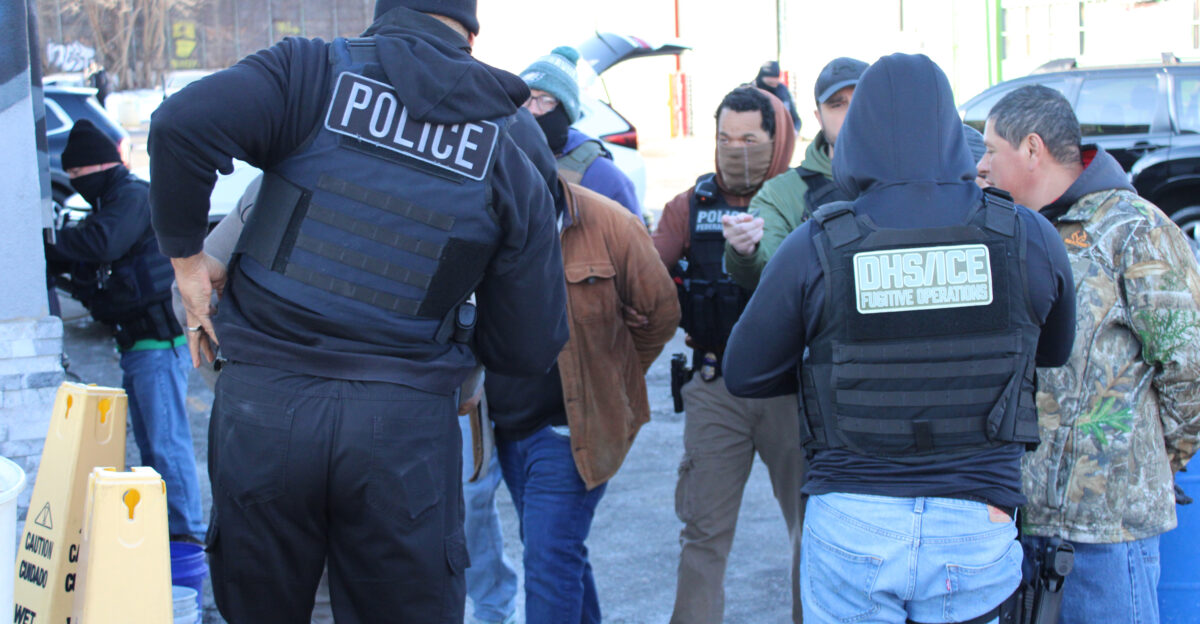
As of January 11, 2026, DHS indicated enforcement operations would continue indefinitely in Minneapolis, while state and local leaders vowed to protect constituents within legal boundaries. The FBI investigation into Good’s death proceeds amid mounting pressure for swift accountability and justice.
Immigration attorneys prepared legal challenges to the refugee case reviews, setting up potential Supreme Court battles over executive authority.
The Broader Implications
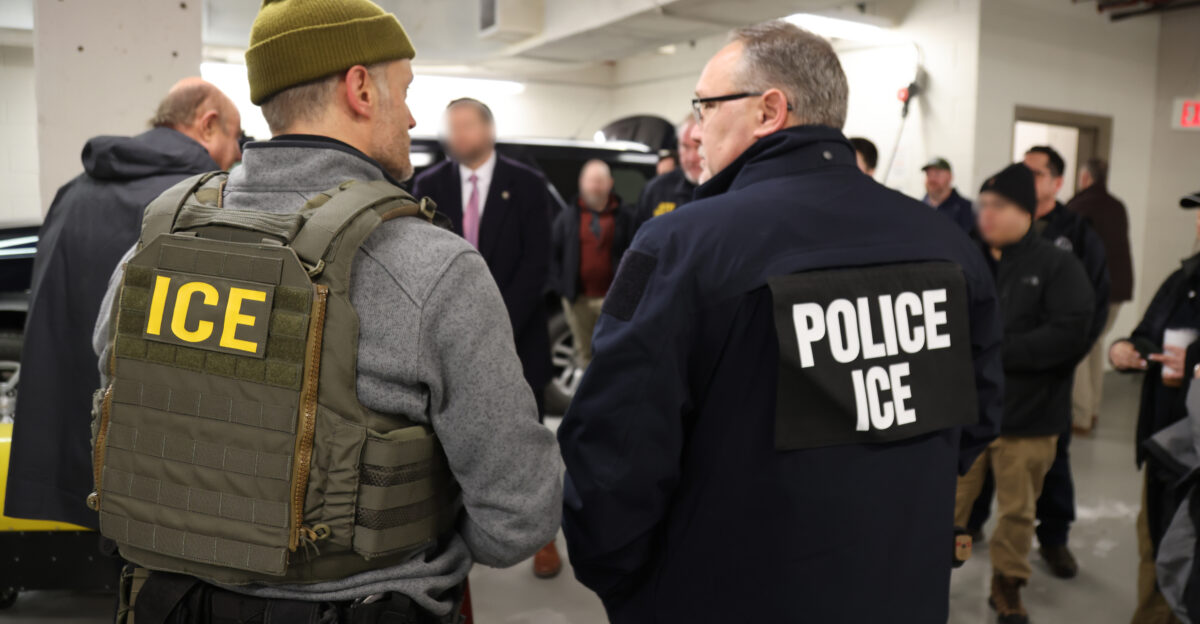
The Minneapolis operation fundamentally altered America’s immigration enforcement landscape, establishing precedents that will shape federal-state relations for years. The scale of deployment, the fatal shooting of a legal observer, and the reopening of settled refugee cases represent escalations in enforcement tactics.
Civil rights organizations warned these actions signal broader campaigns against immigrant communities nationwide.
Sources:
“Homeland Security plans 2,000 officers in Minnesota for its largest immigration operation.” ABC News, January 6, 2026.
“What led to an ICE agent fatally shooting a public observer in Minneapolis?” ABC Australia, January 8, 2026.
“‘Abolish ICE’: Tens of thousands in Minneapolis, across US protest killing.” Al Jazeera, January 10, 2026.
“After fatal ICE shooting, DHS and Minnesota officials share dueling narratives.” NBC News, January 7, 2026.
“Anti-ICE protests across U.S. demand justice in Good’s death.” NPR, January 10, 2026.