
Federal housing officials discovered they had been mailing rent checks to more than 30,000 dead people across all 50 states, part of a staggering $5.8 billion in questionable payments distributed during fiscal year 2024. The revelation emerged when HUD deployed advanced data analytics for the first time, cross-referencing payment records with Treasury Department death records.
What they found exposed the largest payment integrity failure in the agency’s modern history, affecting 11 percent of all rental assistance distributed.
Immediate Context: Eight-Year Blind Spot
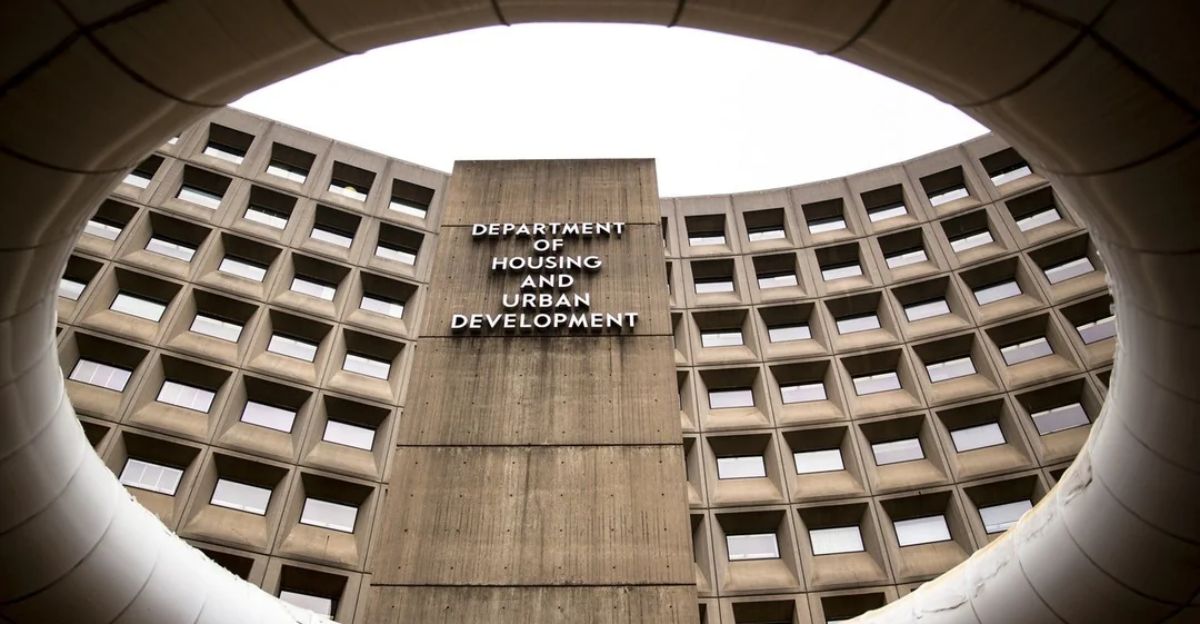
The Department of Housing and Urban Development released its bombshell Fiscal Year 2025 Agency Financial Report in December 2025, revealing systemic failures that went undetected for nearly a decade.
Between October 2023 and September 2024, HUD distributed nearly $50 billion through federal rental assistance programs without adequate verification systems. The 183-page audit documented how the agency operated blind for eight consecutive years, unable to estimate improper payments since 2016.
Critical Database Disconnect
In 2019, HUD allowed a critical data-sharing agreement with the U.S. Treasury’s Do Not Pay system to lapse, eliminating access to the Social Security Administration’s Death Master File.
This single administrative failure removed the primary safeguard preventing payments to deceased individuals. For five years, rent checks continued flowing to dead tenants while HUD operated without the basic verification tools other federal agencies used to prevent fraud.
More Than 200,000 Questionable Recipients

Beyond the 29,715 to 30,054 deceased individuals, auditors flagged more than 200,000 additional tenants who may not have qualified for federal housing assistance under program rules. Approximately 9,472 non-citizens received rental assistance payments despite eligibility restrictions.
More than 165,000 households received assistance amounts exceeding income thresholds established for their geographic areas, representing clear violations of program requirements designed to target aid to those most in need.
Two Programs, Billions in Questionable Spending

The Tenant-Based Rental Assistance program distributed $33 billion to more than 4 million households, with investigators identifying eligibility concerns tied to $1.5 billion in payments. Project-Based Rental Assistance showed even worse results, with $4.3 billion of its $16 billion budget—26.4 percent—raising red flags.
Together, these programs represent two-thirds of HUD’s total fiscal year 2024 expenditures, making the integrity failures particularly significant for taxpayers.
Geographic Patterns Reveal Systemic Problems

Auditors identified the highest concentrations of suspected improper payments in New York, California, and Washington, D.C., though deceased recipients appeared in every state.
The nationwide distribution pattern indicated systemic verification failures rather than isolated problems at specific housing authorities. The geographic breadth demonstrated that local administrators across the country lacked effective tools or protocols to verify basic eligibility criteria before distributing federal funds.
$315 Billion Distributed Without Adequate Oversight

During the eight years HUD failed to estimate improper payments—from 2016 through 2024—the agency distributed a total of $315 billion through its two largest rental assistance programs without compliant verification systems.
The last proper estimate in 2016 identified $1.7 billion in improper payments. What happened in the subsequent eight years remained unknown until the 2025 audit deployed new analytics revealing the extent of payment integrity breakdowns.
The Technology That Exposed the Crisis
For the first time, HUD’s Office of the Chief Financial Officer used advanced data analytics to examine every rental assistance payment made in 2024, comparing agency records with U.S. Treasury databases. This technological approach revealed what manual oversight processes and traditional auditing methods had missed for years.
The cross-referencing exposed payment patterns that would have remained hidden without automated verification systems checking millions of transactions against authoritative government databases.
Secretary Places Blame on Previous Administration
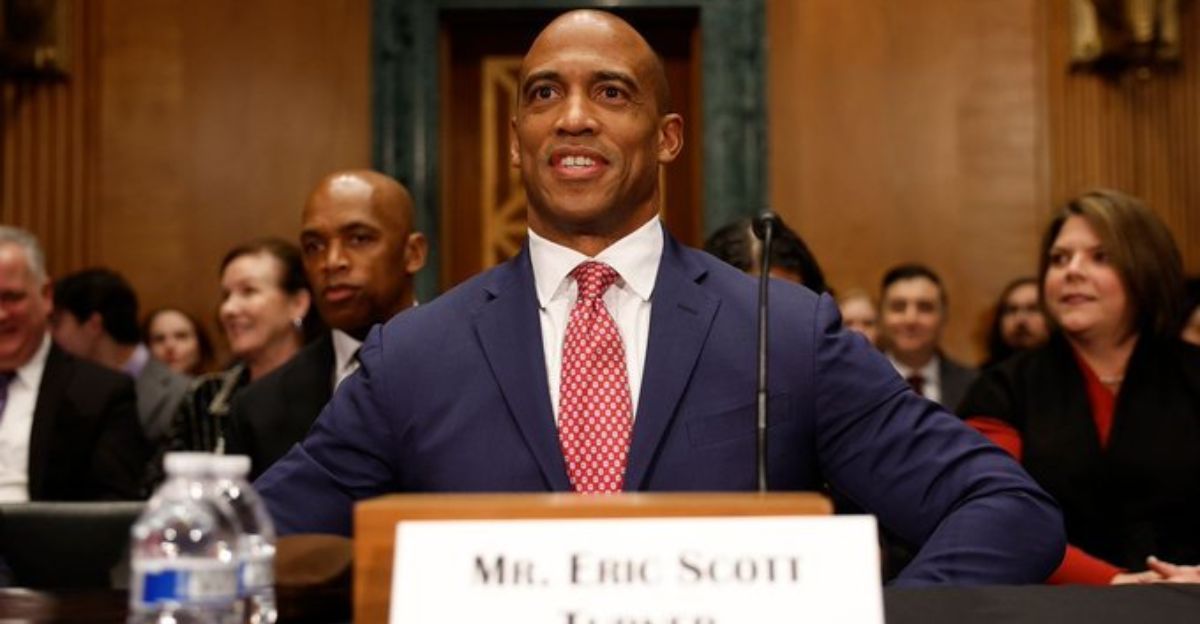
HUD Secretary Scott Turner directly criticized the Biden administration’s oversight failures in his official response to the audit findings.
“A massive abuse of taxpayer dollars not only occurred under President Biden’s watch, but was effectively incentivized by his administration’s failure to implement strong financial controls resulting in billions worth of potential improper payments,” Turner stated, signaling a sharp policy shift toward enforcement and accountability.
Lack of Tools and Technology
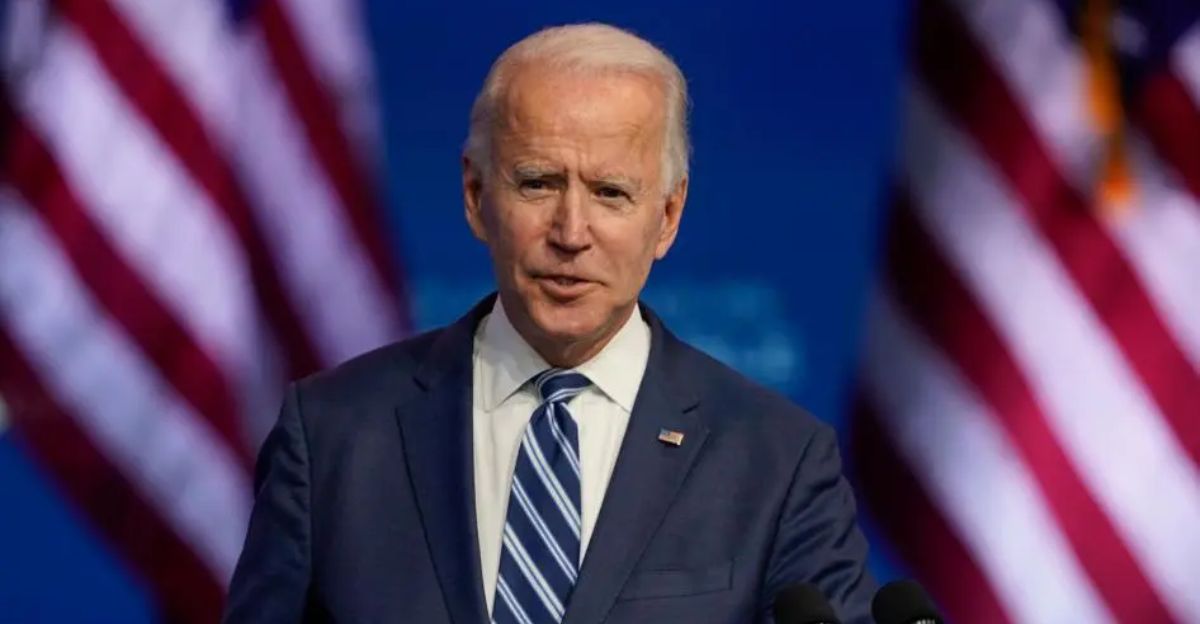
The audit report specifically documented that the Biden Administration failed to provide HUD with effective tools, technology, or access to evidence necessary to verify whether local housing authorities properly enforced rental assistance rules.
This absence of basic verification mechanisms allowed questionable payments to flow undetected throughout fiscal year 2024. Public Housing Authorities serving as intermediaries between HUD and recipients operated without real-time database access to confirm applicant eligibility.
Federal Compliance Requirements Ignored
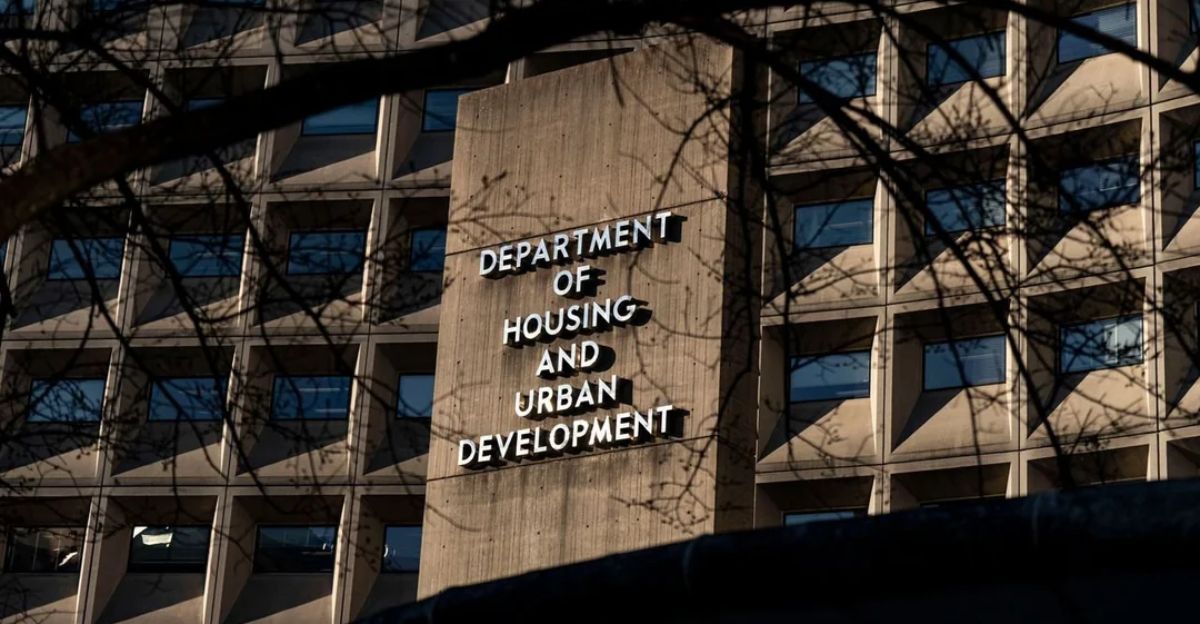
The Payment Integrity Information Act of 2019 requires federal agencies to develop and report estimates of improper payments for at-risk programs, publish corrective action plans, and maintain improper payment rates below 10 percent.
HUD’s eight consecutive years of non-compliance while distributing hundreds of billions in taxpayer funds violated these statutory requirements. The agency’s failure represented a significant governance breakdown affecting the largest housing assistance programs in the federal budget.
Stakeholder Impact Across Housing Sector
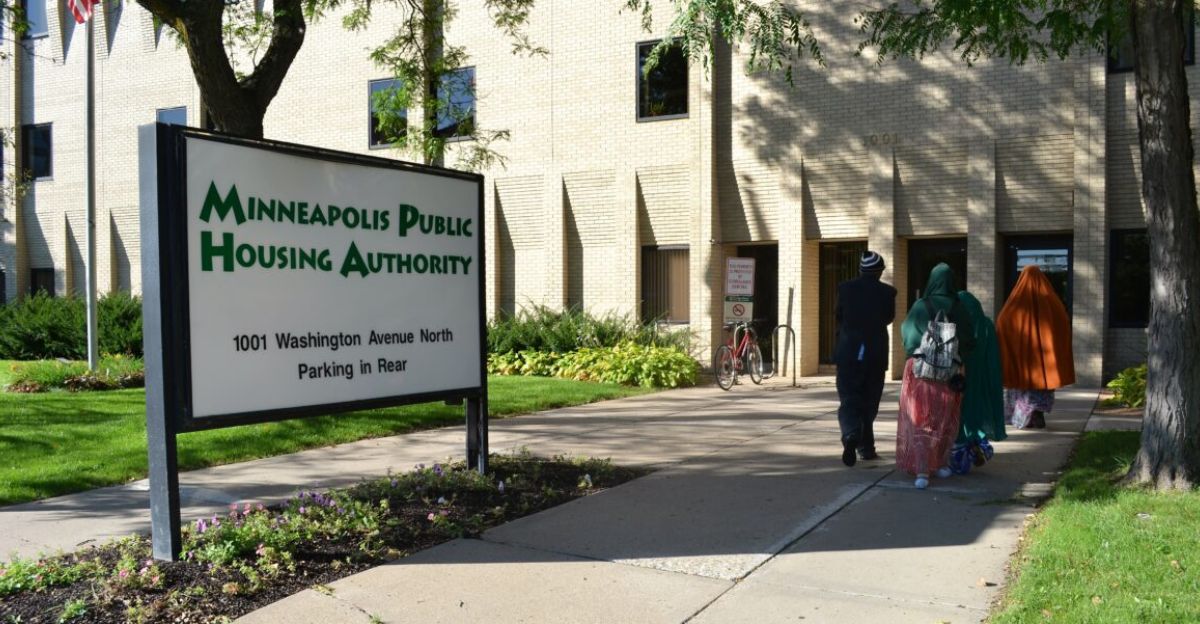
Public Housing Authorities nationwide now face increased scrutiny and potential consequences for inadequate oversight of taxpayer-funded assistance programs. These local agencies serve as gatekeepers, responsible for verifying applicant eligibility before distributing federal funds.
The audit findings suggest widespread failures to conduct proper income verification, death record checks, citizenship status confirmation, and ongoing eligibility reviews. Compliant authorities face disruption as HUD implements blanket reforms affecting all housing partners.
Enforcement Actions and Investigations Launched
HUD announced it will contact housing authorities and partners to determine the full scope of improper payments beyond what initial data analytics revealed. Depending on investigation findings, the department may pause or revoke funding to non-compliant housing authorities.
Cases showing evidence of intentional fraud will be referred for criminal prosecution. Secretary Turner emphasized the agency’s commitment to holding “bad actors accountable” and restoring program integrity through aggressive enforcement.
Broader Pattern in Pandemic-Era Programs
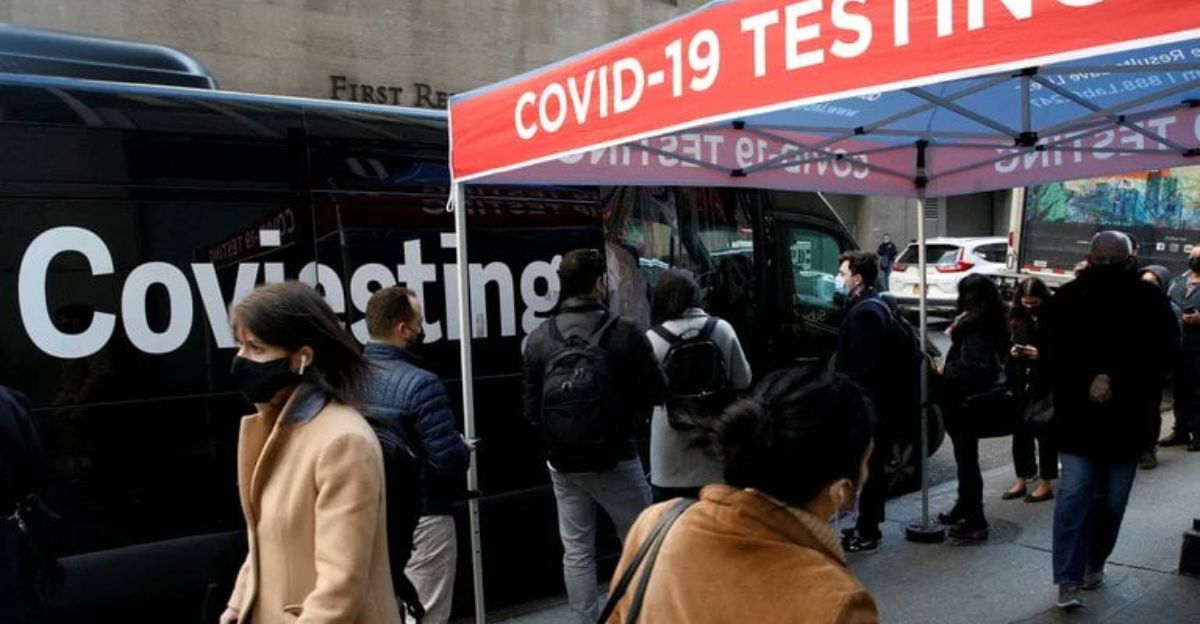
The HUD findings reflect widespread improper payment issues affecting multiple federal agencies during the COVID-19 pandemic response. The rush to distribute emergency relief funds created verification vulnerabilities that fraudsters exploited across government programs.
Multiple agencies struggled with eligibility systems as they rapidly scaled assistance distribution. HUD’s problems mirror challenges at the Small Business Administration, Labor Department, and other agencies administering pandemic relief, suggesting systemic rather than isolated failures.
New Verification Systems Being Implemented

HUD is implementing real-time database cross-referencing systems to verify recipient eligibility before payments are issued rather than discovering problems years later through audits. The agency has established new data-sharing agreements with the Department of Homeland Security to confirm citizenship status and other eligibility criteria.
These technological solutions aim to prevent future improper payments while maintaining program accessibility for legitimate recipients facing housing insecurity.
Balancing Speed and Accuracy

The agency faces the ongoing challenge of processing millions of assistance applications quickly while implementing rigorous verification procedures. Legitimate recipients in housing crisis situations need rapid assistance, but taxpayers deserve protection against fraud and waste.
Technology offers potential solutions through automated eligibility checks that can verify multiple criteria simultaneously. Success requires sustained investment in verification infrastructure and clear performance standards for housing authorities.
Political Debate Over Responsibility
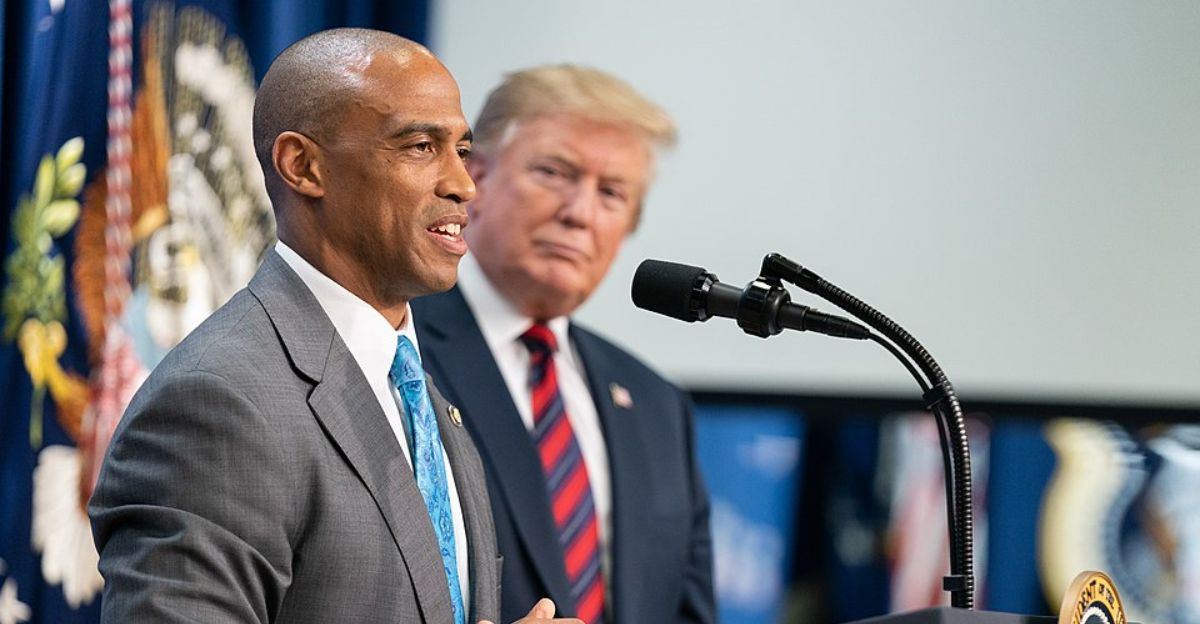
The Trump administration has used the audit findings to criticize Biden-era financial management practices, while Democrats argue pandemic emergency conditions required prioritizing rapid assistance distribution over extensive verification.
The controversy highlights tensions between urgent relief provision and fraud prevention. Both parties acknowledge reforms are necessary but disagree on blame attribution. The debate will likely influence future emergency assistance program design across federal agencies.
Immigration Policy Connections
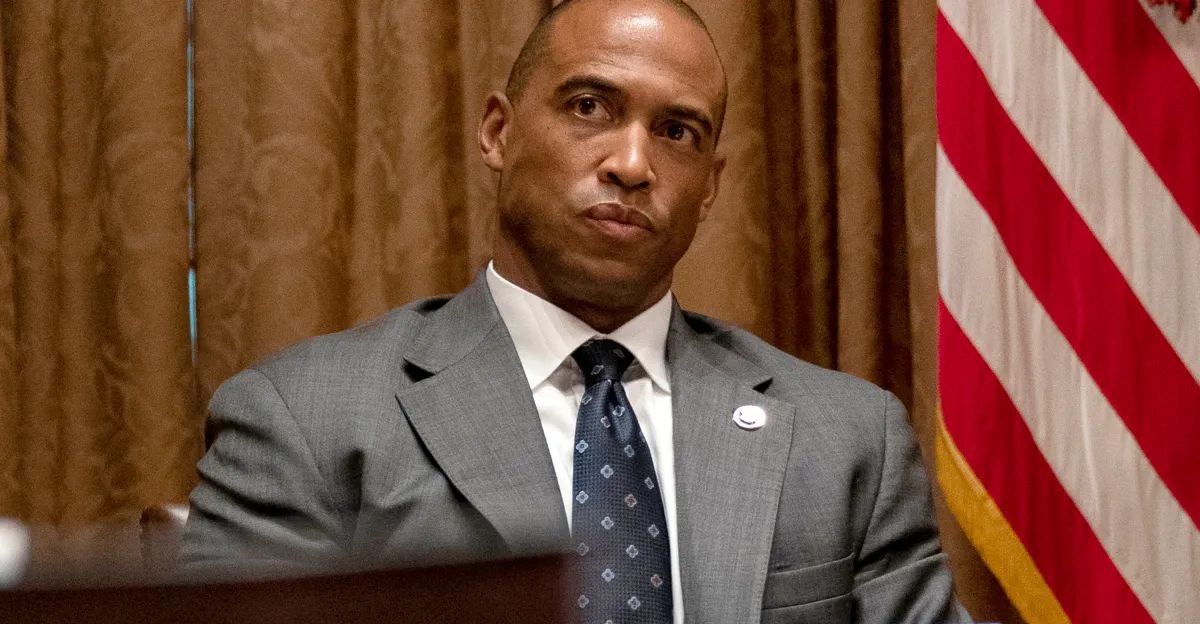
Secretary Turner has explicitly linked the audit findings to broader immigration policy, arguing HUD programs should prioritize American citizens and that rising housing costs reflect immigration trends. New data-sharing agreements with immigration enforcement agencies represent a policy shift.
These connections have sparked debate about the appropriate scope of housing assistance programs and eligibility criteria. The intersection of housing policy and immigration enforcement represents a significant policy evolution.
Industry Transformation in Progress
The HUD crisis is forcing a fundamental rethinking of how federal assistance programs verify eligibility and prevent fraud in an era of massive digital payment systems. The shift from manual verification to automated database cross-referencing represents an industry-wide transformation affecting all federal benefit programs.
Agencies are investing billions in verification technology and artificial intelligence tools to detect fraud patterns. What happened at HUD serves as a cautionary example driving reform across government operations.
What’s Next for Federal Oversight
Congressional oversight committees are demanding accountability and considering legislative reforms to strengthen payment integrity requirements across federal agencies. The Government Accountability Office is conducting parallel reviews of other assistance programs to identify similar vulnerabilities.
State and local governments administering federal funds face new compliance requirements and potential liability for improper payments. The HUD audit marks a turning point in how government balances accessibility and accountability in assistance programs serving millions of Americans.
Sources:
“HUD audit reveals $5.8 billion in ‘questionable’ rental assistance payments under Biden.” Sinclair Broadcast Group, December 29, 2025.
“Trump HUD Report Alleges Biden Admin Shelled Out Billions to Dead and Ineligible Tenants.” Yahoo News, December 30, 2025.
“Audit of the U.S Department of Housing and Urban Development’s Fiscal Years 2025 and 2024 Financial Statements.” HUD Office of Inspector General, December 17, 2025.
“HUD Financial Report Finds Billions in Potential Payment Errors.” U.S. Department of Housing and Urban Development, December 31, 2024.
“Improper Payments in Pandemic Assistance Programs.” Congressional Research Service, January 18, 2024.