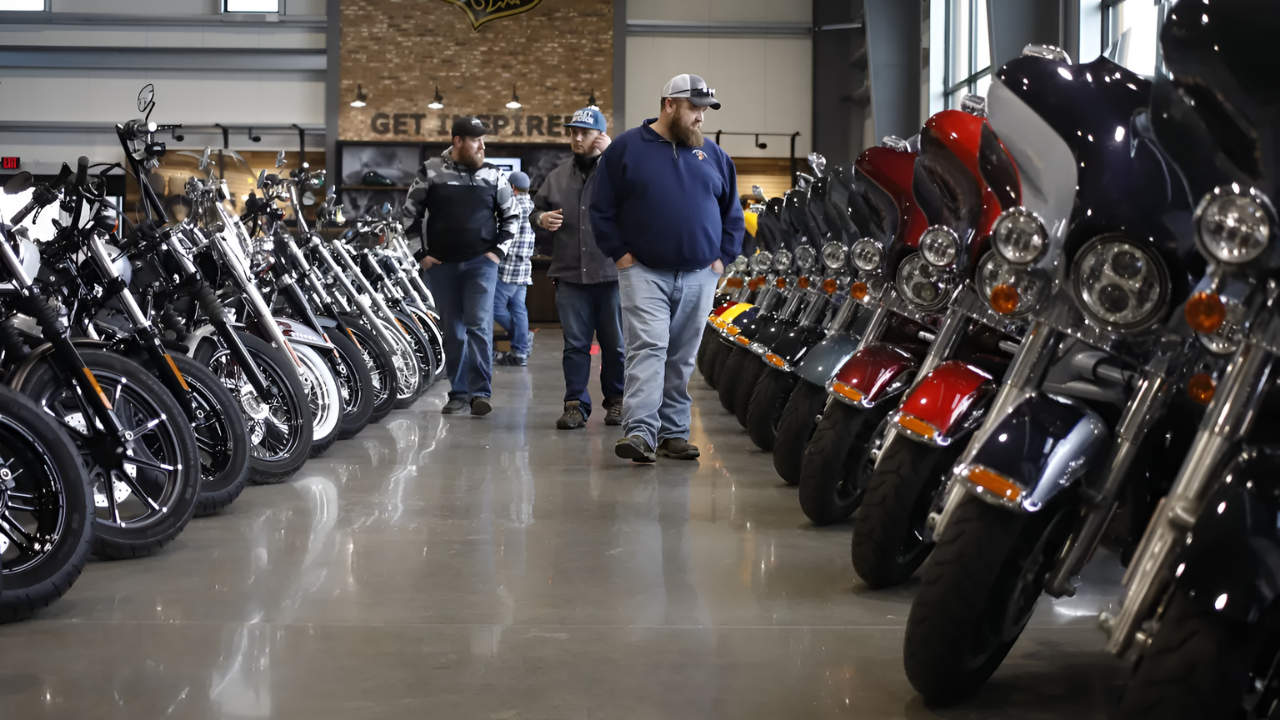
A Utah-based motorcycle dealership powerhouse operating 13 premium European-branded locations has collapsed into Chapter 11 bankruptcy after losing $3 million to a fraudulent lending scheme. Motos America’s bankruptcy filing on December 31, 2025, exposes how financial crimes can topple even seemingly stable retail operations carrying coveted brands like BMW Motorrad, Triumph, Ducati, and Royal Enfield.
The company’s $10 million-$50 million debt burden dwarfs its assets by a factor of 10 to 100, revealing a system vulnerable to predatory schemes and a wider industry in crisis. The first court filing raised even more questions.
A Bankruptcy Filing Stuns Premium Bike Fans
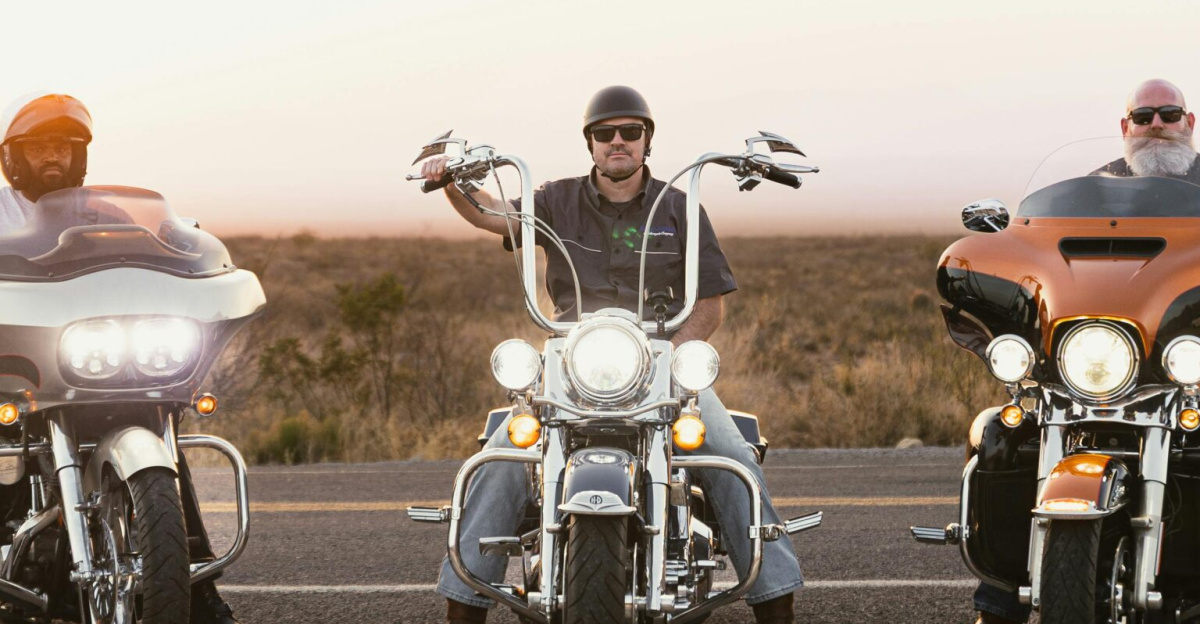
Motos America Inc., a Salt Lake City-based operator of 13 high-end motorcycle dealerships, filed for Chapter 11 bankruptcy on December 31, 2025 in U.S. Bankruptcy Court for the District of Utah, Case No. 25-21834. The filing, first reported by TheStreet on January 2, 2026, rattled premium retail once viewed as insulated from wider turmoil. The triggering detail was still unfolding.
The $3 Million Deposit That Vanished

Motos America’s decline accelerated after losing a $3 million deposit tied to a planned $15 million credit facility that failed to close. Filings describe a “fraud scheme” involving Prime Capital Ventures. The hit cut liquidity needed to manage variable-rate floorplan loans. CEO Vance Harrison, holding 69% voting power in early 2023, then watched other financing attempts fail. The players behind that scheme soon came into view.
A Guilty Plea Reveals The Playbook

Prime Capital Ventures CEO Kris Roglieri pleaded guilty to wire fraud conspiracy on January 6, 2026, admitting to a scheme that defrauded clients of tens of millions of dollars, including Motos America’s $3 million deposit. DOJ filings state that he touted loan procurement and refunds, then used the funds for earlier clients and made luxury purchases.
Acting U.S. Attorney John A. Sarcone III said, “Kris Roglieri brazenly flaunted the proceeds of his scheme—including luxury vehicles, rare watches, and private jet travel—all while feeding his victims bigger and bigger lies to fuel his greed.” The fallout spread beyond one courtroom.
Dealership Doors Stay Open For Now

Motos America’s subsidiary dealership entities did not file for bankruptcy and continue operating in the ordinary course of business without interruption, according to company statements. The dealership operations “are strong and fully open for business,” said CEO Vance Harrison on January 2, 2026.
“This Chapter 11 filing is limited to the parent company and is intended to address corporate-level debt and related matters following a difficult period in 2025,” he added, citing debtor-in-possession financing for liquidity. Yet survival depends on what creditors and the court allow.
Big Market Forecasts Hide Dealer Pain
The global motorcycle market was valued at $71.9 billion in 2024 and projected to reach $119.1 billion by 2032 at a 6.7% CAGR, according to Fortune Business Insights. U.S. sales are forecast to reach $8.76 billion by 2032.
Yet near-term realities are brutal: rising rates lift floorplan costs, and premium inventory turns slower. Motos America showed how growth projections do not prevent cash crises. However, closure numbers suggest this is not a single-company story.
Dealer Closures Hit A Shocking Pace
The dealership sector saw severe closures in 2025. Industry sources reported 47 dealerships permanently closed in a single 30-day mid-2025 window, more than 1 per day. By December 2025, over 300 dealerships had closed nationally, with projections of 400 by year-end 2026. Harley-Davidson locations shuttered, and KTM/Husqvarna/GasGas lost 120+ dealers in 18 months. What caused so many operators to fail so quickly?
A Fast Expansion Meets A Sudden Trap
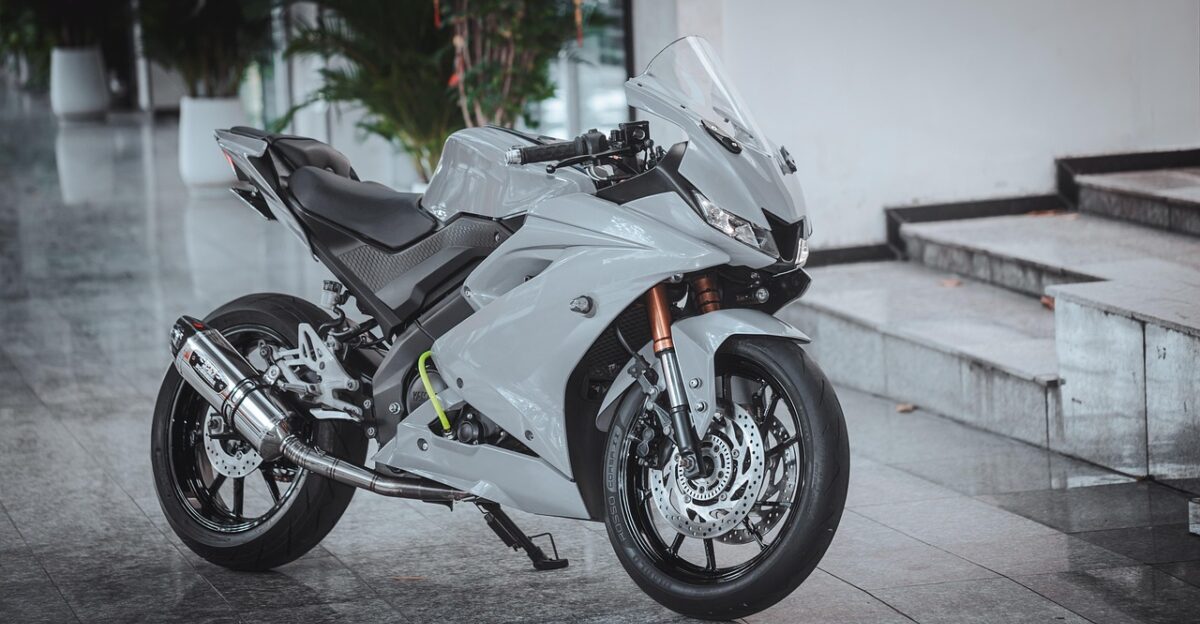
Motos America formed through a reverse merger in late 2021, then CEO Vance Harrison built a premium dealership network focused on European brands. In early 2024, the company acquired New Start Financial LLC to provide in-house financing to customers. Harrison kept roughly 69% voting power in early 2023, controlling strategy. After the SEC revoked registration in November 2024, he called it an “opportunity to refocus resources” away from compliance. The timeline soon tightened in uncomfortable ways.
SEC Revocation And A Confidence Collapse

The SEC revoked Motos America’s securities registration on November 18, 2024 for failing to file required periodic reports, halting public trading. Harrison tried to frame it positively: “This step allows us to focus more intensely on building a thriving and passionate community of riders while continuing to expand our dealership footprint,” he said in a November 2024 press release.
“By reallocating resources previously directed at regulatory compliance, we can invest more heavily in our dealerships, customer programs, and long-term growth opportunities,” he added. Weeks later, the $3 million loss and credit failure made the optimism look fragile. The balance sheet would soon deliver the hardest proof.
A Debt Gap Too Large To Ignore
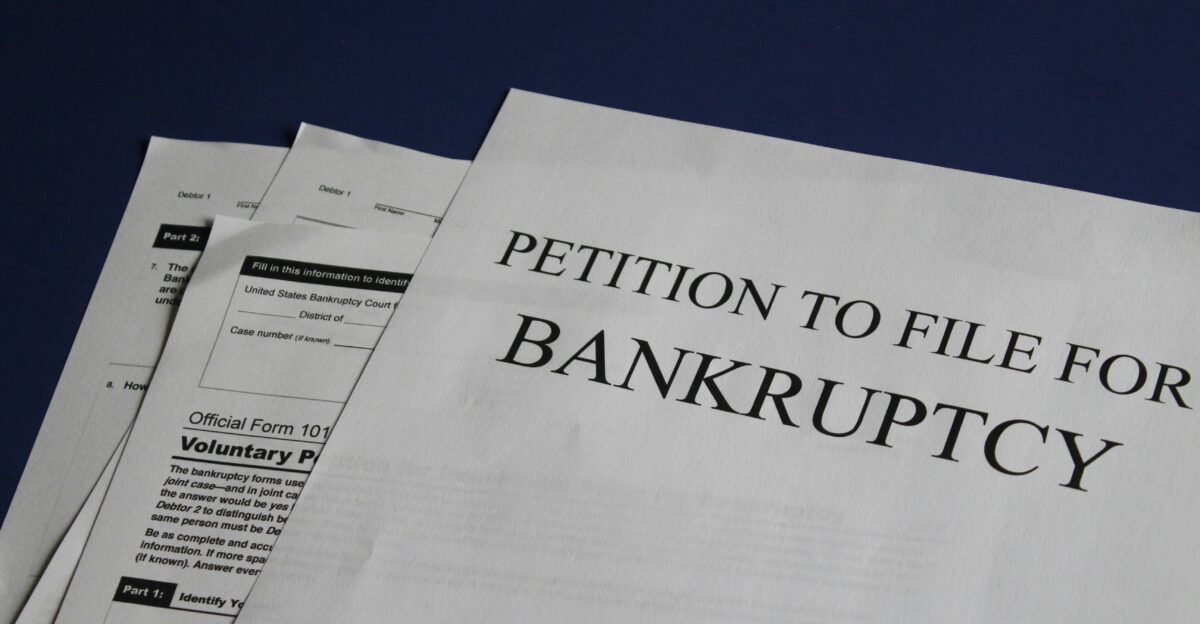
The bankruptcy petition listed assets of $500,000 to $1 million and liabilities of $10 million to $50 million, meaning debts outweighed assets by 10 to 100 times. The filing listed 100 to 199 creditors, signaling broad borrowing across channels. Losing the $15 million credit facility after the $3 million deposit left too little capital to meet obligations. Chapter 11 creates an automatic stay, but that ratio suggests recovery is uncertain. The mechanics of dealer financing help explain how the hole got so deep.
The Floorplan Loan Squeeze Tightens

Most dealer floorplan loans are variable-rate, so costs jump when interest rates rise, even if sales hold. Dealers rely on floorplan financing to stock inventory, but elevated Federal Reserve rates amplify risk. Premium models with slower turns worsen the math.
A $25,000-$28,000 BMW adventure bike sitting for 6 months racks up meaningful interest expense. In 2025, U.S. motorcycle sales declined 9.2% in the first half, marking the weakest start in over a decade, amid higher carrying costs. The same pressures were hitting major manufacturers, too.
Big Brands Struggle At The Same Time
Motos America’s collapse came amid crises across powersports. PIERER Mobility AG, parent of KTM, Husqvarna, and GasGas, reported €1.888 billion ($2.20 billion) in net losses for 2024 and faced potential insolvency before Bajaj Auto injected €150 million ($174.6 million) in March 2025. Harley-Davidson registrations fell 27.7% globally in the first half of 2025, with quarterly operating losses exceeding $190 million by late 2025.
Polaris was downgraded to BBB- from BBB by Fitch in July 2025, with tariff exposure of $100 million-$150 million annually and wholesale shipments cut 21% in 2024. Steve Brown at Fitch said, “Powersports [companies] have been hit harder because they were coming into the tariff situation from a weaker position.” But the damage showed up most clearly far from corporate offices.
Rural Riders Lose Local Lifelines
Closures have hit rural markets hard, where 1 dealership can serve multiple counties. Arizona lost 12 dealerships since January 2025, Nevada lost 8, and Michigan lost 14. Colorado’s High-Country Harley-Davidson closure after 25 years eliminated service access across a 200+ mile radius, forcing long trips for maintenance and warranty work.
Dealers say direct-to-consumer shifts and required facility upgrades of $2 million-$5 million are crushing smaller operators. The result is service deserts for riders who already bought bikes. So what happens to owners when a store disappears?
Warranty Coverage Becomes A New Anxiety
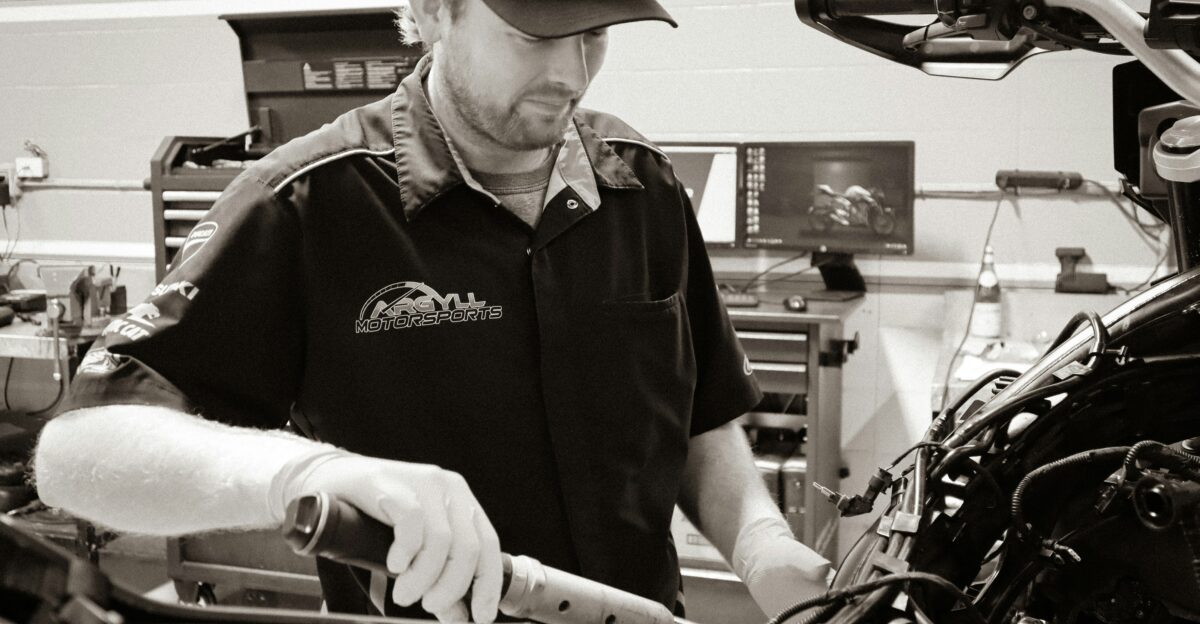
Customers from closed dealerships worry about warranty coverage, service, and parts. Manufacturer warranties generally remain valid at any authorized dealer nationwide, so claims can transfer. But dealership-specific warranties and some extended service contracts sold by the closing dealer may be voided or hard to honor.
With fewer stores, remaining service points may be far away, especially for premium models needing specialized tools and trained techs. Extended warranties backed by third-party warranty companies usually remain valid, but disputes get harder without local dealer access. These buyer worries are now shaping how the industry is judged.
A Familiar Failure Pattern Emerges
Motos America’s December 31, 2025 filing resembles other dealer collapses in 2025. Thunder Road Motorcycles in Atlanta closed July 23, 2025 with $4.7 million in final debt despite being multibrand. Mountain View Harley-Davidson in Denver closed July 8, 2025 after 25 years, liquidating $1.2 million on bikes that cost $3.1 million to acquire.
Midwest Motorsports shut all 14 locations late 2025, and Pacific Coast Powersports shuttered 8 stores across California and Arizona. These cases point to systemic pressures: high financing costs, weaker demand, aging demographics, and tighter manufacturer terms. If so many groups fail, what odds does Chapter 11 really offer?
Chapter 11 Promises Time, Not Certainty
Chapter 11 can allow debt reorganization while operations continue, unlike Chapter 7 liquidation. Motos America secured debtor-in-possession financing and says it will present a reorganization plan in the coming weeks. Leadership insists dealerships remain “viable businesses” serving customers, employees, and vendors.
Yet success requires creditor approval, judge confirmation, and sustainable profitability after the case. With liabilities exceeding assets by 10-100 times and demand still weak, the path is uncertain. “Companies that timely reorganize their debts under Chapter 11 can come out stronger on the other side,” legal guidance notes, but conditions must cooperate. The demand picture may decide more than the courtroom.
Can Buyers Return In 2026
U.S. motorcycle sales fell 9.2% in the first half of 2025, with 271,205 units sold, the weakest start in over a decade. Rates stayed high as prices surged 40%-50% since 2020. Monthly ownership costs with $700+ payments and $148+ insurance strain budgets. Dealers also faced old 2023 inventory competing with 2024 and 2025 models, losing rebates and assistance after 180 days. Private sellers report 15%-25% trade-in declines, with $13,000 bikes now struggling near $8,000, discouraging new purchases. If demand is this weak, is the problem really cyclical?
The Rider Base Keeps Getting Older

The median U.S. rider age hit 50 in 2018, up from 47 in 2014, 40 in 2009, and 32 in 1990. Under-18 ownership fell from 8% in 1990 to 2%, while ages 18-24 dropped from 16% to 6%. Riders 50+ rose from 8% in 1985 to 25% by the mid-2000s and keep growing. This breaks the traditional ladder from entry-level to premium bikes. Millennials cite student debt and wage pressures, making $8,000-$30,000+ purchases hard, while others prefer flexible transport over ownership. Manufacturers see the risk, but can they respond effectively?
Innovation Helps, But Price Still Rules
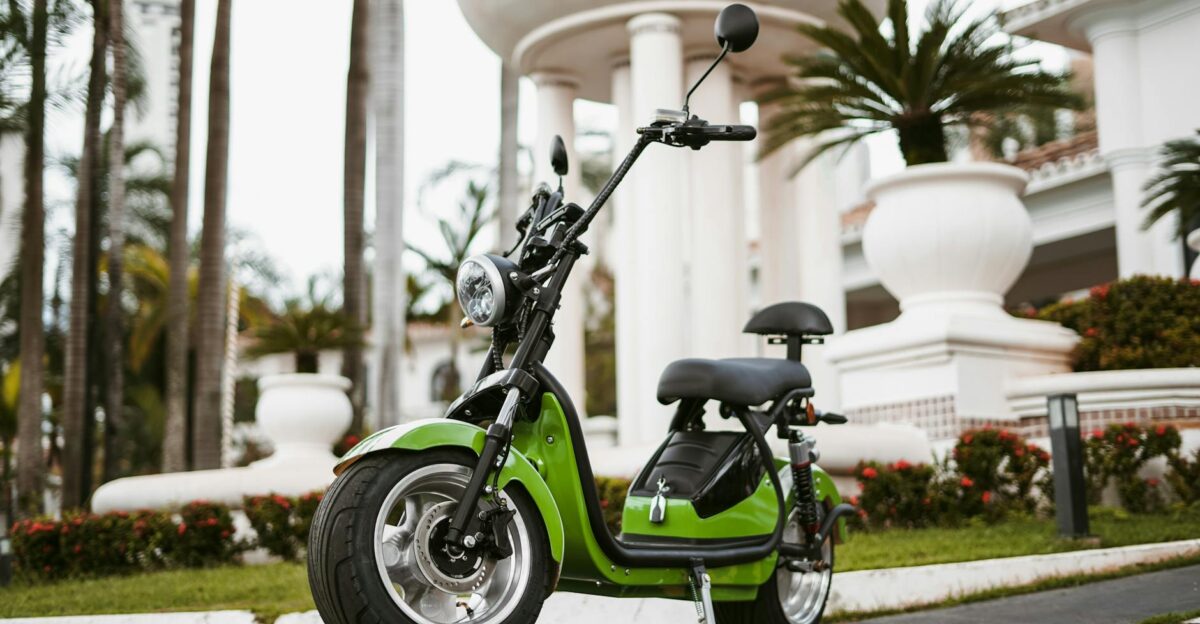
Manufacturers have tried electric models and new entry-level bikes. Harley-Davidson’s LiveWire sold 612 electric motorcycles in 2024 versus 660 in 2023, missing earlier 15,000-unit projections and posting $110 million in operating losses. High prices of $15,000+ collide with concerns about range, charging, battery life, and resale.
Affordable gas models like the Royal Enfield Guerrilla 450 at $5,299 and Aprilia RS 457 at $6,899 stand out, but remain exceptions in a premium-heavy market. Yamaha is targeting 6% revenue growth for 2025-2027 with a premium focus and Asian recovery, while Honda, Yamaha, and Kawasaki emphasize commuter and entry segments in emerging markets. The industry’s next test arrives as 2026 unfolds.
A Year Where Courts And Markets Decide

Entering 2026, long-term projections still point to 5%–7% CAGR through 2032, despite ongoing near-term pressures. Morgan Stanley expects U.S. GDP growth to slow and sees potential rate cuts into mid-2026, which could ease financing costs.
Dealer attrition is likely to continue, consolidating retail into larger groups and leaving weaker markets behind. Motos America’s reorganization has become a test case: if a premium dealer group with sought-after European brands cannot adapt, it raises questions about broader recovery.
Morgan Stanley analysts wrote on December 10, 2025 that dealerships with “predictable earnings, stable inventory, and consistent revenue growth are better positioned to exit or succeed in the near future.” The court’s response may determine whether Chapter 11 reshapes motorcycle retail or merely delays liquidation, with implications extending beyond a single company.
Sources
Motos America Inc. Press Release. Morningstar/ACCESS Newswire, January 2, 2026
Prime Capital Ventures CEO Pleads Guilty to Wire Fraud Conspiracy. U.S. Department of Justice, January 6, 2026
Motos America Inc. Chapter 11 Petition, Case No. 25-21834. U.S. Bankruptcy Court District of Utah, December 31, 2025
Premium U.S. Motorcycle Brand Files Chapter 11 Bankruptcy. TheStreet, January 2, 2026
2025 Year in Review Powersports Industry Navigates Change. Powersports Business, December 24, 2025