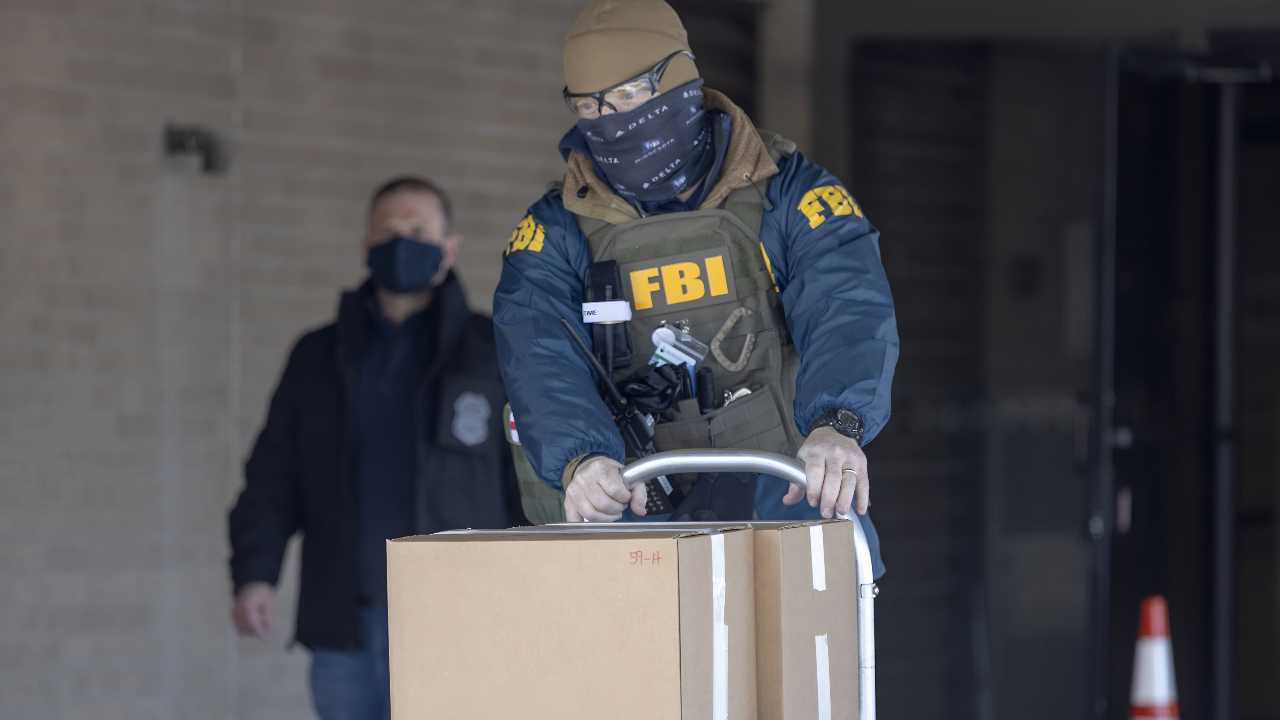
Federal prosecutors say Minnesota’s safety net programs have been exploited on a scale rarely seen in modern public assistance, with ripple effects now reaching five states, federal courts, and hundreds of thousands of low-income families.
Alleged “Industrial-Scale” Fraud and a Sudden Federal Funding Freeze
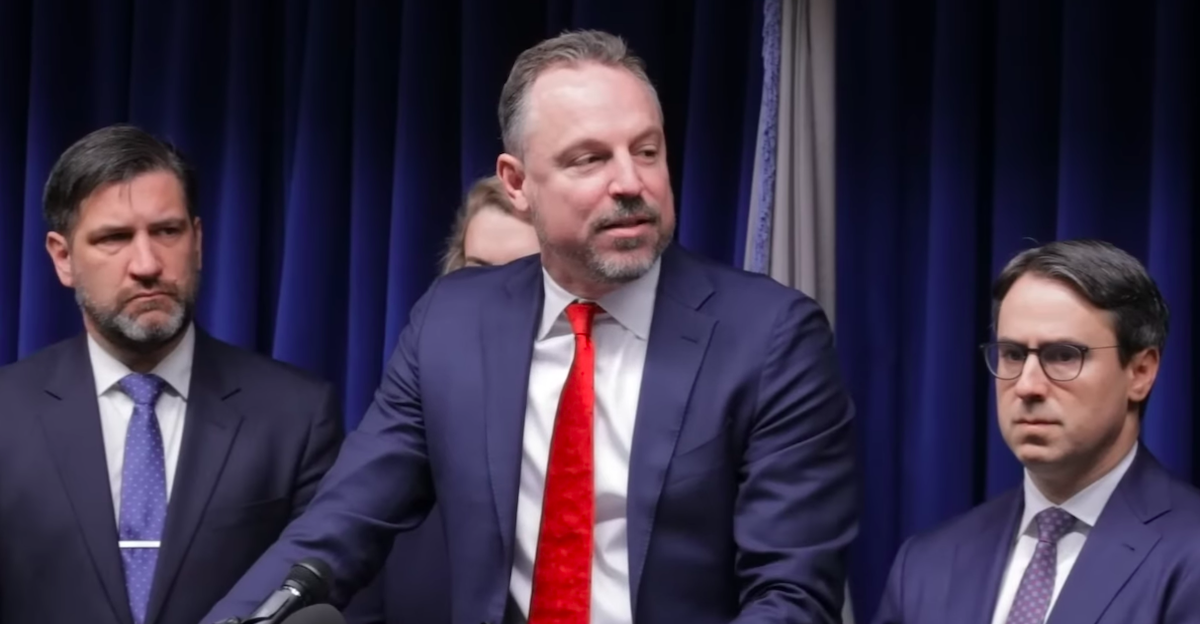
Standing before reporters in December 2025, First Assistant U.S. Attorney Joe Thompson said investigators had examined roughly $18 billion in Minnesota Medicaid billing and concluded that “half or more” may have been obtained through fraudulent schemes. He described “staggering, industrial-scale fraud,” telling the public that investigators were uncovering what looked like a new $50 million scam for every day they probed the system.
Within weeks, the U.S. Department of Health and Human Services (HHS) moved beyond Minnesota. Citing concerns about misuse of federal dollars, HHS froze about $10 billion in child care and family assistance payments to Minnesota, California, Colorado, Illinois, and New York. The decision threatened support for more than 200,000 families who depend on federal programs such as child care subsidies and cash aid for food, rent, and utilities.
The department framed the move as an unprecedented but necessary response to mounting evidence that federal anti-poverty funds were being siphoned off on a massive scale. State officials and affected families, however, suddenly faced the prospect of disrupted benefits and shuttered services while the investigations played out.
A Viral Video, an Empty Daycare, and Dueling Inspections

The turning point came from an unusual place: a 42‑minute YouTube investigation posted December 26, 2025, by conservative commentator Nick Shirley. His video stitched together footage of nearly a dozen Minneapolis-area daycare centers that appeared empty, despite public records showing they had received millions of dollars through Minnesota’s Child Care Assistance Program. The clips spread rapidly, topping 100 million views across platforms and fueling public anger about alleged sham facilities and lax oversight.
One center, Quality Learning Center, became the emblem of the controversy. Its misspelled sign and quiet parking lot were featured prominently in Shirley’s video. State data showed the center had received about $1.9 million in child care assistance in fiscal year 2025. After the video went viral, the site closed temporarily, reopened, and then shut down for good on January 6, 2026, with the owner’s public statements shifting from denial to confirmation of a permanent closure within two days.
HHS Deputy Secretary Jim O’Neill cited Shirley’s video directly in announcing a freeze on Minnesota’s child care payments December 30. In a social media statement, he said Minnesota had allowed “scammers and fake daycares to siphon millions of taxpayer dollars” and ordered payments halted while federal officials reviewed the evidence.
Minnesota regulators quickly pushed back. Commissioner Tikki Brown of the Department of Children, Youth and Families dispatched inspectors to the providers highlighted in the video. State teams reported finding children present at eight of the nine facilities they visited; the ninth, they said, simply had not opened for the day yet. Brown questioned whether Shirley had filmed during regular operating hours and emphasized that at least some centers were functioning programs. ABC News reported that it had not independently verified Shirley’s allegations.
Federal Probes Widen: Food Programs, Autism Services, and Housing Aid

The public clash over daycare funding came after years of broader federal investigations into alleged fraud across Minnesota’s social service system.
The largest criminal case centers on Feeding Our Future, a Minneapolis nonprofit accused of orchestrating the biggest COVID‑era fraud scheme in the nation. Federal prosecutors say 78 defendants used child nutrition programs to steal roughly $250 million, creating more than 250 fictitious meal distribution sites and filing paperwork claiming they served 91 million nonexistent meals to children. When the Minnesota Department of Education tried to halt payments in 2021, Feeding Our Future founder Aimee Bock sued, alleging racial discrimination against a group serving primarily Somali families. A court ruling in her favor forced the state to resume payments, a decision prosecutors say allowed the fraud to expand by tens of millions of dollars before the scheme was dismantled.
Bock was convicted in March 2025. A federal judge later ordered her to forfeit $5.2 million, including a Porsche, luxury goods, and $3.7 million in bank accounts. So far, 57 of the 78 defendants have been convicted, with prosecutors still pursuing remaining cases and attempting to recover money moved overseas or converted into property and other assets.
Separate cases focus on Minnesota’s Early Intensive Developmental and Behavioral Intervention program for children with autism. Federal authorities allege some providers recruited children from immigrant communities, falsely certified them as needing costly therapy, billed Medicaid for services never delivered, and paid parents kickbacks. One operator, Ilhan Hassan of Smart Therapy Center, is accused of stealing $14 million through $31.8 million in fraudulent claims between 2021 and 2025.
Investigators say the size of Minnesota’s benefits system has drawn “fraud tourism” from other states. Two Philadelphia residents, Anthony Waddell Jefferson and Lester Brown, allegedly registered sham Minnesota companies and filed $3.5 million in false claims entirely from Pennsylvania. Across all of the overlapping schemes, federal prosecutors report charging 92 people, some tied to multi-state criminal networks.
Attention has also turned to Minnesota’s Housing Stabilization Services program, launched in July 2020 as the first Medicaid-funded housing assistance initiative in the country. Designed with “low barriers to entry and minimal records requirements” to reach hard-to-serve populations, the program is now described by prosecutors as structurally vulnerable, with minimal documentation making it easier for sophisticated fraud operations to flourish.
Federal–State Showdown and Families in the Middle
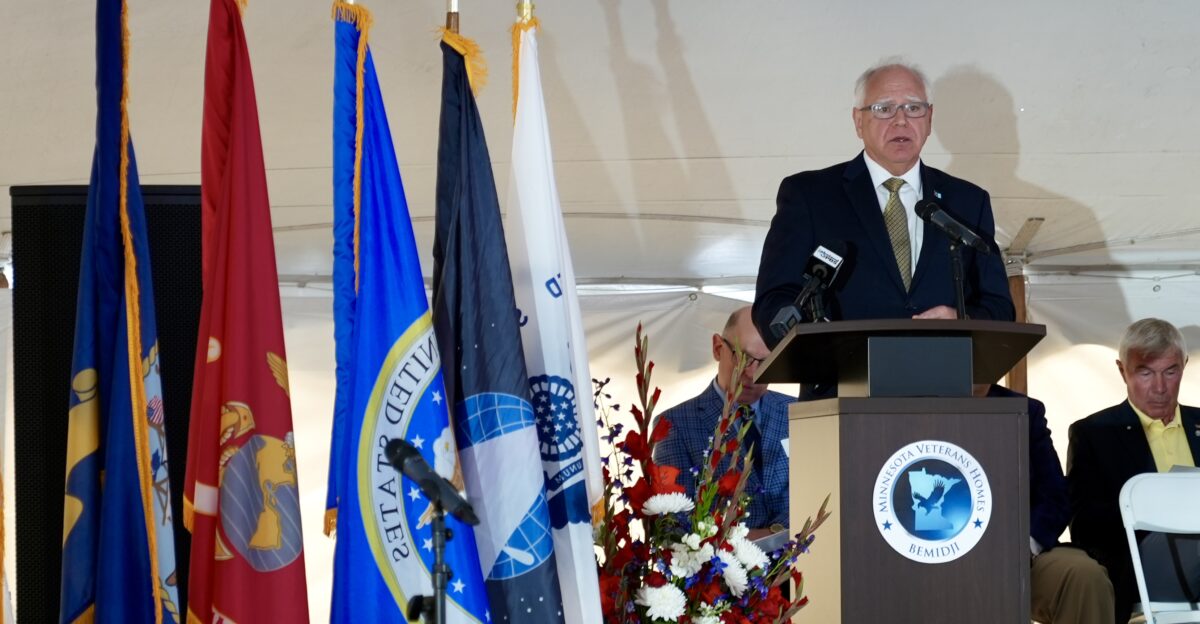
As federal scrutiny intensified, HHS rolled out a nationwide “Defend the Spend” system requiring states to submit additional verification—such as receipts, justifications, or photographs—before payments are released through the Administration for Children and Families. The department also set up a fraud hotline and demanded detailed audits from Minnesota Governor Tim Walz, including attendance logs, licenses, complaints, investigations, and inspection reports for facilities spotlighted in the viral video.
The political stakes escalated quickly. Walz, who had been the 2024 Democratic vice-presidential nominee, announced on January 4, 2026, that he would not seek another term as governor, citing several factors and acknowledging the fraud crisis as a major one. He accused President Donald Trump of using the issue for partisan purposes, arguing that the funding freeze was political payback rather than neutral oversight. A spokesperson for Walz said the governor had been fighting fraud “for years,” while criticizing the administration’s broader criminal justice approach.
The Trump administration responded with a high-profile enforcement surge. About 2,000 Department of Homeland Security personnel were sent to the Twin Cities, with DHS Secretary Kristi Noem participating in some operations. Trump has repeatedly labeled Minnesota a “hub of fraudulent money laundering activity.” HHS spokesperson Andrew Nixon said the federal government had been forced to act because “Democrat-led states and governors have been complicit in permitting significant fraud to happen under their supervision.”
On January 7, 2026, New York Attorney General Letitia James led the five affected states in filing an emergency lawsuit seeking to block the freeze. The suit contends that the administration did not supply concrete fraud evidence for four of the states, failed to follow statutory procedures for imposing sanctions, and violated constitutional limits on executive control over federal spending.
A federal judge issued a preliminary injunction on January 10, temporarily suspending the $10 billion freeze while the case proceeds. That ruling restored a measure of short-term stability for programs that, in New York alone, include $2.4 billion in Temporary Assistance for Needy Families funds supporting more than 200,000 families.
Even with payments resuming, providers and parents remain unsettled. Licensed childcare centers unconnected to any investigation say they could still be forced to close if future freezes interrupt cash flow, leaving workers unpaid and families without safe care options. Across the five states, nearly $2.4 billion in annual Child Care and Development Fund support is at stake, and many parents describe facing untenable choices between missing work or relying on informal arrangements if centers shut down.
Behind the legal battle is a deeper policy question that Minnesota now illustrates in stark terms: how to design programs that are accessible to immigrants and low-income residents without making them easy targets for organized fraud. Several of the state’s initiatives reduced documentation and eligibility hurdles to reach more people quickly. Federal prosecutors argue those choices opened the door to exploitation on a large scale, while advocates warn that aggressive crackdowns could end up punishing families the programs were created to help. The outcome of the court fight and ongoing investigations will likely shape how states across the country navigate that trade-off in the years ahead.
Sources:
“HHS Freezes Child Care and Family Assistance Grants in Five States Over Fraud Concerns.” U.S. Department of Health and Human Services, Administration for Children and Families, 5 Jan 2026.
“US Attorney’s Office: ‘Half or More’ of $18B Billed Through Minnesota Programs Tied to Fraud.” KSTP / ABC, 18 Dec 2025.
“How Fraud Swamped Minnesota’s Social Services System.” The New York Times, 29 Nov 2025.
“HHS Freezing Child Care Payments to Minnesota After Viral Video Spurs Fraud Probe.” ABC News, 31 Dec 2025.