
Florida has quietly become the nation’s epicentre for invasive animals. According to the Florida Fish and Wildlife Conservation Commission, the state is now home to more than 500 nonnative species, the most in the U.S. At least nine of these creatures can be dangerous to family pets in backyards and neighborhoods.
“It’s impossible to have this many nonnative species without consequences,” said Dr. Kenneth Krysko of the Florida Museum of Natural History. From huge snakes to poisonous toads, these invaders are no longer just odd sightings; they’re becoming a daily challenge for many Floridians.
Simple Steps Help Protect Pets at Home

Experts say the first line of defense is at home. Shannon Carnevale, an Extension agent with the University of Florida, advises pet owners to leash animals outdoors, remove food scraps, and report unusual wildlife sightings. “Prevention and timely removal are key to curbing these threats before they result in harm,” she said.
Staying alert in yards and neighborhoods can significantly reduce the risks invasive animals pose to pets. Here are the nine invasive species now most dangerous to family pets across Florida.
Burmese Pythons Are Now Hunting Near Florida Homes
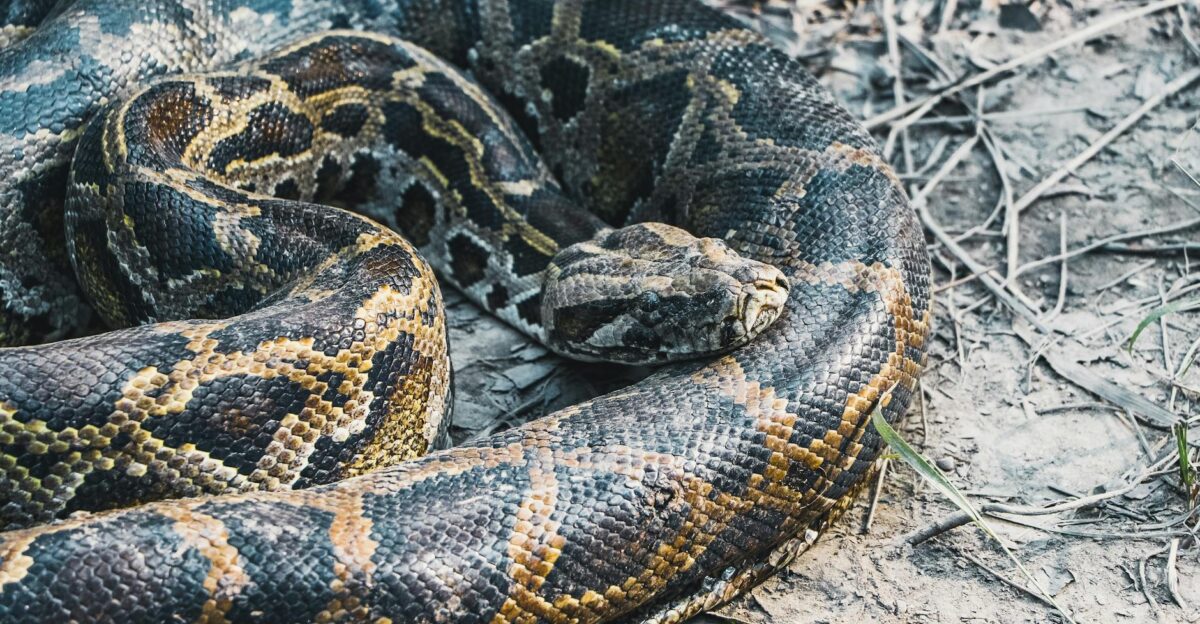
The Burmese python is no longer a rare sight in South Florida; it’s an entrenched predator. These giant constrictors, imported decades ago as pets, have devastated native wildlife. U.S. Geological Survey data show small mammal populations, like raccoons and opossums, plummeting by more than 90% in python-heavy regions.
The risk is close to home for pet owners. Outdoor cats, small dogs, and even larger pets could be killed if they encounter one of these powerful snakes.
Cane Toads Can Kill Pets in Minutes
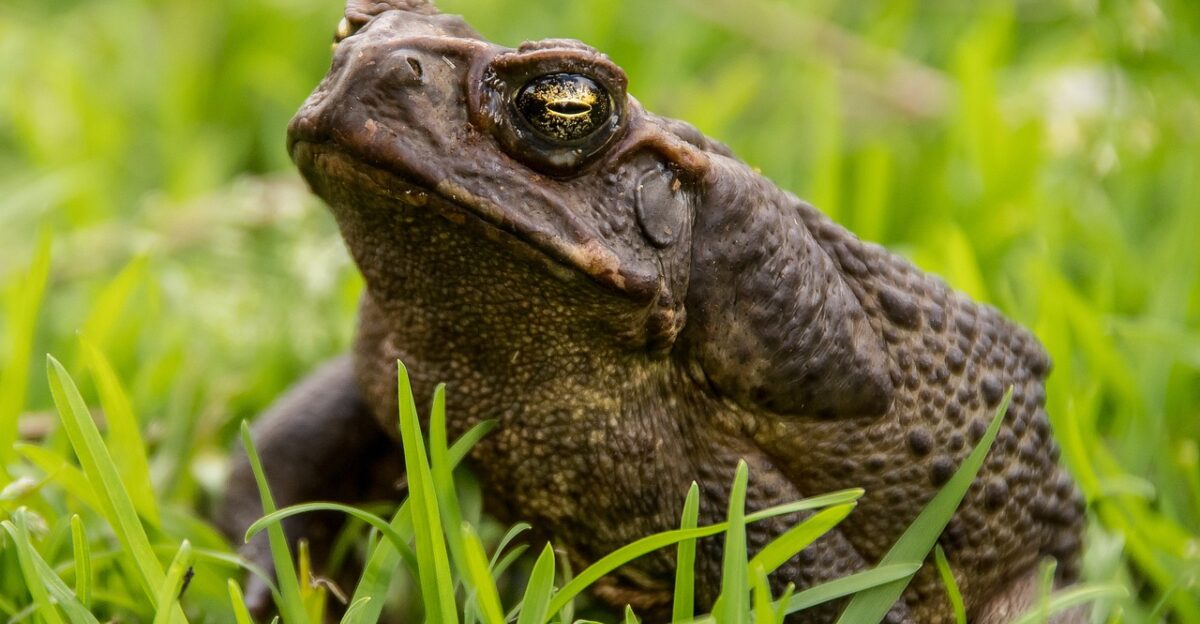
Cane toads, once introduced for pest control, are now common in Florida yards. Their toxins act quickly; cats and dogs can die within minutes of exposure. Veterinarians in Miami-Dade and Broward counties say poisonings surge during warmer months, when toads are most active.
Owners often describe frantic scenes of drooling, seizures, and rapid decline. Emergency veterinary care is the only adequate response, and survival depends heavily on how quickly treatment is started after contact.
Green Iguanas Are Damaging Homes and Injuring Pets
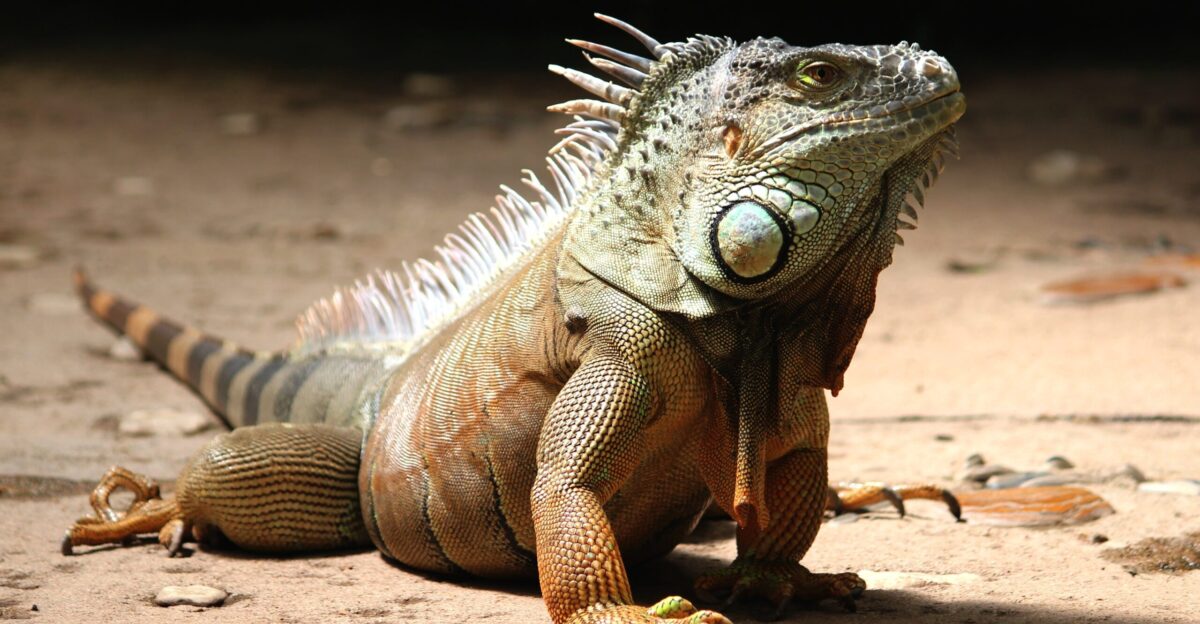
Green iguanas may look harmless lounging by pools, but they cause property damage and pose a risk to pets. These reptiles dig burrows that collapse patios, seawalls, and gardens, creating costly repairs for homeowners.
Pets often chase them, but a cornered iguana can lash out with sharp claws, a strong bite, or a powerful tail whip. Animal control officers across South Florida report frequent calls about dog injuries after encountering iguanas in backyards and urban parks.
Cuban Treefrogs Bring Poison and Plumbing Nightmares
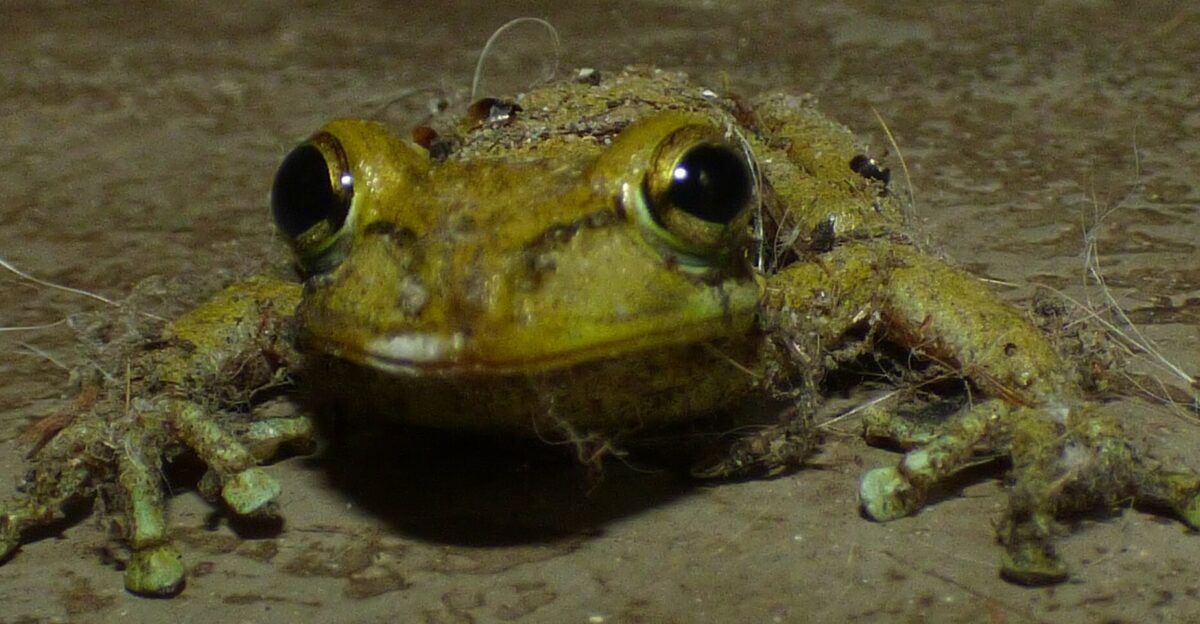
According to the University of Florida’s Extension Service, Cuban treefrogs are now common in Florida yards, gardens, and even plumbing systems. Experts at Southern Living note that the frogs’ skin secretions can irritate pets’ mouths and skin, sometimes causing drooling or mild discomfort, but they are not considered fatal.
UF researchers recently reported the species carrying the rat lungworm parasite, which could pose future risks if ingested. “It’s a parasite we’re watching closely because it can affect both humans and animals,” said UF’s College of Veterinary Medicine scientists.
Tegus Are Spreading Into Florida Suburbs
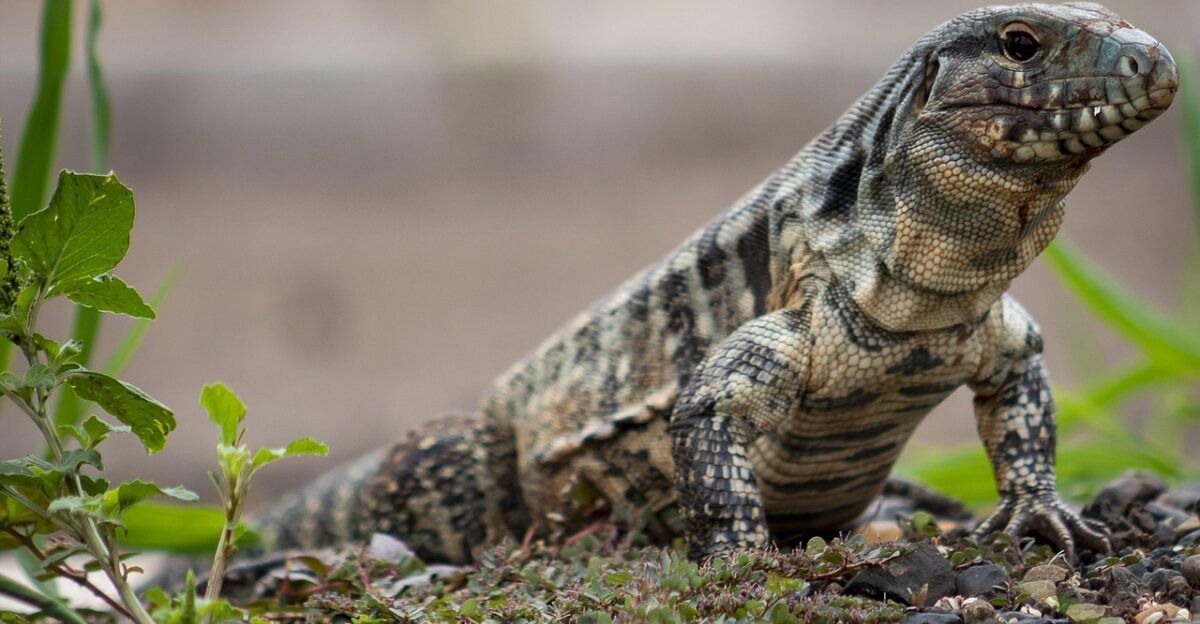
Argentine black and white tegus are muscular lizards that grow up to five feet long and eat almost anything, including bird eggs, reptiles, small mammals, and pet food. The Florida Fish and Wildlife Conservation Commission has documented its spread from Miami-Dade into the Central Florida suburbs.
Outdoor pets may be bitten if they confront a tegu, and wildlife officers urge residents to report sightings quickly to limit their expansion. Tegus are strong, fast, and surprisingly bold around people.
Nile Monitor Lizards Are Bold Backyard Predators
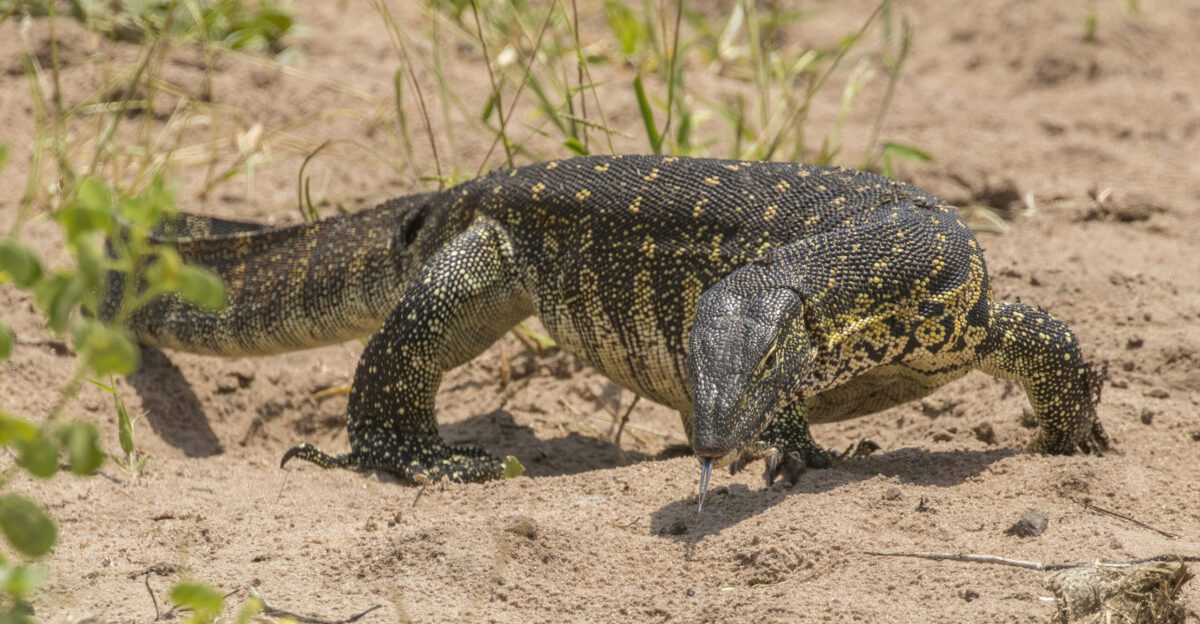
The Nile monitor, a large carnivorous lizard from Africa, is among Florida’s most aggressive invaders. FWC reports confirm breeding populations in several counties, particularly near canals and suburban waterways.
These reptiles grow more than six feet long and can prey on cats, dogs, and other small pets. Because they are territorial and quick to attack when threatened, wildlife officials consider them a danger to animals in residential neighborhoods.
Feral Hogs Are Injuring Dogs Across Florida
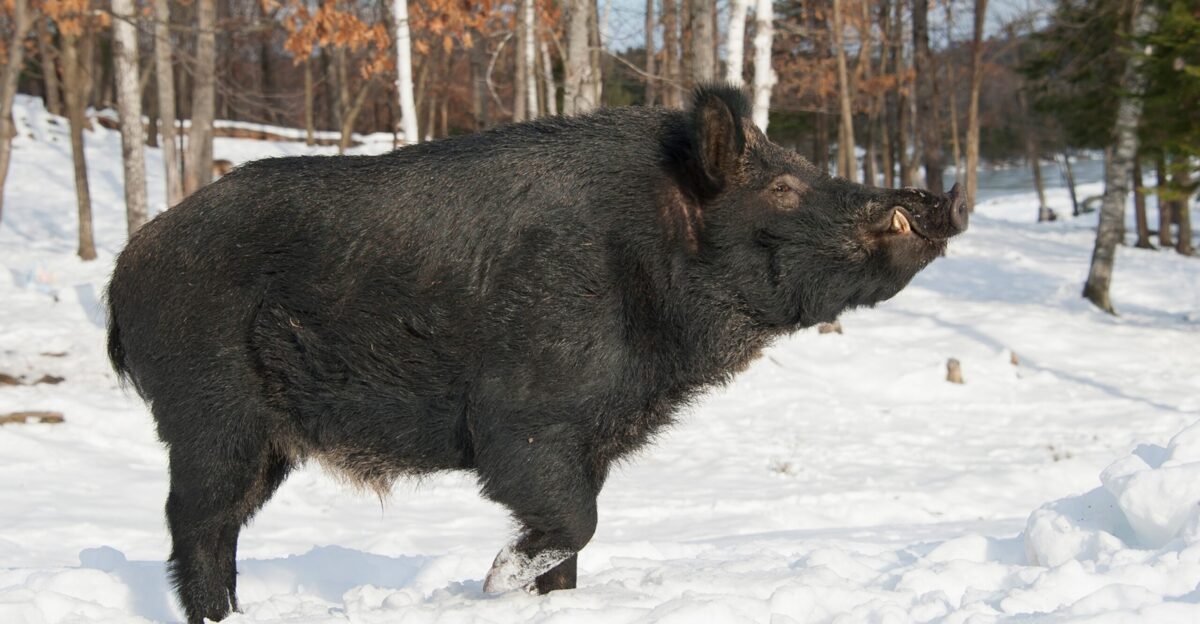
Feral hogs, descendants of animals introduced centuries ago, remain widespread across Florida. They root up turf, gardens, and crops, causing millions of dollars in yearly damage. But the threat isn’t limited to property.
The U.S. Department of Agriculture has recorded multiple incidents of hogs injuring dogs, sometimes fatally, when the animals crossed paths in yards or hunting areas. Some weigh hundreds of pounds, so feral hogs are destructive and dangerous for pets.
Giant African Snails Still Turning Up in Yards
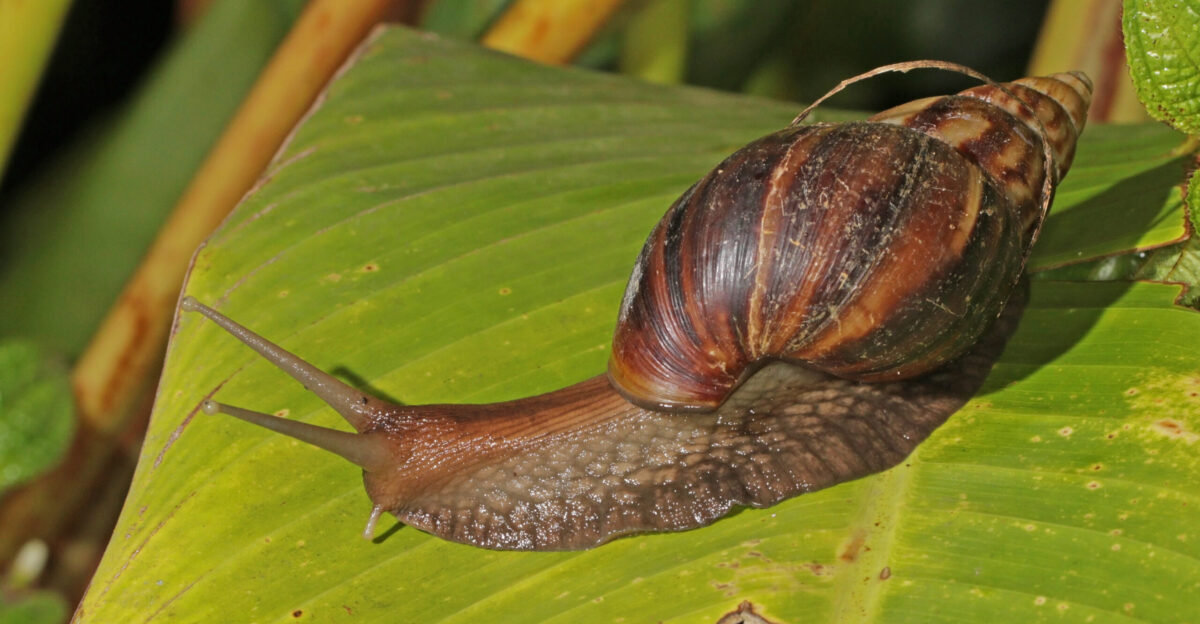
The giant African land snail has tested Florida’s eradication efforts for years. These invasive snails feed on over 500 plants and carry rat lungworm, a parasite that can infect people and pets. State health officials warn against handling them bare-handed, noting the risk of exposure from slime trails or contaminated plants.
Despite multimillion-dollar eradication campaigns, new infestations still appear, raising fresh concerns for homeowners and their animals across the state.
Brown Anoles, the Tiny Lizards Causing Big Trouble for Pets
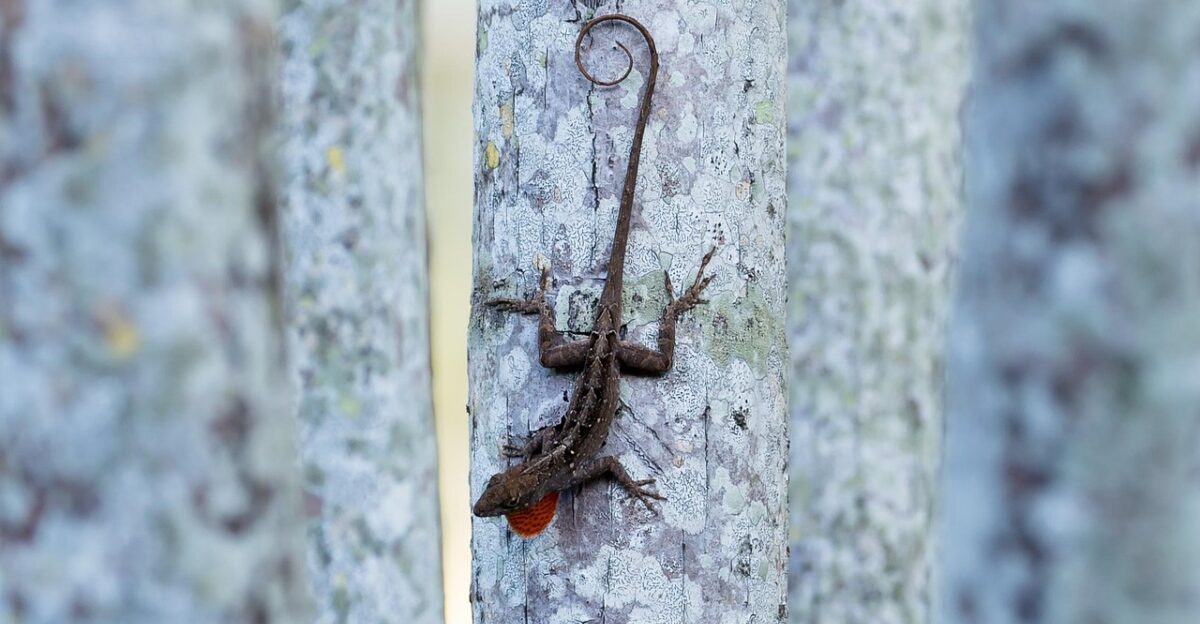
Brown anoles, also known as Cuban brown lizards, are one of Florida’s most common invasive reptiles. While not venomous, they often become targets for cats and dogs that chase and eat them. Veterinarians in Florida report cases of pets suffering vomiting and digestive upset after swallowing these lizards.
The University of Florida IFAS notes that brown anoles outcompete native green anoles and thrive in residential gardens. Their abundance means frequent pet encounters, making them a lesser-known but real nuisance for households with outdoor animals.
Red Imported Fire Ants Sting Pets and Families Alike
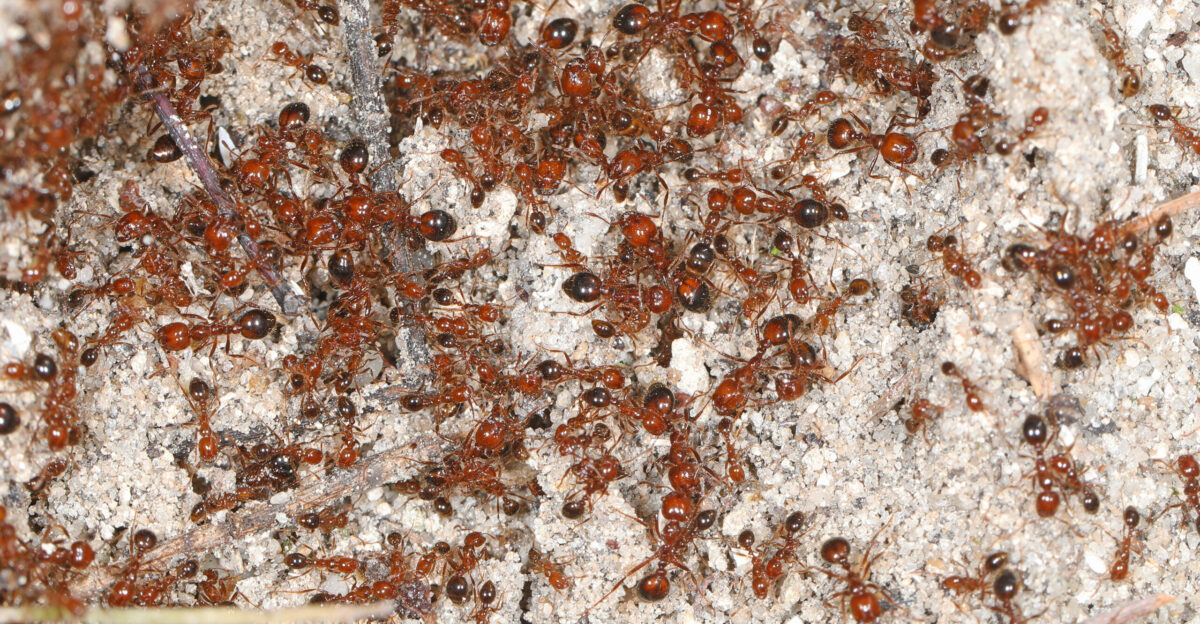
Red imported fire ants, first introduced to the U.S. in the 1930s, are now one of Florida’s most aggressive invasive pests. Their painful stings can cause severe pet reactions, from swelling and infection to life-threatening allergic shock.
Veterinarians in Florida routinely treat dogs that have disturbed ant mounds in yards. According to the University of Florida IFAS Extension, these ants remain widespread across the state, thriving in residential areas. Pet owners are urged to monitor outdoor spaces carefully and seek veterinary care immediately if multiple stings occur
Invasive Mosquitoes Spread Dangerous Pet Diseases
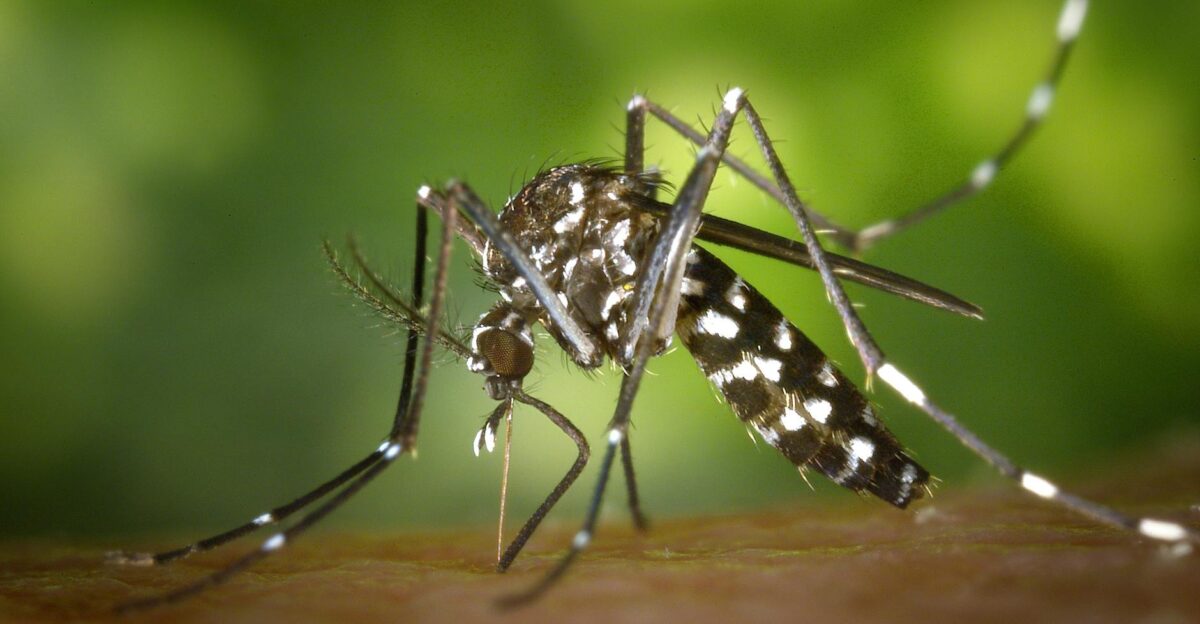
Two invasive mosquito species—the Asian tiger and the yellow fever mosquito—thrive in Florida’s climate. Both can spread diseases that affect pets, including heartworm and encephalitis. Veterinarians emphasize that prevention is essential, since infected animals often show no early symptoms.
Keeping dogs and cats current on preventive medications remains the most reliable defense against mosquito-borne illness, especially in regions with severe and year-round infestations.
Florida Relies on Residents to Report Invaders

Florida has launched several programs to track and control invasives, with citizen participation playing a significant role. The “IveGot1” app allows residents to log sightings with photos, while FWC hosts annual removal events such as the Python Challenge.
Officials stress that public vigilance is vital, since early detection often determines whether an invasive species can be contained or becomes another permanent presence in Florida’s neighborhoods and ecosystems.
Reporting Tools Give Residents a Voice
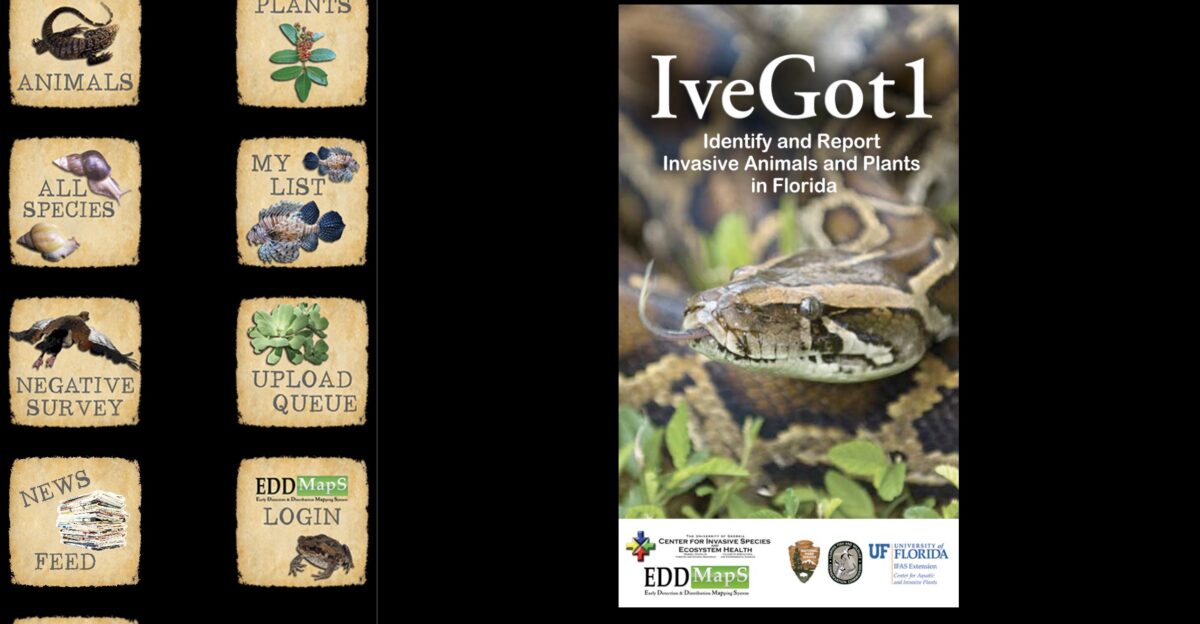
Florida has built one of the country’s most comprehensive reporting systems for invasive species. The “IveGot1” mobile app allows residents to upload photos and report sightings directly to state wildlife officials. A 24-hour hotline is also available for urgent cases, including encounters with pythons, tegus, or monitor lizards.
According to FWC records, thousands of citizen reports are logged yearly, helping wildlife managers track and control outbreaks more effectively. Authorities emphasize that public participation is vital, as early detection is often the difference between containment and long-term establishment.
Pet Owners Share Real-Life Close Calls
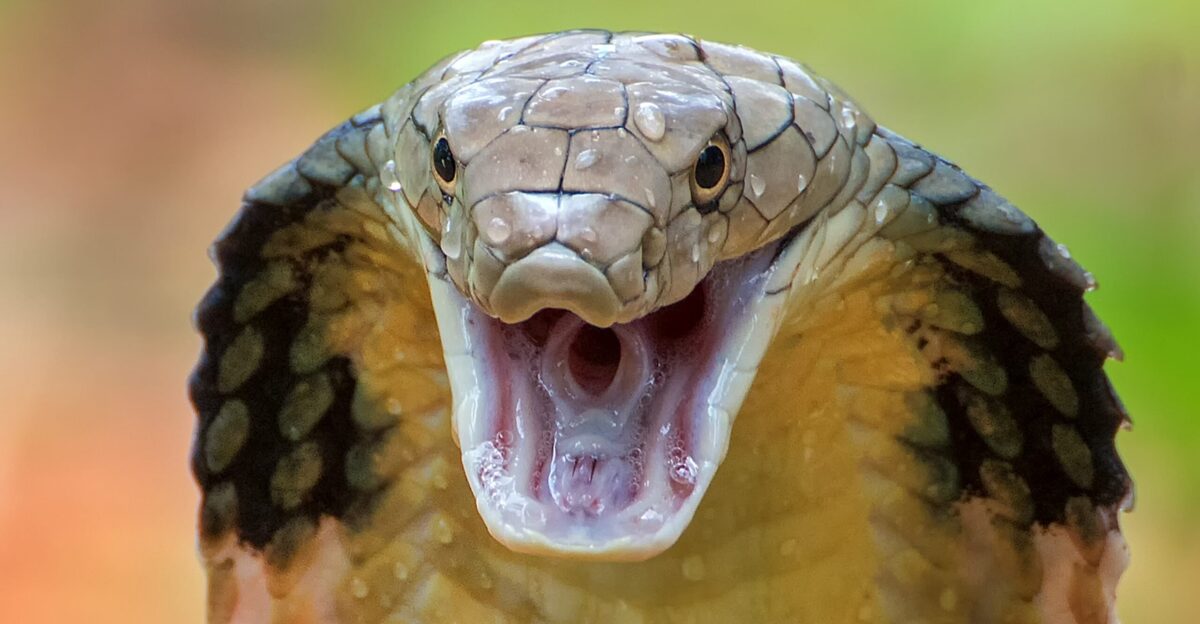
For many Floridians, the dangers of invasive wildlife aren’t just statistics; they’re lived experiences. Local news outlets have reported dogs poisoned by cane toads, cats vanishing near python territory, and outdoor rabbits killed by tegus.
In one widely covered 2022 case, a Labrador in Palm Beach County survived a python attack only because its owner intervened with a shovel. Veterinarians stress that while such encounters may seem rare, they are becoming more frequent as invasive animals spread into residential areas, putting pets at risk in unexpected places.
The Emotional Toll on Families

When invasive species harm pets, the cost isn’t just financial, it’s emotional. Veterinarians across Florida describe heartbreaking situations where families lose beloved animals to sudden encounters with toxic toads or constricting snakes.
Treatment bills can climb into the thousands, adding further strain. A study by the University of Florida found that invasive species incidents often leave homeowners feeling unsafe in their own yards. This sense of loss and anxiety is part of why the state invests so heavily in prevention and public education, not just eradication.
Florida’s Battle Carries a Heavy Price Tag

According to state estimates, invasive species cost Florida more than $500 million yearly. The figure includes eradication campaigns, property damage, agricultural losses, and veterinary expenses for affected pets. Local governments shoulder much of this burden, deploying resources to trap hogs, contain pythons, and monitor mosquito populations.
Taxpayers ultimately fund much of the effort, while private property owners face repair and removal bills. Economists warn that the price tag could climb significantly as new invasive species arrive annually without stronger prevention and early detection measures.
Climate Change Adds Fuel to the Fire

Experts warn that Florida’s warming climate makes conditions even more favorable for invasive species. Warmer winters allow reptiles such as iguanas and tegus to expand their range farther north. Increased rainfall supports booming mosquito populations. Even species once thought limited to the tropics find footholds in suburban yards.
A 2023 report from the U.S. Global Change Research Program highlighted Florida as one of the most vulnerable states for biological invasions under climate change. For pet owners, that means staying vigilant year-round, as seasonal patterns shift and risks grow less predictable.
Why Awareness Is the Best Defense

With new invasive species reported in Florida yearly, experts say awareness remains the most vigorous defense. Pet owners are encouraged to know the risks in their region, keep animals leashed outdoors, and report sightings quickly. Community workshops, wildlife alerts, and neighborhood groups have all contributed to spreading information.
“Awareness and prevention are just as critical as eradication,” said Shannon Carnevale of UF/IFAS. For Floridians, the message is clear: the battle against invasives is ongoing, but informed residents can make their homes—and their pets—much safer.