
Morning rituals reveal more than how people like to wake up; they trace the values and technologies that shaped each generation. For many baby boomers, the first hours of the day are still built around tangible objects—paper, pen, radio, checkbook—while younger adults lean on screens, automation, and speed. The contrast highlights a broader tension between efficiency and deliberation in daily life.
Print Pages and Digital Headlines
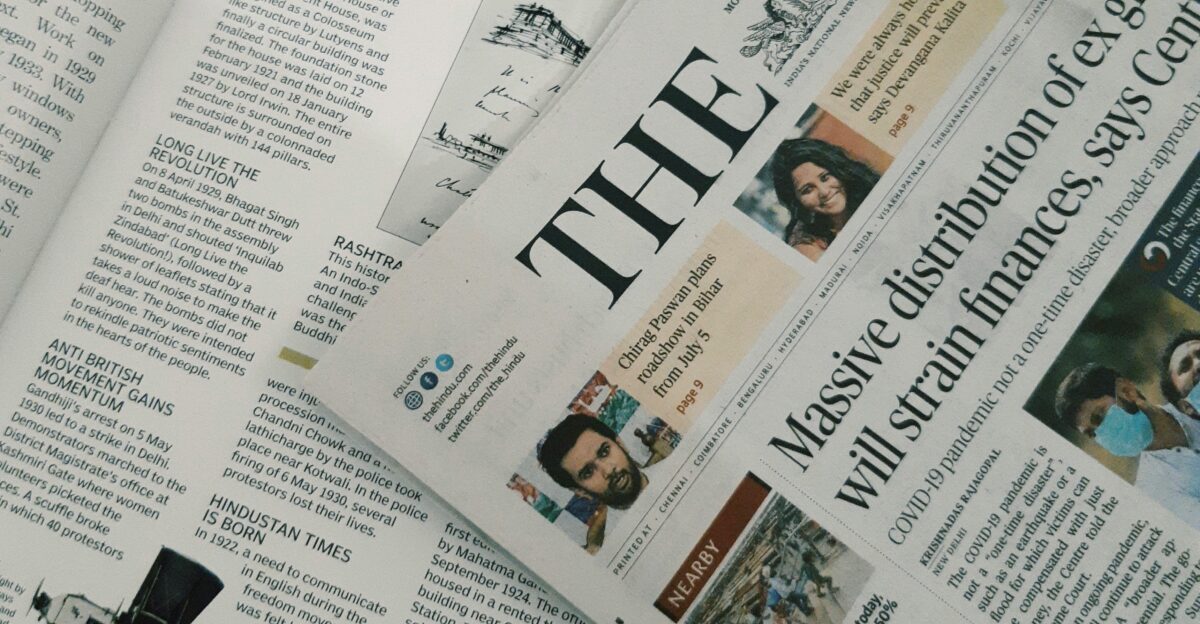
For a large share of boomers, morning still begins with a printed newspaper and a full plate of breakfast food. Coffee, toast, and the sound of turning pages form a set routine that can last twenty or thirty minutes, offering time to move steadily through headlines, features, and opinion columns.
Millennials and Gen Z, by contrast, came of age with online portals and smartphone alerts that deliver breaking developments in real time. News now appears in curated feeds, push notifications, and personalized apps that filter by interest and topic. Instead of one bundled paper, there are dozens of sources, all available within seconds.
Research has found that reading on paper can support better comprehension and memory than reading the same information on screens. The tactile experience of handling pages and physically moving through a layout helps people create a mental map of what they read. In that sense, the older habit is not only slower—there is evidence it may encourage deeper processing of information.
Orderly Beds and Looser Standards

In many boomer homes, the bed is made before anything else happens. Sheets are pulled tight, corners are squared, pillows are arranged, and decorative throws are put in place. The bed is rarely left messy, even on rushed weekdays.
Younger adults have relaxed this standard. Living alone, sharing apartments, and spending less time in bedrooms during the day means fewer people see an unmade bed, so the social pressure that reinforced the habit has weakened. For many, the bed is straightened only occasionally, if at all, as attention shifts to getting out the door quickly.
The appeal of this small task received renewed attention after retired Admiral William H. McRaven argued in a University of Texas commencement address that making the bed provides an early, manageable accomplishment. “If you can’t do the little things right, you’ll never be able to do the big things right,” he said, framing the habit as a way to build momentum for the day ahead. People who adopt the practice often describe a modest but noticeable lift in focus and control.
Sit-Down Breakfasts and Meals on the Move
In traditional boomer routines, breakfast is a sit-down meal with a table setting, hot food, and a defined time window. Eggs, bacon, toast, and coffee are eaten with utensils, often with family conversation or quiet reading. The expectation is that the first meal of the day is something to be experienced, not rushed.
Younger generations have shifted toward portable, time-saving options: protein bars in the car, smoothies carried between meetings, sandwiches eaten over a keyboard. The goal is to obtain calories and caffeine with minimal interruption to commuting, studying, or working. For many, a drawn-out breakfast feels like a luxury reserved for weekends.
The trade-off is that eating can become automatic. When meals are squeezed into transit or multitasking, people often struggle to recall what they consumed just a few hours later. Food functions as fuel rather than an occasion for awareness or enjoyment, contributing to a sense of distance from everyday routines like cooking and eating.
Paper Records and Invisible Contacts

Another lingering analog habit is the use of physical address books. Many boomers still keep names, home addresses, and phone numbers in small bound volumes, updating them with crossed-out lines and new entries each time someone moves or changes numbers. Over years, these books turn into layered records of personal networks.
The rationale developed in an era before digital backups, when a lost notebook or broken device could wipe out information completely. A handwritten directory served as insurance against technical failure and as a stable, visible record that did not depend on batteries, cloud accounts, or software updates.
Typing contacts into a smartphone is faster, but it often leaves people less familiar with the details. Studies on handwriting and memory suggest that writing information by hand can strengthen recall by engaging multiple cognitive processes. For boomers who used to dial numbers they had written down, repetition and handwriting often made those numbers stick in long-term memory—a pattern less common when a screen tap replaces the need to remember.
Shared Radio and Personalized Streams

For many boomers, morning soundtracks are built around local radio. Familiar hosts deliver headlines, traffic, weather, and music in a consistent format that may span decades. Listening at the same time every day creates a sense of continuity and, for some, an attachment to on-air personalities who become part of the household routine.
Younger listeners gravitate toward streaming platforms and podcasts that offer total control over what plays and when. Algorithms and personal playlists replace station schedules; people choose specific shows, topics, and episodes on demand rather than tuning in at a fixed hour.
The move to personalization has reduced the number of shared listening experiences. When large portions of a city heard the same joke or song at the same time, it created a subtle sense of common reference points. Today, people may be in the same place but inhabit separate audio worlds, each guided by individual choices and recommendation systems.
Checks, Calls, and the Question of Pace
Beyond these headline habits, many boomers still sit down monthly with checkbooks and paper bills, writing and mailing each payment by hand. The process is slower than automatic transfers, but it offers a clear, physical record and a sense of direct control. Younger adults often prefer digital banking and autopay, though occasional errors and security issues show why some remain cautious.
Communication reflects similar divides. Boomers are more likely to place a call for quick coordination or family updates, expecting real-time conversation. Younger people frequently choose texts or messaging apps, trading tone and immediacy for convenience and asynchronicity.
Across all these routines, a consistent pattern emerges. Boomer mornings are often slower and more tactile, anchored in recurring rituals that favor presence and predictability. Younger generations have redesigned the same hours around flexibility and speed, drawing heavily on digital infrastructure. As technology continues to evolve, future habits may blend elements of both—combining efficiency with carefully chosen moments of deliberation, attention, and shared experience.
Sources:
“Weekly U.S. Influenza Surveillance Report (FluView).” Centers for Disease Control and Prevention, late Nov 2025.
“Admiral William H. McRaven’s University of Texas Commencement Address: Make Your Bed.” University of Texas at Austin, May 2014.
“Why We Remember More by Reading – Especially Print.” The Conversation, February 2021.
“The Neuroscience Behind Writing: Handwriting vs. Typing and Memory Formation.” National Center for Biotechnology Information (NCBI), February 2025.