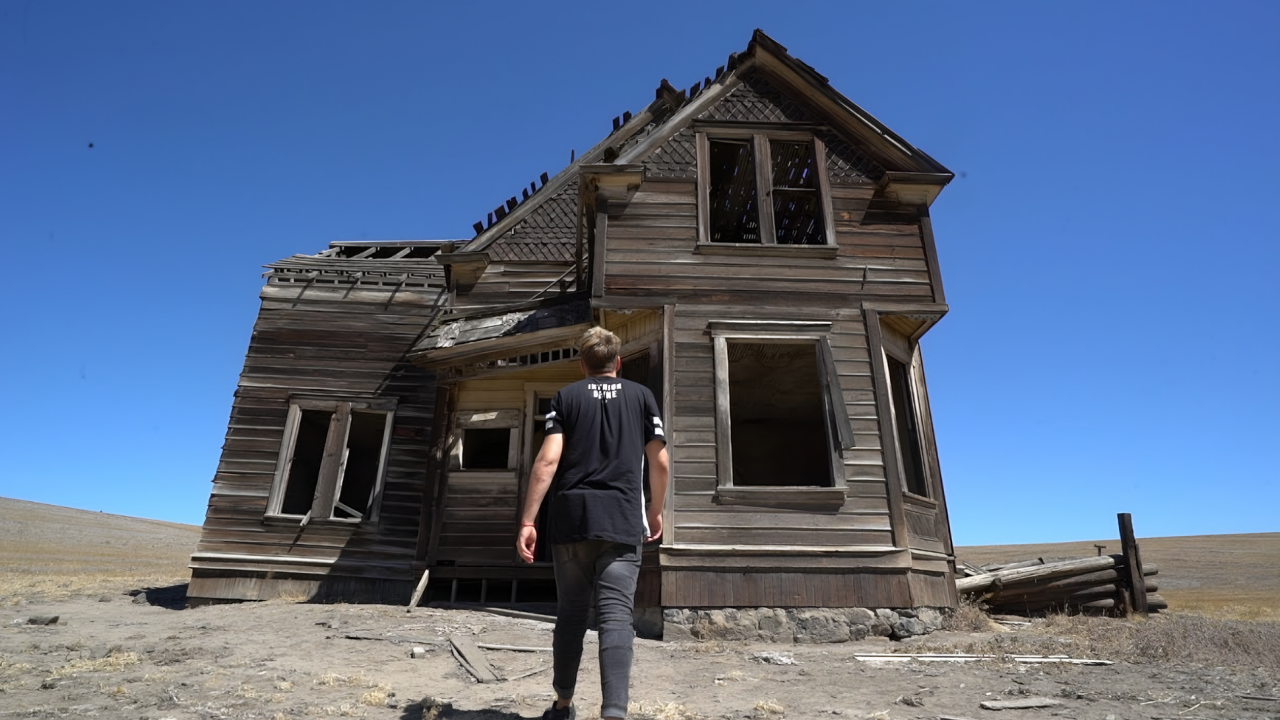
More than 20 million Americans now call themselves preppers, double the number from 2017. These people prepare for emergencies by storing food, tools, and medical supplies. Many take an even bigger step—they move to places where they think they could survive if the country’s systems break down.
They look for areas with clean water, good soil for growing food, few people, and natural features that offer protection. Popular choices range from the cave-filled Ozark plateau to Hawaii’s Big Island. What these places share is their ability to support life with minimal outside help.
Preppers choose these locations carefully. They want land where they can grow crops and hunt wild animals, require reliable water sources, such as rivers, springs, or rainfall and, they prefer areas far from big cities, which reduces competition for resources in the event of a crisis.
Many also want terrain that’s easy to defend or hard for others to reach—like mountains, ridges, or isolated valleys. Cost matters too. Affordable land with few building restrictions makes it easier for ordinary families to establish homesteads. The goal is to create a life that is not dependent on electricity grids, supply chains, or government services.
Eight Top Destinations Preppers Choose
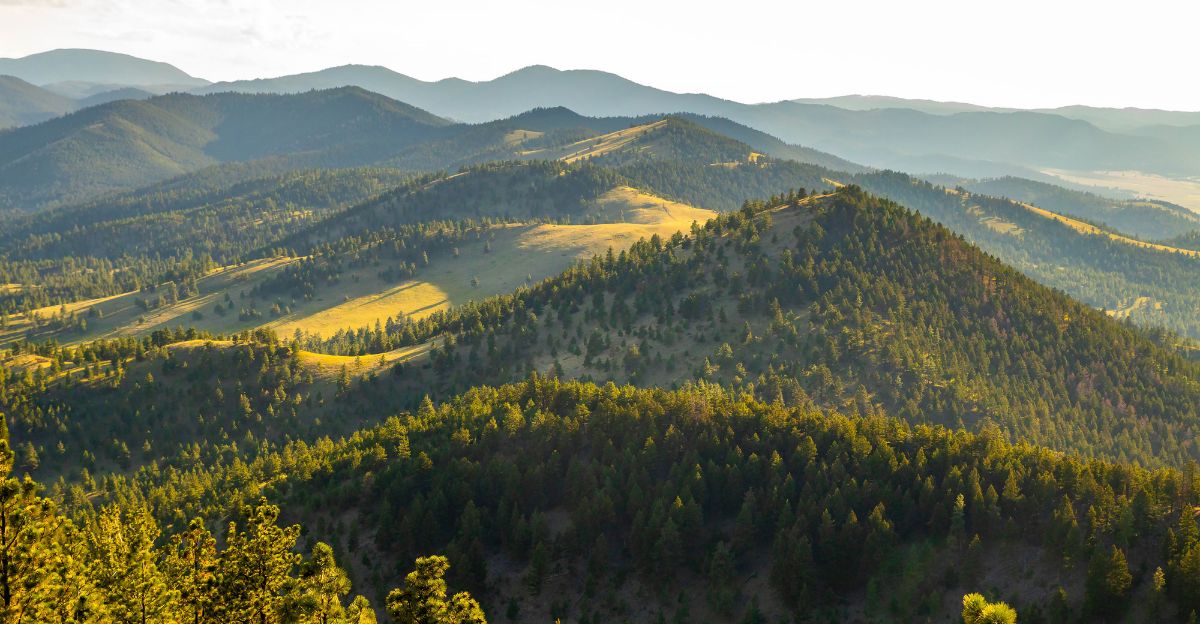
The Ozarks, located in northern Arkansas and southern Missouri, attract people who want seclusion without leaving the lower 48 states. The region has thousands of natural caves that provide shelter year-round. The Missouri and Mississippi Rivers supply fish and water. Forests are home to deer and turkey, which are hunted. Land costs less than in many parts of the country, and the four-season climate is mild enough for farming.
East of there, the Appalachian Mountains in West Virginia and Tennessee appeal to preppers who want to stay within driving distance of the East Coast. The steep ridges and narrow valleys create natural defensive positions. Like the Ozarks, the area features caves and an abundance of wildlife. Local culture already includes subsistence farming and food preservation skills that preppers value.
Idaho, Montana, and Wyoming comprise what some refer to as the American Redoubt, a concept promoted since 2011. Idaho has become especially popular for its open land, light regulations, and self-reliant communities. The state now has survival training centers, bunker communities, and off-grid settlements.
Montana offers even more space between neighbors, with old Cold War bunker complexes in places like Paradise Valley now serving as private shelters. Wyoming has the lowest population density of the three. The state hosts organized survival communities, and its government has conducted studies on disaster scenarios. However, Wyoming’s harsh winters and short growing seasons demand serious self-sufficiency skills.
Alaska represents the ultimate remote option. The Interior region has forests and tundra where people can live far from others. Wildlife, such as moose, caribou, and salmon, supports hunters and foragers. Long summer days are beneficial for greenhouse growing. However, winter cold can be fatal without proper shelter, and medical services are scarce. The Pacific Northwest, comprising Oregon and Washington, offers milder weather and year-round growing seasons.
Rain feeds rivers and catchment systems, while forests provide building materials. The region has established off-grid communities and developed expertise in renewable energy. Risks include wildfires and major earthquakes along the Cascadia Subduction Zone. Hawaii’s Big Island attracts preppers who want a tropical setting.
Volcanic soils are ideal for growing bananas, papayas, coconuts, and breadfruit year-round. Water catchment is relatively easy in high-rainfall areas, and the ocean provides a source of fish. The main challenges are dependence on shipped goods, volcanic hazards, and limited medical facilities.
Skills Matter More Than Location
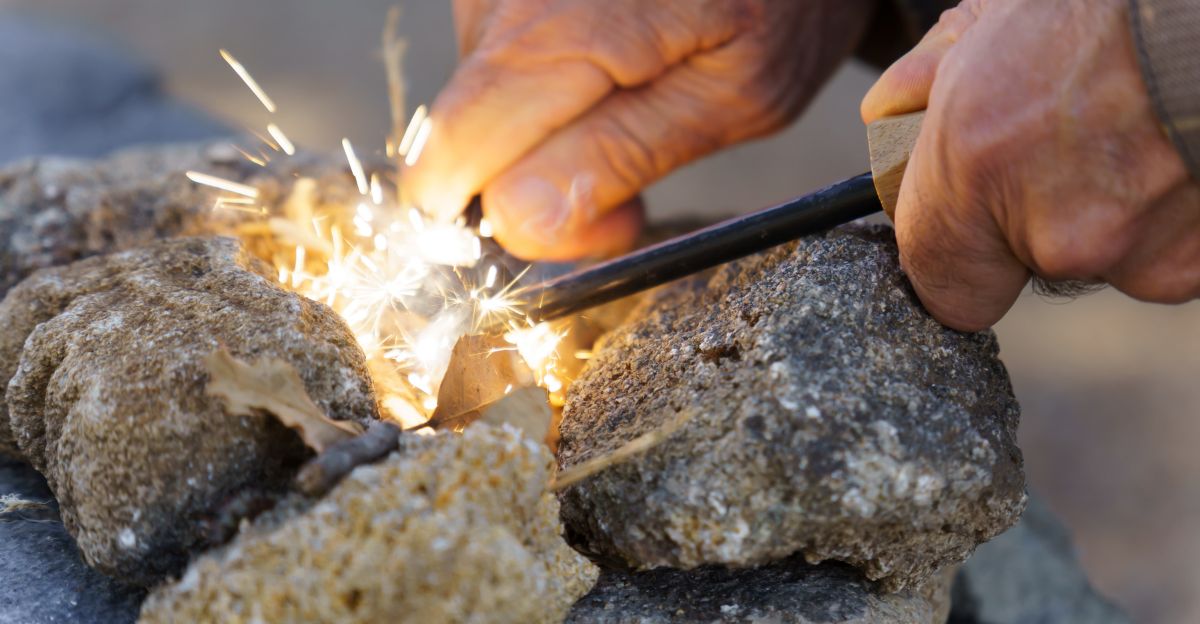
Preppers who have lived off the grid for years stress that location alone doesn’t guarantee survival. Practical skills—building shelter, purifying water, gardening, hunting, preserving food, and providing basic medical care—matter more than stockpiles or geography.
Training programs teach wilderness first aid, navigation, and fire-starting. Regular practice with equipment under real conditions is essential. Small groups with diverse skills tend to perform better than individuals working alone. Local volunteer programs help newcomers connect with preparedness networks.
The growing interest in survival preparedness has given rise to a thriving industry. Companies sell freeze-dried meals, tools, and fully equipped underground bunkers. Some offer memberships to shared survival compounds for annual fees, marketing to middle-income families who can’t afford private retreats.
This growth has sparked debates about community obligations during crises and whether people should openly discuss their preparations for such events. Political instability, climate disasters, and concerns about fragile infrastructure have drawn new people into the movement from all backgrounds and income levels.
For these millions of Americans, choosing where to live is just one part of a larger plan. The best locations offer water, productive land, wild food, and defensible terrain. However, many in the movement believe that long-term security stems less from finding the perfect place and more from developing skills, forming local connections, and cultivating the mental toughness to adapt when the unexpected occurs.
Sources
USA Today, “2024 election chaos has some ‘preppers’ ready for…”, December 4, 2023
Reddit – r/preppers, “Where would your ideal location be to reside when society…”, April 17, 2021
Greener Wisdom, “Best States For Off The Grid Living In The US”, December 31, 2024
Far and Wide, “17 U.S. States That Are Basically Built for Apocalypse”, December 4, 2024
The Week, “Ready for the apocalypse”, October 20, 2025
Deseret News, “Banking on the end of the world: prepper bunker Fortitude Ranch”, March 2, 2022