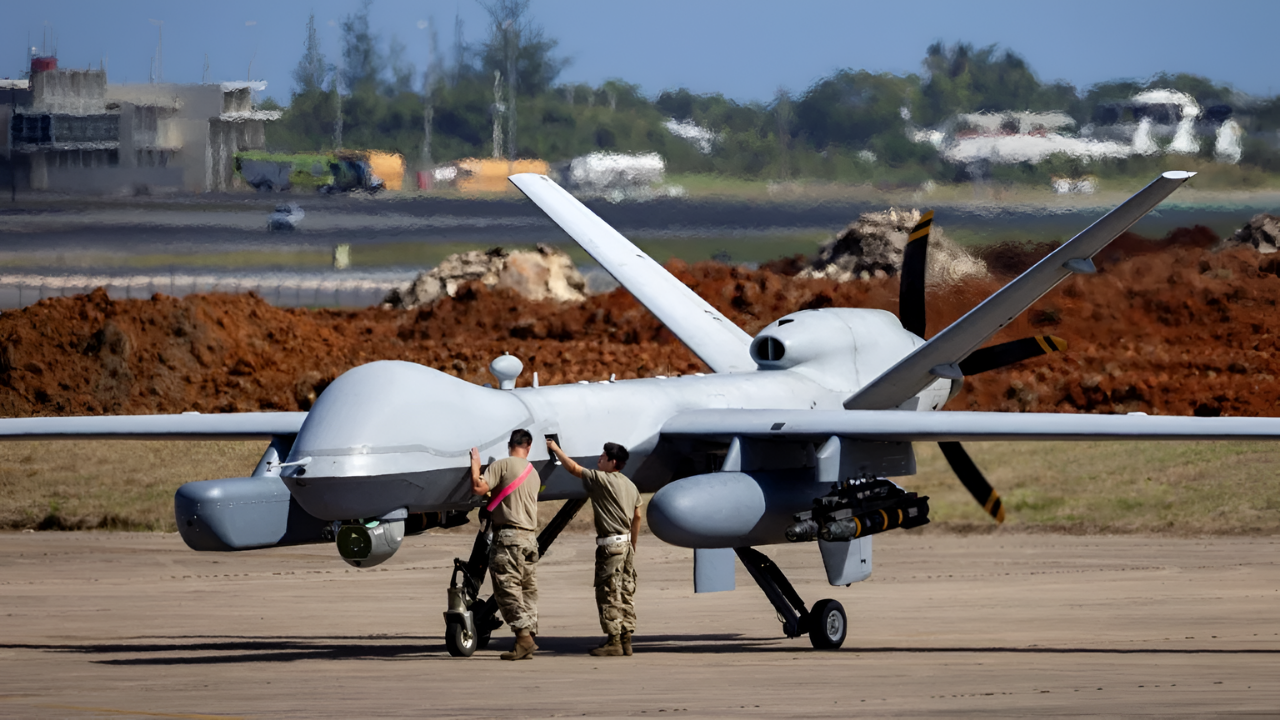
In the early hours of January 3, 2026, the sky over Caracas lit up with explosions as U.S. aircraft struck Venezuelan air defenses and elite troops swept into the capital. In less than two hours, U.S. forces captured President Nicolás Maduro and First Lady Cilia Flores in a surprise raid on Fort Tiuna and moved them toward a Navy vessel bound for New York. The operation, code-named Absolute Resolve, was publicly framed by Donald Trump’s administration as a narcotics and terrorism enforcement action. Behind that label, officials also spoke of a bid to reassert U.S. dominance in the Western Hemisphere and gain direct leverage over Venezuela’s vast oil reserves.
The raid capped months of escalating pressure around Venezuela’s coastline and airspace. It also inaugurated a new, more expansive doctrine for U.S. power in the region, reviving ideas associated with the Monroe Doctrine and extending them in ways that raised immediate legal and diplomatic alarms.
Escalation From Sanctions To Airstrikes
The path to Absolute Resolve began with sanctions and covert moves rather than open confrontation. Early in 2025, Washington tightened economic measures on senior Venezuelan officials. By mid-year, Trump had authorized the CIA to conduct operations tied to U.S. drug cases and quietly ordered a military buildup in the Caribbean and Eastern Pacific.
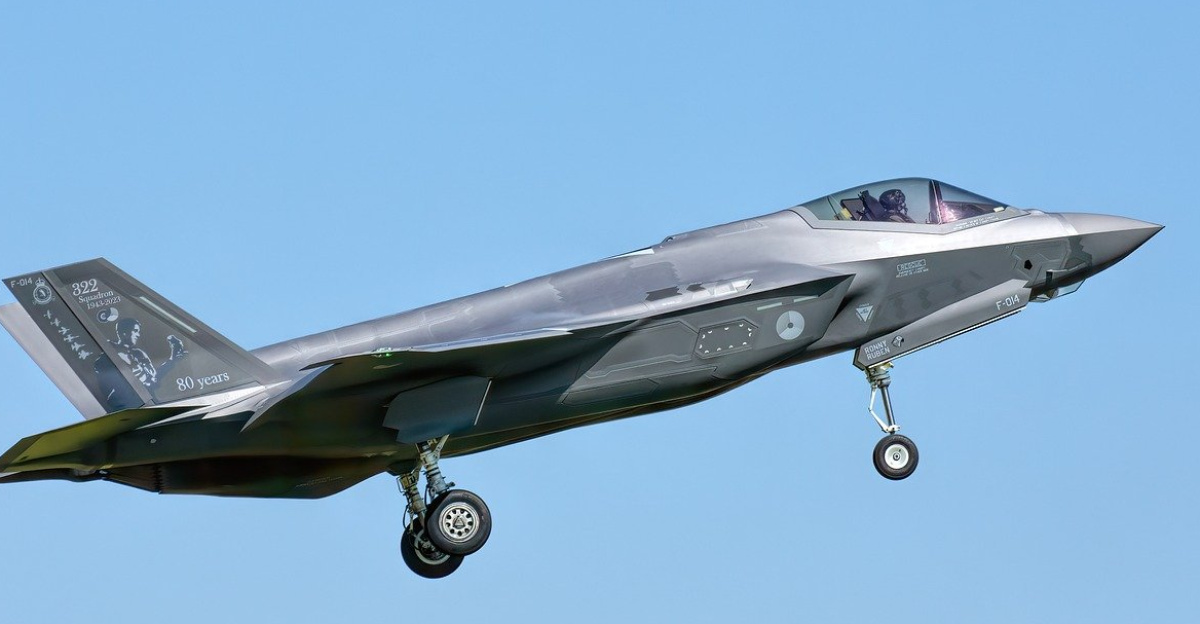
In September 2025, the U.S. Navy began attacking vessels off Venezuela suspected of carrying cocaine, killing at least 115 people by the end of the year. In October, the strikes expanded into the Eastern Pacific as part of a widening maritime campaign. By December, the carrier strike group centered on the USS Gerald R. Ford maneuvered closer to Venezuelan waters, F-35 jets were deployed to Puerto Rico, and roughly 4,500 sailors assembled within range of the country.
A turning point came on December 24, 2025, when CIA-operated drones hit a port facility in Aragua State that U.S. officials linked to the Tren de Aragua criminal network and alleged cocaine loading operations. No casualties were reported, but it was described as the first acknowledged U.S. strike on Venezuelan soil. Commentators close to the administration said it signaled a new phase. Trump later characterized the target as an “implementation area” where boats were loaded with drugs. Within days, land strikes fed directly into planning for the January 3 assault.
How Operation Absolute Resolve Unfolded
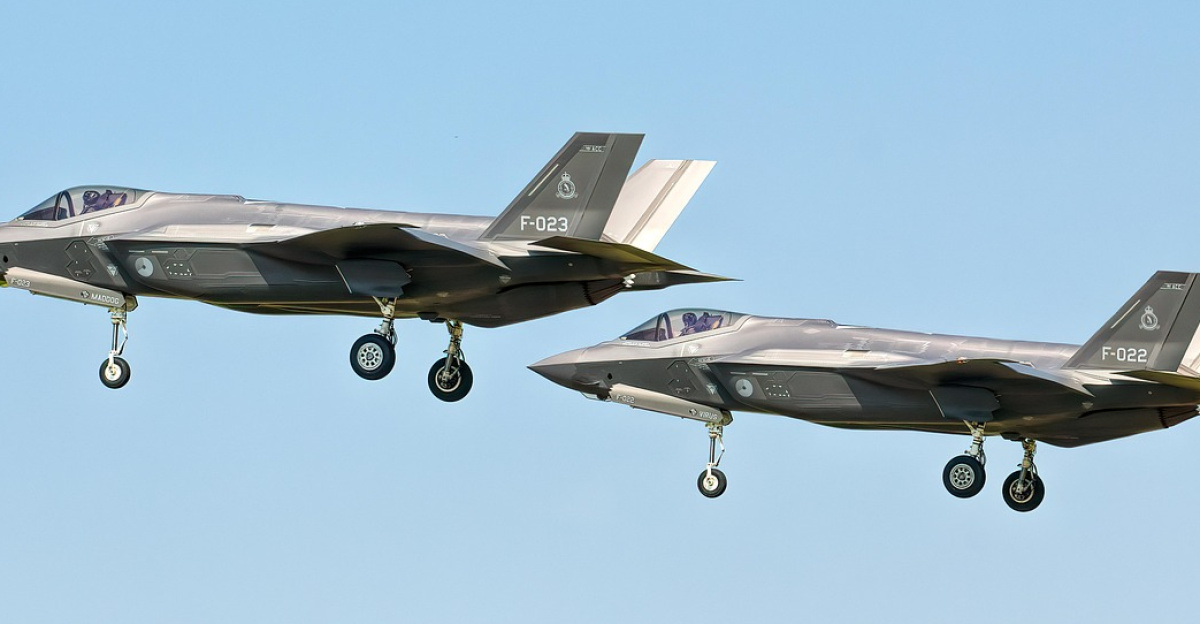
The capture mission itself drew on an unusually large array of air and ground assets for a single objective. More than 150 aircraft were involved, including 12 F-22s and multiple F-35s tasked with shielding the operation and suppressing Venezuelan defenses. B-1 bombers conducted precision strikes on designated sites, while EA-18 electronic warfare planes jammed radar and communications. E-2 surveillance aircraft coordinated the air picture.
On the ground, Army special operators from the 160th Special Operations Aviation Regiment—the “Night Stalkers”—flew low and fast toward Caracas with Delta Force soldiers and FBI agents aboard stealth helicopters. Approaching at roughly 100 feet above ground, they reached their targets around 1:01 a.m. Eastern time. Supported by real-time CIA intelligence, the teams assaulted Fort Tiuna, where Maduro and Flores were located, and secured them within a 90-minute window.
By dawn, the Venezuelan president and first lady were on a U.S. Navy vessel steaming toward New York, where Maduro faced an existing U.S. indictment on narcotics charges. The administration repeatedly emphasized that the mission was an extension of “law enforcement” grounded in that indictment, not a declaration of war, even as the scale of military involvement raised questions about the boundary between policing and armed conflict.
In a statement at Mar-a-Lago, Trump said, “We’re going to run the country until such time as we can do a safe, proper, and judicious transition,” adding that he expected the United States to “get a lot of oil out of Venezuela.” Senator Marco Rubio, a leading supporter in Congress, said Washington would not manage day-to-day governance but would use energy sanctions and control over exports as leverage.
New Doctrine, Old Patterns

Behind the operation sat an explicit attempt to update long-standing U.S. policy toward Latin America. The Monroe Doctrine, announced in 1823, warned European powers against new colonization in the Americas and later underpinned repeated U.S. interventions in countries such as Cuba, Nicaragua, Haiti, the Dominican Republic, and Guatemala. Theodore Roosevelt’s corollary to the doctrine justified direct occupations in the name of stability and order.
In December 2025, the Trump administration’s National Security Strategy formally pledged to “reassert and enforce the Monroe Doctrine” and to deny rival powers access to “strategically vital assets” in the hemisphere. Trump then went further in his own rhetoric, claiming that the traditional doctrine had been “superseded” by what he called the “Donroe Doctrine.” Under this framework, officials described a “Trump Corollary” focused on blocking migration, dismantling “narco-terrorist” networks, and limiting the influence of China, Russia, and Iran.
Rubio laid out a three-stage plan for Venezuela in a classified briefing on January 8, 2026, later summarized by officials. Phase one, “Stabilization,” envisioned the seizure of 30 to 50 million barrels of Venezuelan crude—valued at an estimated $1.8 to $3 billion—with proceeds controlled by the United States. Phase two, “Recovery,” aimed to invite U.S. companies to invest billions of dollars in exploiting Venezuela’s reported 303 billion barrels of oil reserves. Phase three promised eventual elections, on a timetable that remained undefined.
At the same time, Trump had just granted clemency to former Honduran president Juan Orlando Hernández, who had been sentenced to 45 years in U.S. prison for drug trafficking and accused by prosecutors of facilitating more than 400 tons of cocaine shipments. The use of narcotics charges to justify Maduro’s capture, contrasted with the pardon of Hernández, drew attention from critics who argued that strategic interests and oil access, rather than counter-narcotics policy, were driving decisions.
Legal, Regional, and Human Fallout

Internationally, the raid immediately triggered a debate over legality under the United Nations Charter, which prohibits the use of force against sovereign states except in self-defense or with Security Council authorization. Venezuela was not assessed as posing an imminent threat to the United States, and Washington did not seek UN approval. On January 5, 2026, the Security Council convened an emergency session at the request of China, Colombia, and Russia. Legal experts such as Michael N. Schmitt described the action as a serious violation, while Ziyad Motala called it “international vandalism.”
U.S. allies and neighbors voiced concerns or outright opposition. Brazil’s president said the incursion “crosses a line” and could fuel “violence, chaos, and instability” in the region. Colombia warned it would defend its sovereignty if similar tactics were applied elsewhere. Mexico cautioned about broader regional stability, Spain urged adherence to the UN Charter, and Chile and Uruguay rejected military intervention as a tool of policy. Argentina’s Javier Milei backed the operation but acknowledged that the precedent troubled other governments.
Inside the United States, critics questioned both the strategic rationale and the process. Trump had not informed Congress in advance, citing operational secrecy. Rubio argued that no separate authorization for the use of military force was required because the raid was an enforcement action tied to a criminal case, despite the large-scale deployment of air and ground units. Senate Democrats disagreed, and on January 9 the Senate passed a War Powers Resolution by 52–47, with five Republicans joining. Trump vowed to veto the measure.
Opponents also highlighted the humanitarian risks. Before Maduro’s capture, Venezuela was already in a severe crisis: 7.9 million people inside the country required urgent assistance, and nearly 8 million had left since 2014 amid food shortages, currency collapse, and strained health services. Colombia, hosting about 3 million Venezuelan refugees, saw its humanitarian funding fall by 70 percent in 2025. UN agencies warned that further instability could drive new waves of displacement.
Domestically, the move came as the administration ended Temporary Protected Status for roughly 500,000 Venezuelan nationals in the United States. In a letter co-led by Representative Darren Soto and signed by 70 House Democrats, lawmakers warned that constituents faced deportation “to instability, desperate poverty and danger” despite the ongoing crisis, arguing the operation did not address safety concerns for Venezuelans losing protection. While refugee applications remained possible, the combination of deportation threats and a new overseas intervention heightened anxiety among Venezuelan communities.
In Caracas, Vice President Delcy Rodríguez was sworn in as interim president. U.S. officials appeared to assume she would cooperate with Washington’s plans, even as opposition leaders María Corina Machado and Edmundo González Urrutia—who won Venezuela’s July 2024 elections with 67 percent of the vote but were blocked from taking power—remained sidelined. The Venezuelan constitution calls for elections within 30 days when the presidency becomes vacant, yet the U.S. administration described that timeline as “premature.” Trump did not specify a date, and Rubio suggested the interim arrangements could last for months or longer.
As operations continue and the legal and political battles unfold, the future of governance in Venezuela, the durability of the “Donroe Doctrine,” and the global response to large-scale resource seizures will determine whether this episode becomes an isolated intervention or a model for U.S. policy in the hemisphere.
Sources
Operation Absolute Resolve. U.S. Department of Defense Press Release, January 3, 2026.
Presidential Indictment Against Nicolás Maduro. U.S. Department of Justice, unsealed January 3, 2026.