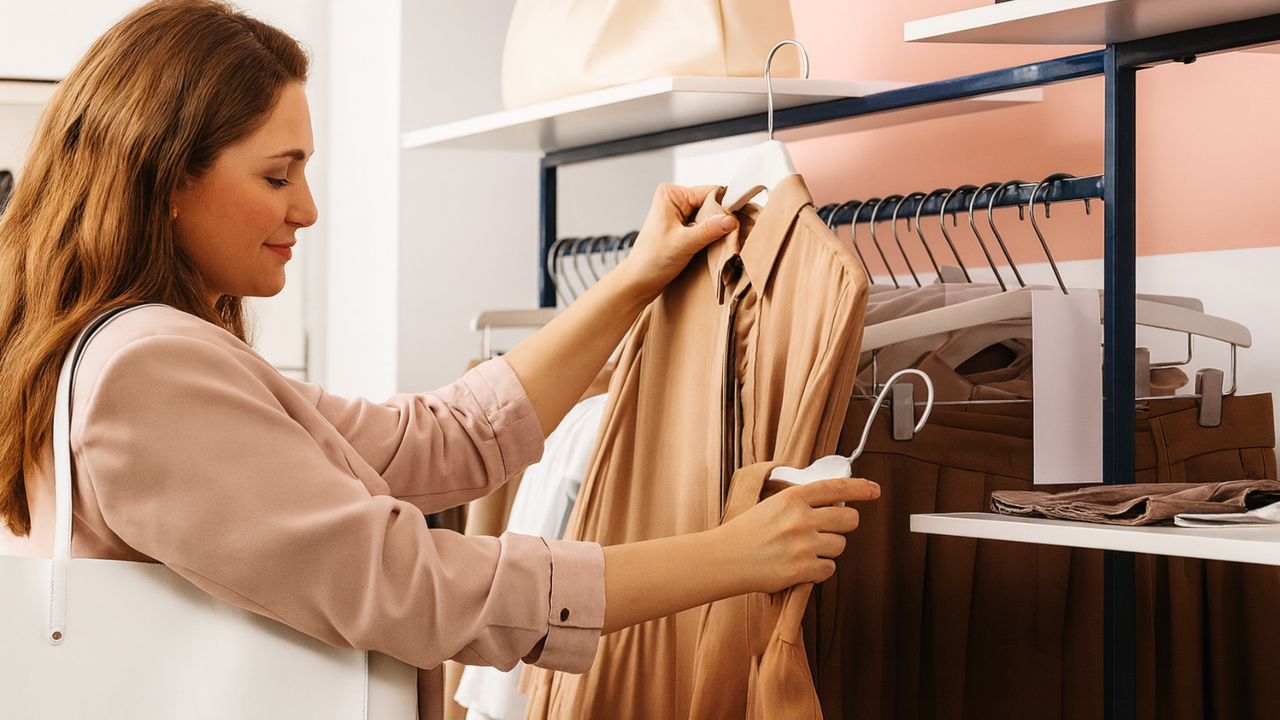
For many lower-middle-income shoppers, buying a single high-quality item can feel like the culmination of months of planning. That moment at the register – handing over more than $100 for a pair of jeans or a jacket – is less about impulse and more about strategy, combining careful budgeting, sale hunting, and a clear sense of what counts as “worth it.” Across a handful of widely known brands, these shoppers are redefining what luxury means on a limited budget: not excess, but durable pieces that align with personal style and values.
Madewell: Everyday Denim as a Long-Term Investment
Madewell has built its reputation on denim, with jeans typically priced between $128 and $148. For buyers who save up for a pair, that price is justified by construction that feels substantial and designed to last. Many treat these jeans almost like long-term fixtures in their wardrobe rather than disposable fashion.
The label’s aesthetic leans on a classic American look—clean, unfussy, and easy to pair with basics already in the closet. That familiar style helps justify the cost, because the jeans work across seasons and settings, from casual weekends to office-casual environments.
Madewell has also leaned into inclusive sizing, making its denim and other staples available to a wider range of body types. For shoppers with constrained budgets, that inclusivity matters: saving for months only makes sense if the item fits well and can be worn often. Leather totes and denim stand out as two categories where buyers feel they are getting dependable, versatile pieces that hold up with repeated use.
While the brand does not dominate luxury advertising, its leather totes have a quiet appeal. Understated, durable, and practical, these bags are a frequent target for those who want something polished but not flashy. The payoff, after a long saving period, is a piece that feels elevated without carrying a top-tier designer price.
Everlane: Basics Paired With Radical Transparency
Everlane has built a different kind of appeal with basics like T-shirts, often running between $30 and $50. The look is stripped down and rooted in a West Coast, California sensibility, but what draws many lower-middle-income shoppers is the company’s emphasis on openness about how its products are made.
Through supply chain transparency, Everlane publishes details on where and how its essentials are produced. For customers tracking every dollar, knowing more about factory conditions, materials, and production costs adds a layer of meaning that goes beyond the garment itself. The purchase becomes not only about having a solid T-shirt but also about feeling informed about the process behind it.
These basics are positioned as a balance between quality and trend awareness. For everyday wear, that combination is attractive: a relatively modest price, modern cuts, and a level of disclosure that helps shoppers feel that their careful spending aligns with their values.
Lululemon: Fitness Wear as Status and Self-Care
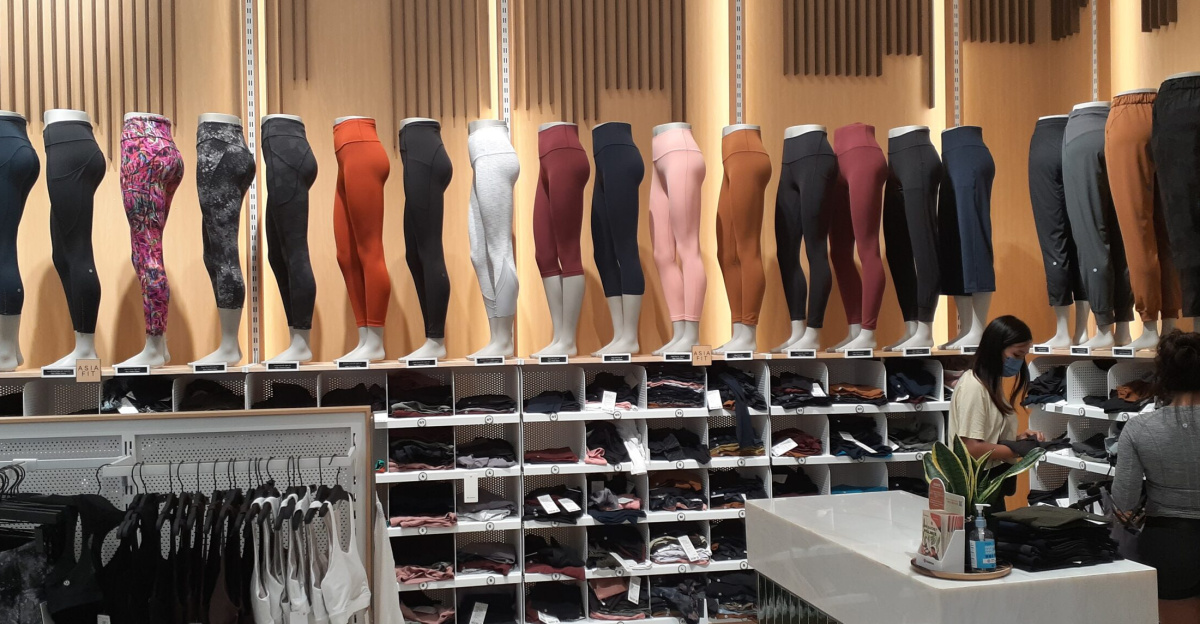
Lululemon’s yoga pants, often around $98, illustrate how activewear can become a long-term goal purchase. For many consumers on tighter budgets, owning a pair is both a financial stretch and a symbolic investment in wellness and appearance.
The brand is known for sleek, minimalist designs that emphasize clean lines and a body-conscious fit. That aesthetic, combined with performance fabrics, has turned certain items into status markers in gyms, studios, and everyday casual wear. The idea is that one well-chosen pair of leggings can serve in multiple roles, from exercise to errands.
Lululemon has also started to emphasize its environmental commitments. The company signed a 10-year agreement with Samsara Eco to secure recycled materials for up to 20% of its future product content. For shoppers who are both cost-conscious and environmentally minded, this direction makes the splurge easier to justify: the purchase reflects both personal health goals and a preference for lower-impact materials.
J.Crew: Classic Prep, Made Accessible Through Sales
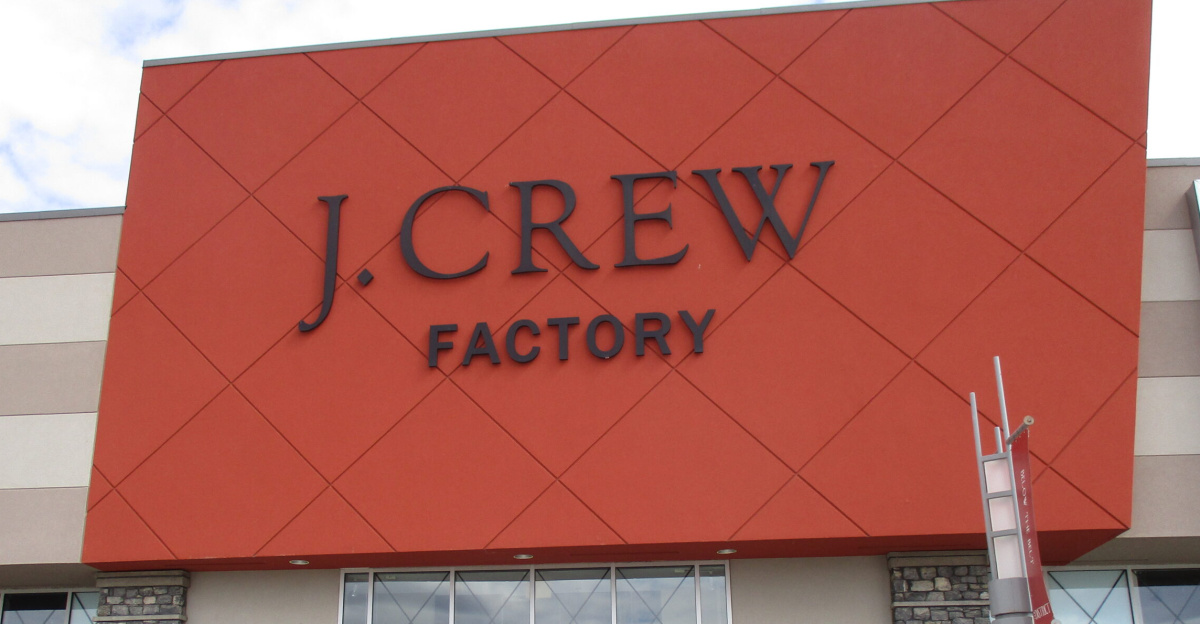
J.Crew sits at the intersection of heritage styling and modern retail dynamics. Its sweaters, pants, and other staples channel a preppy, polished look, but for lower-middle-income shoppers, the key is timing. Frequent promotions and markdowns turn what might be out-of-reach items at full price into realistic targets.
Many fans wait for significant discounts to pick up tailored pants, crewneck sweaters, or shirts that promise better construction than fast-fashion alternatives. The brand’s emphasis on fit and detail is central to its appeal: seams, cuts, and fabrics are designed to outlast quick seasonal trends.
Because J.Crew’s designs are generally restrained and versatile, a single piece can serve in multiple settings—work, family gatherings, or more formal occasions when styled correctly. That versatility is crucial for shoppers who calculate cost-per-wear, aiming to build a small but functional wardrobe around a few reliable items.
Anthropologie, Patagonia, and & Other Stories: Aspirational Pieces With Distinct Identities
Other brands play more specialized roles in these shoppers’ wardrobes. Anthropologie, for example, offers dresses often priced between $98 and over $200, with distinctive prints and silhouettes. Many lower-middle-income buyers see the label as aspirational, waiting for clearance events to pick up one standout dress or a decorative home item that brings a sense of individuality into their space.
Patagonia, with fleece jackets commonly ranging from $159 to $249, combines an outdoor heritage with durability and environmental messaging. Founded in Ventura, California, in 1973, the company has cultivated an identity rooted in rugged landscapes and environmental stewardship. For buyers who live active lives—or simply want outerwear that lasts—saving up for a Patagonia jacket is framed as a practical move and a statement about valuing sustainability and long-term use.
& Other Stories offers another kind of aspiration, centered on European-inspired style. With dresses typically starting around $99 and ranging upward, the label draws on design studios in Stockholm, Paris, and Los Angeles. Each location contributes a distinct sensibility: Scandinavian minimalism, Parisian romance, and a confident California ease. For shoppers looking for something elevated but not couture-level expensive, these pieces offer a way to feel connected to global fashion currents without breaking their budget entirely.
A Calculated Approach to Personal Luxury
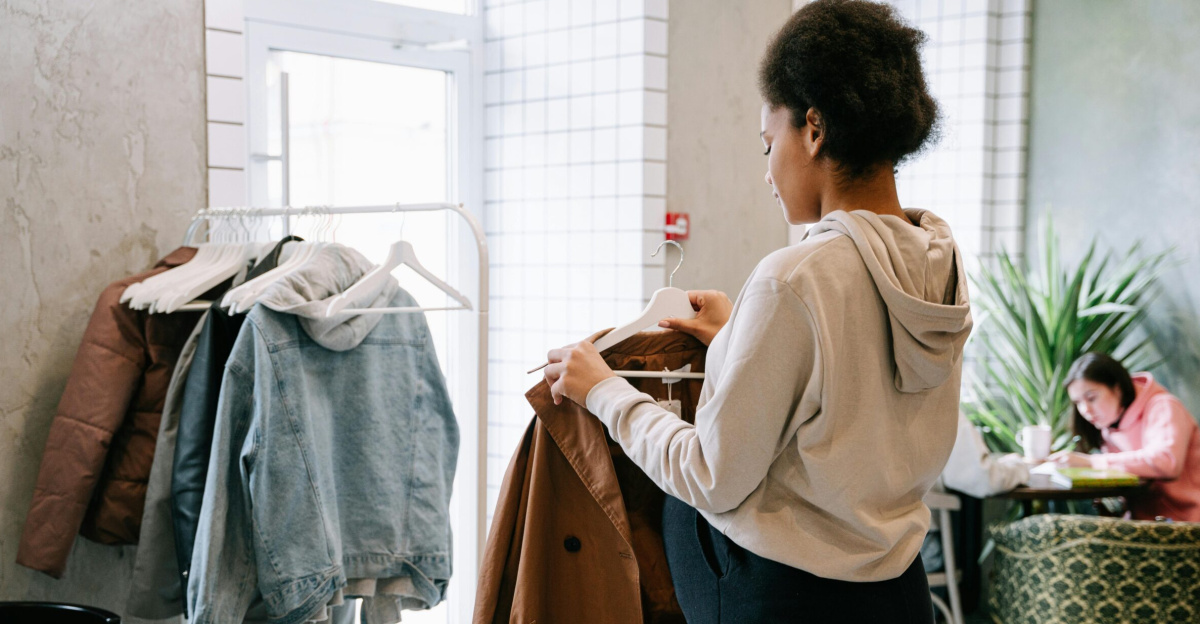
Across these seven brands, a common pattern emerges. Lower-middle-income shoppers study sale calendars, weigh fabric quality and longevity, and consider how a single item will integrate into the rest of their wardrobe or home. Luxury, in this context, is less about owning many high-priced items and more about selecting a small number of pieces that reflect careful planning and personal priorities.
Whether the goal is a $138 pair of jeans, a $98 pair of yoga pants, or a fleece jacket meant to last years, each purchase represents a negotiated balance between desire, practicality, and values. For these consumers, the future of accessible luxury will likely continue to center on durability, transparency, and alignment with environmental and ethical concerns—qualities that help every splurge feel genuinely earned.
Sources
“Lululemon Signs 10-Year Deal to Use Recycled Materials from Samsara Eco.” ESG Today, June 11, 2025.
“The New American Prep: How J.Crew Redefines the Heritage Brand.” Because of Marketing, December 10, 2025.
“How Sustainable is Everlane? Ethical Brand Rating and Transparency Analysis.” Eco-Stylist, February 20, 2025.
“Patagonia’s Journey to Sustainability: From Heritage to Environmental Leadership.” Trellis, 2008.