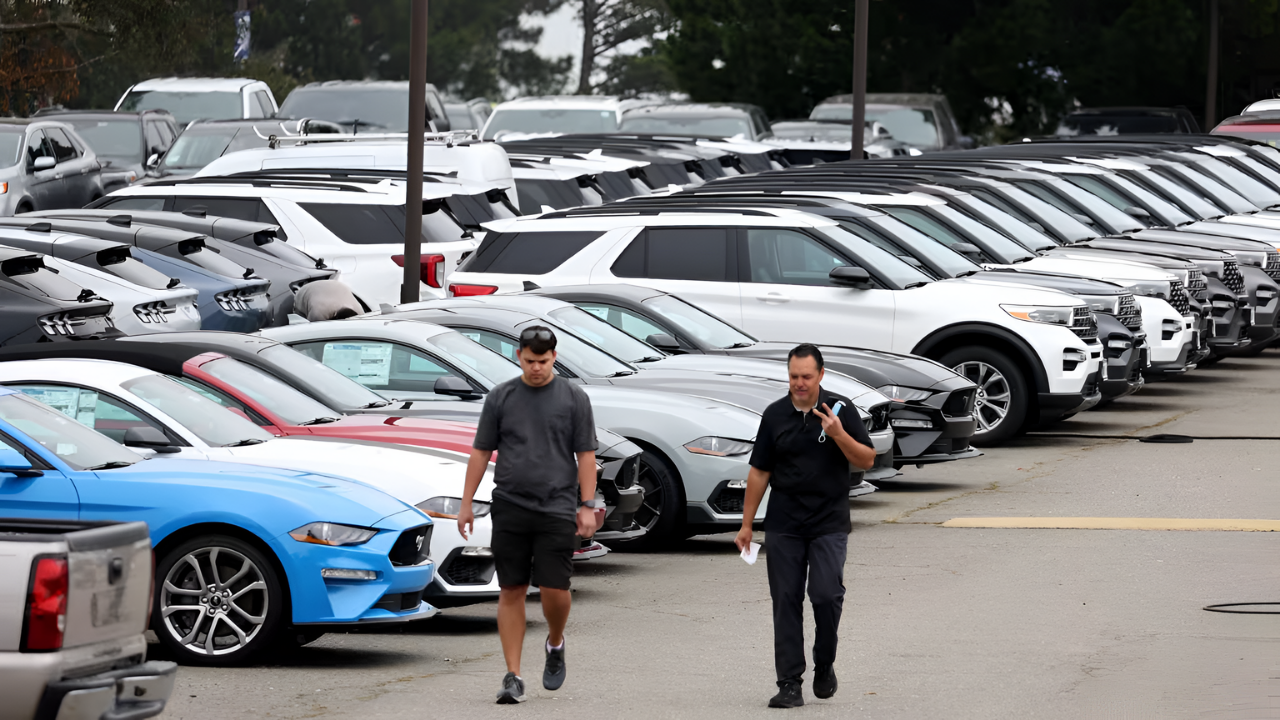
On September 10, 2025, Dallas-based Tricolor Holdings filed for Chapter 7 bankruptcy, triggering liquidation instead of restructuring. Within hours, 60 locations shut down and over 1,000 employees landed on unpaid leave. Roughly 100,000 borrowers learned their loans and vehicles were now bankruptcy assets. Prosecutors later alleged an $800 million fraud scheme. Wall Street’s excitement about rapid growth suddenly looked like a warning sign.
The Company Behind The Headlines

Founded in 2007 by Daniel Chu, Tricolor began as a buy here, pay here dealership for borrowers excluded from traditional banking. It also held Community Development Financial Institution certification, signaling an underserved mission. By 2025, it managed roughly $1.3 billion in receivables and nearly $1 billion in revenue. With 60 locations and BlackRock backing, success looked real, until internal gaps started surfacing.
A Model Built On Limited Options
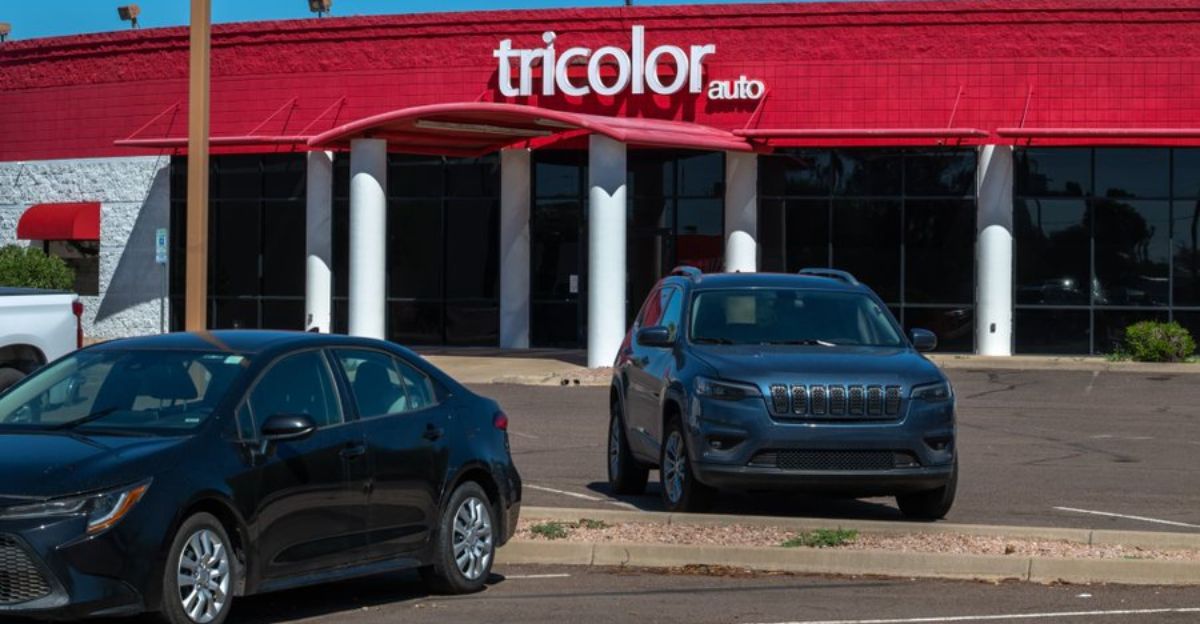
Tricolor pitched itself as financing for borrowers with no credit history. Bond disclosures said 68% had zero credit score and over 50% lacked a driver’s license. About 75% were undocumented Hispanic immigrants. Interest often exceeded 20%, and Tricolor issued over $5 billion in auto loans. JPMorgan and Barclays bought packages, then securitized them for investors. Yet scaling brought pressures that changed everything.
Early Clues Something Was Wrong
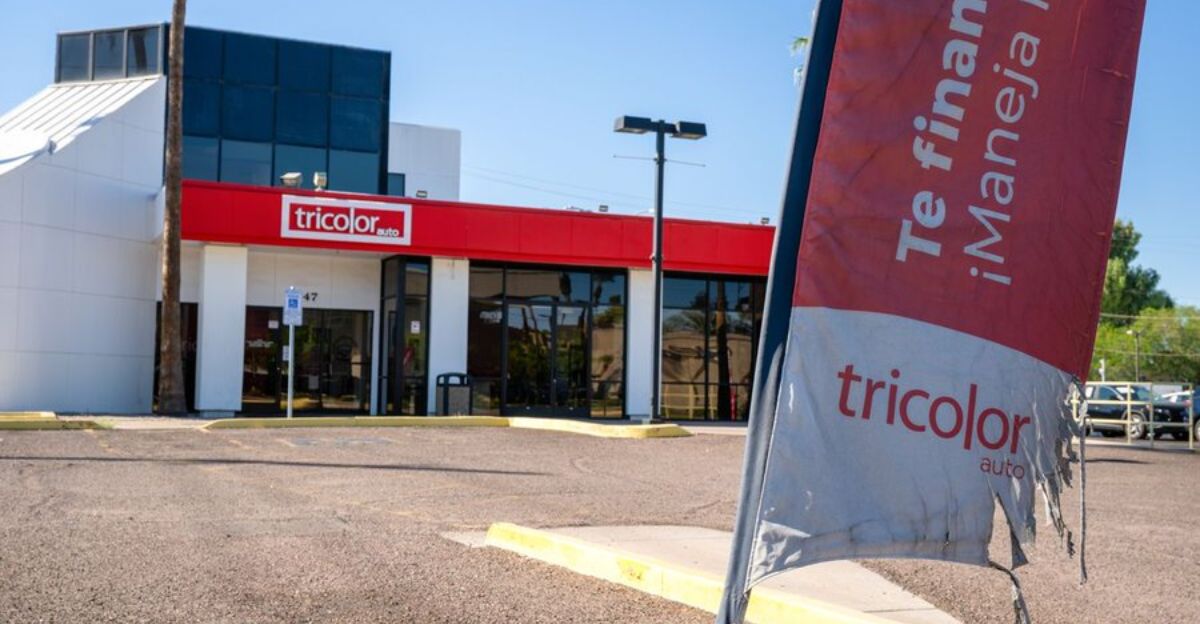
In early September 2025, most employees got notice of temporary unpaid leave pending an October 6 decision. Daniel Chu quietly resigned from Origin Bank’s board as Origin carried $30 million exposure. Tricolor auto ABS traded as low as $0.12 on the dollar. Fifth Third disclosed a possible $200 million loss tied to alleged fraud at a borrower, later identified as Tricolor. Even then, the full mechanics stayed hidden.
How Double Pledging Fueled The Gap
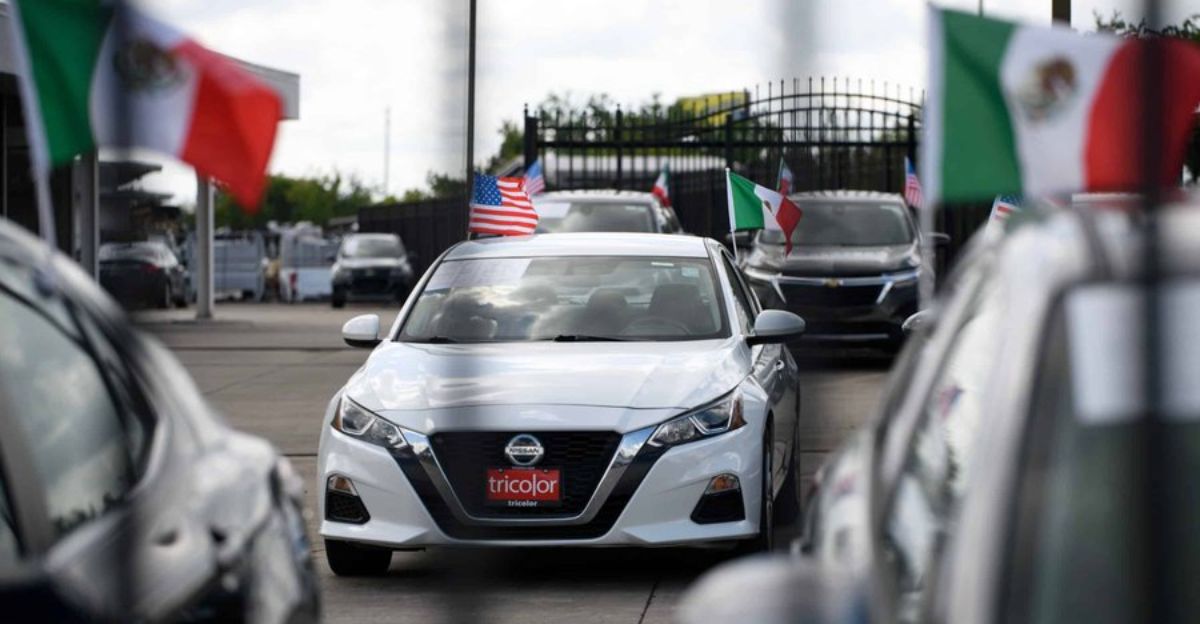
Prosecutors say that starting in 2018 Tricolor double pledged the same loan portfolios to multiple lenders. Each believed it held exclusive rights to specific collateral, but identical vehicle loans were pledged repeatedly across warehouse lines.
By August 2025, about $2.2 billion in collateral was pledged against only $1.4 billion in assets, creating an $800 million hole. U.S. Attorney Jay Clayton said, “Fraud became an integral component of Tricolor’s business strategy.” The paperwork trail soon got worse.
Loan Data That Did Not Add Up

Beyond double pledging, prosecutors alleged Tricolor manipulated borrowing base reports, editing delinquency fields and last payment dates to make troubled loans look current. Customer payment records were allegedly fabricated when discrepancies appeared.
Auditors questioned why loans marked current showed no principal reductions, and executives blamed deferment policies or system glitches. Some records showed duplicate VINs across tens of thousands of loans, a flag that should have stopped deals. The spending at the top raised sharper questions.
Lavish Personal Perks During Distress
Court filings said Daniel Chu collected nearly $30 million in compensation during 2024, right before collapse. He charged millions to a corporate American Express for skin treatments, vitamin infusions, dental work, and high end dining like Nobu and Carbone. He kept luxury homes in Dallas, Beverly Hills, and Miami worth about $38 million combined.
After a $15 million bonus in February 2025, he agreed to buy a $25 million Aspen chalet and lost a $1.75 million deposit. Trustee Anne Burns alleged, “He defrauded Tricolor by using corporate funds to pay for lavish personal expenses,” and prosecutors focused on timing.
Bonuses Pushed Through Before Bankruptcy
As Tricolor neared insolvency, prosecutors alleged Chu ordered the CFO to push through $6.25 million in final bonus installments. He had reportedly admitted the company was “definitely insolvent” and “basically history,” yet he extracted millions weeks before the September 10, 2025 filing. Some proceeds went toward a multimillion-dollar Beverly Hills property.
Former CFO Jerome Kollar and finance executive Ameryn Seibold later pleaded guilty and cooperated. Their accounts strengthened the case that leadership knew the scheme’s size. Could major banks really miss it?
A $170 Million Hit At JPMorgan
JPMorgan Chase disclosed a $170 million charge off tied to Tricolor exposure in October 2025. It had extended warehouse lines and bought securitized bundles with Barclays, including a $217 million package in June. CEO Jamie Dimon summed it up: “It is not our finest moment.” He warned, “When you see one cockroach, there’s probably more,” and said, “There clearly was, in my opinion, fraud involved in a bunch of these things,” according to reporting from December 17, 2025. Other lenders soon reported their own damage.
Fifth Third Flags Corrupted Loan Data
Fifth Third Bancorp recorded a non cash impairment charge of $170 million to $200 million in Q3 2025 tied to Tricolor allegations. It had extended a $200 million facility and said the master loan tape was “corrupted,” with “irregularities” in audited financial statements. Fifth Third said it had worked with law enforcement before the bankruptcy.
Combined with JPMorgan, disclosed losses exceeded $340 million. Origin Bank marked $30 million non accruing and Renasant Bank reported $22.5 million exposure. The real crisis, though, hit customers first.
Borrowers Stuck With Unclear Titles
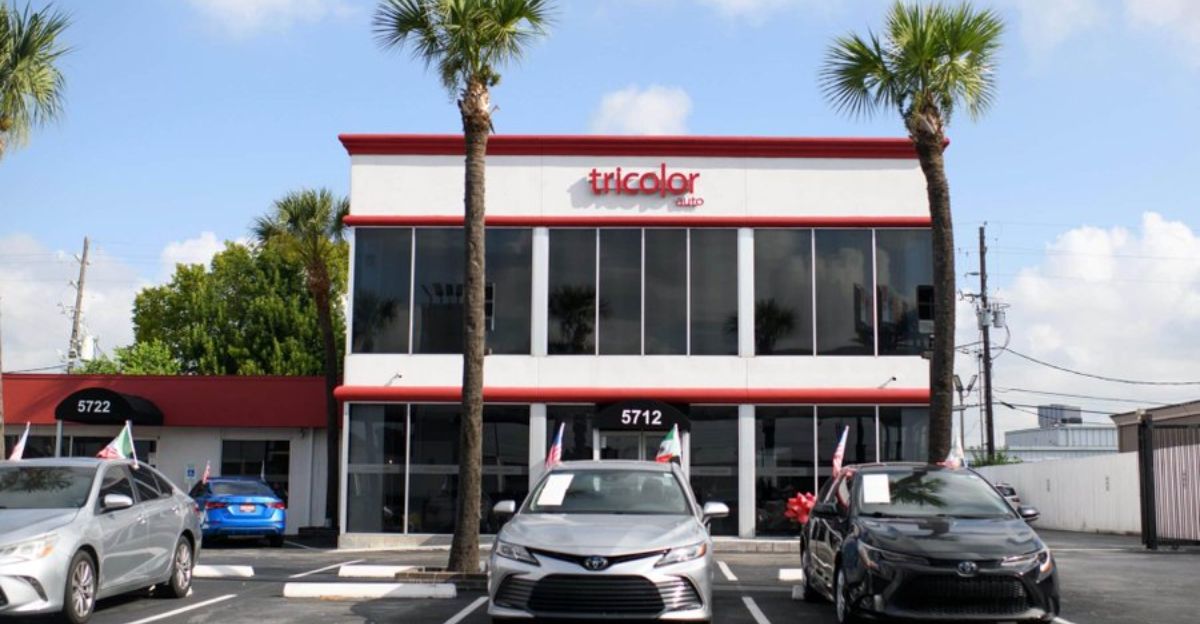
Tricolor’s shutdown stranded about 100,000 borrowers unsure where to pay, how titles would transfer, and whether repossessions were legitimate. Some reported wrongful repossessions, while others lost vehicles amid confusion. Vervent Inc. was appointed successor servicer within days, forcing borrowers into new systems and rules.
The Texas Department of Motor Vehicles investigated 157 initial complaints. Many borrowers were lower income and relied on vehicles for work, making any aggressive collections a direct threat. Then prosecutors revealed what executives said privately.
Secret Recordings Show The Attitude
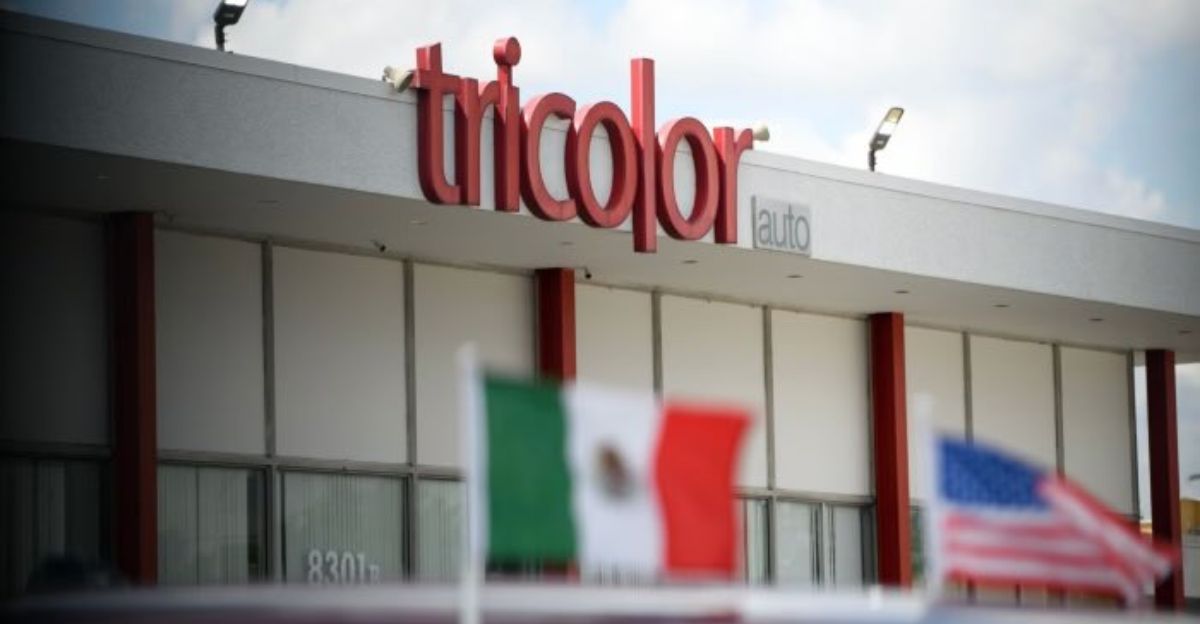
Indictments unsealed in December 2025 described secretly recorded conversations among Tricolor executives discussing concealment. On one call, Chu compared the situation to Enron and laughed: “Enron obviously has a nice ring to it, right?” and “Enron raises the blood pressure of the lender when they see that. It has to, right?”
Prosecutors said they discussed using the comparison to pressure lenders into settlements. On other calls, executives joked about telling a lender, “If we were trying to commit fraud, we wouldn’t be so stupid as to keep the same balances on there.” The collapse left workers scrambling.
Workers Learned Too Late
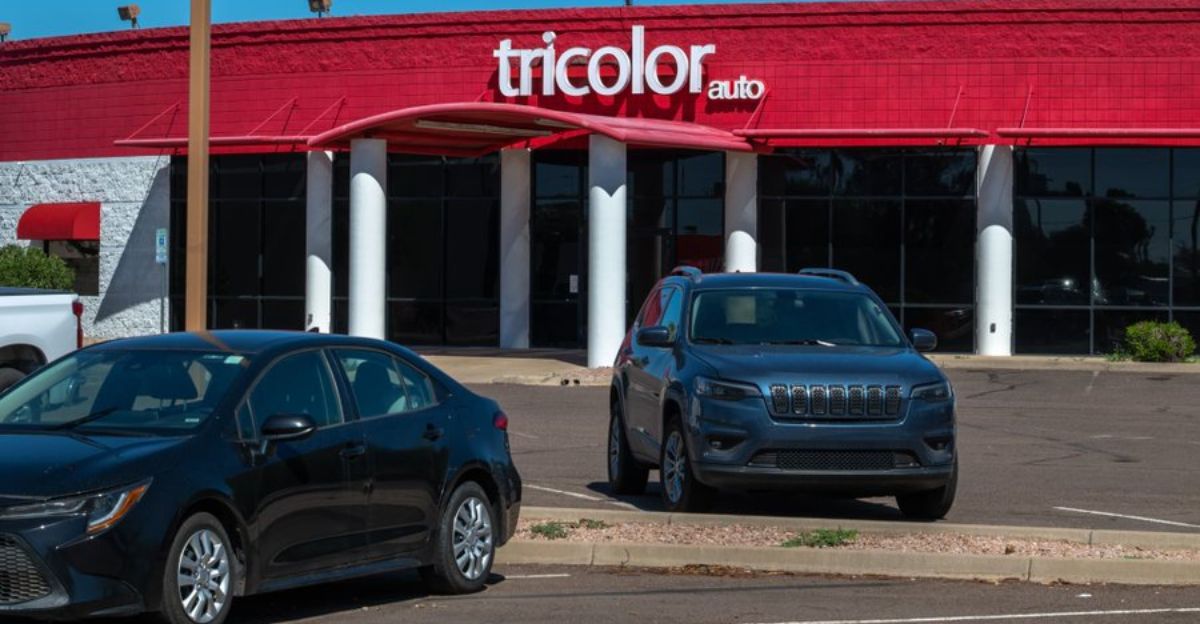
About 1,000 Tricolor employees across corporate offices and 60 retail locations were placed on unpaid leave on September 10, 2025. Some learned through news reports before formal notice arrived. In Chapter 7, employees became unsecured creditors, competing with lenders, vendors, and investors for recovery.
Many described emotional shock, not just from losing income but from feeling misled while executives enriched themselves. Some feared legal exposure if they unknowingly touched fraudulent processes, while others said internal concerns were dismissed. The servicing handoff became the next urgent test.
Like 2008, Yet Not The Same
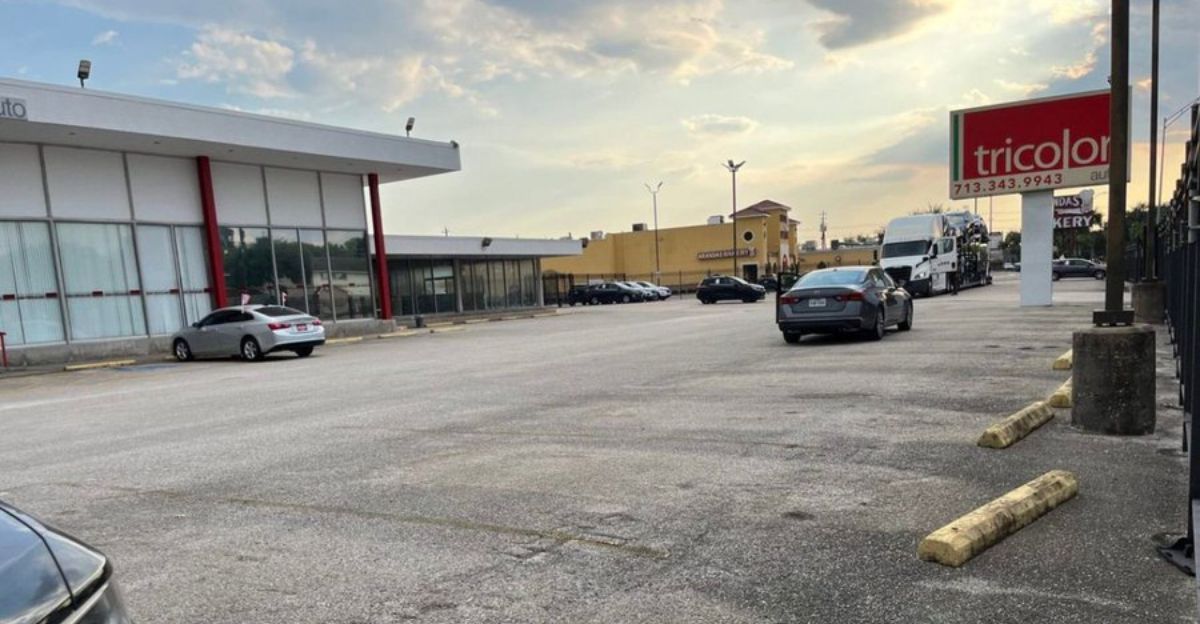
Tricolor drew comparisons to the 2008 subprime mortgage crisis: high risk borrowers, securitization, and sudden failure. But key differences mattered. The auto market is smaller than housing, cars depreciate, and delinquencies, while elevated, were still contained. Even so, warnings grew. Dimon told investors he had his “antenna up” for similar fraud.
Analysts said loose verification during 2021 to 2022 created a split, with strong controls surviving and weak ones collapsing. Was Tricolor a one off, or a signal of broader fragility?
Criminal Cases And Oversight Questions
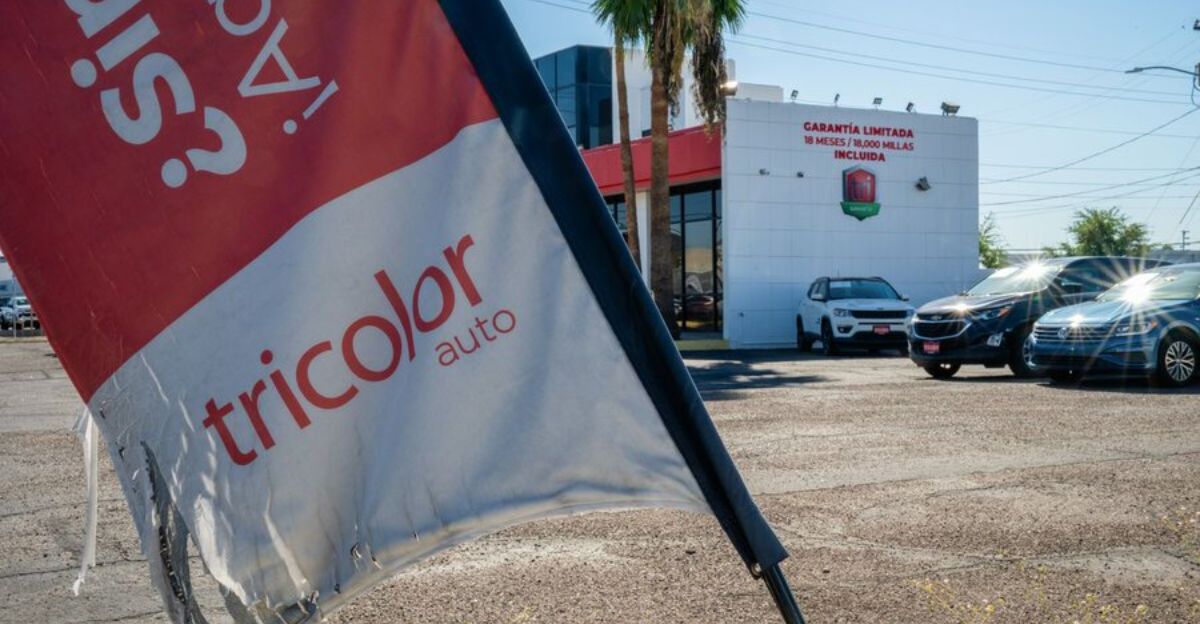
Federal prosecutors pursued charges against Chu and COO David Goodgame, while Kollar and Seibold pleaded guilty and cooperated. Chu faced potential life imprisonment on counts including continuing financial crimes enterprise and wire fraud. Chapter 7 trustee Anne Elizabeth Burns filed civil suits in December 2025 seeking recoveries for the estate.
Banks and investors in Tricolor backed securities braced for long litigation over fraud claims and disclosures. Regulators weighed whether to expand CFPB oversight thresholds for auto lenders, possibly pulling smaller nonbank originators into examinations. As of early this year, no formal overhaul was final, but the market was already rewriting its rules. The final paper trail sits in public records.
Sources
CEO, CFO, COO Charged In Connection With Billion-Dollar Collapse Tricolor Auto. U.S. Attorney’s Office for the Southern District of New York, December 17, 2025
Money For Nothing: Indictment Details Tricolor Executives’ Alleged Fraud. United States Department of Justice Southern District of New York Indictment, December 2025
Tricolor paid CEO $30 million in year before alleged fraud. Fortune, December 24, 2025
SEC 8-K Regulatory Filing Disclosing Tricolor Impairment Charge. Fifth Third Bancorp, September 2025
Third Quarter 2025 Earnings Report And CEO Jamie Dimon Remarks On Tricolor Exposure. JPMorgan Chase, 2025