A single box of face masks that cost $4.21 in early 2020 surged to $79.99 on Amazon’s platform as COVID-19 lockdowns intensified across America. Arm & Hammer baking soda jumped from $4.65 to $79.00—a staggering 1,523 percent increase documented in federal court filings.
These weren’t isolated incidents but part of what U.S. District Judge Robert Lasnik described as a pattern of “huge and unjust profits” extracted from desperate consumers. What happened next would force the e-commerce giant into a legal battle threatening billions in damages.
Court Rejects Amazon’s Defense

On January 5, 2026, Judge Lasnik rejected Amazon’s motion to dismiss a proposed class-action lawsuit alleging pandemic-era price gouging. The Seattle-based federal judge found Amazon’s legal arguments “unpersuasive,” allowing consumers to proceed with claims that the company exploited vulnerable shoppers during a public health crisis.
The ruling marks a significant setback for Amazon’s defense strategy and opens the company to extensive discovery proceedings that could expose closely guarded pricing algorithms.
Crisis Exploitation Alleged

Judge Lasnik ruled that plaintiffs plausibly demonstrated Amazon “exploited vulnerable consumers who turned to Amazon as a lifeline for consumer goods and food items during a public health crisis.”
The court determined that pandemic shortages, health directives, and lockdown restrictions left many shoppers with “no meaningful choice” but to purchase from Amazon despite allegedly unfair pricing. This legal finding positions Amazon’s market dominance during COVID-19 as a factor triggering enhanced consumer protection obligations rather than ordinary marketplace dynamics.
Essential Goods Targeted

Beyond face masks and baking soda, the lawsuit documents Quilted Northern toilet paper surging 1,044 percent from $17.48 to $200 during the pandemic emergency. Aleve pain relief tablets increased 233 percent as consumers faced medication shortages.
These documented price escalations span multiple essential product categories including food items, cleaning supplies, personal protective equipment, and household necessities. The systematic nature across diverse product types strengthens allegations of deliberate profiteering rather than isolated marketplace anomalies.
Two-Year Pattern Emerges

The proposed class covers consumers who purchased emergency goods between January 31, 2020, and October 20, 2022—a timeframe corresponding to state emergency declarations. This extended period suggests sustained pricing practices rather than temporary pandemic-onset confusion.
The duration potentially multiplies damages exposure significantly, as each transaction during the 30-month window could constitute a separate violation.
Dual Pricing Strategy Alleged

Plaintiffs accuse Amazon of two distinct forms of price gouging: failing to prevent third-party sellers from charging “flagrantly unlawful” prices while simultaneously inflating prices on Amazon’s own inventory.
Consumers claim the company “profiteered off consumers in desperate need” through both marketplace and direct retail channels. This dual approach demonstrates systematic pricing issues rather than problems limited to inadequately policed third-party vendors, undermining Amazon’s traditional facilitator defense.
Amazon’s Own Records Surface
Attorney Steve Berman emphasized that internal Amazon documents prove the company “recognized price gouging as a harmful force to consumers” and had “specifically designed systems to address such excessive pricing.”
These records show Amazon represented to state attorneys general, including Washington’s, that it actively protected consumers from pandemic profiteering. The internal acknowledgments create devastating legal vulnerability by contradicting Amazon’s argument that price gouging standards are too vague to enforce.
Double Standards Exposed

Judge Lasnik noted that if Amazon identified gouging behavior precisely enough to ban third-party sellers, the company should have prevented it in its own operations. This observation exposes potential hypocrisy in enforcement: applying consumer protection principles to marketplace sellers while exempting Amazon’s own pricing algorithms from identical scrutiny.
Plaintiffs argue this double standard reveals Amazon understood exactly which pricing practices violated consumer protection laws but chose profit over compliance.
Attorney Declares Victory

Steve Berman, managing partner at Seattle-based Hagens Berman, called the decision “a significant victory for consumers who allege that Amazon made billions in excess profits during the pandemic.”
The lawsuit seeks full consumer repayment for alleged price gouging, treble damages, and injunctive relief preventing future overpricing. Treble damage provisions under Washington consumer protection law could multiply Amazon’s financial exposure to billions if plaintiffs prevail at trial or secure a substantial settlement.
“Significant Victory for Consumers”

Berman stated the ruling represents “an important win” for consumer rights and class-action protections against corporate overreach. He emphasized that Judge Lasnik’s decision to block Amazon’s subpoenas targeting plaintiffs’ associates demonstrates judicial recognition that large corporations sometimes use discovery as a harassment tool.
The court found these subpoenas “appeared intended to harass or embarrass the class representatives,” protecting consumers willing to challenge powerful companies.
Market Dominance Under Scrutiny
Legal analysts note the ruling challenges Amazon’s traditional defense that it operates primarily as a marketplace facilitator rather than direct seller for many items.
By allowing the lawsuit to proceed, Judge Lasnik has effectively “pierced this shield,” according to consumer protection experts. The decision establishes that algorithmic pricing systems do not exempt technology platforms from consumer protection laws if those algorithms produce illegal price increases during emergency periods.
Algorithm Transparency at Stake

The case now proceeds to discovery, potentially forcing Amazon to disclose sensitive details about its automated pricing algorithms and “Buy Box” logic that determines which products appear most prominently. Legal teams will likely investigate whether the platform prioritized higher-margin, inflated items during the pandemic to maximize profits.
Technology policy experts view this algorithmic transparency battle as precedent-setting beyond this individual case, potentially influencing how courts treat AI-driven pricing across multiple industries.
Consumer Protection Evolution

The decision contributes to evolving legal frameworks around platform accountability for third-party transactions hosted on digital marketplaces. Technology companies increasingly face liability for hosting, facilitating, or benefiting from illegal third-party conduct.
This case extends platform responsibility concepts from content moderation into e-commerce pricing, potentially creating binding precedent for other marketplace operators including eBay, Walmart Marketplace, and emerging platforms.
Industry Implications Broaden
Antitrust and consumer protection specialists suggest the ruling signals growing judicial skepticism toward arguments that technology platforms bear no responsibility for pricing outcomes they algorithmically control.
Courts appear increasingly willing to examine the actual power dynamics and control mechanisms platforms exercise rather than accepting facilitator characterizations at face value.
Discovery Phase Begins

Amazon must now produce internal documents, communications, and algorithmic details during the discovery process, which could reveal embarrassing or legally damaging evidence about pricing decisions during the pandemic.
The company faces a strategic dilemma: fight discovery aggressively and risk antagonizing the court, or comply and potentially expose proprietary systems to competitors and regulators. Either path carries substantial risks as multiple government agencies investigate Amazon’s business practices.
Settlement Pressure Builds

Given the class size, extended time period, treble damage provisions, and reputational risks, Amazon faces mounting pressure to negotiate a settlement before trial.
The pandemic drove unprecedented e-commerce volume to Amazon, amplifying the potential financial stakes to billions of dollars. Settlement negotiations may intensify as discovery begins revealing internal pricing decisions and algorithm parameters that could prove difficult to defend publicly.
Regulatory Ripple Effects

The lawsuit arrives as Amazon faces intensifying scrutiny over marketplace operations, pricing strategies, antitrust issues, and consumer protection compliance from federal and state regulators.
The Federal Trade Commission’s ongoing antitrust case against Amazon could incorporate findings from this litigation. State attorneys general who received Amazon’s assurances about price gouging prevention may launch their own investigations based on the contradictions Judge Lasnik’s ruling highlights.
Technology Accountability Expands

The decision reflects broader trends toward holding technology platforms accountable for outcomes their systems produce, even when those outcomes result from automated processes or third-party actions.
As artificial intelligence and algorithmic decision-making proliferate across industries, courts increasingly reject arguments that automation absolves human operators of legal responsibility. This case may establish important precedents for AI liability as algorithms make more consequential decisions affecting consumers.
Amazon Remains Silent
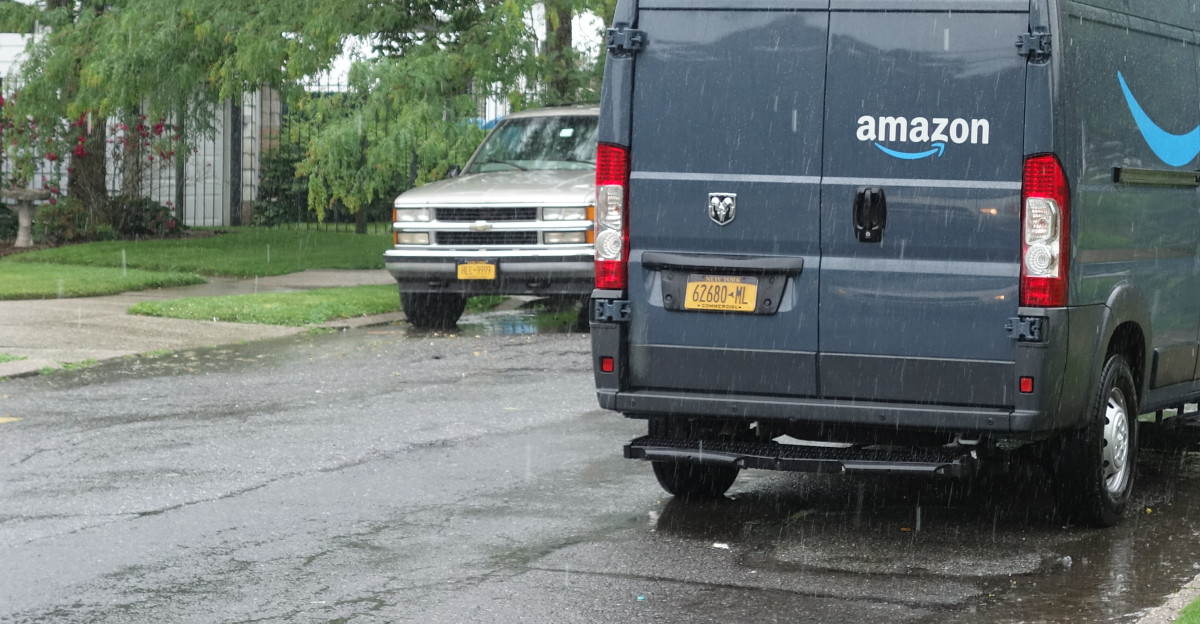
As of the ruling date, Amazon had not issued a public statement regarding the decision or outlined its litigation strategy going forward. The company’s uncharacteristic silence contrasts with typical corporate responses to major legal setbacks.
Amazon may be evaluating settlement options, preparing appeal strategies, or developing public messaging that addresses serious allegations without admitting liability that could be used against it in this case or trigger additional lawsuits.
Billions at Stake
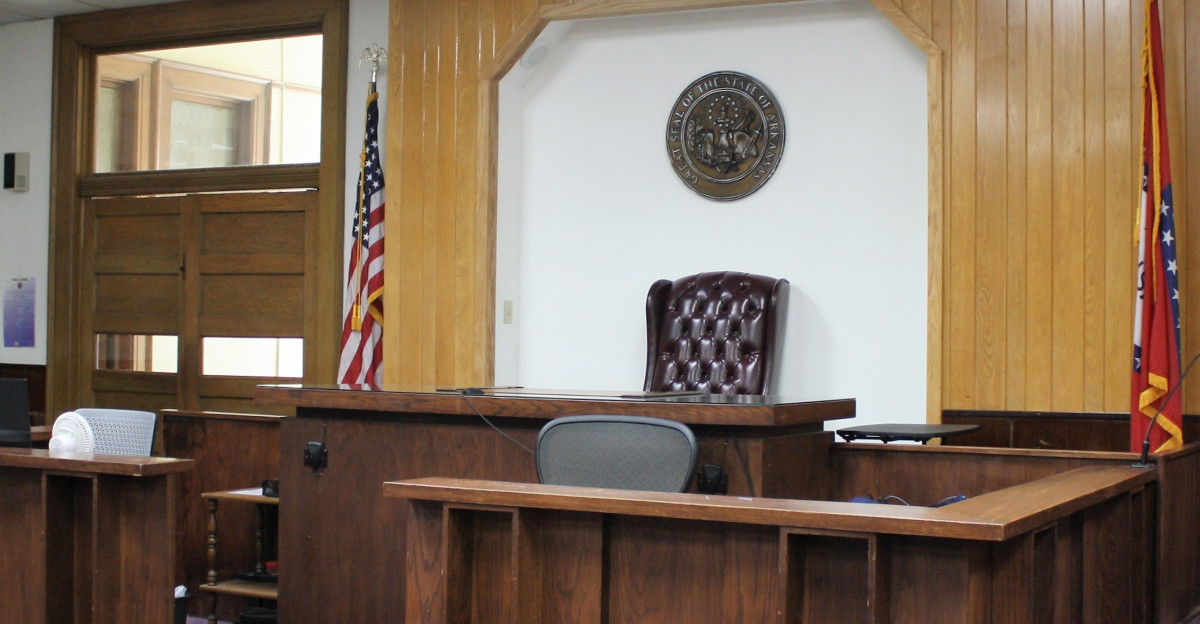
If plaintiffs prevail at trial, Amazon could face the largest consumer protection damages award in e-commerce history given the massive class size and treble damage multiplier.
The case represents an existential test of whether consumer protection laws written for traditional retail can effectively constrain algorithmic pricing by dominant digital platforms. How this lawsuit resolves will likely influence corporate pricing strategies, platform governance models, and emergency commerce regulations for years to come across the technology sector.
Sources:
“Amazon must face price gouging lawsuit, US judge rules.” Reuters, 2026.
“Amazon Must Face U.S. Price-Gouging Lawsuit, Judge Rules.” Yahoo Finance, 2026.
“Hagens Berman: Court Denies Amazon’s Motion to Dismiss Consumers’ Lawsuit.” Business Wire, 2026.
“US judge allows Amazon Covid-era price gouging lawsuit to proceed.” Retail Insight Network, 2026.
“Amazon must face price gouging lawsuit, federal judge rules.” Missouri Lawyers Media, 2026.