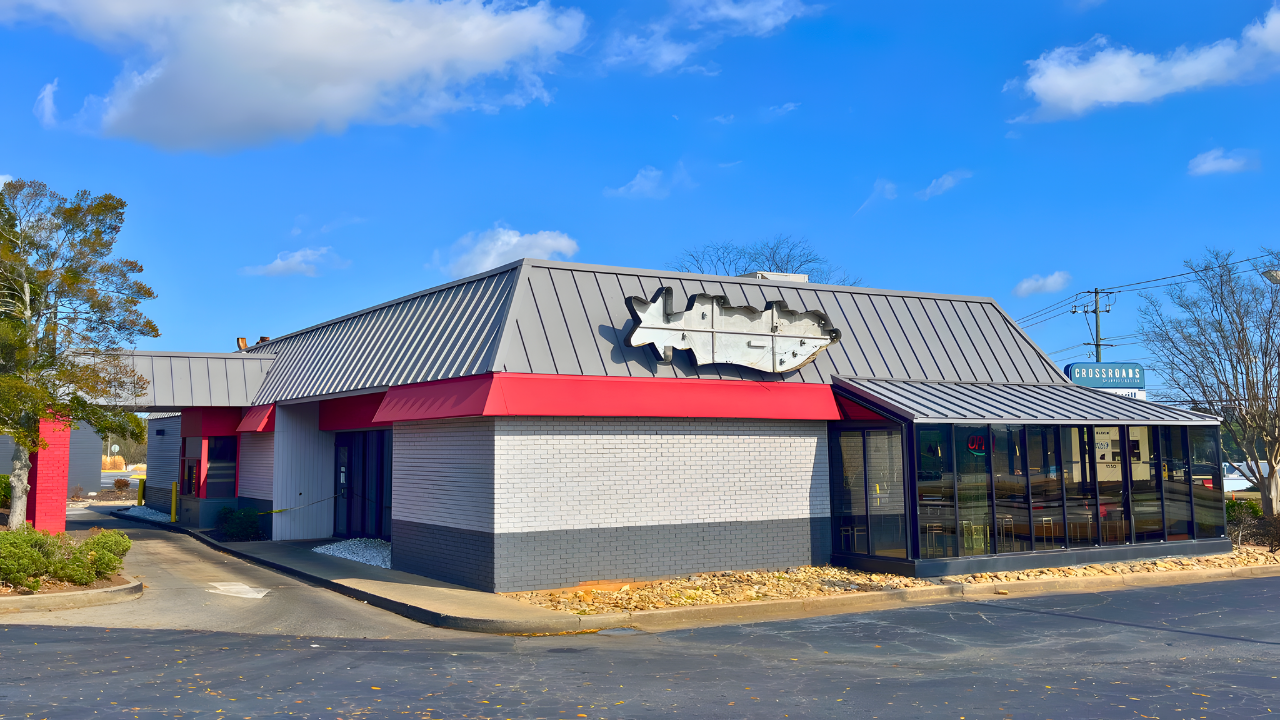
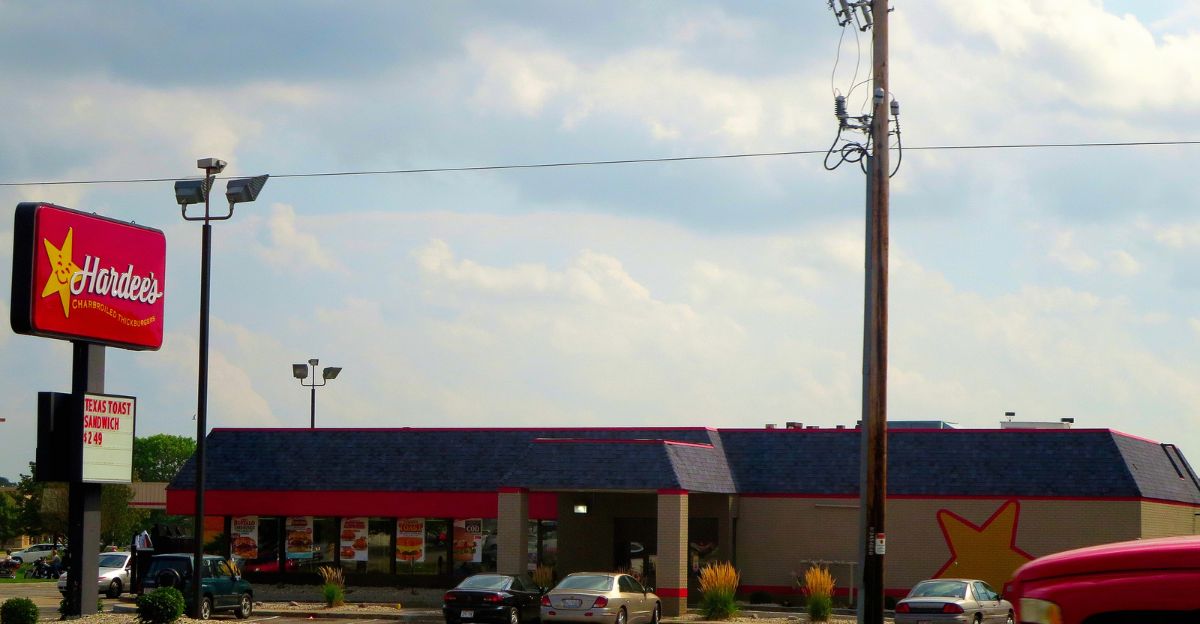
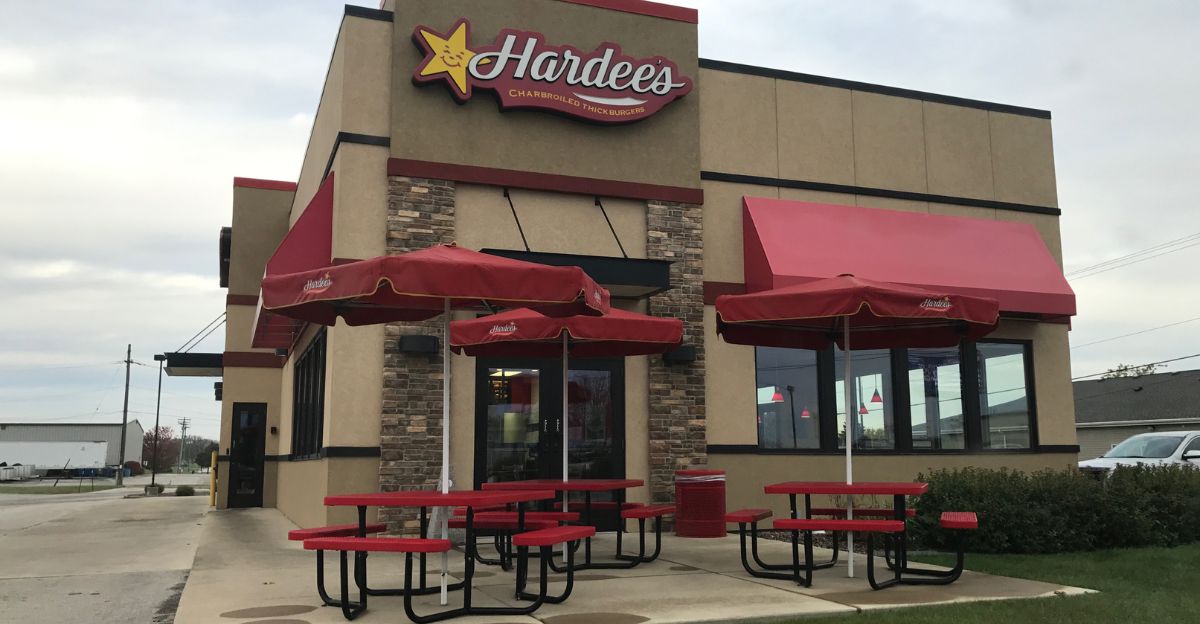
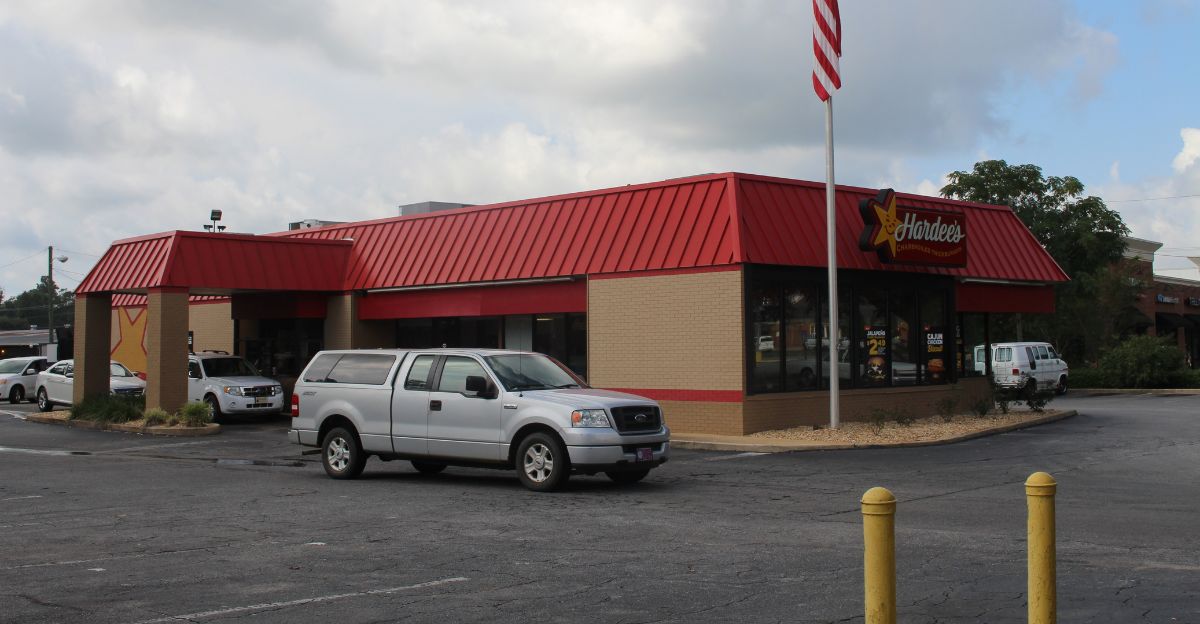
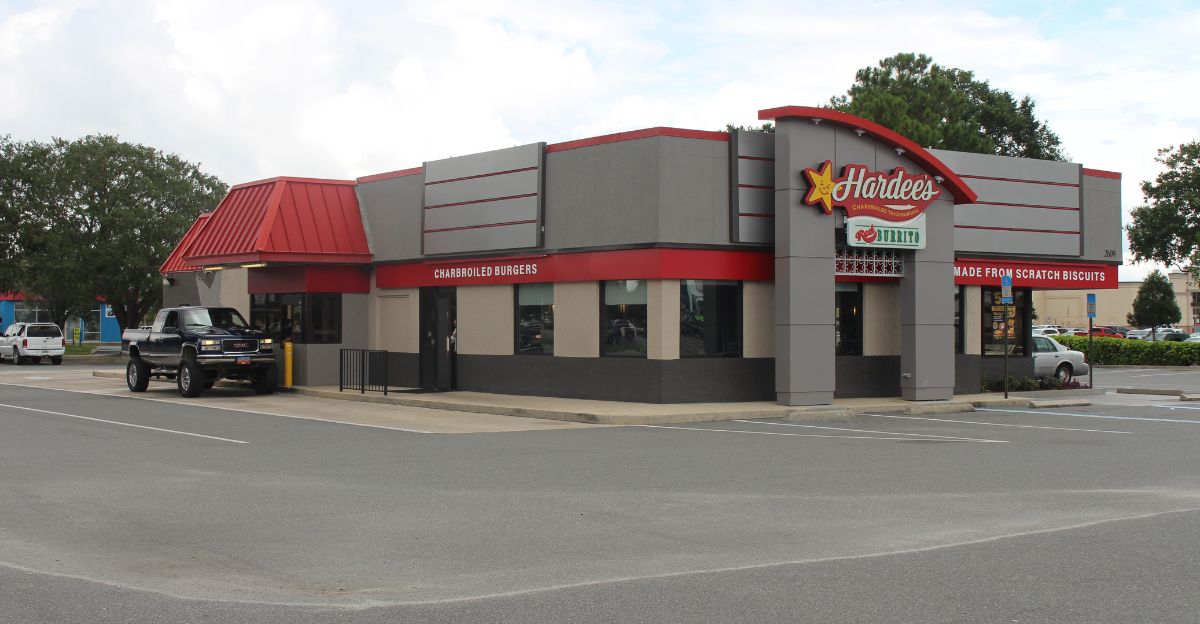
A significant franchise dispute has forced Hardee’s to shutter 77 restaurants across 8 states, marking one of the most substantial closures for the struggling burger chain in recent years. The closures stem from a lawsuit filed by Hardee’s Restaurants LLC against major franchisee ARC Burger LLC over more than $6.5M in unpaid obligations beginning in December 2024. The timeline matters.
Lawsuit Sparked A Fast Moving Collapse
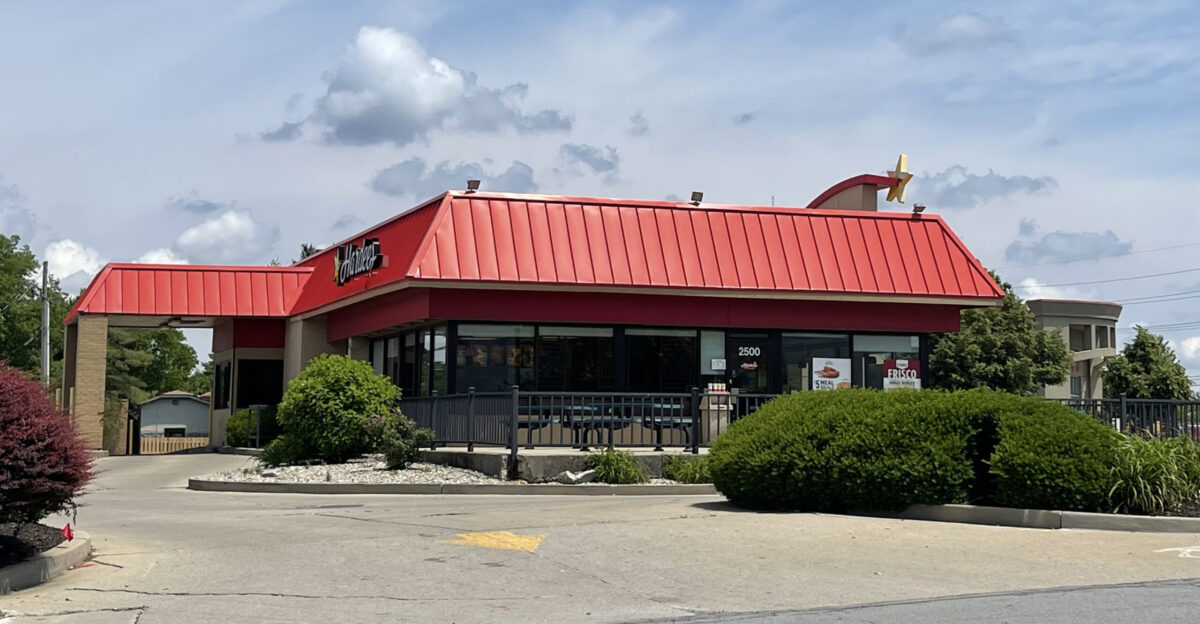
Hardee’s Restaurants LLC sued ARC Burger LLC on November 21, 2025, seeking more than $6.5M tied to royalties, advertising fees, technology charges, and rent. Hardee’s said ARC Burger’s defaults began in December 2024 and piled up across multiple categories. The size of ARC Burger’s footprint made the dispute impossible to contain once payments stopped.
Defaults Covered More Than Just Royalties
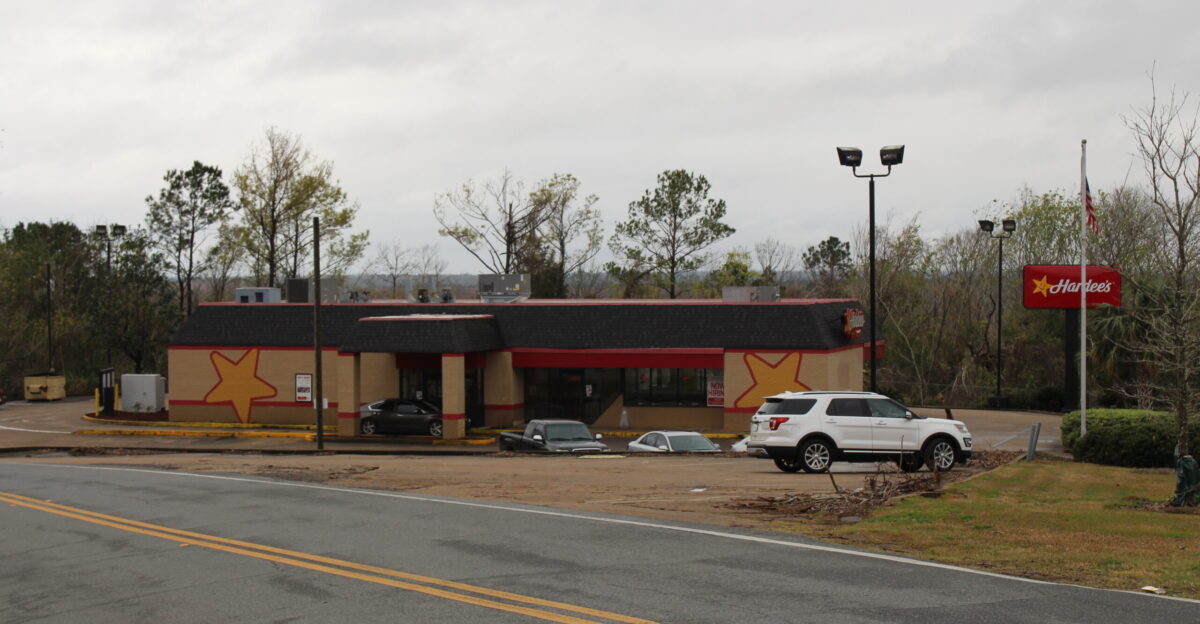
Hardee’s alleged ARC Burger fell behind on royalties, advertising fund contributions, technology fees, rent, and training fees, all starting in December 2024. When multiple required payments go unpaid at once, franchisors often move quickly to enforce contracts. For ARC Burger, the alleged defaults created a chain reaction that made day to day operations harder to sustain.
A Major Operator With Little Cushion
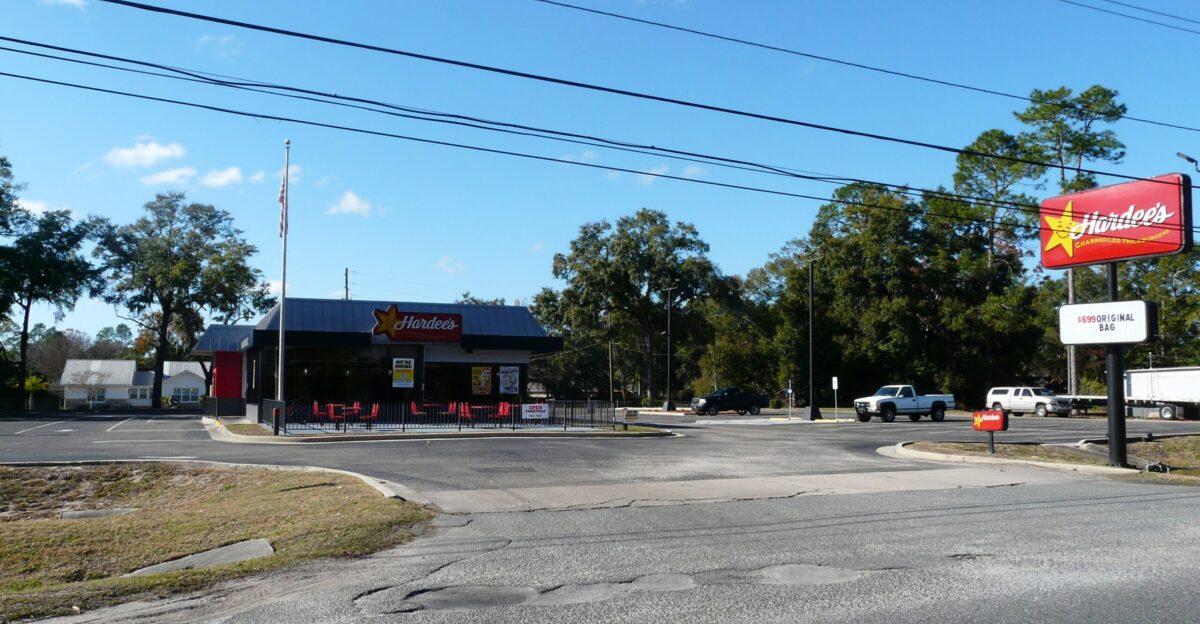
ARC Burger previously ran about 80 Hardee’s restaurants, making it one of the largest franchisees in the system. Scale can help with purchasing and staffing, but it can also exacerbate cash flow problems when fees accumulate. Once corporate obligations are missed, a multi-state operator can lose options fast, especially if lenders pull back.
December 20 Brought The First Big Wave
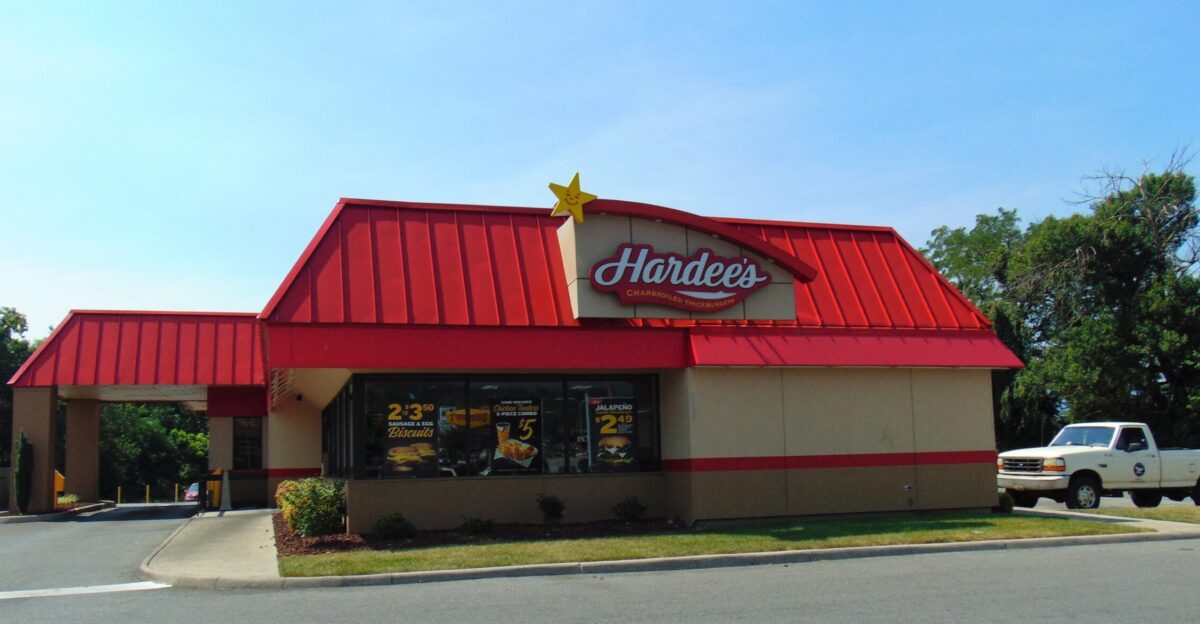
The first major shutdowns hit on December 20, 2025, when ARC Burger closed 28 Midwestern locations. Closures continued through the final weeks of the year, moving quickly enough to surprise employees and customers. Many communities were left watching as once familiar drive-thru signs went dark with little warning.
Closed Doors From Montana To South Carolina
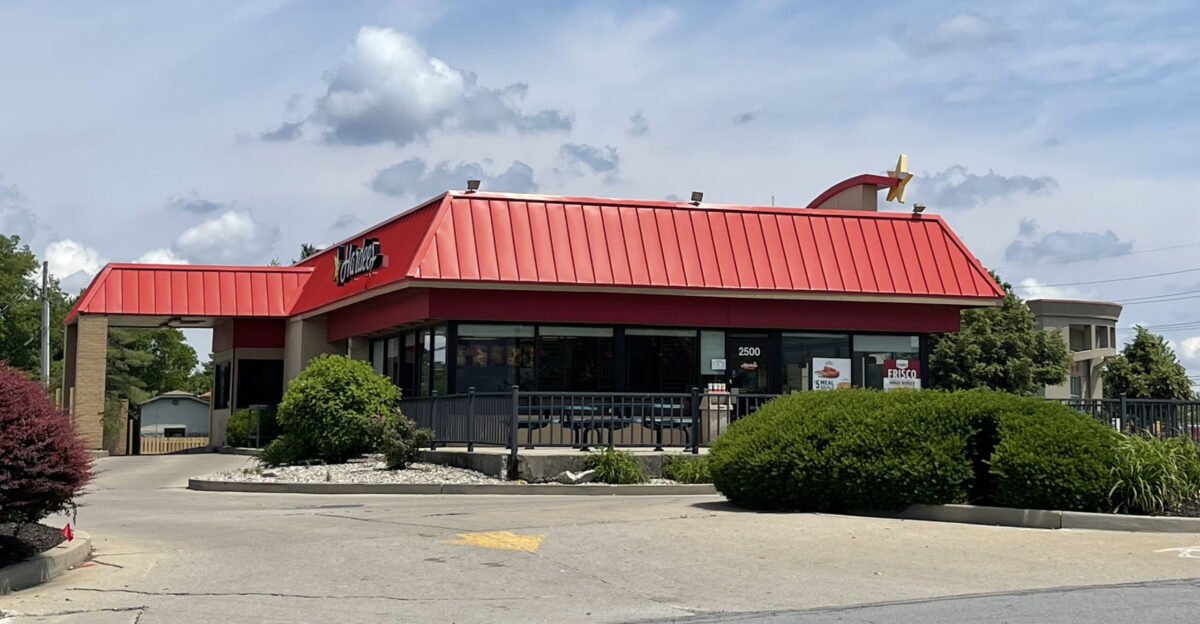
Confirmed closures included Billings, Montana, locations at 2404 Central Ave. and 608 N. 27th St., plus Berkeley County, South Carolina, restaurants in Goose Creek and Moncks Corner. With multiple states involved, local reports varied, but the pattern was consistent: sudden stoppages, locked doors, and confusion about whether the shutdowns were permanent.
Signs Said “Until Further Notice”
Some restaurants posted messages thanking customers while announcing temporary closures “until further notice.” For regulars, that phrasing can sound hopeful, but it often signals uncertainty behind the scenes. When stores close while a lawsuit is active, the real decision makers may be lawyers, landlords, and lenders, not local managers.
Why Did The Count Vary By Source?
Reports listed closures across Alabama, Florida, Georgia, Illinois, Kansas, Missouri, Montana, South Carolina, and Wyoming, with the final total sometimes described differently. Was it 77, or nearly all of 77, or more? That uncertainty reflects how quickly the shutdowns unfolded and how franchise portfolios can change even while litigation continues.
Termination Happened Before The Closures
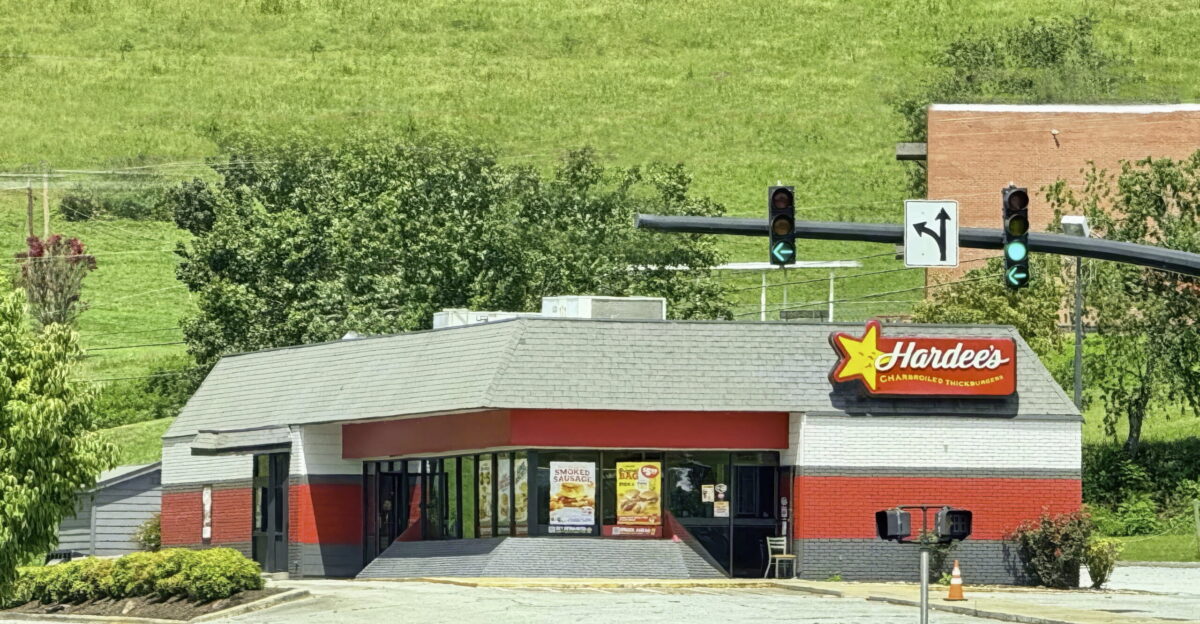
The shutdown timing appears linked to Hardee’s termination of ARC Burger’s franchise and sublease agreements in September 2025. That formally ended the relationship, yet ARC Burger kept operating temporarily afterward. Allowing continued operations can preserve a chance to collect payments, but it can also delay the inevitable if cash simply is not there.
Hardee’s Said Sales Were Still “Solid”
A Hardee’s spokesperson said “the anticipated closures of several Missouri locations are the result of independently owned and operated franchisee ARC Burger’s failure to cure its defaults under its franchise agreements, despite solid sales and our continued attempts over the course of many months to reach a resolution.” That single phrase raised bigger questions.
How Can “Solid Sales” Still End Like This?
If unit sales were strong, the problem may have been margins, required fees, debt costs, or capital constraints rather than customer traffic alone. Franchise models can fail when obligations outpace what stores keep after labor, food, rent, and delivery costs. The ARC Burger story becomes clearer once you trace where those restaurants came from.
ARC Burger Inherited A Troubled Portfolio
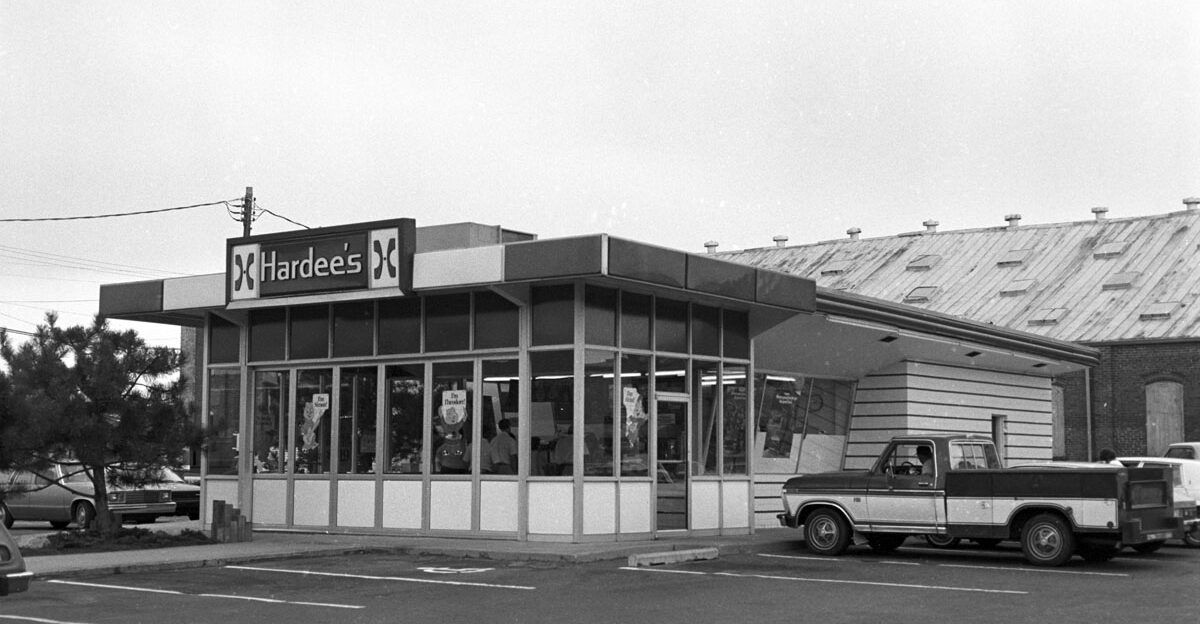
In 2023, ARC Burger bought about 80 Hardee’s locations after prior operator Summit Restaurant Holdings filed for bankruptcy. Summit had already closed 39 locations before Chapter 11, leaving a portfolio that was already shrinking. ARC Burger was presented as a stabilizing buyer, but the assets carried hard to fix weaknesses.
High Bluff Capital Backed The Deal
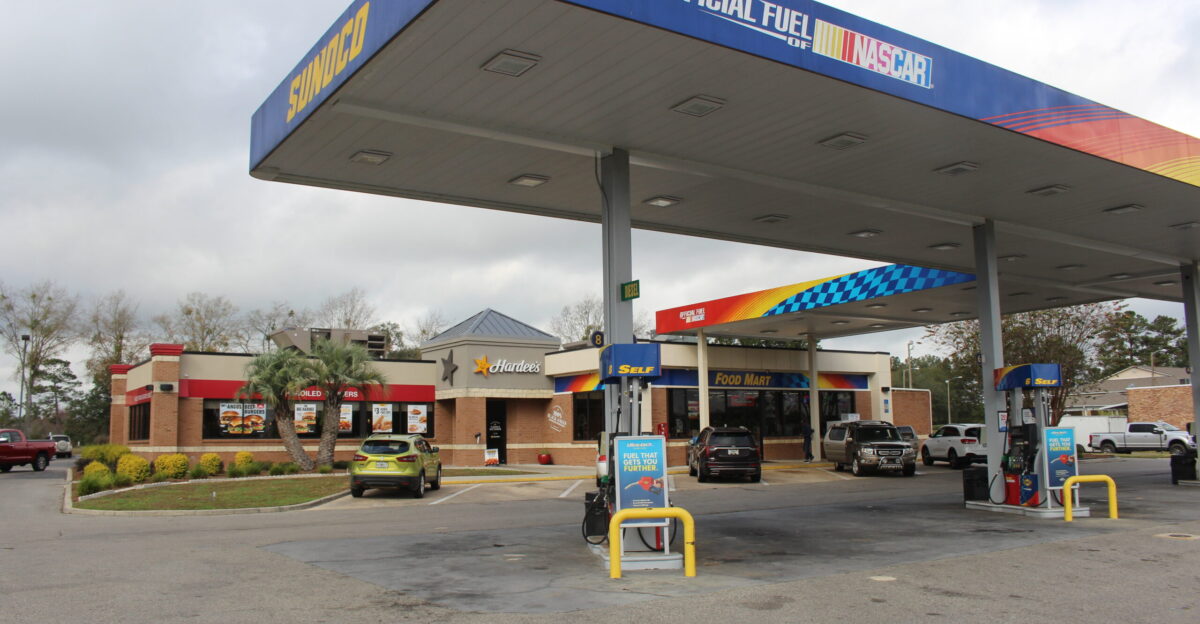
ARC Burger was formed by High Bluff Capital Partners. Its operating partner, Jim, became Executive Chairman and brought more than 3 decades of experience across convenience retail, wholesale and retail fuel, restaurant operations, and big box retail. Even with experienced leadership, a turnaround depends on unit economics staying workable under franchise rules.
A Pattern Of Franchise Instability
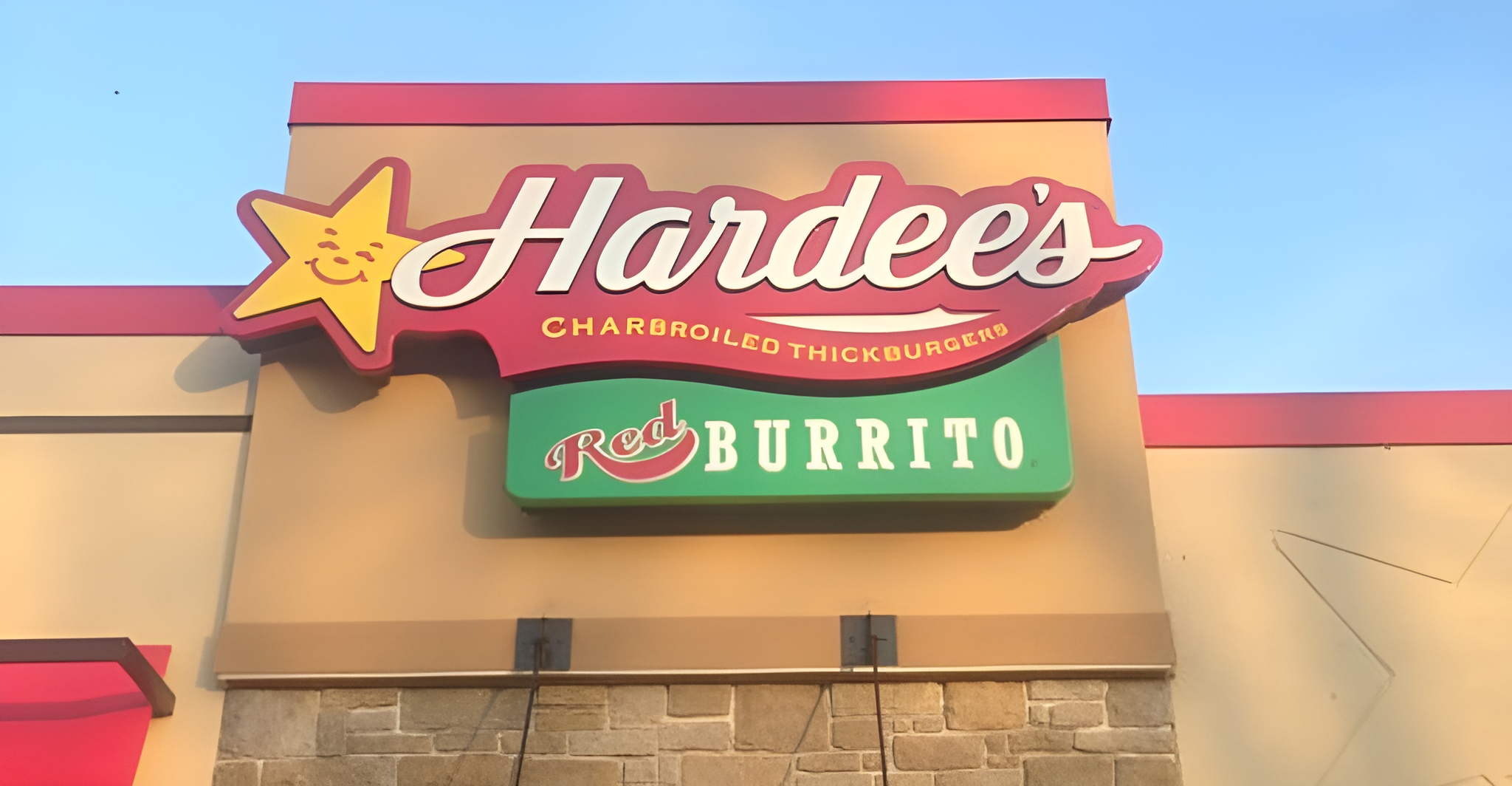
ARC Burger’s collapse fits a broader Hardee’s pattern: operators struggle to achieve profitability even when individual restaurants post respectable sales. When required payments rise faster than profits, the system can fracture. That tension did not stop with ARC Burger, because another large franchisee was already challenging Hardee’s approach in court.
Another Franchisee Filed A $35M Challenge
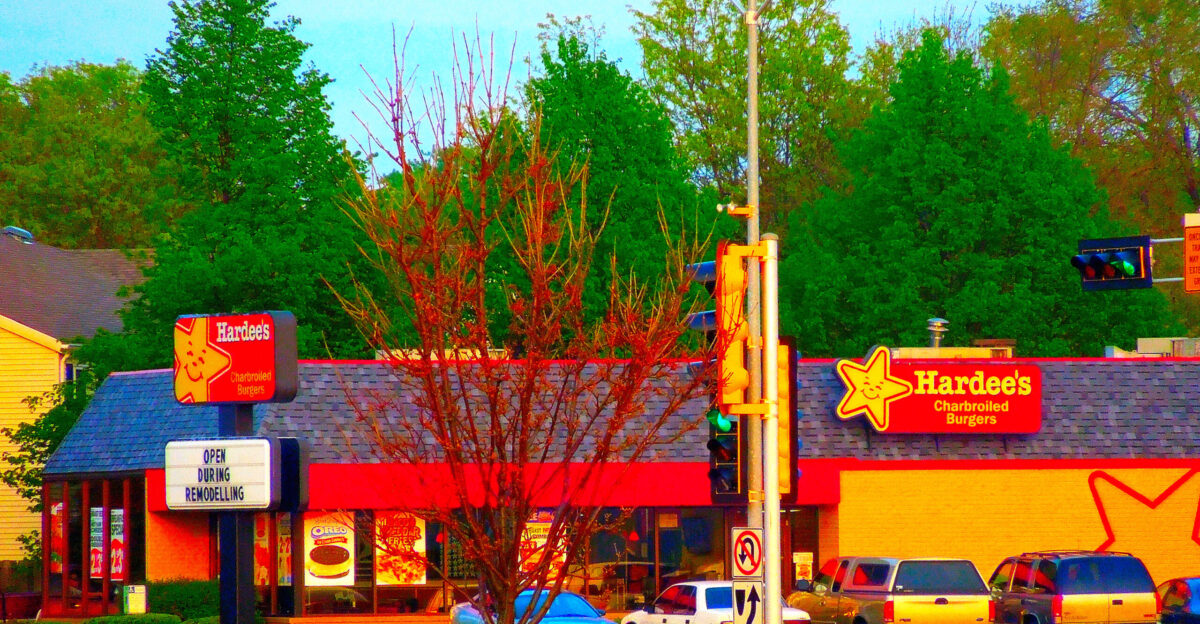
Paradigm Investment Group, operating 76 Hardee’s restaurants, sued Hardee’s Restaurants LLC on April 14, 2025. It sought $35M in compensatory damages plus costs, attorney fees, and an injunction blocking termination. Hardee’s had issued a default notice on January 15, 2025, with an April 15 deadline looming.
Fees And Mandates Became The Flashpoint
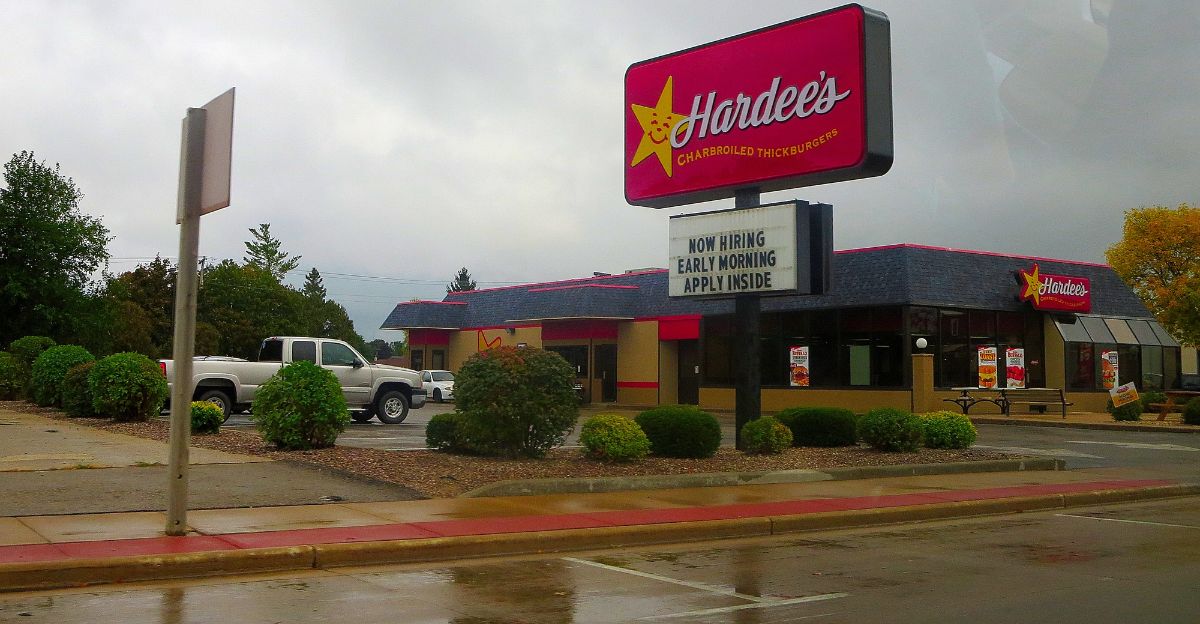
Paradigm highlighted a monthly technology fee of $150-$160 per restaurant that started in 2021. It also challenged mandatory in app loyalty participation, required third party delivery use, and demands to stay open until 10 p.m. Could a franchisee stay profitable while following every rule, even when local demand disappears?
The Sales Data Paradigm Put In Writing
Paradigm said that at its Hartselle, Alabama store in August 2021, average sales were $19 per half hour after 2 p.m., versus $239 per half hour at breakfast. It argued many stores saw fewer than 4 customers per hour after 2 p.m. That gap shaped an entire operating strategy under pressure.
A Trial Date Shows This Fight Is Long
A jury trial in the Paradigm case was scheduled for March 30, 2027, in the U.S. Court for the Middle District of Tennessee. Hardee’s agreed not to terminate the franchise agreements while the case proceeds. While that lawsuit plays out, the brand’s performance numbers show why franchise tension keeps rising.
Sales And Store Counts Point To Decline
In 2023, Hardee’s posted $1.932B in U.S. sales across 1,610 locations, about $1.16M per unit. In 2024, sales fell to $1.831B across 1,574 locations, a 5.3% decline with 36 fewer restaurants. Average unit volume slipped to about $1.146M, widening the competitive gap.
A Decade Of Closures Built To This Moment
Hardee’s has closed about 200 U.S. locations in 10 years, with 150 closures in the last 3 years, and domestic system sales down 12% since 2014. Paradigm said BMO Harris told it in 2021 the bank would not fund Hardee’s deals due to risk. What happens when capital disappears entirely?
Sources
Hardee’s Restaurants LLC v. ARC Burger LLC court filing. U.S. District Court, November 21, 2025
Paradigm Investment Group v. Hardee’s Restaurants LLC court filing. U.S. District Court for the Middle District of Tennessee, April 14, 2025
FTC Staff Guidance on franchisor fees and disclosures. Federal Trade Commission, July 2024
Technomic Top 500 Chain Restaurant Report data on Hardee’s sales and unit counts. Technomic, 2024