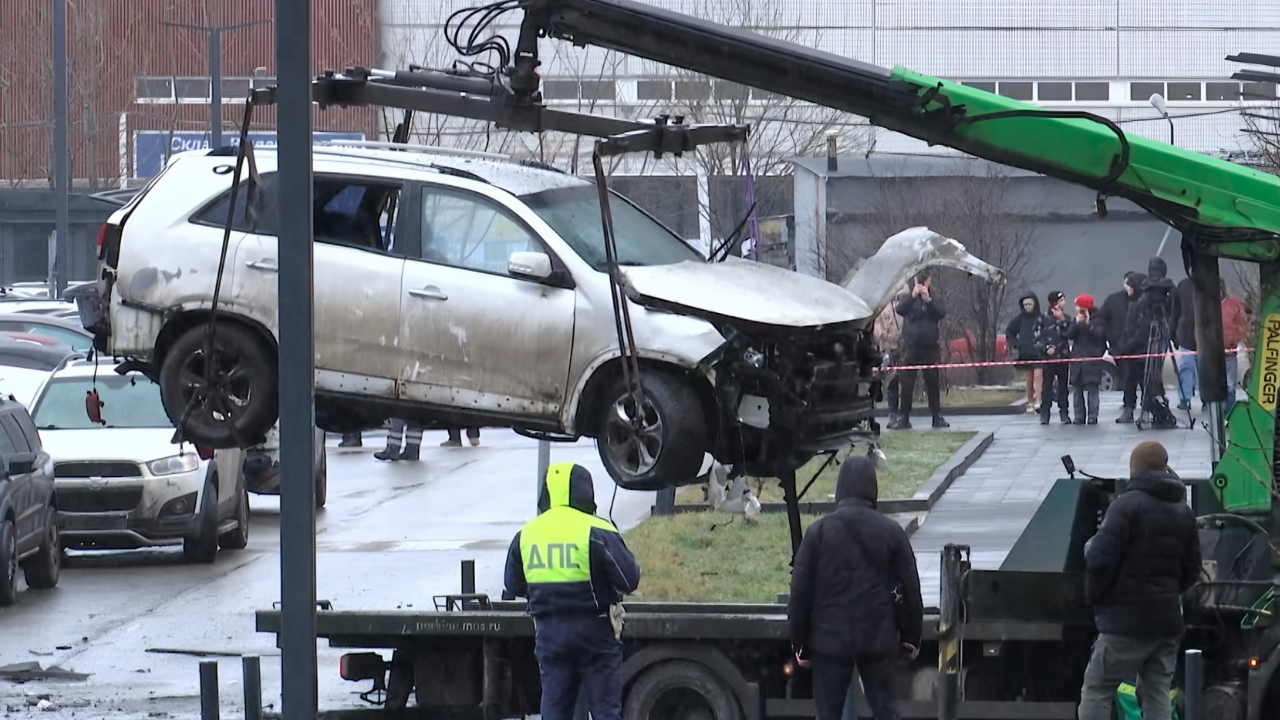
A pre-dawn explosion in southern Moscow on December 22, 2025, marked another escalation in an emerging campaign against Russia’s military leadership. An improvised explosive device detonated beneath a white Kia Sorento on Yaseneva Street, fatally wounding Lieutenant General Fanil Sarvarov, 56, head of the General Staff’s operational training directorate.
The blast tore through a residential courtyard lined with apartment blocks, damaging at least seven vehicles and underscoring how the Ukraine conflict is reshaping daily life far from traditional front lines.
The Third General in Thirteen Months
Sarvarov’s death is the third killing of a senior Russian general by an improvised explosive device in the Moscow region within just over a year. Lieutenant General Igor Kirillov, head of Russia’s Nuclear, Biological and Chemical Defence Forces, was killed in December 2024 by a bomb hidden in an electric scooter outside his Moscow apartment. In April 2025, Lieutenant General Yaroslav Moskalik, a deputy head of the General Staff’s main operational directorate, died when a homemade explosive detonated in a parked car in Balashikha, east of Moscow.
The pattern suggests a coordinated campaign targeting the upper echelons of Russia’s command structure, rather than isolated attacks on prominent individuals. These three officers held positions central to Russia’s military operations, including protection against nuclear, biological, and chemical threats, frontline operational planning, and training pipelines that prepare combat units. Military specialists note that disruption to these roles could affect tens of thousands of personnel across the armed forces, impacting training programmes, defensive networks, and operational planning staffs.
Ukraine’s Role Remains Ambiguous
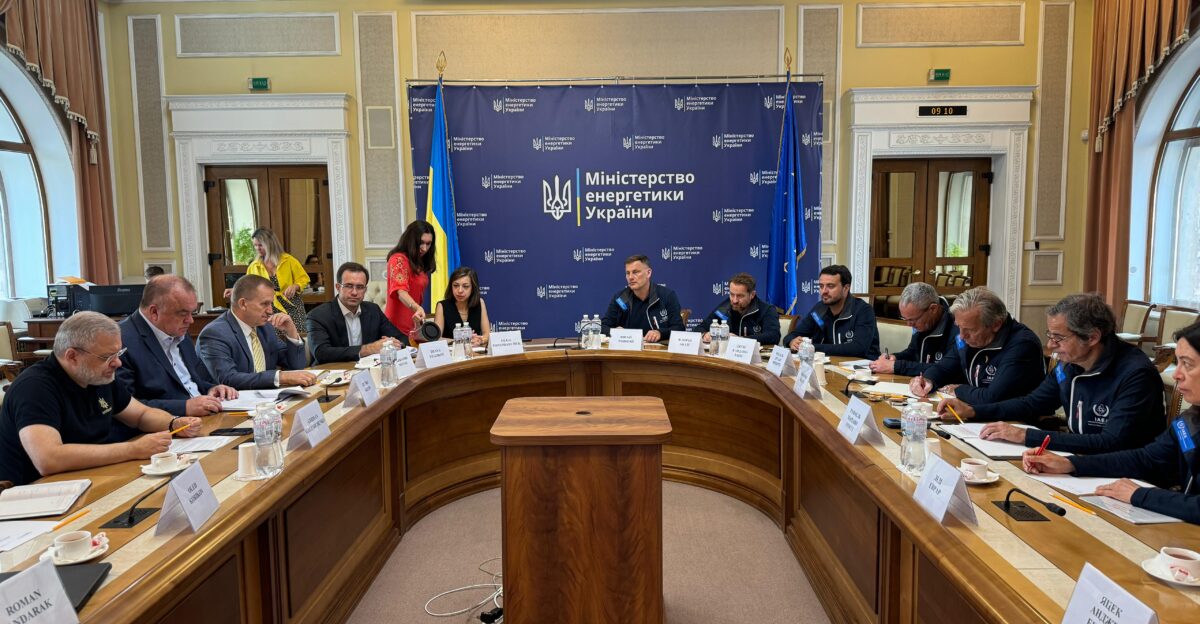
Russia’s Investigative Committee opened murder and explosives cases following Sarvarov’s death, explicitly mentioning possible links to Ukrainian special services. Ukraine’s Security Service has publicly acknowledged responsibility only for Kirillov’s 2024 killing, citing his alleged use of banned chemical weapons. Ukrainian officials have maintained strategic ambiguity regarding the subsequent attacks on Moskalik and Sarvarov, neither claiming nor denying involvement clearly.
Cracks in Moscow’s Security
The three attacks reveal gaps in Moscow’s security apparatus despite its emphasis on layered air defences and extensive surveillance. Bombs have been successfully smuggled into civilian spaces—scooters, parked vehicles, residential courtyards—and detonated in commuter districts near the capital. Operatives have exploited the relative openness of civilian infrastructure, bypassing formal military security zones. Security professionals suggest such operations typically rely on small, compartmentalised teams handling surveillance, bomb construction, logistics, and triggering.
Witness footage captures the scale of disruption: fireballs rising beside apartment blocks, vehicle alarms sounding in residential yards, and burned-out vehicles leaving charred metal and shattered glass. Residents reported hearing loud bangs and seeing cars engulfed in flames, demonstrating how the shockwaves—both literal and political—extend beyond intended targets to civilian populations.
A Shift in Russia’s Conflict Landscape
The killings represent a stark departure from earlier patterns. Targeted bombings in Russia were previously associated with conflict zones like the North Caucasus, striking regional officials and field commanders. What distinguishes the current campaign is a sustained series of precision attacks on generals in greater Moscow itself—the political and military heart of Russia.
The attacks emerge against a backdrop of stalled front lines and cautious discussions about future negotiations. Russian commentators sympathetic to security services cite the bombings as evidence that talks with Kyiv are futile. Western diplomats warn that each high-profile explosion inside Russia narrows political room for compromise, as Moscow’s elite increasingly see themselves as direct targets. This perception may prompt stricter security measures and more expansive military options.
Looking Ahead
For Russia’s leadership, the loss of three senior generals to bombs in the capital region challenges the assumption that Moscow remains insulated from direct war dangers. Analysts increasingly describe a parallel form of attrition operating far from trenches—measured in officer casualties at the front and the ability of clandestine teams to strike the command structure in the rear.
These attacks represent a significant psychological and operational blow to the Russian military hierarchy. They demonstrate that Ukrainian capabilities—or those of allied actors—extend well beyond the battlefield into Russia’s most secure zones. Whether the Kremlin responds with heightened security measures, escalatory actions, or renewed negotiations will shape both the security of its senior ranks and the broader trajectory of the conflict.
The images from Yaseneva Street—burned vehicles beside residential buildings where families were starting their day—symbolise how comprehensively the war has penetrated Russian society. The conflict is no longer confined to distant regions or military installations but now reaches the courtyards of Moscow itself.
Sources
BBC News, “Russian general killed by car bomb in Moscow, officials say” (22 December 2025)
Al Jazeera, “Car bomb kills Russian General Fanil Sarvarov in Moscow” (22 December 2025)
CNN, “Key Russian general killed in Moscow bomb blast claimed by Ukraine” (17 December 2024)
ABC News, “Moscow car bomb kills Russian general, investigators say” (21 December 2025)
Time, “Russian General Killed in Moscow Car Bomb Attack” (21 December 2025)
Meduza, “Top Russian general killed in latest IED attack in the Moscow region” (25 April 2025)