
In late December 2025, the Department of Homeland Security revealed a major update in a child-tracking crisis that has shadowed the U.S. immigration system for years. Homeland Security Secretary Kristi Noem said federal agents had “located” more than 127,000 migrant children whose whereabouts were previously unverified, later citing a precise figure of 129,143.
The announcement reignited questions about what those numbers mean, how many children remain unaccounted for, and whether enforcement tools can also function as child protection. Here’s what’s happening as the federal government intensifies its search.
A Crisis Measured In Hundreds Of Thousands
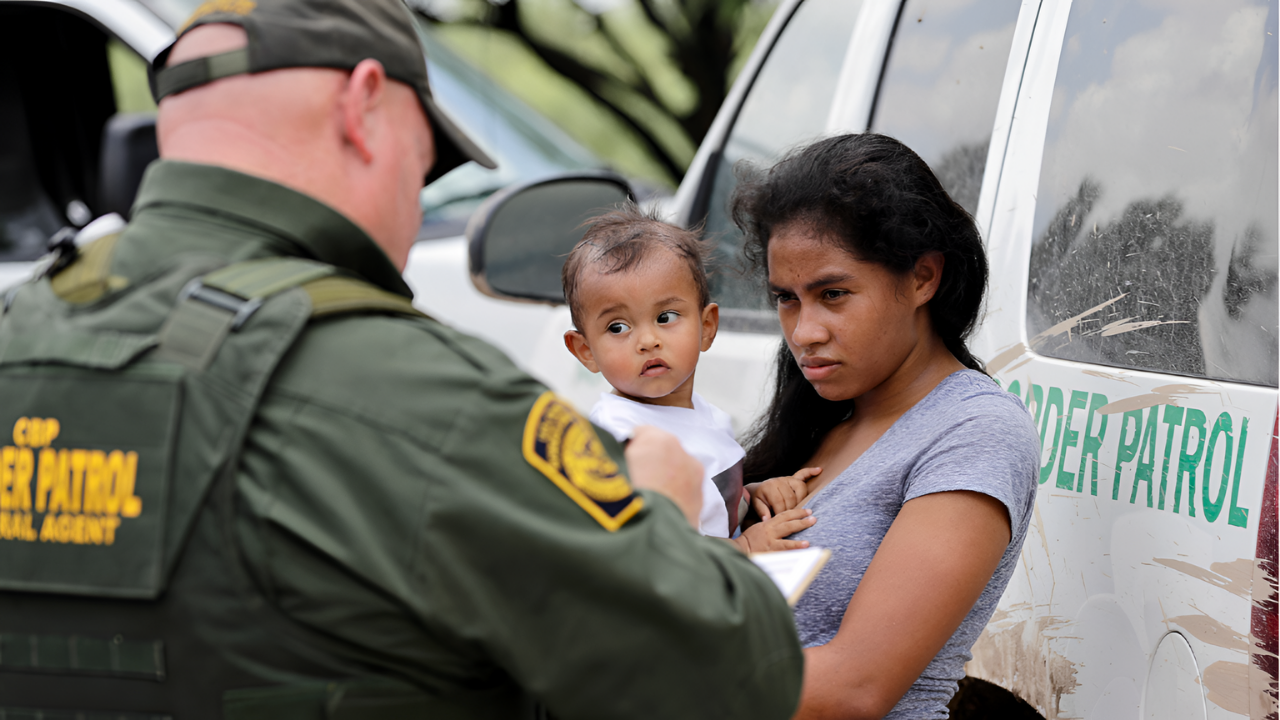
Between fiscal years 2019 and 2023, approximately 448,000 unaccompanied migrant children were released from federal custody to sponsors across the United States, according to July 2025 testimony from DHS Inspector General Joseph Cuffari. Against that backdrop, the December 2025 claim that more than 127,000 children have been located highlights the scale of the remaining gap.
Roughly 321,000 children, or about 71.7 percent of those released during that period, still lack verified location or status records more than 1 year into the current tracking effort. DHS officials say the initiative has confirmed that many children are living safely with family members or vetted sponsors. Secretary Noem said the department is finding children and “bringing them to safety,” while acknowledging that the figures reflect years of systemic failures across multiple administrations.
How The Federal System Handles Unaccompanied Minors
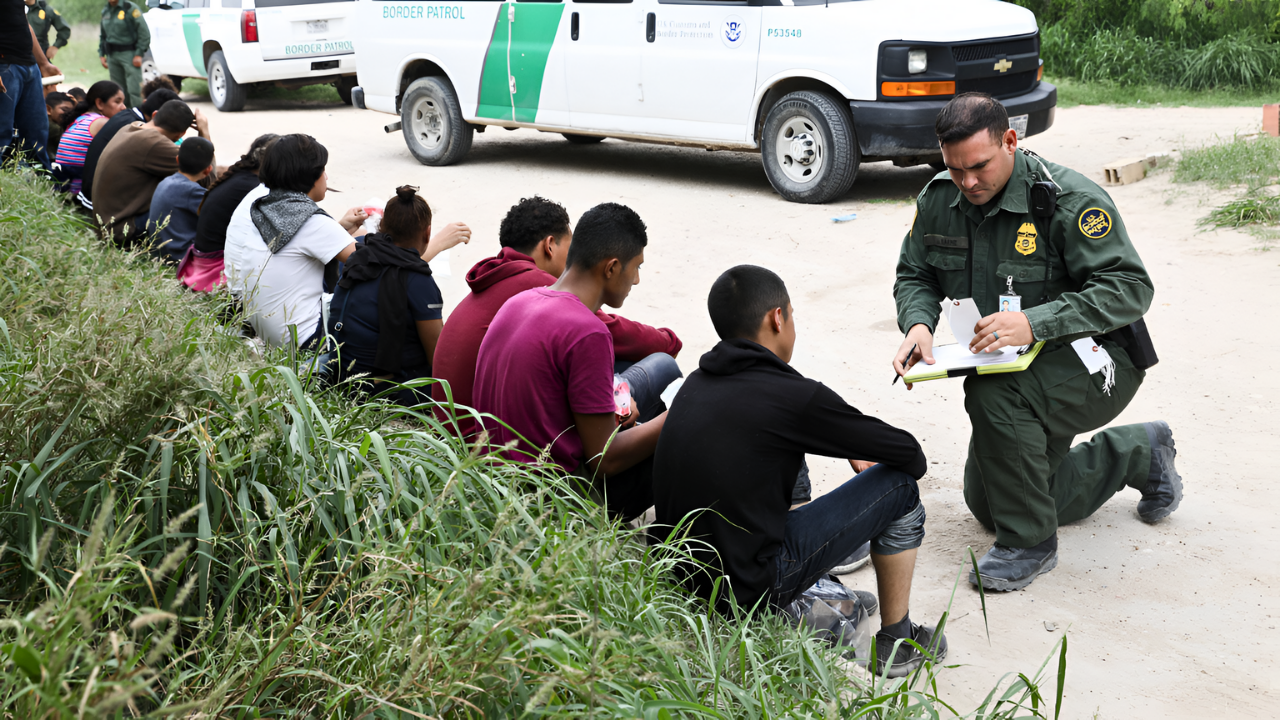
DHS, created as a cabinet-level department in 2003, manages border security and immigration enforcement through agencies including Customs and Border Protection and Immigration and Customs Enforcement. When CBP encounters unaccompanied minors, federal law requires their transfer to the Department of Health and Human Services, typically within 72 hours.
HHS, through the Office of Refugee Resettlement, provides shelter and screens sponsors before releasing children from federal custody. ICE issues Notices to Appear for immigration court, monitors compliance, and carries out removals ordered by judges. This multi-agency handoff has long been criticized for creating gaps where children can effectively disappear from federal oversight, particularly after release to sponsors and before court proceedings begin.
Inside The Joint Initiative Launched In 2025
Following President Trump’s inauguration on January 20, 2025, DHS launched the “Unaccompanied Alien Children Joint Initiative” in late January and early February. The operation brings together ICE Enforcement and Removal Operations, Homeland Security Investigations, and FBI agents for nationwide home visits and welfare checks.
A January 27, 2025 ICE memo states that the effort prioritizes children considered flight risks, public-safety concerns, or those with final removal orders. By May 2025, agents were conducting coordinated in-person checks across the country. The initiative reflects a dual mission, combining child welfare assessments with immigration enforcement actions, a pairing that has drawn both praise and concern.
Warnings Ignored Before The Current Push
Federal watchdogs warned for years that the government could not reliably track children after release. A 2018 Department of Justice Inspector General review found DHS lacked integrated systems during the 2017–2018 family separation period, relying instead on fragmented databases across agencies.
A 2020 Government Accountability Office report echoed those concerns, citing poor data-sharing and no comprehensive post-release monitoring. In August 2024, the DHS Inspector General issued an “urgent” alert stating ICE “cannot always monitor the location and status” of released children and calling for “immediate action.” The report noted that as of May 2024, at least 32,000 children missed immigration hearings and another 291,000 were never issued Notices to Appear.
What Officials Mean By “Located” And “Rescued”

The administration differentiates between children who are “located” and those described as “rescued.” The located count of 127,000 to 129,143 children refers to cases where DHS verified an address, contacted sponsors, or completed a welfare check, without necessarily finding immediate danger.
That group represents about 28.3 percent of the roughly 448,000 children released between fiscal years 2019 and 2023. The rescued figure is narrower. In early December 2025, Border Czar Tom Homan said on Fox & Friends that about 62,000 children had been removed from trafficking, forced labor, or other abusive situations. DHS has not released detailed criteria or comprehensive outcome data, fueling debate over transparency.
The Stakes As Questions Outnumber Answers
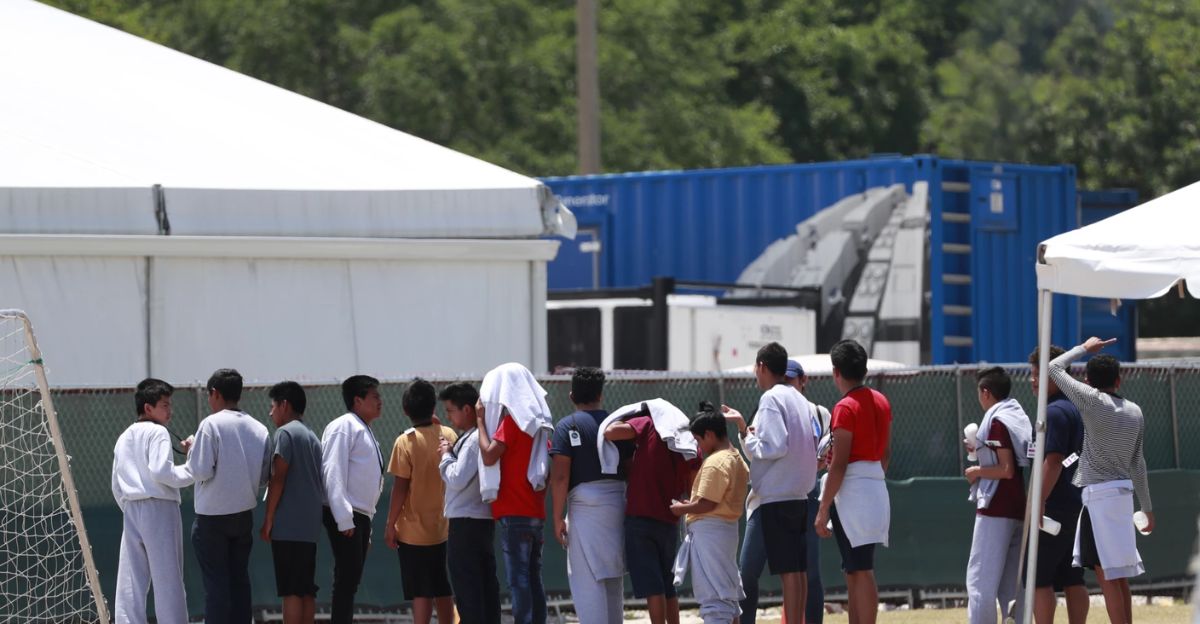
Behind the numbers lie unresolved legal, political, and ethical questions. The August 2024 Inspector General report found ICE still relied on spreadsheets and email to manage key case data, underscoring the mismatch between tools and caseloads. Advocates argue that missed court hearings often stem from confusion, housing instability, or a lack of legal counsel, rather than an intent to flee.
Supporters of the Joint Initiative say it proves children can be located when agencies receive clear direction and resources. Critics warn that combining welfare checks with enforcement may discourage cooperation from families and sponsors. With more than 300,000 children still lacking confirmed status as of January 2026, the initiative’s success will likely be judged not by headlines but by whether it delivers lasting safety and accountability.
Sources
U.S. Senate PN11-11 – Kristi Noem Confirmation, January 25, 2025
CNN – “Senate confirms Kristi Noem as homeland security secretary,” January 25, 2025
NPR – “Senate confirms Kristi Noem as Trump’s Secretary of Homeland Security,” January 25, 2025
DHS Office of Inspector General – OIG-18-84, September 27, 2018
U.S. Government Accountability Office – GAO-20-245, February 19, 2020
ABC News – “DHS watchdog warns of ‘urgent issue,’” August 19, 2024