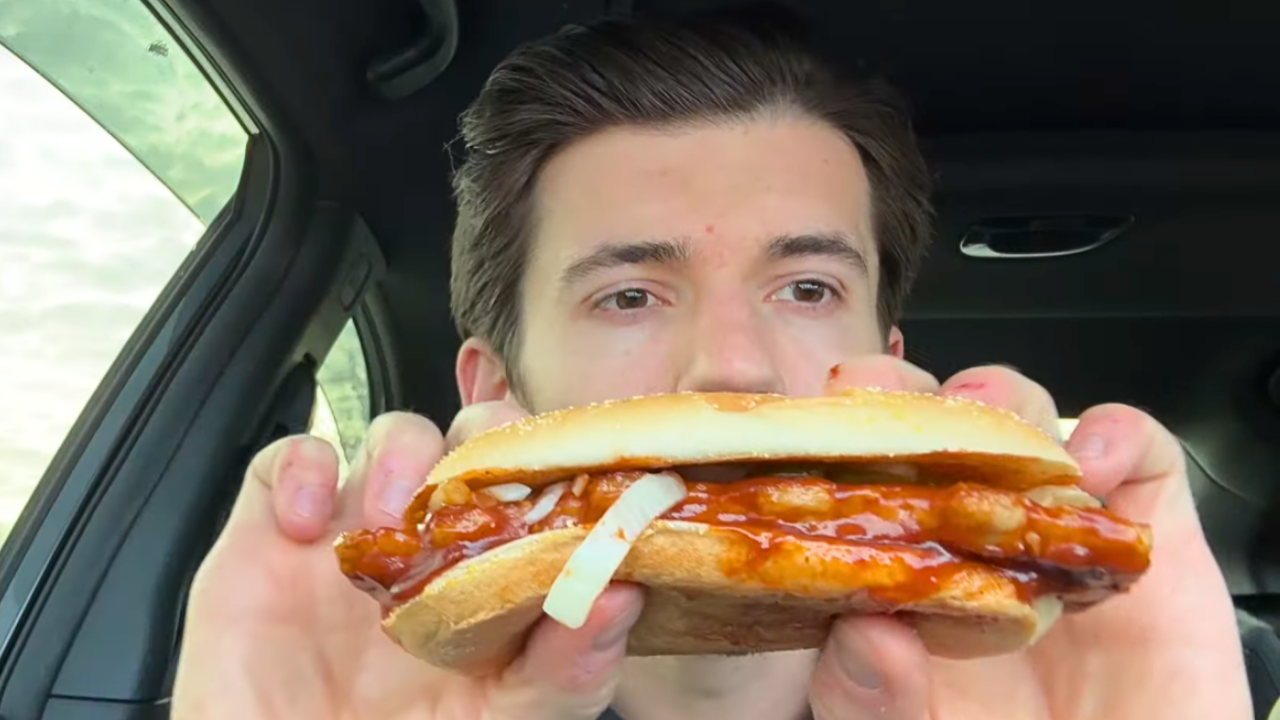
McDonald’s McRib, a cult favorite for more than 40 years, is now at the center of a high-profile courtroom dispute. A proposed class-action lawsuit claims the fast-food giant misled customers by using the McRib name, rib-shaped imagery, and premium pricing for a sandwich that plaintiffs say contains no actual pork rib meat. “We believed the McRib patty contained rib meat,” one plaintiff said. With millions of fans and seasonal buzz, the case could redefine how chains describe iconic menu items. Here’s what’s happening…
The McRib’s Price and Popularity
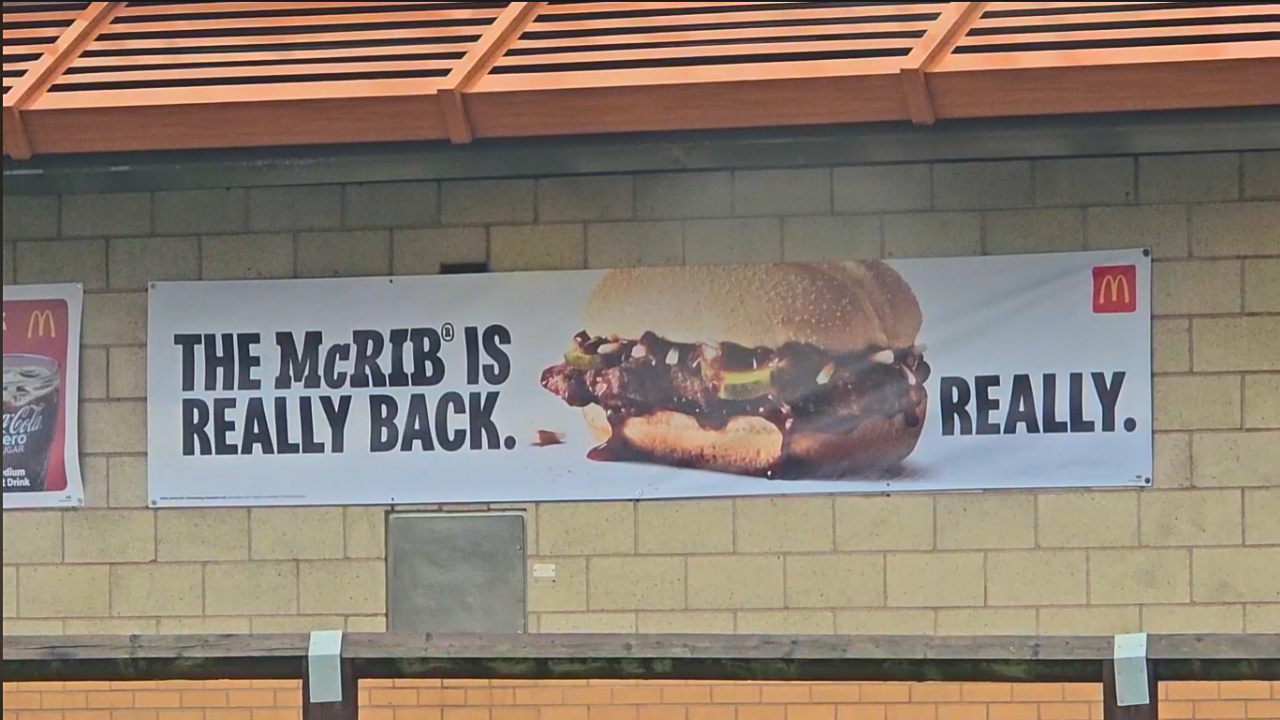
McDonald’s has long promoted the McRib as a special, limited-time item, often priced higher than standard sandwiches. In late 2024 and early 2025, markets including Chicago, Atlanta, Miami, and Seattle saw prices ranging from $5.49 to $7.89, according to menu tracking. Marketing specialists say this pricing strategy intensifies scrutiny over claims of misleading advertising, especially amid growing consumer interest in ingredient transparency.
Introduced nationally in 1981 as a pork-based alternative during rising chicken prices, the McRib was removed from the permanent lineup in 1985 but periodically returned. Research from the U.S. Army’s Natick laboratories and University of Nebraska food scientist Dr. Roger Mandigo contributed to its restructured meat technology. Scarce availability and online chatter have made it a signature promotional item, heightening expectations when it reappears.
What Plaintiffs Are Claiming
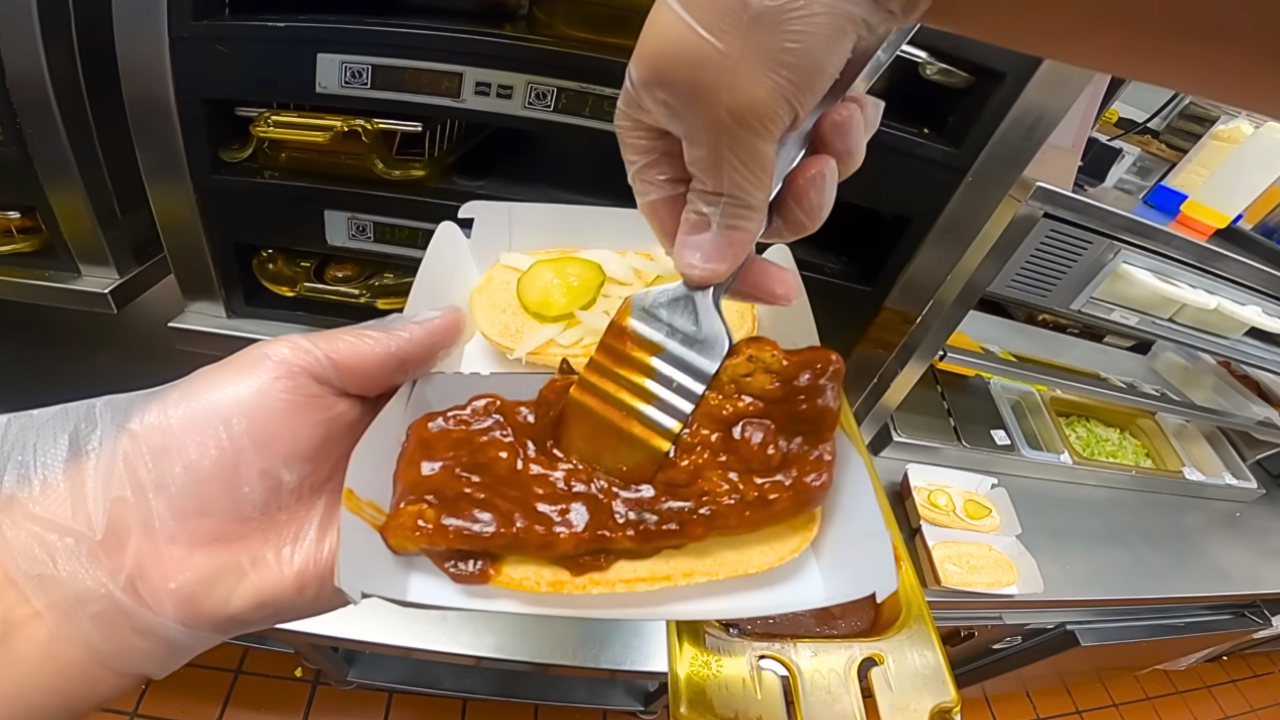
On December 23, 2025, four consumers filed a federal class-action lawsuit in Chicago. Peter Le, Charles Lynch, Dorien Baker, and Darrick Wilson allege they purchased McRibs in late 2024, believing the patty contained pork rib meat. The plaintiffs cite the sandwich’s name, rib-like shape, and long-standing marketing as the basis for their expectations.
Court filings describe the patty as made from ground pork shoulder and organ meats, including heart, tripe, and scalded stomach. The 16-count complaint alleges fraud, fraudulent omission, and misrepresentation. Plaintiffs argue that the patty’s rib-like design intentionally reinforces a misleading impression of quality, highlighting concerns over a premium product marketed during a time of high food costs.
McDonald’s Defends Its Ingredients
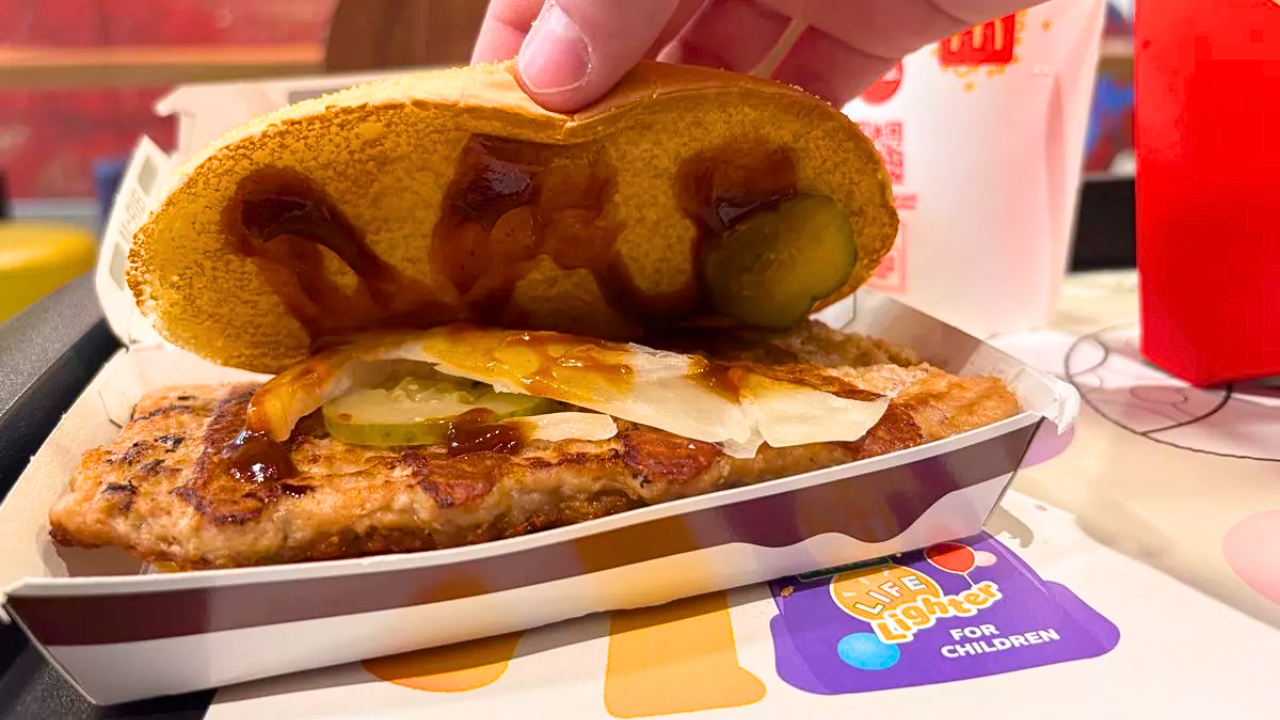
McDonald’s U.S. website describes the McRib as “seasoned boneless pork dipped in tangy BBQ sauce, topped with slivered onions and pickles on a homestyle bun.” The description does not specify rib meat or cuts. A company spokesperson said, “The McRib is made from 100% pork sourced from farmers and suppliers across the U.S.,” and denied any use of hearts, tripe, or scalded stomach. McDonald’s called the lawsuit “meritless” and said it “distorts the facts.”
The dispute centers on how customers interpret terms like “boneless pork” and “100% pork.” If the case proceeds, expert testimony and discovery could clarify ingredient content. The company’s response sets up a direct factual contrast with plaintiffs’ claims, making legal outcomes far from predictable.
Could a “Reasonable Consumer” Be Misled?
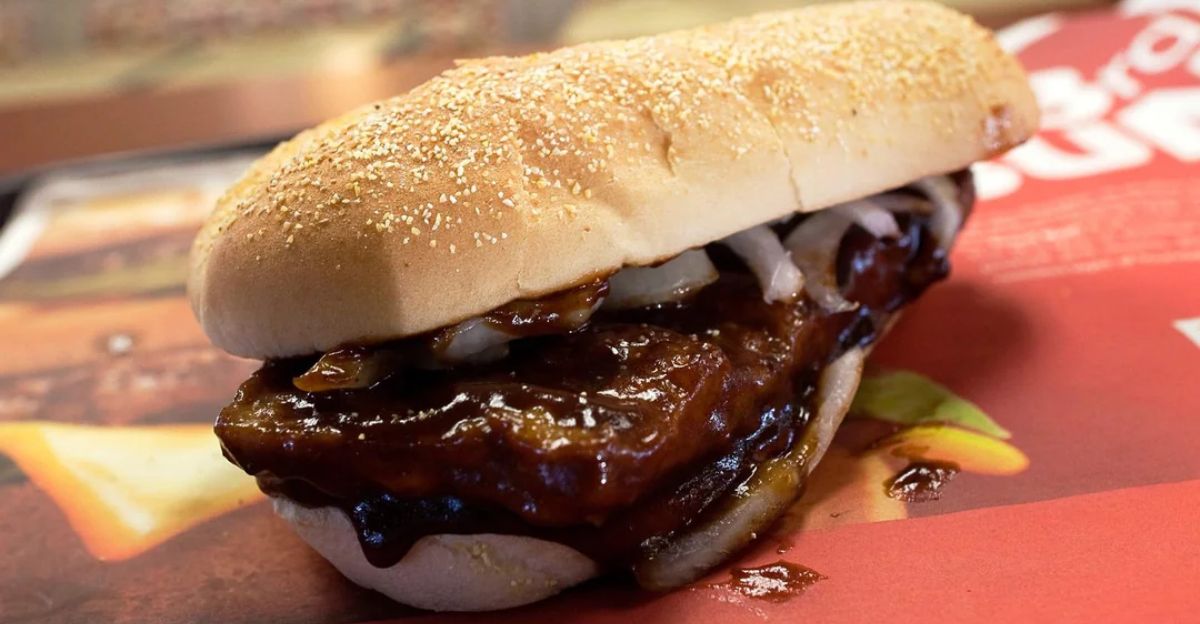
Legal experts say the lawsuit may hinge on the expectations of a “reasonable consumer.” Would the combination of the McRib name and rib-like shape lead buyers to assume actual rib meat? Attorneys argue that if the patty contains no ribs, the imagery could mislead customers about value and quality. Others counter that the sandwich has long been understood as a boneless formed patty, which may weaken claims.
Past food-labeling cases, such as Subway’s “footlong” dispute, suggest courts consider common consumer knowledge. Outside the courtroom, branding specialists warn McDonald’s that perceived discrepancies between marketing and ingredients could impact customer trust, particularly as consumers remain sensitive to prices and transparency.
Implications for the Fast-Food Industry
The McRib case joins other challenges over food naming, shaping, and presentation. Terms like “natural” or references to specific cuts have triggered lawsuits in the past. Legal analysts note that repeated disputes could influence regulators to tighten labeling standards, especially for products marketed as higher-value.
Although the complaint currently targets U.S. operations, the McRib appears globally. Any changes in U.S. descriptions or ingredient disclosures could impact international menus. With the court’s decision on class-action status pending, the outcome could affect millions of McRib purchases, highlighting how one nostalgic sandwich sparks broader conversations about marketing practices and customer expectations.
What This Means for McDonald’s
This legal battle shows how a single menu item can carry wide implications. The McRib dispute touches on marketing, consumer trust, and labeling clarity, at a time when chains face heightened scrutiny over pricing and transparency. Even if McDonald’s prevails, public perception may shift, with customers reassessing not only this sandwich but other premium items.
For the fast-food industry, the case underscores the importance of clear communication and accurate representation. As brands navigate nostalgia, marketing, and ingredient transparency, the McRib serves as a reminder that iconic products are more than menu items—they shape consumer expectations and trust in lasting ways.
Sources
LMTonline – “McRib on trial — Lawsuit claims McDonald’s sold sandwich with no rib meat for 40 years” – Jan. 5, 2026
Fox Business – “McDonald’s hit with lawsuit claiming McRib contains no real rib meat” – Jan. 2026
The Food Institute – “McRib or McFib? How McDonald’s Limited-Time Sandwich Sparked a Lawsuit” – Dec. 2025
Axios – “Lawsuit claims McDonald’s deceives customers with McRib” – Jan. 5, 2026
CTInsider – “How the McRib sparked a lawsuit and what McDonald’s says” – Jan. 2026