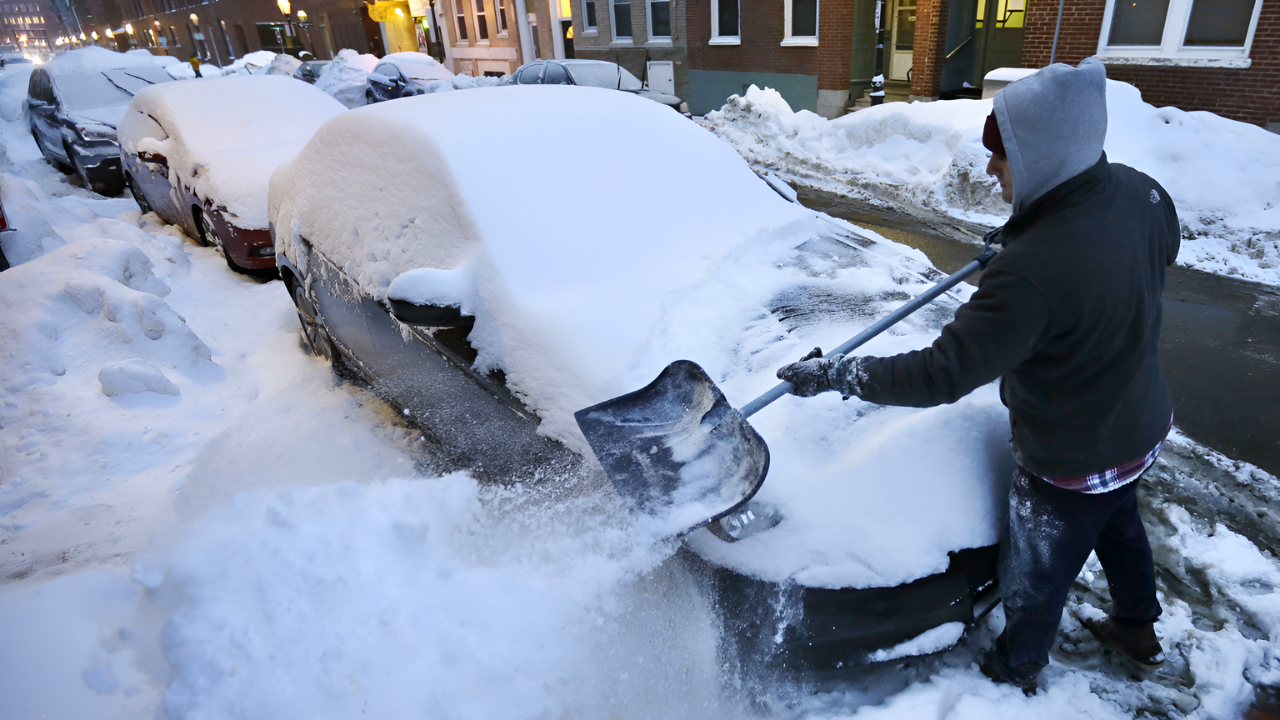
Juneau, Alaska’s capital, is facing a winter emergency unlike anything residents have seen in decades. Record December snowfall has effectively boxed in the city of about 31,000 people, turning simple errands into hazardous journeys through shoulder‑high snow walls. Schools, city offices and many businesses have closed repeatedly as workers struggle just to keep main roads open.
Emergency crews are juggling collapsing roofs, sunken boats and growing avalanche danger on steep slopes around town. Another powerful Pacific storm is already lining up offshore, threatening to deepen the crisis. For many residents, this winter feels less like a season and more like a siege.
Life Inside a Snow Maze
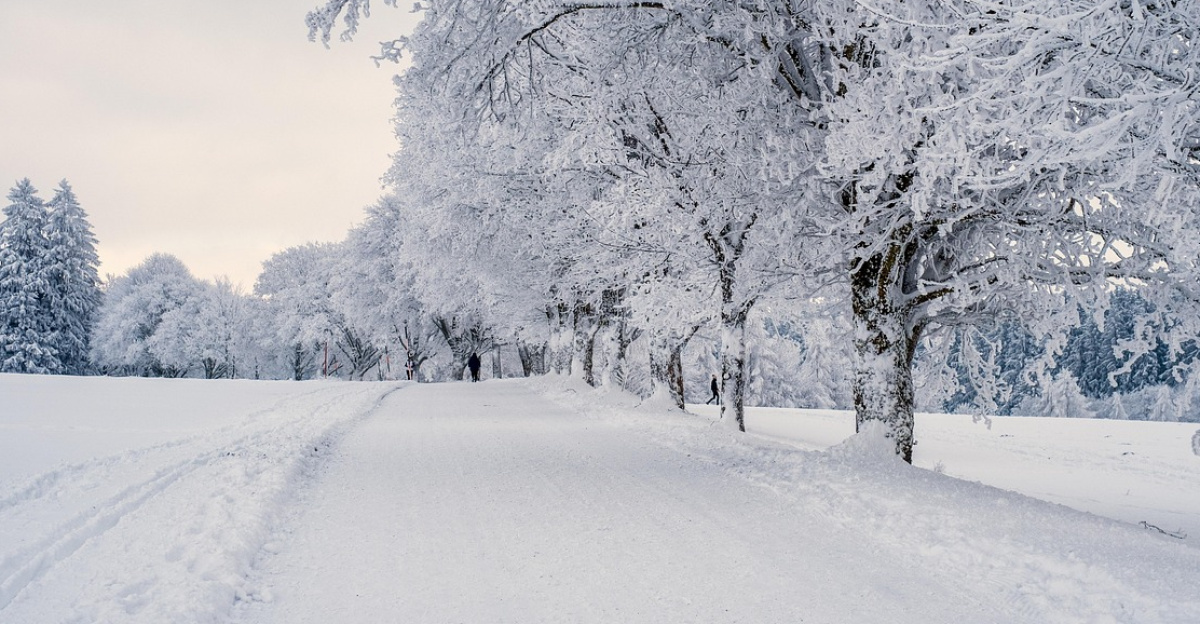
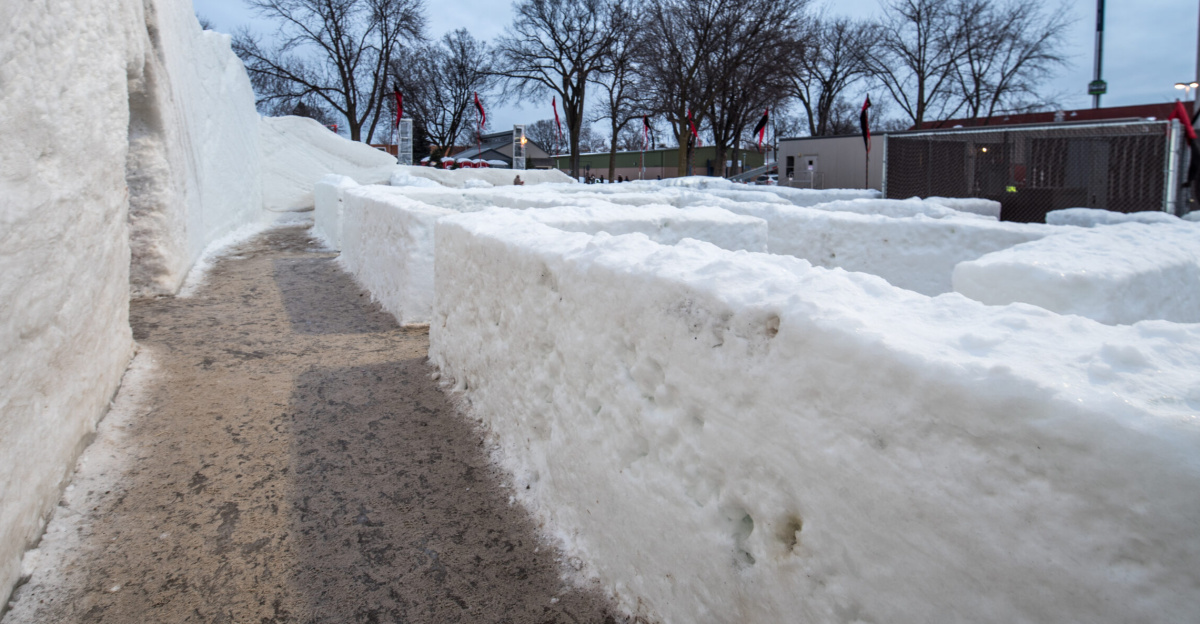
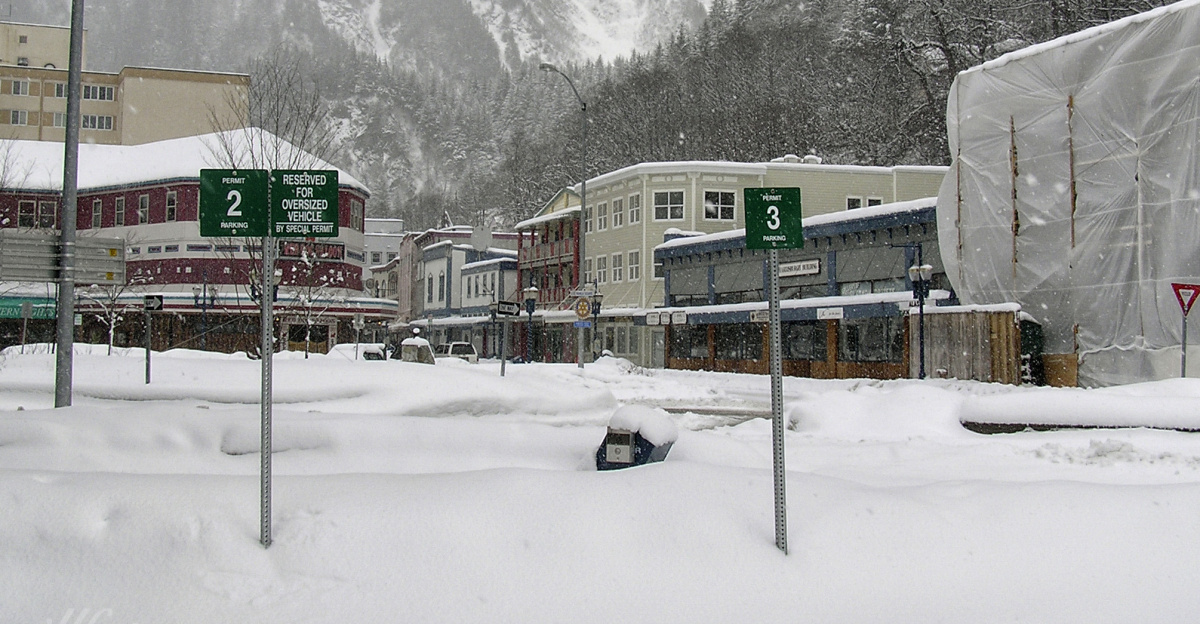
Getting around Juneau now feels like moving through a snow maze. Narrowed streets are hemmed in by towering berms, and many intersections are blind, forcing drivers to inch forward and hope no one is coming the other way. About 31,000 residents are living inside these frozen corridors, where even short trips can be slow, stressful and risky.
City officials say snowplow crews and private contractors are working around the clock, but machines are breaking down and there is almost no empty space left to pile new snow. “We’ve exhausted our local resources and need additional help,” city and tribal leaders said in a joint letter requesting state assistance. With another storm on the way, access to neighborhoods, fuel, groceries and medical care could tighten even more, leaving vulnerable residents the most at risk.
A December Like No Other
December 2025 will be remembered as one of the most extreme winter months in Juneau’s history. About 82 inches of snow fell at the airport, nearly seven feet, making it the snowiest December on record and the second‑snowiest month ever documented in the city. The old December record, set in 1964, was around 55 inches, and the long‑term average December snowfall is just 17.5 inches.
In other words, December brought nearly five times the usual amount. The relentless pace meant there was almost no time to catch up on plowing or roof clearing before the next wave hit.
The System Under Strain
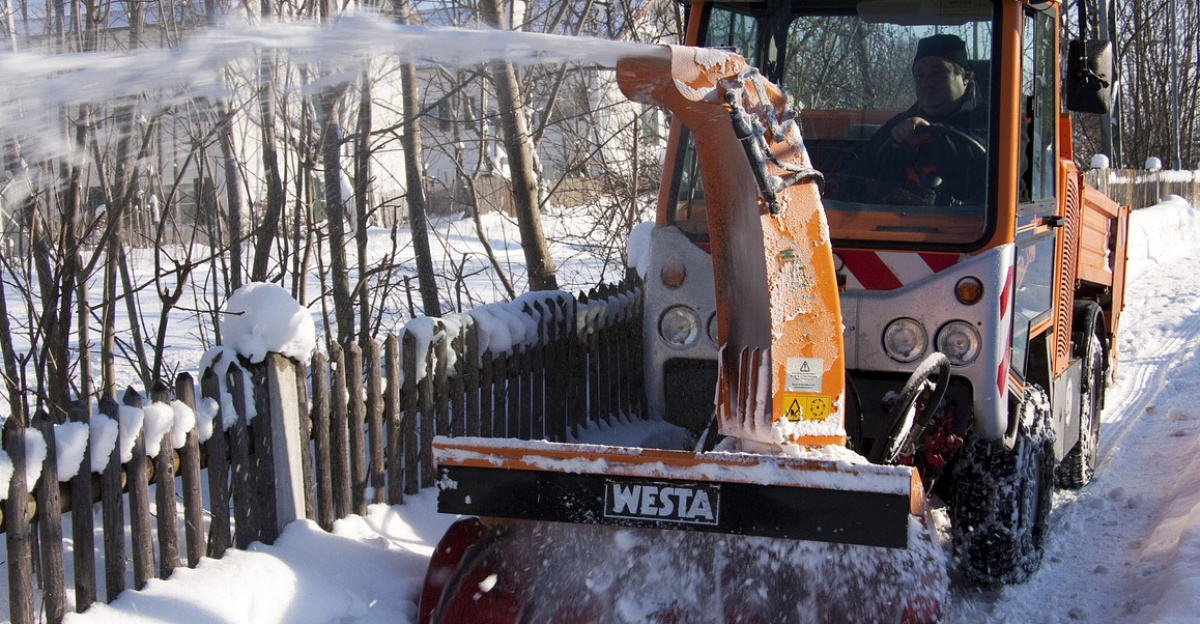
The snow did not just arrive in large amounts; it arrived in punishing bursts. By late December, Juneau had endured the coldest 30‑day stretch in more than 40 years, locking fallen snow into dense, icy layers instead of allowing any melt‑off. That made every shovelful and every loader bucket heavier and harder to move. City snow dump sites filled quickly, forcing crews to haul loads farther out of town in search of bare ground, burning time and fuel.
Officials warned that both public works and private contractors were nearing the limits of what their plows, trucks and storage yards could safely handle. The system built for ordinary winters was suddenly straining under extraordinary conditions.
Five Days That Changed Everything
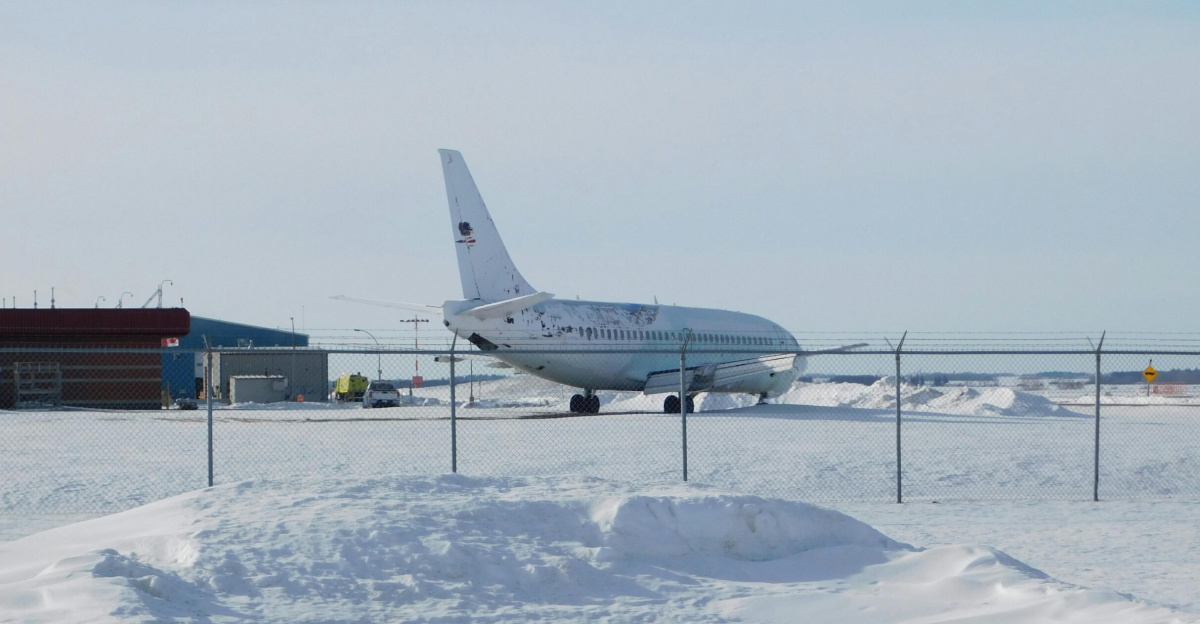
The heart of the disaster unfolded over just five days: December 27 through December 31. In that short window, Juneau recorded about 49 inches of snow, the highest five‑day total ever measured at the city’s airport. Thoman notes that the storm sequence set new records for three‑, four‑ and five‑day snowfall, and pushed snow depth at the airport to 50 inches on New Year’s Eve, an all‑time record for that site.
Between sea level and nearby hills, observers reported three to seven feet of accumulation from the same persistent storm belt. Thoman described the event as a historic snowfall for northern Southeast Alaska and the kind of deluge that might occur only once in two generations.
When Roads Became Impassable
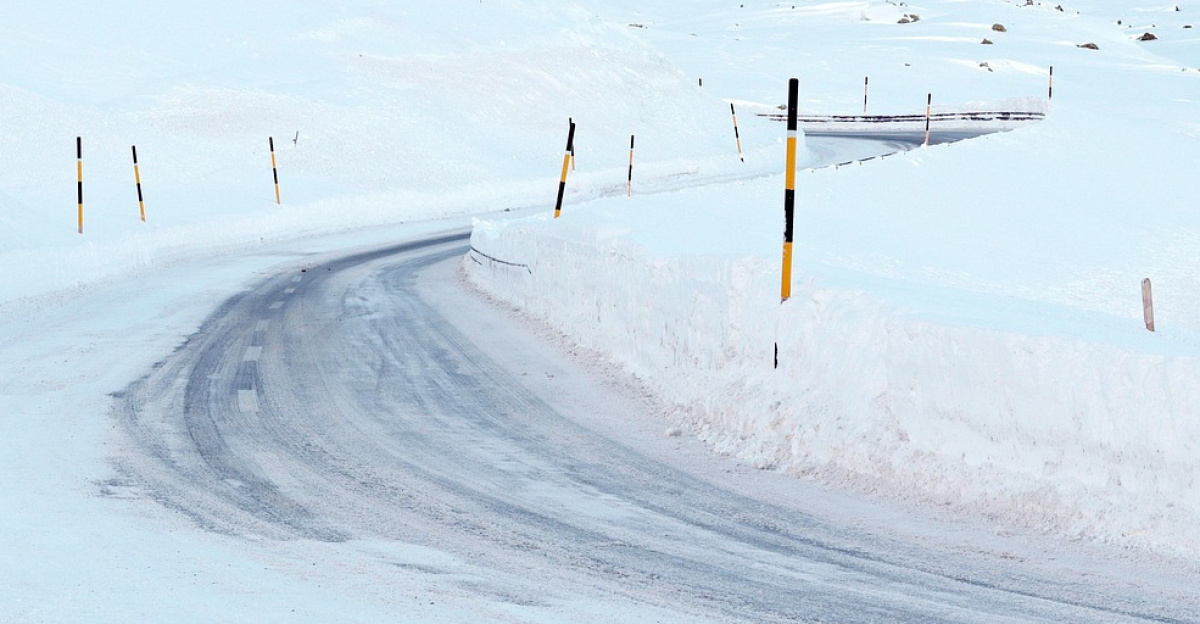
As the snow kept stacking up, Juneau’s connections to the outside world started to fail. Thane Road, the only road in and out of the small community of Thane, was closed on December 31 because the avalanche danger along steep slopes became too high to risk traffic. That move temporarily cut residents off while state crews worked to reduce the threat.
At the same time, the Juneau International Airport briefly shut its runway when plows could no longer keep pavement clear between waves of heavy snow. Inside the city, side streets grew so choked with drifts and berms that school buses and delivery trucks could not get through.
Structures Collapse Under the Weight
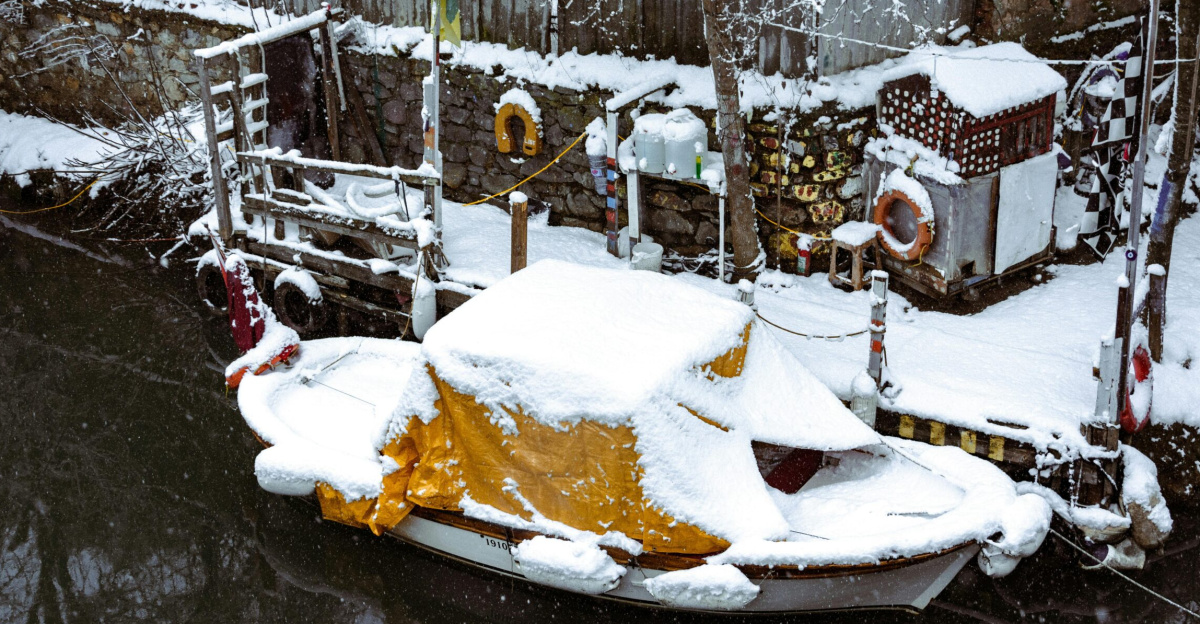
The weight of all that snow soon began to break things. In Juneau’s harbors, at least several boats partially sank or were badly damaged as decks and covers accumulated heavy, wet snow. Across town, private buildings started to fail: a martial arts dojo’s roof reportedly collapsed, a downtown commercial building was damaged, and multiple carports and smaller structures gave way under the load. Larger facilities felt the strain too.
At one major shopping center, parts of the building were closed so crews could safely remove snow from the roof, and a fuel‑station canopy partially collapsed under the pressure. Each failure raised urgent questions about how close other roofs, especially older ones, might be to their engineering limits.
Hundreds Trapped at Home
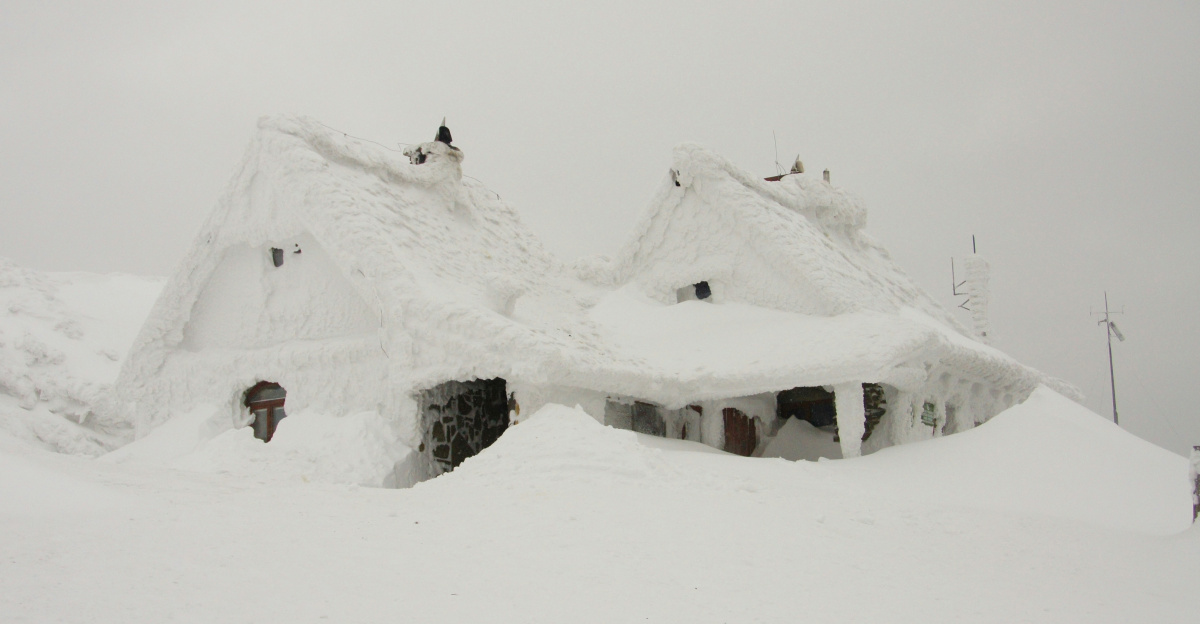
While buildings cracked and sank, many residents were quietly sliding from inconvenience into crisis. Community organizer Brenda Skeek told the Juneau Independent she heard from more than 400 people who were in urgent need, including elders and disabled residents who could not dig themselves out. Fuel trucks could not find buried tanks, and some homeowners were trapped behind icy, six‑foot‑high berms left by plows.
Others lived under visibly sagging roofs they were afraid to stand on or work beneath. At the same time, avalanche advisories were posted for slide paths above parts of downtown and nearby neighborhoods, meaning that simply moving around outside carried risk.
When Government Declared Disaster
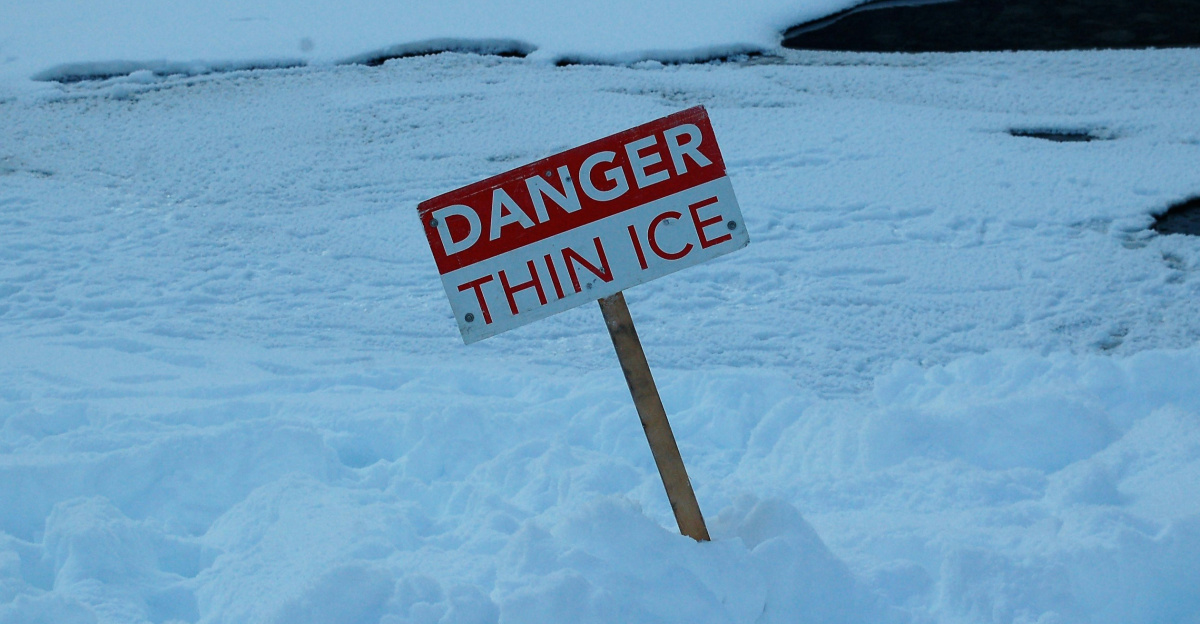
On January 6, the City and Borough of Juneau and the Central Council of the Tlingit & Haida Indian Tribes of Alaska issued a joint local disaster declaration after concluding that heavy snow and extreme cold had exceeded what local agencies could handle. Their formal letter described the move as a coordinated step to “protect life, property, and critical infrastructure.”
Within hours, Governor Mike Dunleavy provided a verbal state disaster declaration, opening the door to the state’s Public Assistance Program and other emergency resources. The state committed to sending an emergency management specialist to Juneau to assess damage and needs on the ground.
Running Out of Room for Snow
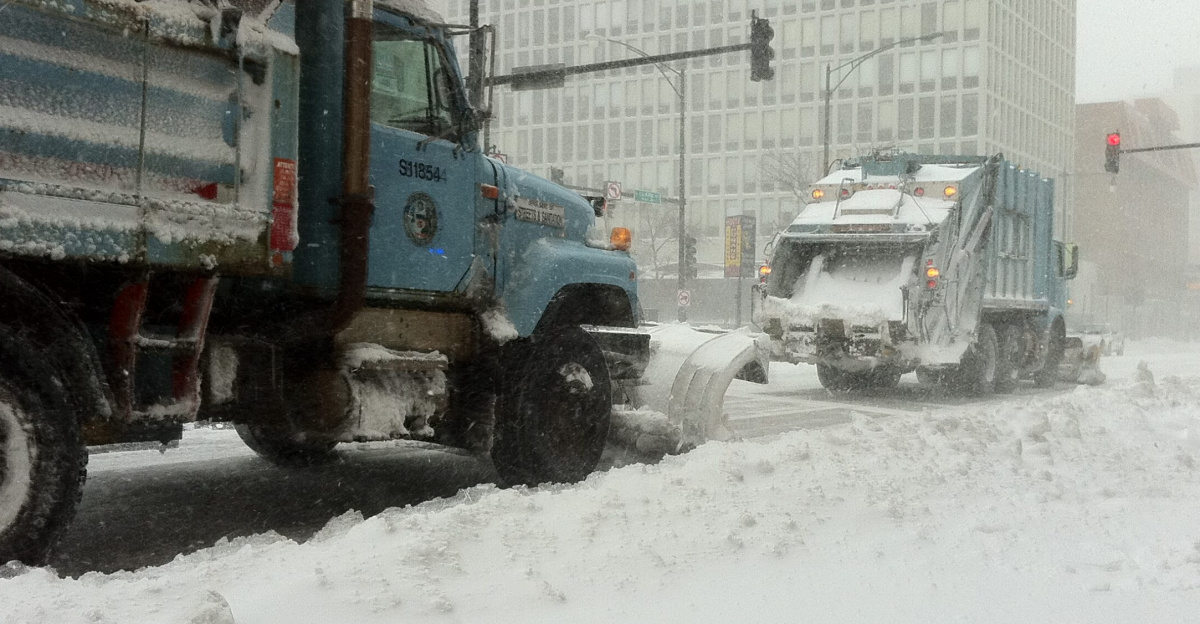
As soon as crews made progress clearing one round of snow, the next storm arrived, erasing gains. Traditional city snow dump sites quickly maxed out, leaving trucks with nowhere legal or safe to unload. In response, the Alaska Department of Environmental Conservation granted Juneau special permission to push relatively clean snow directly into Gastineau Channel, something normally avoided because of concerns over sediment, trash and road chemicals entering marine waters.
City leaders stressed that the emergency waiver was a last resort after they had exhausted on‑land options. The decision showed how the snow crisis was not only stretching budgets, staff and equipment but also pushing the city to bend its usual environmental practices just to keep priority routes open.
Critical Infrastructure at the Edge
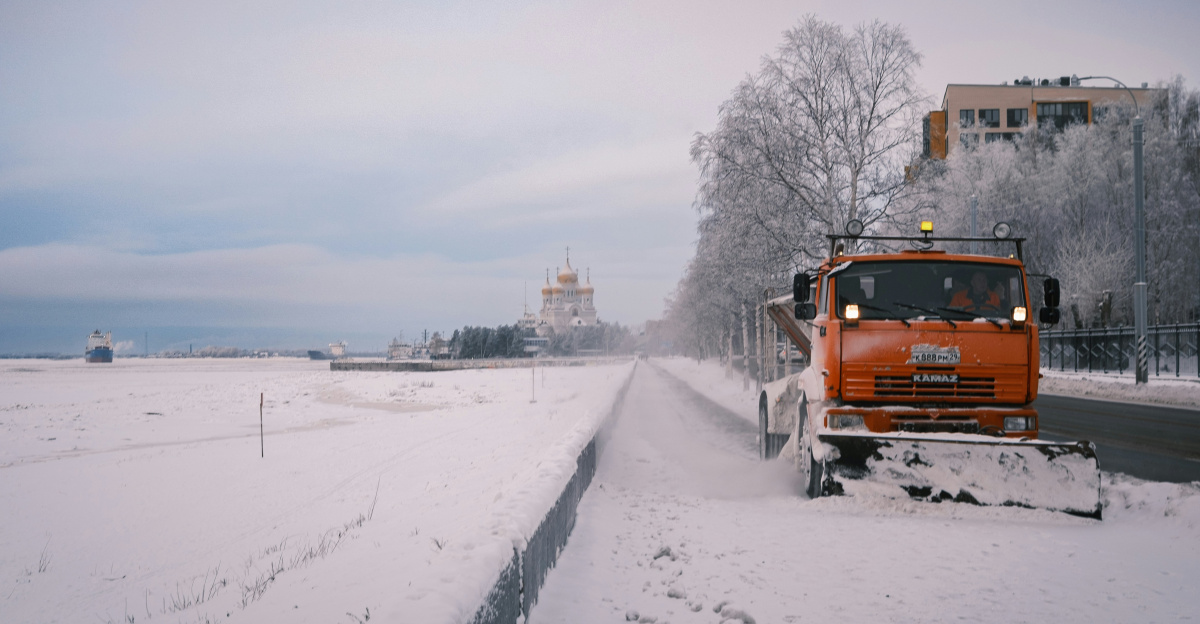
Behind the more visible collapses of private buildings, officials were increasingly worried about critical infrastructure, places that cannot be allowed to fail. Schools, hospitals and water facilities all had heavy snow accumulating on their roofs. Engineers warned that some were approaching design load limits, forcing the city to shift crews from neighborhood plowing to roof‑clearing at key sites.
Bartlett Regional Hospital canceled non‑urgent appointments so staff and contractors could focus on keeping the facility safe and accessible. City leaders said they had to prioritize backbone” services like health care, education and water treatment, even if it meant slower response in residential areas.
When Residents Pushed Back
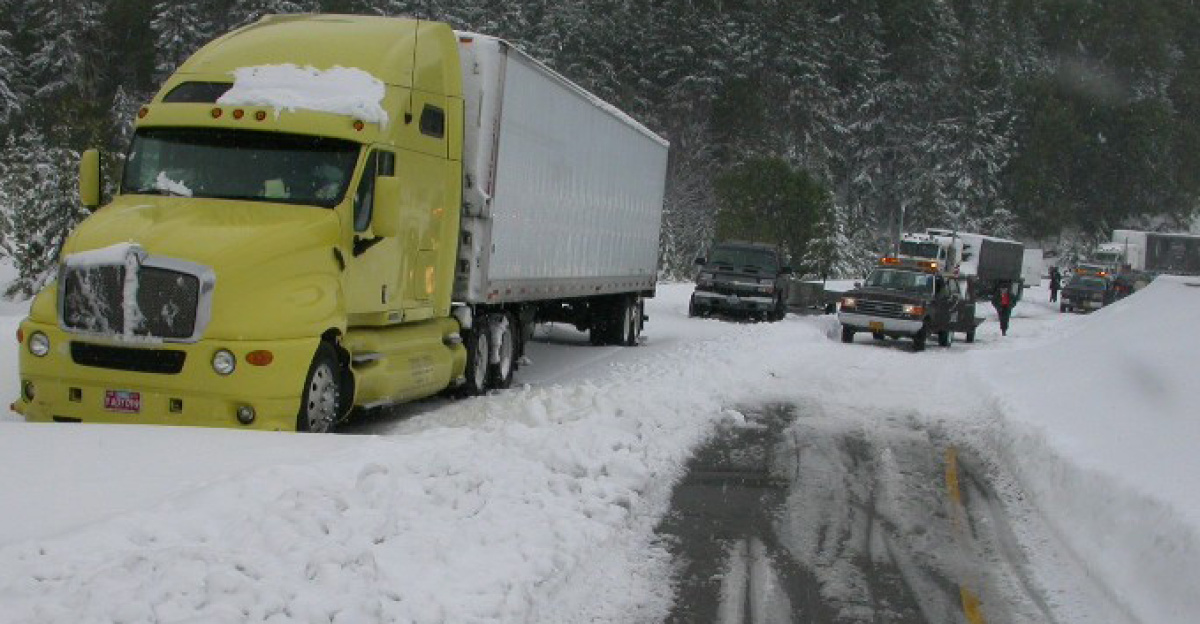
Not everyone was satisfied with how quickly officials responded. Some residents argued the city should have declared a disaster earlier, before conditions became so dire. Organizer Brenda Skeek gathered testimonies and photos from people who could not clear their roofs, reach emergency routes or get essential deliveries. She then sent a detailed appeal to local and state leaders urging a formal declaration and even consideration of National Guard assistance.
“Over 400 people are in need, and many are trapped in dangerous situations,” she told local reporters, describing caved‑in roofs and blocked driveways. Her effort highlighted a gap between legal thresholds for disaster aid and what people were experiencing on the ground.
How the State Stepped In
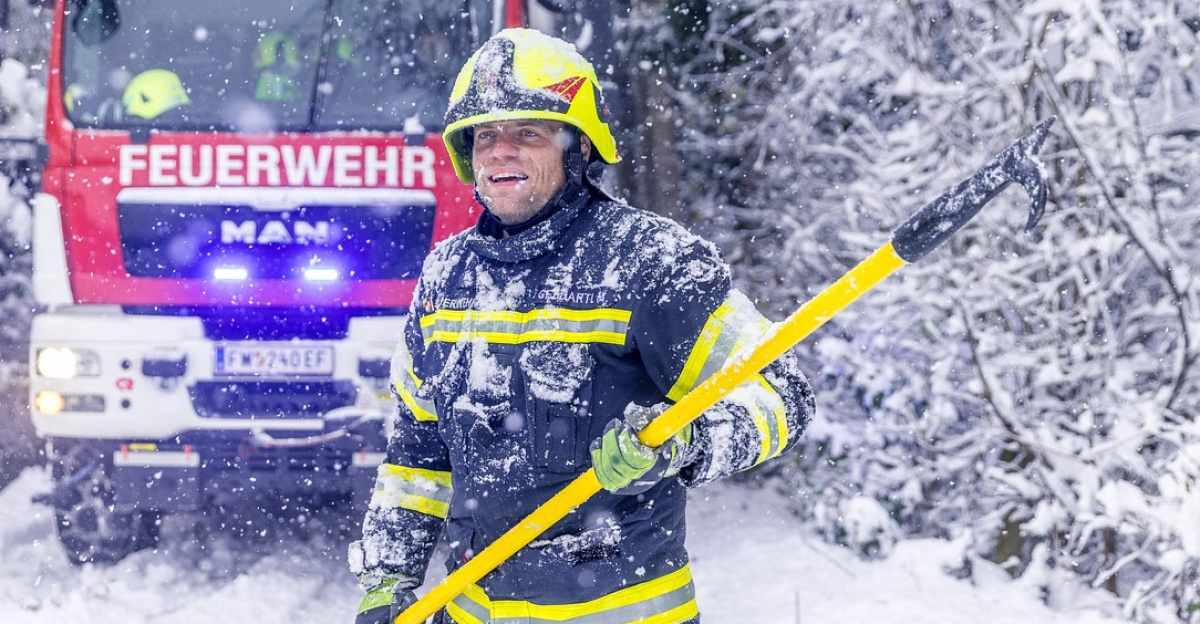
After Juneau and Tlingit & Haida issued their joint declaration, the state’s response began to scale up. Governor Dunleavy’s disaster declaration allowed Alaska’s emergency agencies to provide equipment, staff and financial support aimed mainly at public and critical infrastructure. An emergency management specialist was dispatched to Juneau to document damage and help coordinate next steps.
State officials emphasized that the Public Assistance Program is designed to repair public buildings, utilities and essential services, not to shovel private roofs or driveways. The governor’s office noted it had already been receiving informal requests for help but could not unlock full assistance until local authorities made an official declaration.
The Next Storm Already Building
Even as plows scrape streets and crews shovel roofs, another threat is forming offshore. Forecasters warn that an atmospheric river, a long plume of Pacific moisture, is aiming at Southeast Alaska. The system is expected to bring 8 to 16 more inches of snow to Juneau before changing over to 1 to 3 inches of heavy rain, according to AccuWeather meteorologists.
That rain‑on‑snow pattern sharply increases the risk of flooding, roof failures and wet slab avalanches on steep terrain. “Flooding concerns will increase once snow changes to rain, particularly in areas with deep snowpack,” meteorologist Brandon Buckingham warned, adding that clogged drains could cause water to pool in places that rarely flood.
A Warning About Winters to Come
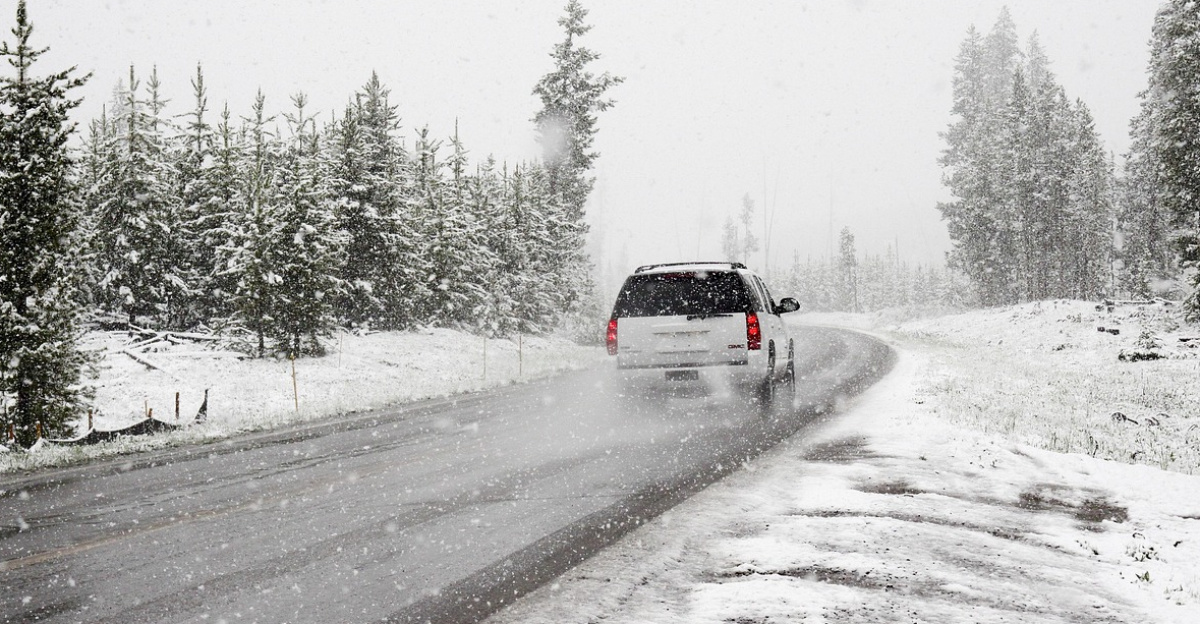
Climate specialists say the December 2025 storm sequence should be read as a warning, not just a one‑off freak event. Juneau has seen big snow years before, but this episode combined record short‑term snowfall, prolonged cold and then rapid warming with heavy rain, an especially damaging mix.
Researchers and local officials are now asking whether building codes, snow‑load standards and emergency plans based on past winters are enough for what might come next. “This event shows what’s possible when patterns line up in a changing climate,” Thoman wrote, noting that extremes can become more frequent even if averages change slowly.
Sources:
AccuWeather, Juneau, Alaska, braces for more snow: ‘There’s nowhere to put it’, 8 Jan 2026
Juneau Independent, Update: Juneau Assembly ratifies snowfall disaster declaration, 7 Jan 2026
Alaska Climate Research (Rick Thoman), Southeast Alaska Extreme Snowfall, 31 Dec 2025
Alaska Climate Research (Rick Thoman), Alaska December 2025 Temperature Summary, 3 Jan 2026
KTOO, Dunleavy approves assistance to Juneau after city, tribe declare local emergency following record-breaking snowfall, 5 Jan 2026
AccuWeather, 80 inches of snow in Juneau, Alaska, smashes record, sinks boats, 30 Dec 2025