One afternoon in East Portland, an immigration agent fired a single shot in a hospital parking lot, hitting both the driver and passenger of a car that had stopped. The injured pair drove nearly three miles before police found them and used a tourniquet to stop the bleeding. The shooting, which happened outside Adventist Health Portland, quickly became more than a local crime story, it turned into a national debate about immigration enforcement and trust in government.
The shooting happened around 2:18 p.m. near a busy medical center and a light rail stop in the Hazelwood neighborhood, about eight miles from downtown. Portland police said a man and a woman were wounded and taken to area hospitals, but they did not release names or conditions. With limited information, speculation and outrage grew quickly.
Within hours, protests erupted. City officials demanded answers from federal agencies, while critics questioned why armed immigration agents were operating in a crowded part of town. To Portland’s leaders, this wasn’t just a single incident, it represented a deeper problem with how federal law enforcement interacts with local communities.
Portland’s Sanctuary Policies Under Pressure
Portland’s response was shaped by its long history as a “sanctuary city.” Oregon passed the first statewide sanctuary law in 1987, limiting cooperation between local law enforcement and federal immigration authorities. In 2025, the city strengthened that stance with a local ordinance that further restricted how city police could work with immigration enforcement teams.
These laws don’t stop federal agents from doing their jobs, but they do limit how much local agencies can help them. That separation has grown more visible as the Trump administration has focused immigration operations in liberal areas, often describing those actions as tests of federal authority.
The hospital shooting made that divide clear. Local leaders questioned how much control they have when armed federal agents act independently within city limits. Many residents, already cautious about federal involvement, saw the shooting as proof that local protections mean little when federal agents use deadly force in their neighborhoods.
National Anger and Conflicting Accounts

The Portland incident came just one day after another controversial immigration shooting, this one in Minneapolis. There, officers from an ICE tactical unit fatally shot 37-year-old Renee Nicole Good, a U.S. citizen and mother of three. Federal officials said she tried to use her vehicle as a weapon, but local leaders who saw video footage disputed that claim. The case sparked nationwide protests and mourning.
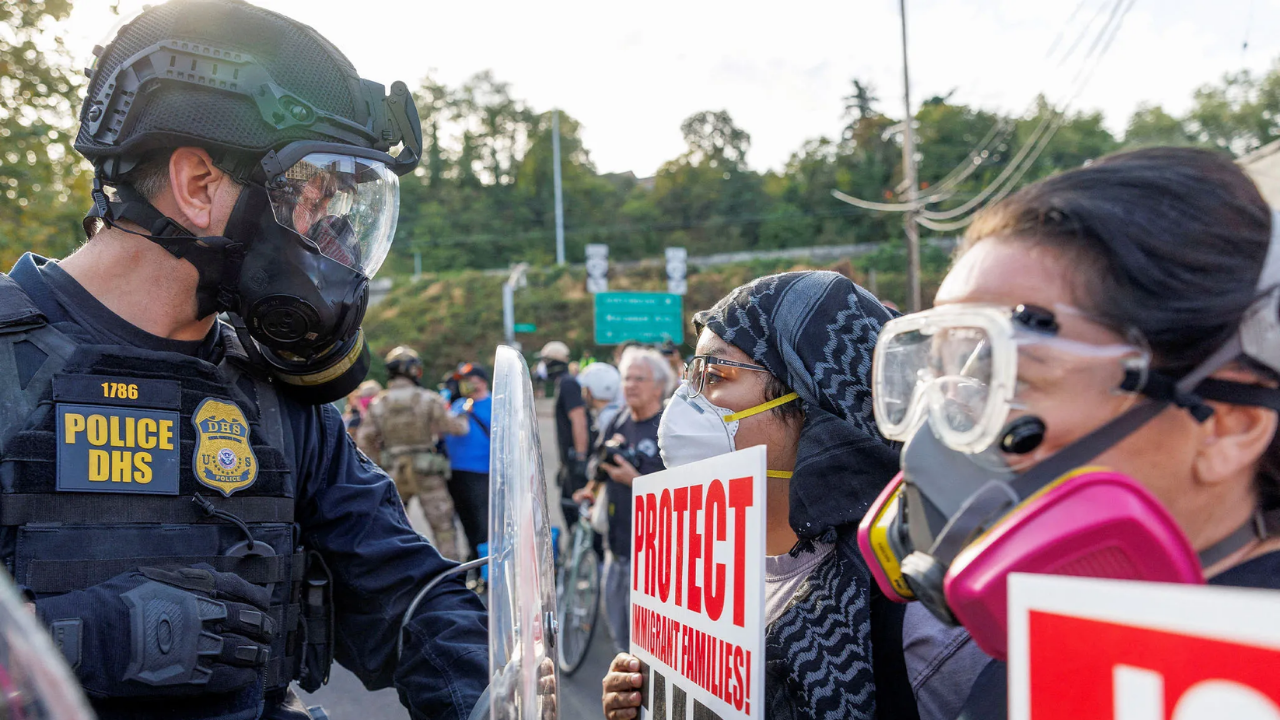
By the time of the Portland shooting, anger over the Minneapolis death was already spreading. City officials in Portland were wary of another potential cover-up and challenged the Department of Homeland Security’s (DHS) explanation. That evening, about 500 protesters gathered at Portland’s ICE facility, calling for accountability and condemning what they viewed as excessive force. Police used loudspeakers to clear streets and made a few arrests. Chants from the crowd connected the two shootings, arguing they were part of a larger pattern of federal overreach and civilian harm.
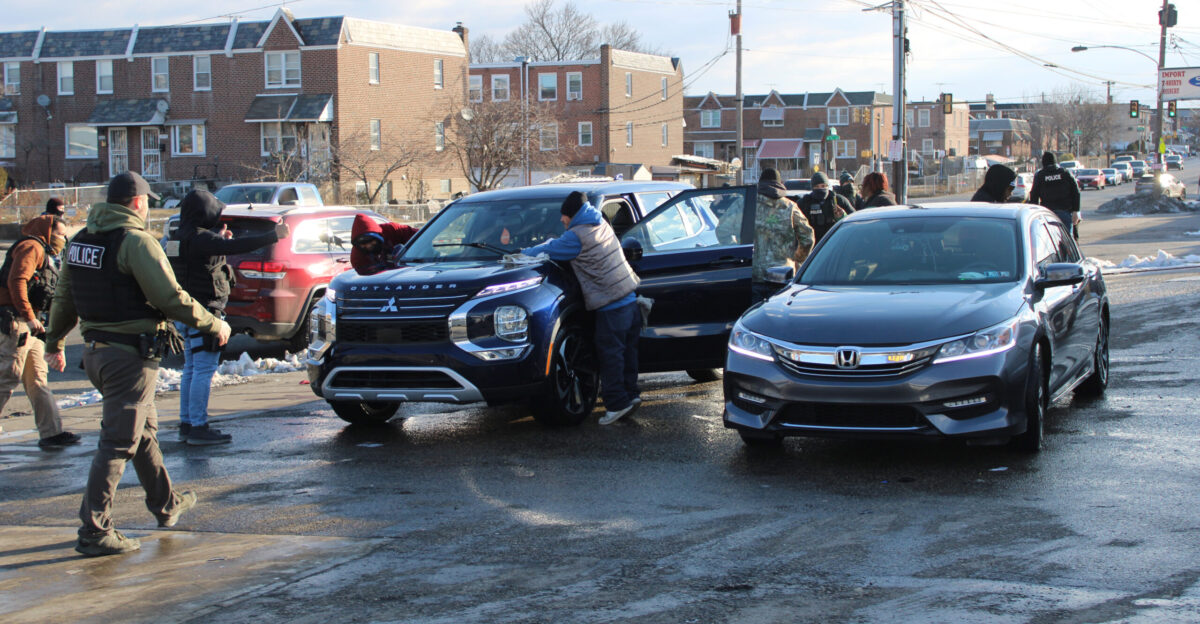
Federal officials gave their own version of the Portland shooting. DHS said U.S. Customs and Border Protection agents were conducting a “targeted stop” to find a Venezuelan immigrant linked to the infamous gang Tren de Aragua and a previous Portland shooting. According to their statement, the driver tried to run the agents over, prompting one officer to fire a single round that hit both people.
Local police have not confirmed any of those claims. They said they were not present and could not verify whether the wounded individuals had gang connections. Tren de Aragua, which began in a Venezuelan prison, has expanded through South America and into the U.S. It’s been accused of violent crimes and was recently labeled a terrorist organization by the U.S. State Department. Still, city officials cautioned that these allegations remain unproven.
Investigations and the Road Ahead
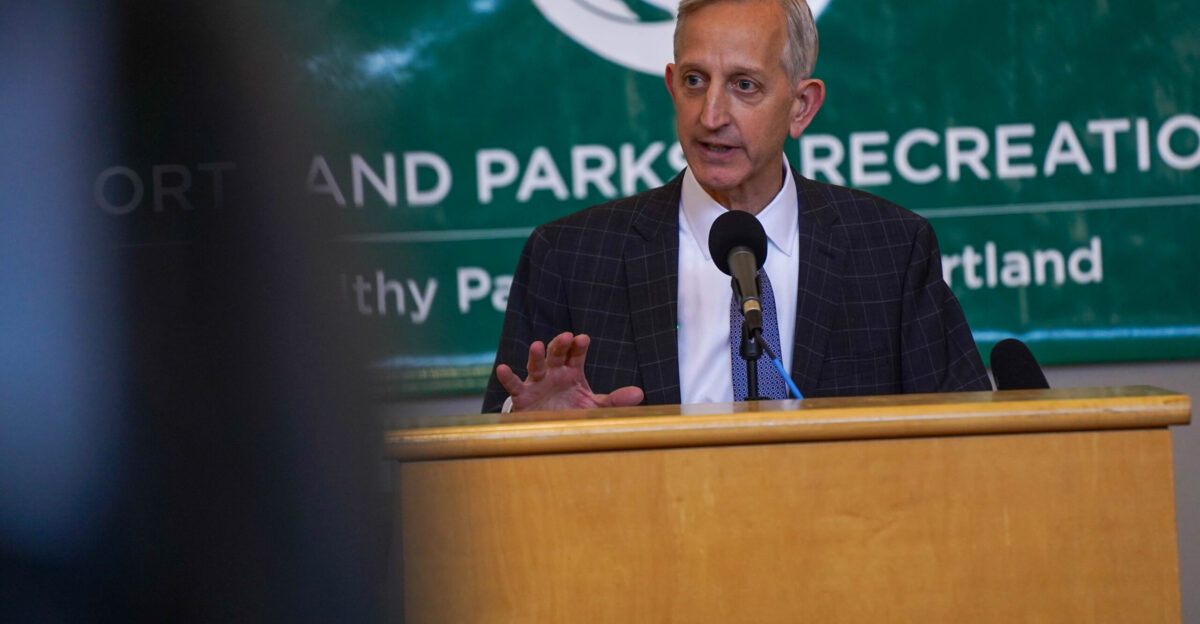
Portland’s leaders responded by calling for transparency and restraint. Mayor Keith Wilson said the city could no longer take federal explanations at face value after shootings. Governor Tina Kotek agreed, saying that government accountability must come before aggressive enforcement. Both compared the case to the events in Minneapolis, describing a worrying trend of violence followed by confusion and mistrust.
Mayor Wilson asked ICE to halt all operations in Portland until an independent review is completed, declaring that residents “deserve answers.” Federal agencies rejected that demand. DHS spokesperson Tricia McLaughlin defended the officers, saying they acted defensively because they feared for their safety. Republican lawmakers argued that gangs like Tren de Aragua pose real threats that justify strong responses, criticizing city leaders for “politicizing” law enforcement.
Meanwhile, Oregon’s Attorney General Dan Rayfield opened an investigation, focusing on whether federal officers exceeded their legal limits. His office is interviewing witnesses and reviewing any video evidence. The FBI briefly announced its own inquiry. framing it as a potential assault on a federal officer, but quickly deleted that statement. Portland police are assisting with investigations but say they were not involved in the actual shooting.
The consequences extend beyond Oregon. In Minneapolis, schools closed after Good’s death as tensions escalated. Portland officials point to those scenes as warnings of how easily public trust can break down. For now, many key facts remain unclear: who the wounded people are, whether they were connected to a crime, and whether DHS’s version of events will hold up to independent review.
How this case unfolds may shape how other sanctuary cities balance federal enforcement with local safety. As protests continue and investigations proceed, the larger question is still unresolved, when federal agents use deadly force in a city that resists their presence, whose definition of public safety truly counts?
Sources
ABC News, “2 shot by federal agent after ‘targeted’ stop, Portland mayor demands ICE halt operations,” January 8, 2026
OPB, “Portland awaits answers after Border Patrol wounds two in shooting,” January 8, 2026
KATU, “Mayor calls for ICE to halt operations in Portland after 2 shot by federal agent,” January 8, 2026
Portland Mayor’s Office, “Portland Mayor Issues Statement Following Hazelwood Neighborhood Shooting,” January 8, 2026
ABC News, “Minneapolis ICE shooting live updates: Officer identified as Renee Nicole Good killed,” January 8, 2026
KATU, “Oregon’s attorney general to investigate shooting by U.S. Customs and Border Protection,” January 8, 2026