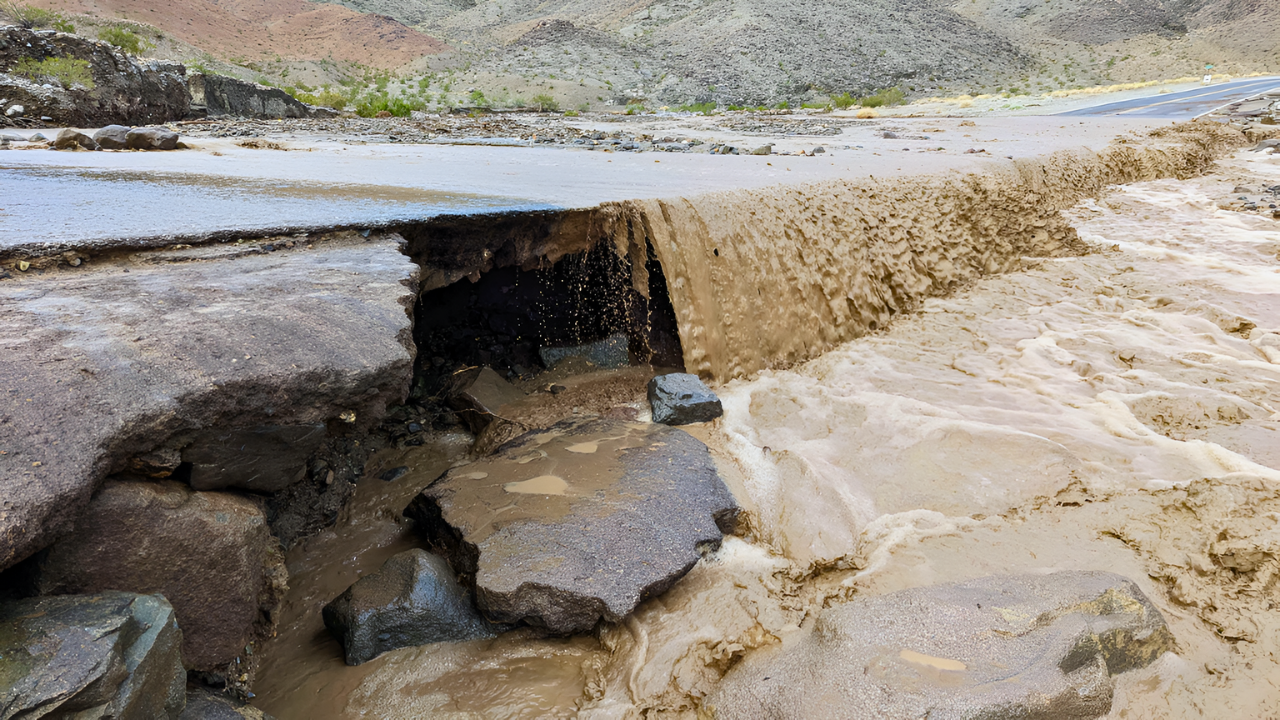
Death Valley’s ancient lake has returned once more to one of the hottest, driest places on Earth, briefly turning a landscape famous for extremes into a shallow mirror of sky and mountains.
A Dry Basin Soaked
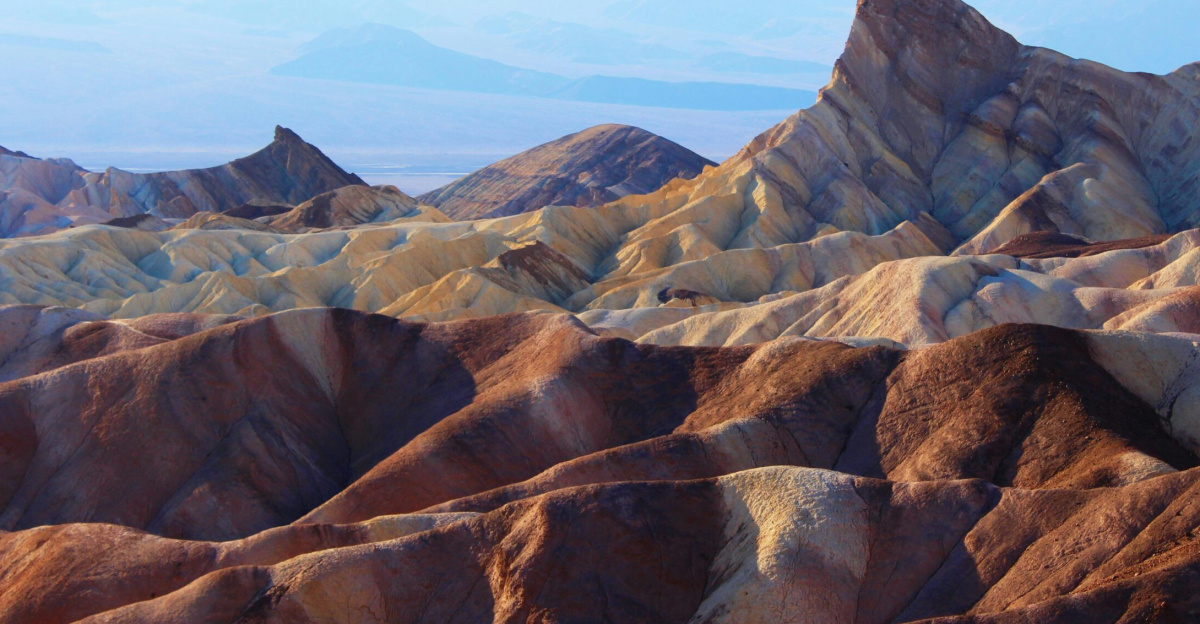
Death Valley typically receives less than 2 inches of rain in an entire year, placing it at the edge of what life can tolerate in a desert environment. Some years, including 1929 and 1953, passed with no measurable rain at all. Against that backdrop, conditions between September and November 2024 were highly unusual. The park logged about 2.41 inches of rain in just a few months, surpassing its long-term annual average and flooding sections of the valley floor.
The downpours followed a pattern of recent intense storms, including Hurricane Hilary in August 2023, that have periodically overwhelmed normally dry washes and salt flats. For a place defined by heat and drought, the accumulation of water has become a striking counterpoint, forcing scientists and park officials to reassess what “normal” looks like in this part of the Mojave Desert.
A Lost Ice Age Lake Remembered
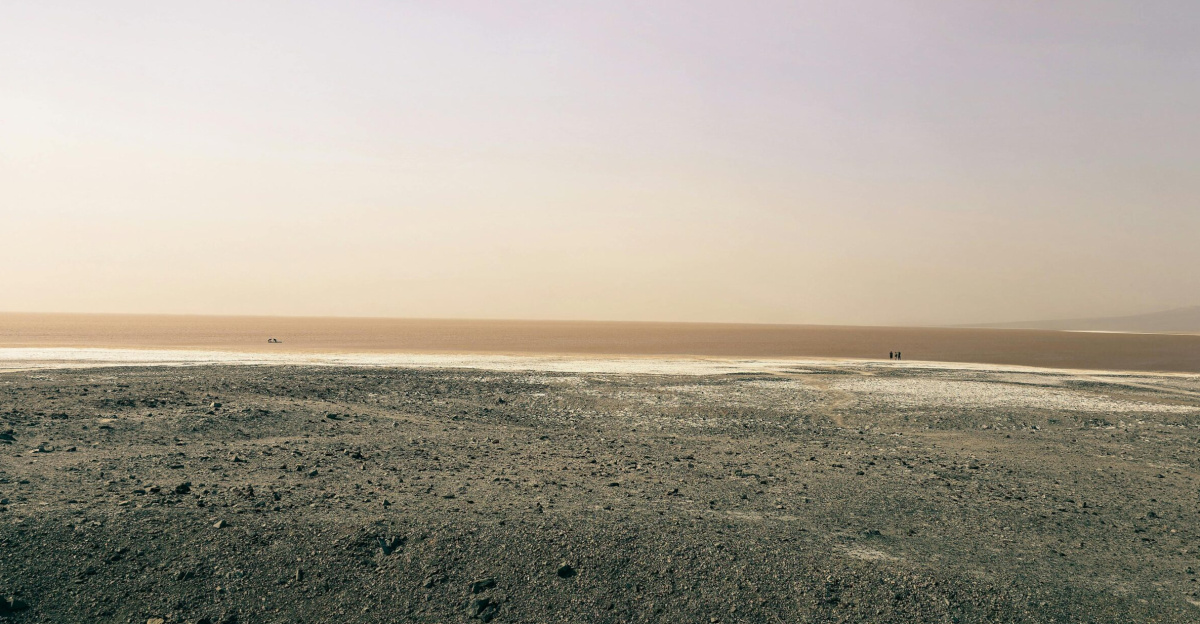
The water now pooling on the valley floor is the modern echo of Lake Manly, a large body of water that filled Death Valley during the Pleistocene Ice Age. At that time, glaciers covered much of the Sierra Nevada, feeding meltwater into rivers that drained into the basin. The ancient lake stretched close to 100 miles in length and reached depths of more than 600 feet, supporting a much richer ecosystem than the stark desert of today.
As global temperatures rose roughly 10,000 to 12,000 years ago, ice sheets retreated, regional climates warmed, and Lake Manly gradually disappeared. Evaporation outpaced inflow, leaving behind salt flats and desert soils. The basin remained dry in historical times until rare, sustained storms revived a shallow, temporary version of the old lake. Heavy rainfall from Hurricane Hilary in August 2023 and subsequent storms in early 2024 brought water back to the valley floor; the fall 2024 storms have done the same, reawakening a feature that links present-day visitors to Ice Age geography.
Badwater Basin’s Unique Setting
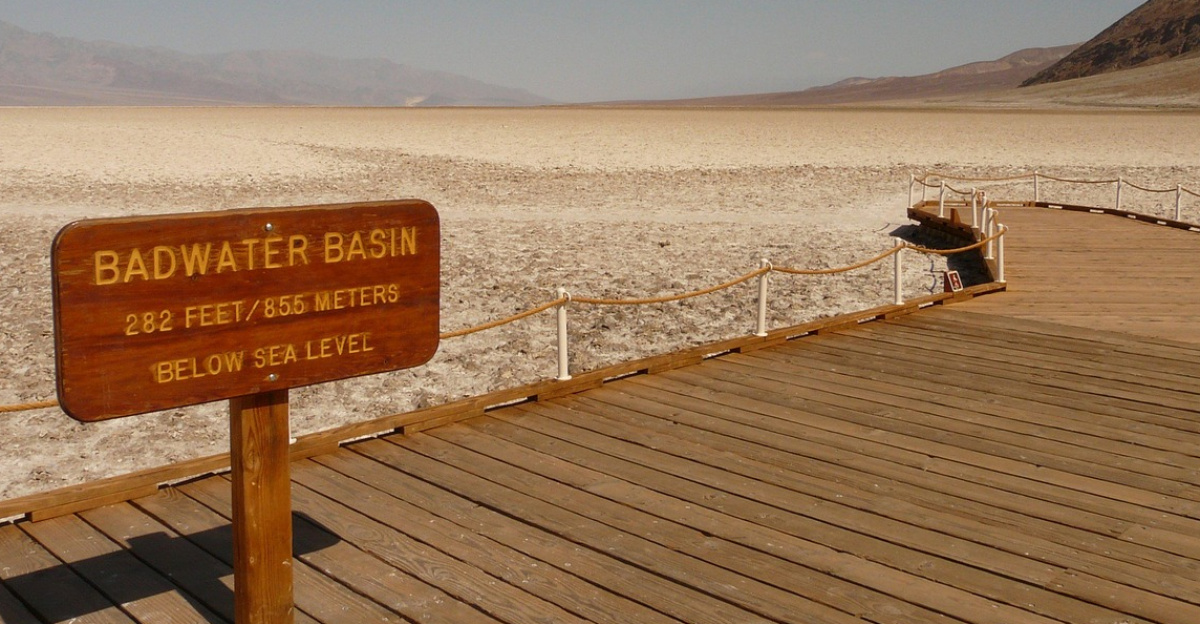
The modern lake forms in Badwater Basin, the lowest point in North America at about 282 feet below sea level. Here, the valley floor is lined with a thick crust of salt, the residue of countless cycles of flooding and evaporation. Because Badwater is an endorheic, or closed, basin, water flows in but has no outlet to rivers or the ocean. Instead, intense heat and dry air quickly remove it through evaporation.
Even under these extreme conditions, standing water can persist for weeks or months when rainfall is concentrated and repeated. Hydrologists estimate that a lake roughly 12 feet deep would still vanish in less than a year. The current iteration of Lake Manly is far shallower. After the late 2024 storms, water spread across the salt flats to form an ankle-deep sheet extending around a mile from the main parking area. The surface turned the basin into a reflective pool, doubling the surrounding mountains and sky in its mirror-like calm, even as the underlying salt reminded visitors of how temporary the water would be.
Visitors and Researchers Converge
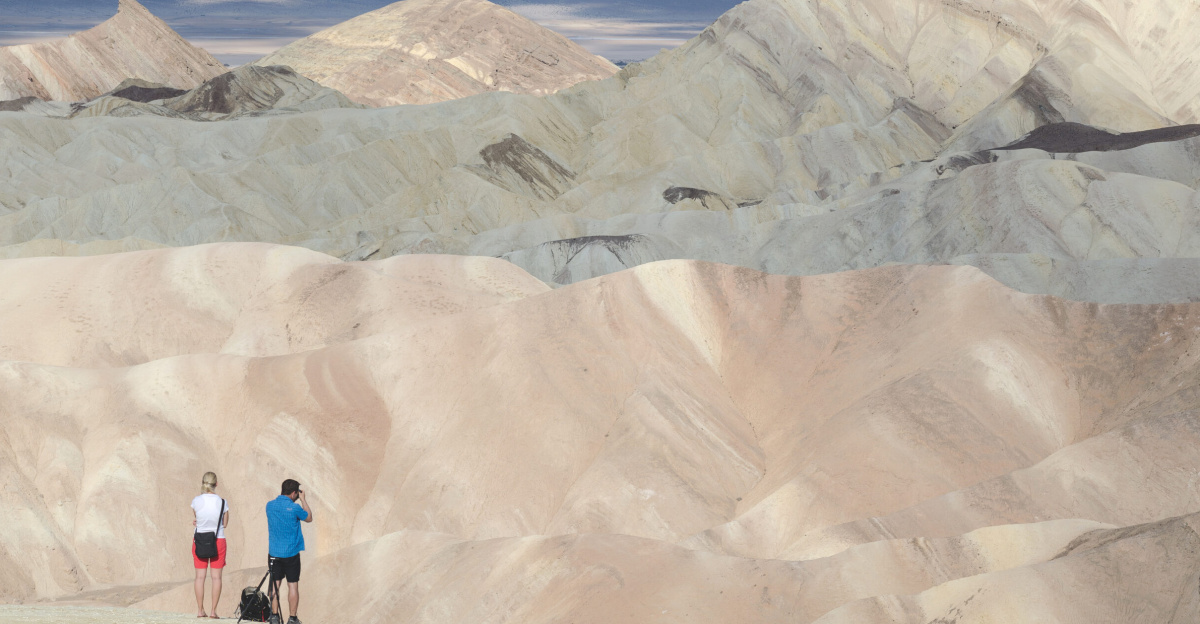
The reappearance of water in such a famously parched valley quickly drew crowds. Visitors walked along the shoreline and waded into the shallow lake, taking photographs of its glassy reflections and the contrast between bright white salt and clear water. For many, it was a once-in-a-lifetime chance to see Death Valley in an unfamiliar state, with the landscape temporarily softened by a thin layer of lake water.
At the same time, the event offered scientists and park managers a rare chance to observe how this environment responds to sudden, large pulses of moisture. Meteorologists have described the recent wet period as a meteorological anomaly driven by shifts in regional atmospheric patterns that allowed storms to linger and deliver sustained rainfall. While long-term records once suggested that such totals were extremely unlikely in Death Valley, recent years have shown that intense, episodic storms can occur and may become more frequent as climate patterns evolve.
Ecologists have also taken interest in the short-lived transformation. Even a shallow lake can spur biological activity, from microbial communities and algae on the lakebed to small invertebrates that exploit brief windows of standing water. These bursts of life help researchers understand how desert ecosystems adapt to abrupt changes in water availability. The lake’s presence underscores that even the driest landscapes retain the capacity for rapid, temporary change when conditions align.
Looking Ahead in a Changing Climate
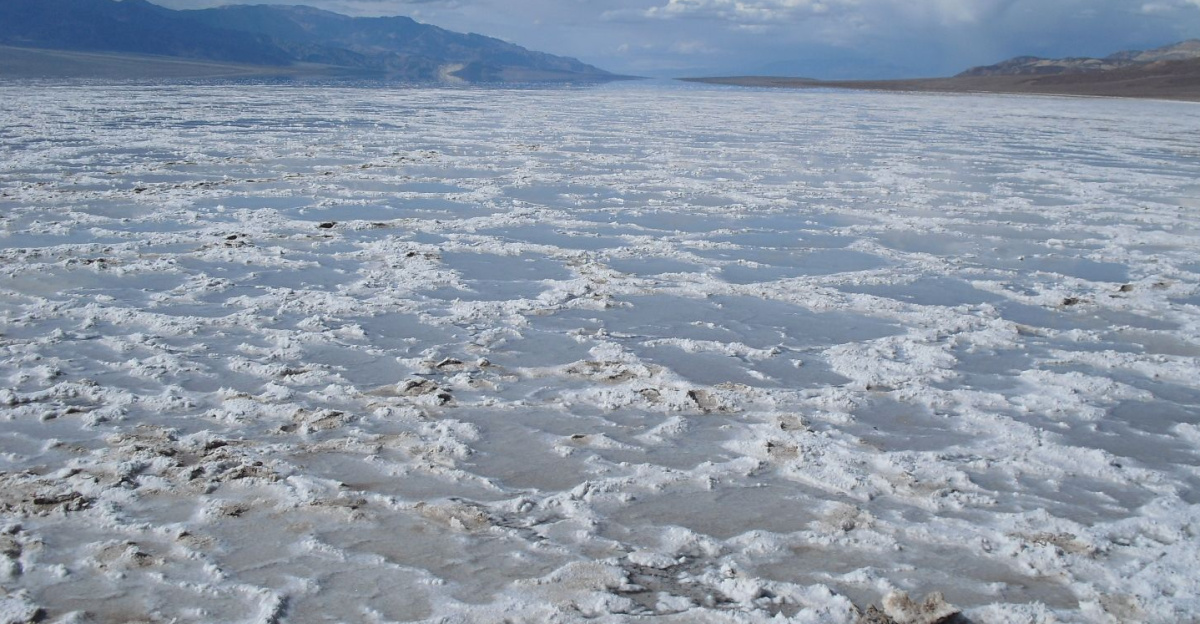
The brief resurgence of Lake Manly highlights the close ties between climate, geology, and life in Death Valley. Each reappearance of the lake reflects a balance between rare heavy rains and the desert’s powerful evaporative forces. As scientists analyze rainfall records, lake extent, and evaporation rates from the recent storms, they are using the data to refine expectations for future extremes in this and other arid regions.
For park officials, the event raises practical questions as well: how to manage visitor safety and access when roads, trails, and salt flats are flooded; how to interpret the phenomenon for the public; and how to plan for landscapes that may see both severe drought and sudden, damaging storms. For visitors, the shallow, shimmering water serves as a reminder that even seemingly unchanging places can shift quickly. As climate variability continues, the fleeting return of Lake Manly offers a visible marker of how a desert shaped over millennia might respond to the extremes of the coming decades.
Sources:
National Park Service Death Valley Record Rainfall Report (December 2024); NPS Weather and Climate Data Archive (1911-2024 Furnace Creek records)
NOAA National Hurricane Center Tropical Cyclone Report: Hurricane Hilary EP092023 (August 16-20, 2023)
NASA Earth Observatory Badwater Basin and Lake Manly studies (2024-2025); USGS Quaternary Geology of Death Valley
University of Cambridge Quaternary Research U-Series Chronology of Lacustrine Deposits in Death Valley (Ku et al. 1998); USGS Upper Neogene Stratigraphy and Tectonics of Death Valley (Knott et al. 2005)