
Used car buyers face a marketplace where digital dashboards, online listings, and complex financing have made old scams easier to hide and harder to spot. Deceptive tactics cost consumers billions of dollars each year, eroding trust and turning what should be a careful purchase into a high-risk decision. Recognizing key warning signs – from odometer tampering to pressure-filled sales tactics – can help shoppers slow down, verify claims, and protect both their budgets and long-term safety.
Hidden Mileage, Vanishing Deals, and Weak Oversight

One of the most damaging problems is odometer fraud, which still affects hundreds of thousands of vehicles sold each year despite federal rules and criminal penalties. Rolling back digital odometers can be done with inexpensive tools, allowing unscrupulous sellers to inflate prices while hiding years of wear on engines, transmissions, and suspensions. The financial hit rarely stops at overpaying: buyers often face unexpected repair bills much sooner than they anticipated.
Another persistent tactic is bait-and-switch advertising. Dealers may promote vehicles online at unusually low prices to attract interest, then claim the car has just been sold or has undisclosed flaws once the shopper arrives. The conversation then shifts to more expensive models or higher monthly payments. This practice exploits the time, travel, and emotional investment buyers have already made. When a seller refuses to confirm availability and price in writing before a visit, or repeatedly steers the conversation away from the advertised vehicle, it signals elevated risk.
These schemes have evolved alongside technology. What began as simple mechanical tampering has become sophisticated digital manipulation of mileage, electronic systems, and online listings. Regulators have responded with disclosure rules and enforcement actions, but gaps remain. As vehicles become more complex, new opportunities open for misrepresenting history, condition, and financing terms.
Financing Tricks, Fake Labels, and Missing Disclosures

Beyond the vehicle itself, financing has become a major channel for abuse. One recurring pattern is the “yo-yo” or spot-delivery scam, in which a buyer drives away before financing is truly final. Days later, the dealer calls claiming the loan fell through and insists on a higher interest rate, longer term, or more money down. By that point, the buyer may have returned a trade-in or rearranged their life around the new car, reducing their leverage. This practice disproportionately affects buyers with weaker credit, who may feel they have little choice but to accept worse terms.
Misuse of “certified” labels is another way some sellers justify higher prices without delivering real protection. True manufacturer-backed Certified Pre-Owned vehicles are inspected under specific factory programs and include documented warranties. Independent lots sometimes use similar language, stickers, or verbal assurances without access to those programs. If the certification cannot be confirmed through the automaker or lacks clear inspection records, the label may be little more than a marketing tool.
Federal rules require a Buyers Guide to be displayed on every dealer-sold used vehicle, clearly stating whether the car is covered by a warranty or sold “as is.” When this document is missing, altered, or removed during negotiations, it raises serious questions about compliance and transparency. The Buyers Guide defines key rights and obligations; discrepancies between it and the sales contract often foreshadow disputes once problems appear.
Physical Clues: Rust, Tires, Paint, and Smells
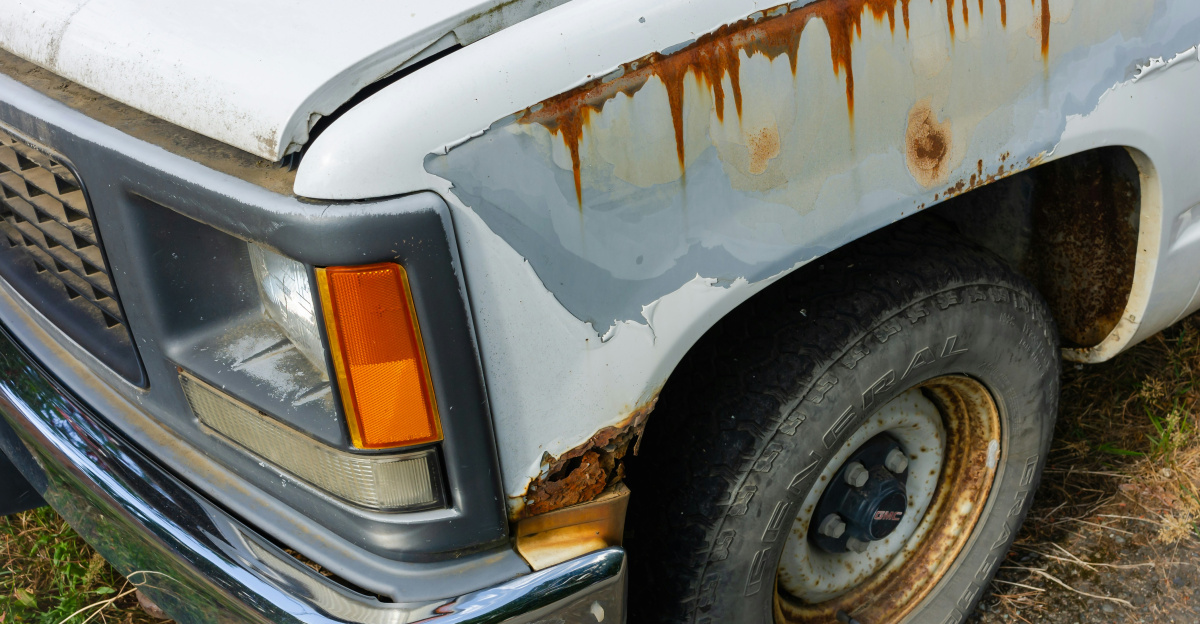
For all the complexity of financing and paperwork, the car’s condition still offers some of the clearest signals. Rust, mismatched paint, and uneven panel gaps can indicate past collisions, hurried bodywork, or even flood damage. Fresh overspray, different paint textures, or off-color panels suggest cosmetic repairs that may hide deeper structural issues. Musty odors or corrosion in unusual areas, such as under seats or inside the trunk, can point to water intrusion that may affect electronics and safety systems.
Tires provide another quick snapshot of how a car has been treated. Uneven wear, bald spots, or mismatched brands on the same axle can reveal alignment problems, neglected maintenance, or prior damage to suspension and steering components. Replacing a full set of tires is an immediate expense, but the bigger concern is the hidden issue that caused the wear pattern in the first place. A seller who ignores obvious tire problems may have skipped other essential upkeep.
Just as important is the vehicle’s paper trail. A complete absence of service history makes it difficult to know whether oil changes, major services, and recalls were handled on time. Gaps or inconsistencies in maintenance records, inspection stickers, and reported mileage can hint at odometer manipulation or long periods of neglect. While not every car comes with perfect documentation, buyers should treat missing records as a risk factor that either lowers the price or justifies walking away.
Psychology, Online Marketplaces, and How Buyers Can Regain Control

Many of these problems succeed because they tap into psychological pressure rather than outright secrecy. High-pressure sales environments use urgency, scarcity, and authority to push shoppers toward quick decisions. Statements that a deal is “only good today,” resistance to independent inspections, or insistence on immediate cash payment are all attempts to override careful evaluation. Discomfort, defensiveness, or hostility from a seller is itself a meaningful warning sign.
Online marketplaces and social platforms have broadened choices but also made it easier for misleading listings to appear, disappear, or change quickly. High demand and limited inventory can tempt buyers to move faster than they should, especially when a vehicle seems like a rare bargain. At the same time, regulators are increasing scrutiny of deceptive fees, false advertising, and abusive finance practices, signaling that some of these tactics are drawing official attention.
The most effective protection for buyers is a structured approach. Securing financing in advance reduces vulnerability to last-minute loan changes. Insisting on independent inspections from a mechanic with no connection to the seller can uncover safety issues, past damage, and looming repair costs that are not obvious from a test drive. Requesting out-the-door pricing early helps expose hidden fees and add-ons. Comparing several similar vehicles builds perspective, making it easier to spot outliers and resist emotional attachment to any single car.
Knowing when to leave is one of the strongest tools available. Red flags rarely vanish after a signature. When information is withheld, documents do not match, or pressure intensifies, walking away is a rational, protective choice. Careful purchasing does more than prevent immediate losses: it supports long-term reliability, higher resale value, and a healthier used car market in which deceptive practices are less likely to pay off. As technology and tactics continue to evolve into 2025 and beyond, informed, methodical buyers remain the best check on fraud and the strongest force pushing the industry toward greater transparency.
Sources:
NHTSA (odometer estimates, safety risks, convictions)
FTC (Used Car Rule, settlements, penalties, sweeps, Vroom case)
Experian (title washing, odors)
RateGenius (curbstoners)
Point Predictive (fraud spikes)
Regions Bank (rust/paint issues)