
Nearly 1,000 miles of the Pacific coast from California through Oregon to Washington have suddenly turned from peaceful to dangerous. The National Weather Service has issued strong warnings that even calm-looking surf can hide powerful, fast-moving waves capable of rushing far up the beach.
Forecasters say waves could reach heights of several stories in some locations, turning an ordinary stroll near the waterline into a life-threatening situation in seconds. A single misstep on wet sand, rocks, or jetties could be enough to pull someone into the surf.
The Entire Coast Is Under Alert
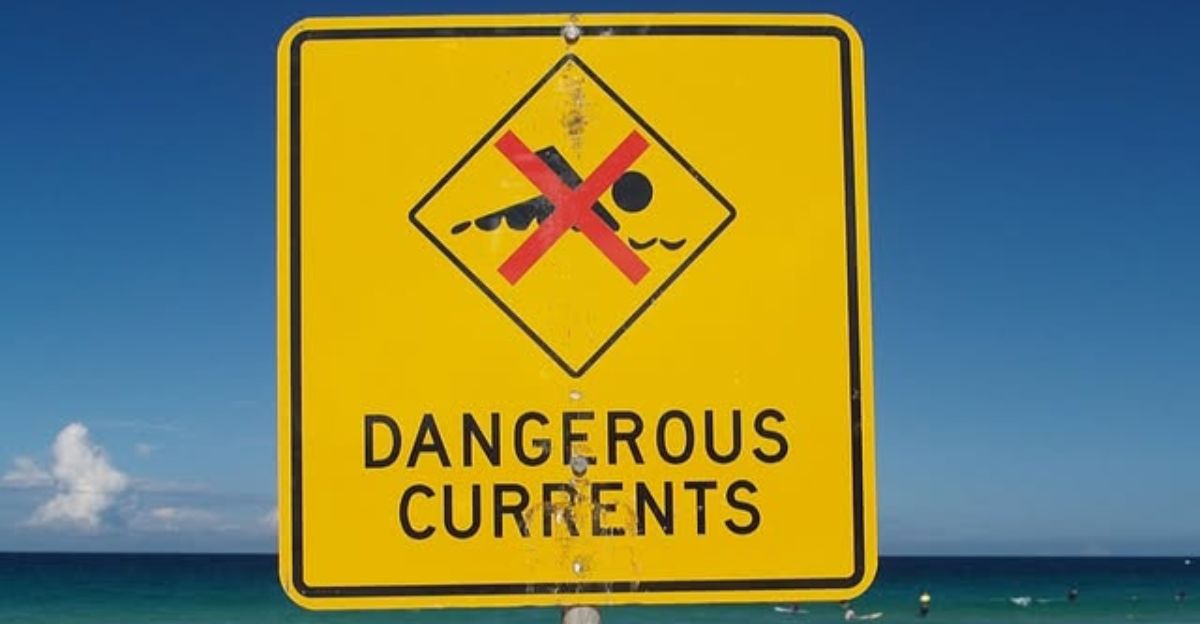
This is not a typical, local high-surf day; it is a coastwide threat. High surf advisories now stretch almost continuously from Southern California beaches to Washington’s Olympic Peninsula, with warnings from several National Weather Service offices overlapping in both space and time. That means a huge portion of the Pacific shoreline is under the same kind of alert all at once, creating what one summary described as a hazard zone through late Thursday afternoon.
Popular spots that are hundreds of miles apart are facing nearly identical risks at the same time. Instead of one dangerous beach or bay, the entire coastal corridor is on edge. For anyone planning winter trips, it dramatically raises the chances of encountering dangerous waves wherever they go.
Long-Period Swells Bring Extra Power
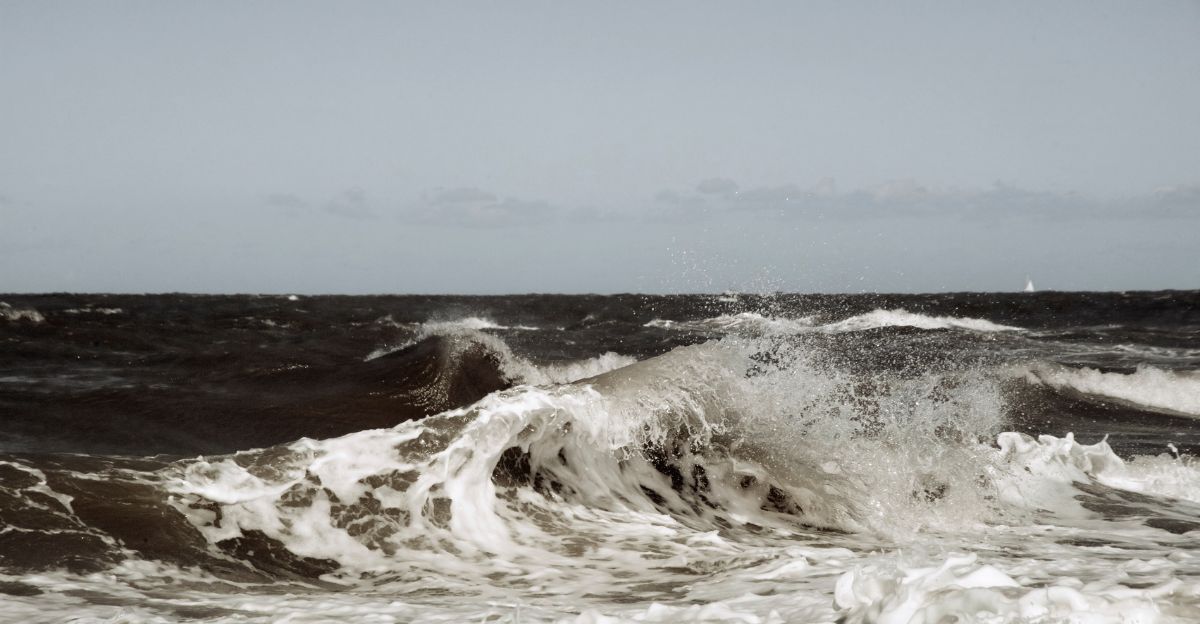
Winter storms often bring bigger waves, but this episode features something more dangerous: long‑period swells. These waves have periods around 16 to 18 seconds, meaning more time between them and much more energy stored in each one. That extra energy allows waves to travel farther up the sand and hit with more force than typical choppy surf.
Beaches people think they know well can suddenly behave in unfamiliar ways, with waves crossing usually dry areas or overtopping rock ledges and access points. As Oregon State Parks warns, sneaker waves and long-period surf are “unpredictable, powerful and can easily knock adults off their feet.” Even experienced locals are being reminded that their usual instincts might not be enough in this kind of swell.
The Storm System Thousands of Miles Away
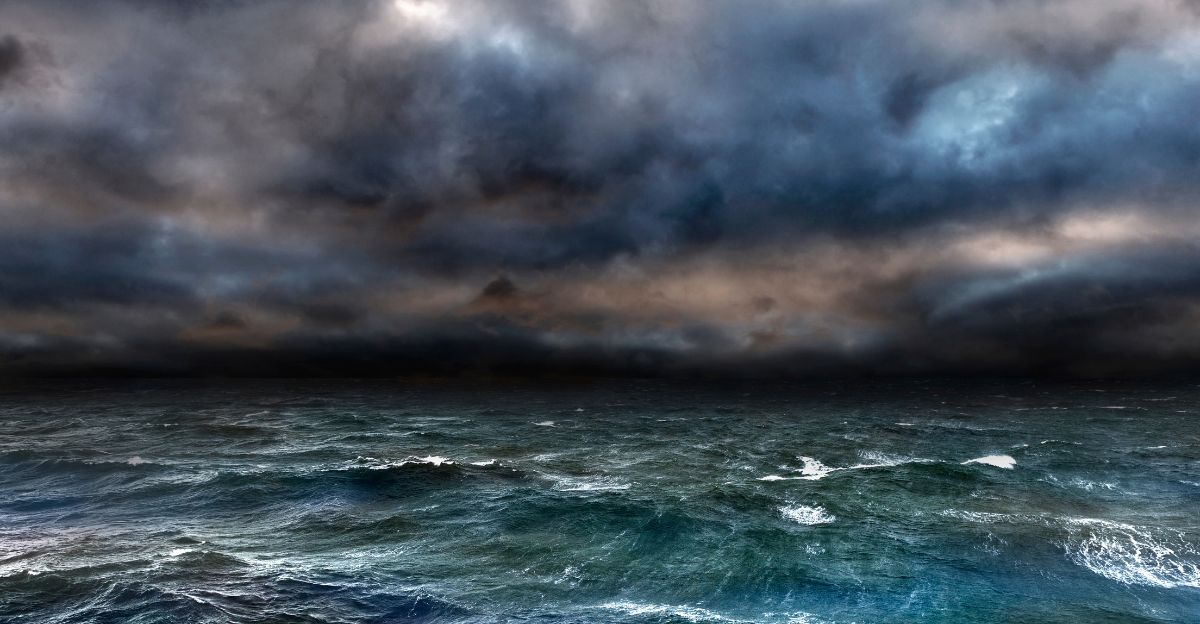
The danger does not start near the shore; it begins far out in the North Pacific. A strong low-pressure system near Alaska generated huge waves days ago, sending powerful swell trains racing toward the U.S. West Coast. By the time that energy arrives, it forms organized sets of large breakers, with many areas expecting waves around 25 to 33 feet and some favored spots seeing peaks near 40 feet.
These waves are arriving just after recent king tides and coastal flooding, when tides were already running higher than normal and many beaches and dunes were saturated or eroded. Officials in Oregon note that king tides and storm surf can combine to overtop low ledges without warning, pushing water into places that rarely see it. That timing sharply raises the risk for coastal communities and visitors.
A Truly Rare Warning
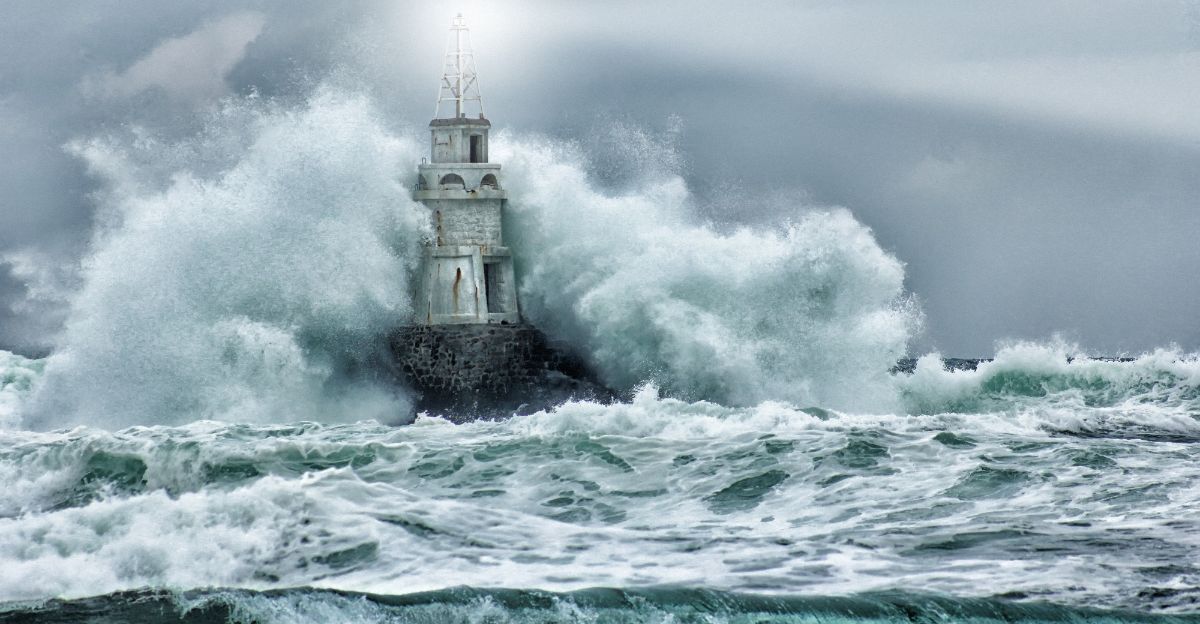
Meteorologists say what makes this event stand out is not just wave size, but how widespread the danger is. High surf advisories are in effect at the same time for the coasts of California, Oregon, and Washington, something described as a rare pattern where “all three Pacific states” face hazardous surf together.
Instead of scattered alerts, multiple National Weather Service offices have effectively created one giant warning zone stretching from the Mexican border all the way to the Strait of Juan de Fuca. Such a coast‑spanning footprint does not happen often and reflects the strength and reach of the swell.
California Braces for Impact
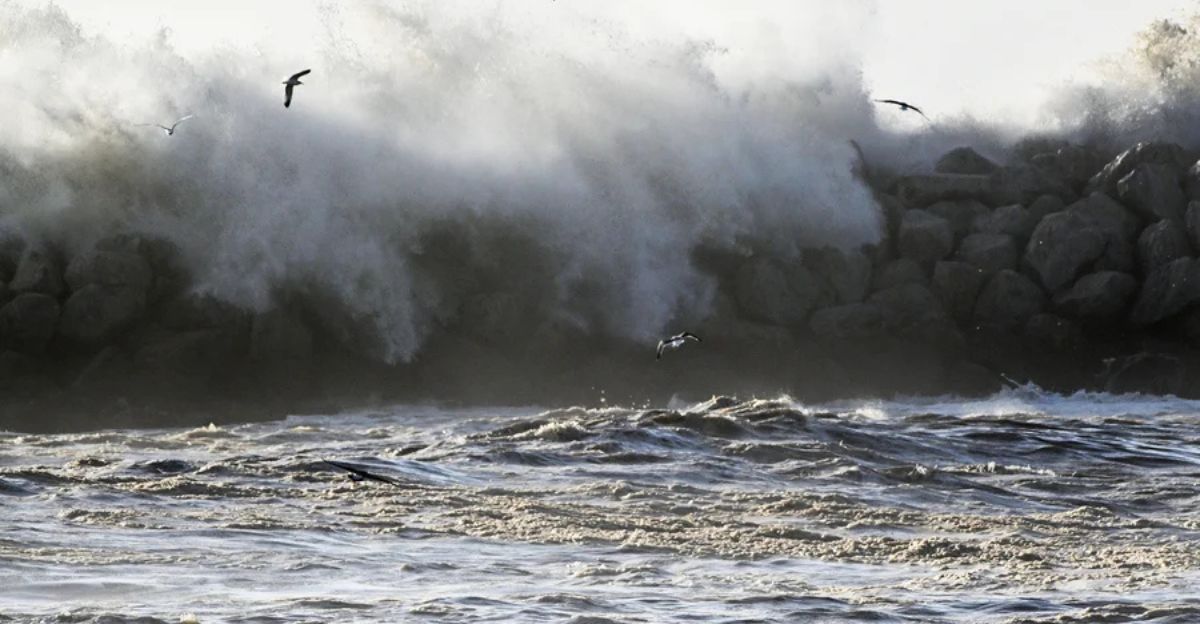
In California, high surf advisories cover an unusually long stretch of shoreline. Forecast offices are warning counties from far‑northern Del Norte and Humboldt through Mendocino and Sonoma, and southward past Monterey Bay to Santa Barbara, Malibu, and nearby islands. Recent king tides and storms have already flooded low‑lying roads and neighborhoods in places such as Santa Barbara County, leaving dunes, seawalls, and beaches weakened.
Now, another round of strong wave run-up could strip away more sand, damage coastal properties, and surprise people who venture too close to harbor entrances, jetties, or seawalls. Local officials caution that parking lots, paths, and popular viewpoints that usually feel safe might lie within reach of larger sets.
Oregon and Washington Face Threats
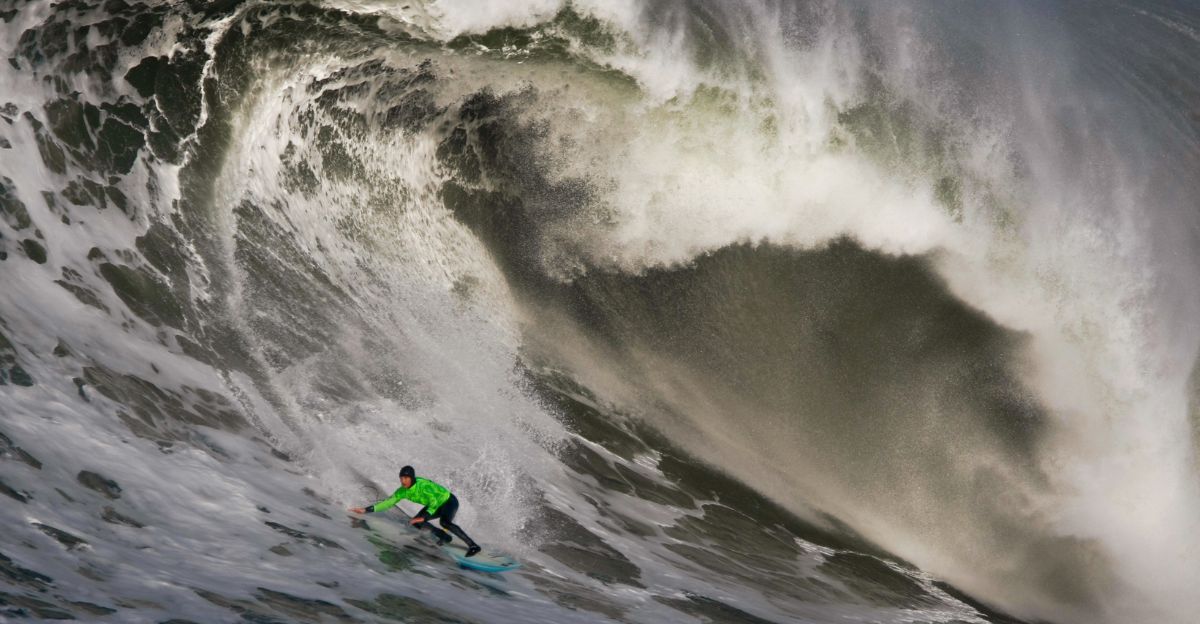
Farther north, Oregon and Washington are preparing for equally dangerous surf. The National Weather Service office in Portland has issued a high surf advisory for much of the Oregon coast, urging people to “stay away from the surf zone and off of jetties” and warning that beachcombing is strongly discouraged during the event. In Washington, especially along the south coast, forecasts call for breakers near 25 feet and “life‑threatening surf zone conditions” on exposed beaches.
State and local officials echo the same message: viewing the storm from high, protected areas may be acceptable, but walking along open beaches or climbing on rocks is not. A regional safety campaign stresses that jetties and low‑lying areas “are not far enough from the waves to be safe” during high surf and king tides.
The Unpredictable Sneaker Wave
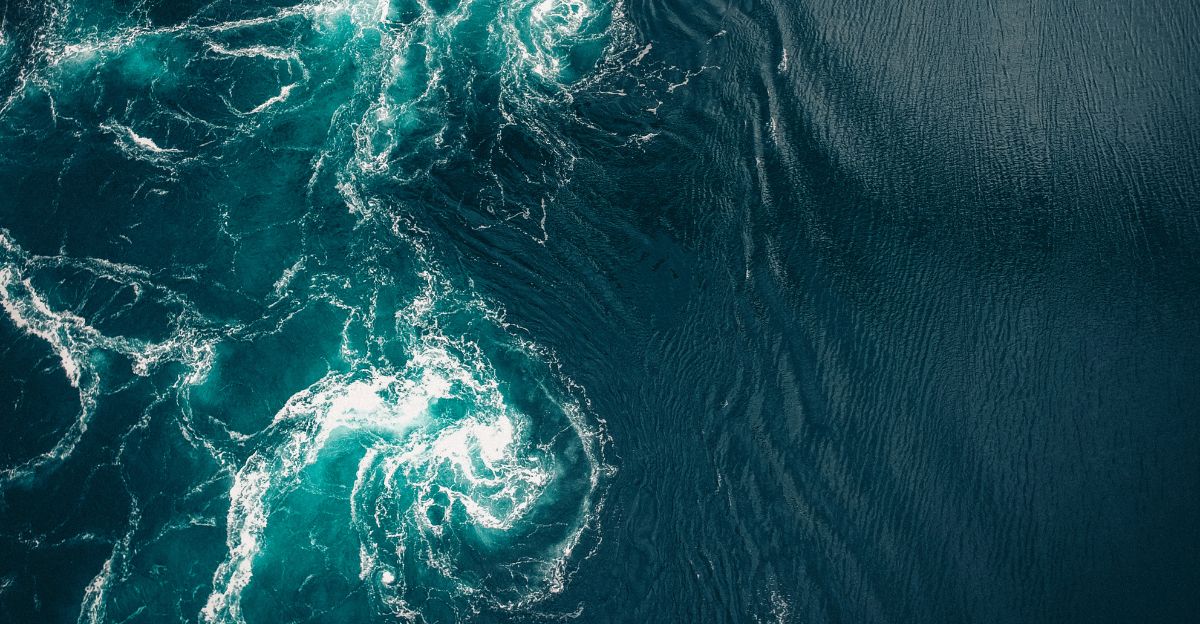
Amid all the warnings, one threat draws special concern: sneaker waves. These are unexpectedly large waves that arrive after a stretch of smaller ones, racing far higher up the beach than people expect. The National Weather Service notes that sneaker waves can surge up to 150 feet farther than previous waves and “kill more people than all other weather hazards combined” on parts of the West Coast.
They can knock adults off their feet, drag children into deep water, or sweep people from rocks and jetties in seconds. Waterlogged logs that seem harmless can suddenly move when a sneaker wave lifts them, rolling with enough force to crush or trap someone.
A Deadly History
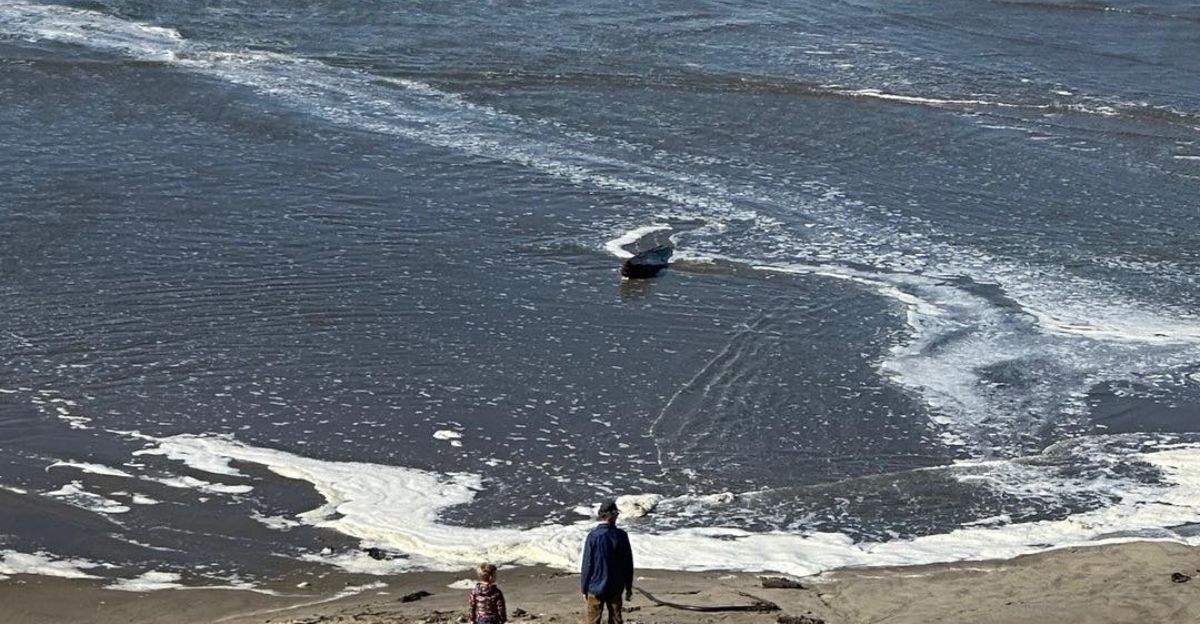
The statistics behind sneaker waves explain why officials sound so urgent. A National Oceanic and Atmospheric Administration review found that at least 26 people have died from sneaker waves along the West Coast since 2010, and other research estimates nearly 30 such deaths in just a 12‑year span in Oregon and northern California.
Many of those victims were doing everyday things, walking dogs, taking photos, or exploring tide pools, when a single larger wave rushed ashore. Cold water, strong currents, and panic often leave little chance for survival once someone is swept in.
Stay Away
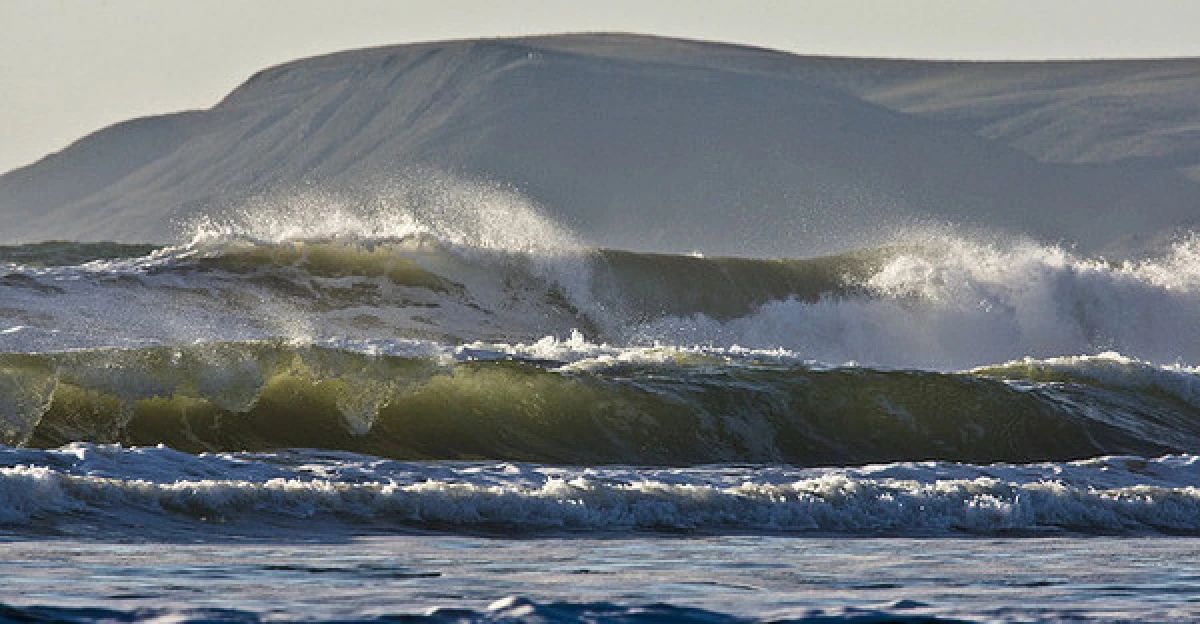
Across all three coastal states, the advice is blunt and consistent: stay off beaches, jetties, and rocks while the high surf advisories are in effect. Millions of residents are being reached through alerts, local news, and social media, all emphasizing that clear skies or light winds do not mean safe conditions.
Officials are asking people to postpone beach walks, tidepooling, fishing from rocks, and surf photography until the swell subsides. As one Oregon safety bulletin puts it, “Do not go on the beach itself during the highest tides or during a storm.”
Communities Feel the Strain
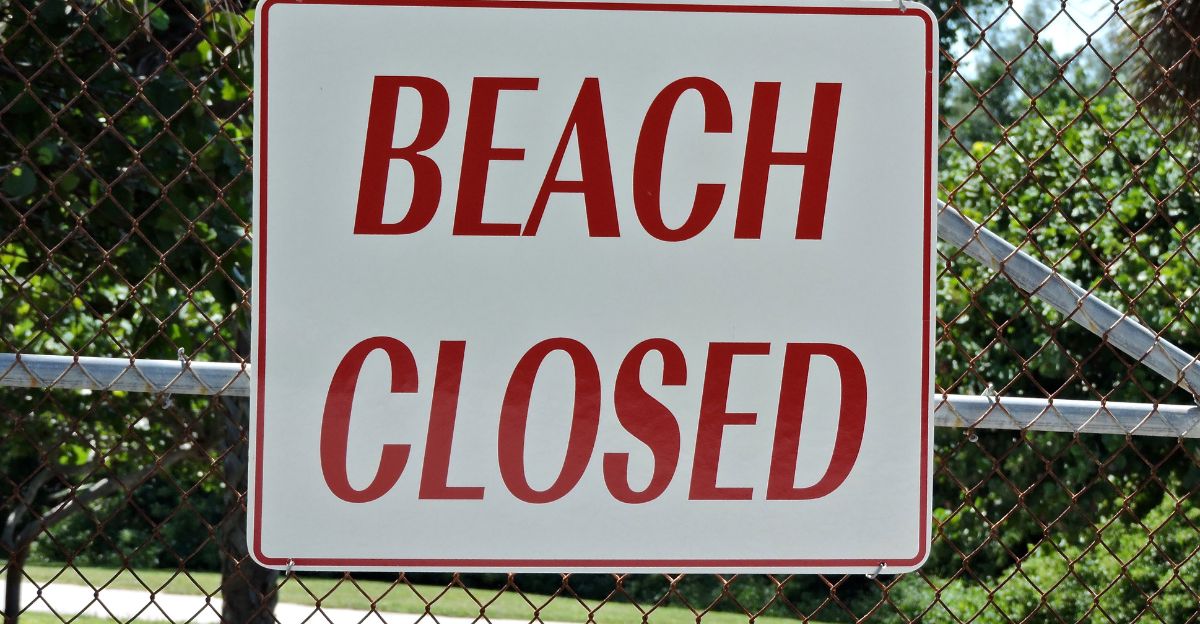
These powerful swells are hitting communities already worn down by recent weather. Earlier episodes of heavy rain, king tides, and coastal flooding have closed roads, damaged infrastructure, and disrupted daily life from California to Washington. In tourism‑driven areas, local businesses are coping with cancellations and reduced foot traffic just when they need winter visitors.
Residents in places like coastal Oregon and Santa Barbara County have described feeling “weather-weary,” juggling repairs, detours, and now beach closures or access restrictions. Emergency officials must balance public safety with economic realities, but most agree that preventing deaths comes first.
Balancing Safety With Access
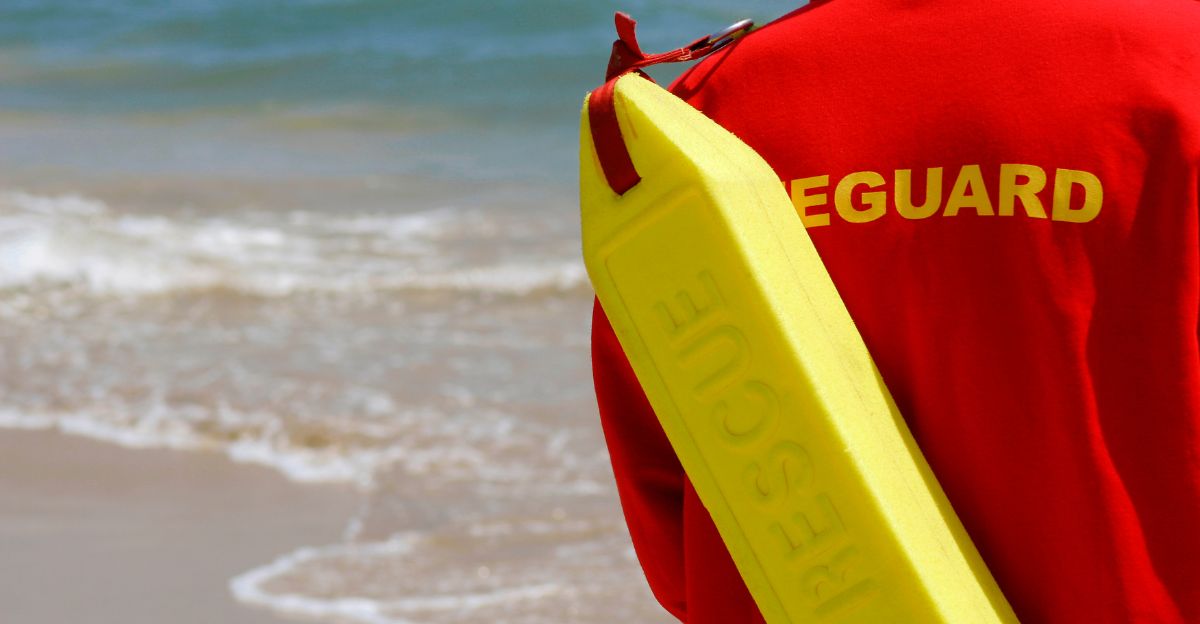
Rather than sealing off the entire shoreline, state parks and local agencies are trying to keep people safe while still allowing them to witness dramatic ocean conditions from a distance. Oregon State Parks, for example, promotes storm and king‑tide watching from designated viewpoints high above the water, often protected by railings or barriers.
Guidance from Oregon and Washington urges people to stay behind fences, avoid logs and unstable cliffs, and never climb out onto jetties or isolated rocks. Recommended viewing spots include elevated promenades, cliff‑top parks, and lighthouse overlooks designed for wave watching.
Simple Rules, Life-Saving Results
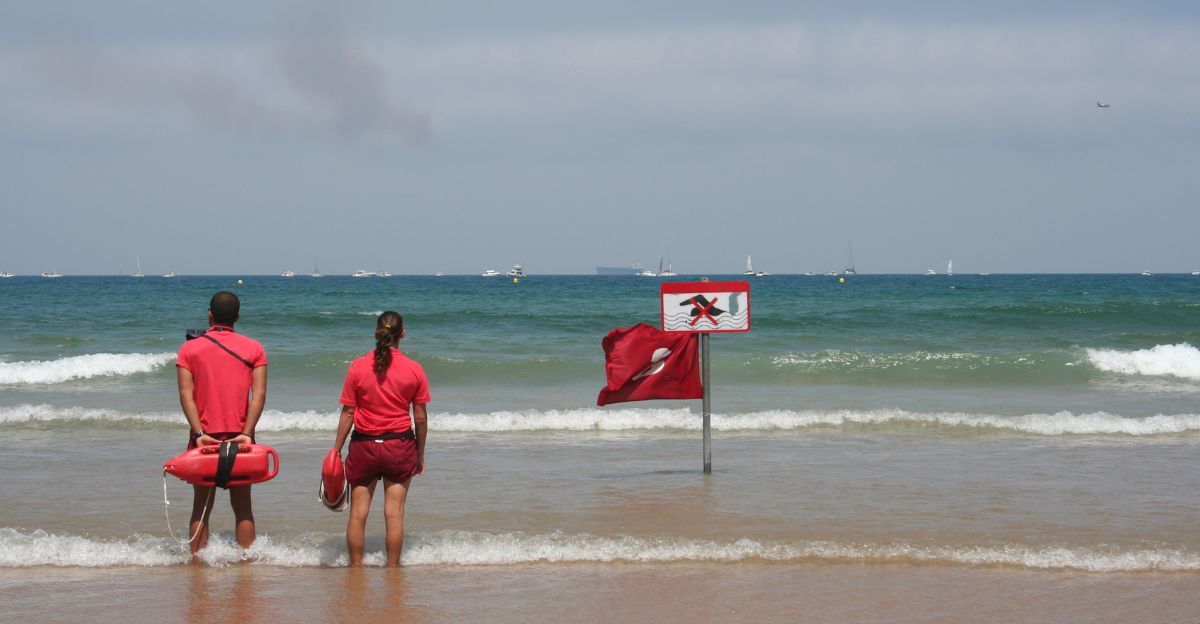
Safety experts emphasize that a few simple rules can make the difference between a memorable outing and a tragedy. One widely repeated line is, “Never turn your back to the ocean,” because sneaker waves often strike when people are distracted or facing inland.
Officials also stress staying well up the beach, away from the waterline, and keeping children close at hand. Advice from Oregon and state agencies includes staying off logs, respecting all fences and closed trails, and avoiding jetties entirely during strong surf. These may sound like basic precautions, but they are based on years of accident patterns.
When the Danger Will Pass
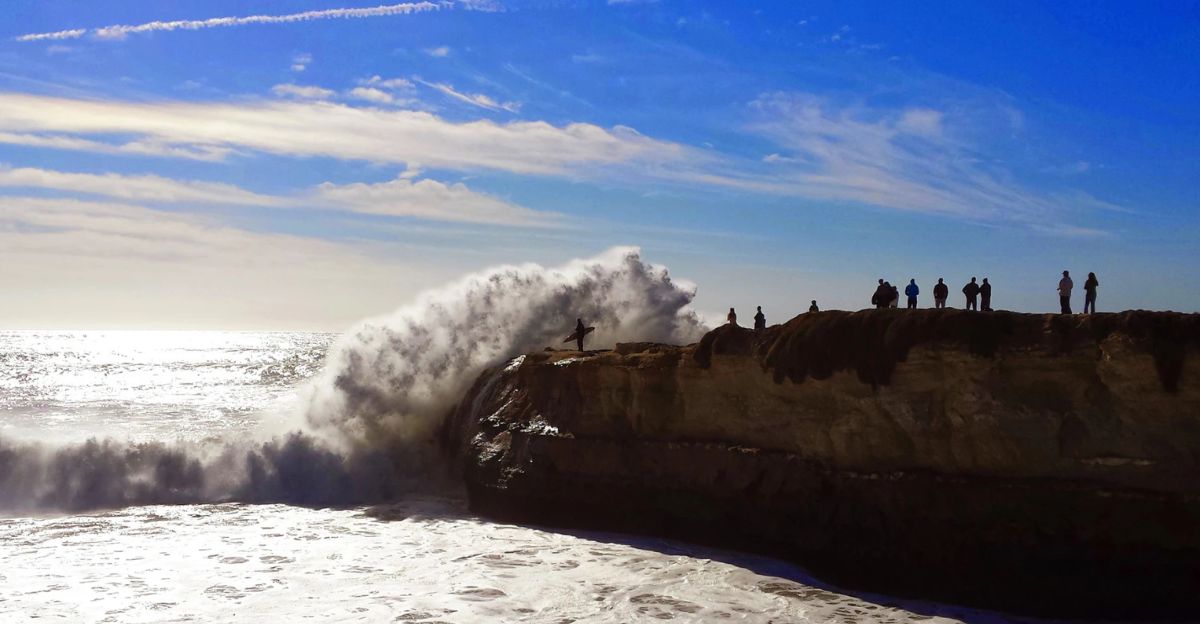
Most of the current high surf advisories are scheduled to end by late Thursday afternoon, as the main swell moves away and wave heights begin to drop. However, forecasters and park officials warn that the end of the advisory does not mean the coast instantly becomes safe. Eroded dunes, undercut trails, damaged access points, and heavy, water‑soaked logs can remain hazardous long after the biggest waves pass.
Future storms later in the season are also likely, as Pacific systems continue to move through. That is why agencies encourage people to learn what terms like “High Surf Advisory” and “Beach Hazards Statement” really mean now, so they can respond quickly the next time alerts appear.
Preparing for What Comes Next
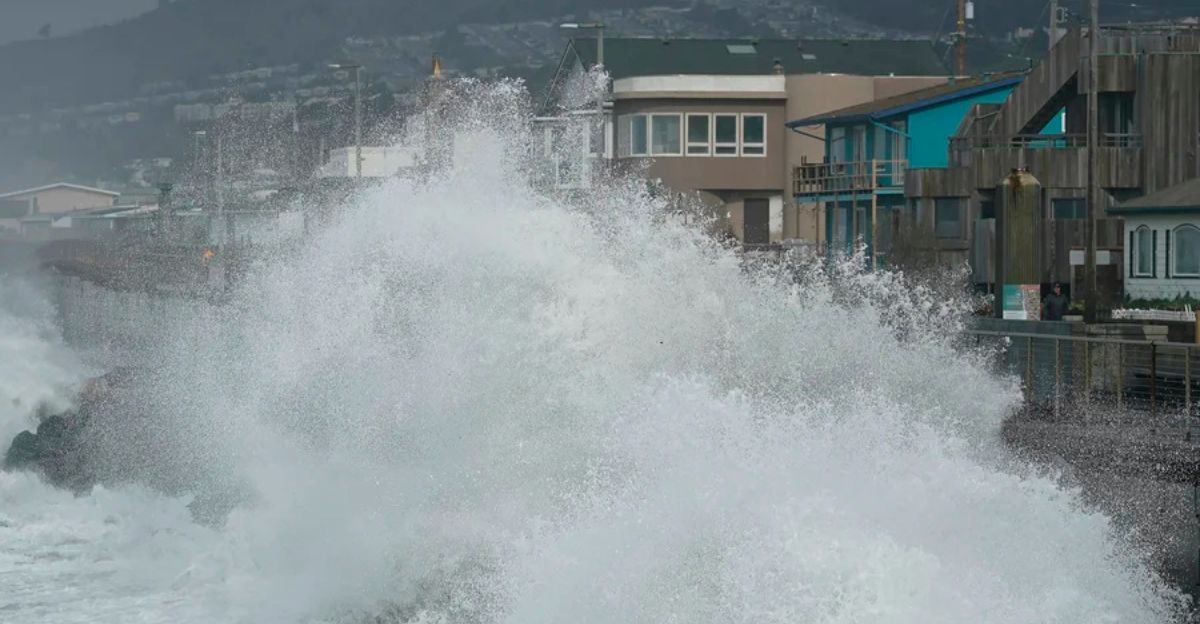
This rare, coast‑wide event is a reminder that the Pacific can switch from postcard‑beautiful to deadly in a matter of hours. As climate patterns shift and more people flock to the shoreline for recreation, days with inviting weather but hidden ocean hazards may become more common.
King tides, strong storms, and crowded beaches create a mix where a single swell can put many people at risk at once. The key question is whether residents and visitors will treat future advisories as firm limits rather than suggestions.
Sources:
Newsweek, Millions Face Hazardous Oceans on West Coast: ‘Stay Away’, 8 January 2026
Oregon State Parks, Be Safe Exploring the Beach, 29 May 2025
MyOregon.gov, Beach Safety Tips During King Tides and High Surf, 26 January 2024
Islands / The Deadly Reason To Avoid Turning Your Back On The Ocean, 7 November 2025
New York Times, Heavy Rain and King Tides Cause Flooding in California, 3 January 2026