
Amid rising rents, crushing student loans, and relentless digital overload, millions of young adults are reaching back into the past for solutions that once seemed outdated.
A sudden shift is taking place as millennials and Gen Z are quietly adopting habits they once mocked—cooking at home, setting up analog budgets, and even questioning easy credit.
These once “boomer habits” are proving to be a lifeline in a high-cost, high-noise world. But how did this dramatic reversal come about, and why are these older practices now essential for survival?
Cooking at Home

What was once seen as a boomer preference is now a financial necessity. As restaurant and takeout prices climb, millennials and Gen Z are rediscovering the joys of home cooking.
This habit, embraced during the pandemic, offers control over costs and ingredients, making it an essential part of a budget-conscious lifestyle.
The “we have food at home” mantra—once a source of humor about frugal parents—has become a saving grace and practical advice on cutting unnecessary spending.
Thinking Twice About Debt

The warnings about unchecked debt from older generations are now echoing in the minds of younger adults. Today, many millennials and Gen Z regret taking on student loans.
Surveys show that 85% of Gen Z borrowers and 77% of millennials would change something about how they financed their education. This growing concern has led younger generations to approach borrowing with caution, learning from past missteps.
Emergency Savings Come First
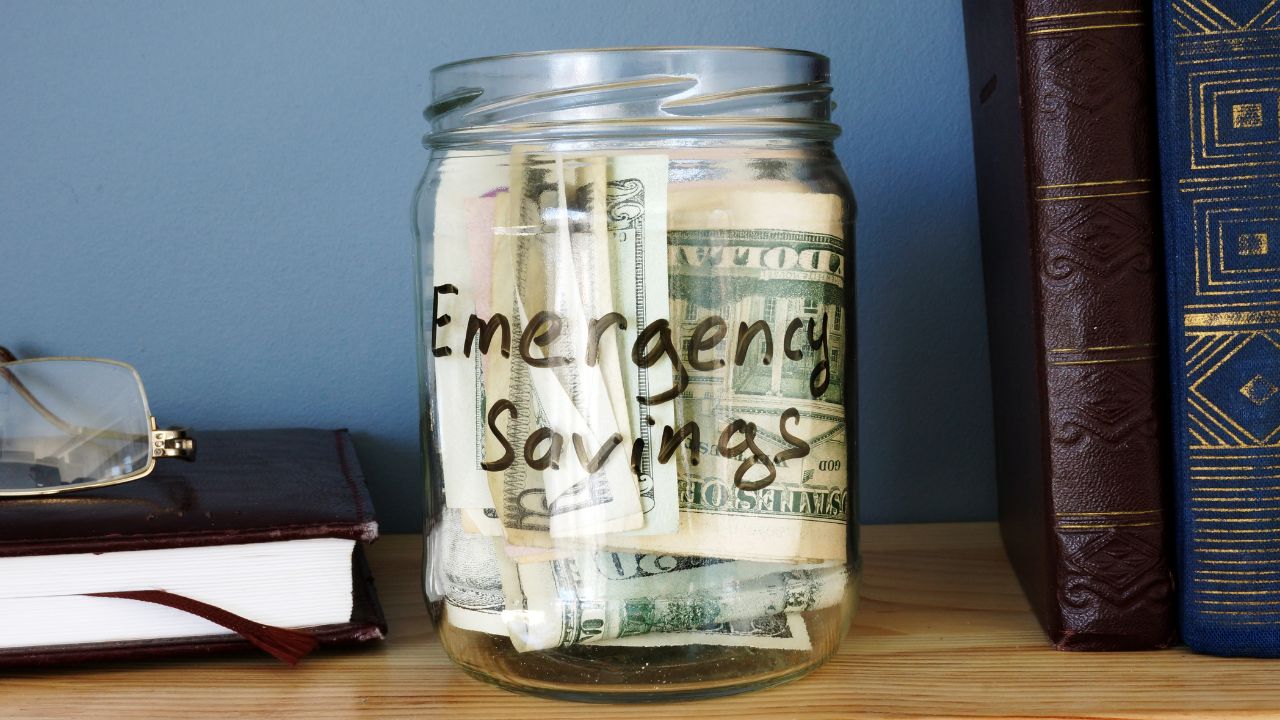
The importance of having an emergency savings fund, once a boomer staple, is now widely recognized by younger generations.
Facing rising costs, job uncertainties, and fluctuating rents, millennials and Gen Z are prioritizing savings more than big-ticket purchases. It’s no longer just about spending wisely—it’s about preparing for unexpected challenges, proving the value of a rainy-day fund.
Living Below Your Means

In a world where credit and easy spending are encouraged, many younger adults are revisiting the boomer advice to “live below your means.”
Financial experts are now advising millennials and Gen Z to stick to detailed budgets and resist lifestyle inflation. This mindset of delayed gratification and cash-first spending is becoming essential to financial stability in uncertain times.
Canceling Subscription Traps

Subscription fatigue is sweeping the younger generations. What was once the promise of convenience through streaming services, apps, and monthly boxes is now seen as a hidden drain on finances.
With recurring charges building up, younger consumers are starting to cancel subscriptions, echoing the boomer skepticism about ongoing fees and automatic renewals. Gen Z reports the highest cancellation rates, with many restarting and canceling services on a regular basis.
Cash Stuffing and Analog Budgets

The viral trend of “cash stuffing” is gaining momentum as a way for younger adults to manage their finances without relying on digital tools.
This paper-based budgeting system—placing cash in labeled envelopes for specific expenses—harks back to the analog days of boomers, offering a tactile sense of control and helping avoid overspending in today’s digital world. The trend has generated over a billion views on social media.
Saying No to Easy Credit
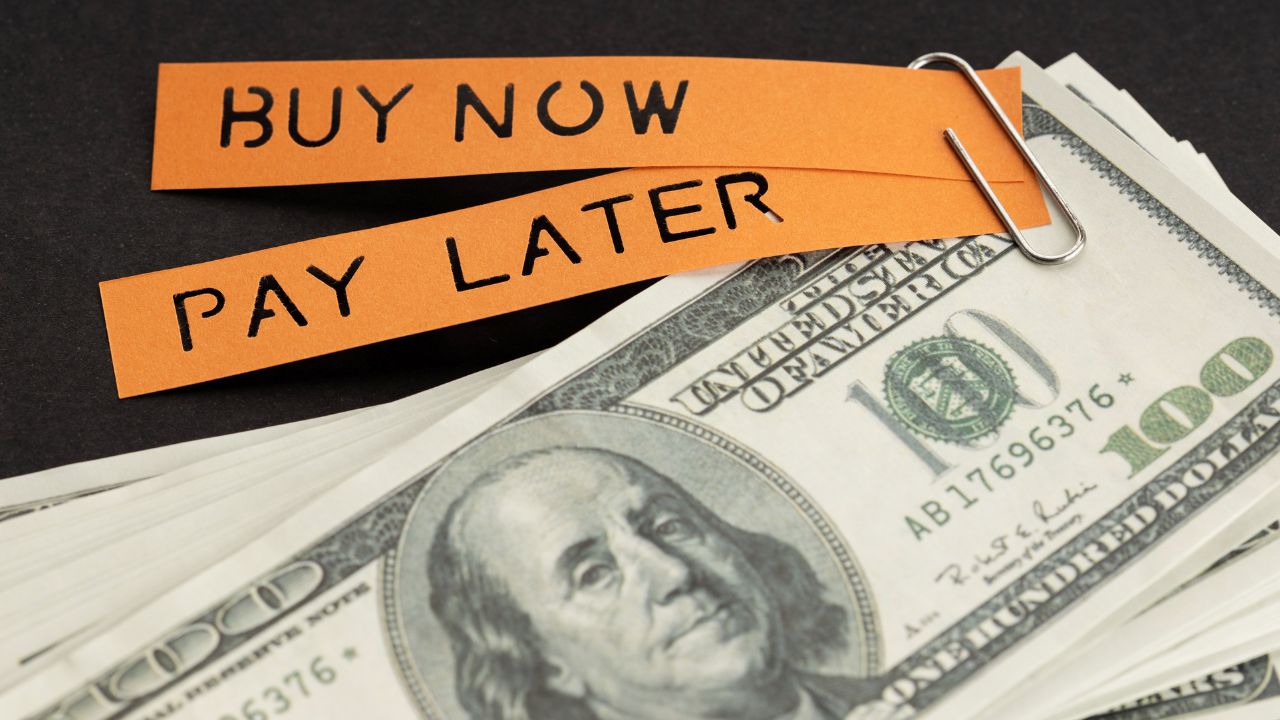
Buy Now, Pay Later (BNPL) services exploded among young adults, but recent data is casting doubt on their long-term impact.
Studies show that 57% of Gen Z and 49% of millennial BNPL users have made late payments, experiencing the financial consequences of easy credit—high risks of overextension and hidden fees. These patterns echo the boomer-era warnings about store cards and installment plans.
Rethinking “Always-On” Screens

Younger generations are grappling with the impact of constant screen time. While many grew up with smartphones, there’s growing awareness of the toll it takes on mental health.
Research shows Gen Z reports the highest anxiety levels linked to screen time, with 83% saying they have an unhealthy relationship with their phones, prompting a shift towards digital detoxes and setting boundaries—paralleling boomer concerns about too much screen time.
Limiting Kids’ Screen Time

As parents become more mindful of screen time, many are adopting rules that resemble boomer-era TV restrictions. Surveys show that 69% of parents now monitor their children’s screen time, creating tech-free zones in the home.
These measures reflect the growing concern over the effects of digital overload on children’s attention and development.
Choosing Durable, Fixable Stuff

Fast-fashion and disposable gadgets are being replaced by a growing interest in durable, long-lasting products. Younger consumers, facing tighter budgets and greater environmental awareness, are looking for items they can repair and maintain.
Gen Z and millennials are 1.5 times more likely to pay a premium for sustainable products. This preference for quality and longevity mirrors the boomer tendency to keep and fix things, promoting a more sustainable and financially sound approach.
Valuing Family Time Over FOMO

Despite the pressures of social media and the hustle culture, younger adults are increasingly prioritizing family time.
Research finds that 71% of Gen Z parents and 61% of millennial parents watch content with their children daily, with 85% saying watching together is a key bonding activity. This reflects a shift towards the close-knit, family-oriented values that were central to boomer-era lifestyles.
Rediscovering Face-to-Face Connection

Despite being more connected than ever digitally, younger adults are reporting high levels of loneliness. Studies show 54% of Gen Z and 51% of millennials regularly feel lonely, with only 53% having meaningful in-person interactions daily.
In-person interactions, once taken for granted, are now sought after as a remedy. The rise of loneliness has led to a growing appreciation for real-world connections, reviving a boomer preference for face-to-face communication over digital chatting.
Analog Hobbies: Gardening and Nature

Younger generations are rediscovering simple pleasures like gardening, which were once associated with retirement.
Over 60% of Gen Z spent more on gardening in 2024 than in 2023, with half spending significantly more time on the hobby.
With 83% of young adults calling gardening “cool,” these activities offer a break from screen time and a chance to enjoy nature, embraced for their stress-relief benefits and as part of a broader wellness trend.
Slower Media: Books, Records, and Print

In a world dominated by streaming and digital content, vinyl records and physical books are making a comeback among younger adults.
Over 80% of Gen Z own turntables, with 75% purchasing albums monthly. Physical books account for 80% of purchases among younger readers.
Millennials and Gen Z are taking time to read books cover to cover, listen to albums from start to finish, and even send handwritten notes—a nod to the slower, more deliberate consumption habits of boomers.
Revenge Saving: Modern Financial Discipline

Younger savers are combining boomer caution with modern tools. The “revenge saving” trend shows 48% of Gen Z and 46% of millennials are aggressively saving in response to economic uncertainty.
Through automatic transfers, diversified accounts, and high-yield savings options, younger generations are prioritizing saving for the future.
This proactive approach reflects boomer financial discipline but incorporates new technology and methods for building financial security in today’s challenging economy.
From “OK Boomer” to “They Had a Point”
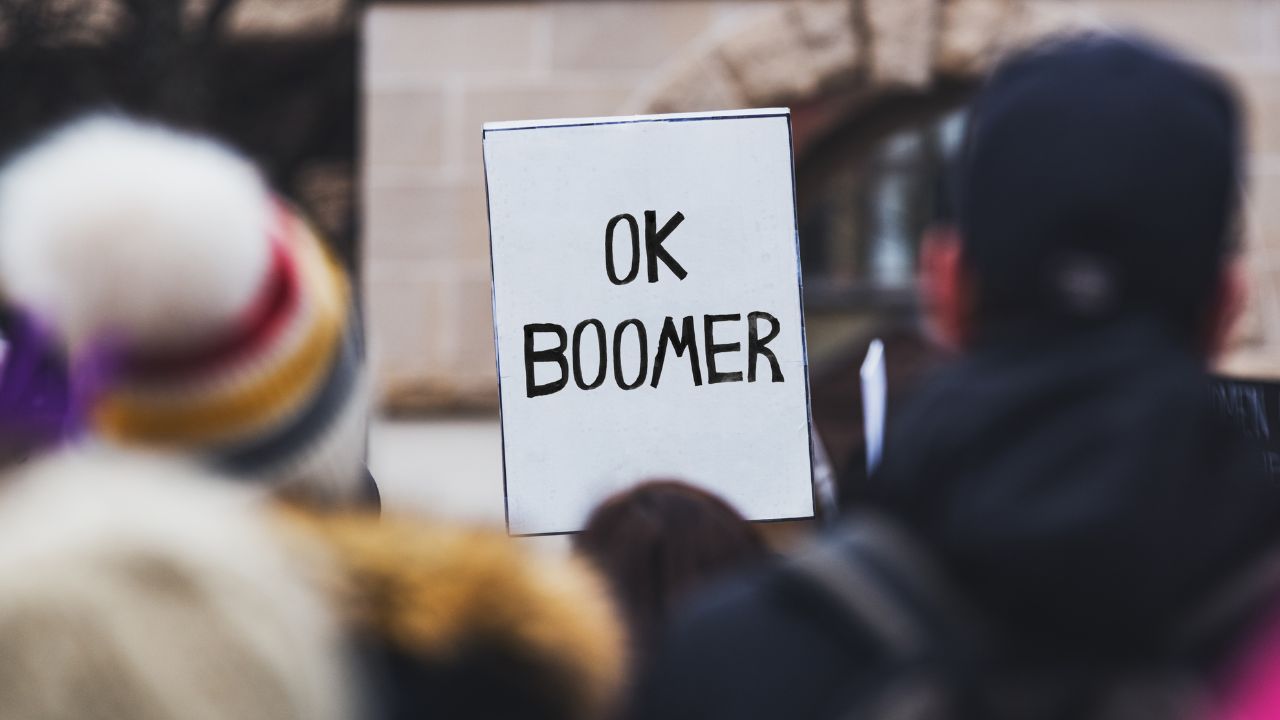
The “OK Boomer” phrase captured the generational divide starting in 2019, but today’s younger adults are increasingly finding value in boomer-era advice.
As economic challenges mount, they are adopting habits once criticized, such as saving money, reducing debt, and limiting screen time. This shift reflects both rebellion and reluctant respect for the wisdom of past generations.
The Boomer Survival Guide

In an era marked by rising costs and financial uncertainty, younger generations are borrowing key lessons from their boomer predecessors.
Home-cooked meals, savings buffers, analog budgeting, and screen limits aren’t just nostalgic—they’re practical tools for surviving today’s economic landscape. The once-dismissed boomer playbook is now seen as a survival guide for modern life.
A Generation Shaped by Economic Reality
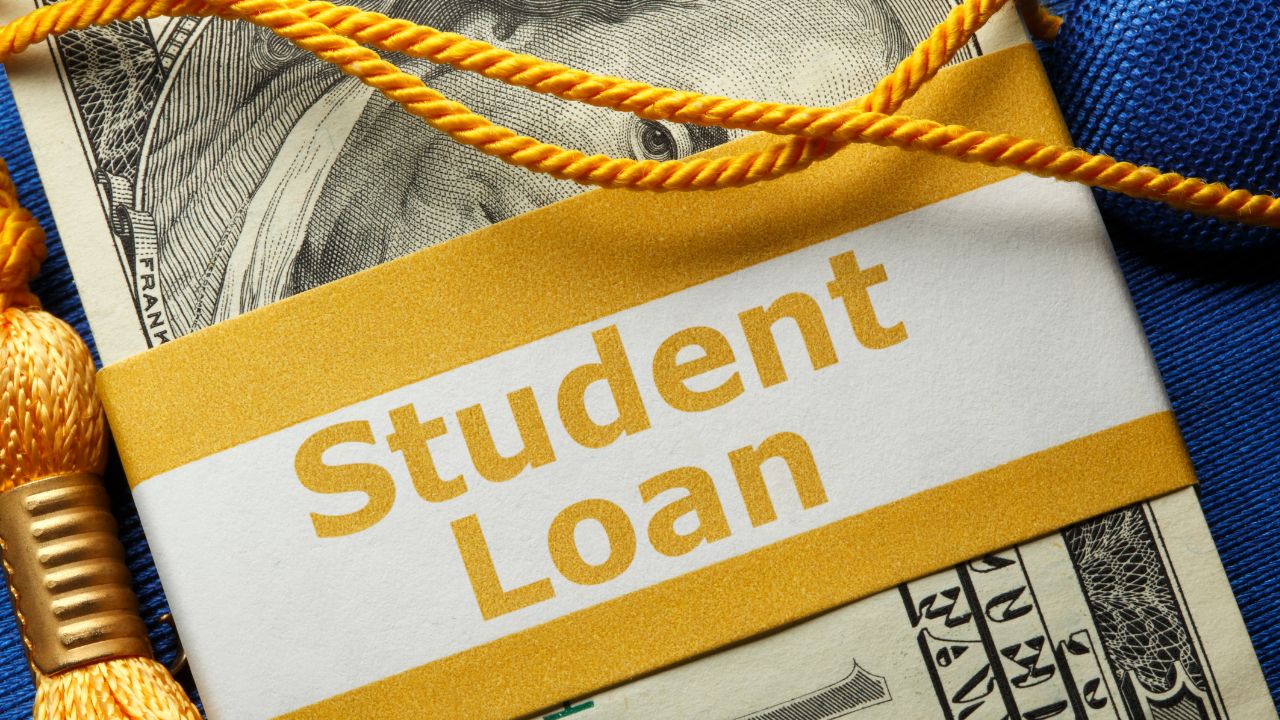
The convergence of financial pressures—from student loan regret affecting 85% of Gen Z borrowers to the rising costs of housing and daily expenses—has forced a fundamental reassessment of spending habits among younger adults.
What emerges is not simply nostalgia for simpler times, but a pragmatic adoption of strategies that emphasize financial resilience over instant gratification.
Reclaiming Control in an Overwhelming World

Beyond the financial imperatives, younger generations are also addressing a crisis of connection and mental well-being that their digital-first upbringing failed to anticipate.
With 54% of Gen Z experiencing regular loneliness despite unprecedented connectivity, and 83% admitting to unhealthy relationships with their phones, the return to face-to-face interactions, analog hobbies, and family-centered activities represents more than preference—it’s a correction.
Sources:
“Survey: 59% Of Borrowers Have Delayed Financial Decisions Due To Student Debt.” Bankrate, December 2023.
“BePresent 2024 Digital Wellness Report.” BePresent/The Harris Poll, October 2024.
“Gen Z is Digging Gardening.” EARTHDAY.ORG, 3 August 2025.
“Vinyl Alliance reveals how Gen Z has committed to buying records.” Vinyl Alliance/We Rave You, 28 January 2025.