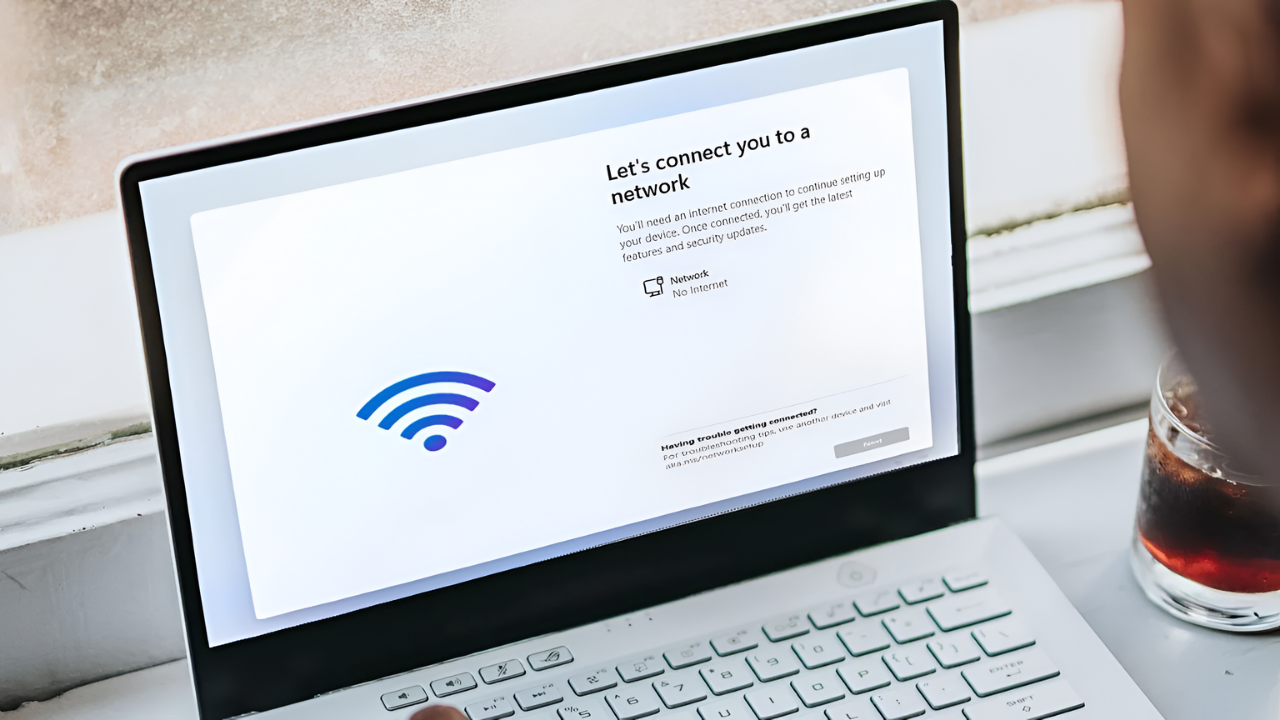
When users dial Microsoft’s activation hotline today, they hear a recorded message that marks the end of an era: “Support for product activation has moved online. For the fastest and most convenient way to activate your product, please visit our online product activation portal at aka.ms/aoh.”
This automated announcement, discovered by tech enthusiast Ben Kleinberg while attempting to activate Windows 7, represents Microsoft’s silent termination of telephone-based product activation on December 3, 2025—eliminating the last legitimate method to activate Windows without internet connectivity after 24 years of service.
What Microsoft Changed

Microsoft discontinued its decades-old phone activation system for Windows and Office products without prior public announcement. The company officially confirmed the termination occurred on December 3, 2025, though documentation remained unchanged for weeks afterward.
Users previously could generate a 54-digit Installation ID from their Windows system, call a toll-free number, provide the ID to an automated system, and receive a 42-digit Confirmation ID to complete activation entirely offline.
The New Requirements
The replacement online portal at aka.ms/aoh mandates signing in with a Microsoft account to complete any activation.
This requirement fundamentally defeats the original purpose of phone activation, which specifically served users without internet access or those preferring offline methods for privacy and security reasons. While the target computer being activated can remain offline, users must now access the web portal from any internet-connected device to retrieve activation credentials.
Critical Systems Face Challenges
Government agencies, industrial control systems, classified terminals, and manufacturing plants operating air-gapped networks for security purposes now confront unprecedented activation challenges.
These environments previously relied exclusively on phone activation as their only legitimate option, since connecting to external networks violates security protocols and compliance requirements. A cybersecurity analysis warned: “For air-gapped environments, the requirement to go through a web portal instead of a simple phone call could complicate procedures in certain critical areas.”
Enterprise Environments Scramble

Organizations deploying Windows across device fleets in controlled environments without constant internet access must redesign their activation workflows. While Key Management Service (KMS) remains available for enterprise licensing, the requirement for periodic internet checks may necessitate temporary network bridges or shifts to cloud-based management systems.
The change increases administrative overhead and complicates bulk licensing processes that previously functioned smoothly in isolated network segments.
Legacy Operating Systems Stranded
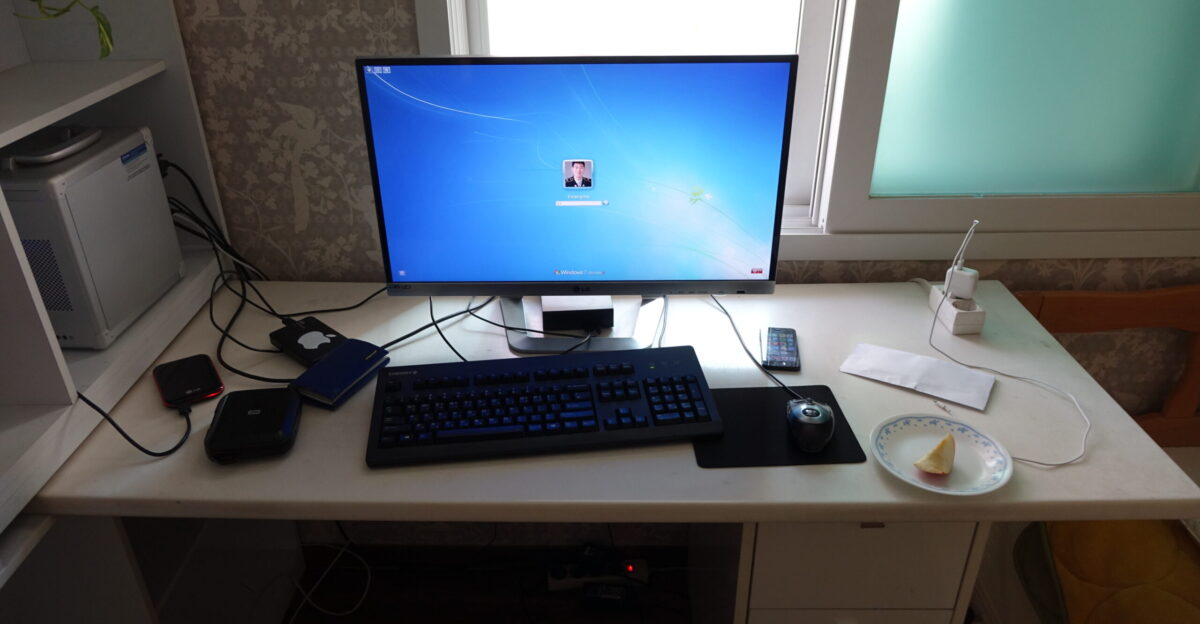
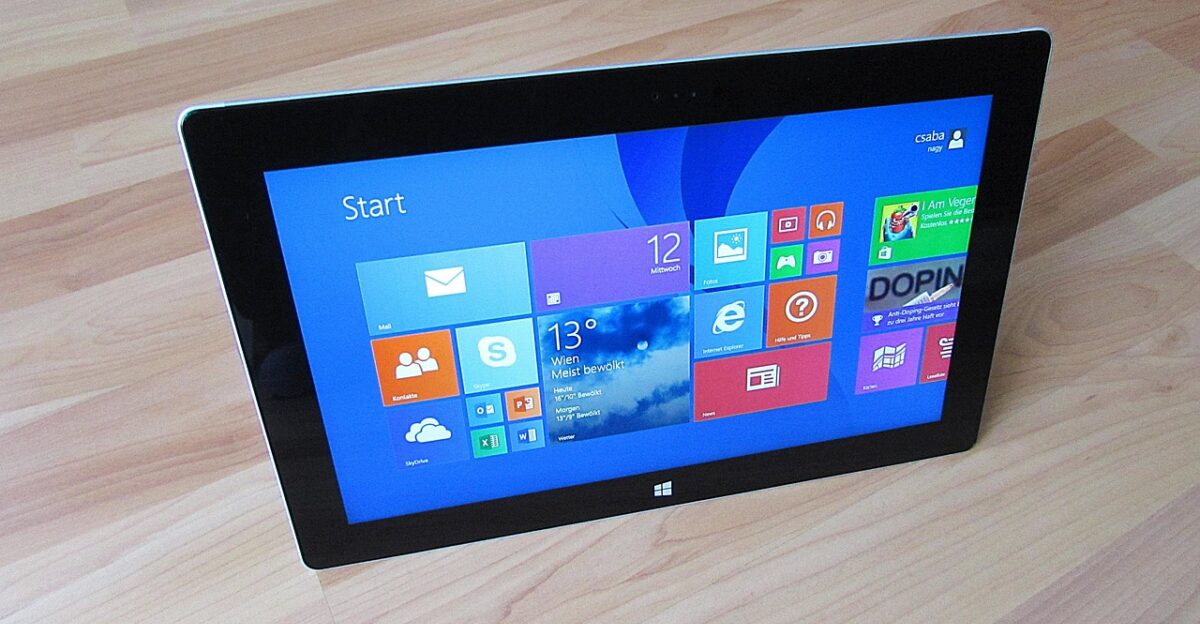
The elimination particularly impacts users maintaining older Windows versions like Windows 7, whose original online activation servers no longer function.
Kleinberg documented in his YouTube video how he successfully activated both Windows 7 and Office 2010 through the web portal, though he encountered browser compatibility issues requiring him to switch from Firefox on iPhone to Safari on a laptop before the system would accept his credentials.
Privacy Concerns Escalate

Privacy-focused users and developers criticized the forced Microsoft account requirement and elimination of anonymous activation methods. One technical analysis noted: “Microsoft is closing every door to offline Windows usage. Phone activation is dead.
Local account workarounds are disappearing. The pattern is unmistakable: eliminate offline options, force account integration, enable tracking.” The mandatory online requirement creates permanent digital records of previously anonymous activation transactions.
How the Original System Worked
For over two decades, phone activation operated completely independently of internet connectivity. Users would launch the activation wizard on their Windows installation, select telephone activation, and receive a multi-digit installation ID.
After calling the automated hotline and entering the ID via touch-tone keypad, the system would provide a confirmation ID to type into Windows, completing activation without any network connection or account registration.
Rural and Developing Regions Affected

Users in rural areas with unreliable internet access or developing regions with connectivity challenges face new barriers to activation. The mandatory online requirement creates obstacles for populations with limited digital infrastructure or intermittent network availability.
These users may experience delays in achieving legitimate activation or struggle to maintain compliance during connectivity disruptions, potentially forcing them to operate with unactivated systems.
Microsoft’s Broader Cloud Strategy
Industry analysts view the change as aligned with Microsoft’s ongoing push toward cloud-based services and online-only licensing. The company has been gradually tightening control over Windows activation methods throughout 2025.
In November, Microsoft eliminated unofficial KMS offline activation methods, and the corporation has increasingly restricted the ability to create local accounts during Windows setup, pushing users toward mandatory Microsoft account integration across all activation pathways.
Documentation Remains Outdated

Microsoft’s official support pages continued listing phone activation as a viable method weeks after the service ended. As of early January 2026, documentation had not been updated to reflect the change, creating confusion among users following official guidance that no longer worked in practice.
The disconnect between published documentation and actual service availability frustrated users attempting to troubleshoot activation issues using Microsoft’s own resources.
Security Infrastructure Concerns

Healthcare networks and critical infrastructure that minimize internet exposure for protection against cyber threats must now establish temporary connections for activation purposes.
This exposure potentially opens attack vectors during the activation window, raising security concerns among IT administrators managing sensitive systems. The requirement conflicts with established security protocols in sectors handling classified information, protected health data, or critical infrastructure control systems.
Volume Licensing Adjustments Required
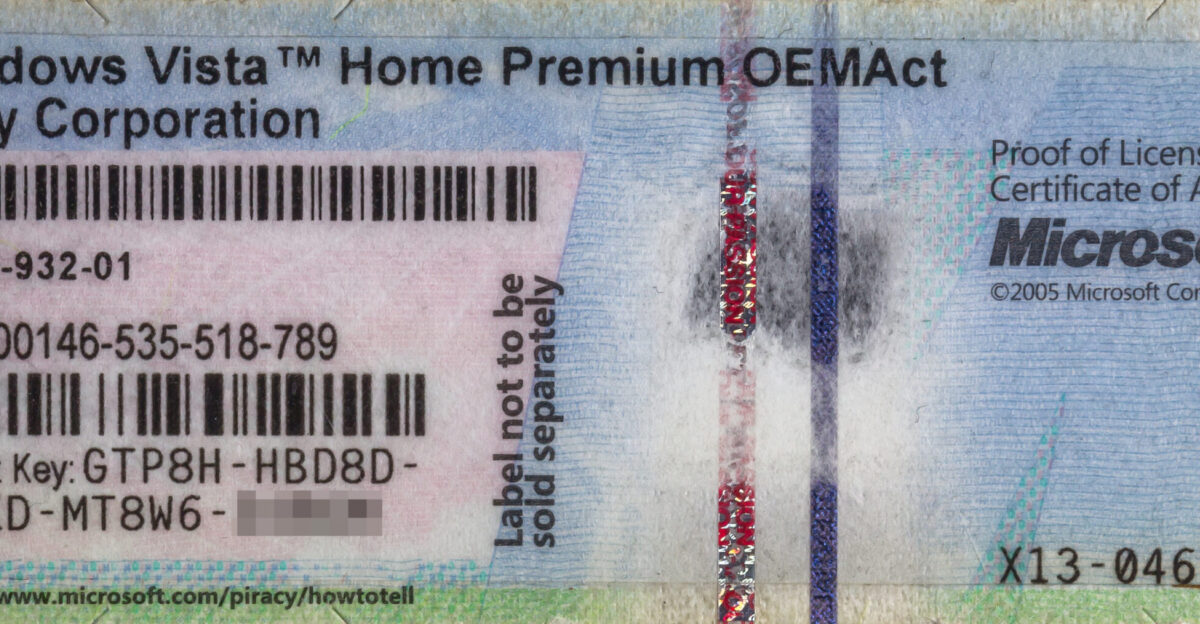
Enterprise clients using Multiple Activation Keys (MAK) find the new process straightforward in connected environments. However, organizations operating restricted or air-gapped networks must now document necessary identifiers and navigate the online portal from external environments to secure activation credentials.
This adds administrative overhead and requires coordination between isolated systems and internet-connected workstations, complicating previously streamlined deployment procedures.
No Clear Rationale Provided

Microsoft did not publicly explain the reasoning behind removing phone activation infrastructure. Industry speculation suggests cost reduction from eliminating phone support systems, though the actual savings remain unclear given the automated nature of the service.
Other analysts view it as deliberate strategy to force Microsoft account adoption and eliminate anonymous activation pathways that resist usage tracking and telemetry collection efforts.
Alternative Platform Interest Rises

Technology forums discussing the change saw increased interest in alternative operating systems that don’t require internet connectivity or account registration for activation.
Commenters suggested the mandatory online requirement might accelerate adoption of Linux distributions and other Windows alternatives among privacy-conscious users. The discussion reflects growing frustration with Microsoft’s progressive elimination of offline and account-independent usage options.
Windows 7 Still Holds Market Share

Despite extended age, Windows 7 retained approximately 1.37% of the desktop Windows market as of January 2026, representing millions of active installations worldwide.
These users now face particular activation challenges, as Windows 7’s original online activation infrastructure has been decommissioned. The new web portal supports Windows 7 activation but requires internet access and Microsoft account authentication that many legacy users specifically sought to avoid.
Current Windows Market Landscape
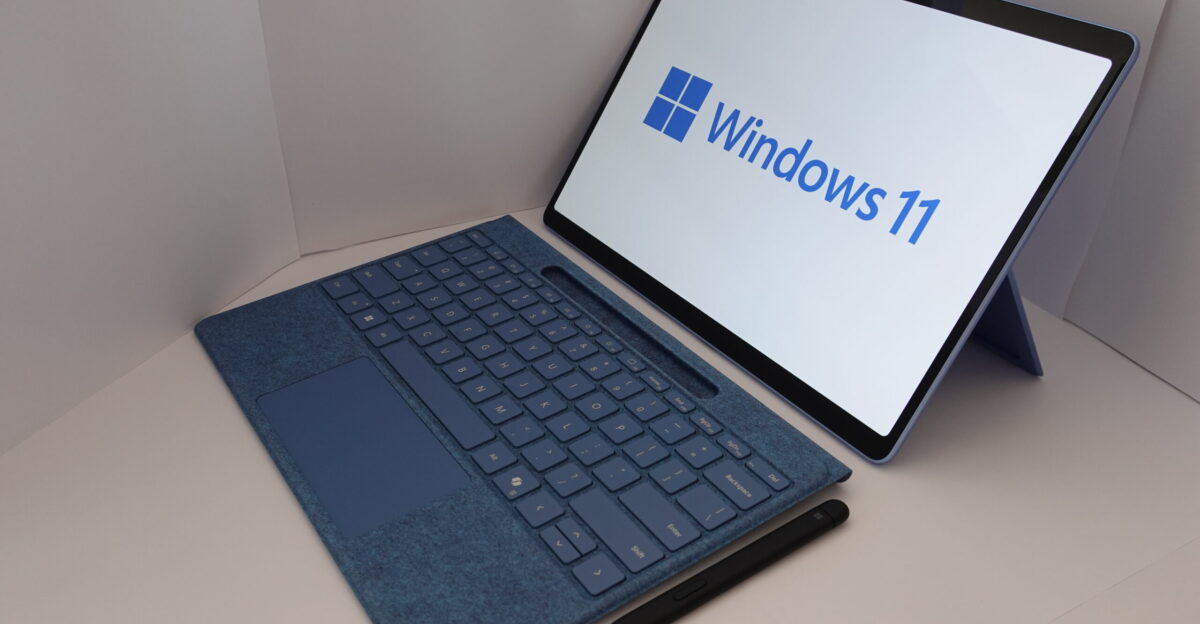
Windows 11 held 51.07% of the Windows desktop market as of January 2026, while Windows 10 maintained 46.86% despite approaching end-of-support deadlines.
The relatively even split demonstrates user resistance to forced upgrades and preference for familiar workflows. Microsoft’s activation changes apply across all Windows versions, affecting hundreds of millions of installations globally and fundamentally altering how users interact with licensing systems.
What Comes Next
The termination of phone activation signals Microsoft’s definitive shift away from offline licensing models that characterized personal computing for decades.
Future Windows versions will likely integrate even tighter cloud dependencies and account requirements. Users in security-sensitive environments may need to petition Microsoft for specialized activation methods, negotiate custom enterprise agreements, or consider alternative operating systems that better accommodate isolated network requirements and offline operation.
Industry Impact Analysis
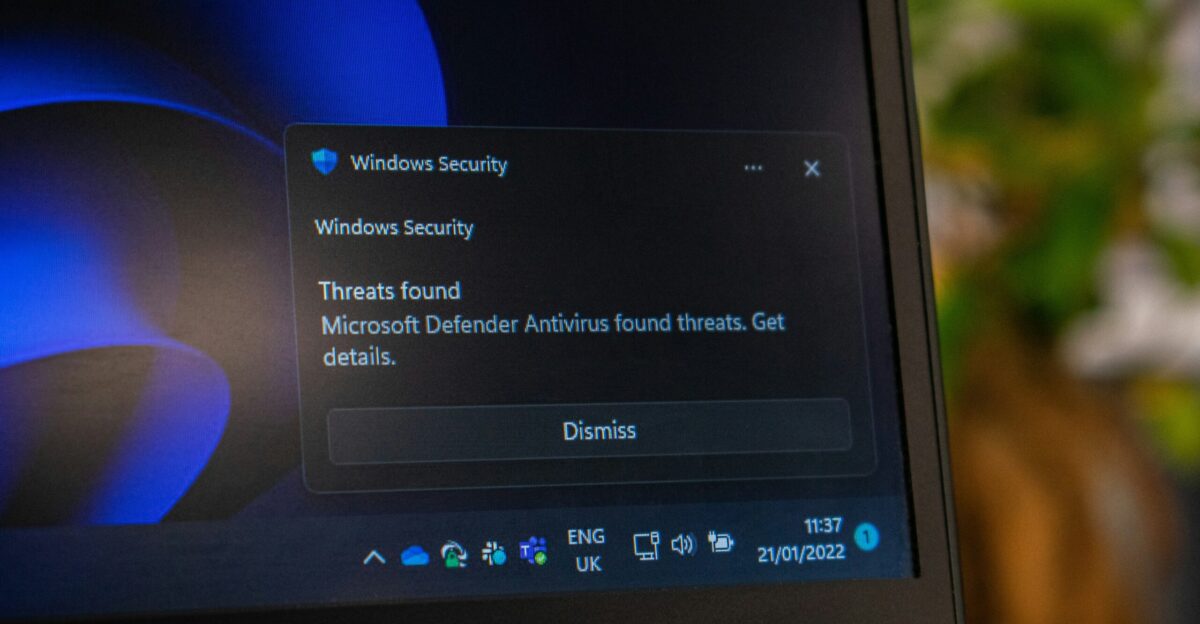
The change represents what security researchers describe as a “structural shock” to established workflows that remained viable for more than two decades.
Organizations across government, healthcare, manufacturing, and critical infrastructure sectors must now reassess their Windows deployment strategies. The elimination of offline activation fundamentally redefines the relationship between Microsoft and its customers, transforming Windows from a locally-controlled operating system into a service requiring ongoing internet connectivity and corporate account authentication.
The End of Offline Windows Licensing
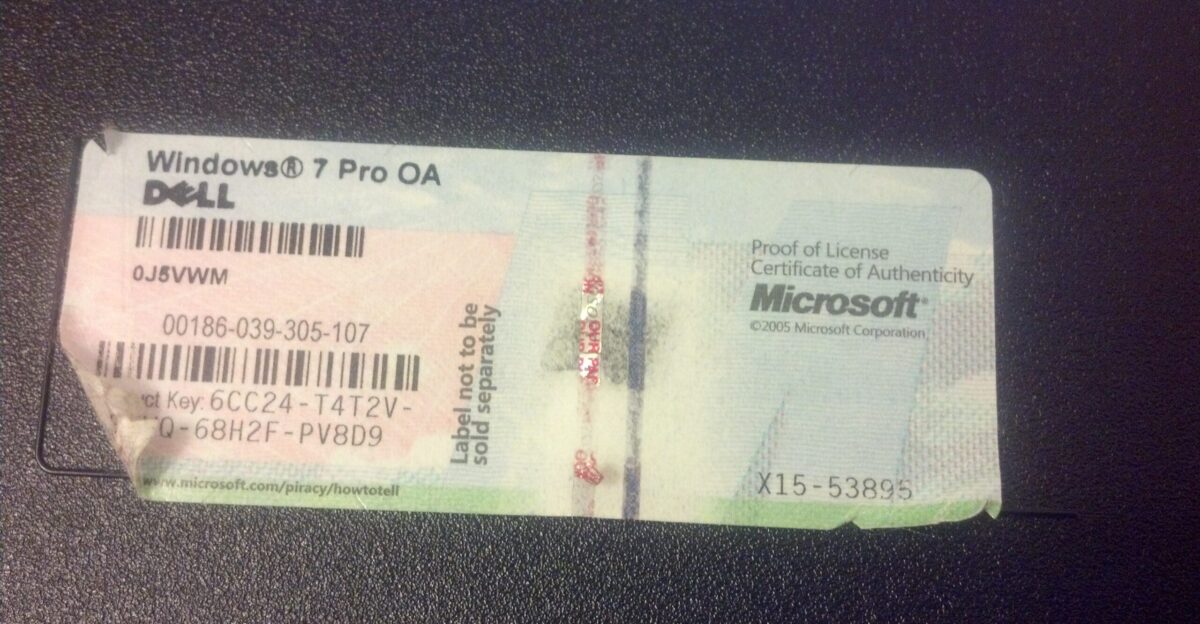
The termination of phone activation marks a definitive turning point in Microsoft’s licensing philosophy, transforming Windows from software users own locally into a service requiring perpetual online authentication.
Security-conscious organizations managing air-gapped environments now face difficult choices: petition Microsoft for specialized activation methods, accept the risks of temporary internet exposure during activation windows, or explore alternative operating systems that preserve offline functionality.
Sources:
“Microsoft Confirms It Just Killed a Unique and Useful Way to Activate Windows.” Neowin, January 8, 2026.
“Microsoft Silently Kills Windows and Office Phone Activation and Forces Online Activation.” Tom’s Hardware, January 2, 2026.
“The End of Offline Era: Microsoft Kills Phone Activation After 24 Years.” Security Online, January 8, 2026.
“Microsoft Ends Offline Windows Activation: What It Means for Users.” UBOS Tech, January 2, 2026.
“Microsoft Ends Offline Activation for Windows 10 and 11, Sparks Concerns.” WebProNews, January 3, 2026.
“Windows Version Market Share Worldwide.” StatCounter Global Stats, January 6, 2026.