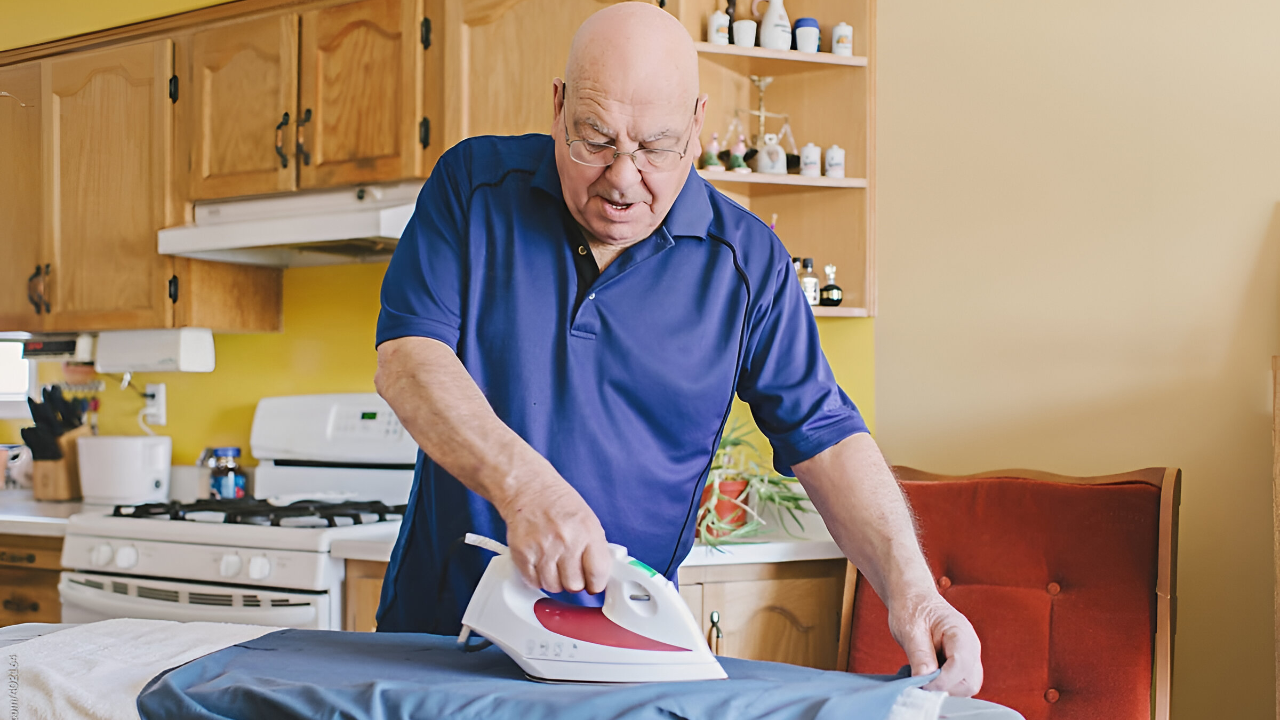
Across generations, many Americans sense a quiet shift: everyday skills that once supported independence are less common at home. Baby Boomers grew up with fewer digital shortcuts and learned to solve problems manually, building confidence through practice.
Revisiting these skills is not about nostalgia or rejecting technology. It is about strengthening self-reliance, connection, and mental well-being in an era where convenience often replaces capability.
The Payoff: Capability Over Convenience
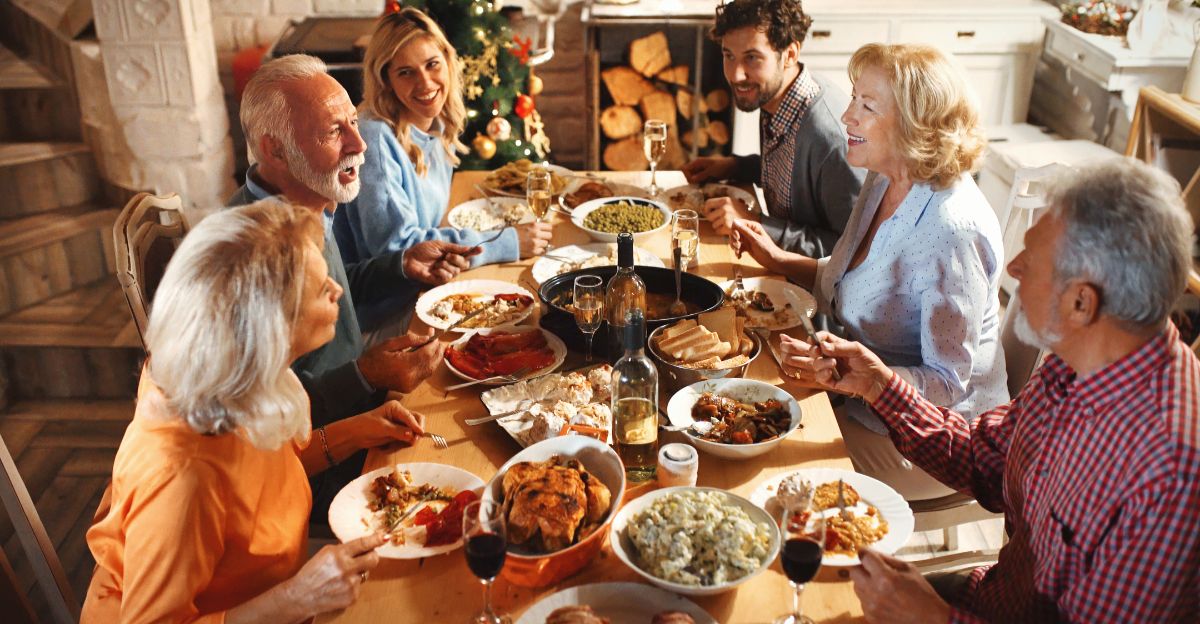
Relearning practical, analog skills can make daily life more affordable, calmer, and more intentional. Cooking, repairing, navigating, and budgeting reduce reliance on constant services and screens.
Research consistently links home cooking, hands-on tasks, and reduced screen dependence with improved health, focus, and mood. These skills provide tangible returns: lower costs, stronger family bonds, and a greater sense of control over everyday life.
Reading an Analog Clock

For Boomers, reading an analog clock was basic literacy taught early in childhood. Today, digital displays dominate homes, schools, and public spaces, making the skill less practiced. Some schools have even adjusted environments because students struggle with analog timekeeping.
Beyond telling time, analog clocks reinforce fractions, spatial reasoning, and visual interpretation—cognitive skills that quietly fade when time becomes only a glowing number.
Navigating Without GPS

Boomer travel required planning routes, reading maps, and remembering landmarks. GPS now handles most navigation automatically. Studies show heavy GPS reliance reduces engagement of brain regions involved in spatial memory and navigation.
While GPS is undeniably useful, constant dependence can weaken our internal sense of direction. Practicing occasional navigation without turn-by-turn guidance helps rebuild situational awareness and geographic confidence.
Cooking From Scratch on Weeknights

Boomer households routinely transformed basic ingredients into complete meals because eating out was less frequent and more expensive. Today, ultra-processed foods dominate American diets, reflecting a shift toward speed and convenience.
Cooking from scratch builds planning skills, nutritional awareness, and patience. Even preparing one or two simple meals a week can improve diet quality while creating shared family routines around food.
Fixing Things Instead of Replacing Them
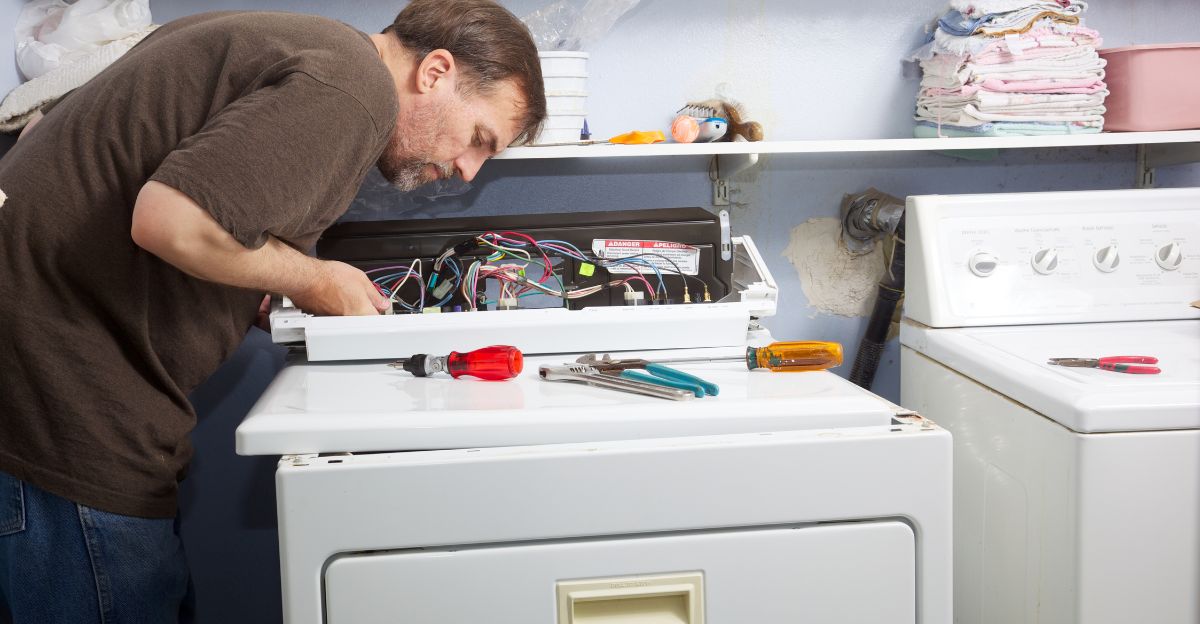
When household items broke, Boomers often tried to repair them first. This approach saved money and reinforced problem-solving skills. Modern households are more likely to replace or outsource repairs, even for minor issues.
Relearning basic fixes—tightening hinges, unclogging drains, patching walls—restores confidence and reduces waste. Repair culture turns everyday problems into manageable challenges instead of immediate expenses.
Managing Money Without an App

Boomers commonly tracked spending with cash, checks, and handwritten registers, creating constant awareness of where money went. Digital payments are faster but can make spending feel abstract. Without physical cues, it is easier to overspend.
Practicing occasional cash-based budgeting or manual expense tracking helps reconnect decisions with consequences, reinforcing self-control and financial mindfulness.
Talking Things Out Face-to-Face

Before texting and messaging apps, serious conversations happened in person or by phone. This built emotional awareness, accountability, and empathy.
Research during pandemic lockdowns showed in-person contact was the strongest predictor of mental well-being compared to digital communication alone. Reintroducing face-to-face conversations—especially for conflict or emotional topics—strengthens relationships and supports long-term mental health.
Resolving Conflicts Without Adults or HR
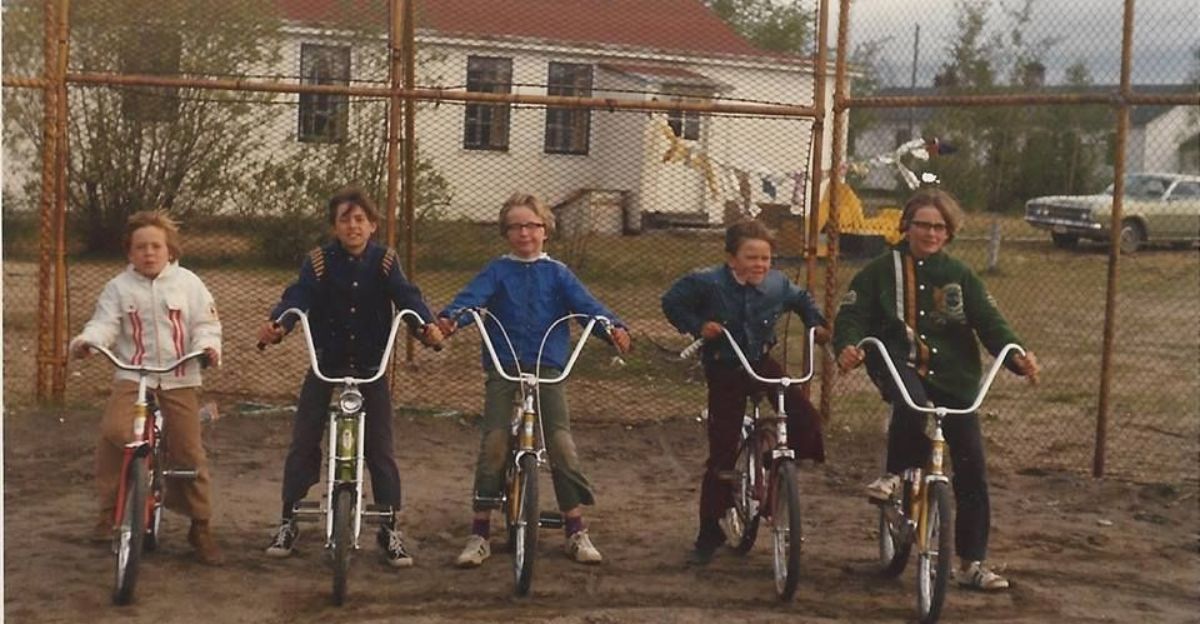
Boomer childhoods often involved unsupervised play, where children negotiated rules and resolved disputes independently. As adult oversight increased and free play declined, opportunities for peer-led conflict resolution shrank.
Learning to handle disagreements without immediately escalating to authority figures builds resilience, negotiation skills, and accountability—abilities that remain essential in workplaces, relationships, and communities.
Handling Boredom Without a Screen

Boredom was once a regular part of childhood, pushing kids toward creativity, imagination, and self-directed play. Today, screens fill nearly every idle moment. Psychological research links boredom with creativity and problem-solving when individuals learn to sit with it.
Purposefully allowing device-free downtime helps younger generations rediscover curiosity and develop internal motivation rather than constant external stimulation.
Living Daily Life Without a Smartphone
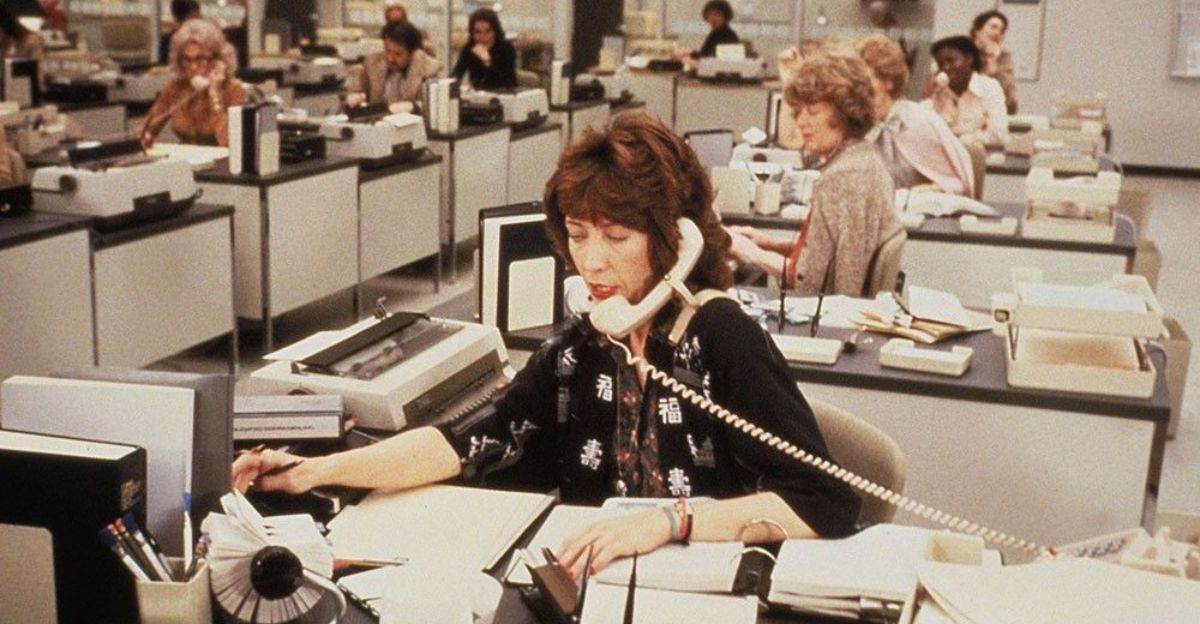
Most adults now rely on smartphones for navigation, reminders, communication, and memory. Boomers learned these tasks without constant digital assistance, strengthening recall and reliability.
Practicing simple offline habits—memorizing key phone numbers, printing directions, or planning meetups without constant messaging—builds resilience. These skills also prepare households for outages and reduce cognitive overload.
Seeing Money as Tangible, Not Invisible

In many Boomer homes, bills and envelopes spread across kitchen tables made finances visible. Today’s tap-to-pay systems remove that tactile feedback. While efficient, digital money can weaken intuitive understanding of value.
Parents who occasionally use cash and physically show children how money is allocated help reinforce the real-world meaning behind numbers on a screen.
Practicing Everyday Self-Reliance
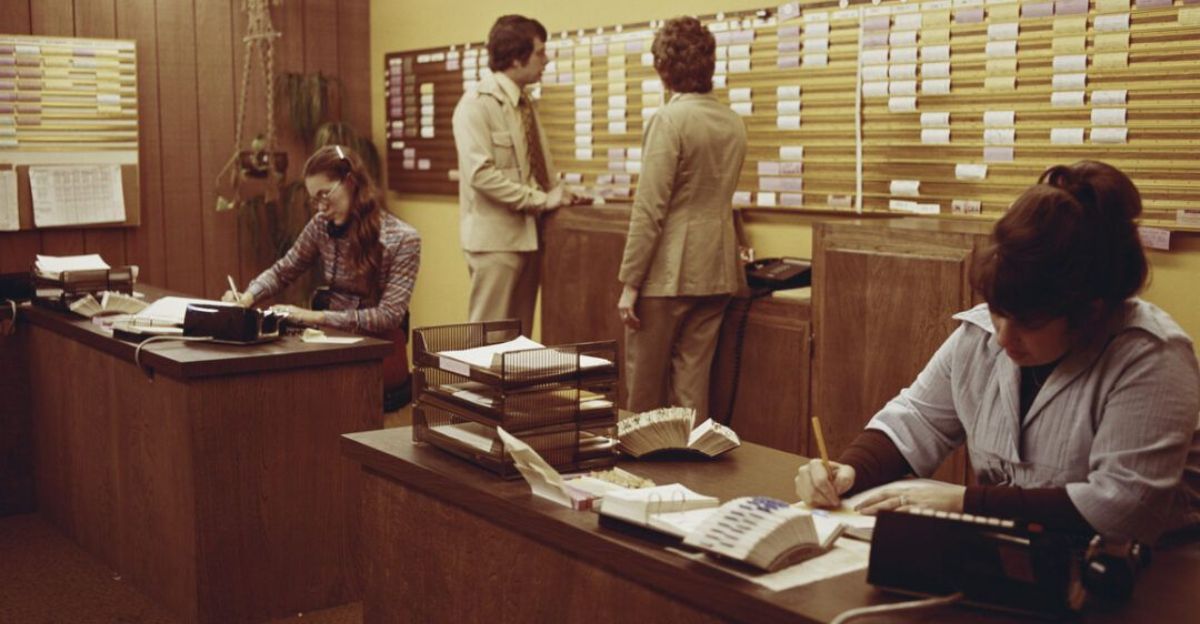
Psychological research on self-efficacy shows confidence grows through mastering real tasks. Boomers routinely gained these experiences through cooking, fixing, navigating, and budgeting without automation.
As modern life encourages outsourcing small challenges, those confidence-building moments shrink. Deliberately tackling practical tasks restores a sense of competence that carries into work, relationships, and decision-making.
The Boomer Context: Why These Skills Flourished
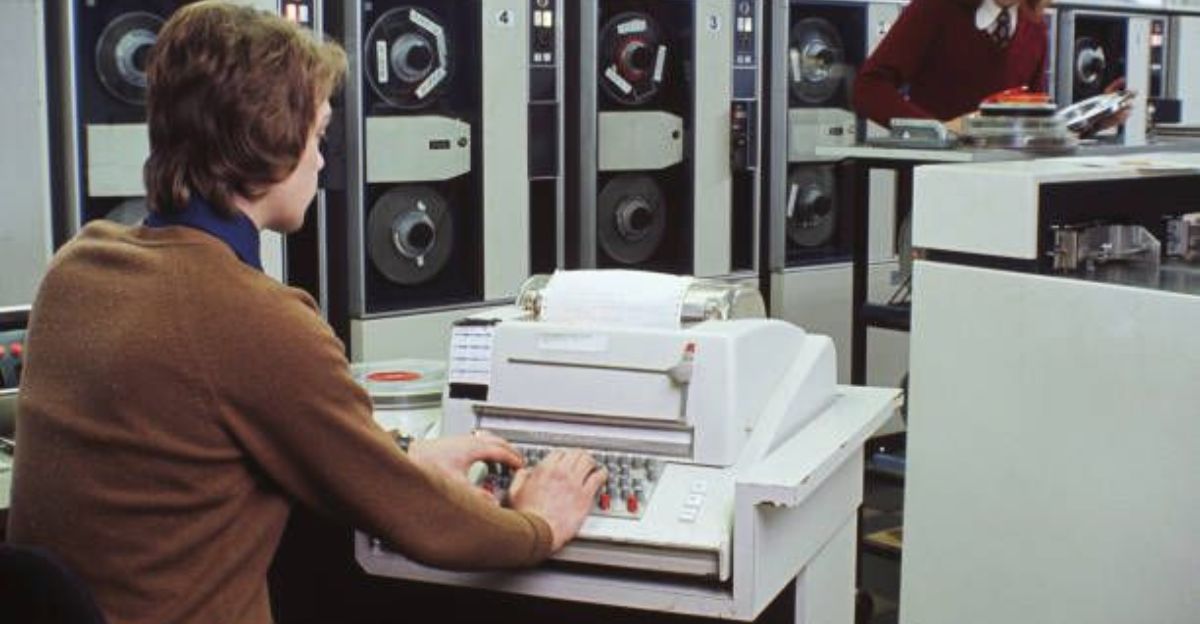
Born between 1946 and 1964, Baby Boomers grew up with fewer labor-saving devices, limited credit access, and slower information flow.
Necessity encouraged hands-on learning and resourcefulness. Generational research shows older cohorts are more likely to possess practical skills such as sewing, manual driving, and home repair, reflecting environments where these abilities were essential rather than optional.
How Convenience Quietly Reshaped U.S. Homes

Smartphones, delivery services, and digital payments transformed daily life in just over a decade. Tasks once handled inside the home are now outsourced or automated.
This shift did not remove effort—it relocated it. As fewer opportunities exist to practice analog skills, households experience a growing “capability gap” between what technology handles and what individuals can do independently.
Are These Skills Really Disappearing?
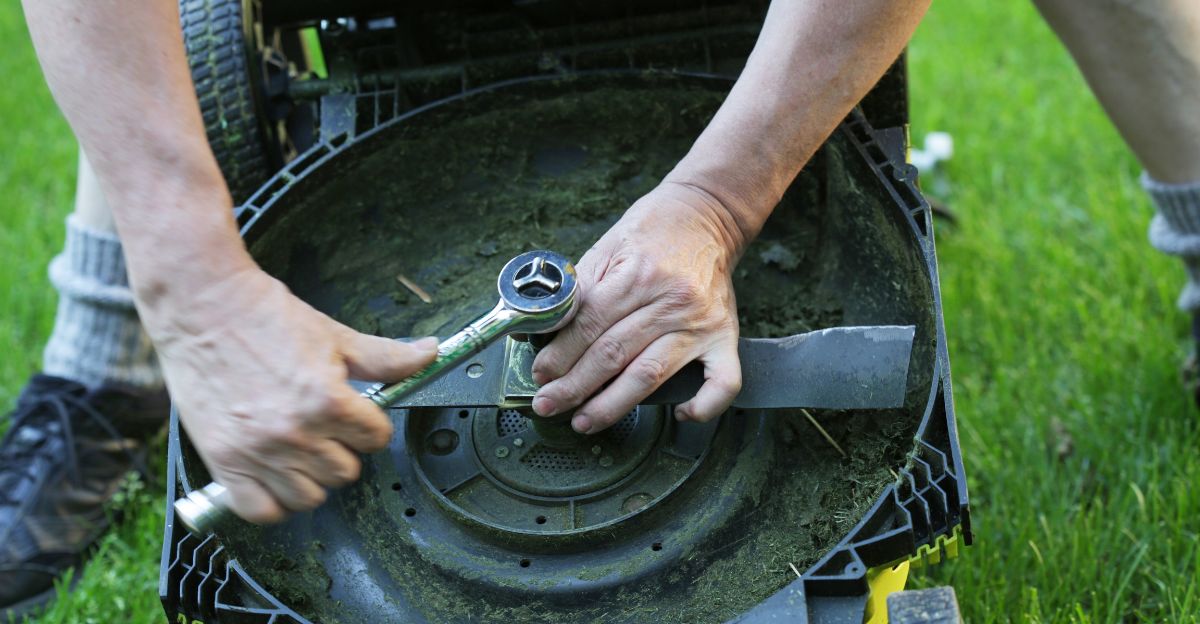
These skills have not vanished entirely, but evidence shows they are less common and less practiced. Analog clocks, paper maps, and DIY repairs are no longer default tools.
Younger generations often rely on digital substitutes that work well—until they fail. The decline is gradual but noticeable, especially when technology is unavailable or inadequate.
What Families Can Intentionally Revive

Revival does not require major lifestyle changes. Families can start small: cook one meal from scratch each week, navigate a short drive without GPS, or repair a simple household item together.
These shared projects build skills while creating meaningful time away from screens. Small, repeated experiences restore confidence without rejecting modern tools.
Mental Health, Connection, and Analog Habits

Research during lockdowns reinforced the importance of real-world interaction for mental health. Analog habits like face-to-face conversation, hands-on problem-solving, and screen-free time support emotional regulation and social connection.
Combining technology with intentional offline routines helps households feel grounded rather than overwhelmed by constant digital engagement.
Bridging, Not Blaming, the Generational Gap
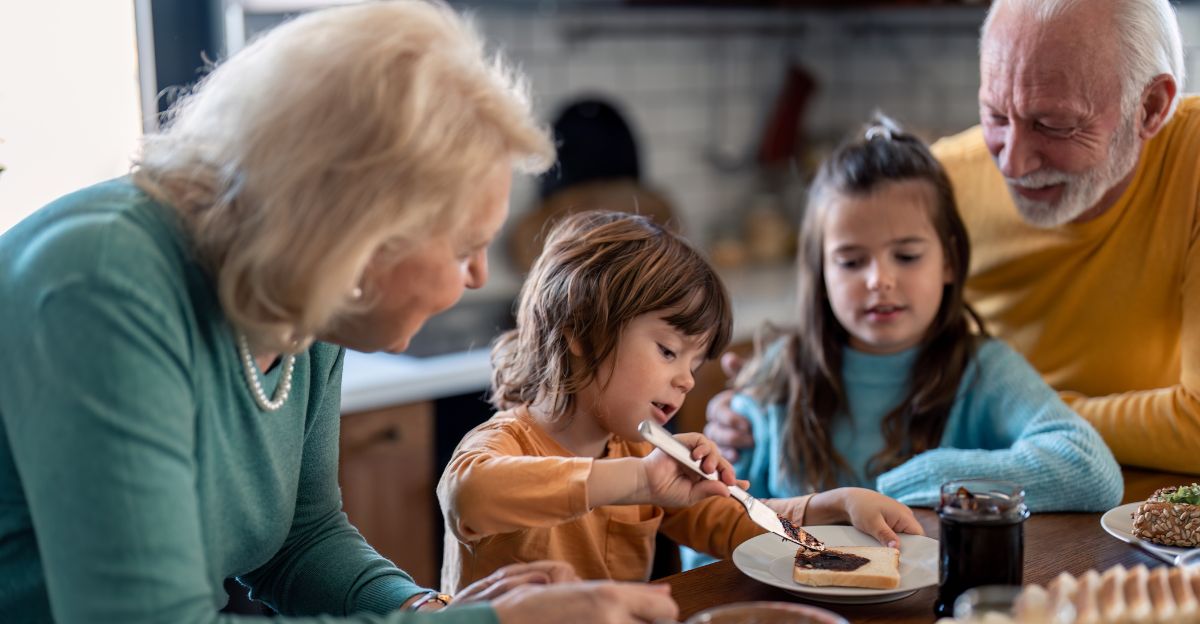
Differences in skills reflect changing environments, not personal failure. Boomers adapted to necessity; younger generations adapted to abundance and automation. Sharing skills across generations benefits everyone.
Grandparents can teach practical tasks, while younger family members share digital fluency. Mutual learning transforms generational gaps into shared resilience rather than division.
Your Call to Action: Choose One Skill to Reclaim

You do not need to abandon modern convenience to regain lost capability. Choose one skill—scratch cooking, analog time-telling, basic repairs, or cash budgeting—and practice it this month. The goal is balance, not regression.
A home that blends convenience with competence prepares every generation to handle both everyday life and unexpected challenges with confidence.
Sources:
Common Sense Media, 2019
Title: “The Common Sense census: Media use by tweens and teens, 2019”.
BMJ Open, 2016
Title: “Frequency of home-prepared meals and consumption of ultra-processed foods among US adults”
The Telegraph, 2018
Title: “Schools are removing analogue clocks from exam halls because pupils cannot tell the time”.
Nature Communications, 2017
Title: “GPS use linked to reduced activity in brain’s spatial navigation network”
BBC News, 2013
Title: “Sat-navs ‘turn drivers into zombies'”
Washington Post, 2019
Title: “Why millennials don’t know how to fix things”