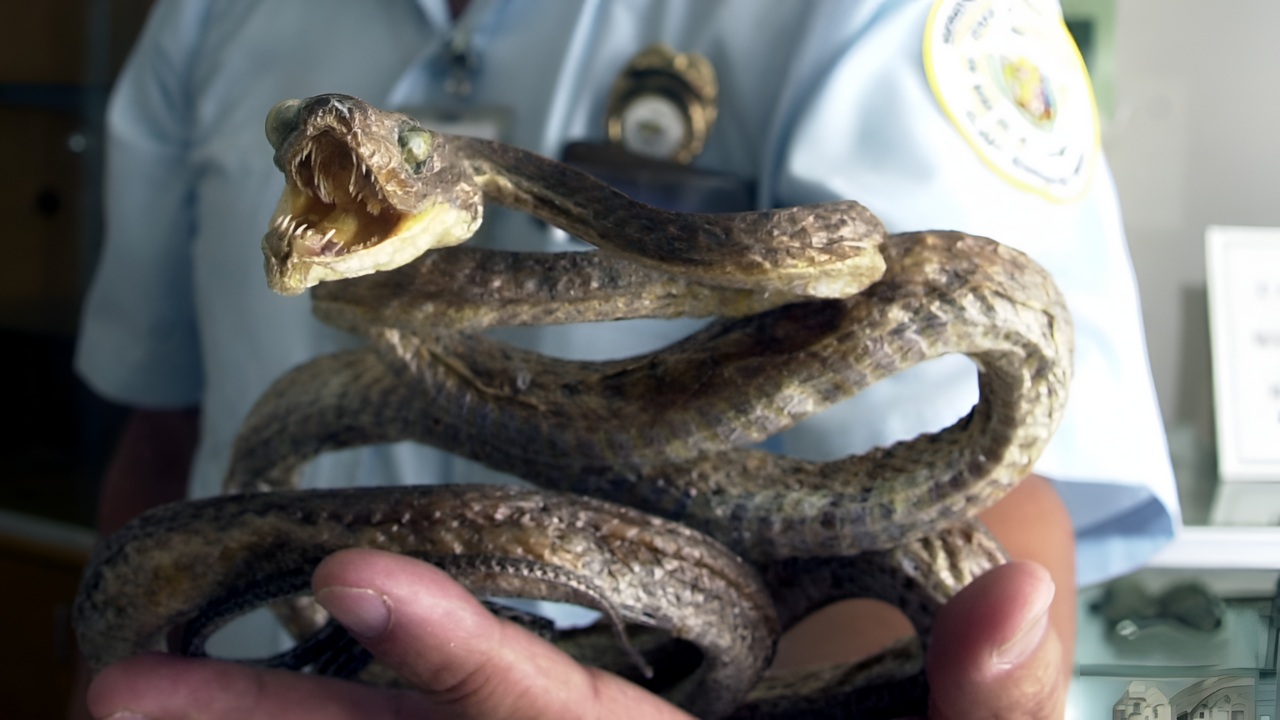
For years, a newcomer to Malta’s countryside went nearly unnoticed. Scattered reports of an unfamiliar snake in the south of the island raised little alarm at first. But scientists are now increasingly concerned. Since 2022, there have been nine confirmed sightings of a non-native reptile, and experts say those early reports may have been Malta’s best chance to stop a species that could permanently change the island’s wildlife.
Islands are particularly vulnerable to invasive species. Once an outsider settles in and starts breeding, getting rid of it becomes almost impossible. Conservationists fear Malta could now be witnessing the start of one of its most serious reptile invasions yet. What might look like a small number of snakes could mark the beginning of a much larger problem.
Spotted Across the Island

Since 2022, the coin-marked snake has been confirmed in several places, including Marsascala, Delimara, and Marsaxlokk. On a large continent, nine sightings might not seem like much, but for Malta, where natural habitats are small and contained, it could mean the species is surviving and possibly breeding.
This is the first time this snake has been recorded on the island. Its arrival brings a new predator to an ecosystem that evolved without it, which can disturb the balance between species. Changes like these can have wide effects, especially in places where native animals are already struggling with habitat loss and previous invasions.
Recent years have shown how quickly foreign species can take hold. Red swamp crayfish, for example, have harmed Malta’s freshwater environments, and three other non-native fish species were confirmed in local waters last year. Each new invader adds to the growing challenges for the island’s fragile ecosystems.
How the Snake Arrived
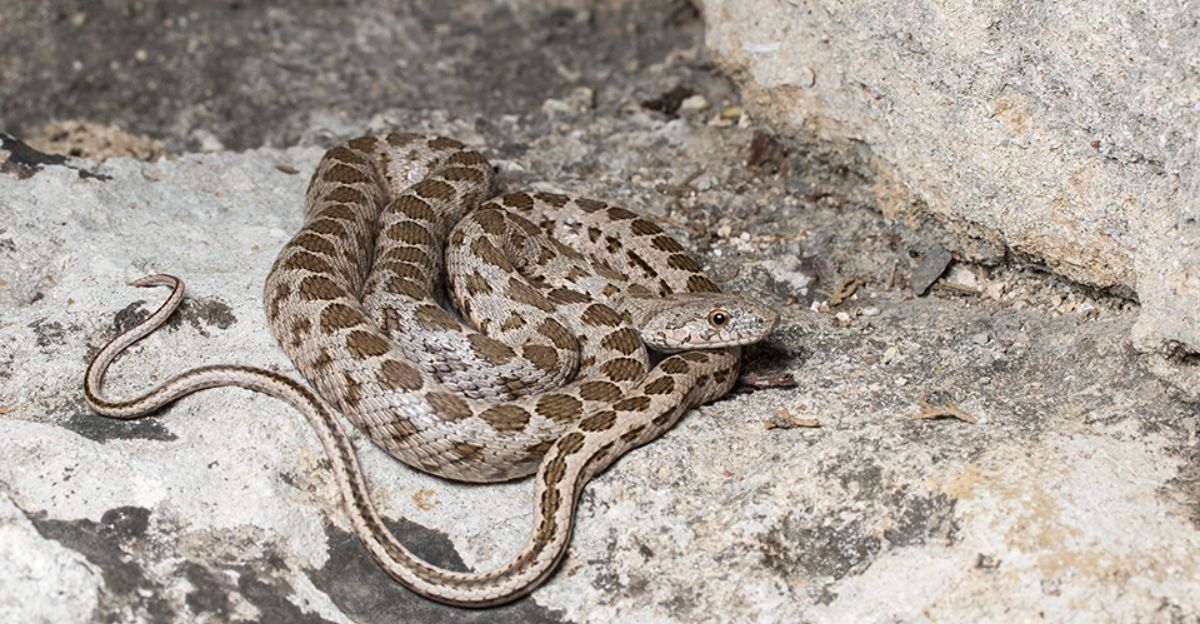
Scientists have identified the newcomer as Hemorrhois nummifer, known as the coin-marked snake. It is originally from southeastern Europe, Central Asia, and parts of northeastern Africa. Researchers think it arrived in Malta by accident, likely hidden inside commercial shipments traveling through the island’s busy ports.
Malta’s location on major Mediterranean trade routes makes it especially vulnerable. Small animals like snakes can survive long periods concealed in containers or on ships, only to emerge after unloading. Isolation by sea used to protect islands, but global shipping now connects distant ecosystems, making it easy for stowaway species to cross oceans.
Although the coin-marked snake is not venomous or dangerous to people, it poses a serious ecological risk. It feeds primarily on small reptiles, which puts pressure on Malta’s native and endemic species. The most at risk is the Maltese wall lizard, found nowhere else in the world. If the new snake spreads widely, experts warn it could cause steep declines in this local species.
The situation recalls a painful precedent: the extinction of the Selmunett wall lizard on St. Paul’s Islands. Invasive predators wiped out that subspecies by 2005. Malta currently has four snake species, only two of which are native. They have managed to coexist in balance, but the arrival of a fifth could upset that equilibrium, increasing competition for prey and space.
Uncertain Numbers and a Narrow Window
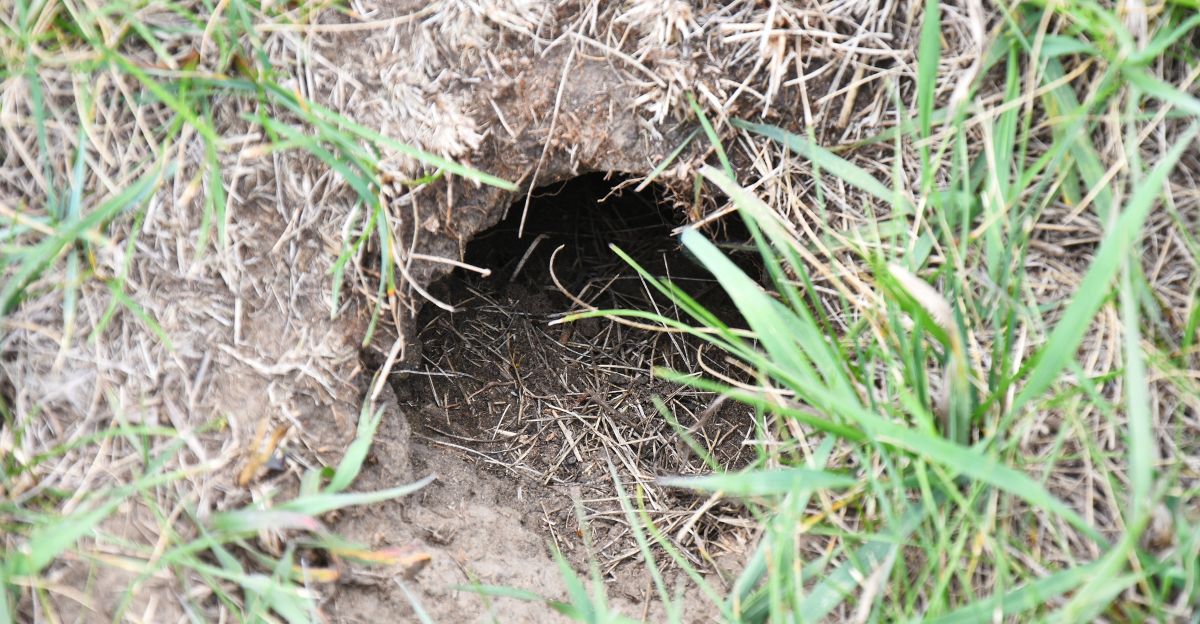
Although nine sightings in three years might suggest a rare visitor, experts interpret them differently. Snakes are secretive and often go unseen even in areas where they are common. On a small island, a handful of sightings can signal a much larger hidden population. Some researchers believe the species may already be reproducing in the wild.
To find out, scientists are collecting DNA samples, shed skin, and droppings to determine whether the snakes are related and how long they’ve been present. Early results will help decide whether it’s still possible to remove them before they spread too far.
Environmental specialists have expressed frustration that early warnings did not lead to quicker action. In past cases, delays in response allowed invaders to establish themselves beyond control. If the coin-marked snake is still confined to a limited area, eradication might be possible. But if it has already spread, Malta may have to focus on long-term management instead.
Watching and Acting Fast
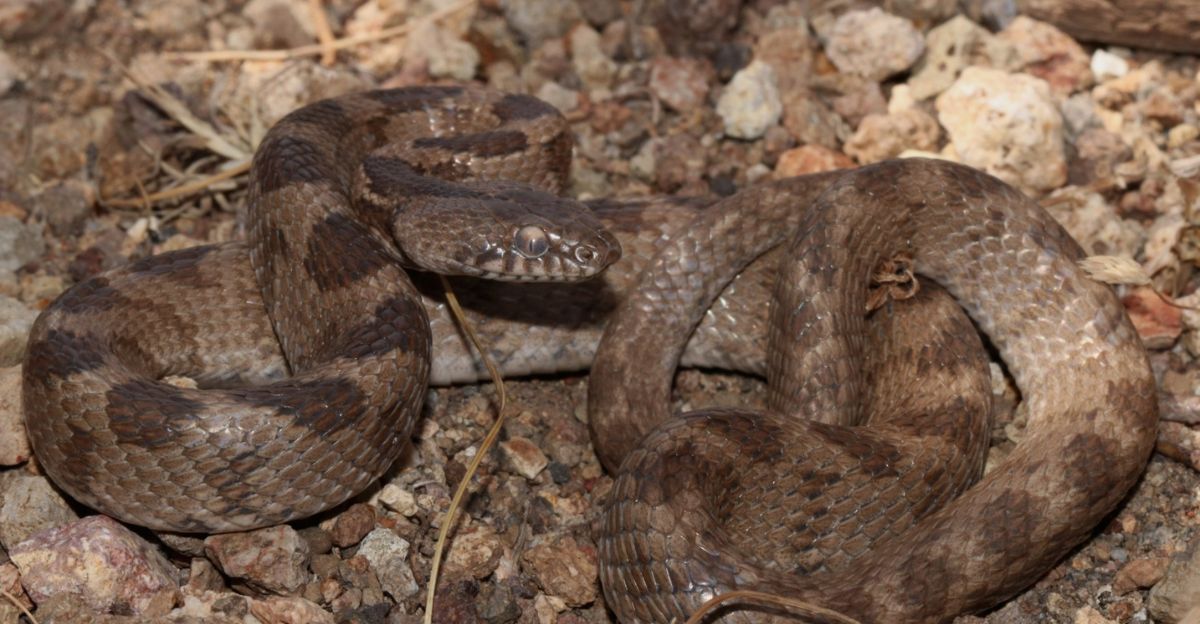
The Malta Herpetological Society is now asking the public to help by reporting any possible snake sightings. Locals, especially farmers and hikers, can act as a first line of defense. Authorities stress that anyone who catches a coin-marked snake should never release it again, since even one surviving individual could help a growing population recover.
The alarm is not about demonizing snakes. In fact, many snake species are in danger around the world. The concern in Malta is about keeping its ecosystem balanced. An introduced predator that didn’t evolve alongside local species can cause major disruption in an environment that isn’t equipped to handle it.
No one yet knows how many coin-marked snakes are living on the island or whether their numbers remain small enough to stop their spread. That uncertainty itself is a problem. Once an invasive species passes a certain threshold, efforts to remove it almost always fail.
The problem also exposes larger issues. As an EU member, Malta has responsibilities to protect its biodiversity, but stricter checks on cargo and ports may be needed. Scientists are now urging the use of new methods, such as environmental DNA testing, which can detect foreign species early in soils or waters near ports.
The situation in Malta serves as a warning for other Mediterranean islands and coastal regions. In an age when trade links ecosystems across continents, isolation is no longer a guarantee of safety. The key may lie in swift detection, coordinated action, and strong public awareness, before the next hidden passenger arrives.
Sources
“A new snake has been spotted in Malta.” Times of Malta, 18 Nov 2025.
“Conservation status of the St Paul’s Island wall lizard (Podarcis filfolensis kieselbachi).” Arnold Sciberras and Patrick J. Schembri, Herpetological Bulletin, Issue 105, 2008.
“Invasion by non-indigenous freshwater decapods of Malta and south Sicily, central Mediterranean Sea.” Alan Deidun et al., Journal of Crustacean Biology, Vol. 38, Issue 6, Nov 2018.
“Three new alien fish species spotted in Maltese waters over past year.” Times of Malta, 7 Sep 2025.