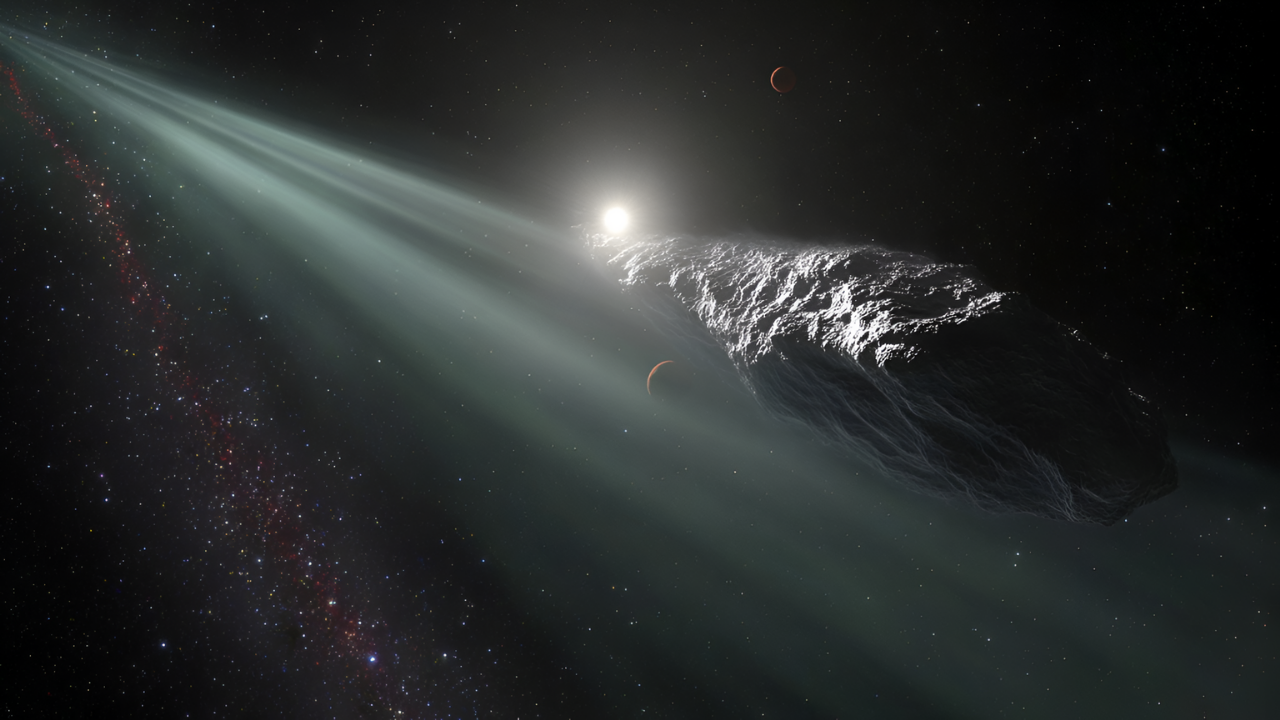
3I/ATLAS is drawing attention as an ancient interstellar comet with unusual chemistry, currently approaching Earth from beyond our solar system. Reports note it will pass at about 170 million miles, close enough to track but far from threatening. The main intrigue is what its chemistry could reveal about other star systems and early cosmic material. That mystery starts with how it was found.
The Discovery That Changed The Conversation
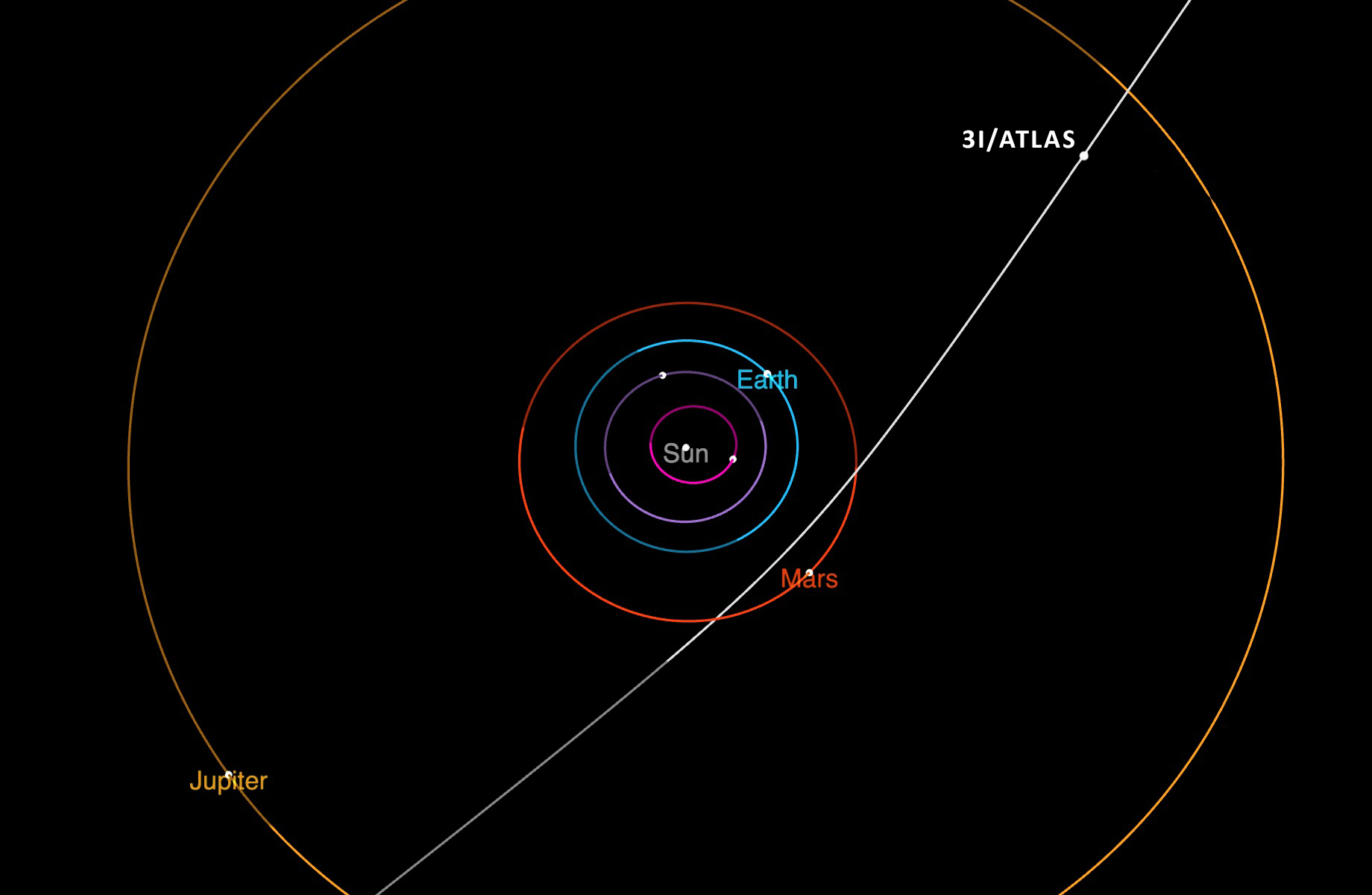
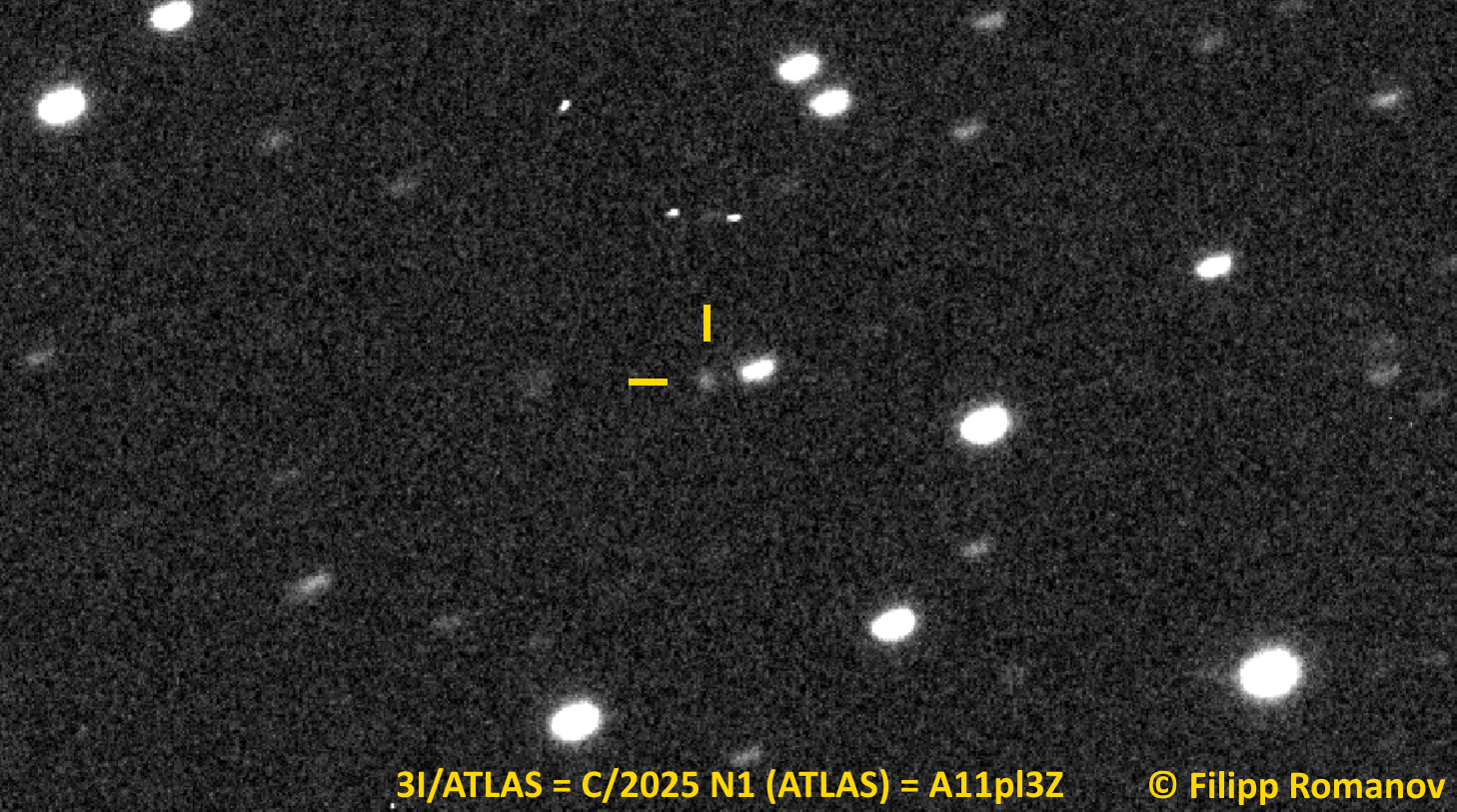
The name 3I/ATLAS points to a rare classification: an interstellar object detected passing through our solar neighborhood. ATLAS refers to the survey system that spots moving objects against background stars, flagging candidates for follow-up. Once its path suggested it was not bound to the Sun, interest spiked fast. Yet its trajectory was only the first surprise.
Why 170 Million Miles Still Matters
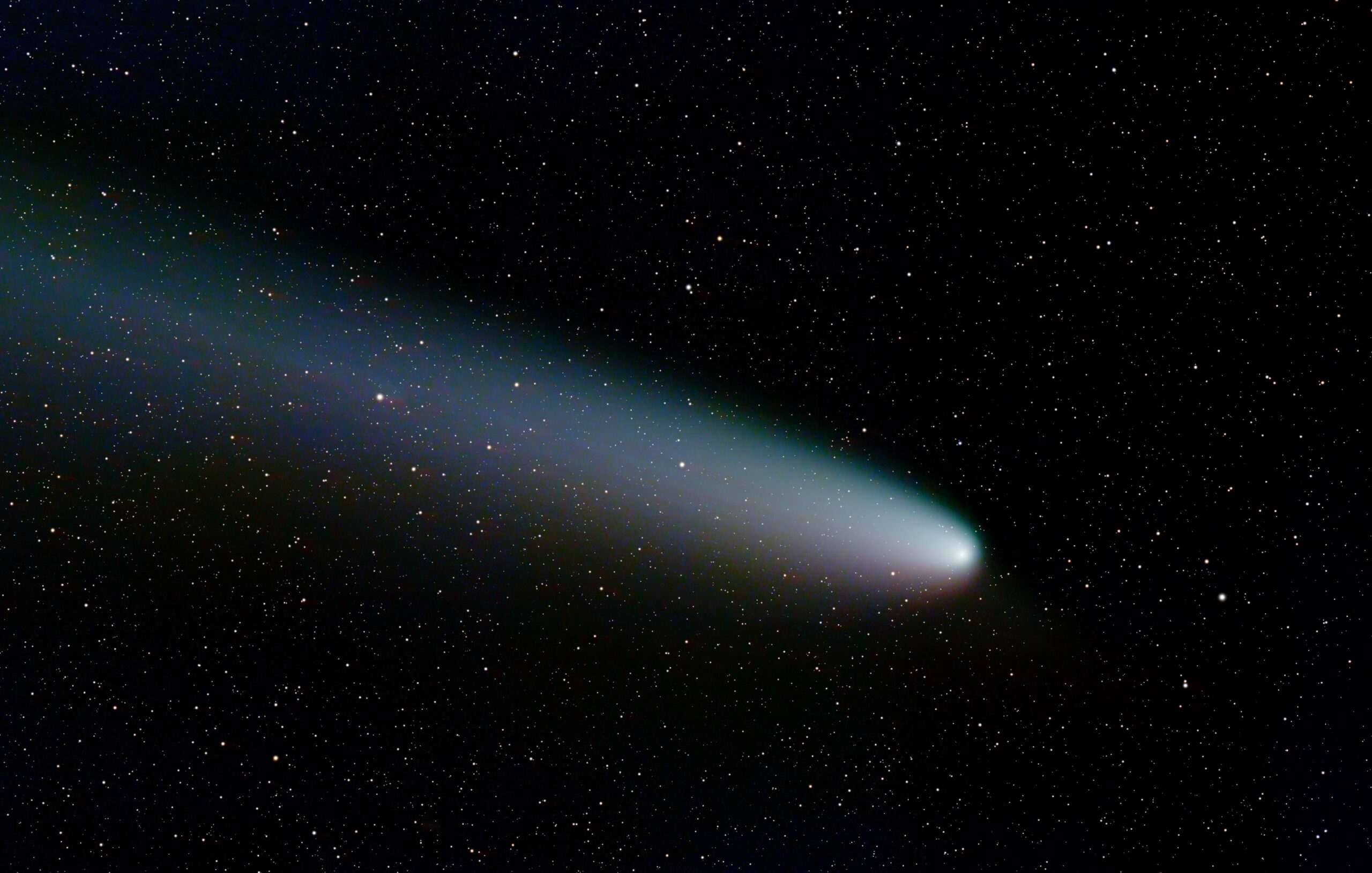
A distance of 170 million miles sounds enormous, and it is, but it is also near enough for coordinated observations across major telescopes. That window allows repeated measurements as sunlight alters the comet’s activity and releases gases. With each new spectrum, scientists can refine what it is made of. The chemistry, though, is where the story turns strange.
What “Unusual Chemistry” Really Implies
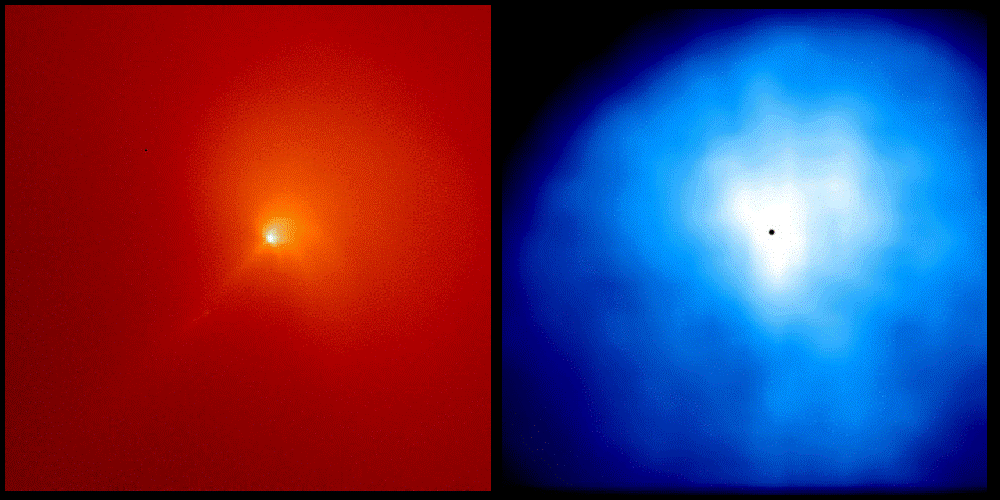
Calling a comet’s chemistry unusual usually means its gas signatures do not match typical solar system comets. Astronomers look for familiar patterns like water vapor, carbon-bearing molecules, and specific radicals produced by sunlight. When ratios or detected compounds differ, it hints at a different formation environment. That possibility raises a bigger question about its age.
The “Ancient” Label Has A Purpose
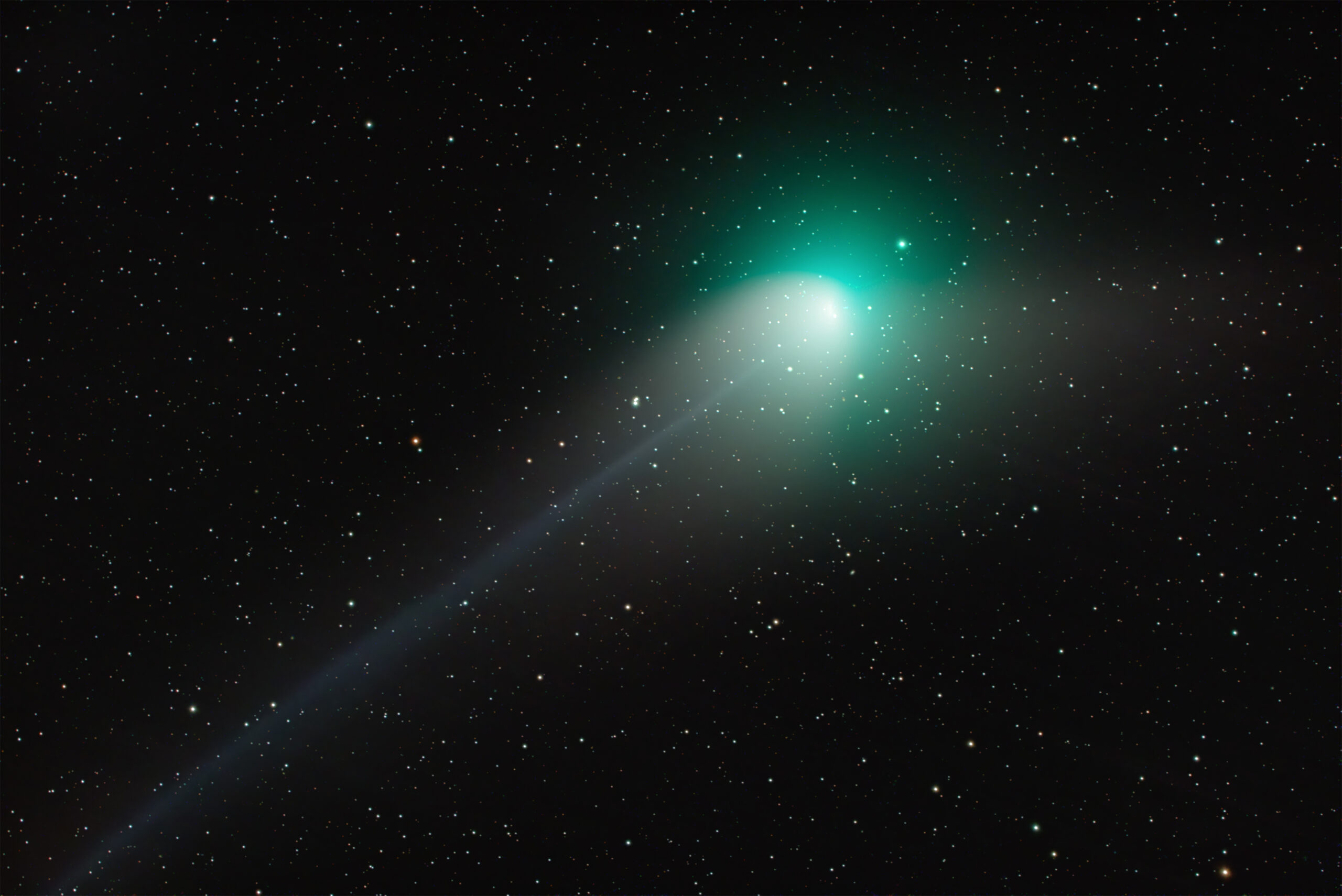
Describing 3I/ATLAS as ancient is less about a precise birthdate and more about what interstellar travel implies. If it formed around another star long ago and wandered for eons, its ices may preserve older chemical conditions. Even partial preservation would be valuable compared with solar system comets altered over time. Still, its origin is not automatically obvious.
How Astronomers Confirm It’s Interstellar
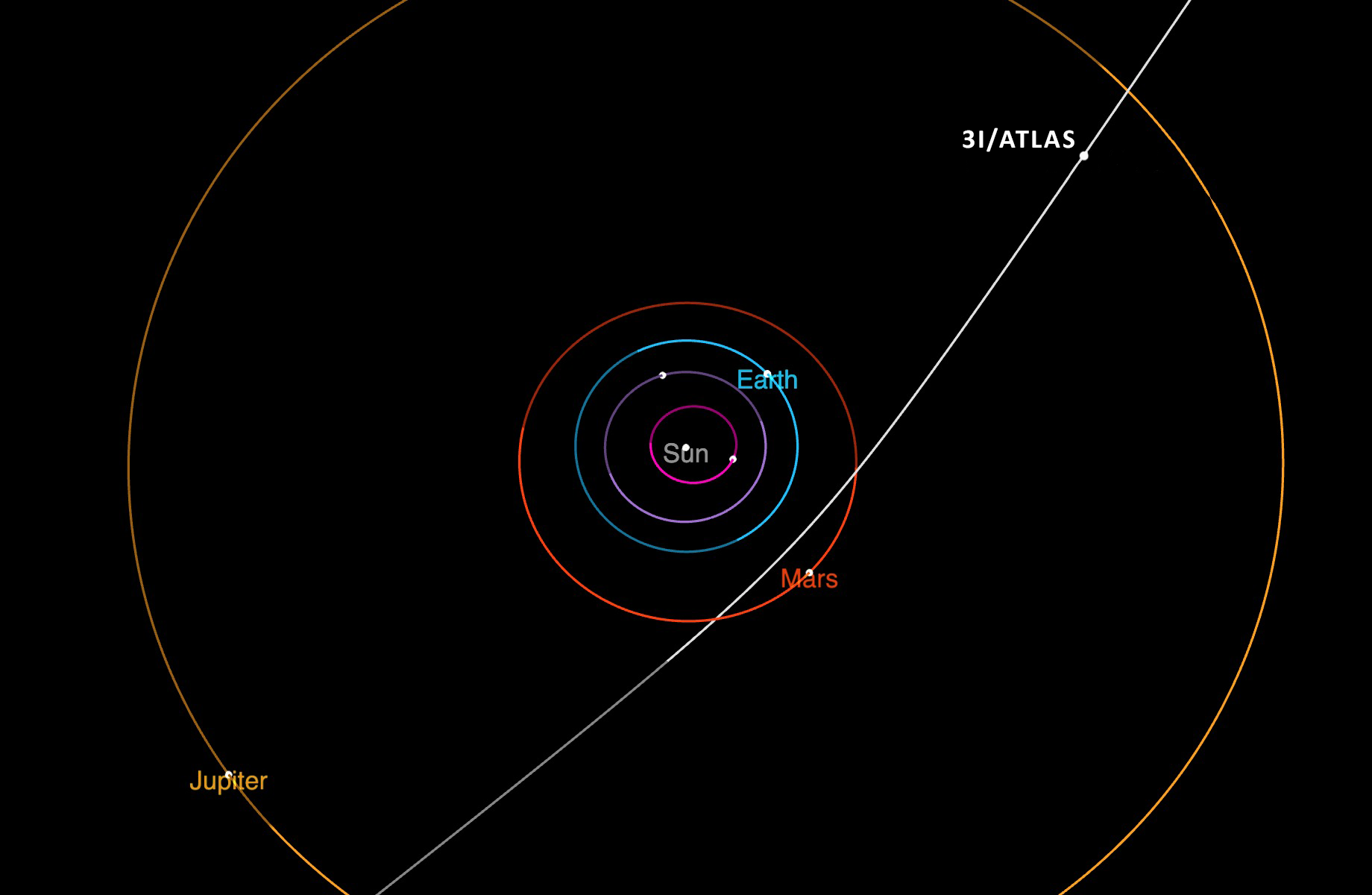
The strongest clue is its orbit. An interstellar object follows a hyperbolic path, meaning it is not gravitationally bound to the Sun and will not return. Measurements over nights and weeks reduce uncertainty until that conclusion becomes robust. Once confirmed, every hour of telescope time becomes more precious. But what can chemistry actually prove?
Spectroscopy Turns Light Into A Chemical Inventory
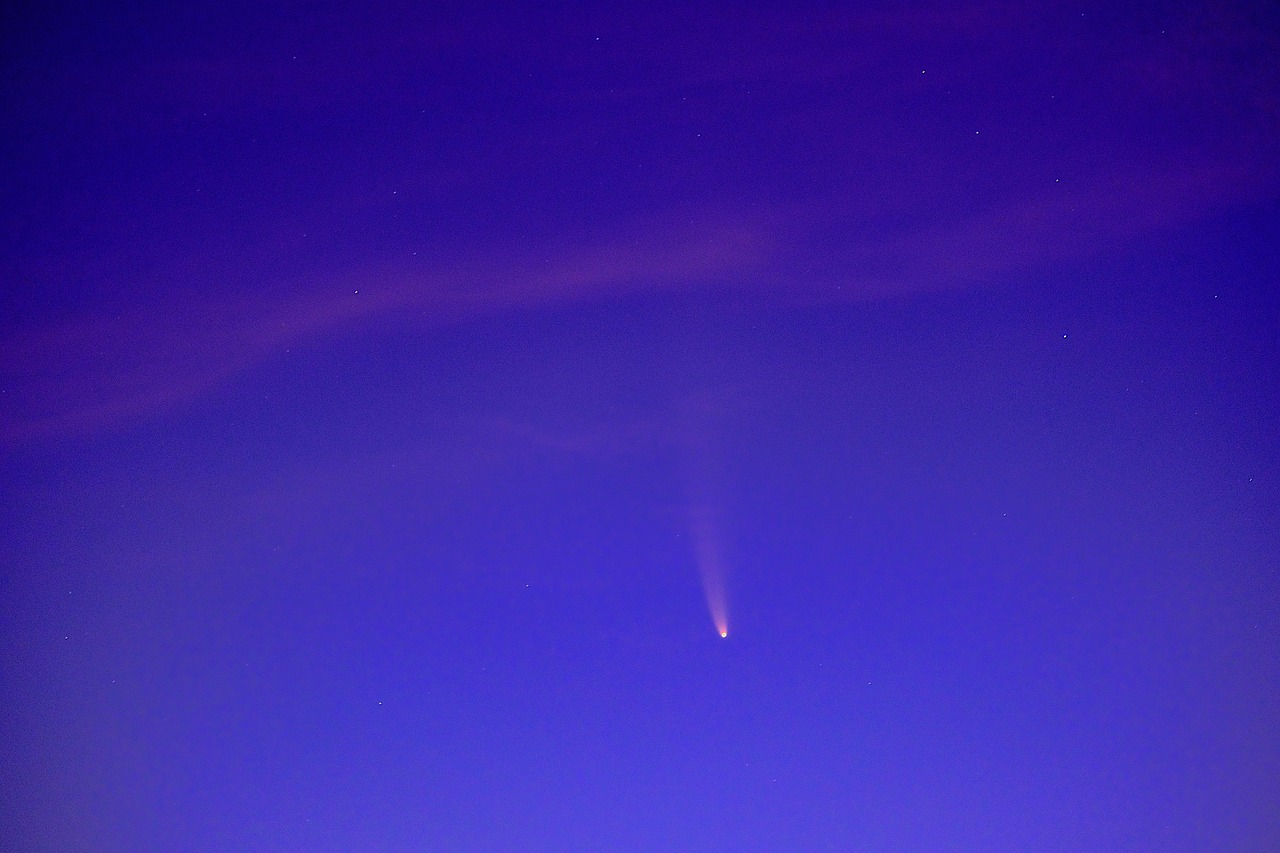
Spectroscopy splits the comet’s light into wavelengths, revealing emission or absorption features tied to specific molecules. As the comet warms, volatile compounds sublimate and form a coma, making detection easier. Analysts compare observed features with laboratory databases to identify likely species. Yet interpretation can be tricky when signals overlap. That complexity is why teams seek independent confirmation.
What Comets Usually Look Like In Data
Most well-studied comets show strong water-related signatures, plus carbon monoxide, carbon dioxide proxies, and a set of daughter species created by sunlight. Over decades, researchers have built chemical “families” to categorize them. When a comet departs from these families, it suggests different temperature conditions or building blocks. So what exactly about 3I/ATLAS stands out?
The Case For A Different Birthplace
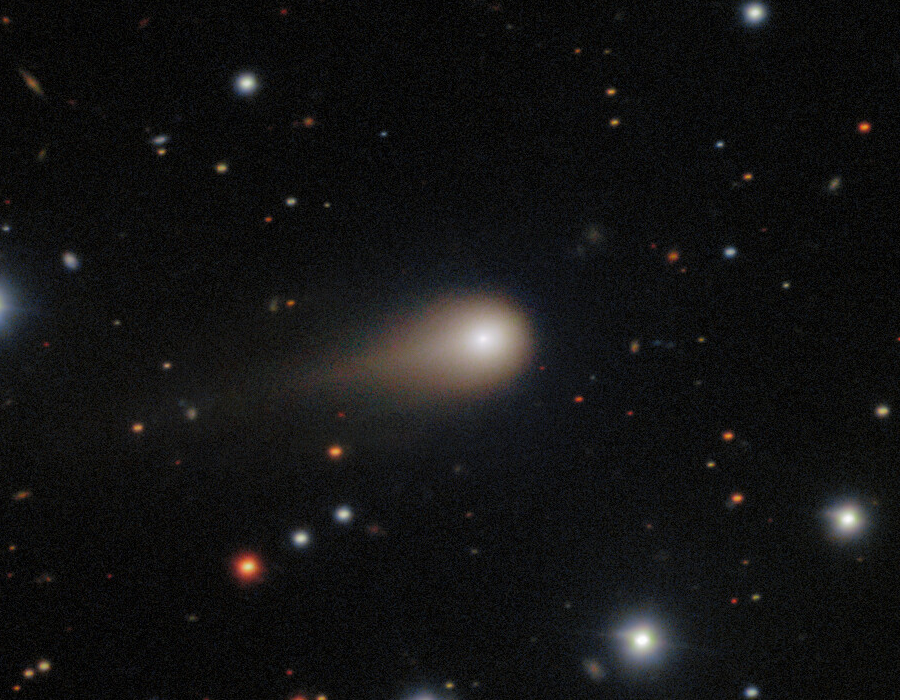
If 3I/ATLAS formed in a region with different elemental abundances or colder chemistry, it could lock in a distinct molecular mix. Another option is formation near a different type of star, influencing the radiation processing of ices. Even the dust-to-ice balance could shift how gases are present in observations. The exciting part is that any of these outcomes expands comet science beyond our backyard.
Why Timing Controls What We Can Learn
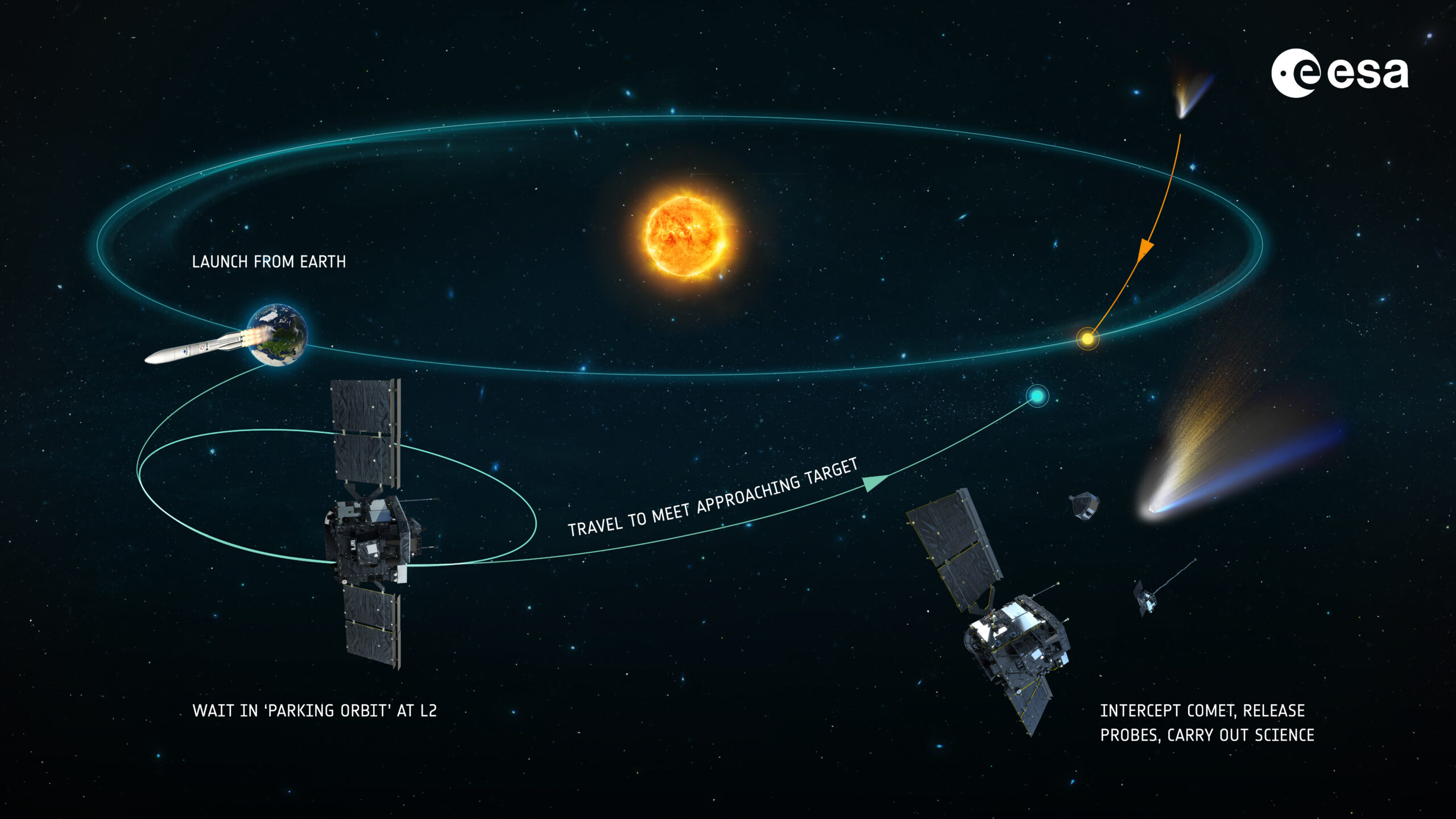
The closer the comet gets to the Sun, the more active it can become, strengthening spectral signals but also complicating them. Jets, fragmentation, or rapid outgassing can change measurements from one night to the next. Observers plan campaigns to capture early, mid, and late stages of its passage. That schedule hinges on where it is in the sky and who can observe it.
No Danger, But Plenty Of Opportunity
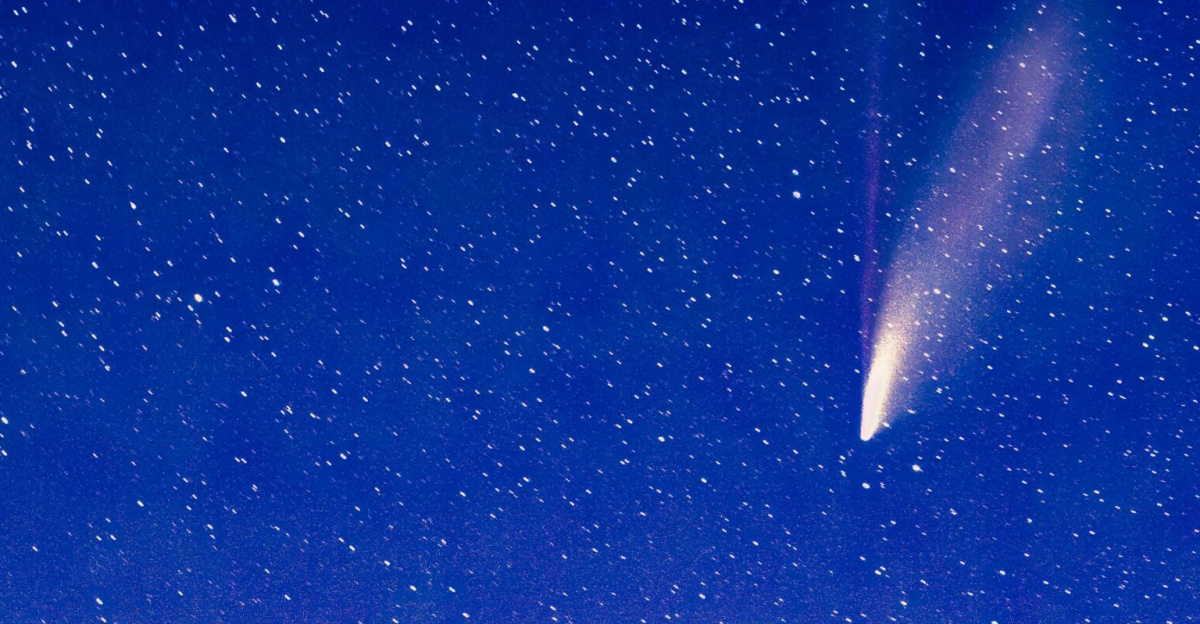
A pass at roughly 170,000,000 miles is not a threat scenario. It is simply an observational chance, one that allows large facilities and smaller observatories to collaborate. The real “impact” is scientific: testing models of comet formation under other stars. Even null results matter if they show similarities to solar system comets. But the rarity of interstellar visitors raises the stakes.
Interstellar Visitors Are Still Extremely Rare
Only a handful of interstellar objects have been recognized, which means each new one carries outsized importance. With so few data points, scientists cannot yet say what is typical beyond our solar system. A chemically unusual comet could indicate diversity, or it could be an oddball among many similar bodies. The sample size problem is why researchers move quickly to collect data.
What Dust Can Reveal Beyond Gas Chemistry
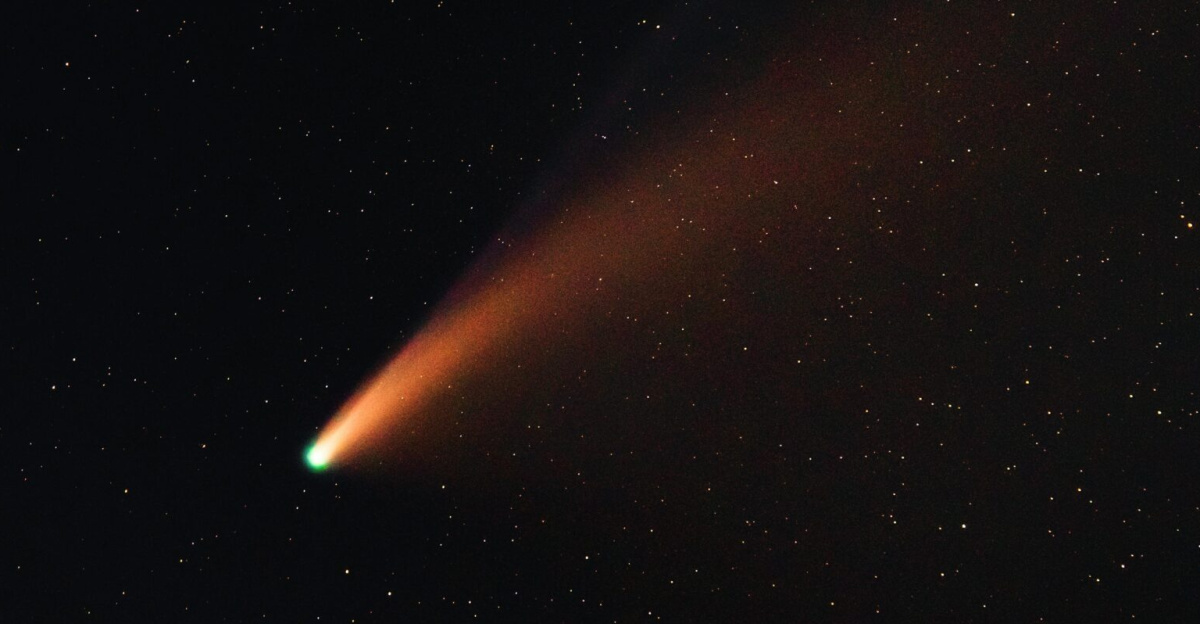
Gas gets headlines, but dust is often the longer-lasting record. The size distribution, mineral signatures, and reflectivity of dust grains can point to formation conditions and processing history. If 3I/ATLAS dust differs from solar system comets, it supports the idea of a distinct origin environment. Dust also affects brightness, which influences how much the public hears about it.
The Public Confusion Around Distances And Brightness
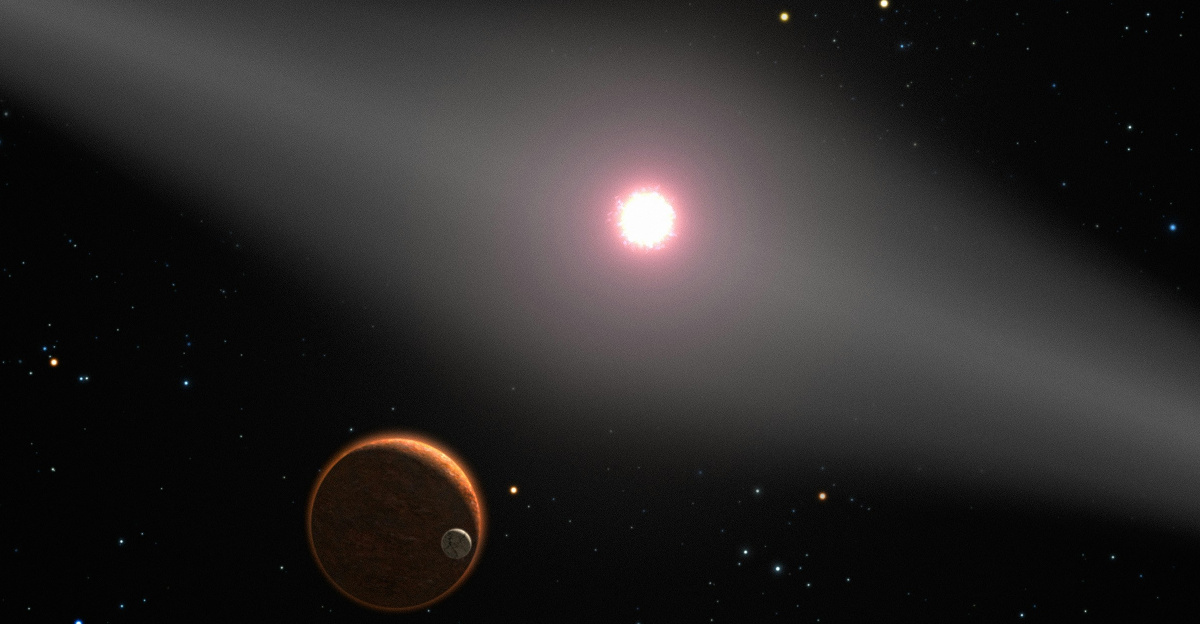
A comet can pass far away and still become bright, or pass closer and remain faint, depending on size, activity, and dust production. The 170-million-mile figure is about the closest approach, not visibility. Observing conditions depend on the comet’s position relative to Earth, the Sun, and the night sky. That nuance matters when expectations run ahead of reality. So what might observers actually see?
What Backyard Observers Might Notice
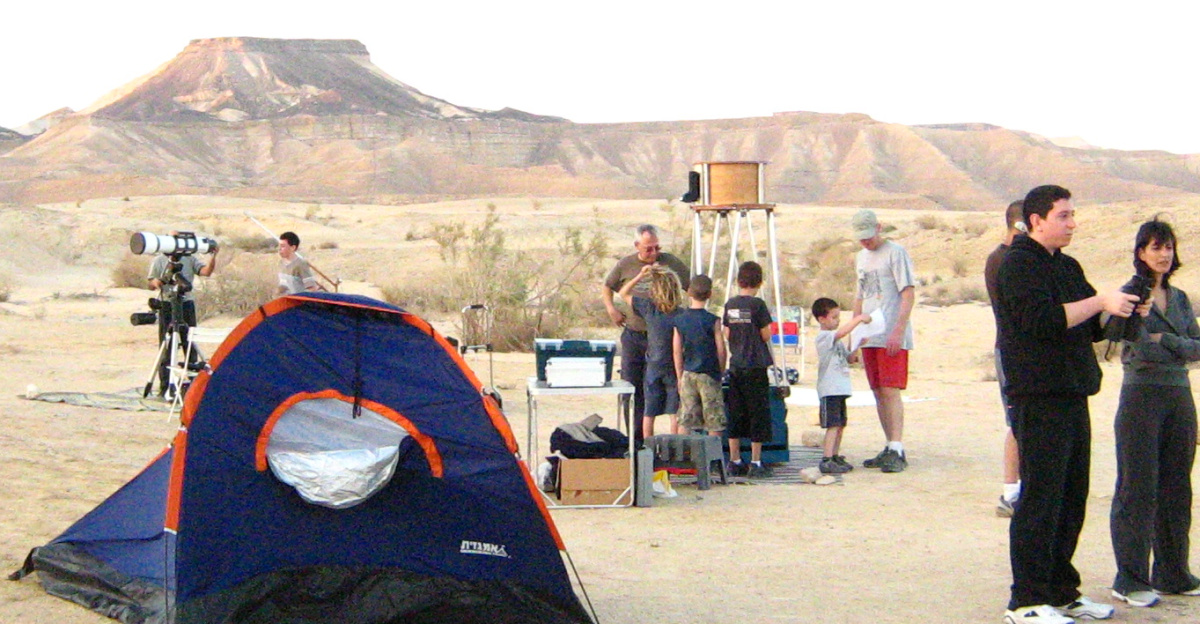
Whether amateur astronomers can spot 3I/ATLAS depends on its brightness evolution and sky location during peak visibility. Many interstellar objects are faint and require large telescopes, but comets can sometimes surprise with bursts of activity. Observers will watch for a developing coma or tail as it warms. Even if it stays faint, the professional data could still be revolutionary.
What “Ancient” Could Mean For Early Chemistry

If 3I/ATLAS has been cold for most of its existence, it might retain fragile molecules that get destroyed in warmer, repeatedly sunlit comets. Such molecules could offer clues about pre-planetary chemistry in other systems. It would not prove life elsewhere, but it could show how widely certain organic pathways occur. That link between chemistry and cosmic history keeps driving interest.
How Scientists Avoid Overclaiming
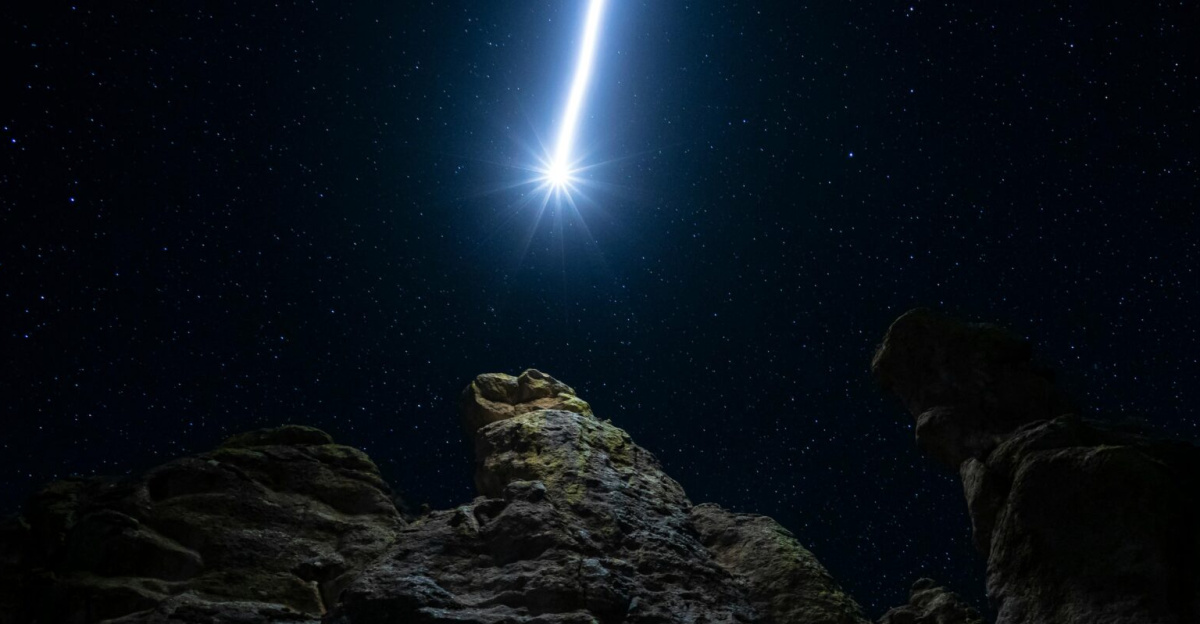
Researchers will be cautious about turning early spectra into bold narratives. Instrumental effects, sunlight-driven reactions in the coma, and observational geometry can all distort apparent abundances. Teams typically wait for multiple nights, multiple instruments, and careful modeling before settling conclusions. This slow rigor can frustrate fast news cycles. Still, the final picture often ends up more interesting than the first headline.
What This Could Mean For Planet Formation Models
Interstellar comet chemistry offers an external test of theories built mostly from solar system samples. If 3I/ATLAS looks chemically familiar, it supports the idea that many systems build comets similarly. If it looks very different, it suggests planet-forming disks can produce diverse icy bodies. Either result helps constrain how common certain ingredients may be. The hardest part is turning one object into broader knowledge.
The Real Prize Is The Comparison Set
The most valuable outcome may be how 3I/ATLAS compares with known solar system comets and with other interstellar visitors. Patterns across objects can reveal whether “unusual chemistry” is a one-off or a recurring theme. The data gathered during this passage will remain useful for decades as models improve. That long tail of science is why this single flyby matters.
Sources To Watch For Confirmed Updates
For verified details on trajectory, classification, and composition, rely on official discovery notices and peer-reviewed or major-wire reporting as results are finalized. Key updates typically appear through IAU channels and major observatory releases, then settle into journal publications. The best facts will be the ones that survive repeated checking. The first round of numbers is rarely the last word.
Sources
Minor Planet Center object discovery and orbital elements. International Astronomical Union, date accessed
ATLAS survey project information and public notices. University of Hawaiʻi Institute for Astronomy, date accessed
Near-Earth Object tracking updates and small-body resources. NASA, date accessed
Comet composition and spectroscopy background materials. European Space Agency, date accessed
Interstellar object reporting and confirmation coverage. Reuters, date published