On January 3, 2026, the U.S. launched Operation Absolute Resolve, capturing Venezuela’s President Nicolás Maduro and Cilia Flores in a predawn assault on Caracas. Using over 150 aircraft and Delta Force, Trump framed it as narco-terror law enforcement but pitched something bigger: reviving hemispheric dominance and seizing oil. The details of that night explain the broader strategy.
Explosions Lit Up Caracas At 2:00 A.M.
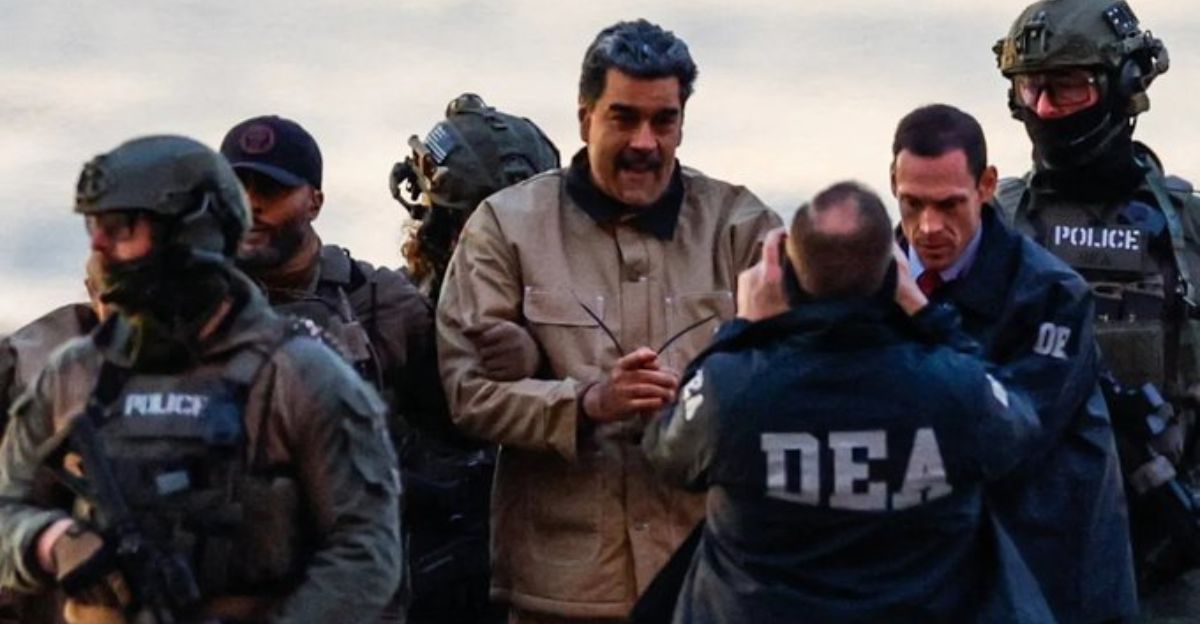
At 2:00 a.m. Venezuelan time on January 3, explosions hit Caracas as U.S. jets suppressed air defenses. Delta Force, backed by CIA intelligence, raided Fort Tiuna and captured Nicolás Maduro and Cilia Flores. By dawn, they were headed by Navy vessel toward New York. The mission used 12 F-22s, F-35s, B-1s, and jammers. Yet the buildup had started earlier.
Why Did Washington Push So Far?
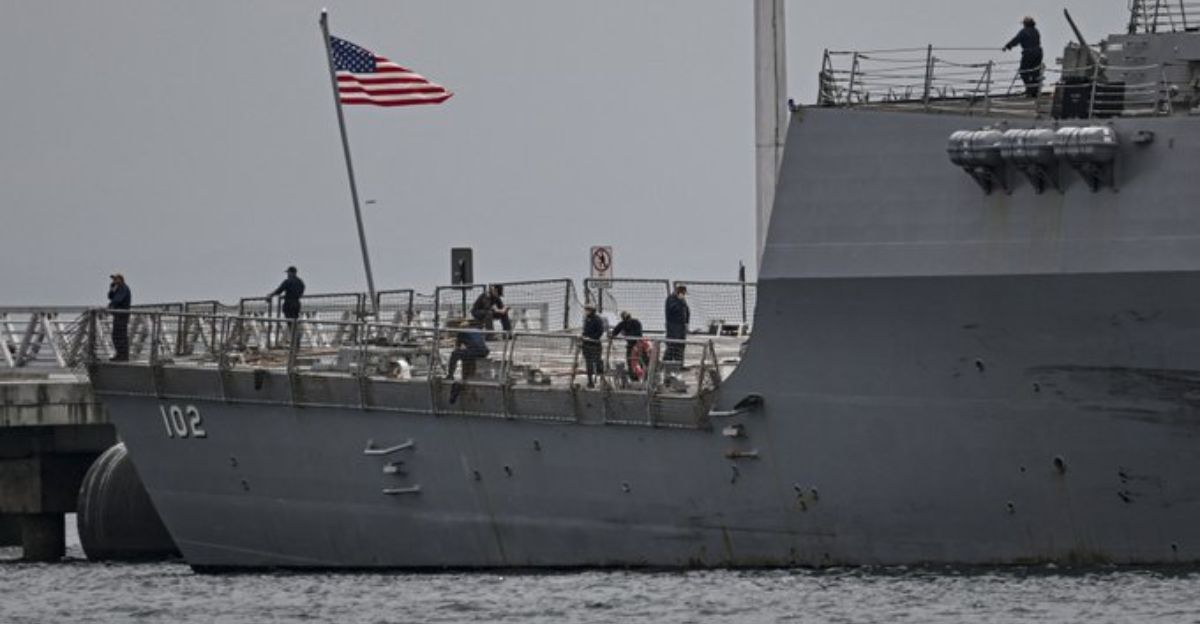
For months, tensions rose through buildups and maritime strikes. Starting September 2025, the U.S. Navy attacked boats suspected of drug trafficking off Venezuela, killing at least 115 people by year-end. By December, the USS Gerald R. Ford group moved in, F-35s were deployed to Puerto Rico, and 4,500 sailors were positioned nearby. CIA strikes followed, suggesting a wider plan.
The CIA Strike That Broke A Barrier
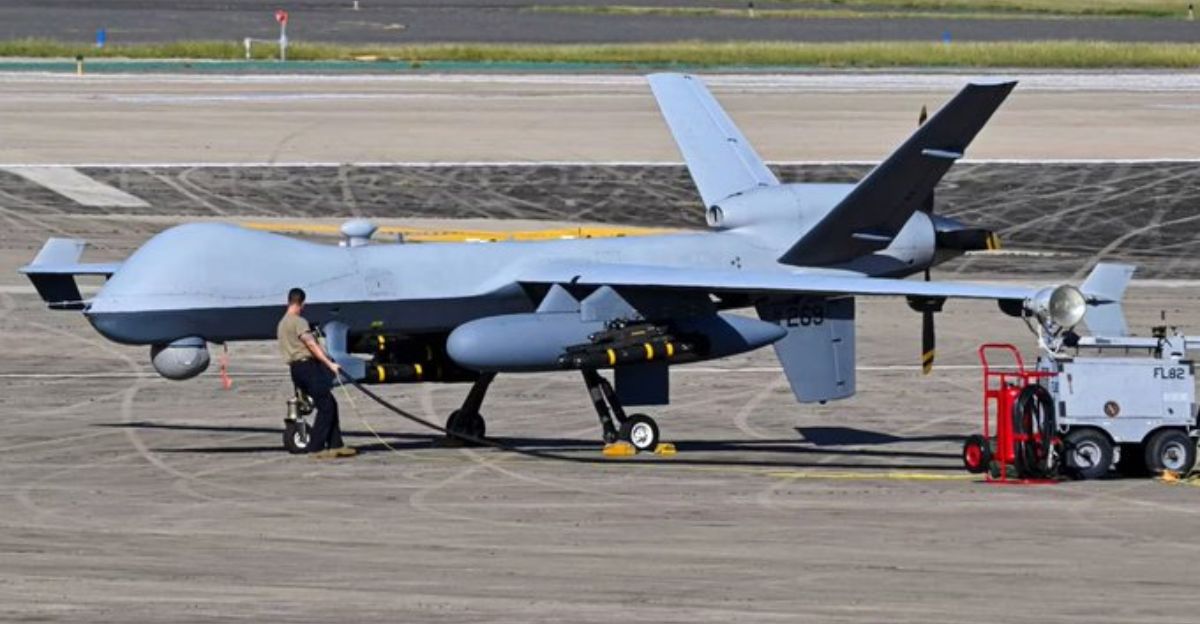
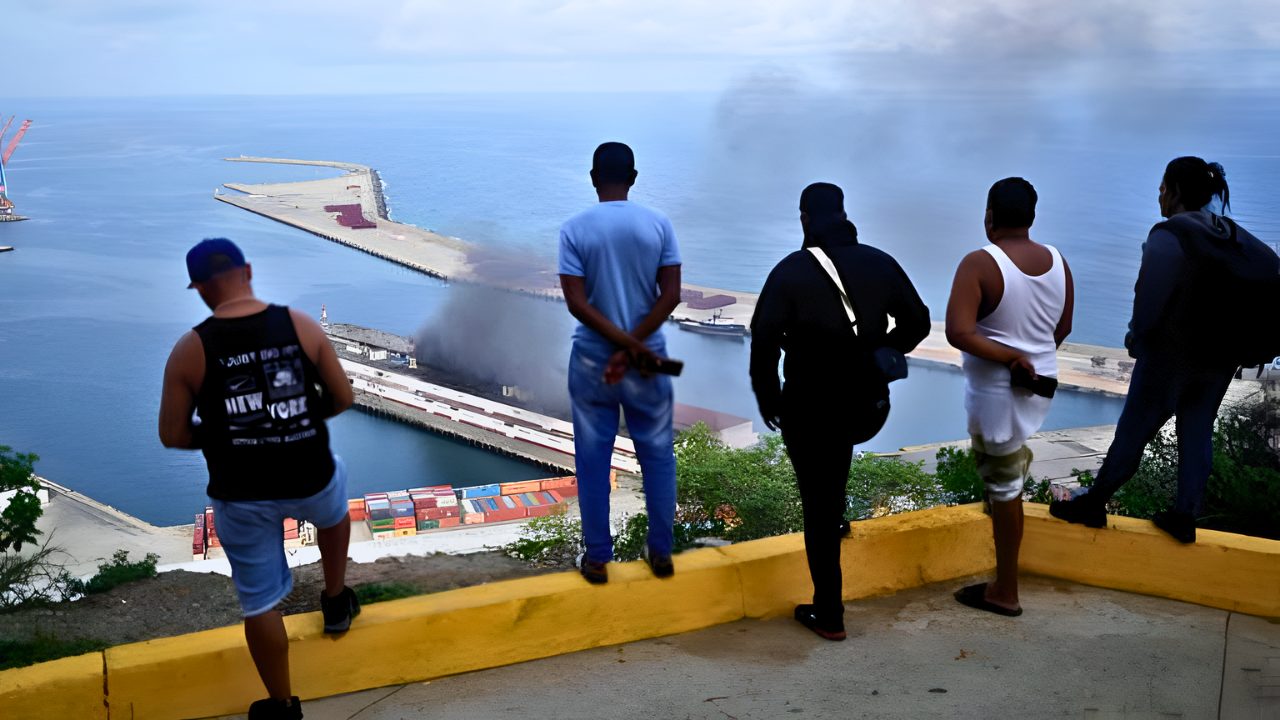
On December 24, 2025, CIA drones struck a port facility in Aragua State allegedly tied to Tren de Aragua cocaine loading. No one was killed, but it was the 1st known U.S. military operation inside Venezuelan territory. Pete Hegseth called it an “aggressive new phase.” Trump said it hit an “implementation area” where “they load the boats up with drugs.” But escalation rarely stops.
A Rapid Climb From Sanctions To Seizure
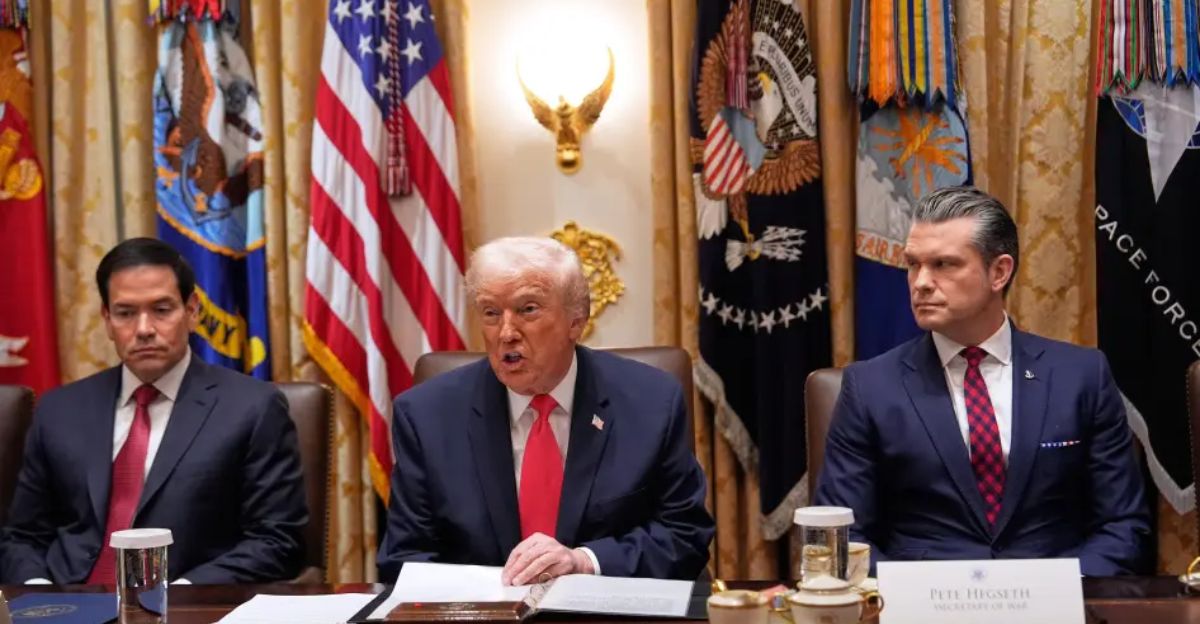
Economic sanctions and diplomacy shifted into kinetic action quickly. Early 2025 targeted Venezuelan officials. By mid-year, Trump authorized CIA operations and a military buildup. September brought the 1st boat strikes, October expanded into the Eastern Pacific, December added land strikes, and January 3 delivered capture. The administration cited Maduro’s indictment as “law enforcement,” not war. That logic shaped the raid itself.
Inside The 150 Aircraft Capture Plan
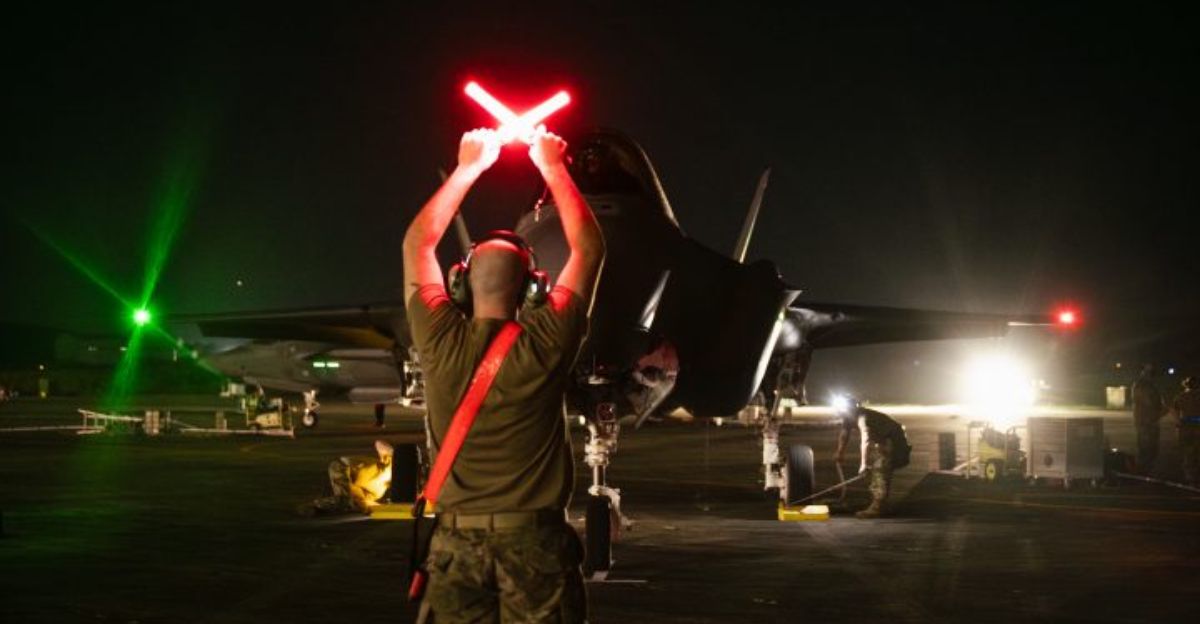
Operation Absolute Resolve used overwhelming force for a single capture. Night Stalkers flew stealth helicopters carrying Delta Force and FBI agents. F-22s protected the assault, F-35s suppressed defenses, EA-18s jammed radar, B-1s struck targets, and E-2 aircraft coordinated. Helicopters approached at 100 feet at 1:01 a.m. EST. Extraction took 90 minutes, leaving legal questions lingering.
“We’re Going to Run Venezuela”
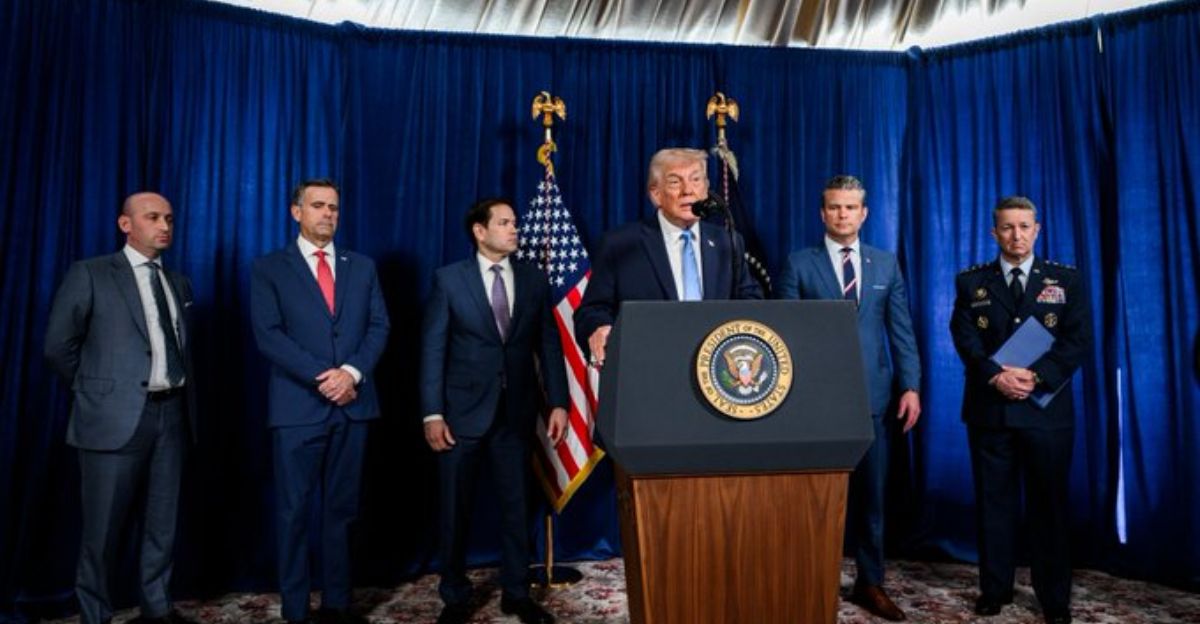
“We’re going to run the country until such time as we can do a safe, proper, and judicious transition,” Trump said at Mar-a-Lago. He added: “I think we’re going to get a lot of oil out of Venezuela.” Rubio said the U.S. would not govern day-to-day but would use oil sanctions for leverage. How could that happen without Congress?
A War Without A Vote
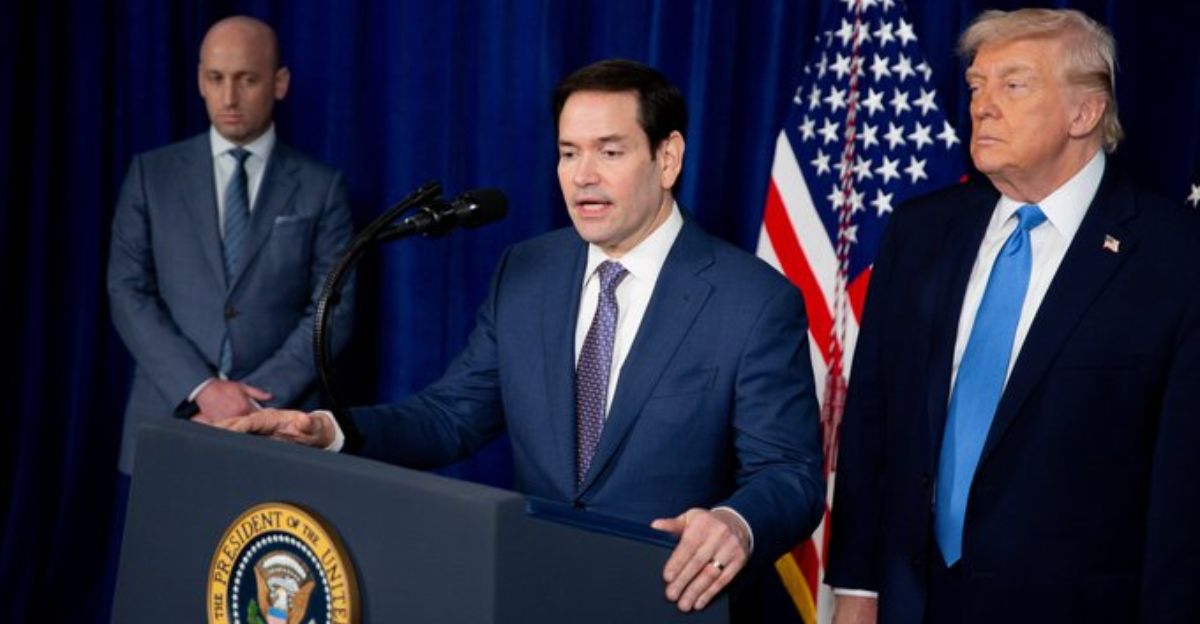
Trump did not notify Congress, citing operational security. Rubio argued that no authorization was needed because it was “law enforcement,” despite the involvement of both aircraft and ground forces. Senate Democrats demanded War Powers compliance. A War Powers Resolution passed the Senate 52-47 on January 9, 2026, with 5 Republicans joining. Trump promised a veto, keeping operations alive. The politics looked messy, but the contradictions ran deeper.
The Pardon That Undercut The Drug War
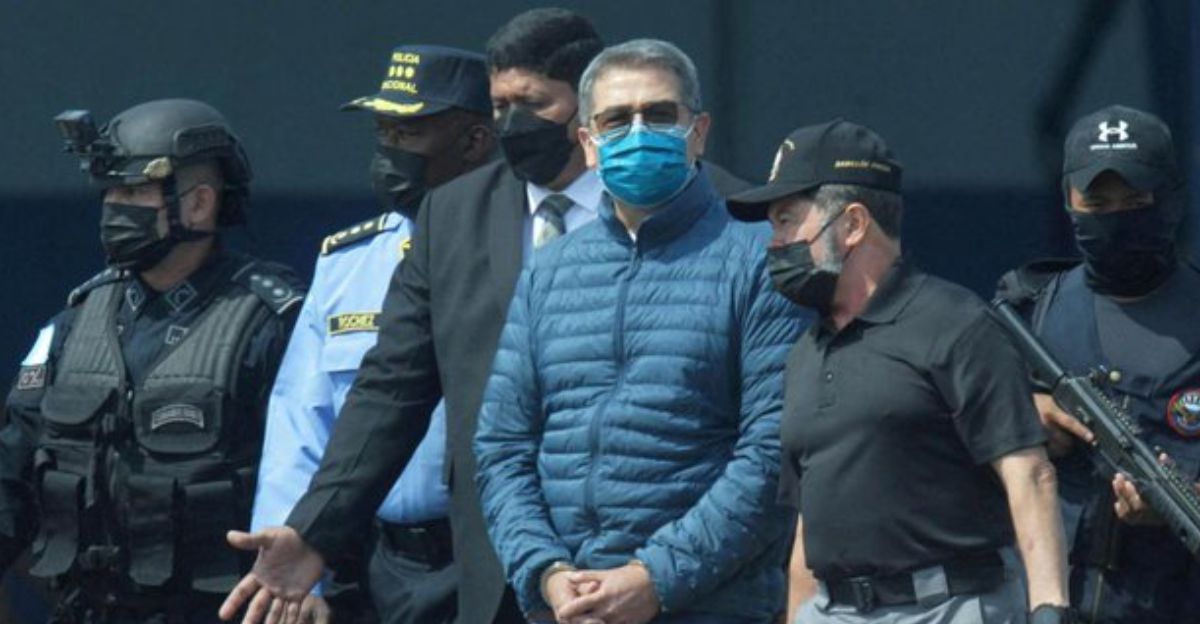
Just 5 weeks earlier, Trump pardoned former Honduran President Juan Orlando Hernández, serving 45 years for drug trafficking. He was convicted of importing cocaine, taking $1 million from the Sinaloa Cartel, and using security forces to protect shipments. Prosecutors tied him to over 400 tons of cocaine. Yet Maduro was targeted with drug charges. That hypocrisy set the stage for the takeover blueprint.
Rubio’s 3 Phases For Control
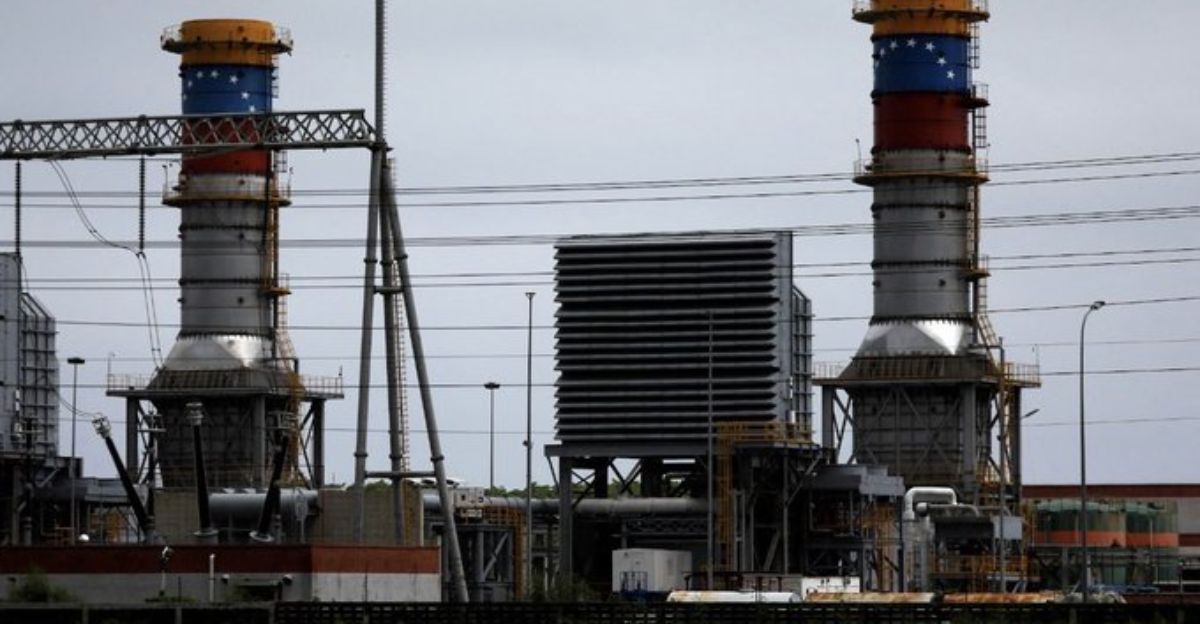
Rubio described 3 phases in a January 8, 2026, classified briefing. Phase 1 “Stabilization” included seizing 30-50 million barrels of oil to generate $1.8-3 billion controlled by the U.S. Phase 2 “Recovery” invited American firms to invest billions into 303 billion barrels of reserves. Phase 3 promised elections on an undefined timeline. But what ideology justified it?
An Old Doctrine Returns In New Form
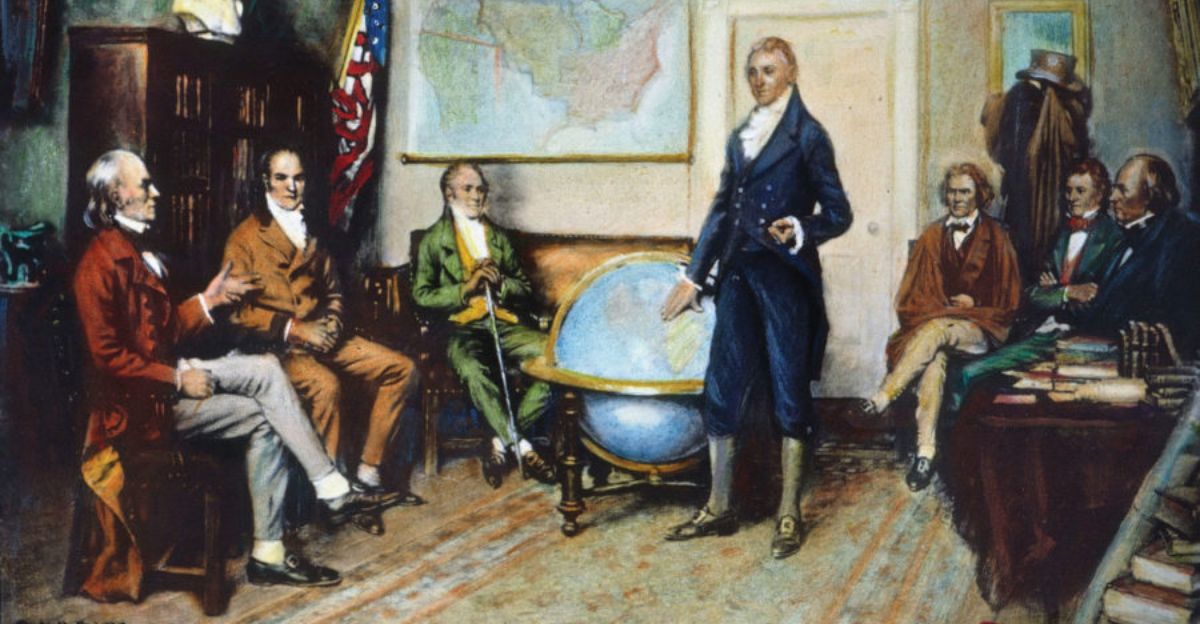
The Monroe Doctrine of 1823 warned Europe against colonizing the Americas. U.S. leaders later invoked it to justify interventions across Cuba, Nicaragua, Haiti, the Dominican Republic, and Guatemala. Theodore Roosevelt expanded it to occupations. Trump revived it officially. In December 2025, the National Security Strategy pledged to “reassert and enforce the Monroe Doctrine” and deny rivals “strategically vital assets.” But Trump went further.
The “Donroe Doctrine” And Its Targets
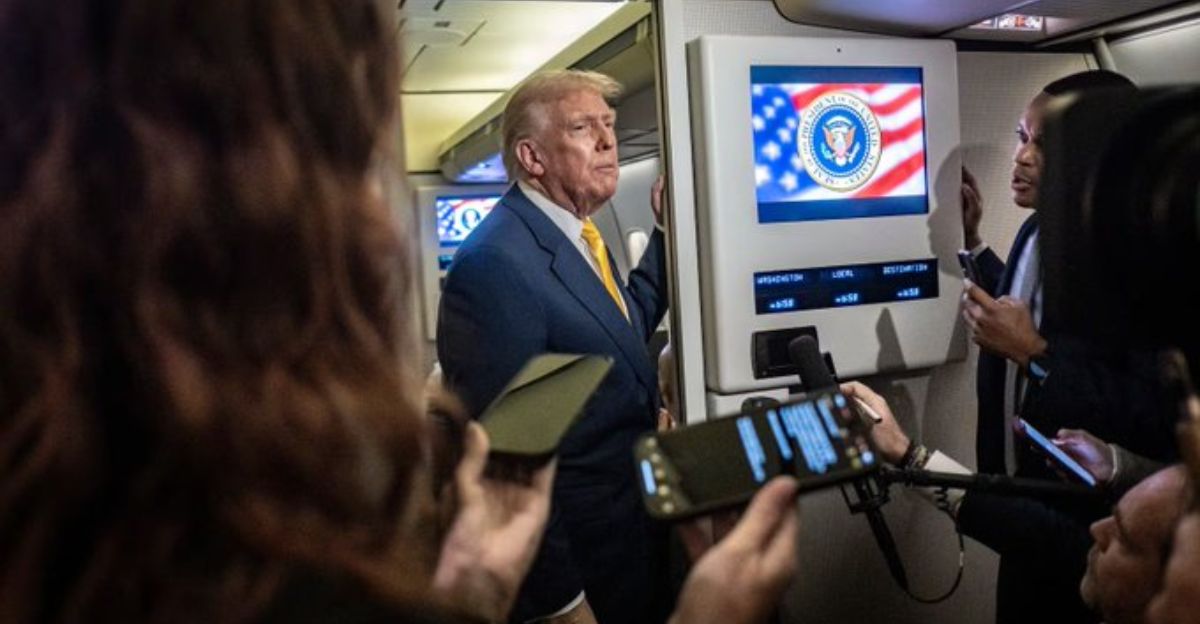
Trump coined “Donroe Doctrine,” saying, “The Monroe Doctrine is a big deal, but we’ve superseded it… They now call it the Donroe Doctrine.” The strategy framed a “Trump Corollary” to stop migration, fight “narco-terrorists,” and block China, Russia, and Iran. Critics said it dropped democratic language for raw power. Could oil control make it permanent?
Seizing Oil To Lock In Leverage
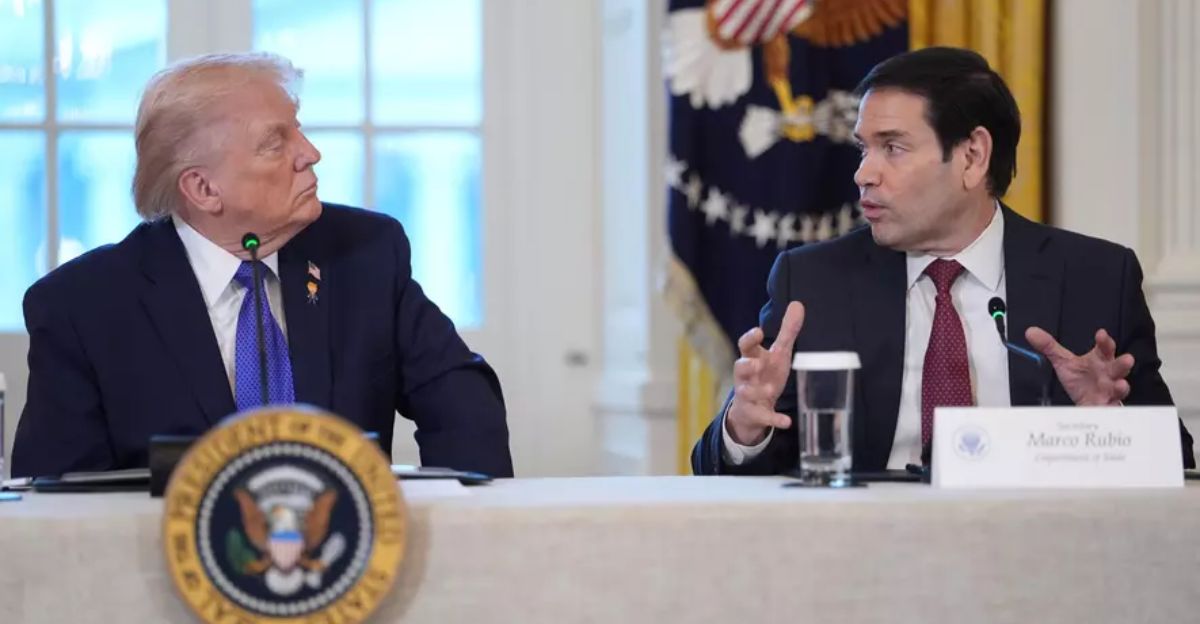
On January 7, 2026, Trump said the U.S. would seize 30-50 million barrels of Venezuelan oil worth $1.8-3 billion. The U.S. would sell it and control proceeds. Rubio said it would be disbursed to benefit Venezuelans, not corruption. The Navy seized at least 4 tankers and imposed a “quarantine” on exports. Would the world accept that?
“This Is Rank Imperialism”
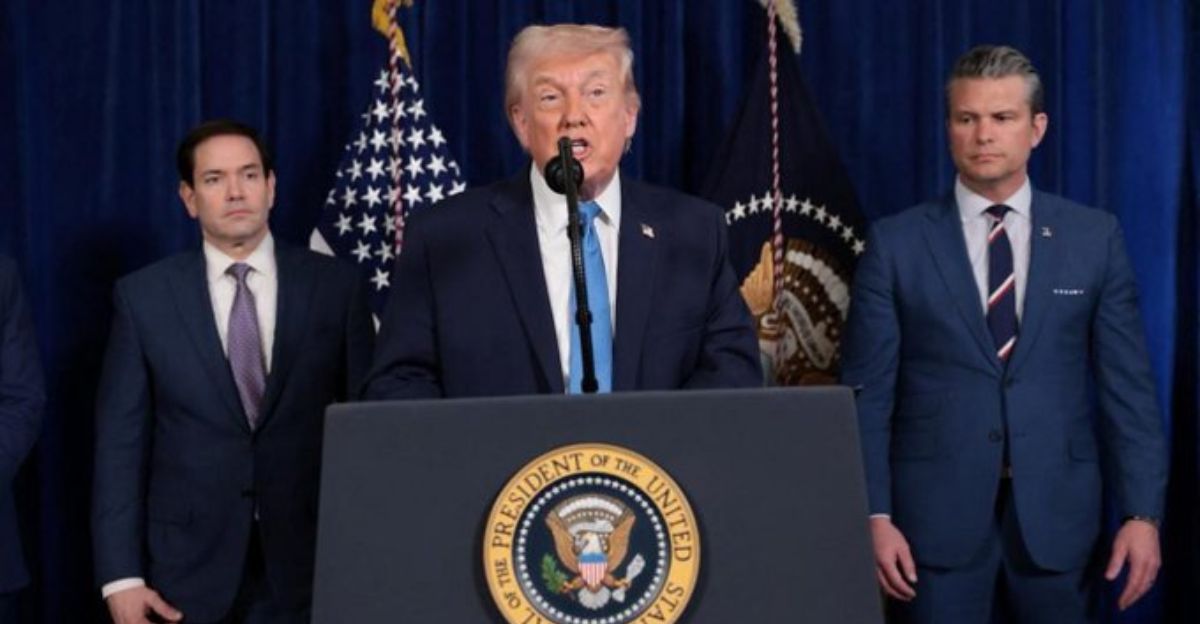
“Trump and his administration have often said they want to revive the Monroe Doctrine, claiming the United States has the right to dominate the affairs of the hemisphere. They have spoken openly about controlling Venezuela’s oil reserves, the largest in the world. This is rank imperialism. It recalls the darkest chapters of U.S. interventions in Latin America, which have left a terrible legacy. It will and should be condemned by the democratic world,” Sanders said. That condemnation echoed in legal circles.
Could This Be Illegal Under The UN Charter?
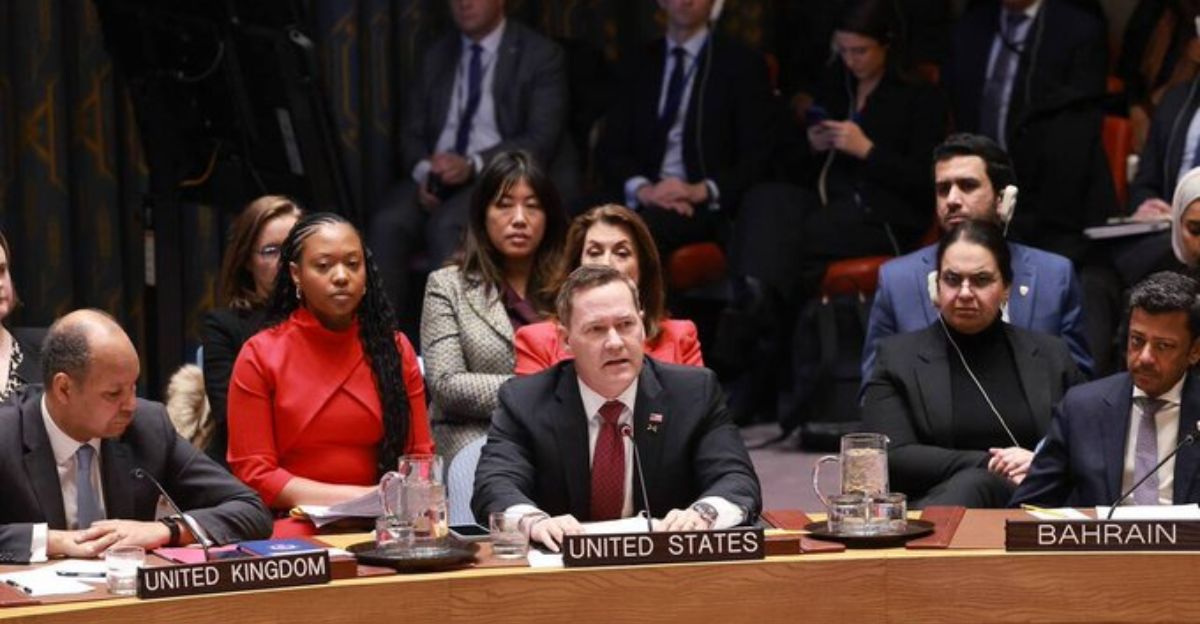
The UN Charter bars force against sovereign states without Security Council approval or self-defense. Venezuela posed no imminent threat to the U.S., and Trump did not seek authorization. On January 5, 2026, the Security Council met after China, Colombia, and Russia requested an emergency session. Michael N. Schmitt called it “a severe breach,” and Ziyad Motala called it “international vandalism.” Regional reactions were swift.
Allies And Neighbors Break With Washington
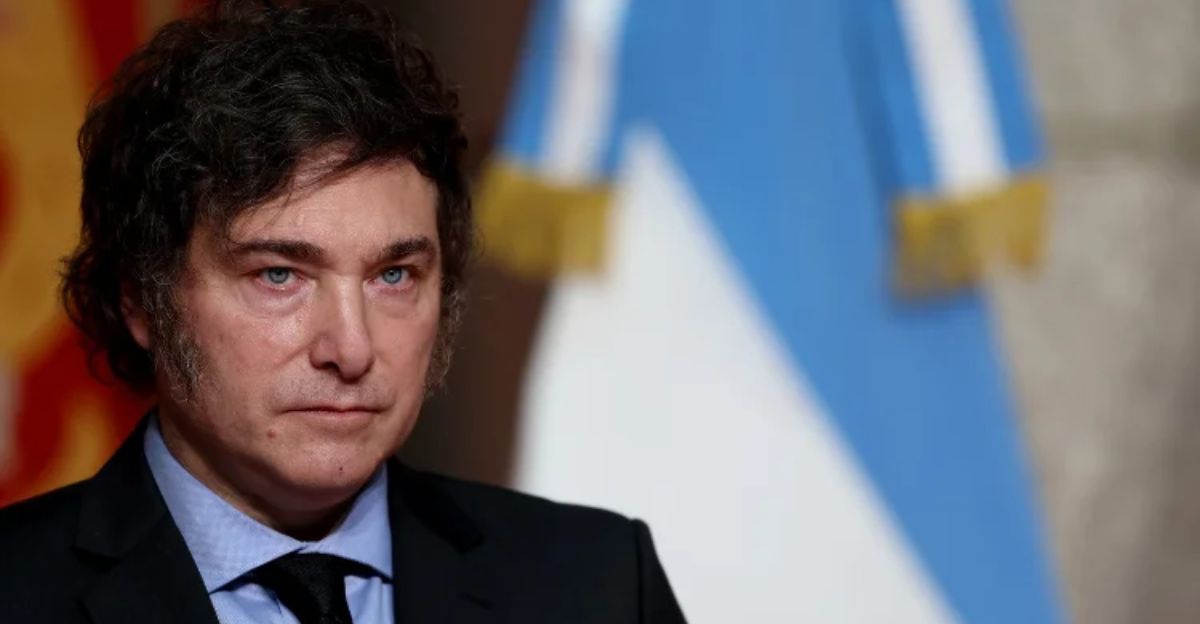
Brazil’s president said the raid “crosses a line” and risks “violence, chaos, and instability.” Colombia warned it would defend its sovereignty if the U.S. tried similar actions. Mexico voiced concern over stability, and Spain urged respect for the U.N. Charter. Chile and Uruguay rejected military intervention. Even Argentina’s Javier Milei praised the action but noted precedent worries. How did U.S. critics frame the motive?
“There’s No Evidence Whatsoever This Makes America Safer”
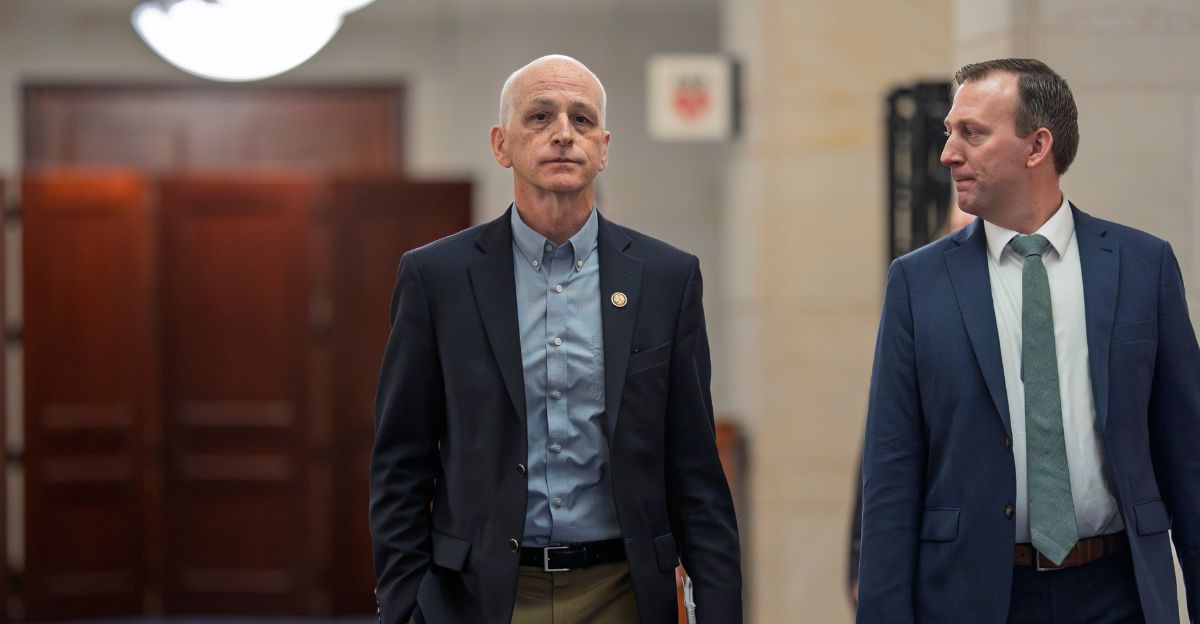
Rep. Adam Smith said: “There’s no evidence whatsoever this makes America safer…this seems what this is about is Trump wants Venezuela’s oil…It appears to violate the very international laws and norms afforded to U.S. allies—and could be a worrying trend for foreign relations.” Analysts noted cocaine mainly flows through Mexico, not Venezuela. The counter-narcotics rationale did not match the raid’s scale. The human fallout could be worse.
A Crisis Already On The Edge
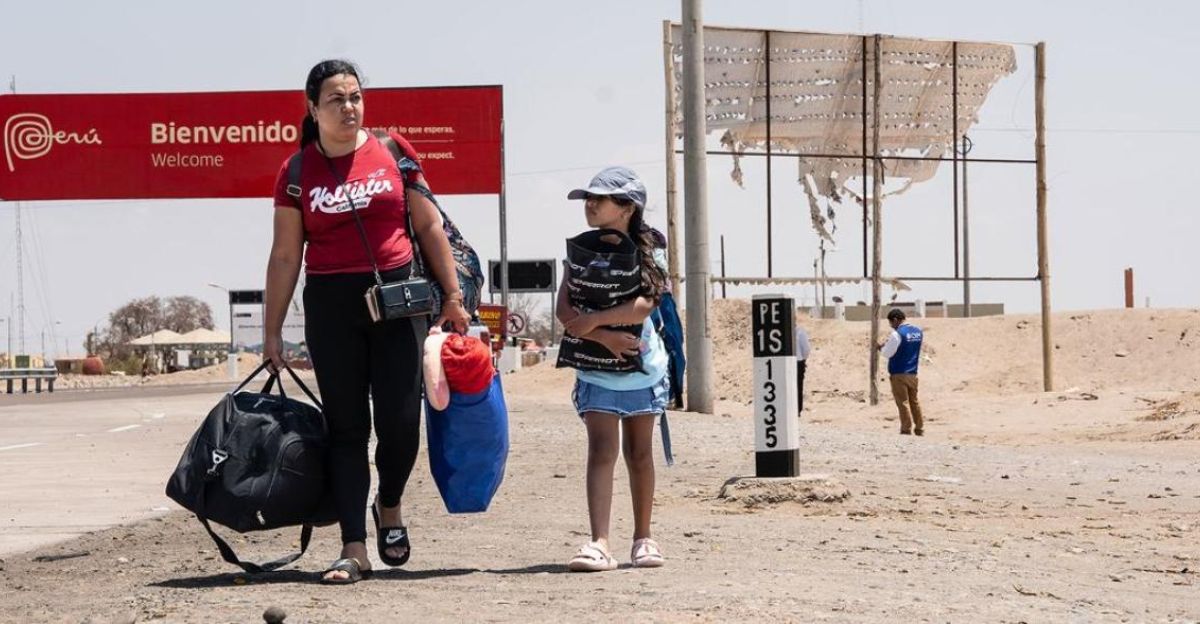
Before the capture, Venezuela faced a massive humanitarian emergency. By January 2026, 7.9 million people inside needed urgent aid, and nearly 8 million had fled since 2014. Food insecurity, currency collapse, and medical shortages persisted. UN agencies warned instability could trigger new displacement. Colombia hosts about 3 million refugees and lost 70% of humanitarian funding in 2025. Diaspora politics sharpened the backlash.
“This Will Do NOTHING To Help My Constituents”
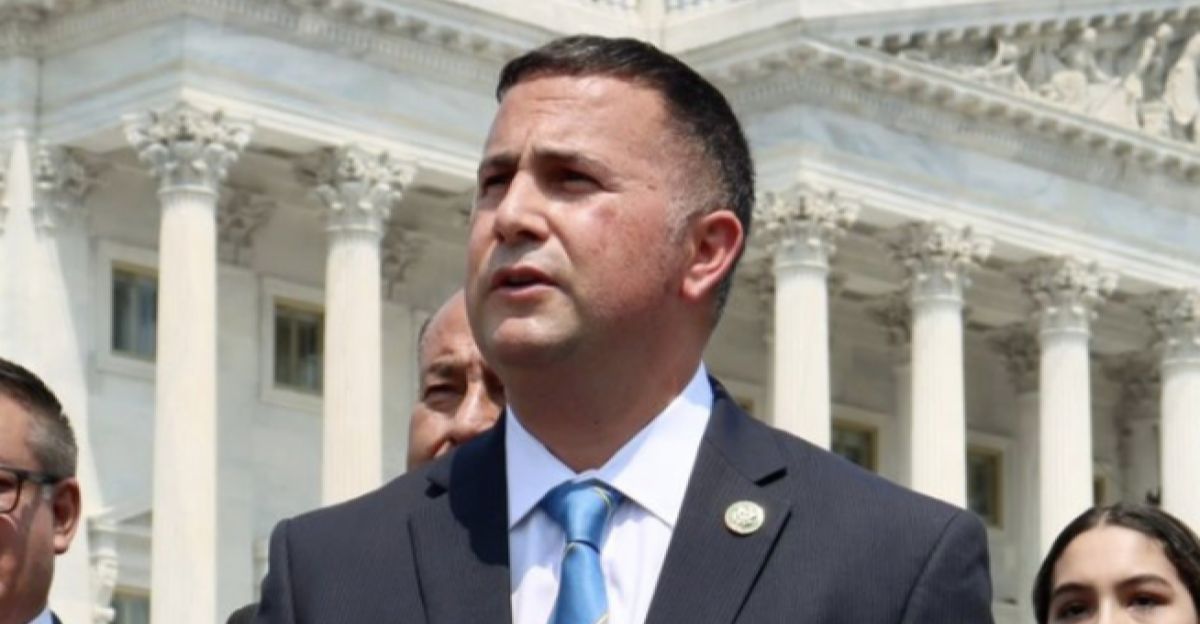
Rep. Darren Soto said: “Trump is not only trading one dictator for another just to get oil? This will do NOTHING to help my constituents’ family members who just lost their TPS [Temporary Protected Status] and still can’t return home.” Trump ended TPS for 500,000 Venezuelan-Americans while launching the raid. Refugee applications were offered, but deportation threats remained. The contradiction fed fears about what comes next.
Who Governs Now, And For How Long?
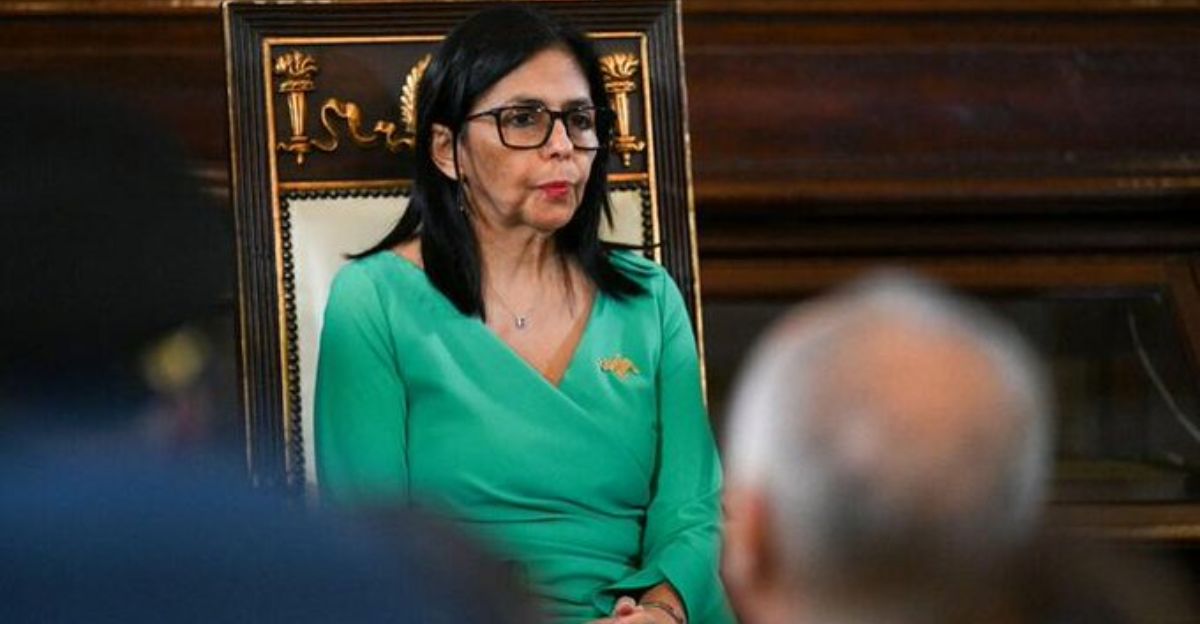
Vice President Delcy Rodríguez was sworn in as interim president. The U.S. bet she would cooperate, while María Corina Machado and Edmundo González Urrutia, who won July 2024 elections with 67% of the vote, stayed sidelined. Venezuela’s constitution calls for elections within 30 days, but the administration called that “premature.” Trump offered no date, and Rubio said “months” or longer. The sources behind the story matter.
Sources:
Operation Absolute Resolve. U.S. Department of Defense Press Release, January 3, 2026.
Presidential Indictment Against Nicolás Maduro. U.S. Department of Justice, unsealed January 3, 2026.