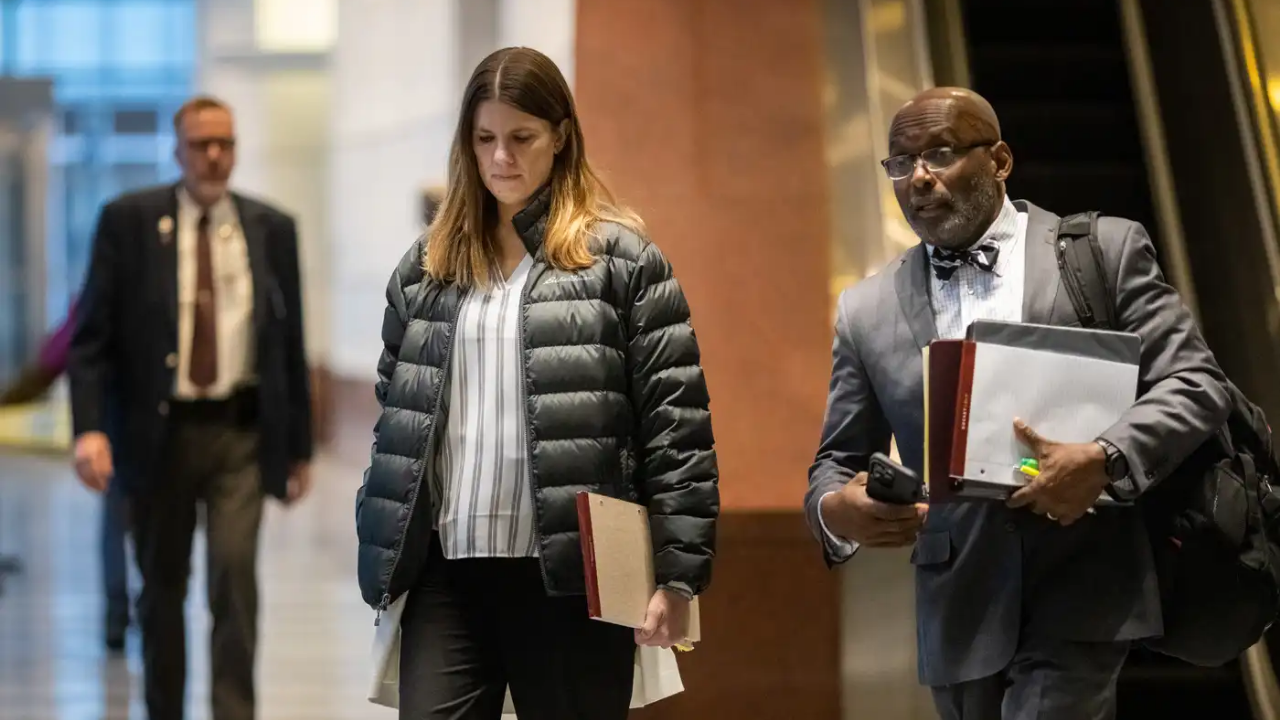
Federal agents didn’t start with spreadsheets—they started by taking things away. A 2013 Porsche was seized. Millions of dollars were frozen in bank accounts. Luxury items were removed from a Minnesota home.
All of it, prosecutors say, traces back to money claimed for meals that were never served. The forfeiture order marked the first major attempt to claw back funds from what authorities describe as a massive child-nutrition fraud scheme that operated during the pandemic.
Largest Pandemic Case
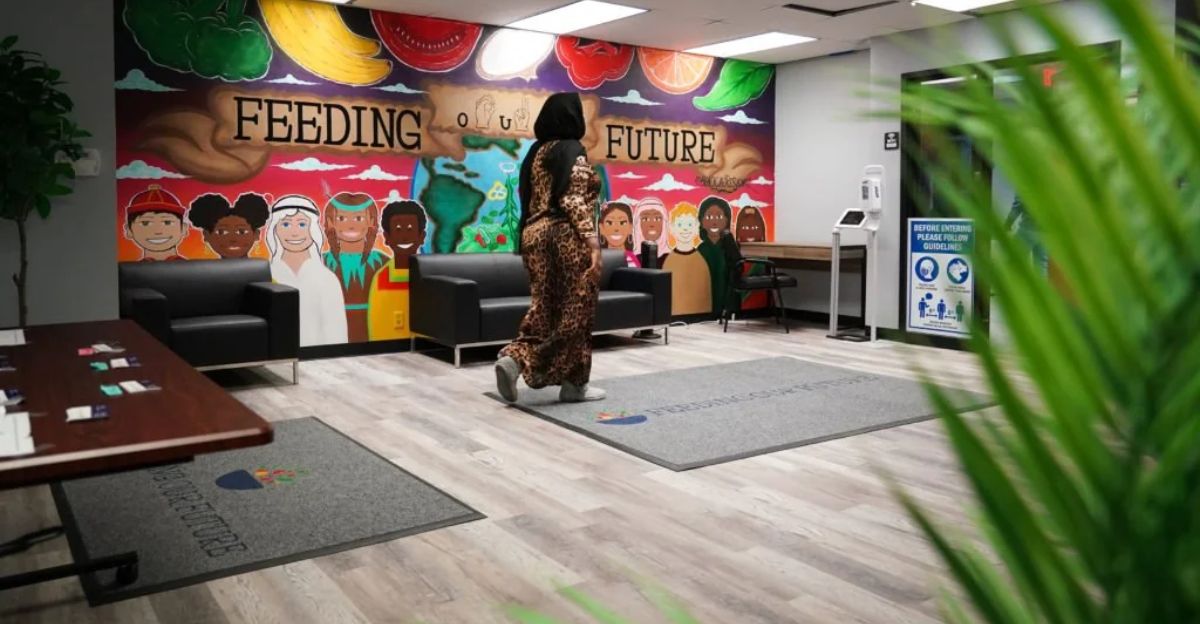
Authorities describe the Feeding Our Future prosecution as one of the largest pandemic-era relief fraud cases in U.S. history. Federal prosecutors estimate roughly $250 million in losses, with some filings placing the total closer to $300 million.
A federal jury in Minneapolis has already convicted top defendants, while dozens more face charges. Officials say the fraud siphoned emergency nutrition funds at a moment when families were heavily reliant on government meal programs.
A Nonprofit’s Rise
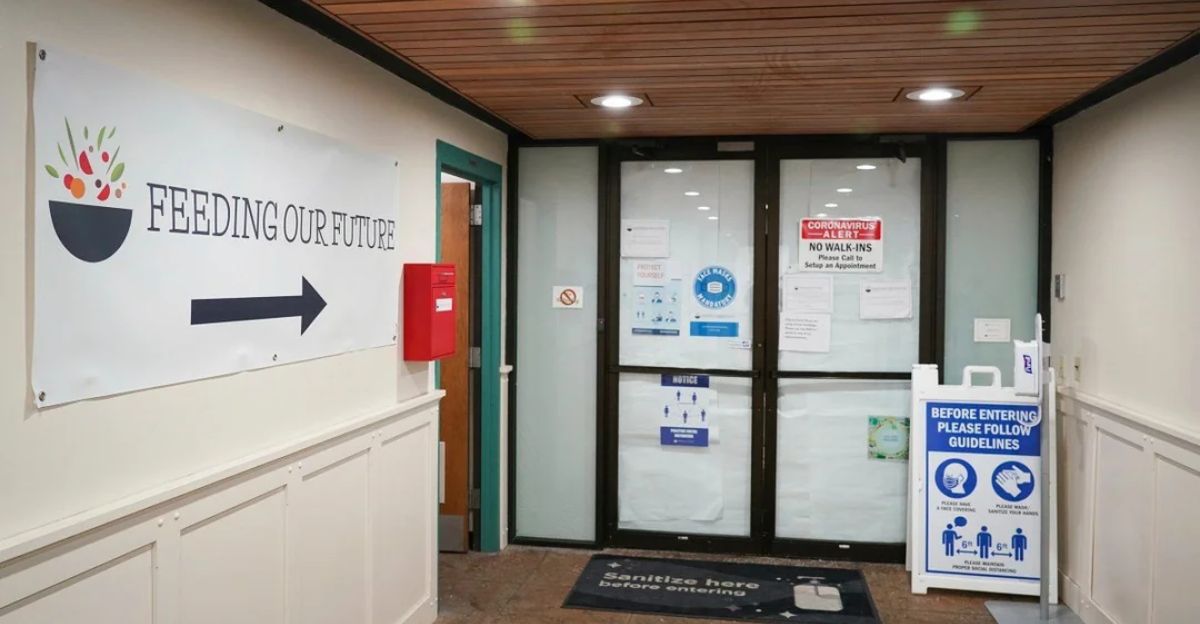
Founded in 2016, Feeding Our Future initially managed modest sums under federal child nutrition programs. By 2019, the nonprofit handled about $3.4 million in reimbursements. That changed dramatically during the pandemic.
As emergency funding expanded and rules loosened, the organization’s reported operations ballooned far beyond pre-pandemic levels. That sudden spike in funding and meal claims would later trigger alarm among state regulators and federal investigators.
Pandemic Pressure
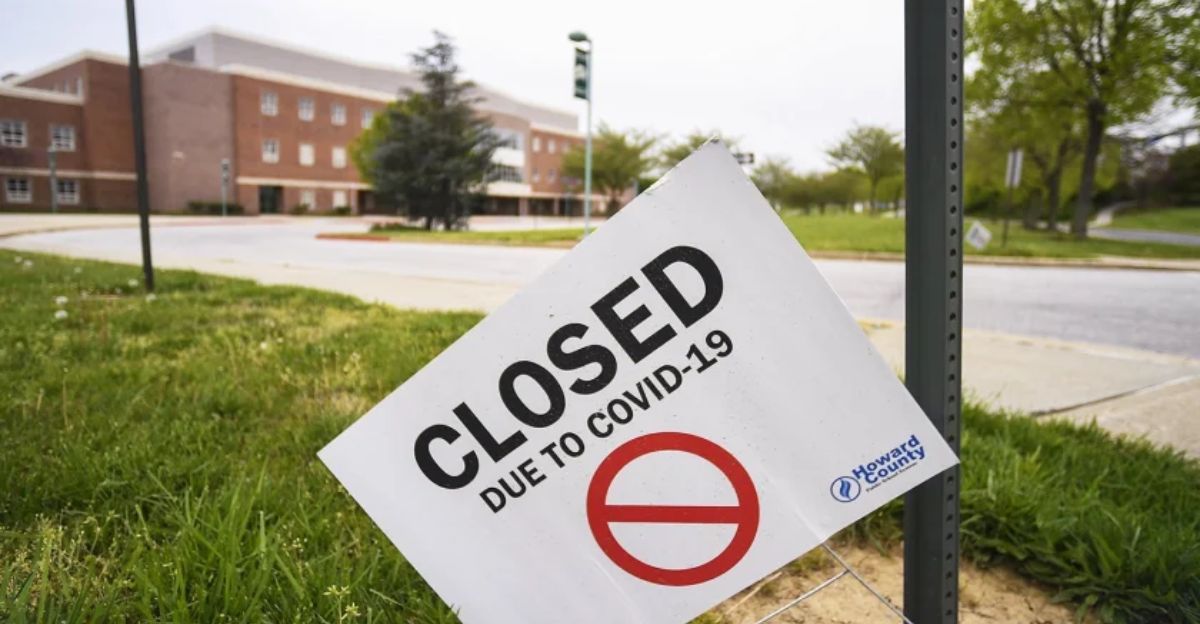
When COVID-19 shut down schools in 2020, the federal government relaxed oversight rules to keep meals flowing to children. In-person site visits were reduced, approvals were expedited, and sponsors could submit claims with fewer checks.
Prosecutors say those emergency safeguards created vulnerabilities. According to court filings, conspirators exploited those gaps by inflating meal counts and operating shell sites that existed mostly on paper across Minnesota.
Forfeiture Order
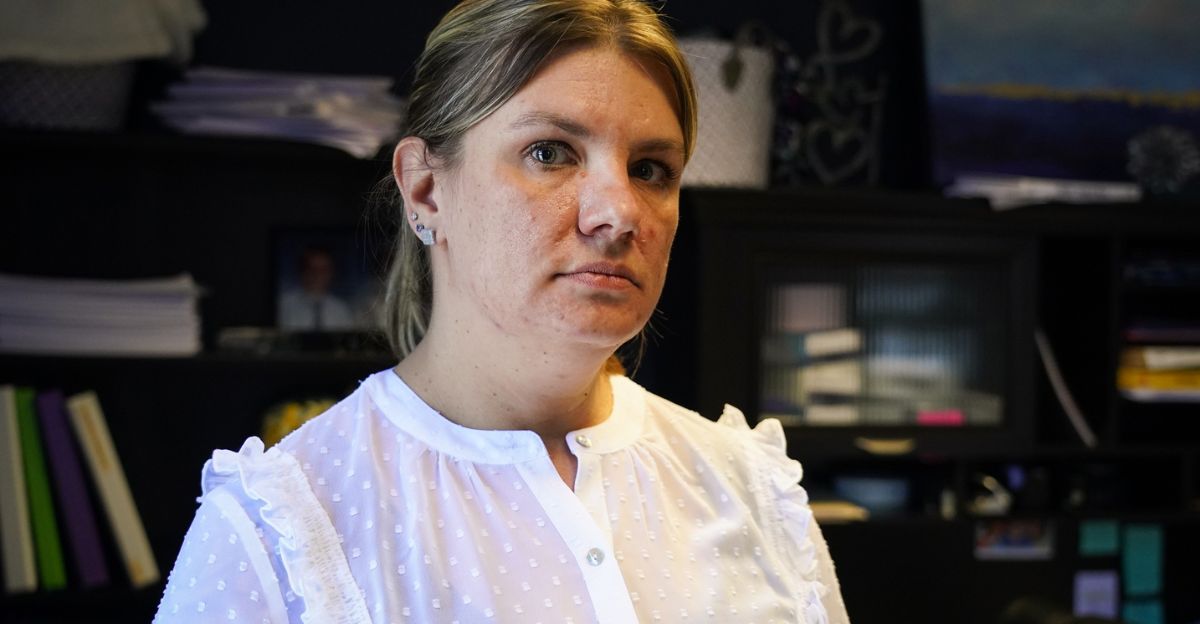
In late December 2025, a federal judge approved a preliminary forfeiture order targeting Aimee Bock, the nonprofit’s founder and executive director.
The order requires Bock to forfeit approximately $5.2 million tied to the fraud scheme, including a 2013 Porsche, about $3.7 million in bank accounts and cash, and luxury goods seized from her home. Bock was convicted on all counts in March 2025.
Minnesota Epicenter
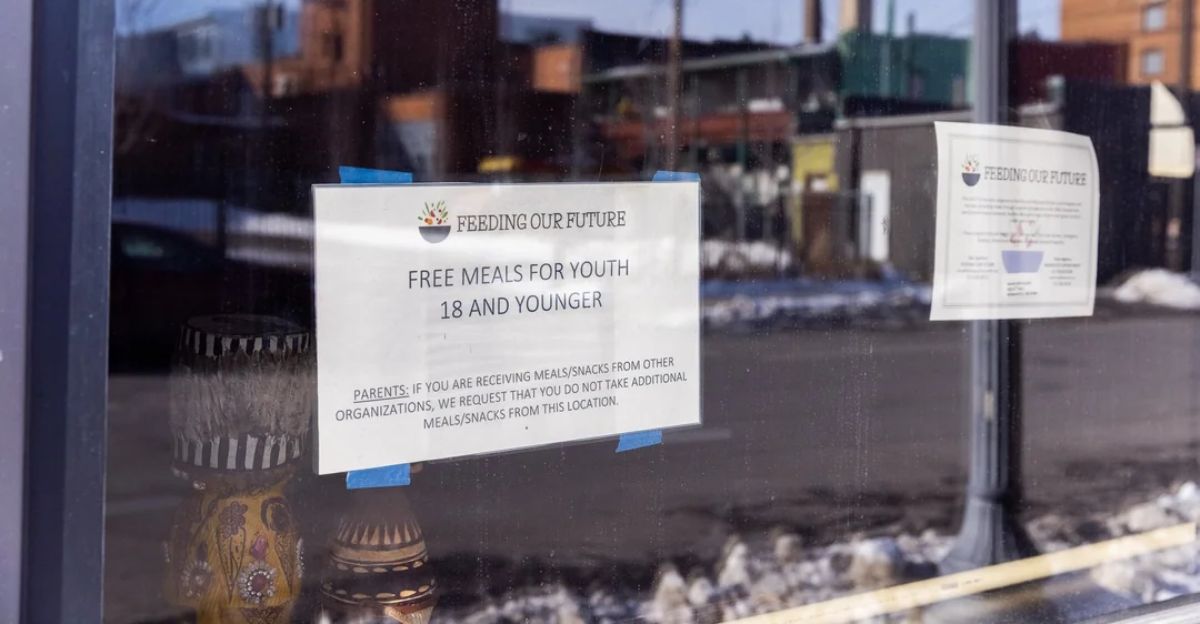
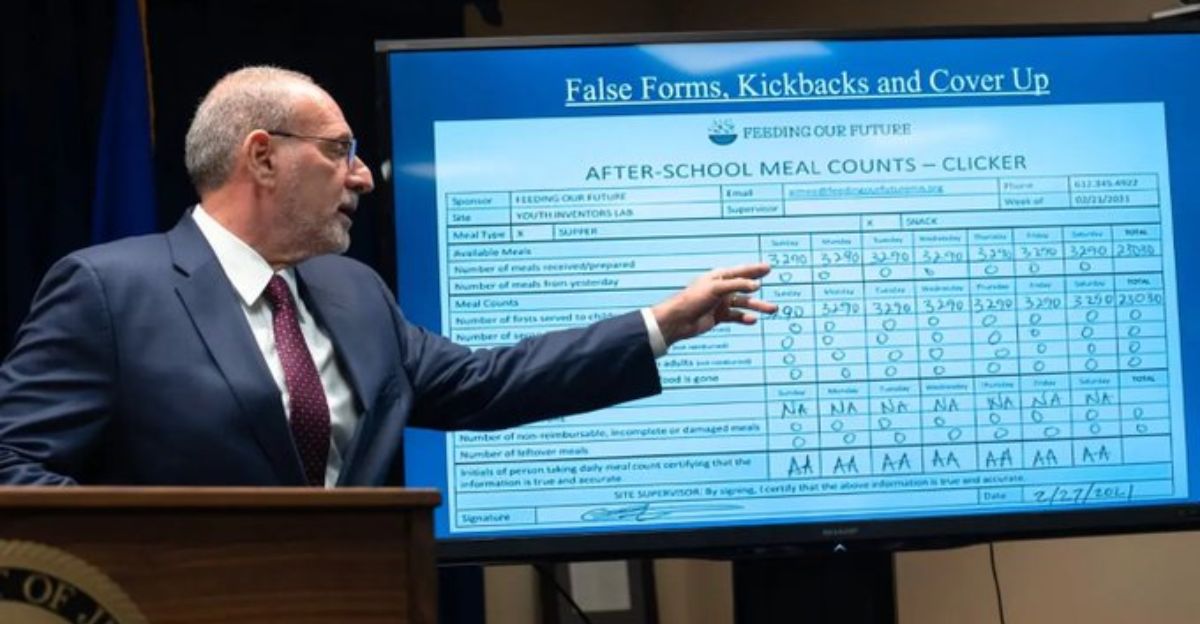
The scheme was largely centered in Minnesota, where hundreds of meal sites operated under federal nutrition programs. Prosecutors allege that between 2020 and 2022, conspirators claimed to serve roughly 91 million meals to low-income children.
Investigators say many sites served far fewer meals than reported—or none at all—while reimbursement money flowed into personal and business accounts unrelated to food distribution.
Children Shortchanged
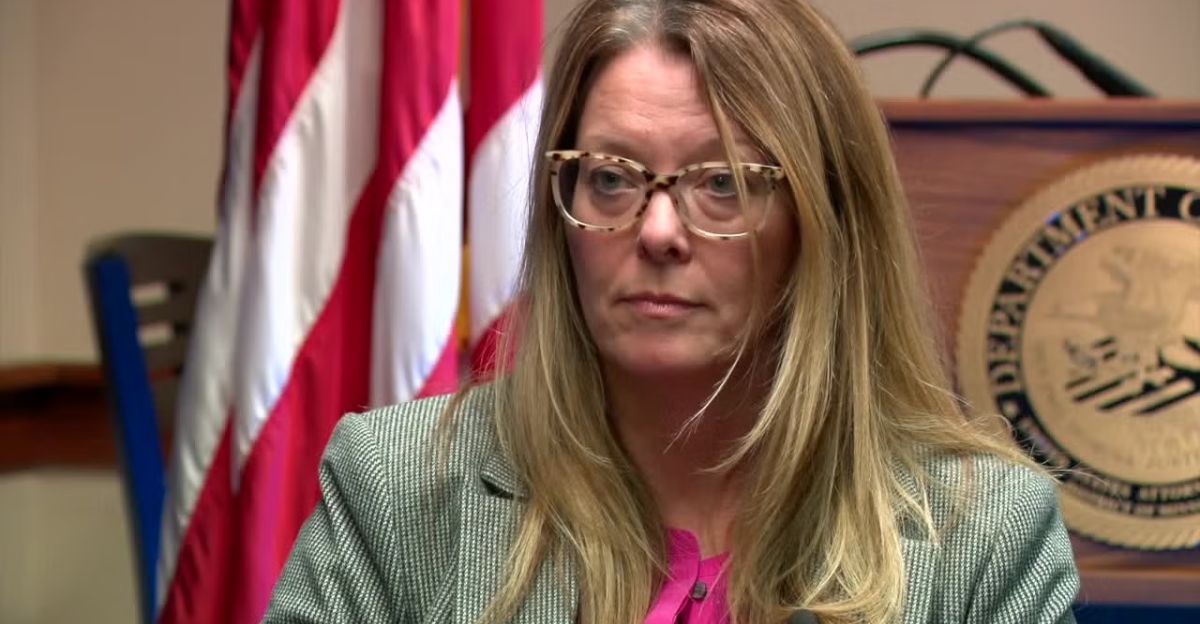
Federal officials emphasize that the alleged fraud carried real human consequences. Acting U.S. Attorney Lisa D. Kirkpatrick said money meant to feed vulnerable children was diverted elsewhere. Legitimate food providers and families relied on the same nutrition pipeline that prosecutors say was exploited.
Authorities argue that every fraudulent claim reduced available resources for children who depended on emergency meal programs during school closures.
Oversight Clash
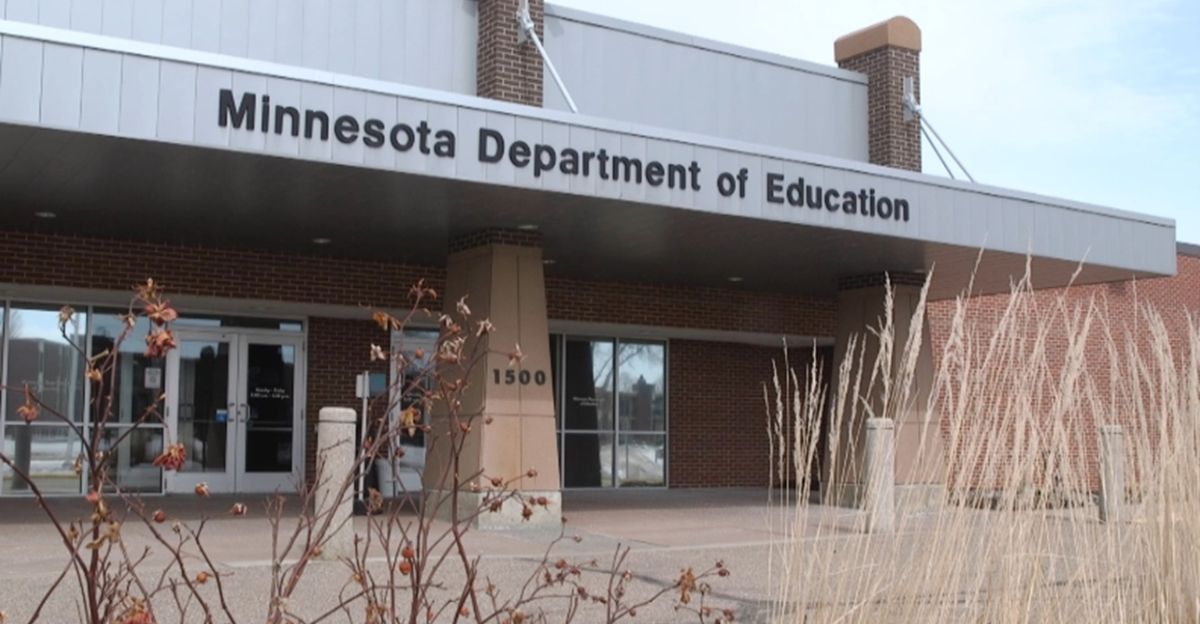
Concerns emerged before federal raids. The Minnesota Department of Education attempted to halt payments after noticing unusually rapid growth in Feeding Our Future’s meal claims.
The nonprofit responded by suing the state, alleging discrimination against the organization and the Somali community it largely served.
The Minnesota Department of Education subsequently resumed payments after determining that concerns had been addressed, though prosecutors later argued that this delay in intervention allowed fraudulent claims to continue multiplying.
Explosive Growth
By 2021, Feeding Our Future reported receiving nearly $200 million in a single year. Court records show the nonprofit listed close to 300 meal sites statewide and claimed to serve nearly 90 to 91 million meals in under two years.
Prosecutors allege that the vast majority of the money was siphoned through inflated invoices and sham operations rather than going toward food.
Defendant Breakdown
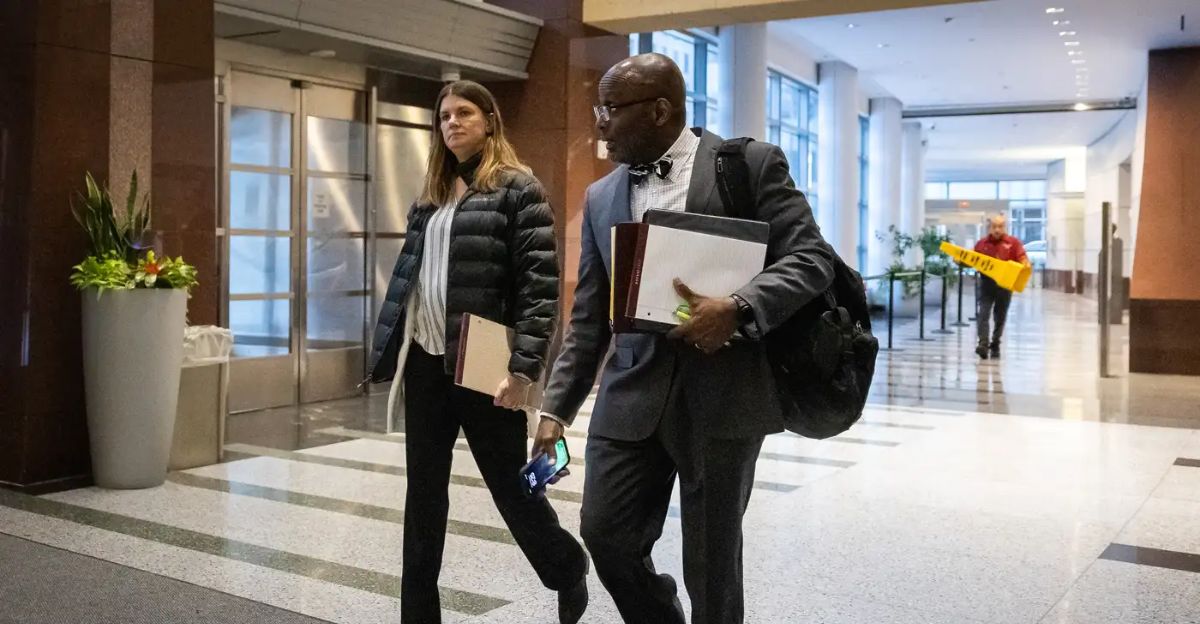
As the investigation expanded, federal prosecutors charged 78 defendants connected specifically to the Feeding Our Future case. Public statements later noted that 72 of those defendants—about 92%—were of Somali descent.
Across all Minnesota pandemic-era nutrition fraud cases in late 2025, prosecutors reported 92 people had been charged, with 82 identified as Somali American—approximately 89%, according to the U.S.
Attorney’s Office. By January 2026, those figures had grown to 98 defendants total, with 85 identified as of Somali descent, representing roughly 87%. Several defendants remain fugitives abroad, according to prosecutors.
Alleged Ringleader

Prosecutors have described Bock as the scheme’s ringleader or mastermind. In March 2025, Acting U.S. Attorney Kirkpatrick said Bock and co-defendant Salim Said exploited pandemic conditions to carry out a massive fraud.
A jury convicted both on all counts, including conspiracy to commit wire fraud and bribery. Prosecutors argued that Bock approved meal sites and certified claims she knew were fraudulent.
Organizational Collapse
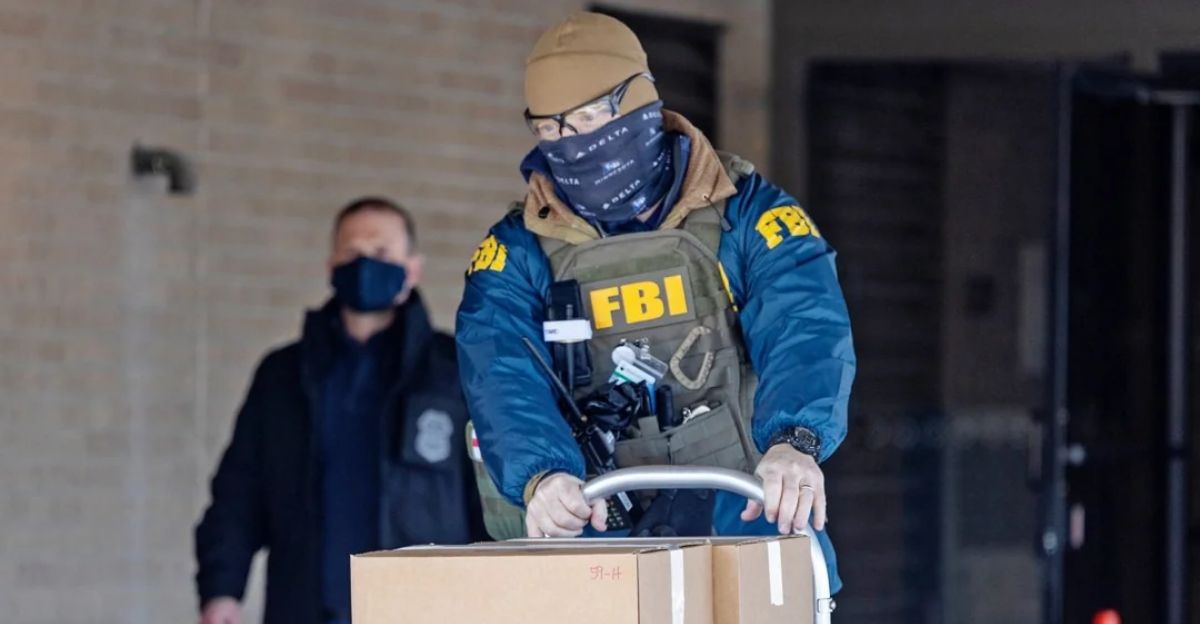
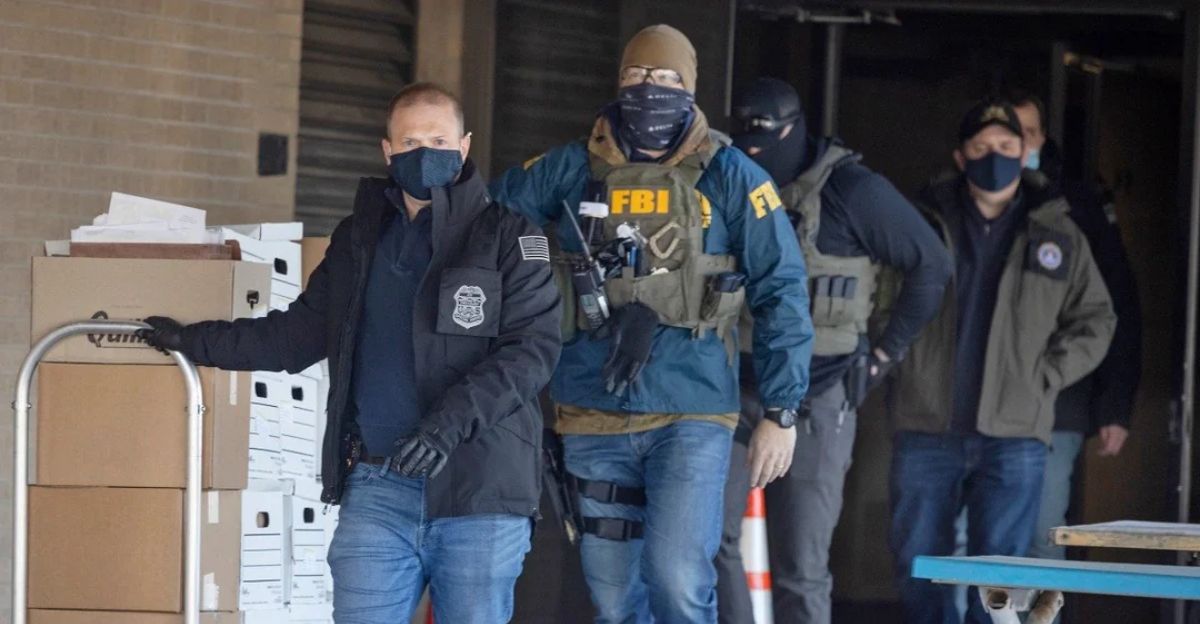
Feeding Our Future effectively collapsed after FBI raids in January 2022 and subsequent indictments. As founder and executive director, Bock became the central focus of the prosecution.
Co-defendant Salim Said, a Minneapolis restaurant owner, was also convicted. Many lower-level participants pleaded guilty, unraveling a network of food-service entities that had operated under the nonprofit’s sponsorship during the pandemic.
Luxury Spending

Court filings outline how fraud proceeds were allegedly spent. Authorities seized a Porsche, designer handbags, jewelry, electronics, and more than $13,000 in cash from Bock’s home.
Other defendants admitted using funds to purchase homes in Minnesota and Ohio, overseas property in Turkey, and luxury vehicles including newer Porsche models and high-end trucks. Prosecutors say none of these expenditures were connected to feeding children.
Defense Arguments
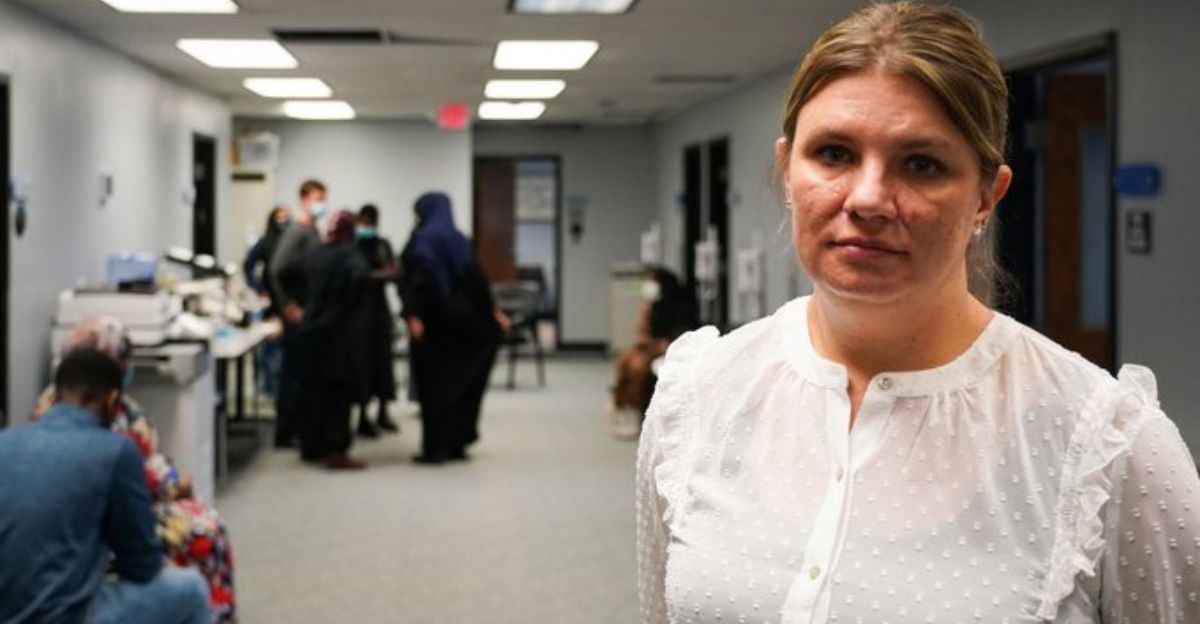
At trial, Bock maintained that she did not knowingly commit fraud, arguing she relied on staff and vendors to verify meal counts. Her attorney blamed government oversight failures and said agencies unfairly targeted her organization.
Defense attorneys for other defendants argued that rapid program changes caused confusion or that legitimate businesses were drawn into misconduct by others. Jurors ultimately rejected those arguments.
Recovery Gap
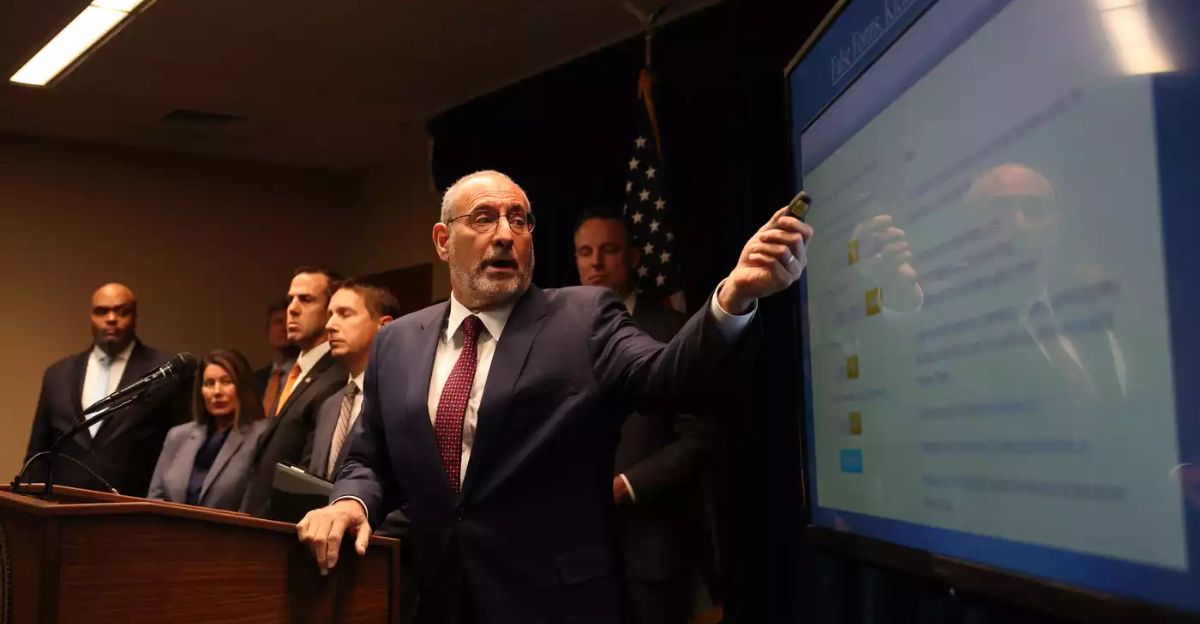
Despite allegations of $250 million to $300 million in fraud, only a fraction of the money has been recovered. Public estimates suggest roughly $75 million had been clawed back by early 2025.
The $5.2 million forfeiture order against Bock represents a small share of the total losses. Prosecutors say asset recovery is ongoing, complicated by overseas transfers and dissipated funds.
Political Ripples
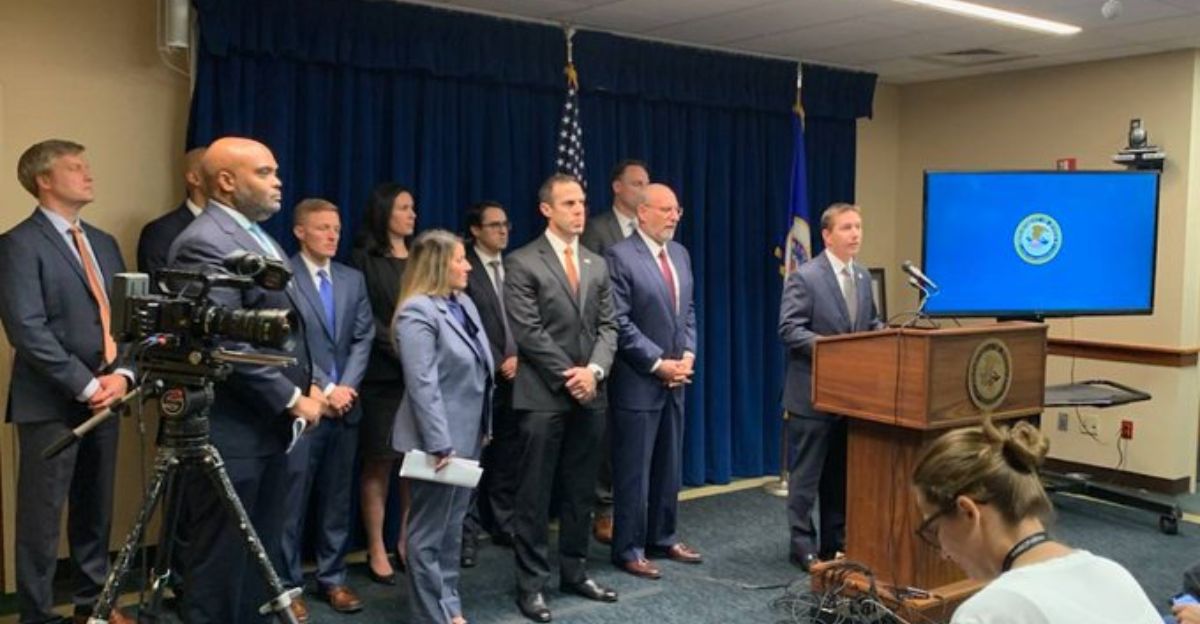
The scandal triggered political fallout in Minnesota. State officials faced questions about why payments continued after warning signs appeared. National leaders cited the case as an example of pandemic-era oversight failures.
Some policymakers focused on how emergency rule changes enabled abuse, while others debated how community-based nonprofits should be vetted when federal funds are distributed quickly during crises.
Community Impact
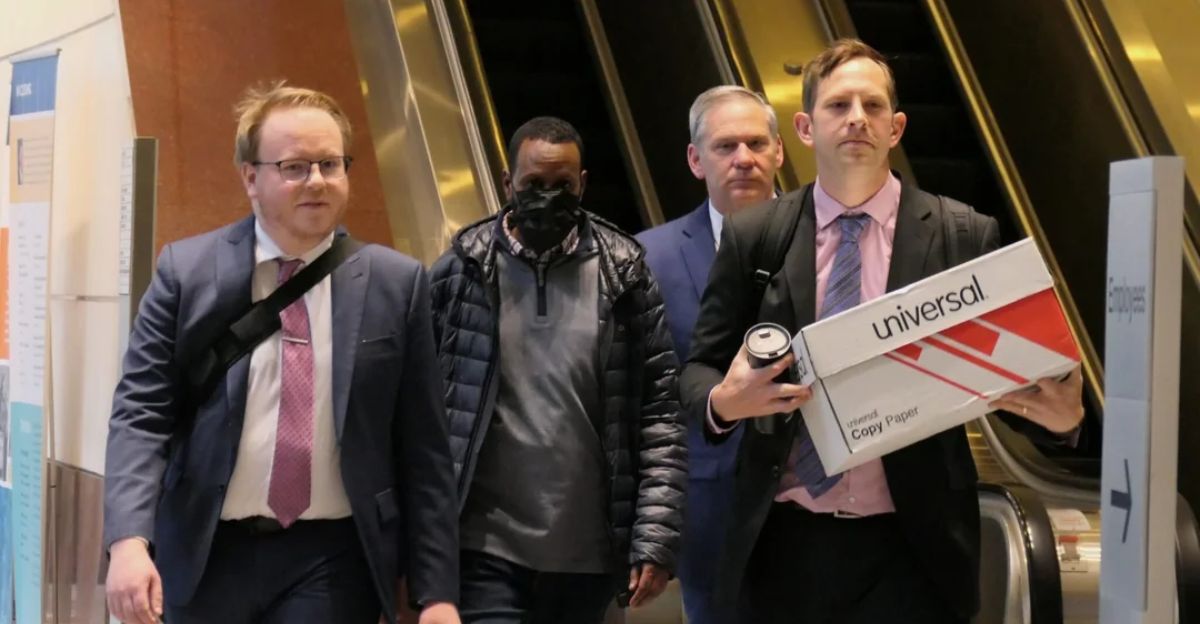
Because many defendants are Somali Americans, the case has drawn intense scrutiny toward Minnesota’s Somali community. Advocates warn against stigmatizing law-abiding families and organizations. Critics argue that tighter controls are necessary regardless of community ties.
Media coverage has fueled debate over balancing fraud prevention with equitable access to federal aid, especially in communities heavily reliant on nonprofit service networks.
Legal Consequences
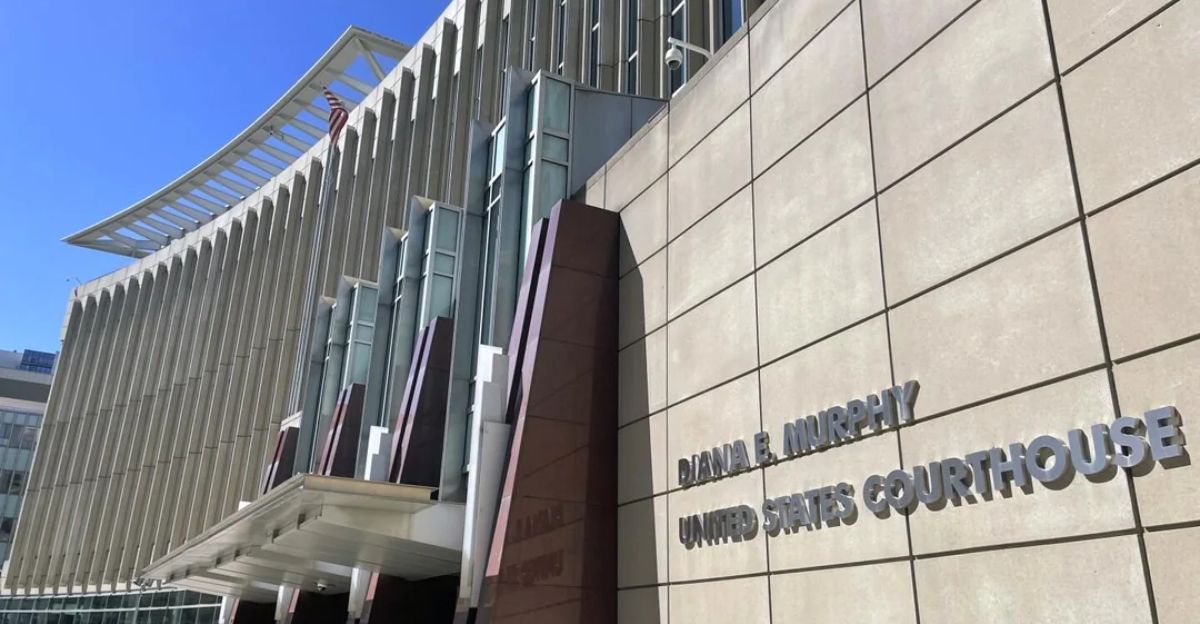
Federal courts continue handling trials, plea agreements, and sentencing hearings tied to the scheme. By late 2025, more than 50 defendants had pleaded guilty, while others were convicted at trial.
Sentences have included lengthy prison terms and substantial restitution orders. Prosecutors continue pursuing forfeiture actions, viewing asset seizures as critical to recovering taxpayer funds.
Ethics and Trust

The case has raised broader questions about nonprofit governance and regulatory disputes. Prosecutors argue Bock framed oversight efforts as discrimination while fraudulent claims surged. Officials say those tactics complicated enforcement and delayed intervention.
The controversy may influence how courts and regulators assess discrimination claims when financial irregularities are present, particularly in high-risk emergency programs.
What It Signals
The Feeding Our Future scandal illustrates how emergency aid, weak controls, and rapid nonprofit expansion can combine into large-scale fraud. It also highlights how difficult it is to recover public funds once they are spent or moved overseas.
As agencies revise safeguards, officials say the case will shape how future crisis-era programs are designed, monitored, and enforced nationwide.
Sources:
“Federal Jury Finds Feeding Our Future Mastermind and Co-Defendant Guilty in $250 Million Fraud Scheme.” U.S. Department of Justice, U.S. Attorney’s Office, District of Minnesota, 18 Mar 2025.
“Feeding Our Future Founder Aimee Bock Ordered to Forfeit $5.2 Million.” CBS News Minnesota, 30 Dec 2025.
“Minnesota Fraud Cases, Investigations Focus on Somali Community Members.” Associated Press, 30 Dec 2025.
“Judge Clears Way for Minnesota Welfare Fraud Ringleader to Forfeit Porsche, Millions Held in Accounts.” Fox News, 6 Jan 2026.