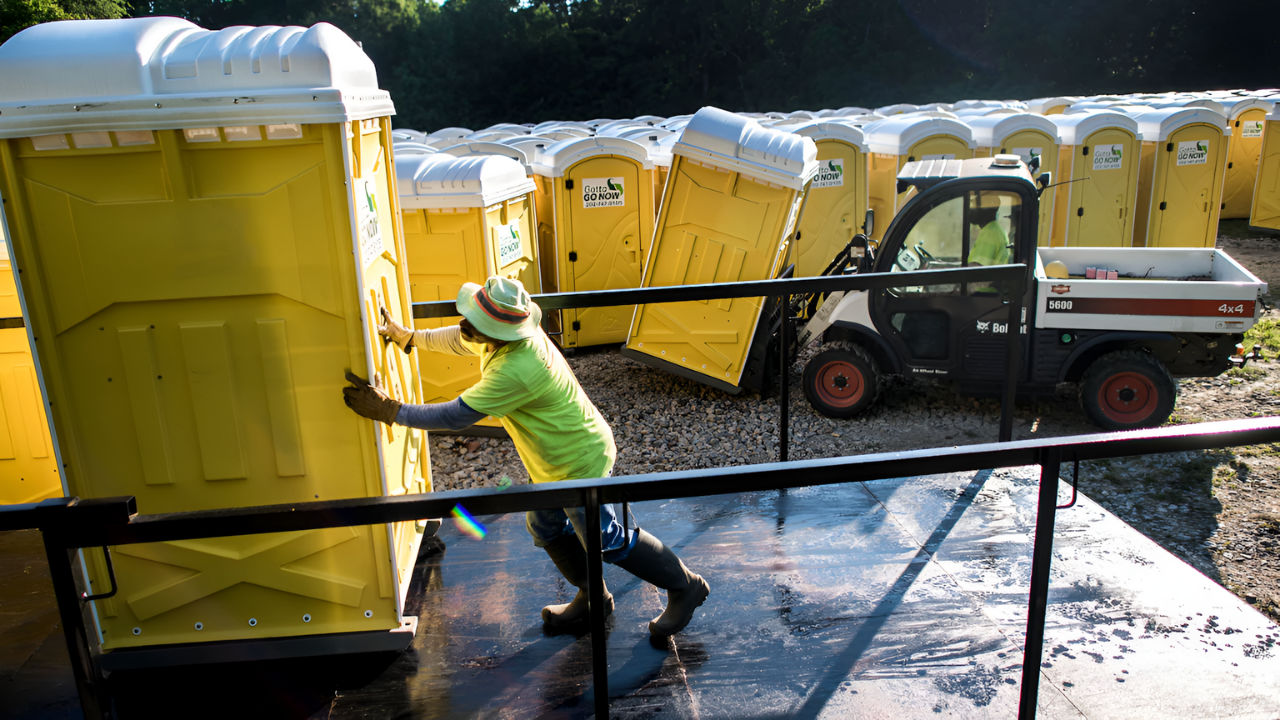
The nation’s largest portable sanitation provider just filed for one of the construction industry’s most significant bankruptcies. United Site Services, which operates iconic brands including Johnny on the Spot and Mr. John, entered Chapter 11 protection on December 29, seeking to eliminate a staggering $2.4 billion in debt.
The filing spans 22 affiliated companies and more than 140 locations nationwide. Years of strain from a construction slowdown and higher interest costs finally caught up, and the details show how quickly it spiraled.
A Billion-Dollar Sanitation Crisis Unfolds
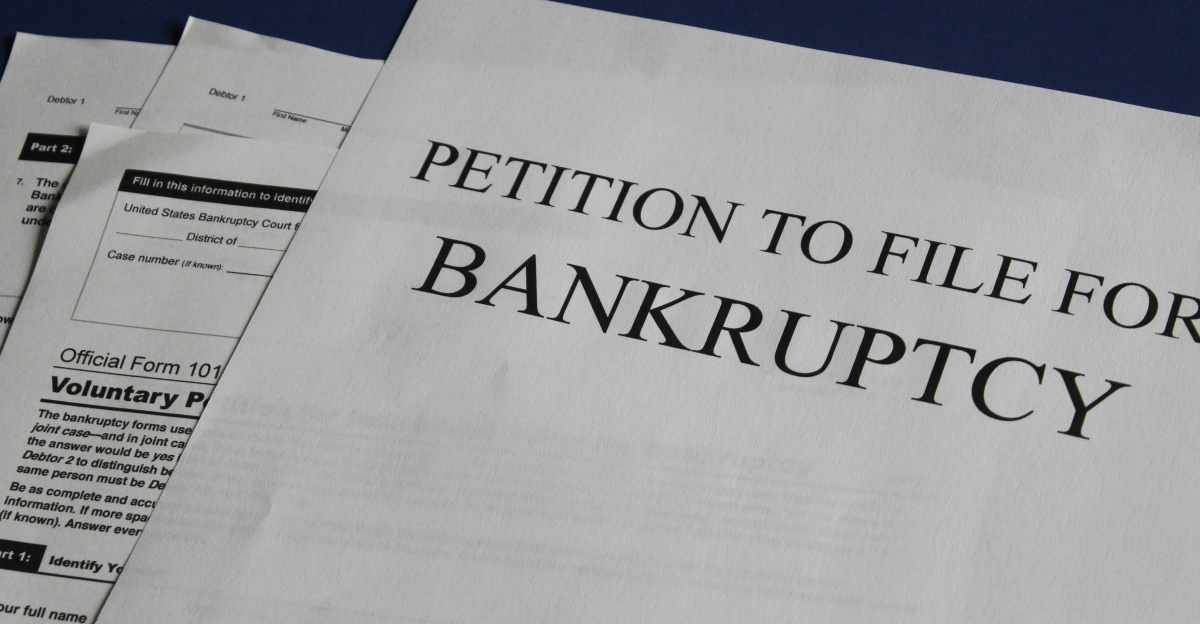
United Site Services filed for Chapter 11 on December 29 in New Jersey federal court, aiming to erase $2.4 billion in funded debt. The Massachusetts-based owner of Johnny on the Spot and Mr. John offered a prepackaged plan backed by more than 75% of creditors.
The case includes 21 affiliates, from Northeast Sanitation to Vortex Opco. The filings reveal a business stretched to its limits, yet the scale behind it makes the shock deeper.
The Scale Behind The Collapse
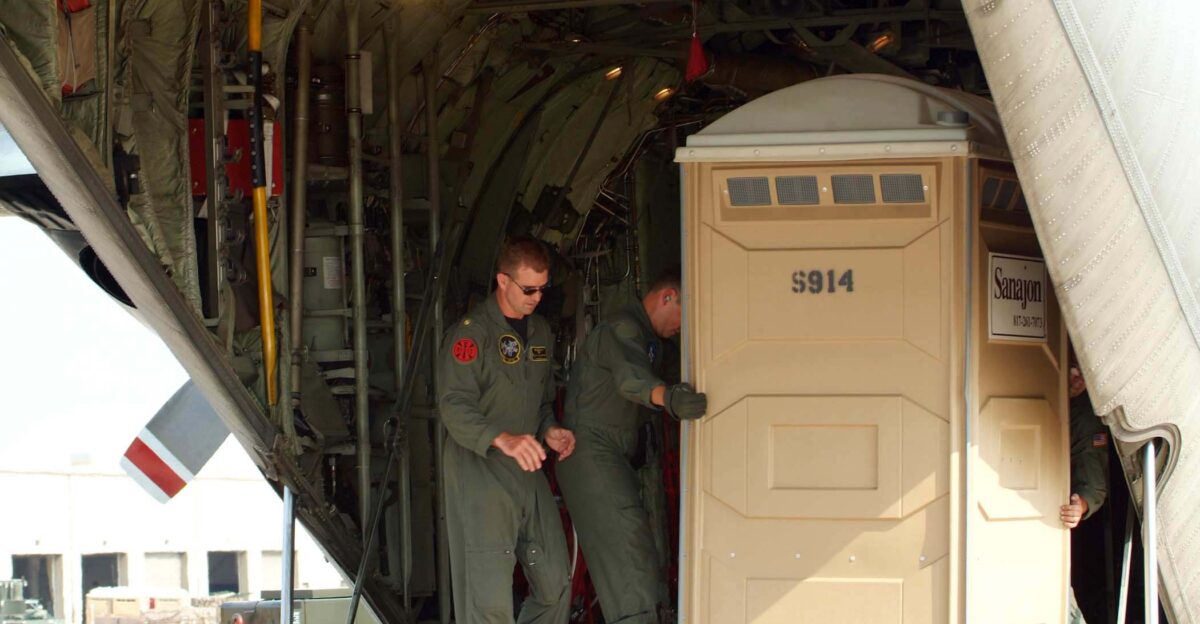
United Site Services runs the nation’s largest portable sanitation fleet, with about 350,000 units across the country. It serves more than 70,000 customers through a network topping 140 branch locations, supported by over 3,000 employees.
Offerings range from basic construction toilets to luxury restroom trailers with running water and air conditioning. It also provides fencing, hygiene stations, and dumpsters. That reach made the unraveling impossible to ignore, especially once construction demand weakened.
Construction Sector Delivers The Killing Blow
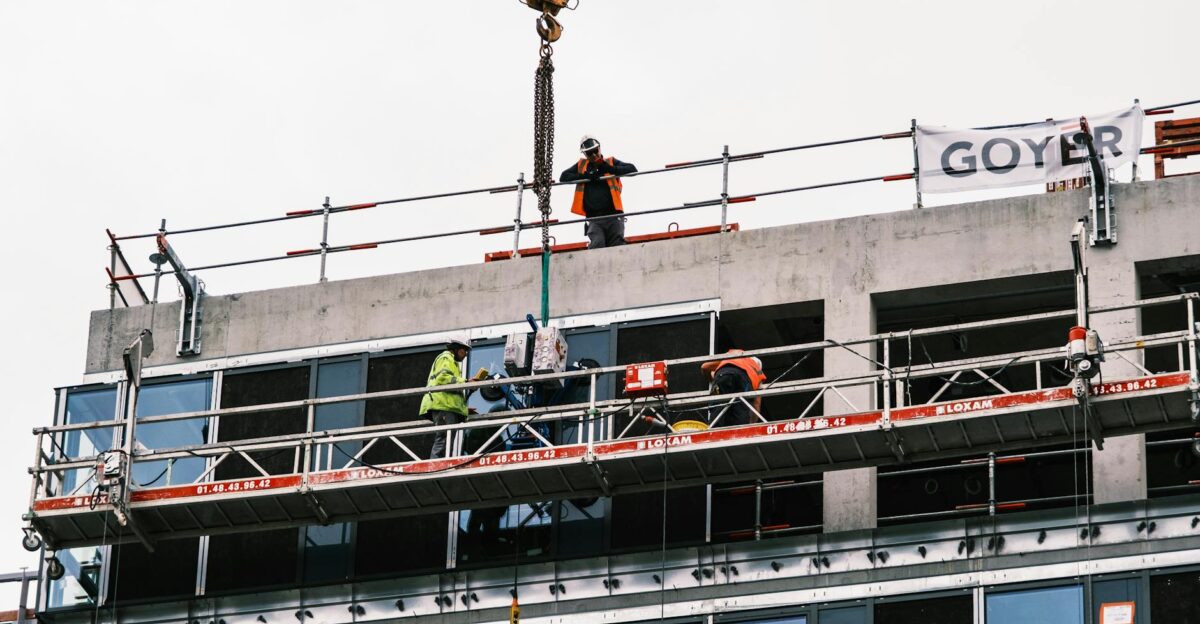
Construction generates about 70% of United Site Services revenue, leaving it exposed to any building slowdown. Multi-family housing completions in major markets fell 29% year-over-year through this year, and non-residential work also softened.
San Francisco housing permits collapsed 50% back in 2022, signaling the pain ahead. Revenue never hit levels management projected, even after financial fixes. Could a company this entrenched really be taken down by one sector’s retreat?
“We Never Saw It Coming”

CEO Bobby Creason addressed the filing on December 29, saying the company has been “transforming how site services are performed by setting best practice standards for over 25 years,” but the bankruptcy “ensures we continue leading the industry for the long run.”
He added “this process will strengthen our foundation, reducing our net debt, providing a significant amount of new capital to invest in our people and operations.” Those assurances landed against a debt load that told a harsher story.
The Debt Mountain That Couldn’t Be Climbed

At filing, United Site Services reported about $2.514 billion in debt maturing as late as April 30, 2030. The stack included first-out term loans, second-out term loans totaling $1.77 billion, and amended term loans of $46.2 million.
Third-out notes and amended unsecured notes added more layers. Between 25,001 and 50,000 unsecured creditors held claims, though funds were expected for distribution. That structure depended on one thing staying manageable: interest expense.
When Interest Rates Became A Killer

Rising floating rates sharply increased debt service on a massive $2.8 billion load. At the same time, inflation and supply chain disruptions pushed up fuel, vehicle maintenance, and labor costs, tightening margins.
By late 2023, S&P Global Ratings cut the issuer rating to “CCC,” expecting metrics to remain weak as higher interest expense and lower earnings drove moderately negative free cash flow. The squeeze became a trap, and the origin story points to private equity.
Private Equity’s Billion-Dollar Gamble Gone Wrong

Platinum Equity bought United Site Services in 2017, valuing it around $4 billion. It pursued aggressive acquisition growth, completing 36 add-ons after closing. The expansion doubled revenue and repeatedly boosted EBITDA through 2021.
But leverage rose alongside scale, leaving little room when markets turned. By 2022, weakness in construction demand and cost pressures started exposing cracks. However, management still tried a financial reset before turning to court.
The 2024 Rescue That Wasn’t

On August 22 last year, United Site Services completed a 2-phase out-of-court recapitalization meant to inject $300 million through first-out term loans. The deal captured over $200 million of discount on exchanged debt and extended maturities into 2030.
Platinum also provided a $50 million bridge facility on borrower-friendly terms to address liquidity needs. CastleKnight Management LP stood out as the main holdout. That lone decision would later become a key point of friction.
Market Reality Crushed Rosy Projections

Advisor Chris Kelly of Alvarez & Marsal wrote that “the economic challenges USS faced in 2022 and 2023 showed promise of abating around the time of the 2024 Recapitalization.” He added “the market outlook in mid-2024 suggested that total construction starts were expected to increase by approximately 10% in 2024.”
Instead, conditions worsened through the rest of last year. Revenues stayed pressured and missed plan assumptions. The forecast gap alone hurt, but one creditor’s stance threatened to slow the entire process.
The Holdout Creditor’s High-Stakes Gambit

CastleKnight Management LP, seen as the largest holder of amended term loans, third-out notes, and amended unsecured notes, holds $377 million in debt. It was among the few institutional creditors that refused the 2024 recapitalization exchange.
United Site Services said CastleKnight aims to pursue “a path of delay and litigation,” potentially challenging the prepackaged plan. The company also warned it may seek to “capitalize off the Debtors’ bankruptcy by using litigation threats.” Would that resistance derail the fast timeline?
Debtor-In-Possession Financing Provides Lifeline

United Site Services secured $120 million in debtor-in-possession financing from members of an ad hoc lender group to maintain operations during its Chapter 11 proceedings. The DIP received interim approval and supports payments to employees and trade creditors during the restructuring process.
PJT Partners began marketing DIP financing on November 19, contacting 12 third parties, but none showed interest. Lenders stepping in signaled confidence in the core business, but the restructuring terms would decide who truly wins.
The Restructuring Plan’s Winner And Losers

The prepackaged plan eliminates $2.4 billion in funded debt and secures $1.1 billion in new capital, including a $480 million equity rights offering backed by the ad hoc lender group. First-out term loans, notes, and revolver debt receive 100% cash recovery.
Second-out term loan holders owed $1.77 billion, representing 98.22% of the new shares with an estimated 27% recovery. Amended term loan holders get $10.5 million cash and 1.78% equity. Trade creditors stay unimpaired, hinting at who will control what comes next.
Ad Hoc Lenders Seize Control

The ad hoc lender group comprises Clearlake, Searchlight, Apollo, Oaktree, Canyon, and Sixth Street, which collectively hold a controlling share of the funded debt. After confirmation, they fund the $480 million rights offering and provide a $300 million exit term loan.
Existing banks provide a $195 million, 5-year asset-based facility, plus a $100 million, 5-year revolver. United Site Services emerges majority-owned by these lenders, while Platinum Equity effectively loses control. Ownership may change quickly, but can the court process keep pace?
Racing Against The Clock

United Site Services targets confirmation around February 10 and plan effectiveness by March 14, an aggressive 44-day path from filing. Because it is prepackaged, creditor votes were solicited before the December 29 filing date.
Judge Michael Kaplan of the U.S. Bankruptcy Court for the District of New Jersey oversees the case. First-day motions seek authority to keep paying employees and vendors without disruption. In a services business, speed protects trust, but the broader construction backdrop is still deteriorating.
Construction Industry’s Brutal Reality Check
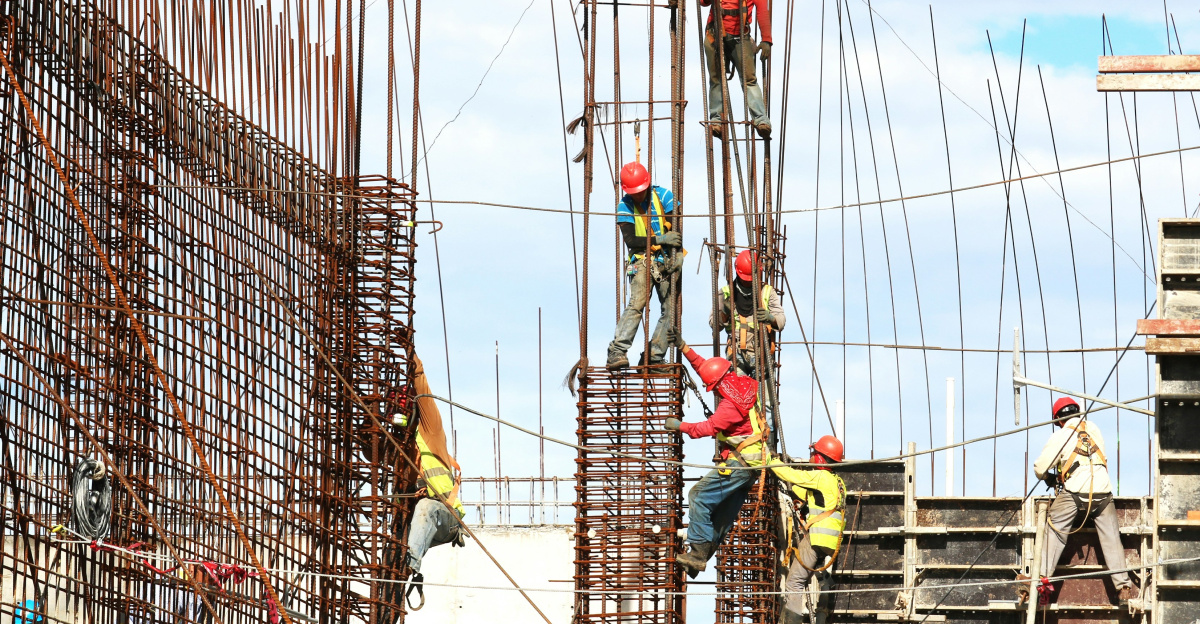
Total construction spending fell nearly 3% year-over-year through July last year, driven by declines in commercial construction of 8.2% and manufacturing construction of 7%. Material prices also climbed, with tariffs on steel and aluminum up to 50%, pushing effective tariff rates for construction goods to 25% to 30%.
Project abandonment surged 88.2% year-over-year through August last year. With already thin margins, cost spikes hit hard. That pain shows up in another stubborn constraint that no restructuring can instantly solve: labor.
Labor Crisis Compounds Financial Pressure
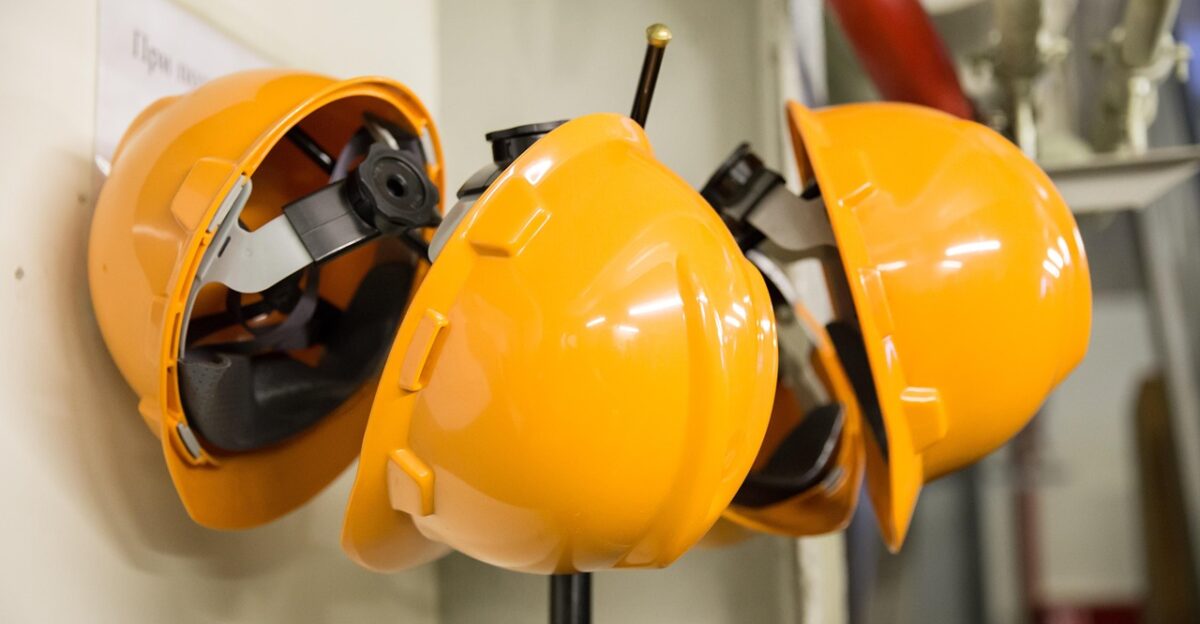
Construction and engineering face severe labor shortages, with job vacancies around 440,000, up from 300,000 in 2019. By 2031, 41% of construction workers are expected to retire, while only 10% of current workers are under 25.
Wages rose 4.2% year-over-year as of August last year. If gaps persist, the industry could lose nearly $124 billion in output due to unfilled positions. United Site Services felt this across 140-plus locations, yet some groups get unusually strong protection in this case.
Trade Creditors Breathe Easier

Unlike many bankruptcies, the plan leaves trade creditors and general unsecured claims unimpaired. United Site Services asked the court at first-day hearings to keep paying vendors and suppliers as amounts come due.
The restructuring support agreement protects these relationships by ensuring full payment on normal terms for goods and services delivered before filing. It reflects the company’s need to keep its supply chain steady and the growing tendency of modern Chapter 11 cases to shield vendors. If suppliers are safe, what about the people doing the work?
Employees Face Uncertain Future

United Site Services employs more than 3,000 workers across branch facilities, service teams, and administrative roles. The company sought court authority to keep wages and benefits uninterrupted during Chapter 11.
Attorney Michael D. Sirota of Cole Schotz represents the company, and CFO John Hafferty signed the petition. Immediate payroll stability appears protected, but long-term employment remains uncertain as new owners push changes. What makes this case different is not just who gets paid, but how the filing was structured.
Prepackaged Bankruptcy’s Strategic Advantage

A prepackaged bankruptcy locks in creditor support before court, unlike a traditional Chapter 11 that negotiates afterward. United Site Services secured acceptance from more than 75% of voting creditors through pre-filing solicitation, enabling a streamlined process.
This approach limits disruption, cuts professional fees, and helps preserve customer and vendor relationships that often erode during long cases. Prepacks now make up 65% of large Chapter 11 filings, up from 37% a decade ago. That trend sets the stage for what emergence is supposed to achieve.
What Emergence Looks Like

United Site Services plans to emerge with net funded debt reduced by $2.4 billion and $1.1 billion in new capital committed. The new structure includes lower leverage, extended maturities, and more flexible covenants meant to withstand future construction cycles.
The ad hoc lender group becomes majority owner, bringing capital and restructuring experience. Still, the core challenge remains: operating through an uncertain construction market while rebuilding profitability under new oversight. The final measure may be how far value has already fallen, and what that signals for others.
The Broader Warning

United Site Services’ bankruptcy shows how exposed construction-dependent businesses are when demand contracts alongside rising rates. Even a company with a 56-year history struggled under leverage, interest costs, and weakening end markets.
PJT Partners estimates the reorganized enterprise value at $900 million to $1.35 billion, midpoint $1.125 billion, far below the $4 billion valuation at Platinum Equity’s acquisition. The message is not limited to sanitation services, and more restructurings may be closer than many think.
Sources:
United Site Services Chapter 11 bankruptcy filing documents. U.S. Bankruptcy Court for the District of New Jersey, December 29, 2025
United Site Services first-day declaration by Chris Kelly. Alvarez & Marsal, December 29, 2025
United Site Services restructuring support agreement with ad hoc lender group. United Site Services, December 28, 2025
United Site Services Reaches Agreement with Key Financial Stakeholders. United Site Services, December 29, 2025
S&P Global Ratings downgrade of United Site Services issuer credit rating to CCC. S&P Global Ratings, 2023
Construction spending data. U.S. Census Bureau, July 2025