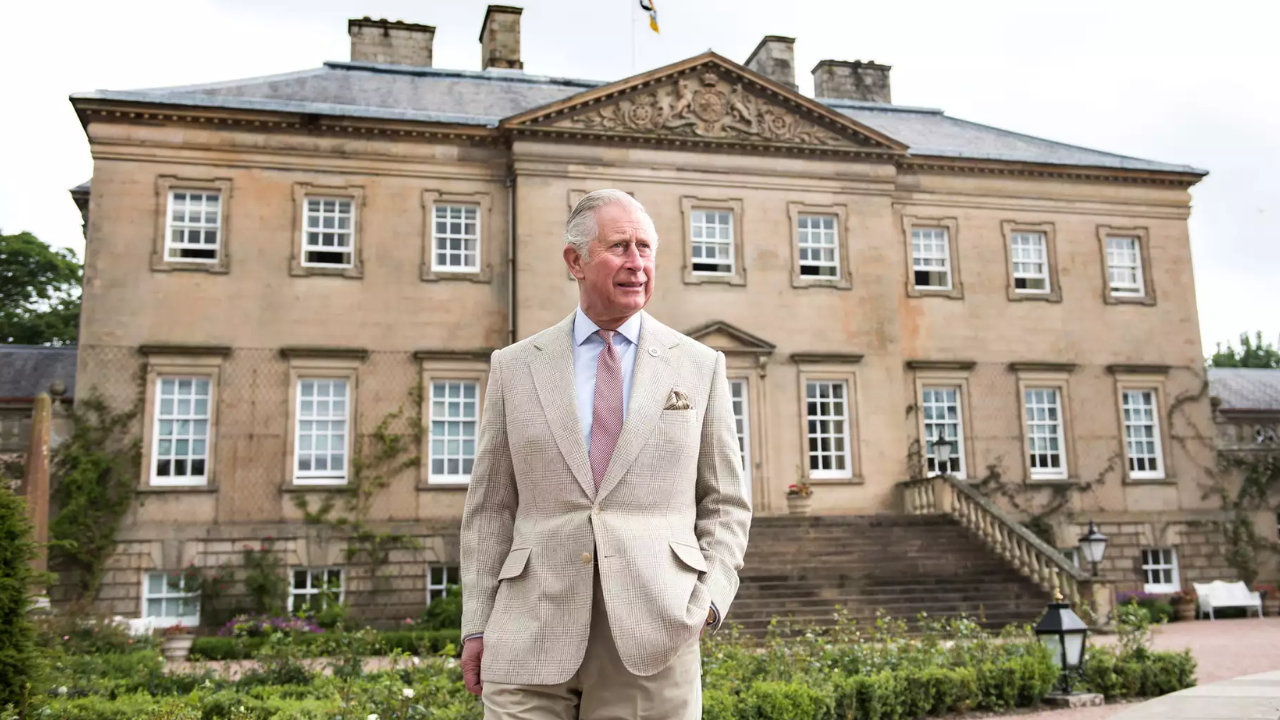
Britain’s wealthiest family just discovered that even kings aren’t above certain tax bills. In a historic shift, King Charles III will become the first British monarch in modern history to pay the new “mansion tax” on private weekend retreats.
The £15,000 ($20,000) annual surcharge will hit Balmoral and Sandringham. While small beside an estimated £1.8 billion ($2.4 billion) fortune, its symbolism lands hard as the details emerge.
A Tax Bill Centuries In The Making
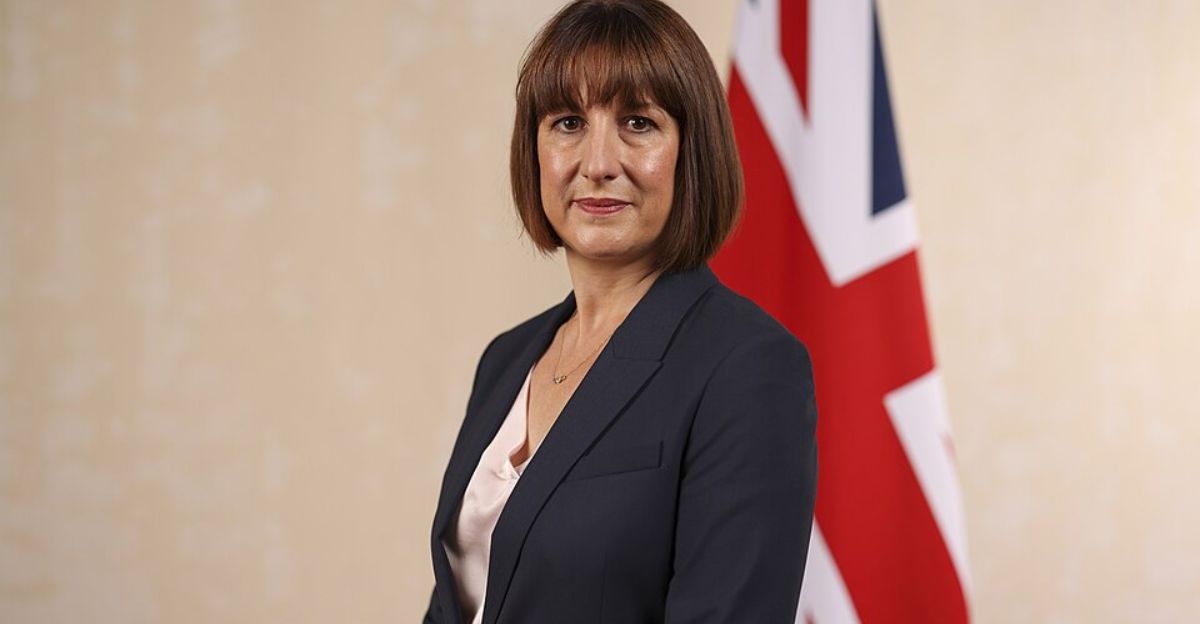
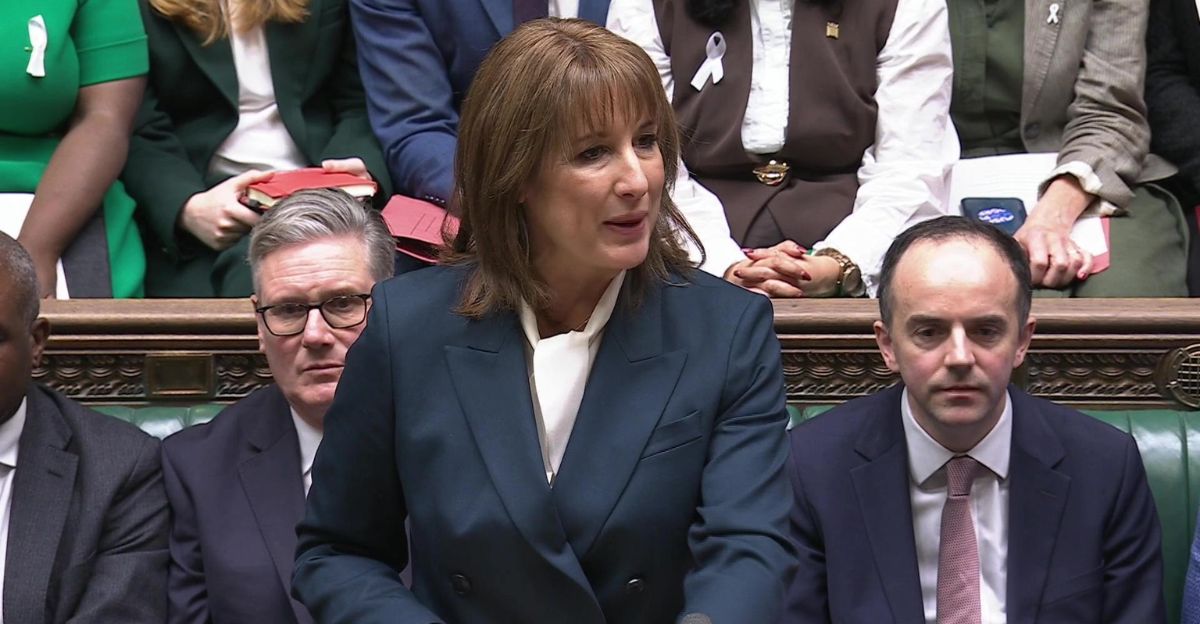
When Chancellor Rachel Reeves stood before Parliament last November, she unveiled a property tax with no royal carve-outs. The High Value Council Tax Surcharge, dubbed the “mansion tax,” will charge King Charles about £15,000 ($20,170) annually on 2 private estates starting April 2028. That “no carve-outs” promise is where things get interesting.
Two Retreats Meet A New Rule
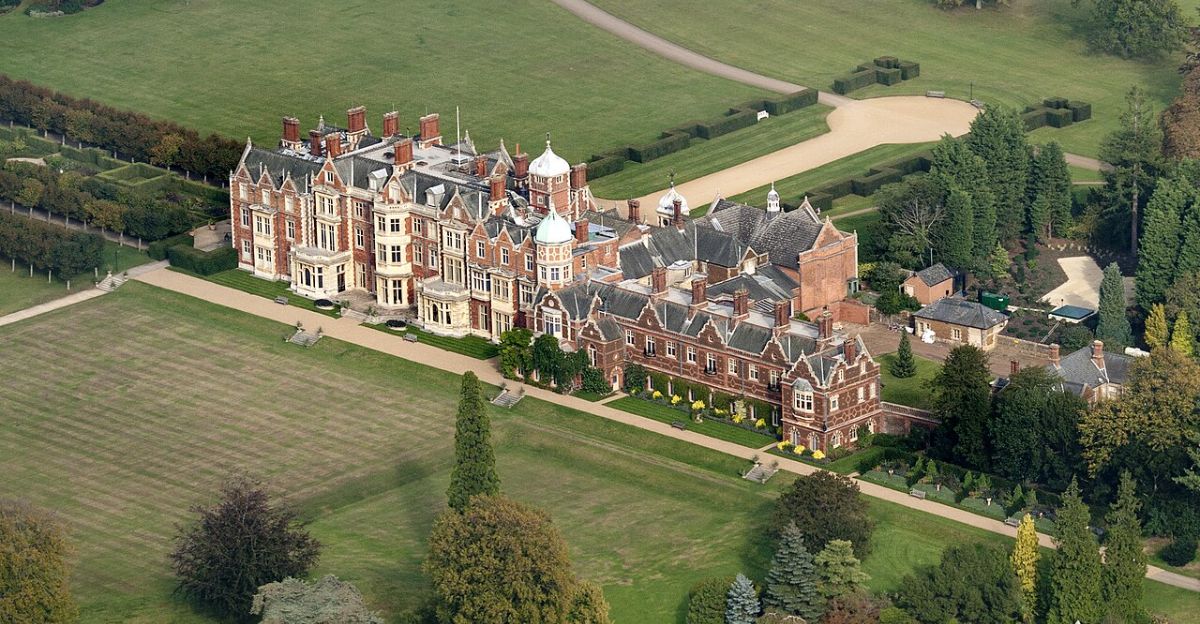
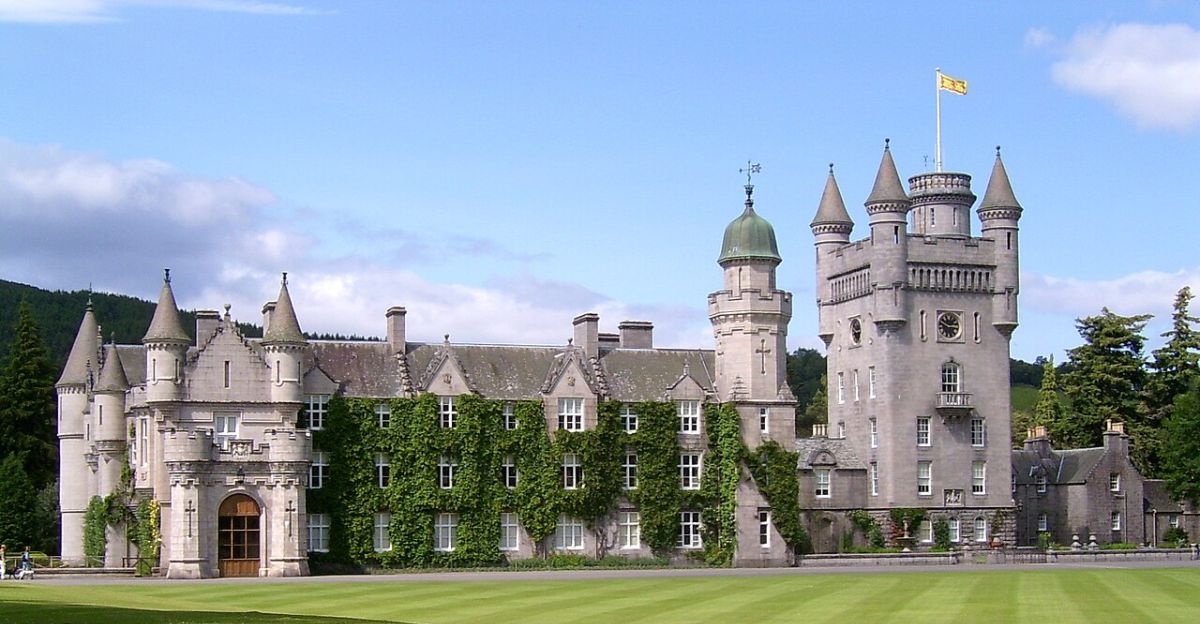
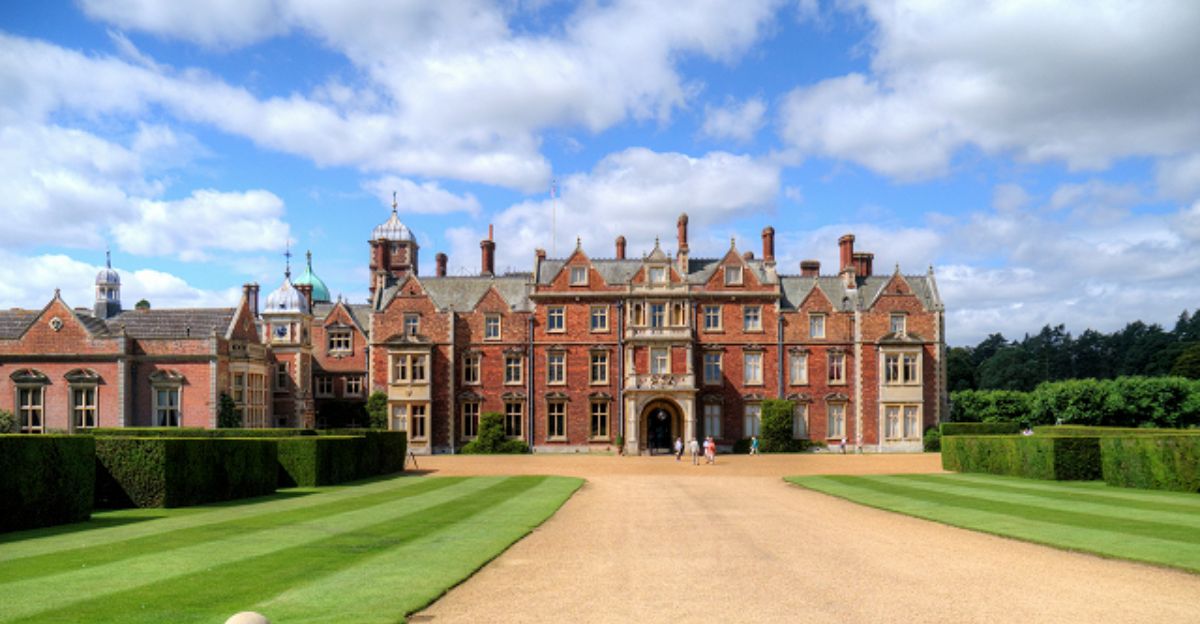
Balmoral Castle and Sandringham Estate are private sanctuaries bought with personal royal funds, not public money. King Charles inherited them from Queen Elizabeth II in September 2022. Balmoral spans 50,000 acres, valued at near £140 million ($176 million). Sandringham covers 20,000 acres, estimated £60 million to £160 million ($75.6 million to $201.6 million). Their values trigger the highest band.
How The Mansion Tax Actually Works
The mansion tax uses 4 bands. Properties worth £2 million to £2.5 million pay £2,500 ($3,150) yearly. £2.5 million to £3.5 million pay £3,500 ($4,410). £3.5 million to £5 million pay £5,000 ($6,300). Above £5 million pays £7,500 ($9,450) per property, a detail that matters.
Why Buckingham Palace Still Won’t Pay
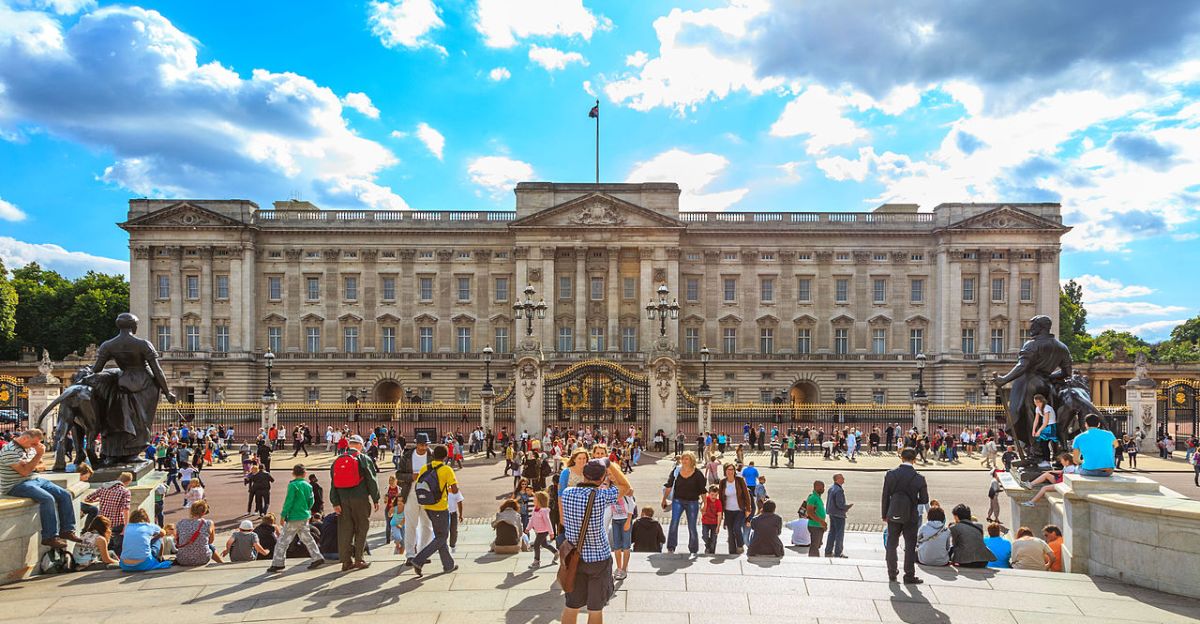
Buckingham Palace, Windsor Castle, and Kensington Palace will not pay the mansion tax because they sit under the Crown Estate. These homes belong to “the Crown” as an institution, not to Charles personally, so the levy does not apply. Buckingham Palace is valued near £3.9 billion ($5.27 billion), while Windsor Castle is about £503 million ($679.2 million). The private versus Crown split becomes crucial.
“Political And Perceptual Shift” Hits Home

David Little, Partner in financial planning at Evelyn Partners, called it transformative for royal finances. “The proposed levy, between £2,500 and £7,500 every year, doesn’t have any carve outs or tax breaks for wealthy owners just because they are ‘royal,’” he said. “It’s a political and perceptual shift.” Even if the sums are modest, what else is already being paid?
The King Already Pays Millions Each Year
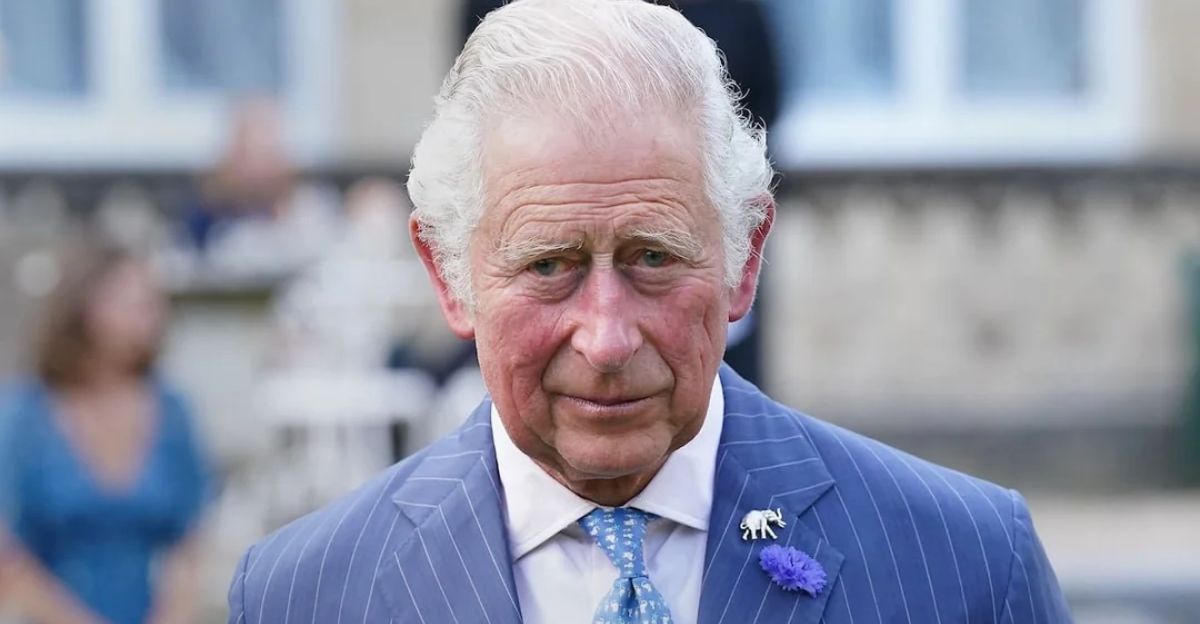
King Charles pays about £1.9 million ($2.57 million) annually in rates and council tax, per the 2024/2025 royal household financial report. The mansion tax adds about £15,000 ($20,250) if Balmoral and Sandringham both land in the £7,500 ($10,130) tier. That is about 0.79% of the existing bill, yet the optics travel far beyond the math.
A Tax Aimed At The Top 1%
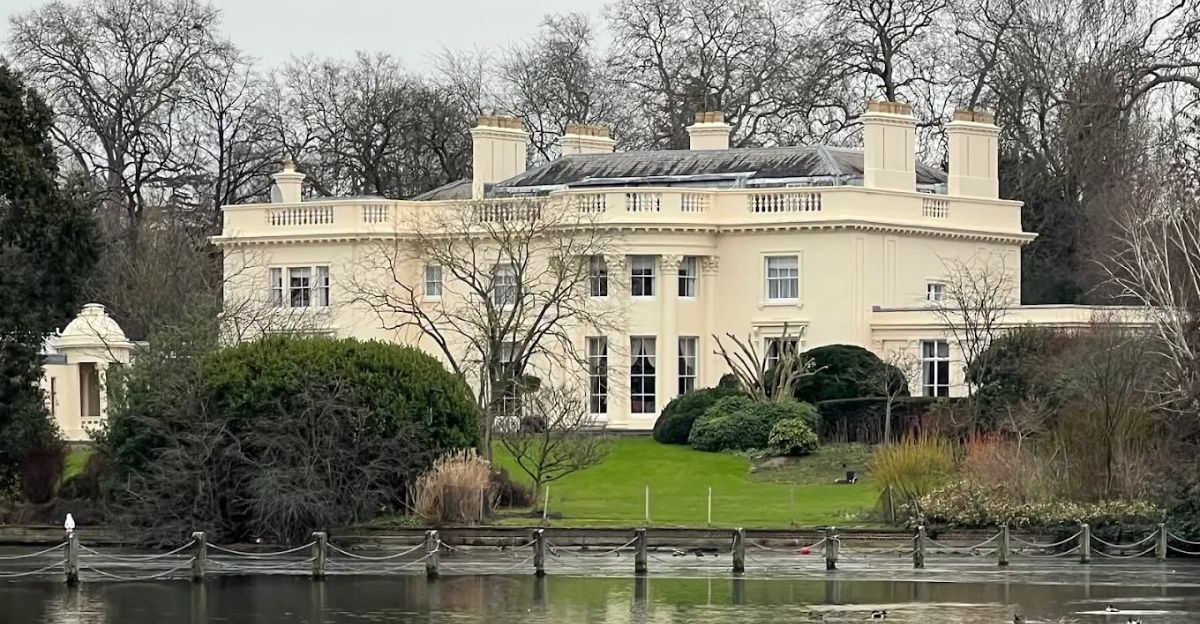
Fewer than 1% of properties in England will face the mansion tax, Treasury estimates say. The government expects about 100,000 households to pay, mostly in London and southeast England, where prices surged for years. About 50% of homes worth more than £2 million ($2.70 million) are in London, and 85% are in the broader southeast. Why did ministers push it now?
A Mayfair Example That Stirred Parliament
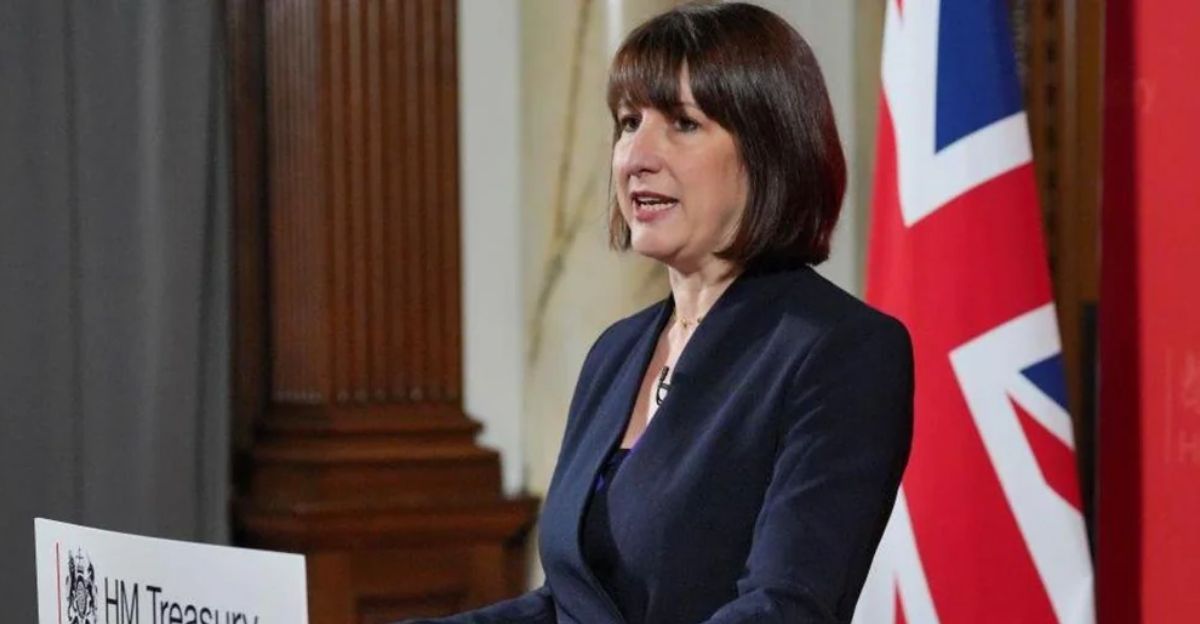
Reeves defended the surcharge by pointing to the inequality baked into the council tax. “A Band D home in Darlington or Blackpool pays just under £2,400 ($3,240) in Council Tax, nearly £300 ($405) more than a £10 million ($13.5 million) mansion in Mayfair,” she told Parliament on November 26, 2025. The problem traces to valuations frozen in 1991. That creates a question: who decides today’s values?
2026 Valuations Set The 2028 Bills
Top council tax bands F, G, and H will be revalued in 2026 to estimate current market values, repeating every 5 years. Those numbers determine which homes exceed £2 million ($2.70 million) when the tax starts in April 2028. Some owners could be surprised by market swings, though appeals and deferrals are expected in consultations this year. For Balmoral and Sandringham, there is no suspense.
The Royal Tax Deal That Lasted Decades
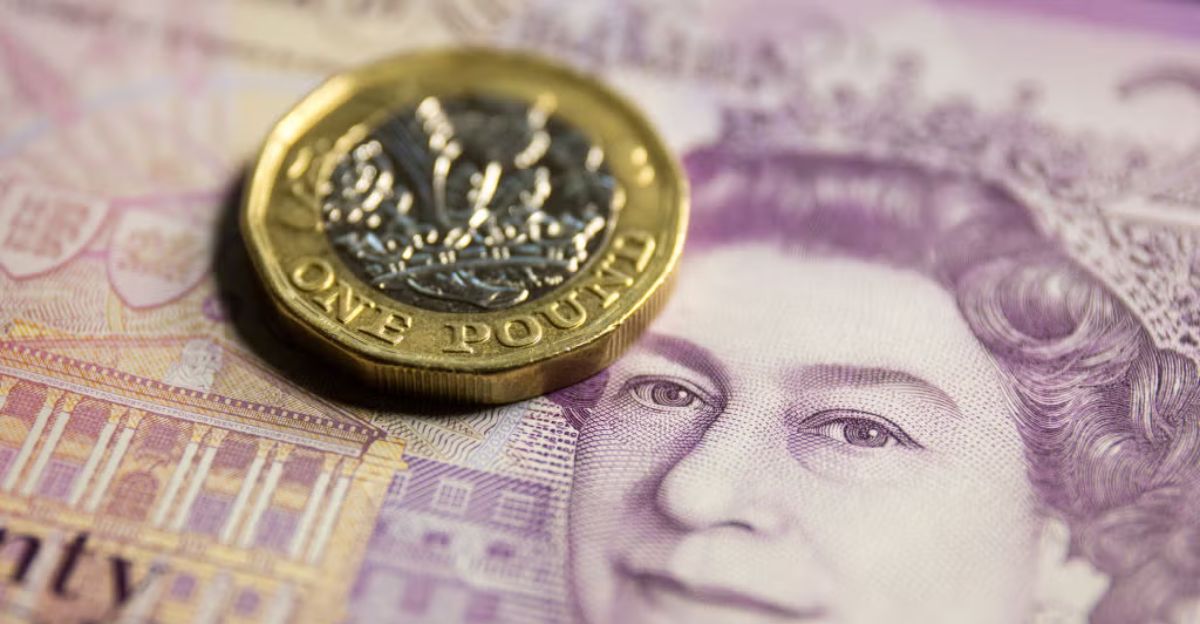
Since 1993, royal tax rules have been shaped by a Memorandum of Understanding on Royal Taxation. Queen Elizabeth II agreed to pay income tax voluntarily, but inheritance passed “sovereign to sovereign” stayed exempt from the standard 40% duty. John Major said the goal was to prevent assets being “salami-sliced away by capital taxation through generations” on February 11, 1993. How does that legacy affect today’s heirs?
Prince William’s Numbers Stay Private
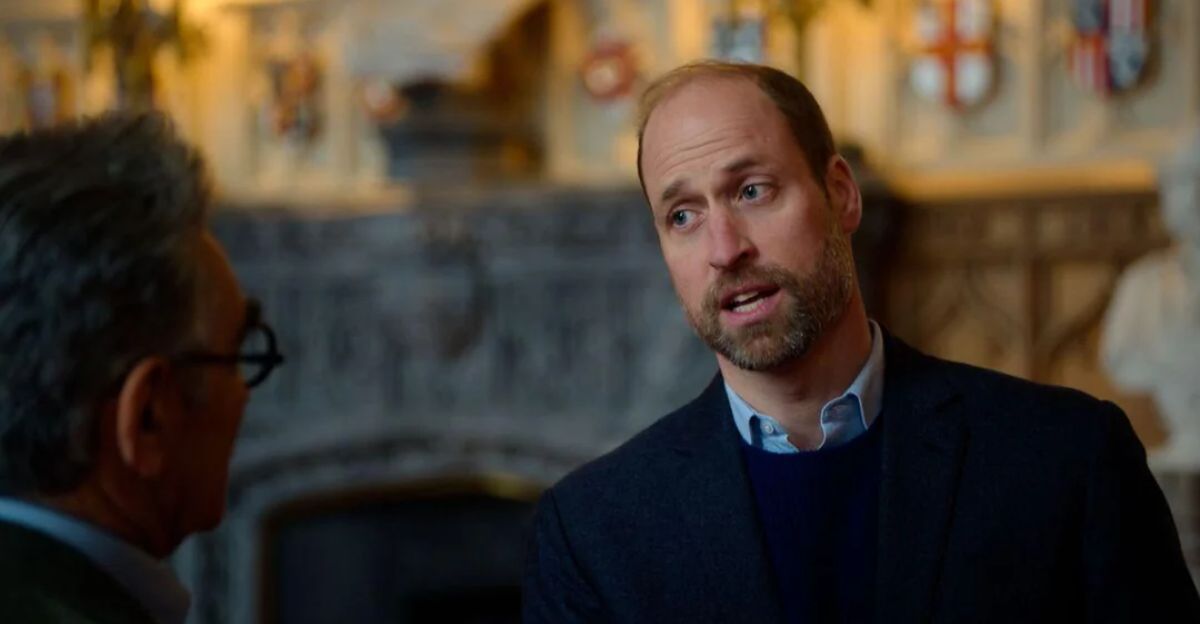
King Charles disclosed the £1.9 million ($2.57 million) figure in 2024/2025 accounts, but Prince William does not reveal his tax payments. William inherited the £1.8 billion ($2.43 billion) Duchy of Cornwall when Charles became King in September 2022. His private secretary Ian Patrick said William “pays the highest rate of income tax.” The Duchy generated £23.6 million ($31.86 million) last year, yet the exact bill remains unknown.
£650 Million Inheritance, No Tax Due
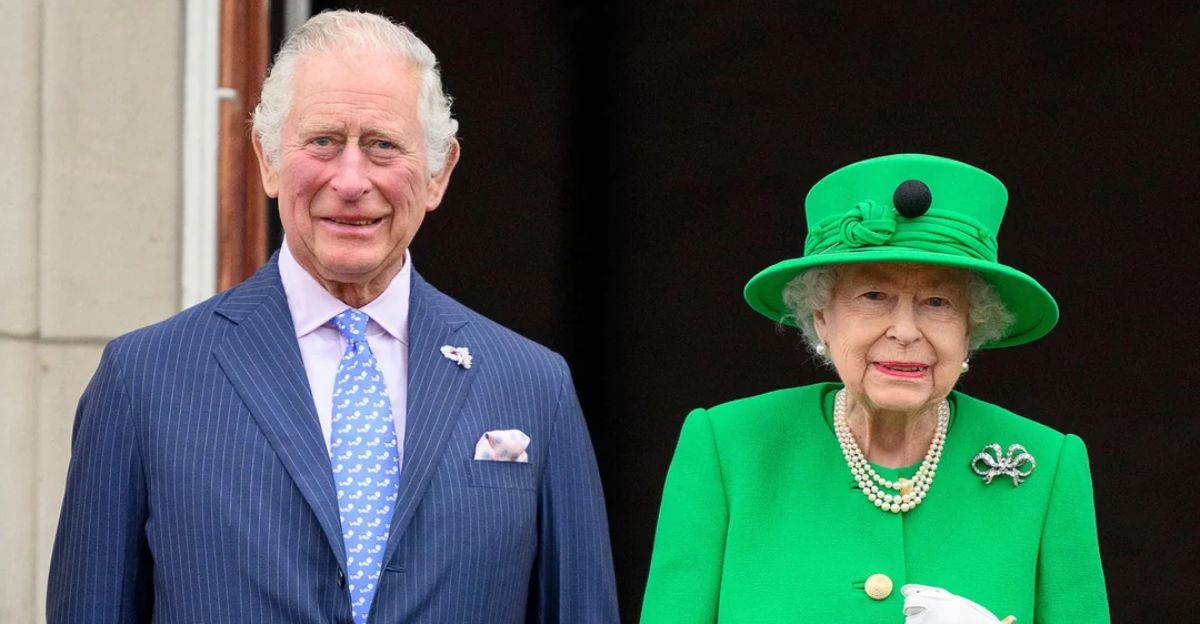
When Queen Elizabeth II died on September 8, 2022, King Charles inherited more than £650 million ($877.6 million) tax-free under the sovereign-to-sovereign exemption. The inheritance included the Duchy of Lancaster portfolio, personal investments, Balmoral, Sandringham, and jewelry. With a normal 40% inheritance tax above £325,000 ($438,815), he avoided about £260 million ($351.05 million). That scale fuels political anger that keeps growing.
“Unfair, Costing The Country Millions”
Tax Justice UK argues the royal family should face standard rules. “The King and Prince of Wales’ businesses are exempt from corporation tax. They’re also exempt from Capital Gains Tax and Inheritance Tax,” the group wrote. “The King and the prince both pay income tax voluntarily, but they are not legally obliged to.” Is a new property surcharge meaningful if bigger exemptions stay untouched?
When Public Bodies Pay The Duchies
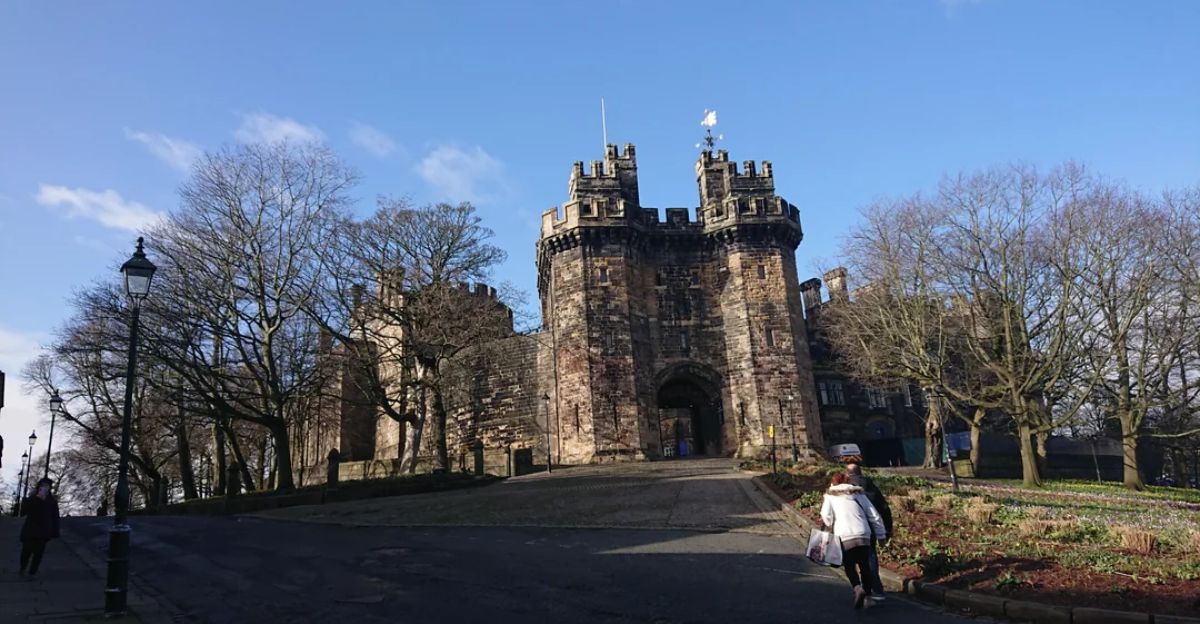
The Duchy of Lancaster, valued at £653 million ($881.68 million), generated £27.4 million ($37.00 million) for Charles in 2023/2024, exempt from corporation tax and capital gains tax. A Channel 4 Dispatches investigation said the Duchy charges the NHS, armed forces, state schools, and charities for land use. The NHS reportedly pays £11.4 million ($15.39 million) over 15 years to store ambulances. That reporting triggered a fresh debate about scale.
“Small Change” Even With New Rules
David Little stressed the mansion tax matters symbolically more than financially. “The proposed levy, between £2,500 ($3,376) and £7,500 ($10,127) every year, doesn’t have any carve-outs or tax breaks for wealthy owners just because they are ‘royal,'” he said. “That means the King’s private property tax exposure looks set to increase materially, even if the sums are seen as ‘small change’.” But when does the bill actually arrive?
April 2028 Is The Moment It Starts
The mansion tax will be collected alongside council tax, starting in April 2028, giving owners approximately two years to prepare. The government plans to conduct consultations this year on appeals, deferral options, and the treatment of properties tied to employment. Valuations based on 2026 numbers will set liability, even though payments start later. King Charles will receive his first bill at the age of 79, six years into his reign. What about critics who say the Duchies simply follow the law?
“Acting Within The Law In Best Interests”
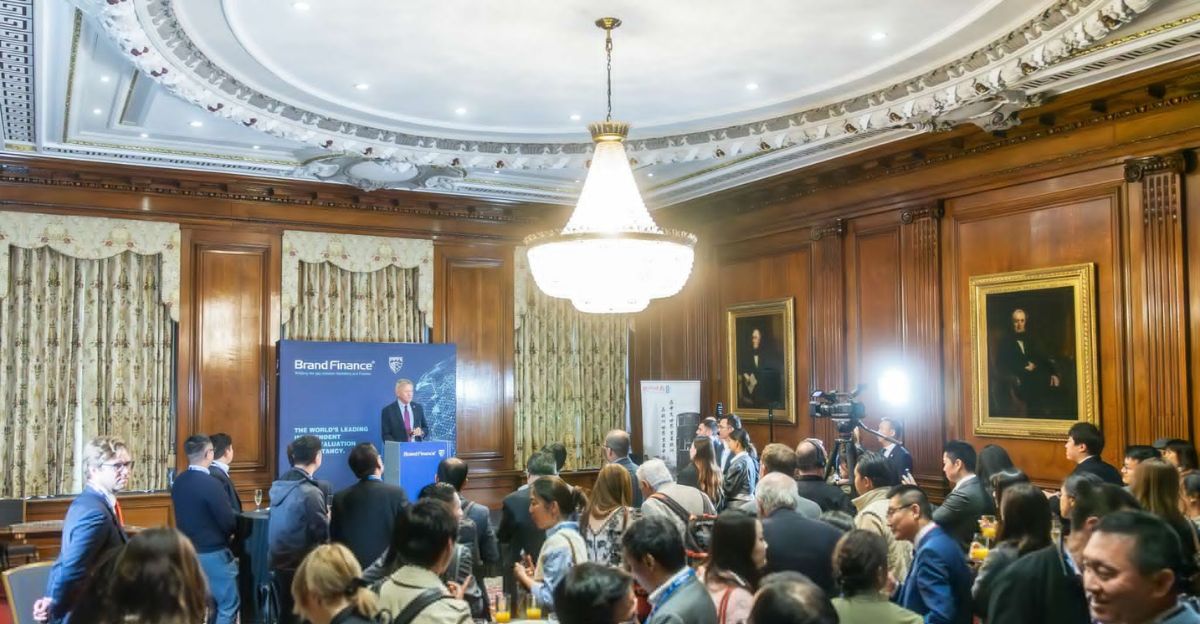
David Haigh, head of Brand Finance, defended tax minimization after Channel 4’s documentary. “Is it really unreasonable for them to expect market-rate rents when they rent properties to government agents and departments? In my opinion, it’s not,” he told AFP on November 11, 2024. He said the Duchies were “simply acting within the law in the best interests of their private capital,” comparing them to Richard Branson and James Dyson. That defense runs into one stubborn limit.
What The Mansion Tax Leaves Untouched
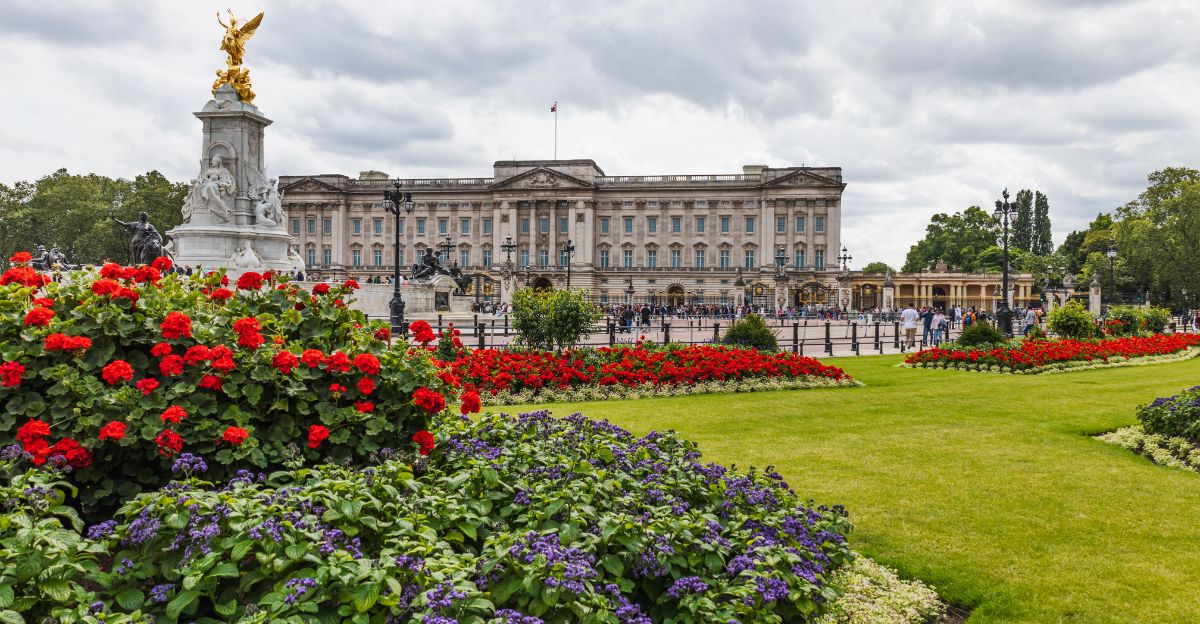
The levy targets private property only. It does not touch the Crown Estate, worth £15.6 billion ($21.06 billion), that funds the Sovereign Grant, keeping Buckingham Palace and Windsor Castle exempt. The Duchy of Cornwall’s £1.8 billion ($2.43 billion) and Duchy of Lancaster’s £653 million ($881.68 million) also escape because they are held in trust. Only Balmoral and Sandringham fall under the new tax, which raises a question about public patience.
A Poll That Shows The Mood Changing
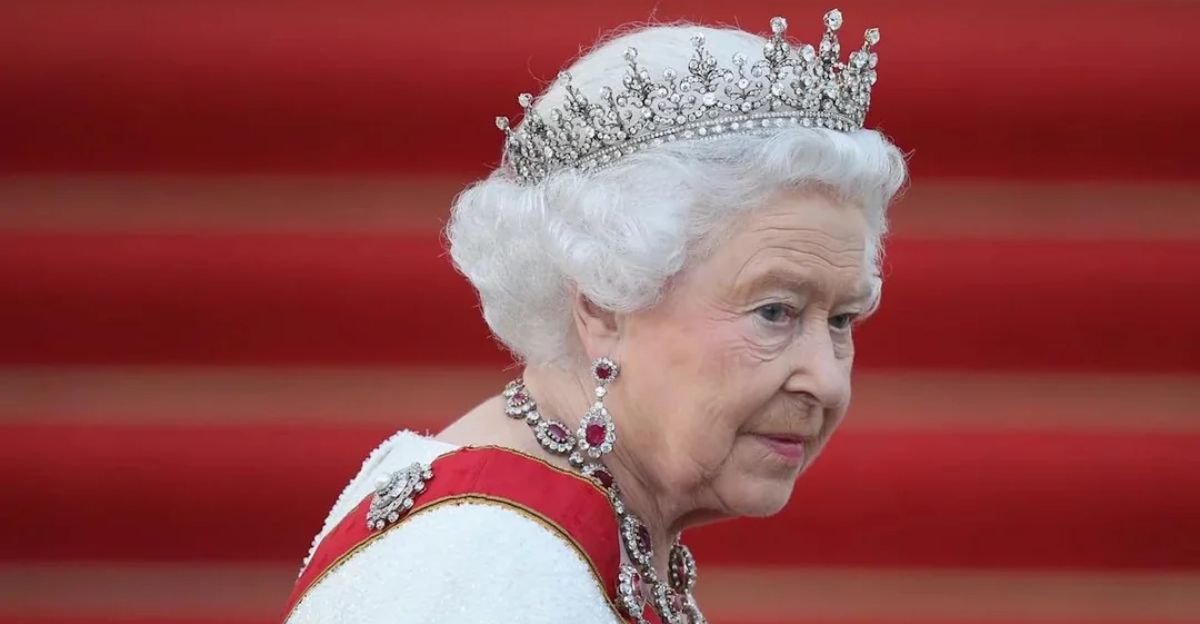
A YouGov poll after Queen Elizabeth II’s death found 63% of Britons believed King Charles should have paid inheritance tax on the £650 million ($877.6 million) he inherited. The view, cited by UK Constitutional Law Blog on December 2, 2024, reflects rising skepticism during a cost-of-living crisis. Republic’s Graham Smith said, “the solution is quite simple, abolish the Duchies.” With that backdrop, the mansion tax becomes more than a line item.
A Symbolic Win With Bigger Loopholes
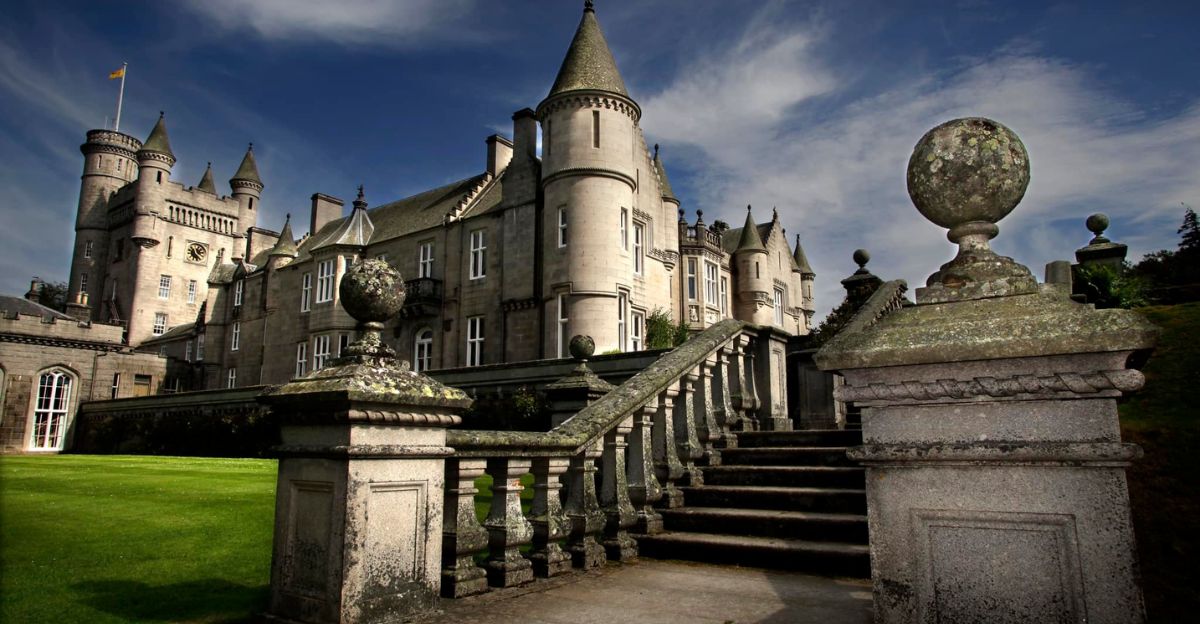
The £15,000 ($20,250) annual bill on Balmoral and Sandringham is a watershed, putting royal private property under the same rule as other luxury homes. Yet the wider picture remains: about £260 million ($351.05 million) in avoided inheritance tax, £27.4 million ($37.00 million) in untaxed Duchy income each year, and billions in Crown Estate assets beyond taxation. The mansion tax closes 1 loophole while others stay wide open, leaving a larger fight unresolved.
Sources
Budget 2025 speech. UK Government/HM Treasury, November 26, 2025
“Is it really unreasonable for them to expect market rate rents when they rent properties to government agents and departments? In my opinion it’s not,” interview. AFP, November 11, 2024
King Charles set for ‘mansion tax’ bill at his private homes. Hello Magazine, December 5, 2025
The royal family must be made to pay more tax. Tax Justice UK, date not provided