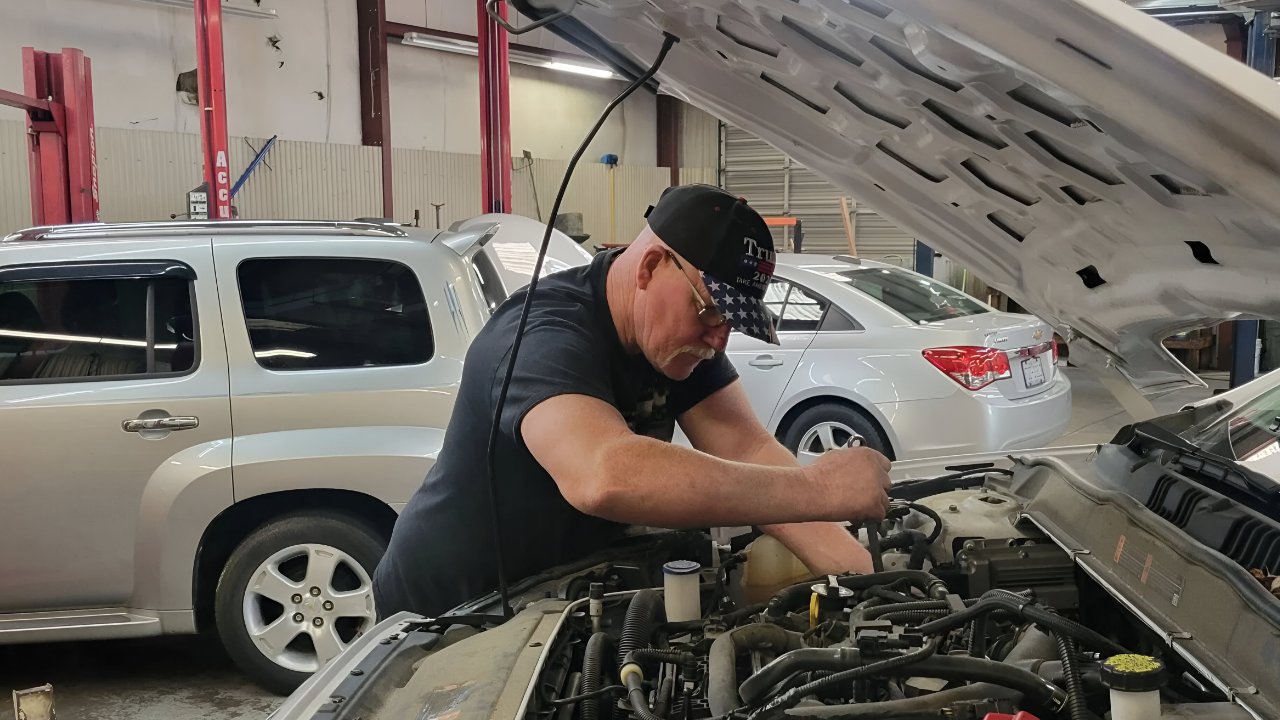
A law written in the late 1990s to stop DVD piracy now sits at the center of a modern automotive showdown. The Digital Millennium Copyright Act governs who can bypass digital locks—even inside products you fully own. Today, that includes cars.
With more than 280 million registered vehicles in the U.S., the question unfolding in Washington is stark: can car owners and independent shops legally read vehicle data without risking federal penalties?
Why Automakers Are Leaning on the DMCA

Major automakers, acting through industry trade groups, are pressing regulators to keep strict limits on bypassing vehicle software locks. Their argument centers on cybersecurity and safety, warning that broader access could expose proprietary systems or enable hacking.
Critics counter that the same rules conveniently preserve dealer exclusivity. At stake is whether copyright law should double as a tool for market control in the age of software-defined vehicles.
The Prison Sentence Hidden in the Fine Print

Under the DMCA’s anti-circumvention rules, bypassing digital protections for commercial advantage can theoretically trigger federal criminal penalties. Advocates warn the statute allows for three to five years in prison—even when the goal is simply reading data from a car you own.
While prosecutors have not targeted ordinary repair, the existence of criminal liability creates chilling uncertainty for independent shops and do-it-yourself owners nationwide.
Independent Shops Feel the Pressure Tighten
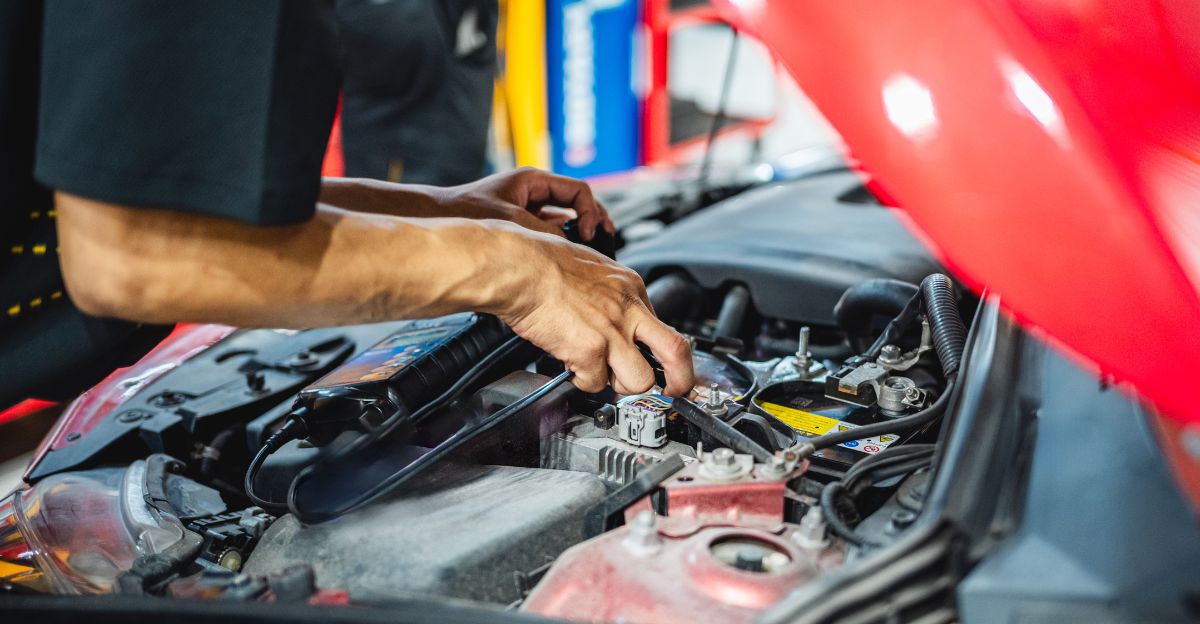
More than 100,000 independent repair shops form the backbone of America’s auto-repair economy. Many now report being locked out of essential diagnostics as manufacturers shift data behind encrypted systems.
Without access, shops face a brutal choice: turn customers away, pay steep subscription fees, or fall behind technologically. The fear is not hypothetical—repair pathways are narrowing with every new model year.
Telematics: The Nervous System of Modern Vehicles

Modern cars constantly generate and transmit data—engine health, fault codes, location, and driving behavior. This telematics stream enables predictive maintenance and faster diagnostics.
But when only manufacturers and authorized dealers can access it, independent repairers are effectively blinded. As physical diagnostic ports give way to wireless systems, control over data increasingly determines who gets to fix the car at all.
Voters Tried to Break the Lock in Massachusetts
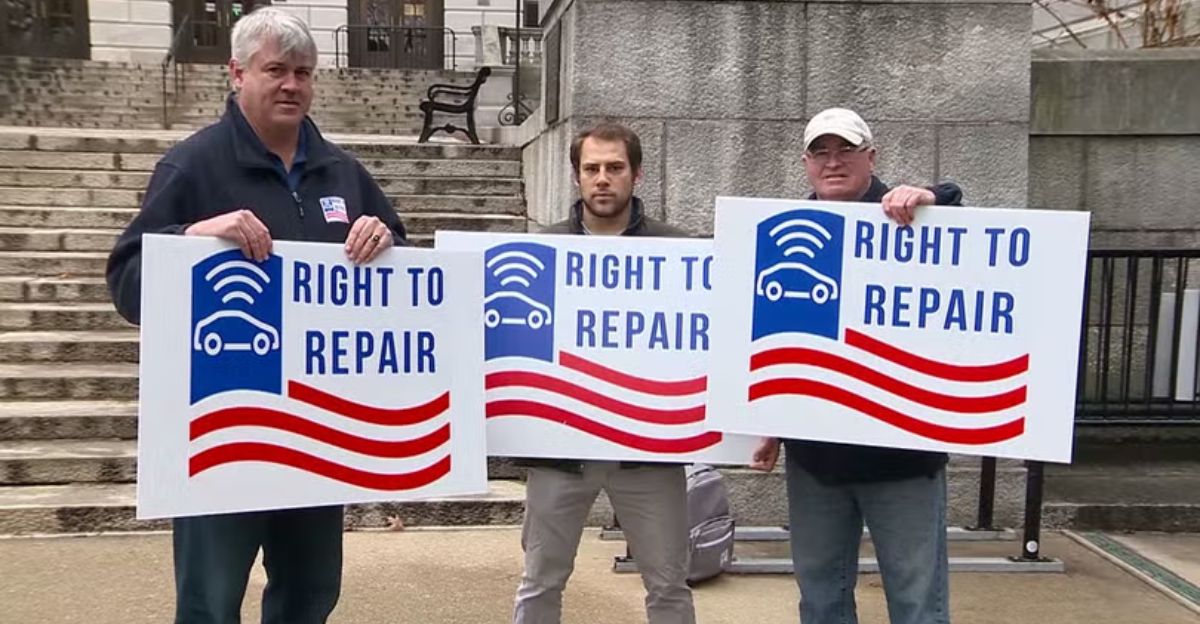
In 2020, Massachusetts voters overwhelmingly approved a ballot initiative requiring automakers to provide open, standardized access to telematics data. The mandate aimed to level the playing field for car owners and independent shops.
Automakers responded with lawsuits, arguing compliance would conflict with federal safety and emissions rules. The result has been years of delay, leaving the law’s promise largely unrealized.
A Growing Patchwork of Repair Rules
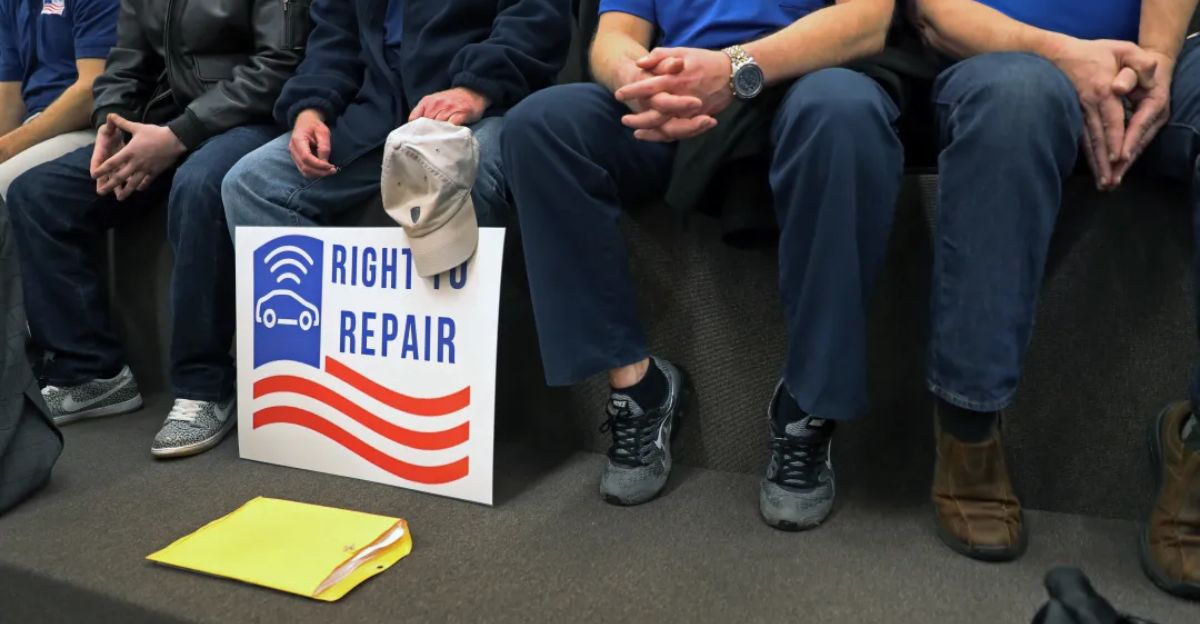
Across the U.S., states are pursuing their own right-to-repair solutions. Some target electronics, others agricultural equipment, and a few focus directly on vehicle data.
The result is a fragmented legal landscape where manufacturers must navigate inconsistent obligations. For repairers operating across state lines, the patchwork creates confusion—and often favors large corporations with the resources to comply selectively.
Relief That Expires Every Three Years
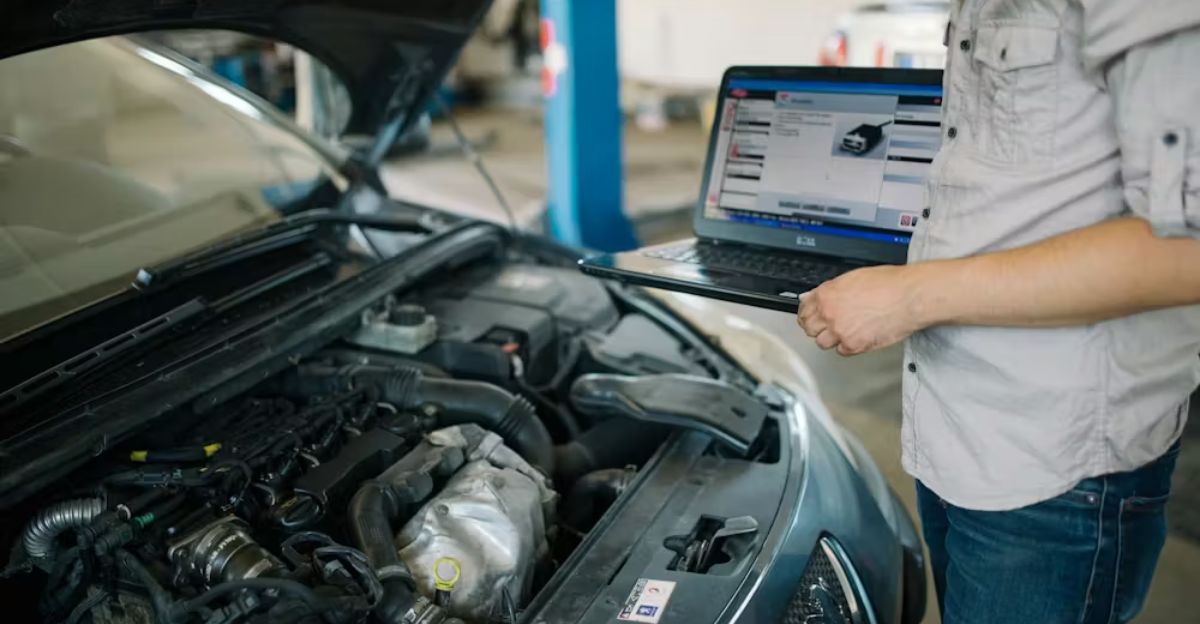
The Copyright Office periodically grants exemptions allowing limited bypassing of digital locks for repair. These exemptions must be renewed every three years.
In late 2024, regulators approved a narrow carve-out for accessing vehicle operational and telematics data for diagnosis and repair. Advocates argue the process itself is the problem—basic repair legality should not hinge on recurring permission from Washington.
Why Industry Promises Don’t Cover Telematics
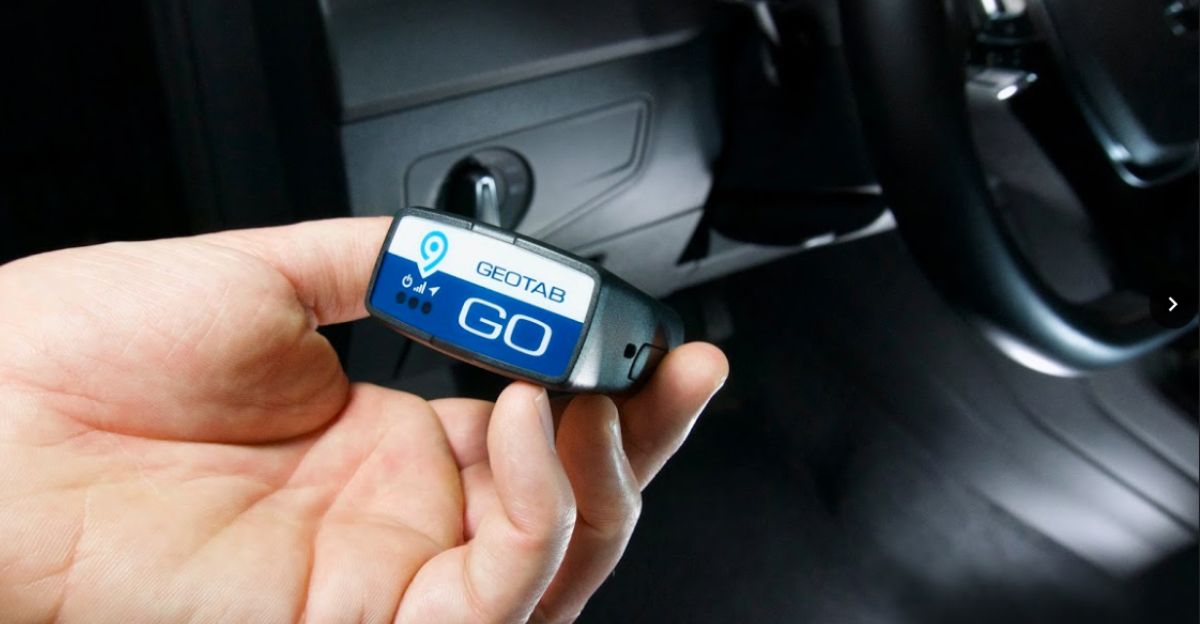
Automakers often point to voluntary data-sharing agreements dating back to 2014 as proof that access concerns are overblown. Regulators disagree.
Federal reviews explicitly note that telematics data—the most valuable stream in modern vehicles—is not guaranteed under these commitments. As diagnostics move from physical connectors to wireless pipelines, voluntary frameworks increasingly leave independent shops behind.
The FTC Steps In With a Warning Shot
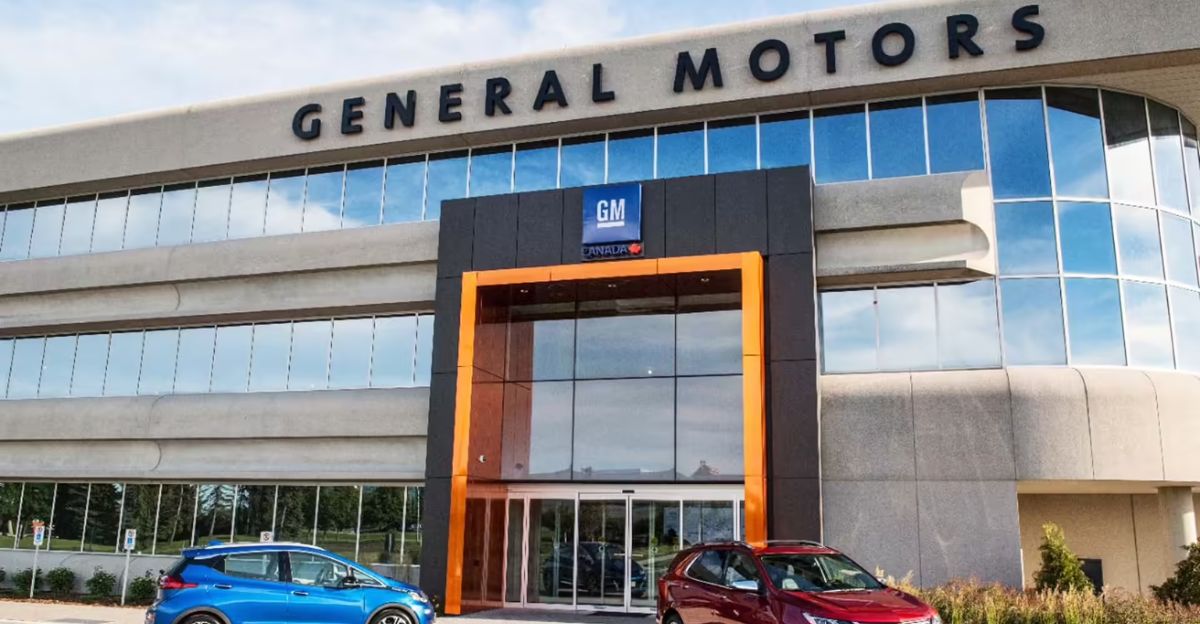
In January 2025, federal regulators barred General Motors for five years from sharing certain driver location and behavior data with consumer reporting agencies.
The case revealed how deeply automakers can see into drivers’ lives. It also underscored a contradiction: manufacturers can monetize driver data, yet owners and repairers may be blocked from accessing the same systems for maintenance or diagnostics.
Locked Out of Repairs, Exposed on Privacy

The GM enforcement action exposed an uncomfortable paradox. Car owners may lack legal access to their own telematics for repair, while detailed driving data flows outward to third parties.
Privacy experts argue the same digital locks that exclude mechanics do nothing to protect consumers from surveillance. Instead, they reinforce asymmetrical control over who benefits from vehicle data.
When Copyright Meets Antitrust Law

Legal scholars increasingly view repair restrictions through an antitrust lens. Using software locks and copyright law to funnel all repairs to authorized dealers may unlawfully monopolize lucrative aftermarkets.
Regulators have already challenged similar practices in agriculture and electronics. The automotive sector could be next, especially as data access becomes inseparable from competitive repair services.
The Economic Stakes of a 280-Million-Car Fleet

With nearly 280 million vehicles on U.S. roads, even modest shifts in repair access ripple across household budgets.
If more repairs are forced into dealership networks, costs could rise sharply—particularly for drivers in rural or lower-income states with older vehicles. Analysts warn that restricted repair competition can quietly inflate maintenance costs nationwide.
How OEMs Design Software With Law in Mind

Automakers are increasingly building vehicles around proprietary software ecosystems. Over-the-air updates, encrypted modules, and manufacturer-only authorization systems are framed as innovation—but they also reinforce legal protections under copyright law.
These design choices don’t just shape technology; they shape regulation, limiting scenarios where independent tools can legally function.
Training, Tools, and Jobs on the Line
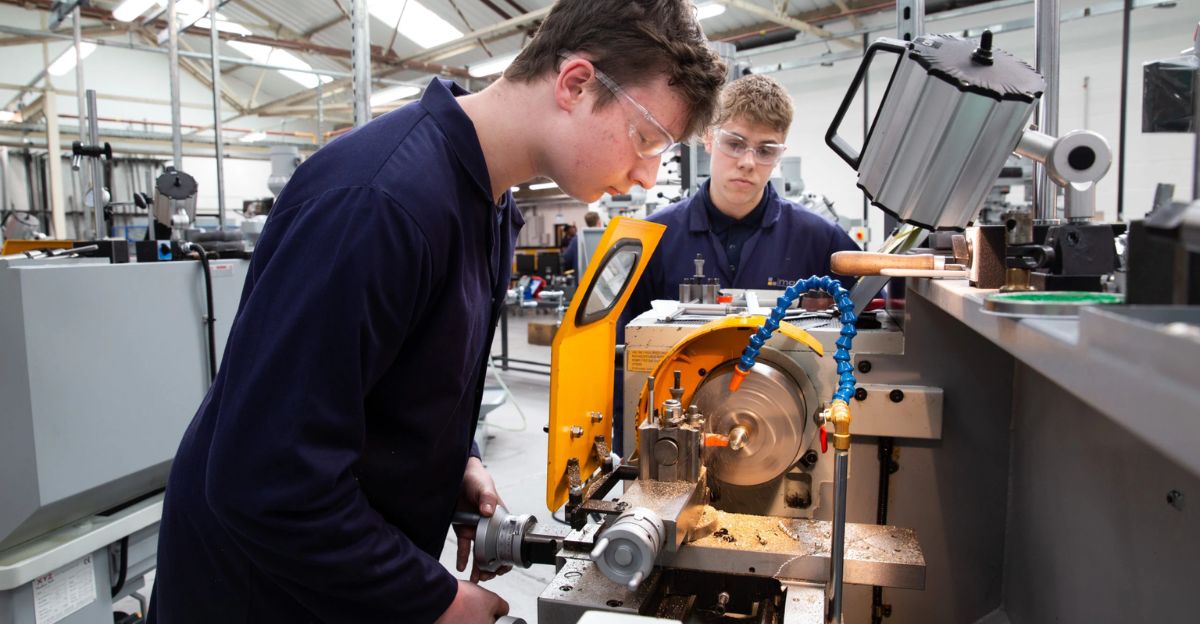
As access narrows, vocational schools and toolmakers must pivot toward OEM-approved systems. Independent technicians trained for decades on mechanical troubleshooting now face software barriers they cannot legally bypass.
Right-to-repair studies warn this shift threatens local workforces, eroding technical independence and concentrating repair expertise inside manufacturer-controlled networks.
The Mechanic’s Impossible Choice

Independent shop owners describe a growing dilemma: refuse newer vehicles, pay thousands for manufacturer subscriptions, or risk violating anti-circumvention rules with gray-market tools. Digital locks turn routine diagnostics into legal minefields.
Advocates argue no mechanic should face potential prison exposure for trying to read error codes from a customer’s car.
A Global Problem, Not Just American

Similar battles are unfolding worldwide. Europe and Australia also protect digital locks under copyright law, forcing lawmakers to grapple with repair exemptions.
Scholars warn that uncertainty around “digital exhaustion”—what ownership means in a software-locked world—undermines repair rights across borders. The U.S. fight is part of a much larger global reckoning.
Who Actually Benefits From Locked Cars

When independent shops lose access, franchised dealerships gain market share. Meanwhile, compliance consultants and cybersecurity firms profit by helping manufacturers design legally fortified systems.
Critics argue the DMCA’s original purpose has been inverted—failing to stop piracy, yet excelling at shielding business models from competition and scrutiny.
What Car Owners Can Do Today

Advocates urge consumers to ask dealers whether telematics-based repair data will be accessible outside authorized networks.
Monitoring state legislation, supporting repair initiatives, and reading vehicle privacy policies can also help. Awareness matters—because once a car is locked down by design, owners may have little recourse after purchase.
The Road Ahead for Repair and Control

Cars are becoming rolling computers, and control over their data will shape costs, privacy, and ownership itself.
The outcome of ongoing regulatory fights—at the Copyright Office, the FTC, and in state legislatures—will determine whether repair remains a right or becomes a licensed privilege. For millions of drivers, the stakes are already rolling down the road.
Sources:
“Section 1201 Rulemaking: Ninth Triennial Proceeding to Determine Exemptions to the Prohibition on Circumvention.” U.S. Copyright Office, Oct 2024.
“FTC Takes Action Against General Motors for Sharing Drivers’ Precise Location and Driving Behavior Data Without Consent.” Federal Trade Commission, 16 Jan 2025.
“Limited Vehicle Data Access Is the Top Issue Facing Independent Repair Shops.” Auto Care Association Research Memo, Hanover Research, Apr 2024.
“17 U.S. Code § 1204 – Criminal offenses and penalties.” U.S. Code, Title 17, Chapter 12.